

Most people assume a coast-to-coast American road trip is an expensive dream. The kind of thing you save years for, or maybe never get around to at all. That assumption sells the trip short. With the right strategy, a cross-country drive is actually one of the most affordable big adventures available to anyone with a car and a flexible schedule. You don’t need a lot of money. You need a plan.
Know What You’re Actually Getting Into, Cost-Wise
Before anything else, it helps to have a grounded number in your head. A typical cross-country road trip lasting two to three weeks can cost between $2,000 and $6,000 per person, covering basic expenses like gas, food, and lodging. That’s a wide range, and your place in it depends almost entirely on the choices you make. On the ultra-budget end, some travelers manage to keep daily costs between $50 and $75 per person. The gap between a $2,000 trip and a $6,000 trip is rarely about distance. It’s about where you sleep and what you eat.
Choose Your Route Strategically
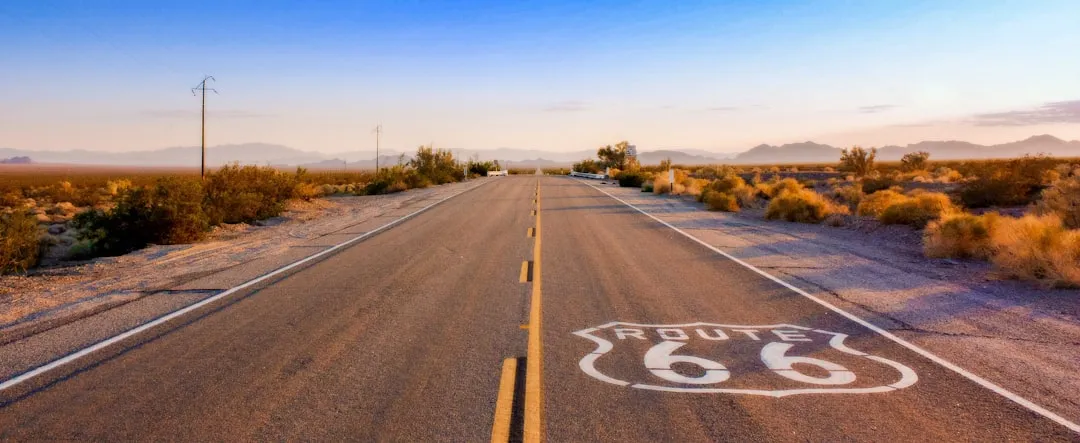
The USA spans roughly 2,800 miles coast to coast. That scale creates real choices. Popular cross-country options include the Southern Route on I-10 from Los Angeles to Jacksonville at around 2,500 miles, the Central Route on I-40 at roughly 2,600 miles through diverse landscapes, and the historic Route 66 from Chicago to Los Angeles at about 2,400 miles. The southern and central routes tend to offer cheaper gas too. If you want to save money on gas, plan your road trip through the South. The cheapest gas prices in America tend to be in the Gulf Coast states of Mississippi, Louisiana, and Texas, along with neighboring states including Missouri, Arkansas, and Oklahoma.
Master the Gas Budget Before You Leave
In 2025, average US gas prices hovered around $3.20 to $3.80 per gallon depending on the state. California is a consistent outlier. California typically has the highest gas prices, often $0.80 to $1.20 above the national average due to state fuel taxes and blend requirements. A smart trick many road trippers use: fill up on gas before entering California. Gas prices in California regularly run $0.50 to $1.00 more per gallon than neighboring states. Fill the tank in Nevada or Arizona before crossing the border. Use the GasBuddy app to track real-time prices along your exact route before every fill-up.
Sleep for Free (or Close to It)

BLM land is federally managed public land, meaning it belongs to all of us. Unlike national parks or developed campgrounds, most BLM land allows dispersed camping. That means you can pull off a dirt road, find a flat spot, and set up camp without a permit or reservation in most areas. You’ll find the largest concentrations of BLM land in states like Nevada, Utah, Arizona, Oregon, Idaho, Wyoming, Montana, and California. Dispersed camping is allowed on most BLM land for up to 14 days. Apps like iOverlander and The Dyrt make finding these spots surprisingly easy, even last minute.
Cook Your Own Meals on the Road
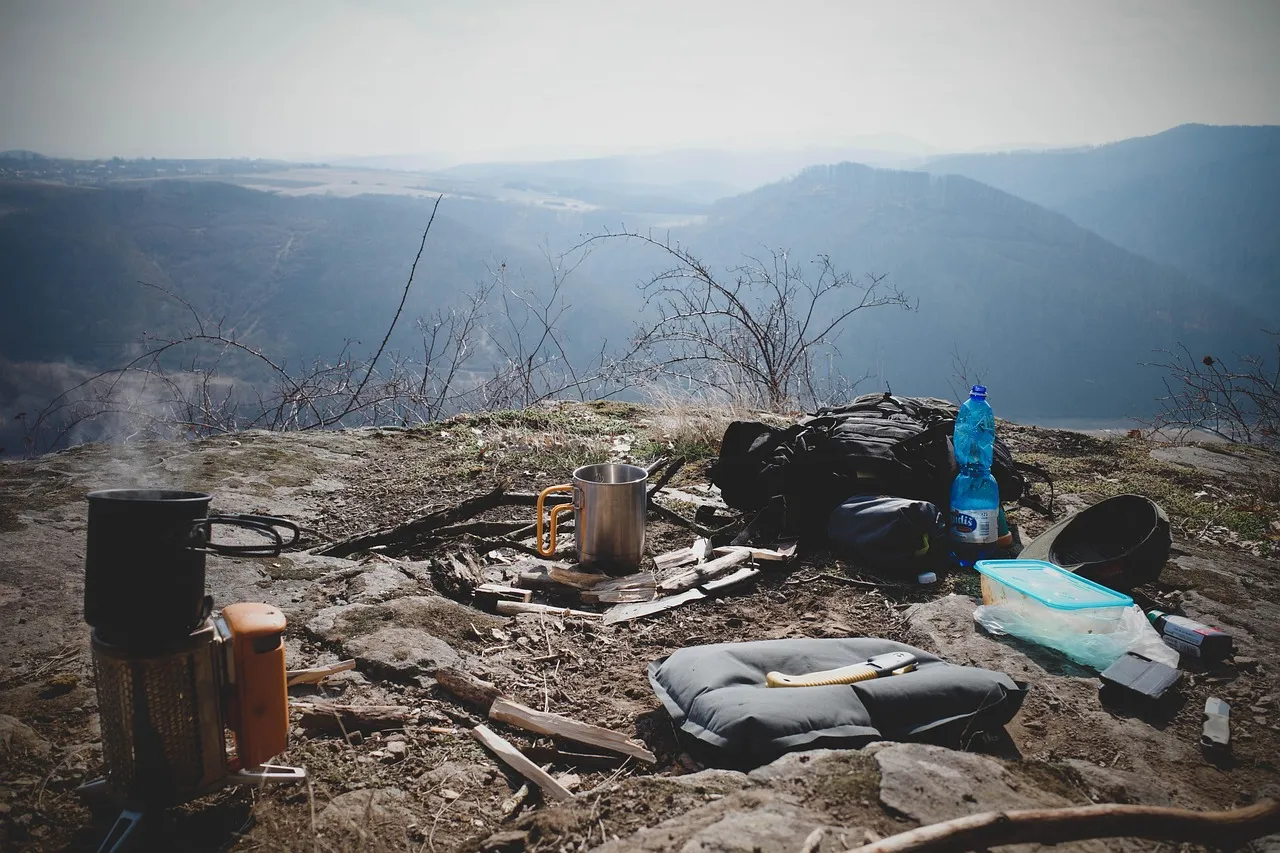
Cooking your own meals rather than eating out is one of the most effective budget moves you can make. That doesn’t mean eating badly. Stocking up at grocery stores along the way and cooking proper meals is entirely doable, and it saved significantly compared to eating out daily, which could easily add $60 to $100 per day to your costs. If you’re driving without cooking facilities, budget around $40 to $60 per person per day for food if you mix grocery stops with occasional restaurant meals. Budget grocery chains like Walmart Supercenter and Aldi are spread reliably along most major routes and cost noticeably less than regional specialty stores.
Get the America the Beautiful Pass
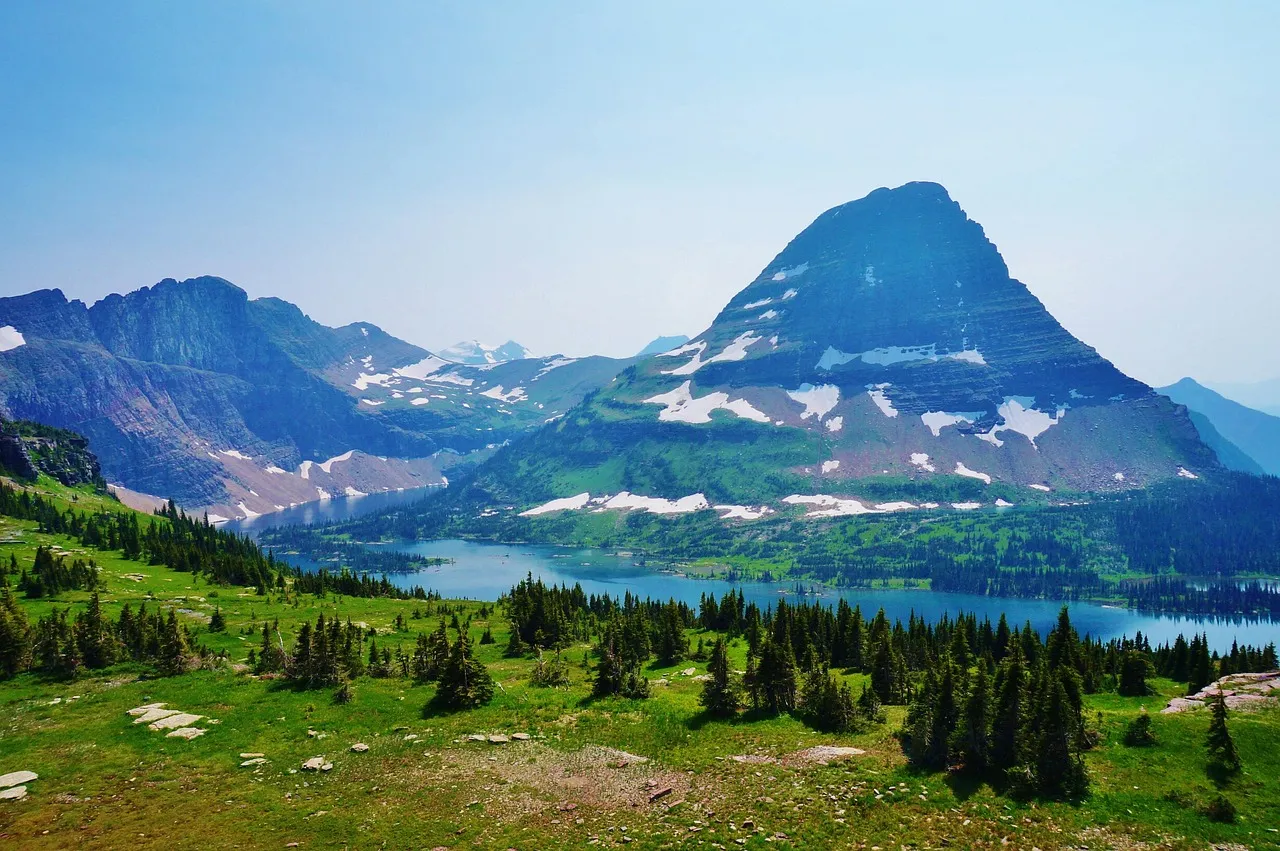
The America the Beautiful Annual Pass covers over 2,000 national parks, nature reserves, and recreation areas. For US citizens and residents the price is $80, and you only pay it once. Afterward, you can visit as many sites as you wish without paying additional admission fees. If your itinerary includes three or more national parks, the pass will almost certainly save you money, as the cost is lower than the combined individual entrance fees. As of January 2026, the America the Beautiful passes are also available in a fully digital format through Recreation.gov, making it even easier to grab one before you go.
Travel with Other People

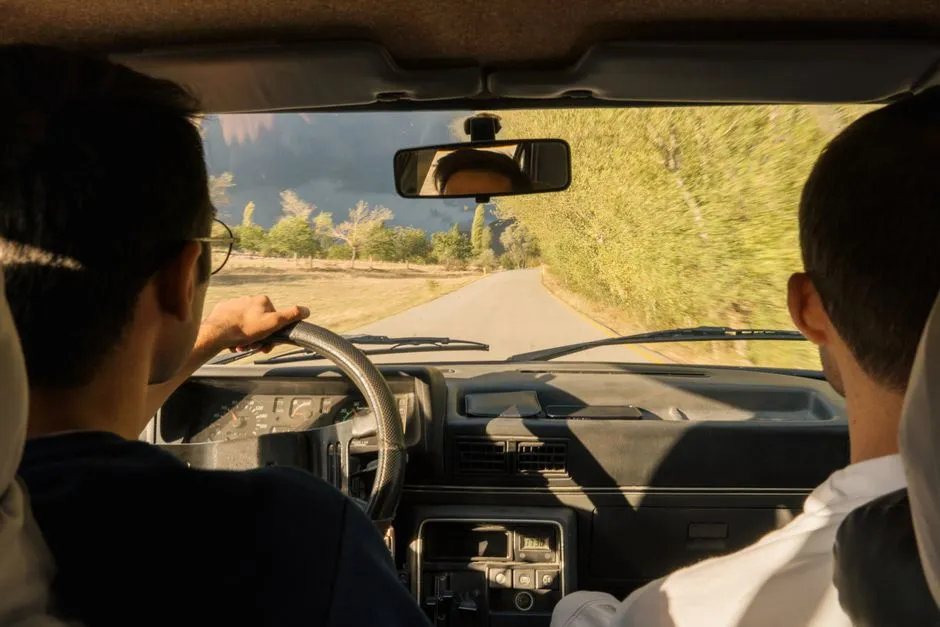
Traveling with a group is one of the simplest ways to cut per-person costs. Vehicle rental, fuel, and many activity costs are fixed regardless of passenger numbers. Two people in a car immediately cut gas costs per person in half. Couples and groups reduce per-person expenses significantly through shared accommodation and transportation. Even a small car with two people stretches the budget considerably further than solo travel, and the company on long stretches of Nevada or Kansas highway doesn’t hurt either.
Time It Right: Shoulder Season Is Your Friend

Traveling during shoulder season, meaning late spring and early fall, offers better rates and smaller crowds. Peak summer means crowded campgrounds, higher motel rates, and slower national park visits that require reservations weeks in advance. Spring departures in April or May, or fall trips in September and October, hit most landscapes at their most pleasant and their least expensive. When planning a visit to a national park, it’s worth checking whether you need a reservation, as some parks use a timed entry system to manage vehicle traffic. Booking at off-peak times sidesteps most of those logistical headaches.
Watch the Tolls and Plan Around Them

Interstate toll roads cost about 6 cents per mile on average. Over the course of a typical 2,500-mile trip, that could mean up to $150 in tolls depending on your route. Some routes are toll-free almost the entire way. You can drive from Milwaukee to Seattle without paying a single toll, or you can drop $10 or more to drive through a single tunnel into New York City. Tools like Google Maps and Waze both allow you to filter routes that avoid tolls, which can quietly save a meaningful amount over a two-week drive.
Build in a Realistic Emergency Buffer
Shoestring travel doesn’t mean zero margin for error. Tires blow out. Weather reroutes you. A recommended practical approach is to calculate your estimated costs carefully and then add roughly 15 to 20 percent as a buffer. One experienced road-tripper noted that they budgeted carefully for their trip and came in about 20 percent over, with the main surprise being accommodation costs. If they had used more free camping spots from the start, they would have come in very close to budget. Making smart choices and planning your trip in advance can save a lot of money and make your trip more enjoyable. A thin buffer prevents one bad day from derailing the whole trip.
Conclusion: The Road Is More Affordable Than You Think
A cross-country road trip doesn’t require a flush bank account. It requires honest planning, flexible habits, and a willingness to sleep somewhere other than a hotel room every night. As it turns out, the country is surprisingly easy to travel on the cheap. While rising gas prices have put a damper on things, it’s still easier than you might think to have a budget-friendly road trip adventure around the USA. The distance between the coasts is roughly the same whether you spend $3,000 or $7,000. What changes is how much of the country you can afford to do again.
AI Disclaimer: This article was created with the assistance of AI tools and reviewed by a human editor.