
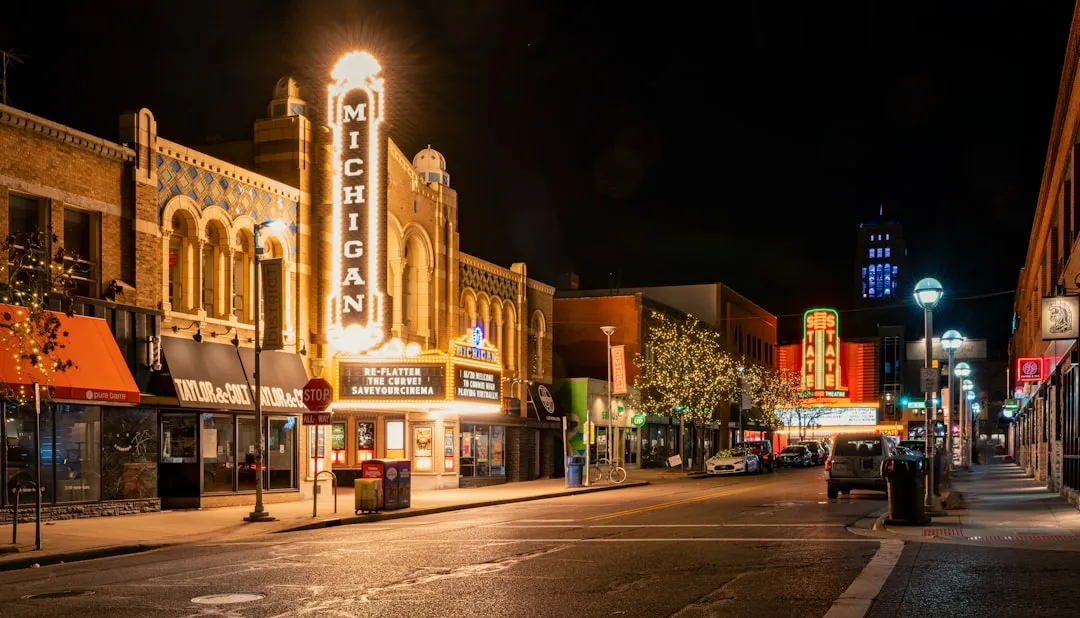

There’s something telling about the fact that the word “Leelanau” loosely translates to “delight of land” in the Ojibwe language. It’s a name that has taken on fresh meaning in recent years, as Midwest road trippers who once treated the Leelanau Peninsula as a pleasant detour on the way to Traverse City are now treating it as a destination worth owning a piece of.
Tucked into the northwest corner of Michigan’s Lower Peninsula, Leelanau is sometimes called the “pinky finger” of the mitten. It doesn’t shout for attention. Still, the people who find it tend to come back. Then they come back again. Then they start looking at listings.
A Peninsula That Kept Its Secret
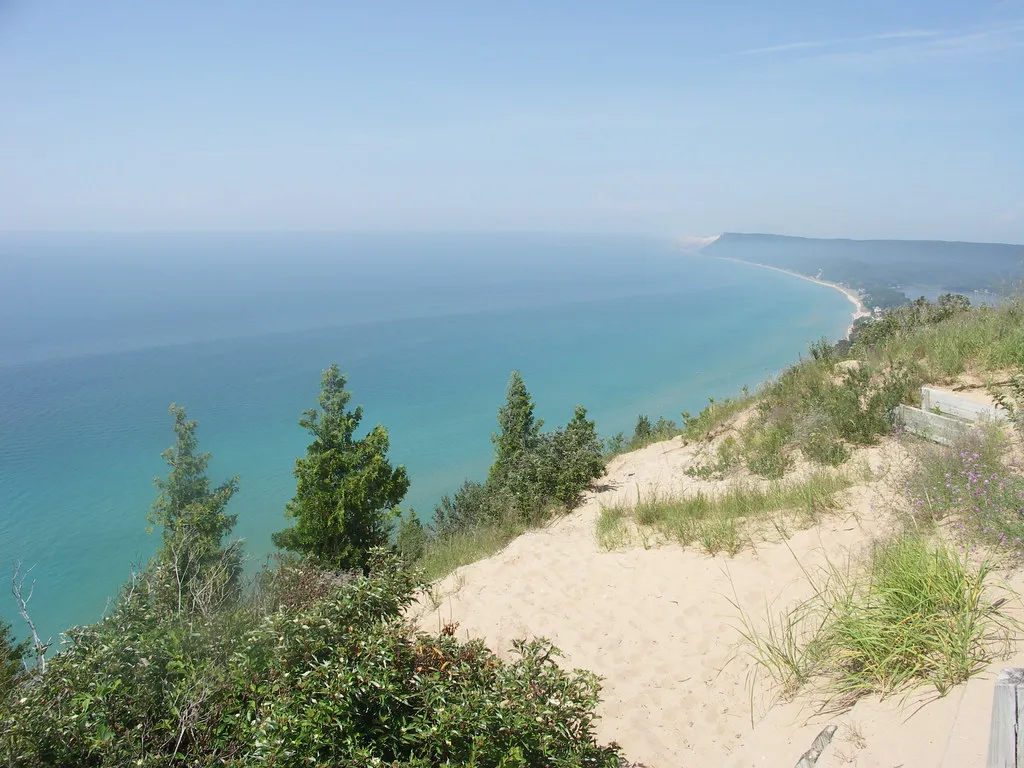
Leelanau is a peninsula located in the northwest, lower corner of Michigan, oftentimes referred to as the “pinky finger” of the mitten-shaped lower peninsula of the state. It’s hemmed in by Lake Michigan on one side and Grand Traverse Bay on the other, giving it a surrounded-by-water quality that feels genuinely removed from the rest of the state.
The steep terrain and large bodies of water throughout the Leelanau peninsula create a microclimate that provides the optimum environment for agriculture, farming, and viticulture. The variety of inland lakes, trails, beaches, and natural areas provide many recreation opportunities. There are, according to local realtors, 39 inland lakes within the Leelanau peninsula alone, which is a staggering number for a landmass of its size.
Leelanau County’s crown jewel is the magnificent Sleeping Bear Dunes National Lakeshore, recognized by National Geographic as one of the world’s most beautiful beaches. The region encompasses 35 miles of pristine Lake Michigan coastline, creating an endless canvas of natural wonder. It’s the kind of natural backdrop that turns a weekend visit into a property search.
The Road Trip That Becomes a Real Estate Decision

About 80 percent of visitors come from within roughly an eight-hour drive of the Upper Peninsula, including Michigan, Ohio, Indiana, Illinois, Wisconsin, and Minnesota, according to Tom Nemacheck, the executive director of the Upper Peninsula Travel and Recreation Association. The same regional pull applies to Leelanau, which sits within comfortable driving distance of Chicago, Detroit, and Indianapolis.
A report by SMARInsights found that the Pure Michigan campaign “influenced more than 789,000 leisure trips” to Michigan in 2024. That means nearly 800,000 travelers specifically chose Michigan as their vacation destination after seeing or hearing Pure Michigan ads. Many of those trips end in northern Michigan, and Leelanau is a repeated stopping point on those itineraries.
The campaign has helped build Michigan’s brand as a friendly, beautiful, and worthwhile place to visit, and that kind of reputation also has intangible benefits. It can pique interest for business investment and even future residency. The road trip to cabin ownership pipeline is real, and Leelanau sits squarely in the middle of it.
Home Prices That Signal Serious Demand
The real estate market continues to show remarkable strength, with the average sale price reaching $796,000 in 2024, marking a 10 percent increase from the previous year. That’s not a blip. It’s a sustained pattern backed by limited supply and growing buyer interest from outside the region.
Excluding condos, the 2025 median sale price of single-family homes is now $688,250 in Leelanau County and $432,766 in Grand Traverse County. The gap between those two numbers illustrates how Leelanau has grown into its own category, a premium destination rather than just a scenic extension of the broader Traverse City market.
In January 2026, Leelanau County home prices were up 10.0 percent compared to last year, selling for a median price of $715,000. From $354,320 in 2011 to $852,598 in 2025, Lake Leelanau has experienced a 137 percent increase in home prices. Major gains in 2022 and 2024 have reinforced its spot among Michigan’s most high-value towns.
The Lure of Leland and the Million-Dollar Village
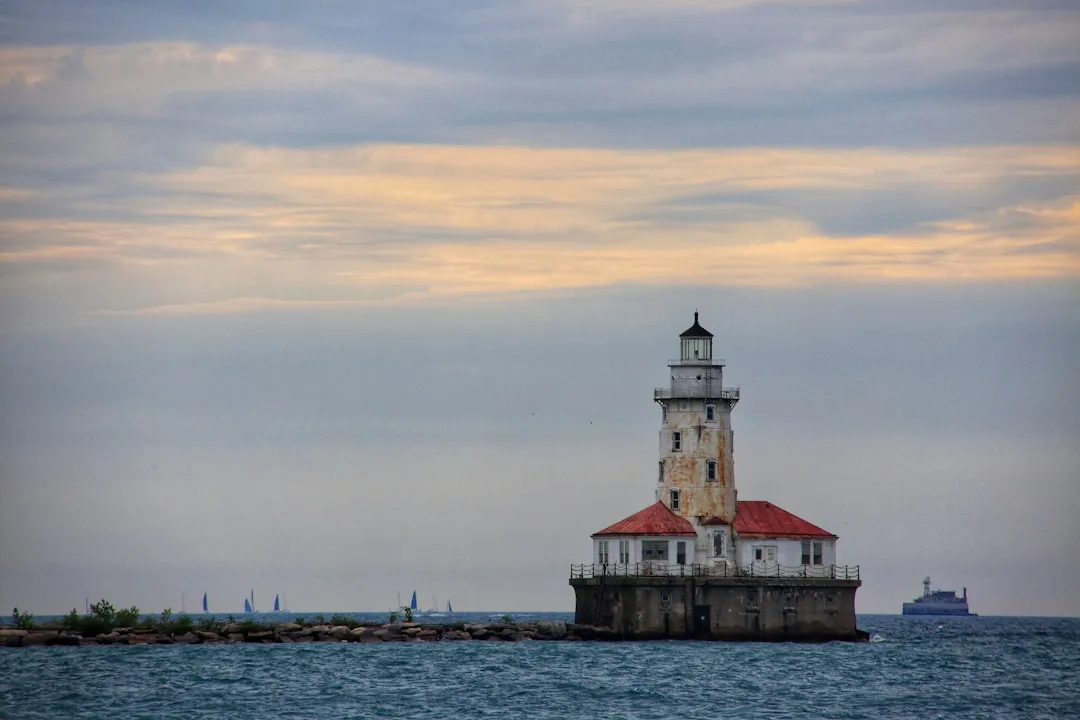
Known for its picturesque harbor, historic Fishtown district, and charming downtown, Leland is a jewel of Michigan’s northwest coast. Tucked between Lake Michigan and Lake Leelanau, it attracts high-end buyers looking for a blend of natural beauty and exclusivity. Real estate here is scarce and highly sought after, particularly for waterfront properties.
This scarcity, paired with growing interest from out-of-state investors, has driven a dramatic climb in prices. By 2025, Leland stands out as one of the few Michigan towns to break the million-dollar average home mark. For a village that still has a working fish shop and a hand-painted sign or two, that’s a remarkable transformation.
Leland offers a rare combination of historical charm, natural beauty, and modern amenities. It’s especially attractive for investors interested in vacation rental income. Homes close to Lake Leelanau or downtown Fishtown district perform well, especially during the summer months. Low inventory means demand is consistently high.
Remote Work Changed Who’s Buying
The shift to permanent remote work has allowed people who earn large city salaries to move to Michigan communities like Traverse City, Grand Rapids, or even the Upper Peninsula. These incoming buyers often bring stronger purchasing power, which puts upward pressure on prices in their chosen community. The robust growth forecasts for the UP markets are a direct reflection of this migration pattern.
Michigan has many lakes and natural amenities, especially in its rural counties. Many counties nationwide that grew the fastest from 2020 to 2023 were in areas with abundant natural amenities and outdoor recreation, including the Great Lakes region. Leelanau fits that description precisely, and buyers from Chicago and Columbus have been paying attention.
Seventy-five percent of new property additions now prioritize high-speed fiber internet to support the 45 percent of guests who blend remote work with their lakeside retreat. That number alone tells you how the market has shifted. The cabin is no longer just a getaway. It’s an office with a better view.
Cabin Inventory: Small in Supply, Big in Price Range
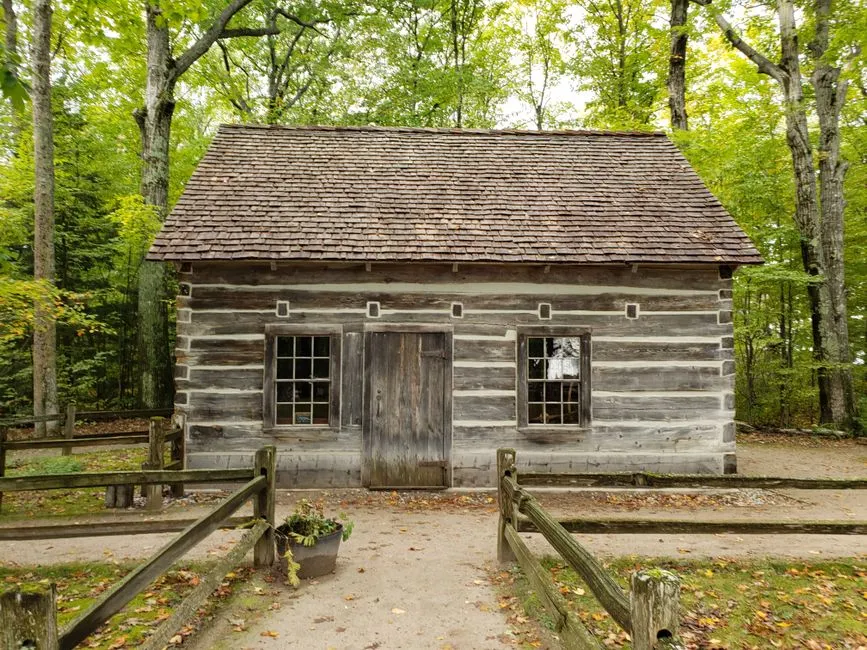
Some of the most stunning cabins in the nation are nestled away in Michigan’s peninsulas. From rustic log cabins tucked away on private wooded lots to luxury getaways with all the modern amenities, there is something for everyone when it comes to buying a cabin in this region.
On the more accessible end, an A-Frame forest cabin near Munising, perfect for fall color tours and just minutes from Pictured Rocks, has listed around $310,000, while a rustic off-grid cabin in the Huron-Manistee National Forest has been priced around $180,000, ideal for nature lovers and hunters looking for a quiet sanctuary.
As of 2025, luxury homes in Lake Leelanau start around $900,000, with waterfront estates often exceeding $2.5 million depending on features and lot size. The area has seen consistent appreciation over the last decade, driven by limited inventory and growing interest in remote, high-quality living. The range is wide, but the direction is clearly upward.
Tourism Boom That Keeps Reinforcing Demand
According to the Michigan Economic Development Corporation’s latest report, 130 million people visited the state of Michigan in 2024, a 2 percent increase compared to 2023. A meaningful portion of those visitors flow into the northern Lower Peninsula, including Leelanau.
Michigan’s tourism industry supported more than 350,000 jobs, about one in every 17 statewide, and drew over 130 million visitors. Those visitors generated more than $30 billion in direct spending, resulting in $54.8 billion in total economic impact for the state’s economy. That kind of economic activity keeps the communities around Leelanau vibrant enough to make year-round ownership feel worthwhile rather than sleepy.
For investors focused on short-term rentals, towns near Sleeping Bear Dunes offer consistent tourist traffic and scenic surroundings. That makes cabin ownership in Leelanau function both as a personal retreat and, for many buyers, a modest income property during the peak summer and fall seasons.
What Buyers Should Know Before They Sign
Each township or county may have unique building requirements. Always check with the local zoning department before making any renovations or structural changes. Short-term rental rules vary widely, and some townships restrict the number of rental days or require special permits, especially in tourist-heavy areas.
Not all real estate agents are familiar with the intricacies of cabin living. Choose someone who has sold rural or seasonal properties before. Look for agents who know the local zoning rules, road maintenance issues, and utility setup. This is not downtown Chicago real estate. The details are different here.
While summer offers easier access and better visuals, viewing in winter gives you insight into how the cabin handles cold, snow, and insulation. If you’re planning to use it year-round, a winter visit is invaluable. The Leelanau microclimate softens winters compared to inland Michigan, but it’s still the north, and cabins should be evaluated accordingly.
The Outdoor Economy Backing It All Up
In Michigan, outdoor recreation brought $12.4 billion in value-added economic impact, and the sector includes nearly 120,000 jobs, a growth of 7.4 percent year over year in a wide range of occupations. This is the underlying engine that keeps rural Michigan real estate from stalling even when broader markets slow down.
The total population for recreation-dependent counties in the Upper Peninsula increased by 1.1 percent from 2020 to 2023, with six of the seven recreation-dependent counties experiencing population gains. Recreation-driven growth tends to be stickier than trend-driven growth, because the amenities that attract people don’t disappear when interest rates shift.
Investors watching real estate investment trends in 2025 should take note: Northern Michigan is well-positioned for future appreciation. Scarcity of buildable land near shorelines and downtown districts, generational appeal, and lifestyle-driven value all contribute to the case.
A Quiet Shift With Lasting Consequences
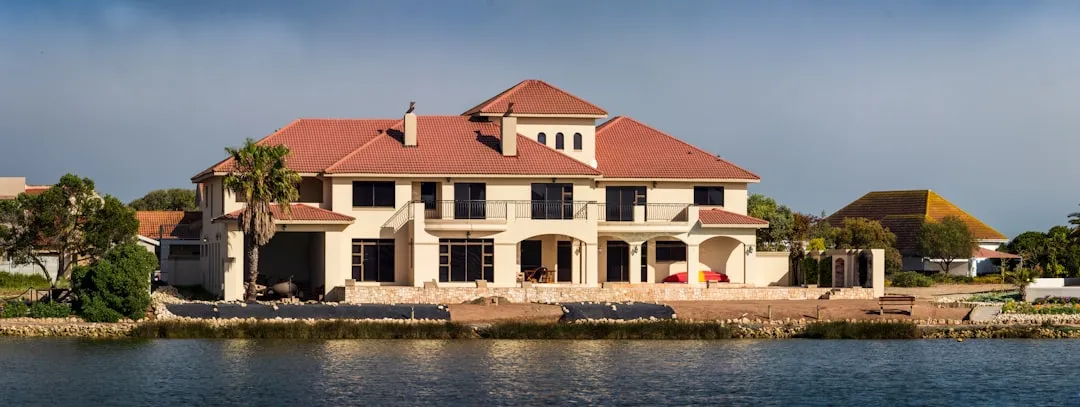
The real estate market in Leelanau County has evolved into a luxury haven, with nearly one-third of residential properties priced at $1 million or above. The market features an impressive array of properties, from stunning waterfront estates to historic farmhouses with extensive acreage.
The ratio of vacation homes to primary homes has remained essentially unchanged over the last decade. About 50 percent of buyers are purchasing second homes. Many assume that with the rise of platforms like Airbnb and VRBO, the percentage of primary homes has dropped significantly, but that’s not really the case. In 2010, only 45.3 percent of homes in Leelanau County were primary residences, and 14 years later, that figure is 46 percent.
Challenges around rural gentrification, development planning, impacts on the environment, and existing communities’ sense of place remain just as important to consider as the financial upside. The people who live and work here year-round aren’t just backdrop characters in someone else’s escape plan. The communities that make Leelanau worth visiting are the same ones that require careful stewardship as outside demand intensifies.
The road trip that ends with someone pulling over to write down a realtor’s phone number isn’t a new story in Michigan. What’s changed is how often it’s happening in Leelanau, and how the numbers are now making that quiet impulse look remarkably well-timed.
AI Disclaimer: This article was created with the assistance of AI tools and reviewed by a human editor.