
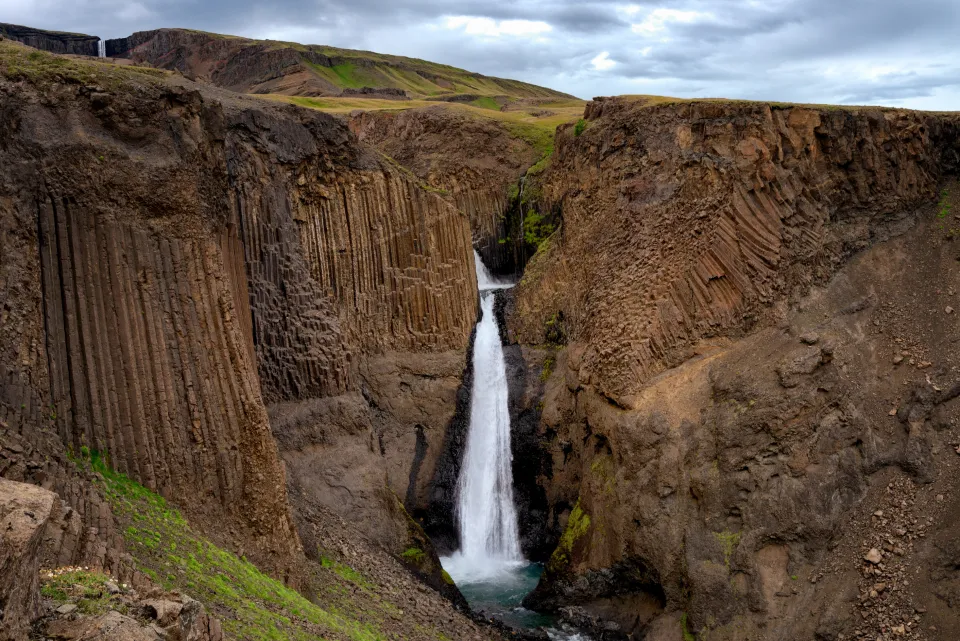

Most people picture flat cornfields when they hear “Midwest.” That’s understandable, and also wildly incomplete. Tucked into the region’s state parks, national lakeshores, and river gorges are some of the most dramatic, least-crowded waterfall hikes in the entire country.
Beyond the big lakes and rolling prairies, you’ll find quiet, tucked-away waterfalls waiting for you to explore. These are the kind of places that don’t draw big crowds, but reward those who go with serene views, shaded trails, and the calming rush of water. The seven destinations below range from mysterious pothole falls in Minnesota to ancient fossil-lined canyons in Indiana. Pack your boots and give these spots the attention they deserve.
1. Devil’s Kettle, Judge C.R. Magney State Park, Minnesota
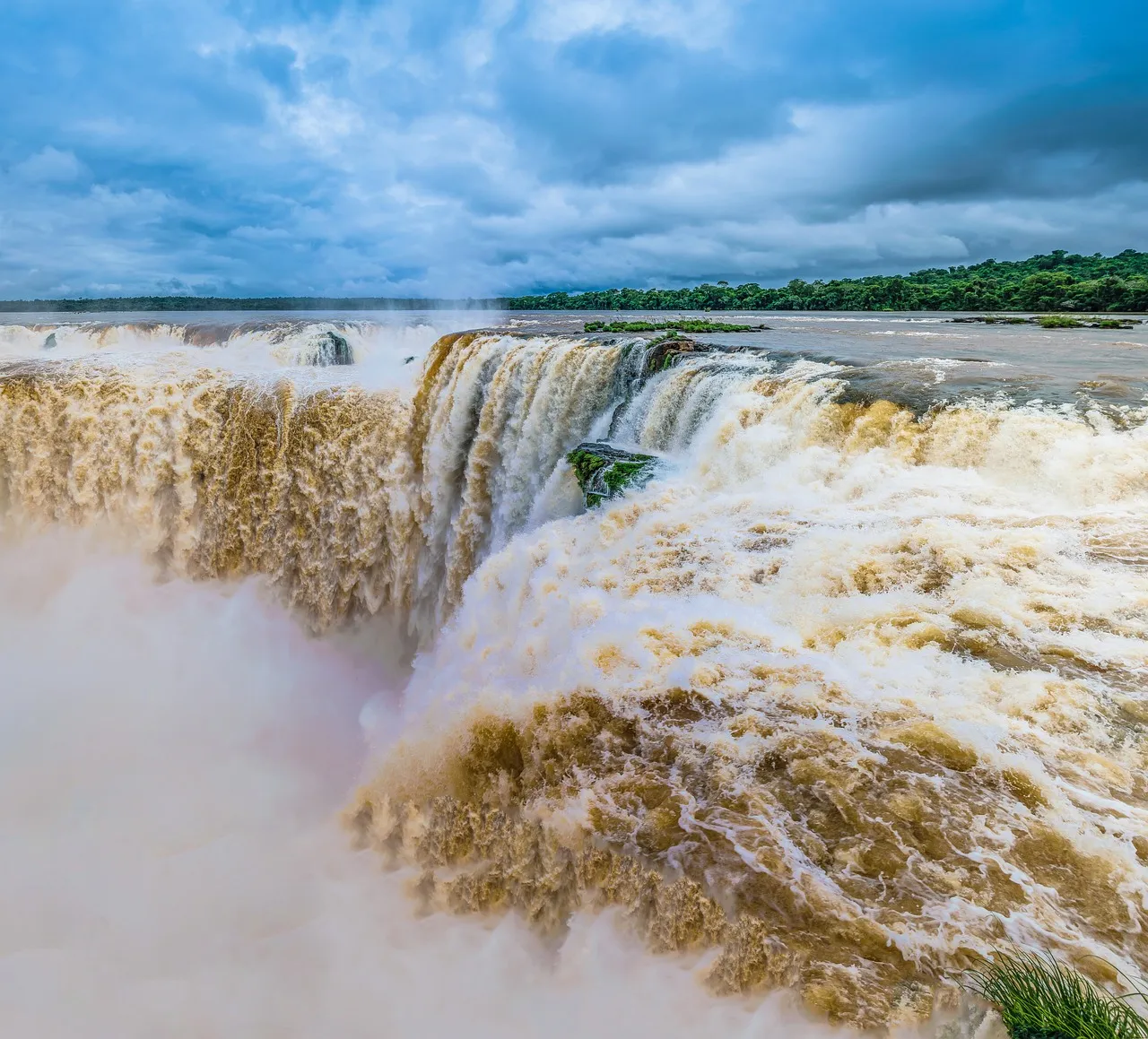
Judge C.R. Magney State Park is best known for the Devil’s Kettle, an unusual waterfall and rock formation in which half of the Brule River disappears into a pothole and reemerges underground downstream. The Brule River flows through the park and splits into two at a large rock outcropping. One side plunges 50 feet down a cliff and continues its journey to Lake Superior. The other side drops into a deep hole and seemingly disappears.
For decades, hikers, scientists, and thrill-seekers threw logs, ping-pong balls, and even dye into the kettle, watching them disappear without a trace. The mystery was finally resolved in 2017 when Minnesota DNR hydrologists measured the river’s flow above and below the falls and found the volumes were essentially identical. The water doesn’t truly disappear, it re-enters the main channel through submerged passages at the base.
The Devil’s Kettle Trail is a 2-mile round trip rated moderate. The main challenge is approximately 175 wooden steps descending to the falls viewpoint. The steps can be slippery when wet, so sturdy hiking footwear with good traction is strongly recommended. Allow about one to one and a half hours for the full hike including time at the overlook.
2. Brandywine Falls, Cuyahoga Valley National Park, Ohio
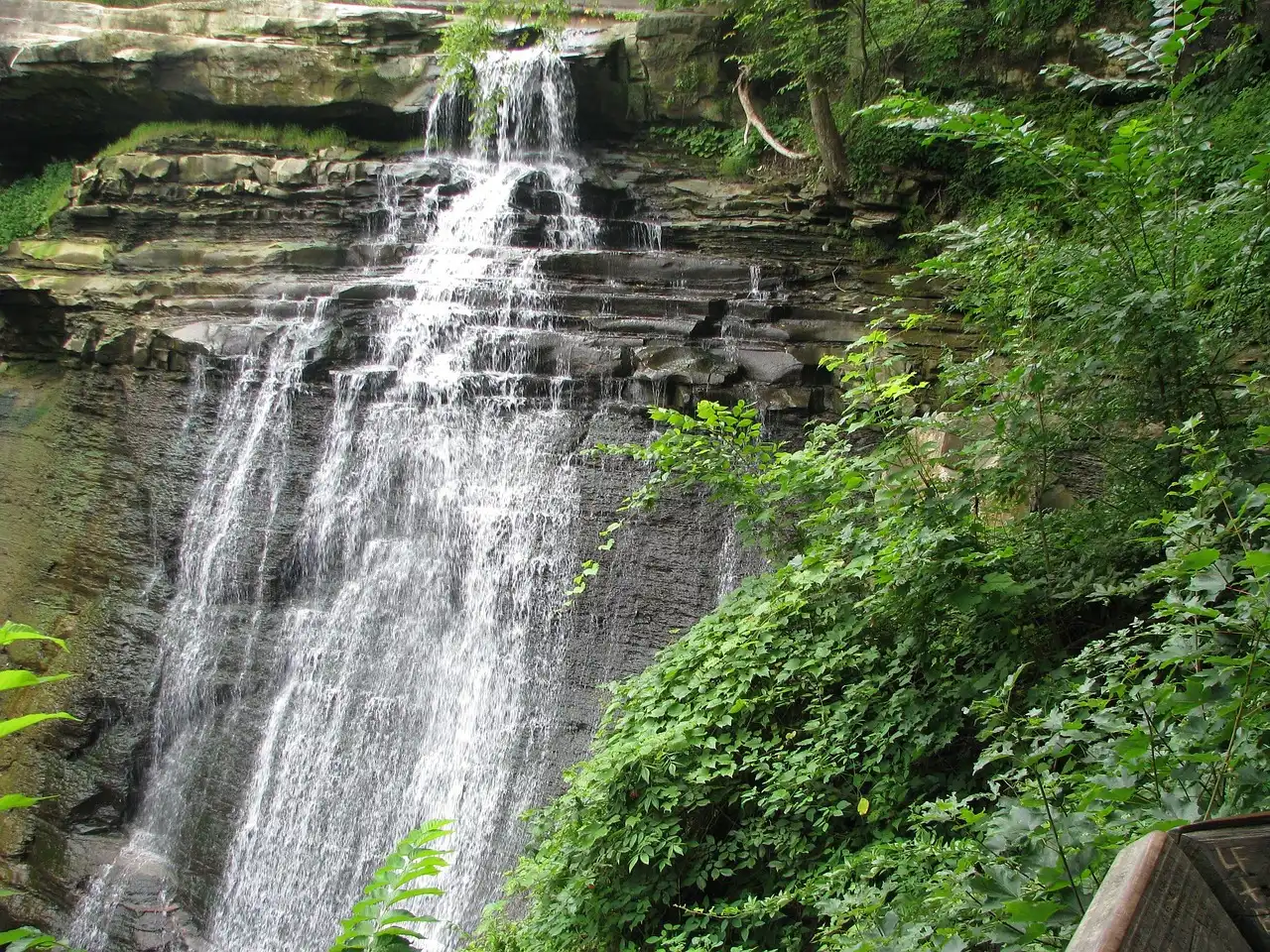
Brandywine Falls is 65 feet tall and one of the most iconic features in Cuyahoga Valley National Park. You can see this epic waterfall by following a short boardwalk trail that follows along a cliff face. You can also extend the hike and take the Brandywine Gorge Loop Trail, which has additional viewpoints of the Brandywine Gorge.
In northeast Ohio’s Cuyahoga Valley National Park, Brandywine Falls sees more wildlife than foot traffic early in the morning or late in the day. The 65-foot drop is dramatic, but it’s the steep gorge, dense woods, and the feeling of peace that make this one unforgettable.
Another beautiful waterfall in the park is Blue Hen Falls, which can be reached from a 2.5-mile trail that leaves from the Boston Mill Visitor Center. You can also continue on from Blue Hen Falls to see Buttermilk Falls. Visiting on a weekday morning, especially in spring or early fall, will give you the best chance of having the gorge essentially to yourself.
3. Clifty Falls State Park, Indiana
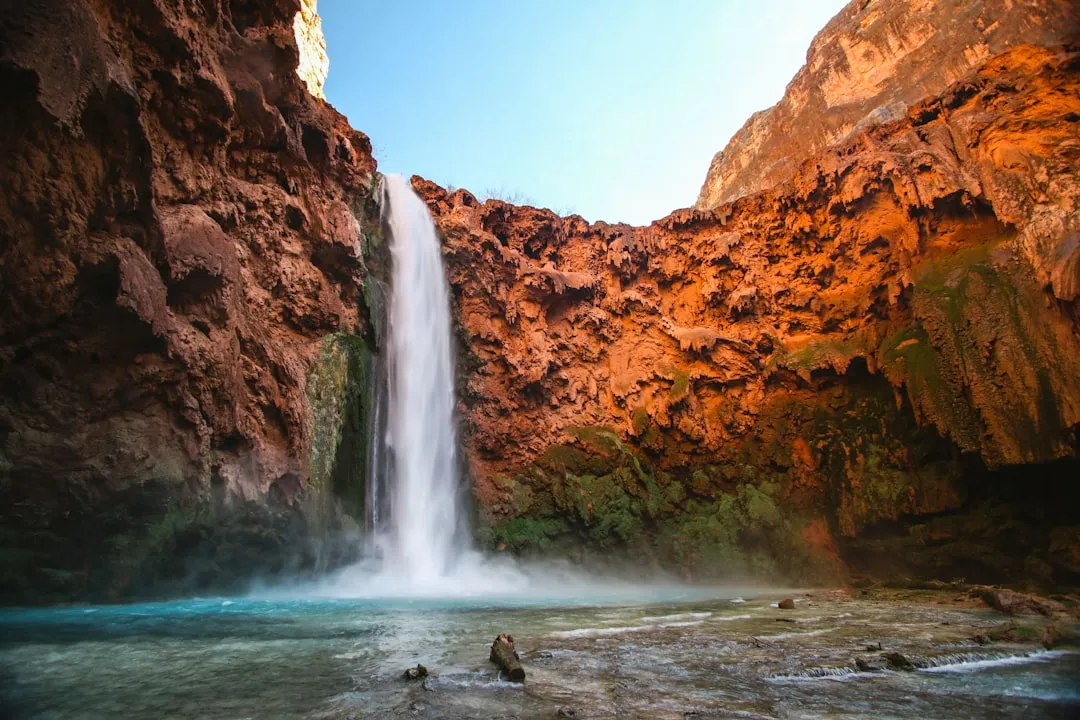
Clifty Falls has four major waterfalls: Tunnel Falls at 83 feet, Hoffman Falls at 78 feet, Big Clifty Falls at 60 feet, and Little Clifty Falls at 60 feet. The park is famous for these four major waterfalls, best viewed from December through June when water flow is at its peak.
The park’s waterfalls change moods with the weather and the seasons and can range from roaring plunges to delicate bridal-veil mists to gleaming frozen titans. Winter and spring visits reveal them at their best. The rugged splendor of Clifty Canyon offers exciting year-round hiking and scenery.
Enjoy the rugged cliffs and canyons of Clifty Falls State Park along with four major waterfalls on a 4-mile hiking challenge. You can also hike part of the path of the old railroad that was once planned to cut through the park, and see the 600-foot-long tunnel they excavated through shale and limestone. The park attracts about 370,000 visitors annually.
4. Matthiessen State Park, Illinois
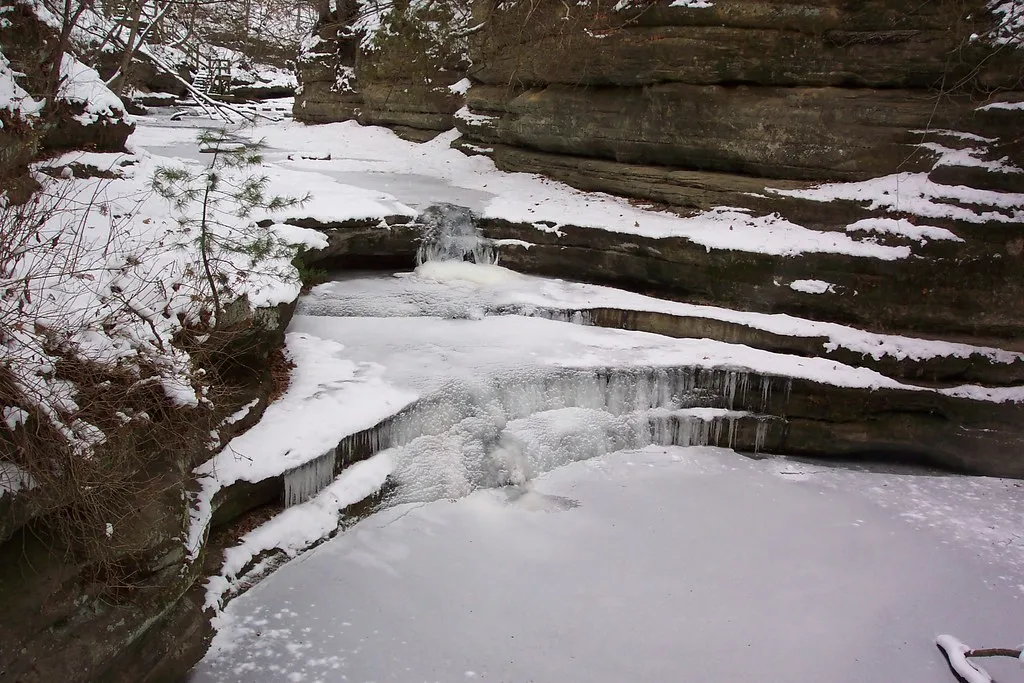
While Starved Rock gets most of the attention, Matthiessen State Park’s canyons hide several charming waterfalls. The Upper Dells and Lower Dells each feature falls ringed by mossy stone and shaded with overhanging trees. The winding trails aren’t long, so it’s a good fit for families or anyone wanting a quick, scenic hike with a real reward at the end.
Matthiessen is another Illinois state park with a few different waterfalls. A visitor favorite is Cascade Falls, which is 45 feet tall and falls from a rock overhang. There is also a bridge high above it. Also in the park, you can see Lake Falls. Like nearby Starved Rock, these waterfalls can be seasonal.
Matthiessen State Park is a hidden gem among Midwest hiking destinations. The park’s diverse landscape features canyons, streams, and forest-rich hiking trails. You can easily combine hiking at both of these free state parks over one or two days. Spring, right after snowmelt, is reliably the best window to find the falls fully flowing.
5. Hocking Hills State Park, Ohio
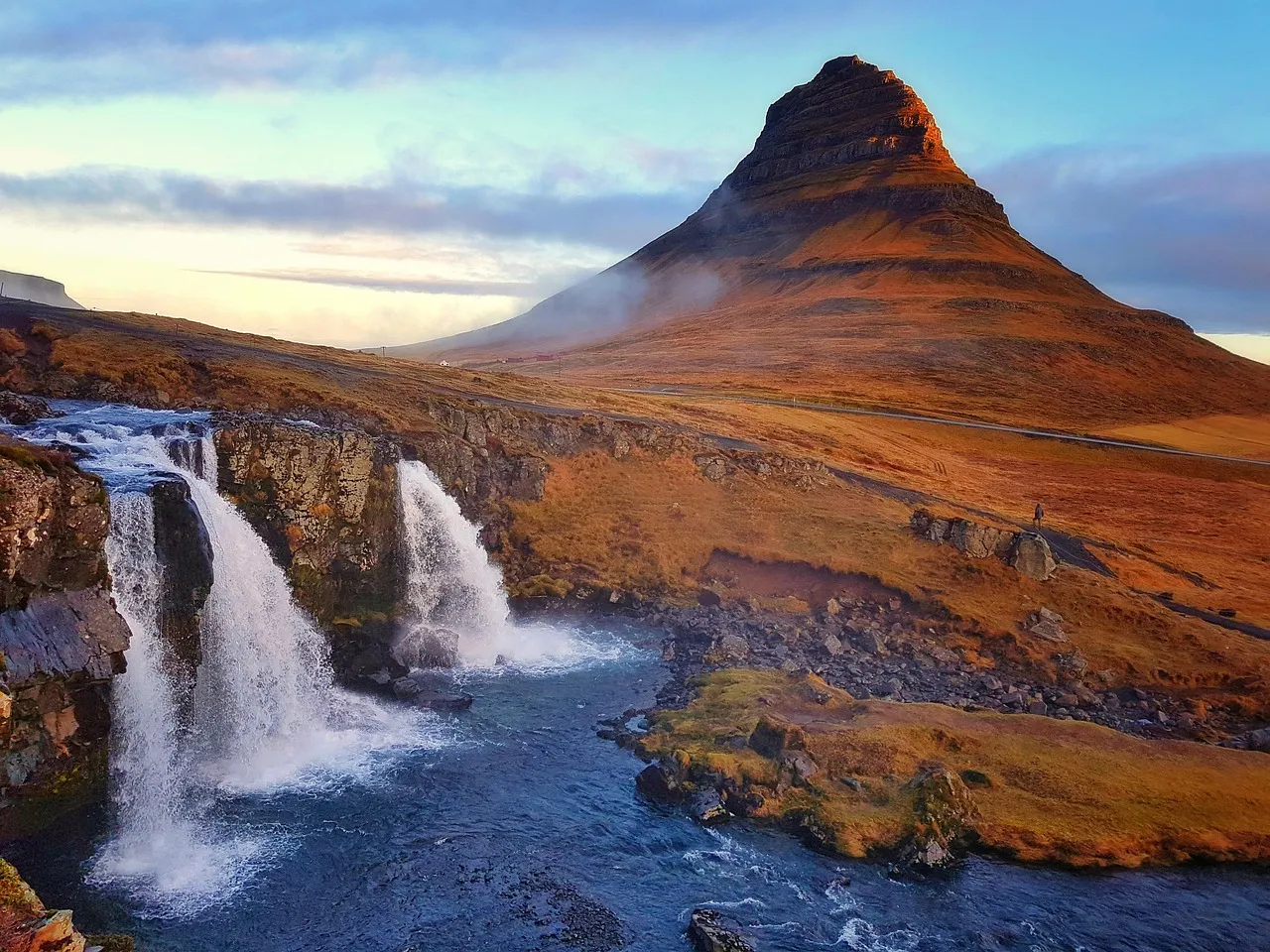
Featuring caves, waterfalls, and unique rock formations, Hocking Hills State Park is one of the most unique places in the Midwest. Hocking Hills State Park in Ohio offers rugged cliffs, deep gorges, and cascading waterfalls. Popular hikes include Old Man’s Cave, Ash Cave, and Cedar Falls. The park’s sandstone cliffs and lush greenery create stunning photo ops year-round.
Ash Cave is a 0.5-mile trail that leads to a large cave overhang with a waterfall flowing from off the top. The cave is about 90 feet tall and 700 feet wide. Cedar Falls is a 40-foot tall waterfall that can be reached in a 1-mile trail with some steps.
There are several waterfalls along the Old Man’s Cave trail, including Upper Falls, Lower Falls, and Broken Rock Falls. You’ll also discover unique features such as a whirlpool called Devil’s Bathtub. Many of the waterfalls in Hocking Hills are seasonal. Spring is the best time to visit to ensure they’ll be flowing.
6. Copper Falls State Park, Wisconsin
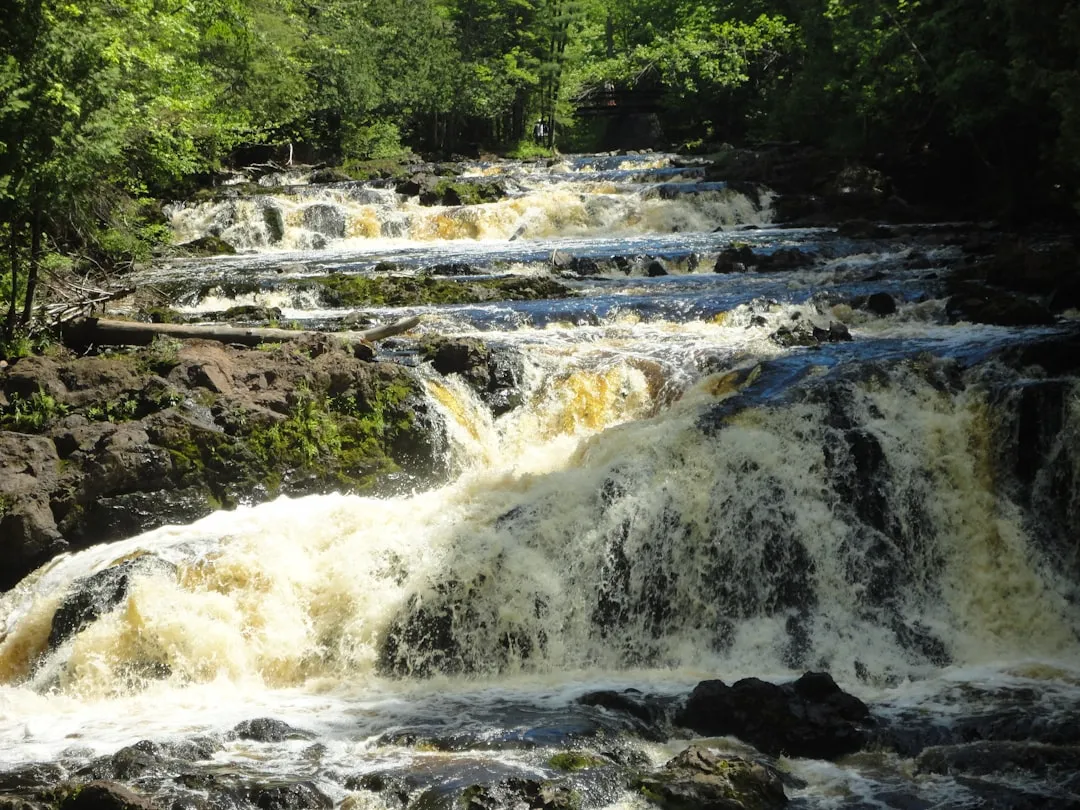
Access the beauty of Copper Falls from multiple trails through Copper Falls State Park, a scenic adventure near Mellen in Northern Wisconsin. Catch glimpses of the stunning rocky terrain and ancient lava flows from multiple vantage points through the towering pine trees. Revel in the beauty of the forested canopy as you absorb the roaring of the Bad River cascading from nearly 40 feet high.
Tucked into cedar-lined forests, carved through sandstone cliffs, and fed by rivers that run dark with tannins, these falls create pockets of quiet that feel unexpectedly wild. In spring, melting snow and seasonal rain bring them to life, turning gentle streams into steady curtains of water and filling the air with a cool, earthy freshness.
Copper Falls is one of those places that rewards people who go in without high expectations and leave completely converted. Iron County has the most waterfalls in the state, making Copper Falls State Park an ideal base for exploring several falls on a single trip without a brutal amount of driving between stops.
7. Chapel Falls, Pictured Rocks National Lakeshore, Michigan
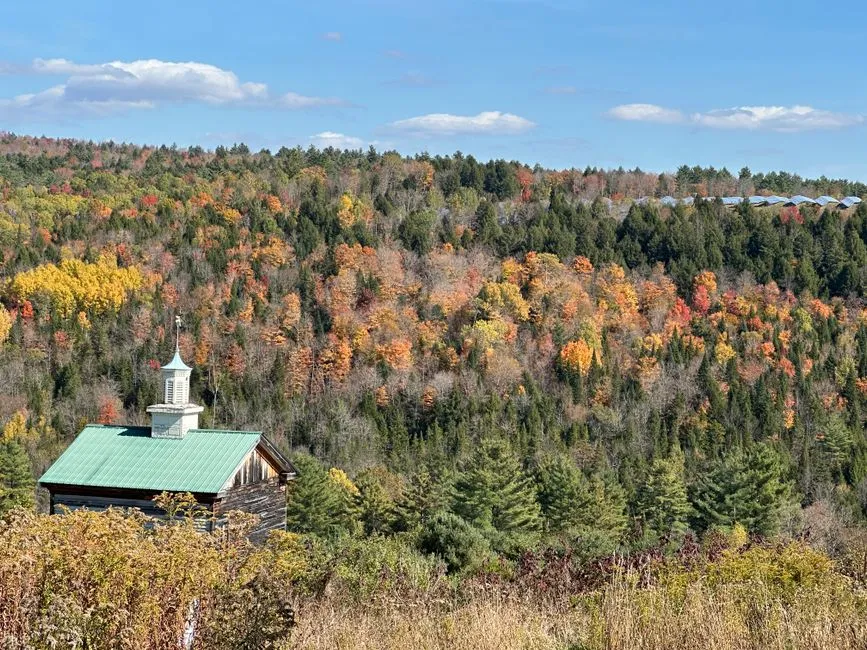
Along the Chapel Basin area near Munising, Chapel Falls rewards hikers with a peaceful cascade tucked into one of the most scenic sections of Pictured Rocks National Lakeshore. It feels less like a roadside attraction and more like a natural waypoint in a larger wilderness story. The falls are formed by Chapel Creek as it drops over rock ledges within a heavily wooded ravine. While not the tallest or loudest waterfall in Michigan, it has a calm, satisfying beauty that fits the surrounding forest perfectly.
Many visitors pair it with hikes toward Chapel Rock, Chapel Beach, or the lakeshore cliffs, which makes the waterfall part of a bigger landscape experience. That longer setting is exactly why Chapel Falls feels special.
The Upper Peninsula of Michigan draws visitors with its intense turquoise waters surrounded by sandstone cliffs. Munising Falls Trail is another easy trail guiding you to a breathtaking waterfall. The Miners Castle Trail offers some of the best overviews you can imagine. Whether you’re a seasoned pro or just love a leisurely walk in the woods, Pictured Rocks is ready to dazzle you.
How to Time Your Visit for the Best Waterfall Flow
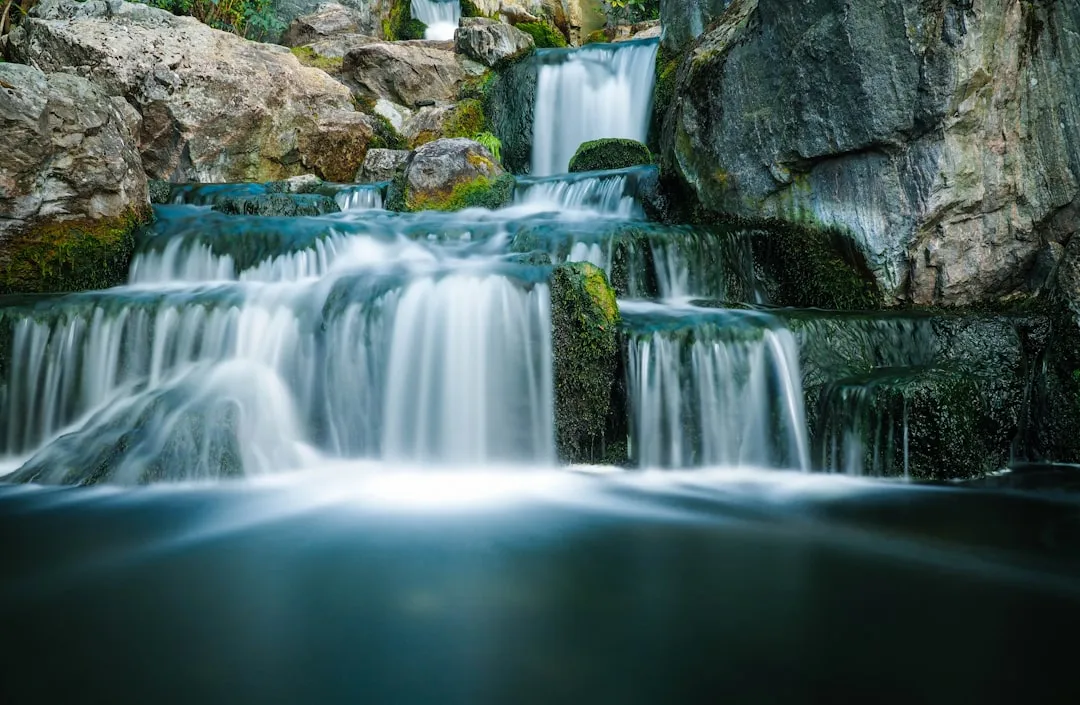
Seasonal timing makes a real difference across all seven of these destinations. A visit to parks like Starved Rock and Matthiessen in spring or early summer offers visitors the best chance to see the waterfalls flowing, while the fall foliage transforms the park into a stunning array of gold, crimson, and amber.
For Clifty Falls in Indiana, peak waterfall season runs December through June for the best flow, with winter and early spring offering the best canyon views before foliage fills in. For Devil’s Kettle in Minnesota, the waterfall is most dramatic during spring snowmelt from April through May and after heavy rains. By late summer in dry years, flow can be reduced.
Many Midwest falls are genuinely seasonal, and there’s no shame in planning around the calendar. While rainy days may keep most people away from the trails, wet weather is the best time for waterfall hunting. A well-timed visit after a heavy spring rain can turn a modest trickle into something genuinely spectacular.
What to Pack for Midwest Waterfall Hikes
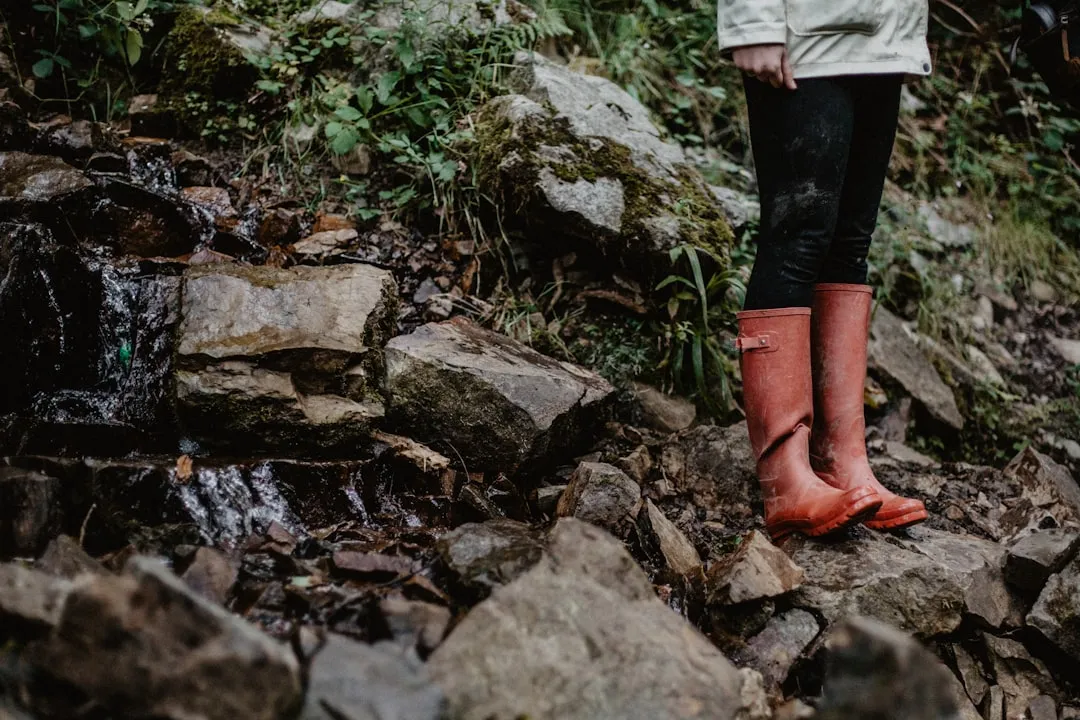
A few practical details go a long way on these trails. The 175-step descent to falls like Devil’s Kettle can be very slippery, so waterproof hiking boots with good tread are essential, not sandals or sneakers. At Chapel Falls and Copper Falls, sandstone rock surfaces near the water stay perpetually damp and mossy, meaning grip matters even on otherwise easy terrain.
Trekking poles are worth considering for steeper descents. At Houghton Falls in Wisconsin, the trail descends fairly steeply toward the lake, so trekking poles are a worthwhile addition. A lightweight rain layer is smart too, since canyon trails tend to be cooler and mistier than the surrounding landscape regardless of the season.
Cell coverage near many of these parks is unreliable. Download offline maps before you leave, carry a physical park map if available, and let someone know where you’re headed. Old-school navigation tools can save your trip. These aren’t technically difficult hikes, but a little preparation turns a good day into a great one.
Leave No Trace on Hidden Trails
One reason these places stay beautiful is that the hikers who visit them tend to be respectful. Staying on marked trails is especially important near waterfall edges and canyon rims, where erosion and loose rock can make off-trail movement genuinely dangerous.
Areas above and below all waterfalls at parks like Clifty Falls are always off limits. The rule exists because waterfall zones are where people get into serious trouble, and where the most fragile plant communities cling to wet rock surfaces. Walking around the roped boundaries for a better photo does real damage over time.
Pack out everything you pack in. These are the kind of places that don’t draw big crowds, but reward those who go with serene views, shaded trails, and the calming rush of water. Whether you’re planning a family trip or looking for a peaceful escape, the Midwest’s lesser-known cascades are perfect for your next outdoor adventure. Keeping them that way takes small, consistent effort from every visitor who shows up.
Planning a Multi-Stop Waterfall Road Trip
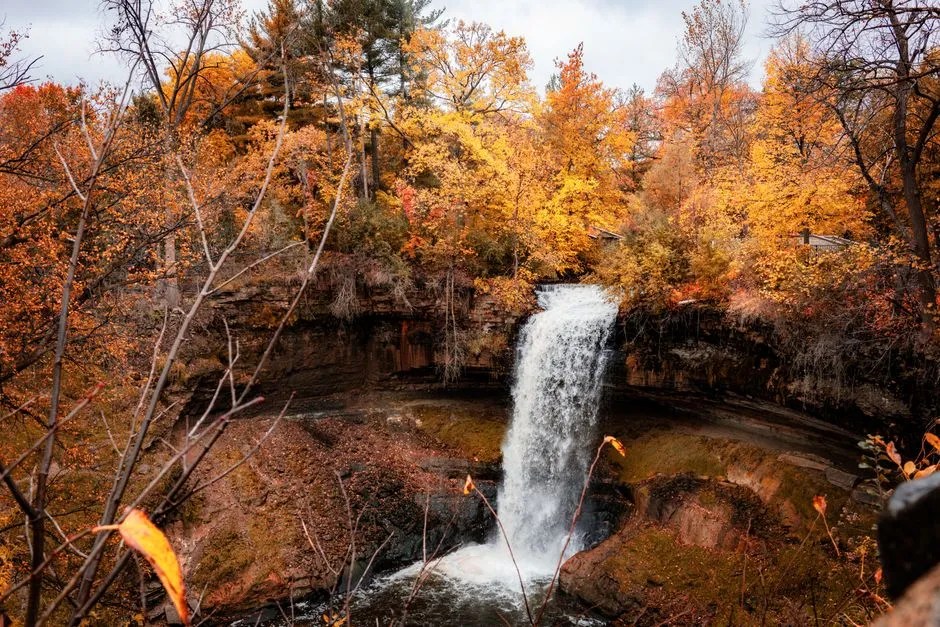
Several of these destinations sit close enough together to combine into a satisfying weekend or long-weekend road trip. Matthiessen and Starved Rock are just ten minutes apart in Illinois. Hocking Hills State Park is about three hours from Cuyahoga Valley National Park, making them natural road trip partners in Ohio. Copper Falls in northern Wisconsin pairs well with a drive toward Michigan’s Upper Peninsula.
With careful planning, you can definitely see multiple northern Wisconsin waterfalls in one weekend trip. Working through an itinerary in order keeps driving manageable. Most individual hikes to the falls can be done in about an hour and a half.
The real appeal of stringing these stops together is variety. You move from volcanic gorges in Minnesota to sandstone canyon floors in Indiana to misty Great Lakes lakeshores in Michigan, all within the same region most people dismiss as scenically flat. The Midwest surprises you when you actually go looking.
The Midwest’s Waterfall Secret, Finally Out
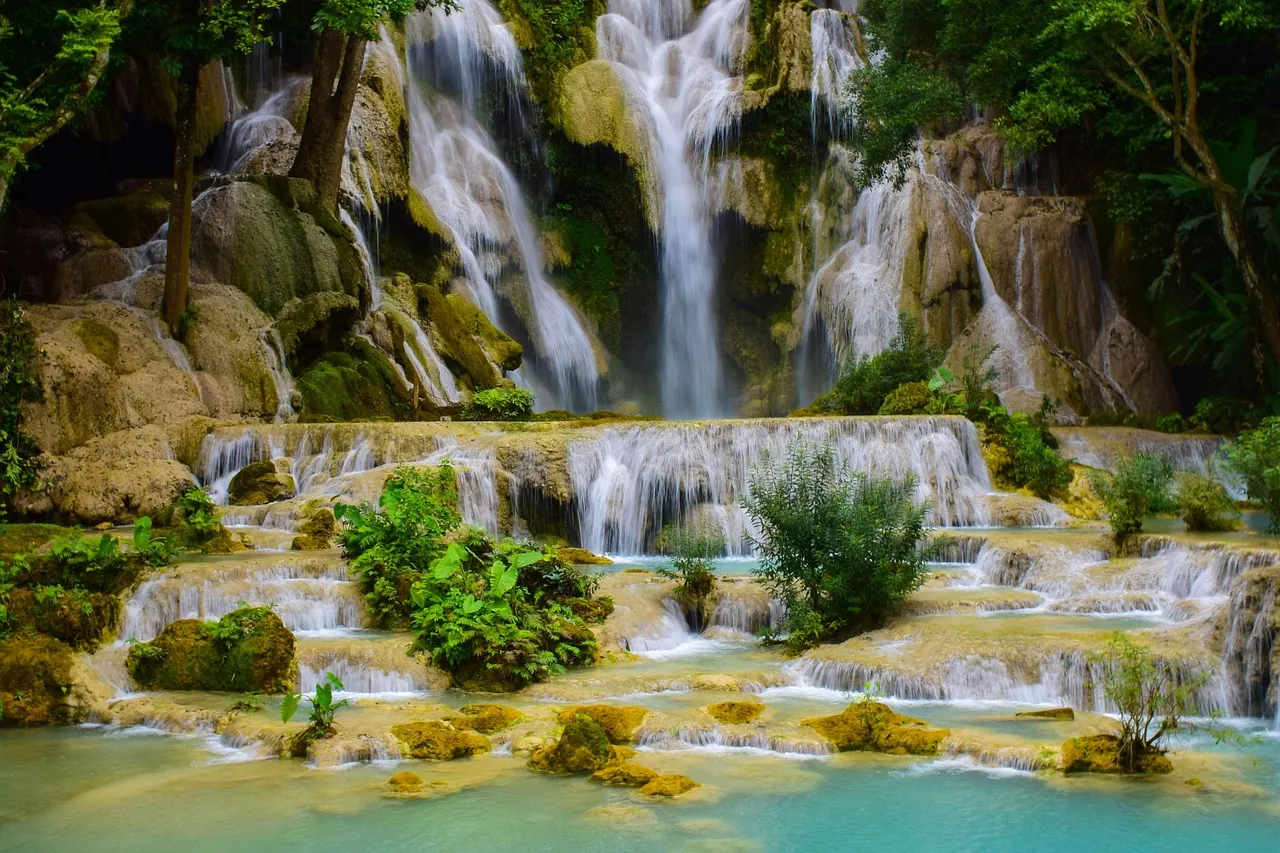
These seven hikes share one thing beyond the falls themselves: a sense of proportion that more famous outdoor destinations have long since lost. You can still show up without a timed reservation ticket, find a quiet spot on the trail, and feel like the landscape belongs to you for a moment.
The Upper Midwest is underrated when it comes to hiking trails. Throughout the region, you can find sand dunes, waterfalls, incredible overlooks, sea caves, and more. The waterfalls are real, the hikes are accessible to most fitness levels, and the crowds, at least at the right time of year, remain refreshingly thin.
There’s something genuinely satisfying about discovering that a region you thought you knew has been holding out on you all along. These seven places are proof that you don’t need a flight or a national park permit to find moving water, deep green gorges, and that particular kind of quiet that only comes when you’re deep enough in the woods that the rest of the world gets a little harder to hear.
AI Disclaimer: This article was created with the assistance of AI tools and reviewed by a human editor.