
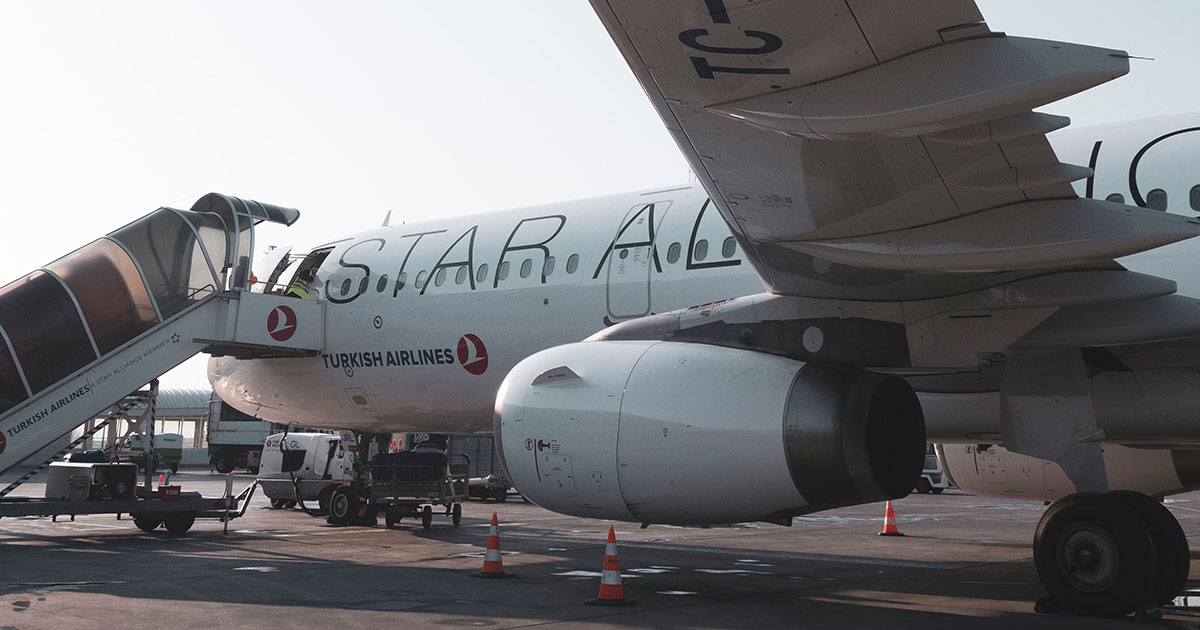

Passengers aboard a Turkish Airlines flight from Istanbul arrived at Antalya Airport on Thursday expecting a routine arrival. Instead, their Boeing 777 sustained visible damage during the final taxi to the gate. The right wing struck a radar mast, opening a large hole in the fuselage and turning a standard landing into an immediate safety review.
Sequence of Events on the Ground
The aircraft had completed its landing without issue and was moving under its own power toward the terminal when the collision occurred. Airport operations at Antalya involve multiple radar installations to support air traffic control, and the mast in question stood near the taxiway network. The impact was limited to the wing and adjacent fuselage section, with no reports of fire, evacuation, or injuries among the 267 people on board.
Ground crews responded quickly once the plane stopped. The airline confirmed the details in a statement, noting that the jet remained under control throughout the taxi. Passengers remained seated while crews assessed the damage and coordinated with airport authorities.
Aircraft, Route, and Those Affected
The Boeing 777 is a wide-body model commonly used on Turkish Airlines’ domestic and regional routes. This particular flight carried a full complement of travelers, highlighting the scale of operations at one of Turkey’s busiest leisure airports. Antalya serves millions of visitors each year, many arriving on similar short-haul segments from Istanbul.
Stakeholders in the incident include the airline’s operations team, airport ground handlers, and Turkish civil aviation regulators. Maintenance crews later examined the wing and fuselage to determine the extent of repairs needed before the aircraft could return to service. No other flights were reported delayed as a direct result of the event.
Immediate Response and Next Steps
Turkish Airlines arranged for passengers to disembark normally once safety checks were complete. The carrier has not released further details on the condition of the aircraft or a timeline for its return to the fleet. Regulators typically require a formal investigation whenever runway or taxiway infrastructure is involved in a contact incident.
Travelers on similar routes can expect standard safety protocols to remain in place. Airlines routinely inspect taxi routes and ground equipment after any reported contact, and Antalya Airport continues normal operations while the review proceeds.
Practical Implications for Air Travel
Incidents like this underscore how even low-speed ground movements carry risks when aircraft operate near fixed installations. The event affected one flight and its passengers directly, yet it also prompted a broader look at ground procedures at the airport.
- Passengers received assistance with connections and onward travel where needed.
- The airline continues to monitor the aircraft’s maintenance status.
- Regulators will review radar mast placement and taxiway markings as part of standard procedure.
Such events remain rare, but they remind carriers and airports that constant vigilance on the ground is essential to protecting the traveling public.
AI Disclaimer: This article was created with the assistance of AI tools and reviewed by a human editor.