

Most people picture California or Oregon when someone says “wine country.” Indiana rarely enters that conversation. Yet south-central Indiana, specifically the rolling plateau known as the Indiana Uplands, has been quietly pulling in locals and out-of-state visitors alike, and the numbers behind it are hard to ignore.
Indiana’s wine industry has experienced significant growth in recent years, impacting the state’s agricultural, economic, and tourism sectors. What was once a largely overlooked corner of the Midwest has become a genuine destination, with vineyards, wine trails, and tasting rooms drawing curious visitors every weekend. Here’s why Hoosiers are heading south.
A Region Shaped by Ancient Geology
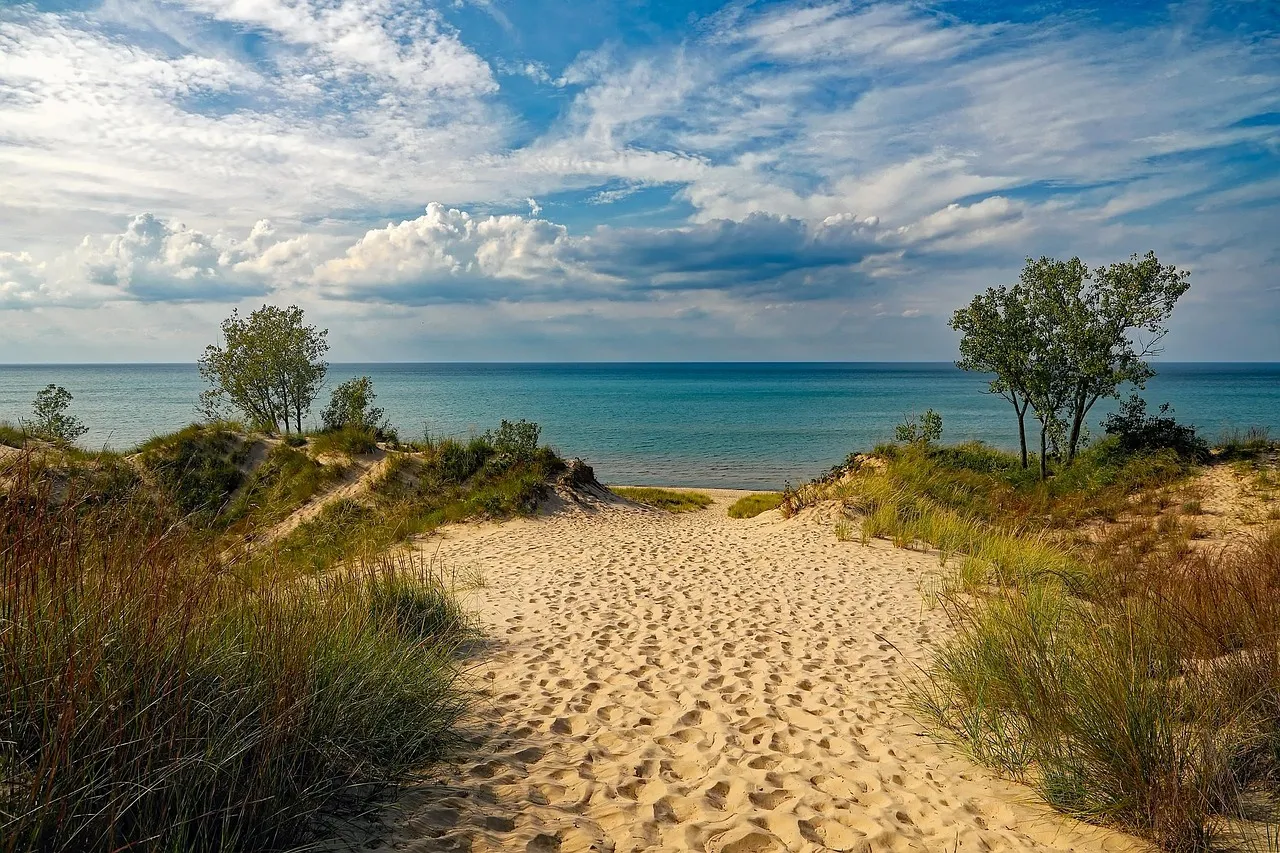
Glaciers charged through Indiana and ruthlessly flattened swaths of land, yet they never razed the resilient Indiana Uplands, a vast plateau with a rock-solid base in south-central Indiana. The Indiana Uplands effectively deflected the glaciers, preserving the contours that make this part of the state so stunning.
The surviving plateau is a 4,800-square-mile grape-growing region, and each vineyard is united by the Indiana Uplands terroir, that blend of soil, topography, and climate that makes its wines unique. That geological quirk is the reason wine grows here and not in the flat cornfields to the north.
The plateau peaks at 1,033 feet above sea level in the northeast corner, which distinguishes it from surrounding flat land. Ridges and hills keep vineyards well-drained, which is essential for healthy grapevines.
Indiana’s Official Wine Region Has Federal Recognition
In 1987, Indiana was granted its first American Viticultural Area (AVA), the colossal Ohio River Valley, which it shares with Kentucky, Ohio, and West Virginia. This has since been joined by the smaller AVA of Indiana Uplands, which was granted in 2013, becoming the first AVA entirely within the state.
The Indiana Uplands is a federally recognized grape-growing region. It is the first AVA entirely in Indiana, established in early 2013. To be an AVA means that the region has a unique blend of geography, soil, and climate, which gives its wine defining character.
The Trail’s nine wineries include: Best Vineyards Winery in Elizabeth; Brown County Winery in Nashville; Butler Winery in Bloomington; French Lick Winery in West Baden Springs; Huber Winery in Starlight; Oliver Winery in Bloomington; Owen Valley Winery in Spencer; Turtle Run Winery in Corydon; and Winzerwald Winery in Bristow.
The Numbers Behind Indiana’s Wine Boom
Current Indiana wine production exceeds 1 million gallons a year, or roughly 5 million bottles. According to the Indiana Wine Grape Council, the number of wineries grew tenfold between 1989 and 2022, from nine wineries in 1989 to 118 in 2022.
Data from Lightcast shows a 22% increase in industry employment from 2018 to 2023, with projected growth of 21% from 2023 to 2028. As of 2023, Indiana ranks 10th in the country in winery employment with 1,104 workers.
Indiana’s wine country regions generate 180,500 tourist visits and $61.25 million in annual tourism expenditures, benefiting local economies and tax bases. That’s a real economic engine, not a niche hobby industry.
The Climate Is Better for Grapes Than Most People Realize
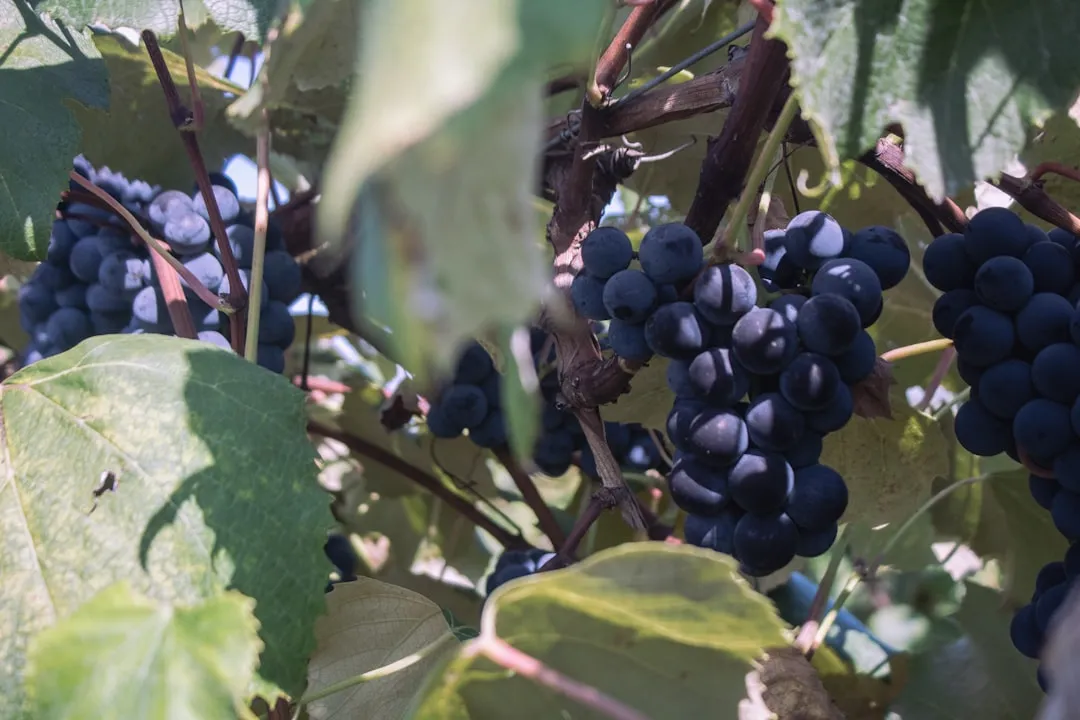
Vineyards in the Indiana Uplands benefit from four seasons and a distinctively cool growing season. The weather lets grapes ripen leisurely, so they develop more flavor and character. Hilltops and ridges keep air moving, limiting frost accumulation in the vineyards and extending the growing season in spring and fall.
Breezes keep fruit dry and free of fungus and mildew. That natural airflow matters more than most casual visitors understand. It’s part of why the region produces wines that hold up in national competition.
Indiana’s wineries are predominantly located in areas with favorable growing conditions that include loamy soils and a climate moderated by Lake Michigan in the north and the Ohio River in the south.
Indiana Has Its Own Signature Grape
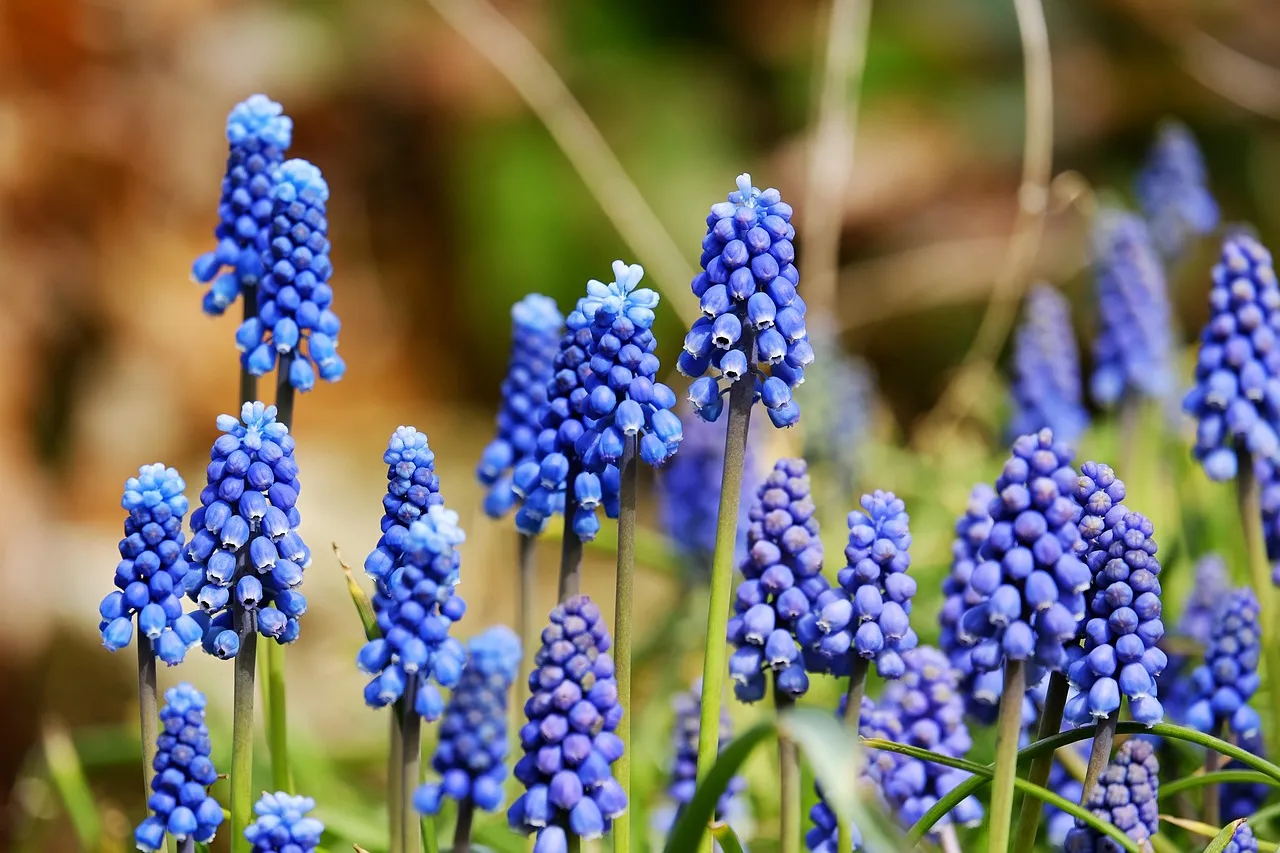
The wine portfolio of Indiana is diverse, including Traminette, the state’s signature grape known for its aromatic qualities, and Chambourcin, a robust red. These are complemented by fruit wines and traditional European varietals like Cabernet Sauvignon and Chardonnay.
One sniff of a Traminette wine clearly reveals its parentage of Gewurztraminer, though the offspring is generally less intense in aroma and taste. Created at Cornell University, Traminette is the official grape of Indiana, where it grows well and has won many medals in competitions.
The vineyards are largely planted with Franco-American hybrid varieties, with increasing focus on those that are less susceptible to the challenges of a warm, humid climate. That practical adaptation is what keeps Indiana’s wine quality consistent year after year.
Oliver Winery and Huber’s Are Drawing Massive Crowds
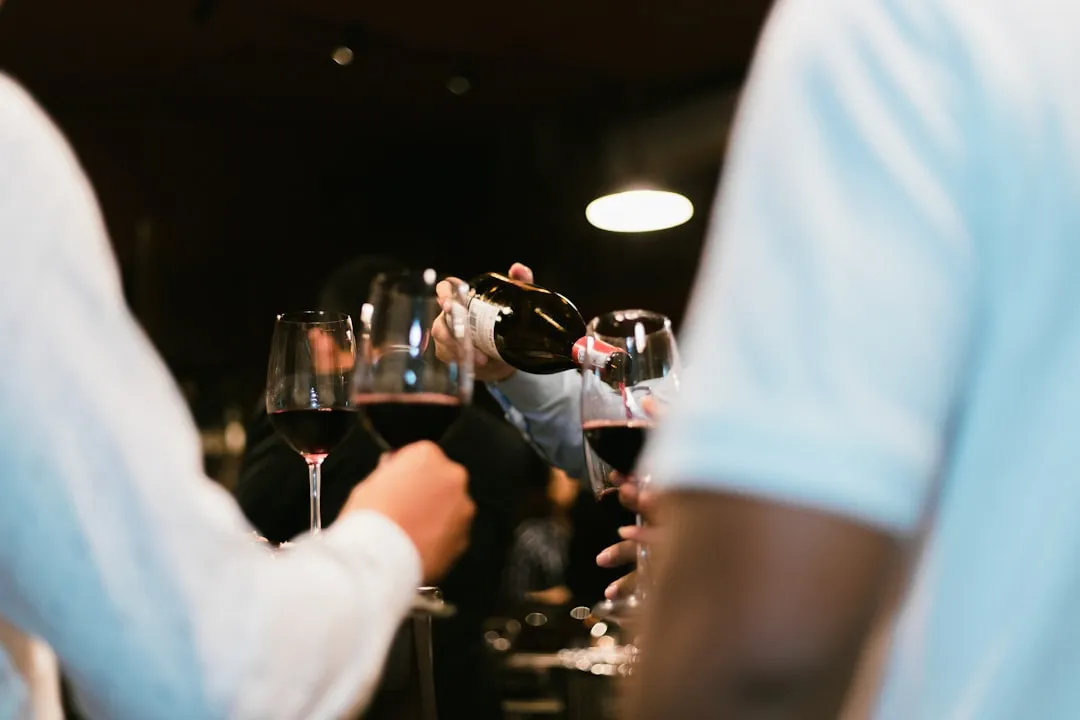
Oliver Winery is among the 30 largest wineries in the U.S. and is featured in Travel + Leisure’s Top 25 Wine Destinations. For a Bloomington winery, that’s a striking national profile.
Nearly half a million people visit Huber’s Orchard, Winery, and Vineyards in Borden each year. That kind of foot traffic is more comparable to a theme park than a regional vineyard, and it speaks to how much the experience factor has expanded.
Huber’s is a 700-acre family farm in continuous operation since 1843, representing Indiana agritourism at its best. It includes an estate winery, the award-winning Starlight Distillery, a farm market, bakery, cheese shop, and seasonal u-pick activities.
Agritourism Is the Real Draw
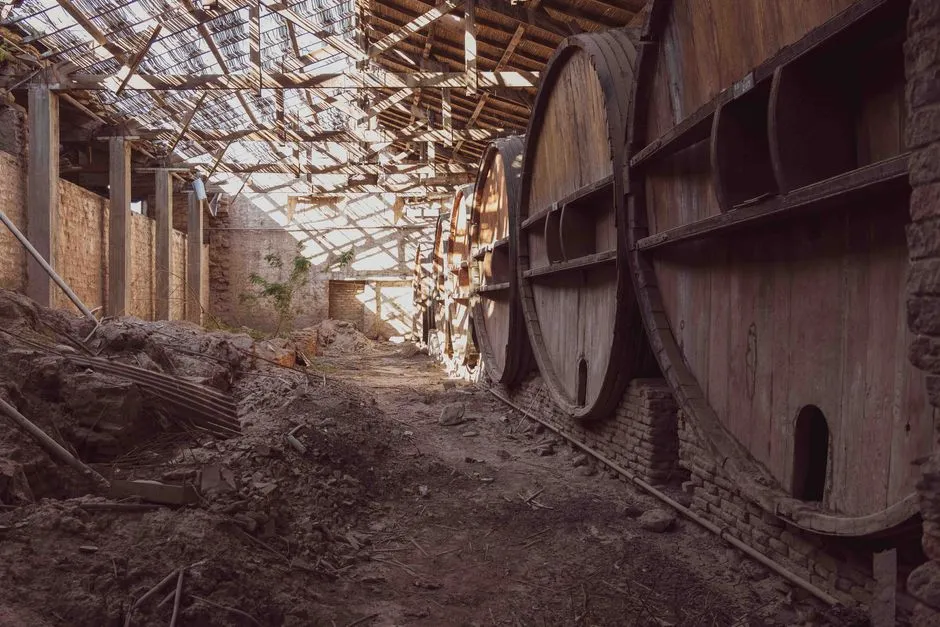
Vineyards and wineries in Indiana are selling an experience, adding to the growth of agritourism in the state. That shift from simply selling bottles to selling memories has changed everything about how these businesses operate.
The cost difference in a bottle of wine can also be attributed to the overall experience. If customers go to a local Indiana winery to tour, taste, and buy wine, they’re buying the experience, not just the bottle.
Many newer wineries are set up to host events and get creative, ranging from wine tastings while painting to Christmas parties and weddings. Weekend calendars at these properties can fill up months in advance during peak season.
A Deep History Most Visitors Don’t Know About
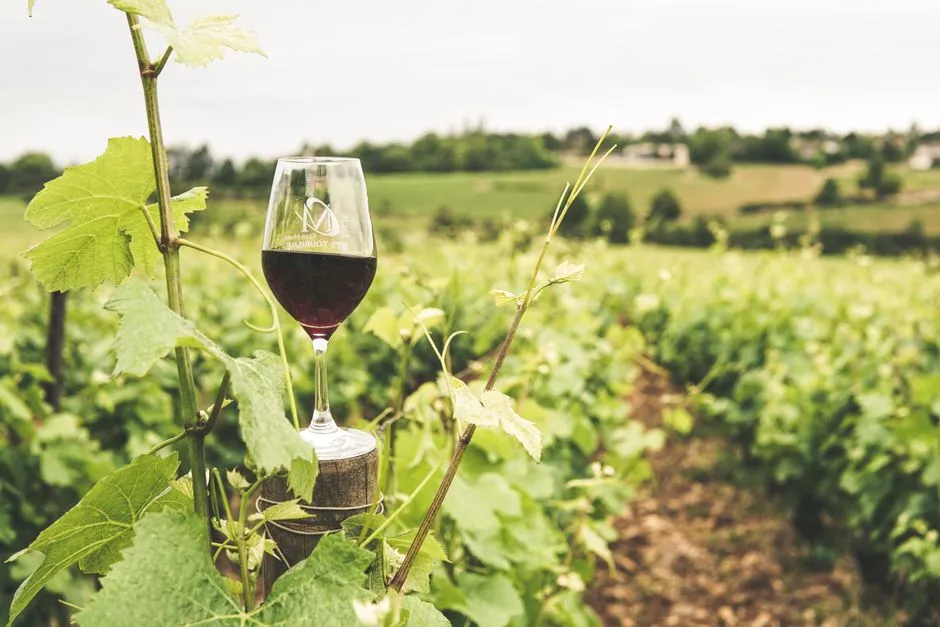
Indiana was home to the first successful commercial winery in the United States. In 1802, Swiss émigré John James Dufour purchased land in southeastern Indiana and called it “New Switzerland,” where his family planted vines and cultivated the first successful vineyard in the country.
It all began in the 1840s with the Huber family planting vineyards in Starlight, setting the roots for what would become Huber Winery, a founding member of the Indiana Uplands Wine Trail. By 1880, a quarter of the wine produced in Indiana was coming from the Indiana Uplands.
Grape vineyards have been planted along the Ohio River for more than a hundred years, and there was a brief period before the Civil War when the Indiana Uplands was the westernmost edge of the premier wine-producing region in the country, centered around the Ohio River near Cincinnati.
Wine Trails Make It Easy to Explore
Indiana does not have a single official wine trail system, but the state’s wineries cluster naturally into regional routes. Five self-guided wine trails cover southern Indiana, the Ohio River Valley, the Indianapolis metro, northern lake country, and the western uplands. Each route connects three to five wineries within reasonable driving distance of each other.
The Indianapolis Circle Trail is the most accessible for first-time wine tourists. It connects five wineries within 30 minutes of downtown Indianapolis, including Easley Winery, Mallow Run, Daniel’s Vineyard, Urban Vines, and Peace Water Winery, all of which offer approachable tastings, food options, and a welcoming atmosphere for newcomers.
The best time to visit Indiana’s wine regions is during the late spring through early fall, typically from May to October, when the vineyards are lush and many wineries host events. Though the quieter winter months have their own appeal, especially for visitors who prefer smaller crowds and more time with the winemakers.
The Economic Ripple Effect Is Lifting Local Communities
The wine industry generates close to $3.26 billion in total economic activity in the state of Indiana, dramatically illustrating that wine is the ultimate value-added beverage.
The employment provided by wineries is particularly significant for rural communities, where agriculture and tourism are primary economic drivers. Wineries create jobs in rural areas through vineyard cultivation, wine production, and hospitality services.
Many wineries embrace local traditions and history, incorporating indigenous grape varieties and showcasing regional flavors in their wines. Wineries also often serve as community hubs, hosting events, festivals, and educational programs that celebrate wine culture and foster a sense of community pride.
Southern Indiana’s wine country doesn’t ask you to pretend it’s Napa. It never needed to be. The rolling hills, the centuries of history, and the genuine Hoosier hospitality make the Indiana Uplands worth the drive on their own terms – and more locals are figuring that out every year.
AI Disclaimer: This article was created with the assistance of AI tools and reviewed by a human editor.