

Something interesting has been happening in Colorado’s ski culture over the past couple of seasons. Word is spreading quietly, passed between powder-obsessed locals and savvy out-of-state visitors, about a corner of the state where you can actually ski without watching the clock tick down while standing still in a lift queue.
Locals and long-time skiers grew vocal about frustration with crowding at Colorado’s biggest resorts. Posts featuring towering lift lines circulated widely, driving national media attention, and Epic resorts frequently bore the brunt of criticism for overcrowding and staffing challenges. The result? A quiet but determined migration toward something different. Durango, and the mountain just north of it called Purgatory, has become the open secret that a growing number of Colorado skiers don’t want you to know about.
The Overcrowding Problem at Colorado’s Big Resorts Is Real
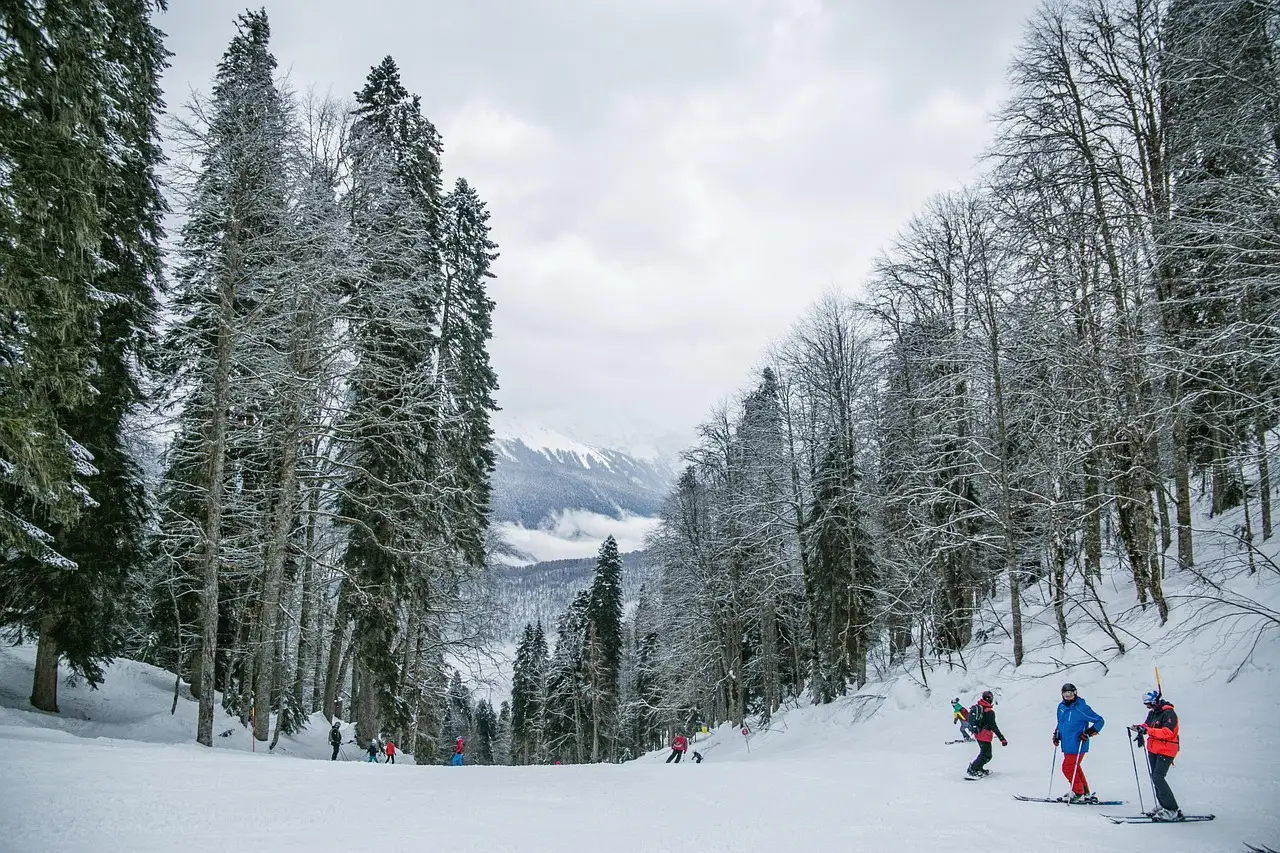
Colorado has long been the crown jewel of American skiing. The flip side of that reputation is a well-documented crowding problem, especially on weekends and holiday stretches at I-70 corridor resorts.
Many Centennial Staters plan their entire winter season around trips to mountain town destinations owned by major companies, while others increasingly associate the big brands with pricey lift tickets and crowded slopes.
In contrast, Ikon-aligned resorts with access caps and reservation policies attracted less frustration and, at times, genuine praise from skiers craving a different experience. The momentum toward smaller, less corporate alternatives has only grown.
Durango: The Town Anchoring This Ski Escape
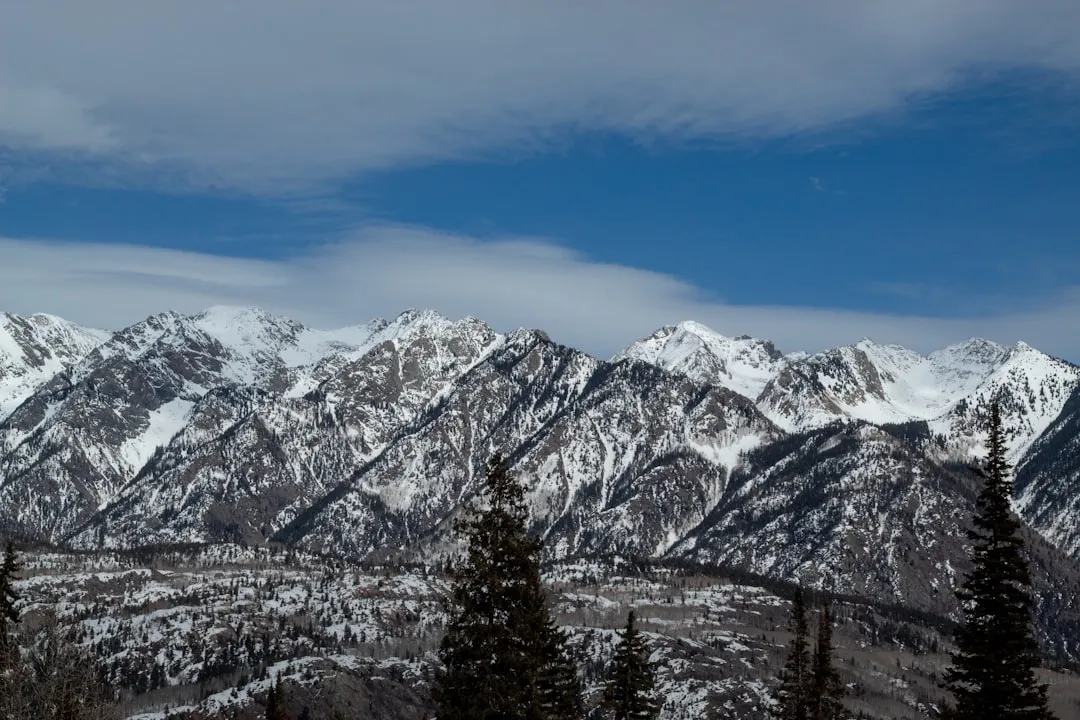
Durango was honored by SKI Magazine as one of America’s Top 10 Ski Towns. Summer is actually Durango’s busiest season, which works as a windfall for skiers seeking extra value. When snow falls, so do Durango’s lodging prices.
Nestled in the rugged San Juan Mountains of southwest Colorado, Purgatory Resort sits just 25 miles north of the historic town of Durango. That proximity makes logistics simple. You stay in a genuine Western mountain town, eat well, then drive a short stretch of highway to the slopes each morning.
The 236-mile San Juan Skyway loop connects Durango, Silverton, Ouray, Ridgway, Telluride, Cortez, and Mesa Verde National Park and is regarded as one of the most scenic drives in the country. The setting alone puts Durango in a different league from the strip-mall ski towns along I-70.
Purgatory Resort: What You Actually Get on the Mountain
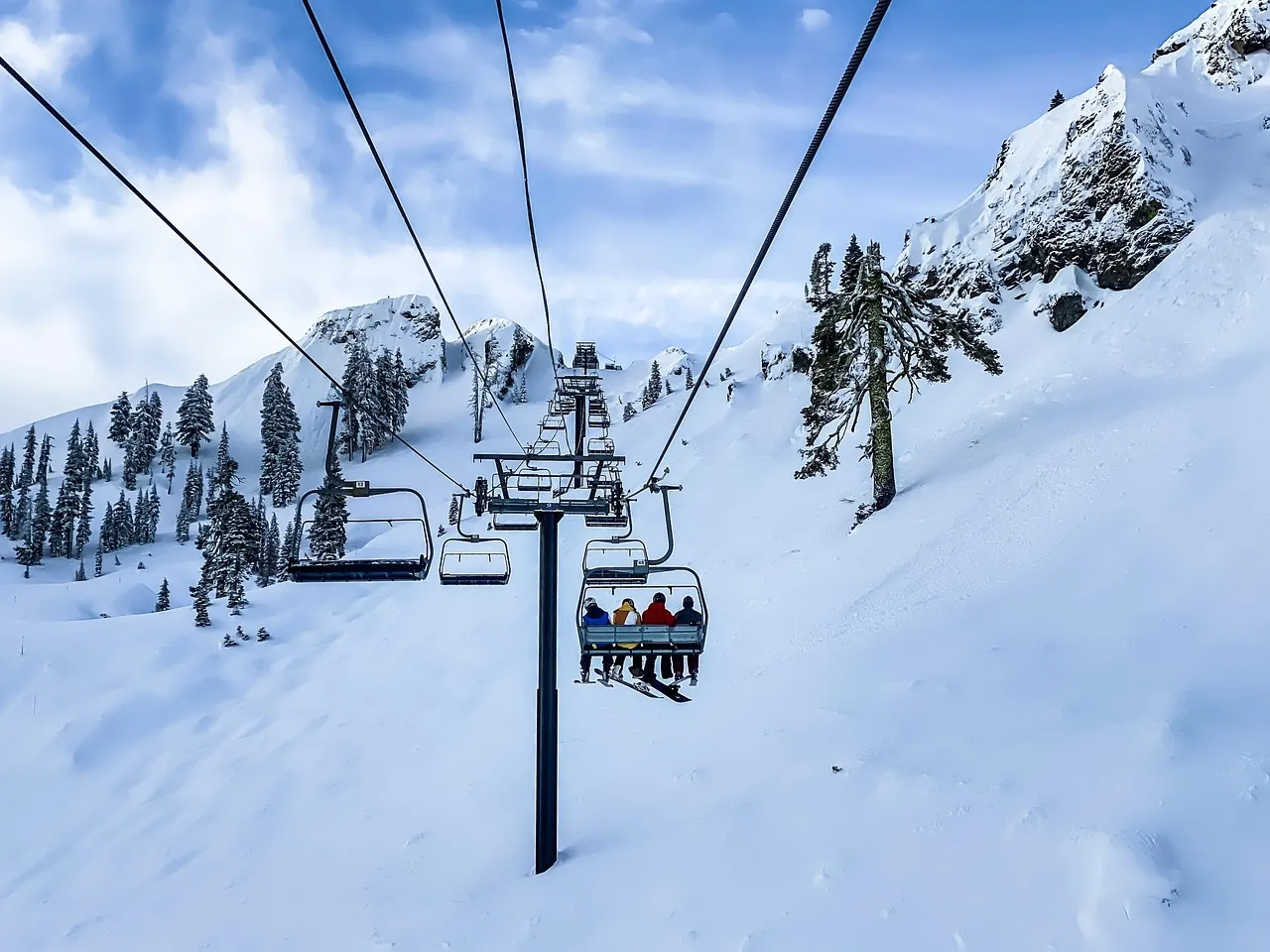
Tucked into the San Juan Mountains north of Durango, Purgatory Resort delivers the kind of unhurried ski day that’s increasingly rare in the United States. That’s not marketing language. It’s a consistent observation from skiers who’ve made the comparison firsthand.
Purgatory features 107 trails, 4 terrain parks, 11 lifts, and 1,635 skiable acres of steep tree skiing and wide-open cruisers, plus year-round family-friendly activities, lodging, retail, restaurants, and bars.
The terrain breaks down as 23 percent beginner, 51 percent intermediate, and 26 percent advanced and expert. An average of 260 inches of snow a year, over 21 feet, blankets the mountain. That’s a solid, well-rounded mountain by any measure.
Short Lift Lines That Skiers Actually Notice
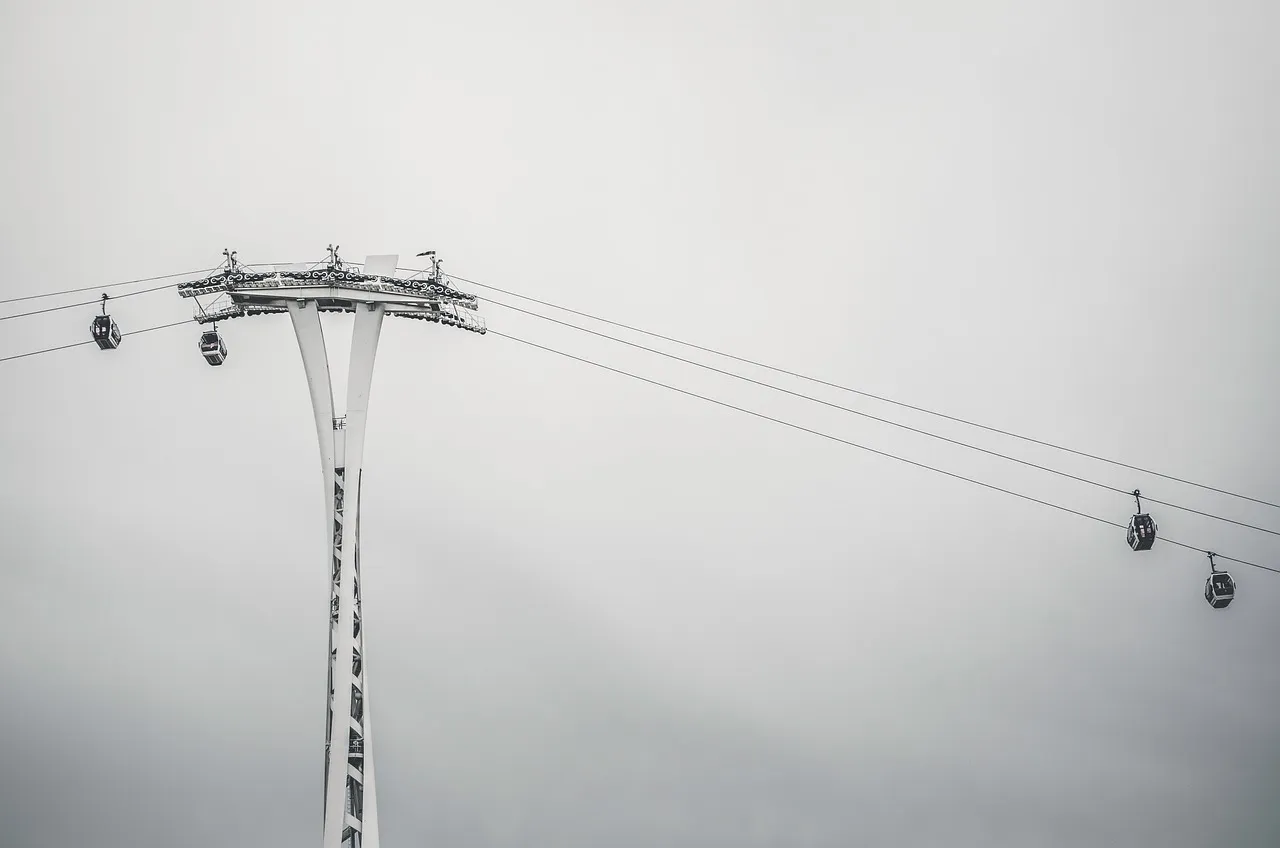
The terrain here leans playful, with long, rolling groomers, easy-to-navigate tree zones, and pockets of powder that stay untouched longer than you’d expect thanks to lighter crowds. Purgatory is built for uninterrupted laps, spreading skiers across 10 lifts and more than 100 trails.
Great snow, great weather, uncrowded trails, and short lift lines are consistently cited as defining characteristics of the Purgatory experience. That combination is harder to find at Colorado’s most famous resorts, especially on a Saturday in February.
Purgatory is considered a very strong resort for intermediate skiers and riders, with a multitude of trails off every lift. Guests often start on the frontside blues, then progress to the Hermosa Park and Legends backside blues, which are slightly more narrow but offer more playful terrain lines and lightly-gladed areas.
The Price Difference Is Hard to Ignore
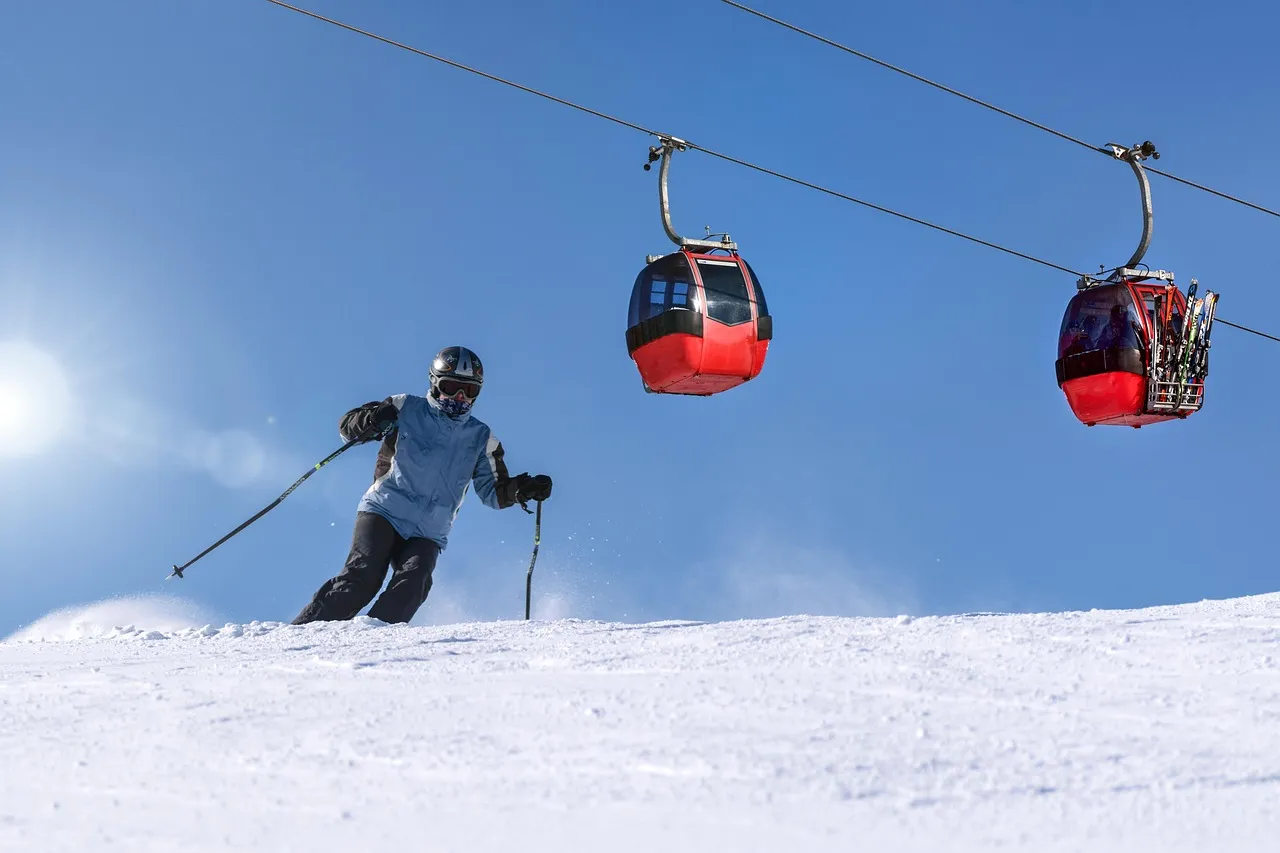
Purgatory’s one-day adult lift tickets are quite reasonable, topping out at just over $100 even at the window, making the resort a solid value. Tickets can be had for slight discounts with advance purchases. Compare that to window prices exceeding $200 at some major Colorado resorts.
With dynamic pricing, a Purgatory ticket could get as low as $10 for early purchasers buying on low-traffic weekdays, like in early December. That kind of pricing is almost unheard of in today’s Colorado ski market.
A cornerstone of Purgatory’s commitment to accessibility is Power Kids, the only season pass in North America that provides unlimited free skiing for kids aged 12 and under, with no purchase required. For families, that detail alone can completely change a ski trip’s budget.
Wolf Creek: The Other Secret Hiding in Plain Sight
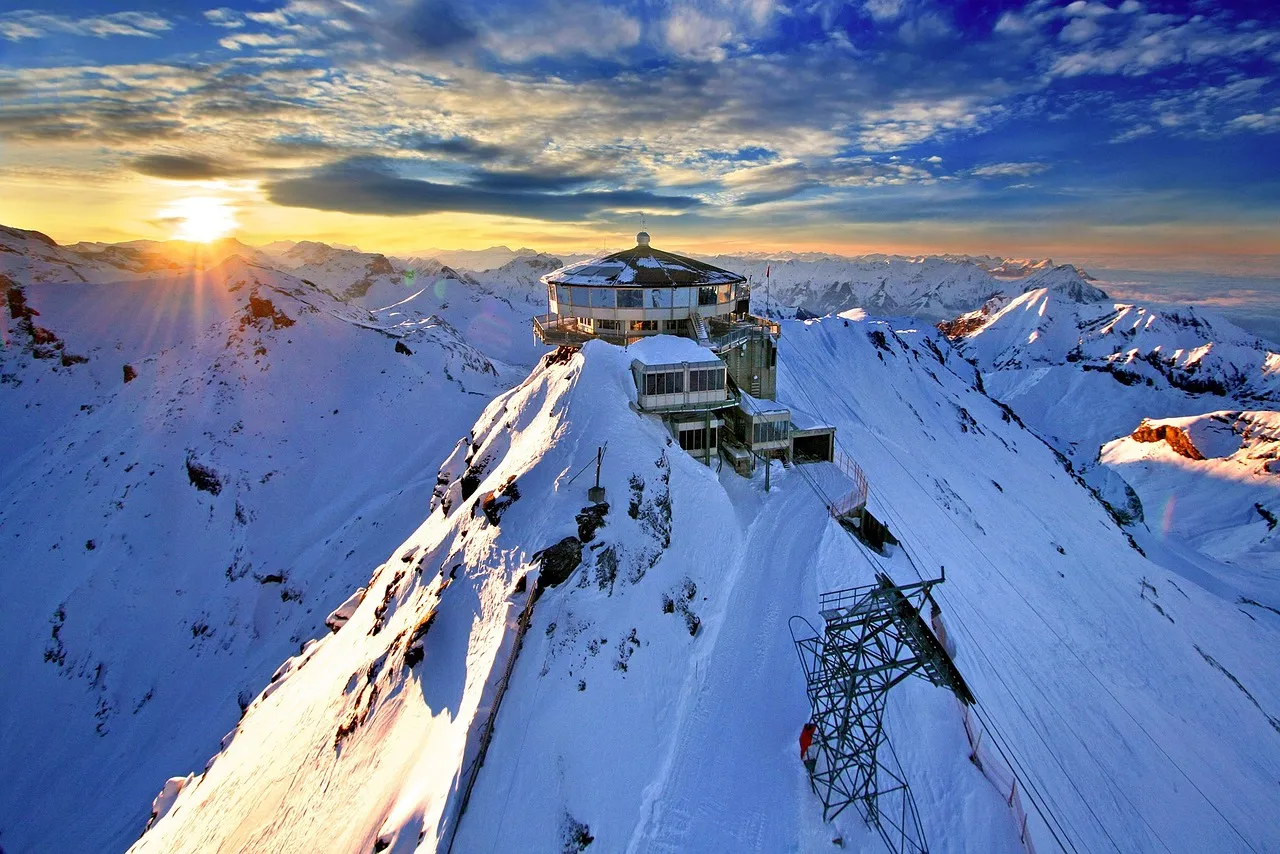
At 10,300 feet in Colorado’s San Juan Mountains, Wolf Creek Ski Area stands apart with its remarkable annual snowfall of 430 inches, the most natural snow in Colorado. Since 1939, this family-operated mountain has maintained its genuine character, offering an unpretentious and pure skiing experience.
Wolf Creek is largely unknown outside of Colorado but beloved by powder hounds. It boasts epic snowfall of generally 430-plus inches every year, more than any other ski resort in Colorado, and the resort typically opens in October, giving it one of the longest seasons in the country.
Located 23 miles from Pagosa Springs and 84 miles from Alamosa, the ski area offers convenient access while maintaining its uncrowded atmosphere. Pagosa Springs, the closest town, is itself an increasingly attractive destination with natural hot springs that make for a perfect end to a ski day.
Why Savvy Skiers Are Seeking Out Smaller Resorts Right Now
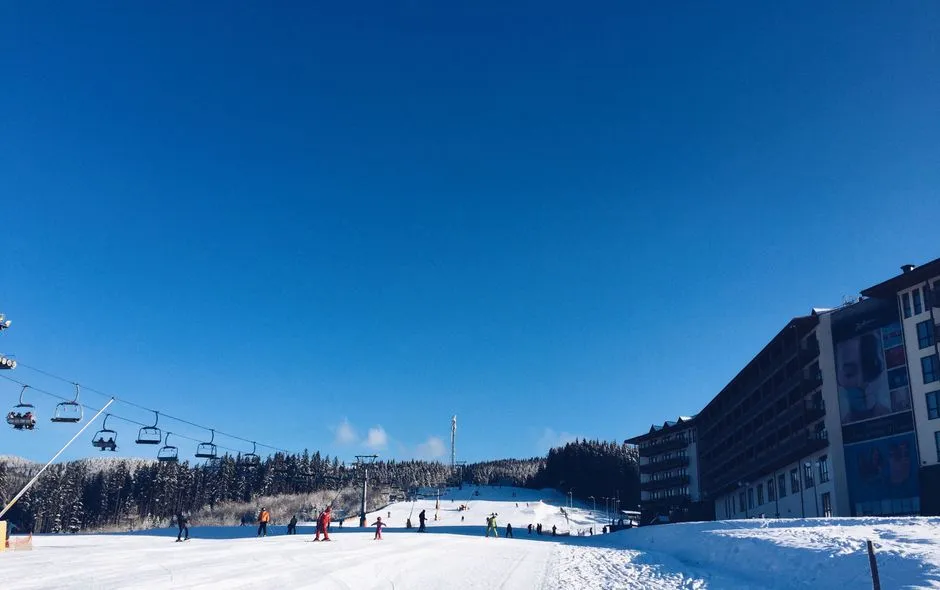
A growing population of skiers is seeking smaller ski hills as they actively avoid larger resorts swarming with skiers using the mega-passes. That shift in behavior is tangible enough that smaller resort operators have noticed it in their own visitation numbers.
Post-2024, an emphasis on sustainable, community-based tourism is steering travelers toward lesser-known resorts that prioritize local benefit. That’s a broader cultural shift, not just a ski trend.
The percentage of skiers buying single day tickets has dropped to 32 percent, as season pass purchases boom. The number of season passes sold by U.S. resorts in 2024-25 was up 81 percent compared to 2015-16. At the biggest resorts, that means a constant influx of pass holders with no financial incentive to skip a powder day, which concentrates crowds significantly.
The Terrain Variety That Keeps Skiers Coming Back
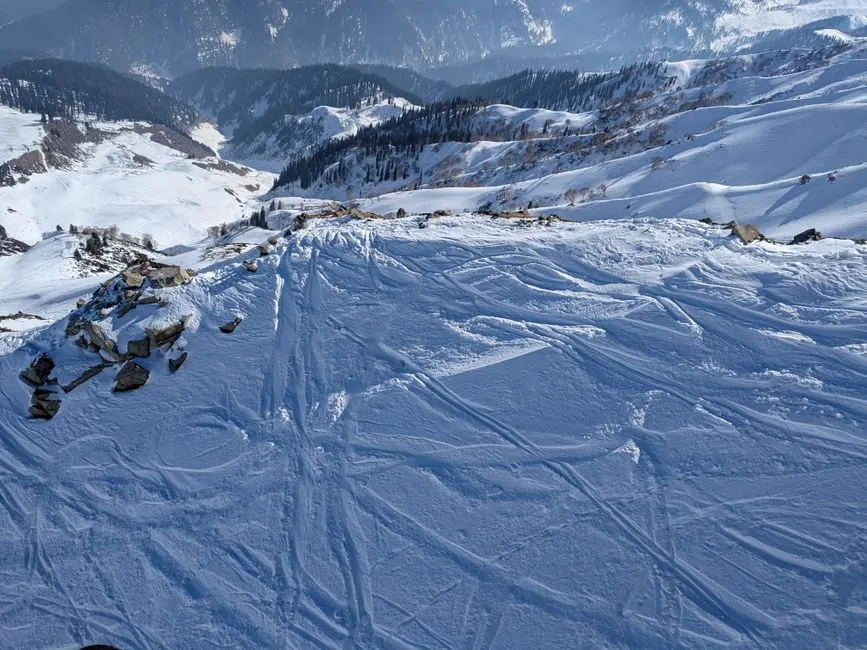
The skiable terrain at Purgatory spans 1,635 acres, offering 107 trails accessed by 11 lifts. Visitors can expect a balanced mix of difficulty levels, with beginner, intermediate, advanced, and expert terrain all well represented.
Purgatory Snowcat Adventures is Colorado’s largest guided snowcat operation, with access to over 35,000 acres of expert terrain in the San Juan backcountry, plus scenic tours and snowcat dining excursions for the whole family. That’s a backcountry experience most I-70 corridor resorts simply cannot match.
Carved by glaciers thousands of years ago, Purgatory offers a unique blend of steep tree skiing trails and wide-open cruisers with stunning views. The mountain’s layout naturally encourages exploration rather than the same lap-on-the-groomer routine that dominates busier resorts.
What Durango’s Ski Scene Feels Like Off the Mountain
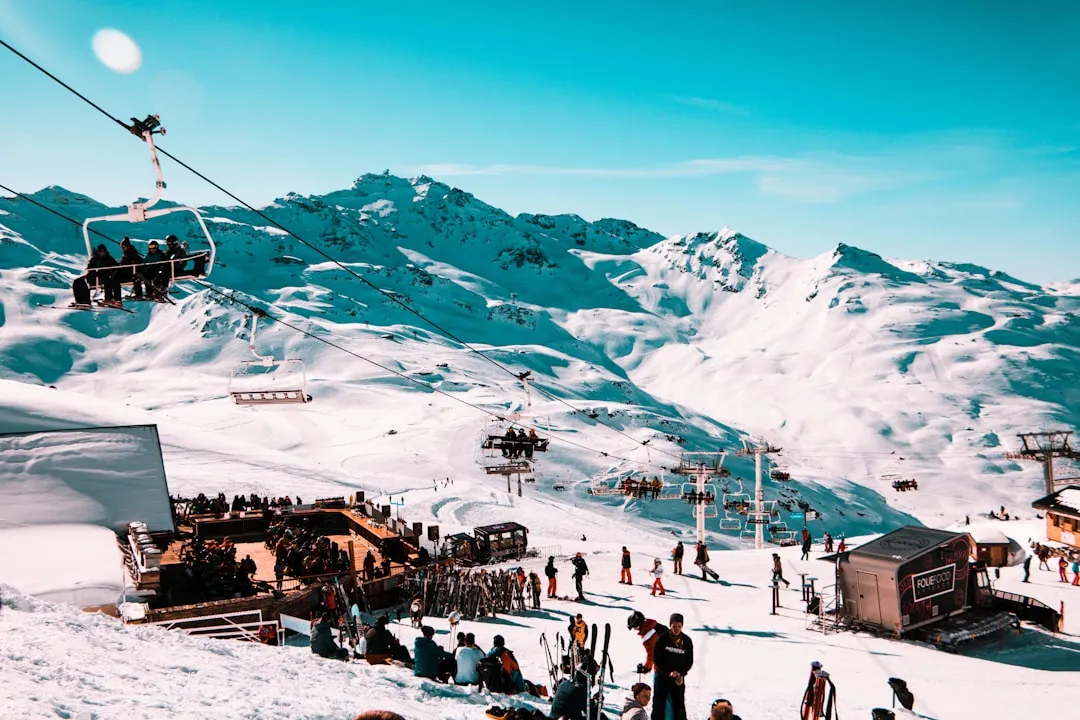
The town of Steamboat Springs adds charm with its hot springs, cowboy heritage, and lively dining scene. There’s a refreshing lack of pretension here. People come to ski hard, eat well, and soak in mineral pools after a long day on the mountain. Durango offers a similar spirit: genuine, Western, and largely free of the designer-boutique ski village aesthetic.
Signature events and on-mountain activities include New Year’s Eve fireworks, live music, pond skimming, tubing, and the year-round mountain coaster. Visitors can dine at the Village Plaza base area or take in the views at one of Purgatory’s mountain lodges. Overnight accommodations range from slopeside studios to luxurious penthouse suites.
Facilities at the resort include condos rented out by their owners to vacationing tourists, a nightclub and bar at the bottom of the ski slopes by the chairlifts, and a shuttle that runs back and forth between the resort and downtown Durango. Getting around without a car is genuinely workable here.
Practical Tips for Planning a Durango Ski Trip
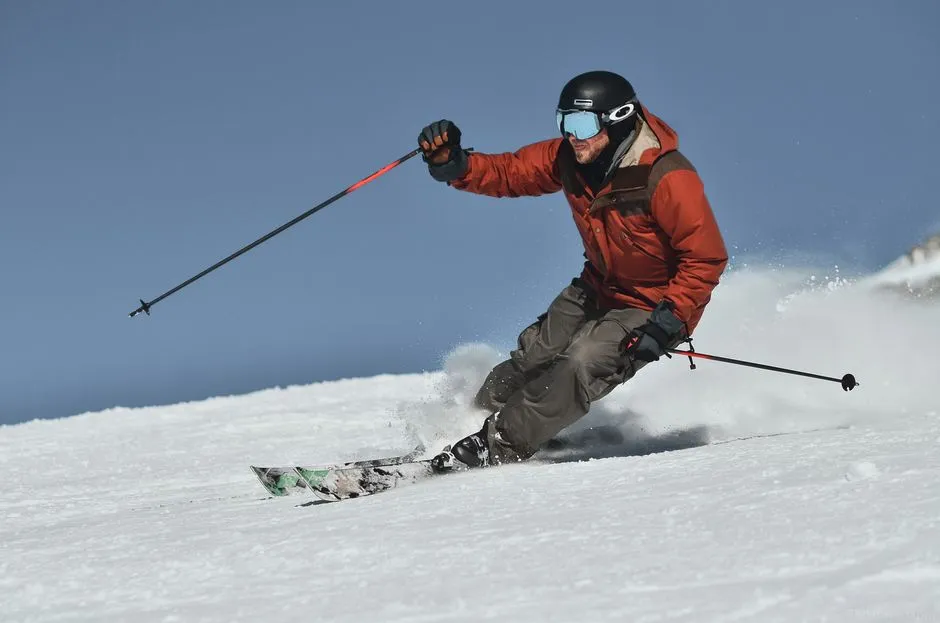
In an average winter, by mid-December, prior to the holidays, you’ll find deep snow and uncrowded slopes at Wolf Creek. January through March are also great times to visit, though it’s worth checking school schedules for Texas and Oklahoma, where many of the area’s skiers originate.
Those looking to skip lift lines should plan trips during the week and outside of peak season. More lines can typically be expected earlier in the day compared to the afternoon. Arriving at mid-morning rather than first chair can make a meaningful difference at any resort.
Booking a half-day lesson with a local guide can open access to quieter runs and insider line-avoidance tactics. At a place like Purgatory, local ski school staff often know the mountain’s quieter corners better than any trail map can communicate.
The Bigger Picture for Colorado Skiing
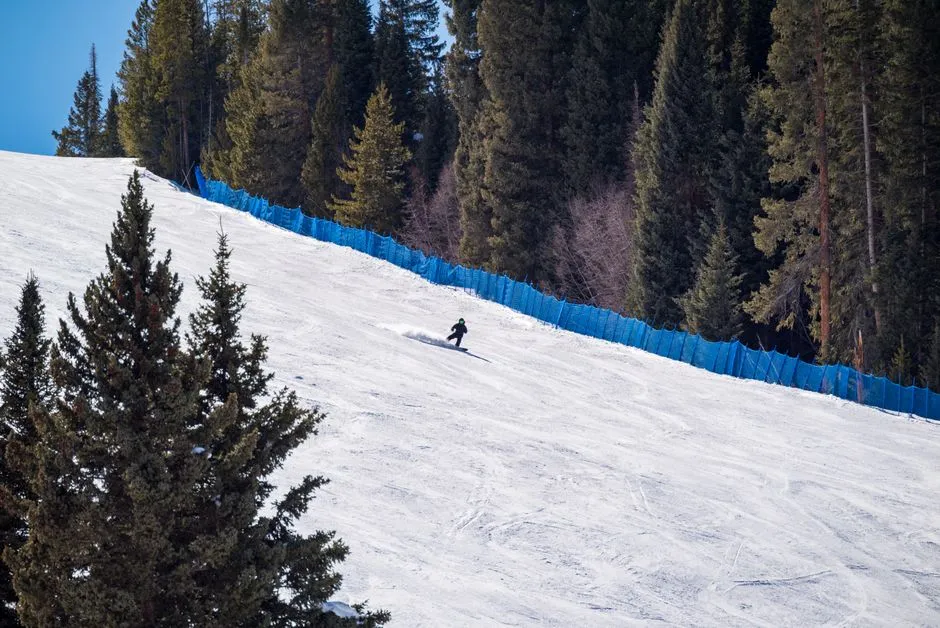
Colorado ski areas saw a 24 percent collapse in visitation in 2025-26, marking the sharpest downturn for the state’s signature resort industry in more than 40 years. Visits to the state’s 26 ski hills fell to 10.5 million in 2025-26, down from 13.9 million the previous winter. That’s the lowest showing for Colorado ski areas since 1991-92. A difficult snow year played a central role, but the broader shifts in where and how people choose to ski are real.
Purgatory’s local feel, stunning vistas, and decent variety of terrain make it a strong regional choice for those in the southwest. It won’t replace Vail for skiers chasing world-class vertical, but that’s rather the point. Different goals call for different mountains.
Purgatory was recently named the visitors’ choice best ski area in North America for beginners, which says something meaningful about how it prioritizes the actual experience of being on snow over brand prestige or resort size. The secret Durango skiers have been keeping is simply this: sometimes the best day on skis is the one nobody else showed up for.
AI Disclaimer: This article was created with the assistance of AI tools and reviewed by a human editor.