


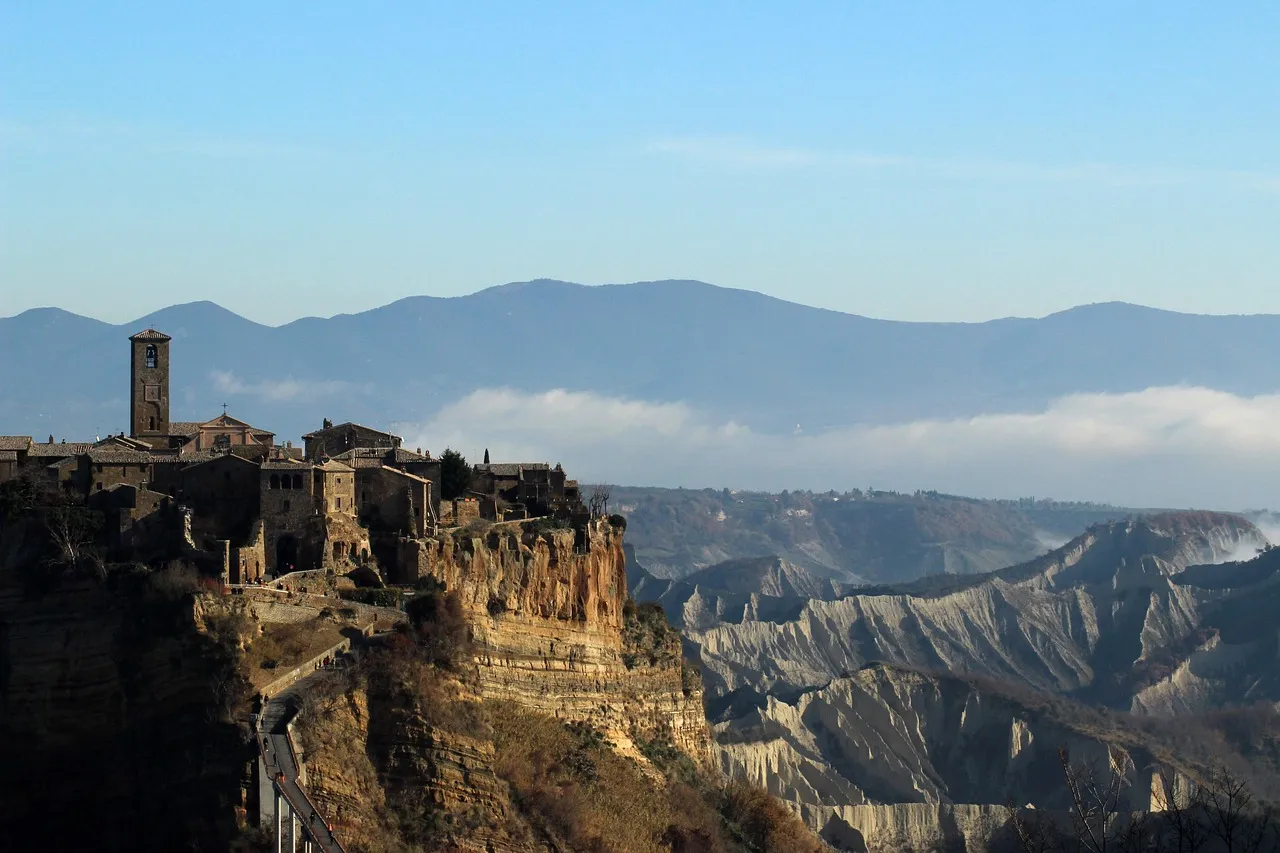
There’s a village in central Italy that sits on a crumbling plateau of volcanic rock, surrounded by a canyon so dramatic it looks painted. You reach it by crossing a single pedestrian bridge, and once you’re there, the modern world feels genuinely far away. Civita di Bagnoregio, also known as the “dying town,” is a magnificent medieval village located in the Lazio region of Italy, standing on a cliff and surrounded by steep ravines that create a landscape unlike anywhere else on the continent.
It’s the kind of place that stops people mid-sentence. Travelers who’ve made the crossing describe something close to disbelief. Suspended in time and space, Civita di Bagnoregio is a magical, almost surreal destination – a tiny medieval village teetering on a plateau of volcanic rock above a vast canyon, considered one of the most beautiful places in Italy.
A Village on the Edge of Time
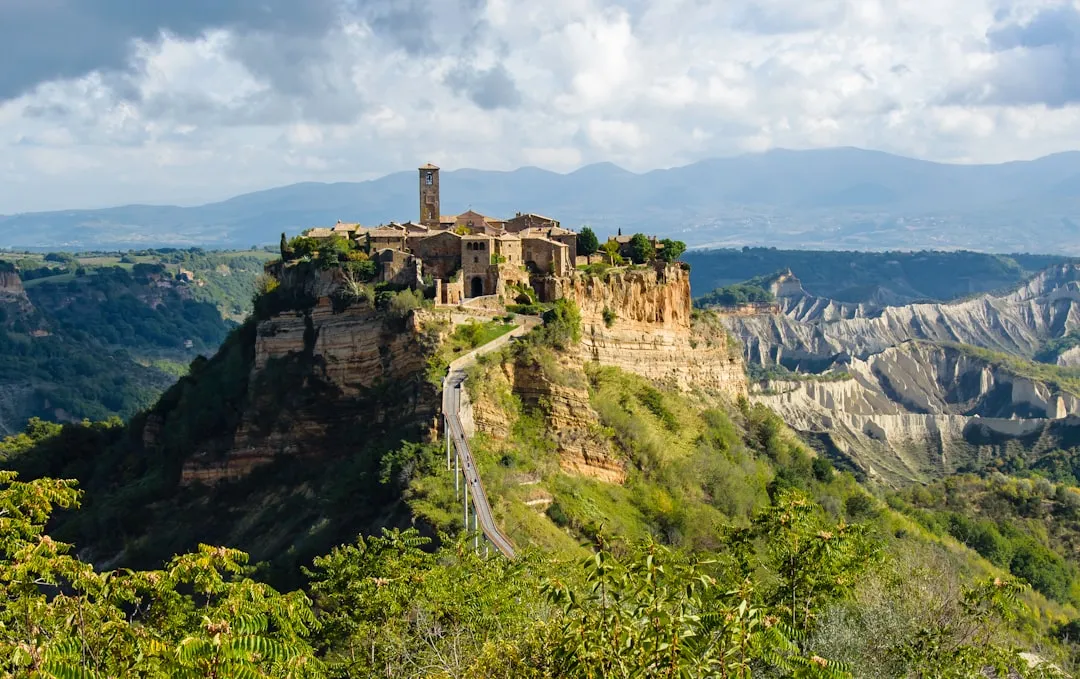
Located in an area of craggy peaks and lush valleys, Civita di Bagnoregio is a well-preserved historic walled town perched on a hilltop in the valley known as Valle dei Calanchi. Its nickname, the “dying city,” refers to the unstable foundation prone to erosion, making it a true foil to Rome, the Eternal City.
Almost untouched since the Middle Ages, even the Renaissance has left little mark on Civita di Bagnoregio, except for the facade of the church remodelled in the 16th century. The village’s main attractions include a church with frescoes by the school of Perugino, a geological museum, and the Grotto of San Bonaventura.
Located on the top of a tuff hill and reachable only through a narrow pedestrian bridge, the village offers one of the most spectacular views of all of Lazio. Nicknamed the dying city due to the constant erosion of the tuff rocks, this citadel halfway between Orvieto and Lake Bolsena has Etruscan and medieval origins.
Why Travelers Are Choosing Forgotten Places Over Famous Ones
According to Expedia’s travel trend report, which surveyed 25,000 respondents from 19 countries, roughly two thirds of travelers said they would likely visit lesser-known and less crowded destinations in 2025.
Globally, international tourist arrivals grew by approximately five percent between January and September 2025 versus 2024, reaching over 1.1 billion trips. Europe welcomed approximately 625 million of those arrivals, once again confirming its role as the world’s most visited region.
Industry reports covering 2024 and 2025 show that while major hubs such as London, Paris, and Barcelona remain dominant in absolute visitor numbers, the fastest percentage growth is increasingly concentrated in secondary and regional cities. Forgotten villages like Civita are quietly riding that wave.
The Overtourism Effect Driving People Elsewhere
In 2025, the UN World Tourism Organization’s World Tourism Barometer recorded a staggering 1.52 billion international travelers, an increase of nearly 60 million compared to 2024. Europe maintained its position as the world’s top travel destination, attracting approximately 793 million international visitors.
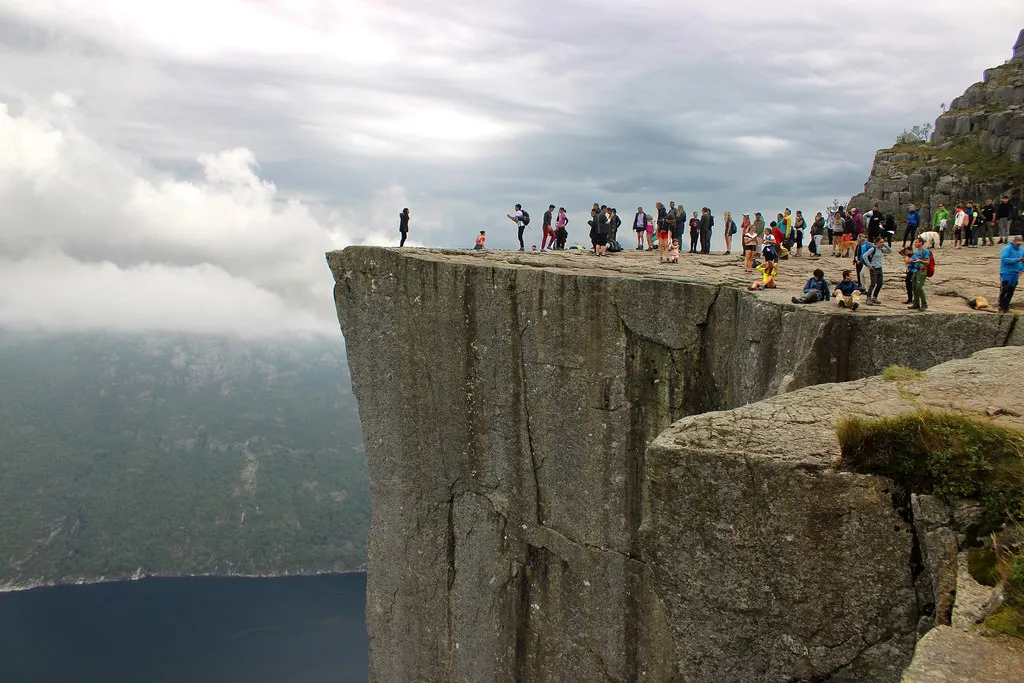
The disruption of normal life for locals by tourists has resulted in a series of anti-tourism protests across Europe. Protests in Mallorca, the Canary Islands, and Barcelona in early 2025 saw residents demanding higher tax rates and limitations for foreign investors.
With travel growing four percent in 2025 according to the World Travel and Tourism Council, more and more places are feeling the pressure. Fodor’s annual “No List” this year included the alpine region of Jungfrau in Switzerland and the Montmartre neighbourhood in Paris as new examples of overtourism.
The Bridge That Changes Everything
Perched on a crumbling hilltop, Civita is only accessible by a long footbridge. That single architectural fact changes the whole experience. There are no cars, no buses dropping off tour groups every fifteen minutes, no rush.
Civita’s narrow streets twist through medieval stone homes, ivy-draped walls, and flower-filled balconies. Every corner feels like a painting or a perfect photo.
For the best experience, plan to arrive early in the morning or late in the afternoon, when the light is magical and you’ll avoid the large crowds. The village rewards patience and timing in a way that Rome or Florence simply cannot.
A Medieval World Almost Unchanged
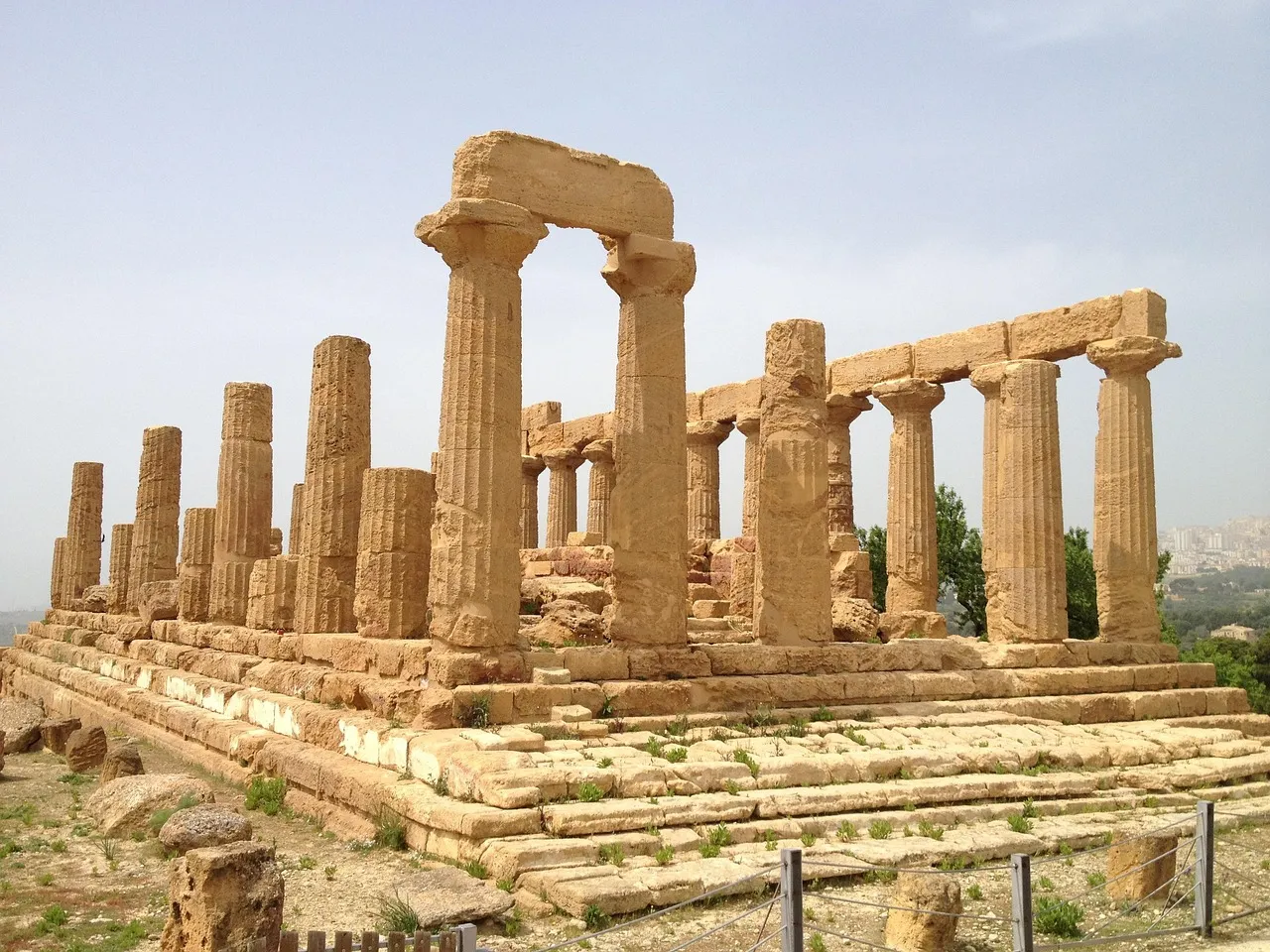
Picture cobbled streets lined with flower-bedecked Renaissance buildings, a handsome Romanesque church, and sweeping views of the Valle dei Calanchi, and you’ll have the measure of the place.
The charming central square is the heart of the village, where visitors can grab a coffee or a glass of wine and take in the view of the Church of San Donato, which dates back to the 7th century.
Instead of endless things to see and do, the town offers a pretty place to wander, grab something to eat and drink, and some little shops to buy souvenirs. For travelers exhausted by itinerary-driven trips, that simplicity is its own kind of luxury.
Anime, Artists, and Ancient Inspiration
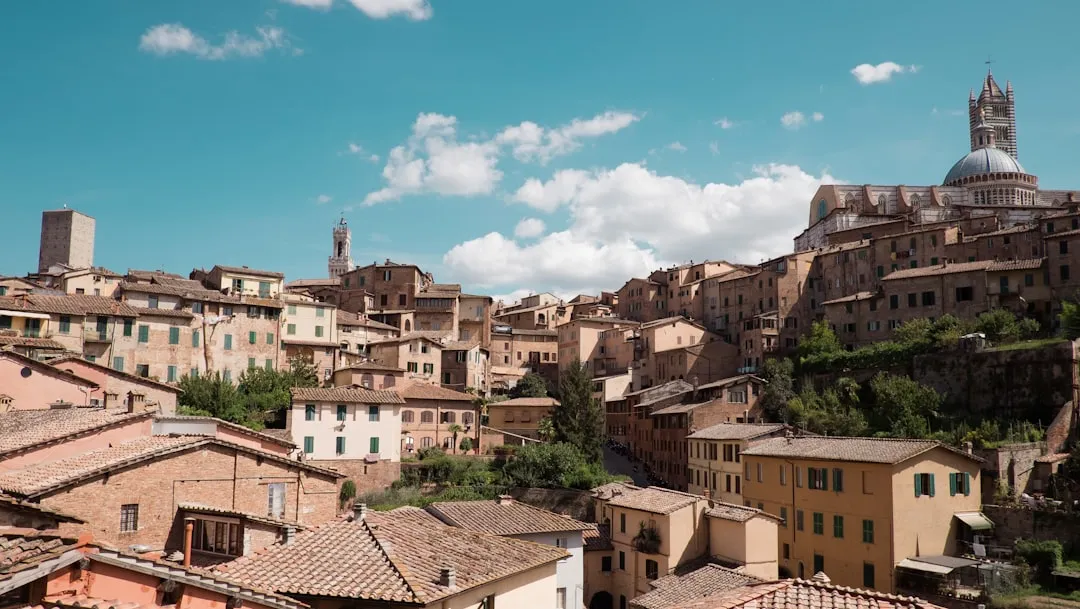
This characteristic village, set on a hillock, was reportedly the inspiration for Hayao Miyazaki’s animated film “The Enchanted City.” That connection drew a wave of Japanese travelers to the region, adding an unexpected layer to the village’s international reputation.
The creative pull of this place goes beyond animation. Europe’s true magic hides in villages most travelers never find – alpine hamlets where pastel houses reflect in mirror-still lakes, medieval towns so perfectly preserved they look computer-generated, and canal villages where boats replace roads entirely.
Civita fits squarely into that tradition of places that move people creatively, quietly, without announcing themselves. Writers and photographers have been documenting it for decades; it just never made the headline-grabbing mainstream circuit until now.
The Geology Beneath the Magic
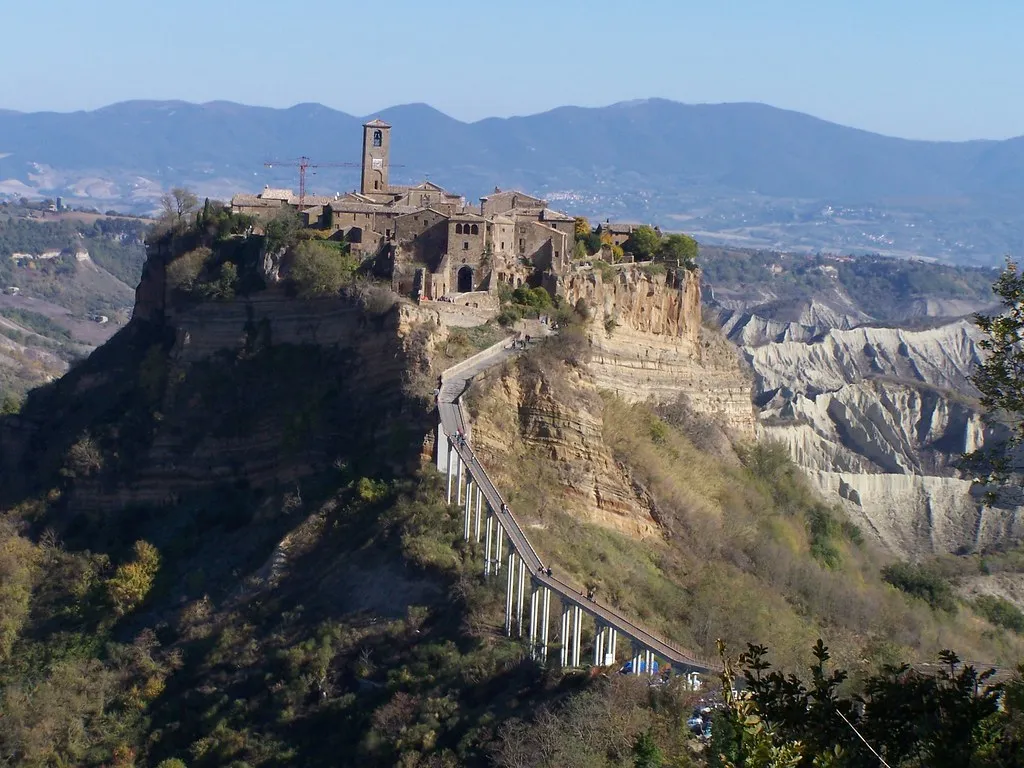
The small hamlet of Civita is located on a clay spur, which is still subject to erosion, and this could eventually lead to the permanent disappearance of the small village. That fragility is part of what makes visiting feel strangely urgent.
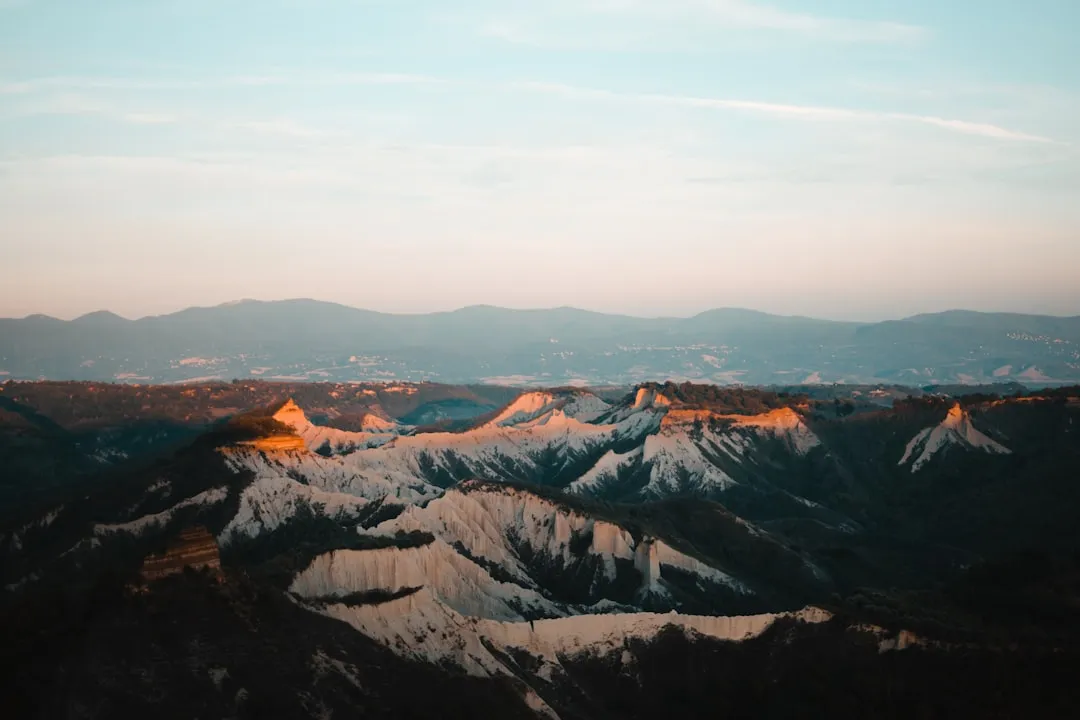
The surrounding Valle dei Calanchi is a geological wonder in its own right. Centuries of erosion have carved the surrounding clay into sharp ridges and soft ravines, creating a landscape that changes color with the season and the time of day. Standing on the edge of Civita and looking out across that valley, it’s genuinely hard to believe you’re looking at something real.
The village itself sits atop a volcanic tuff formation, the same material that the Romans quarried for building in the ancient world. Surrounded by steep cliffs, it creates a unique landscape that no photograph quite captures in full.
How the Slow Travel Trend Is Sending People Here

Concerns of overtourism and overcrowding of popular vacation spots have emerged strongly in recent years. People are now seeking small towns and more authentic experiences, according to a January 2025 USA Today report.
Beyond headline tourism figures, 2025 stood out as a year of reflection and recalibration. Environmental expectations rose, digital tools became more widespread, travelers sought more meaningful experiences, and workforce shortages persisted. Tourism began to look beyond recovery and toward long-term balance, resilience, and value.
Some of the best underrated destinations in Europe for 2026 are places that sit just outside the usual travel circuits, where landscapes feel bigger, crowds are minimal, and travel requires a bit more intention. These are destinations that don’t rely on famous landmarks or packed itineraries but offer space, raw nature, and a different pace.
What Makes It Feel Magical to Modern Travelers
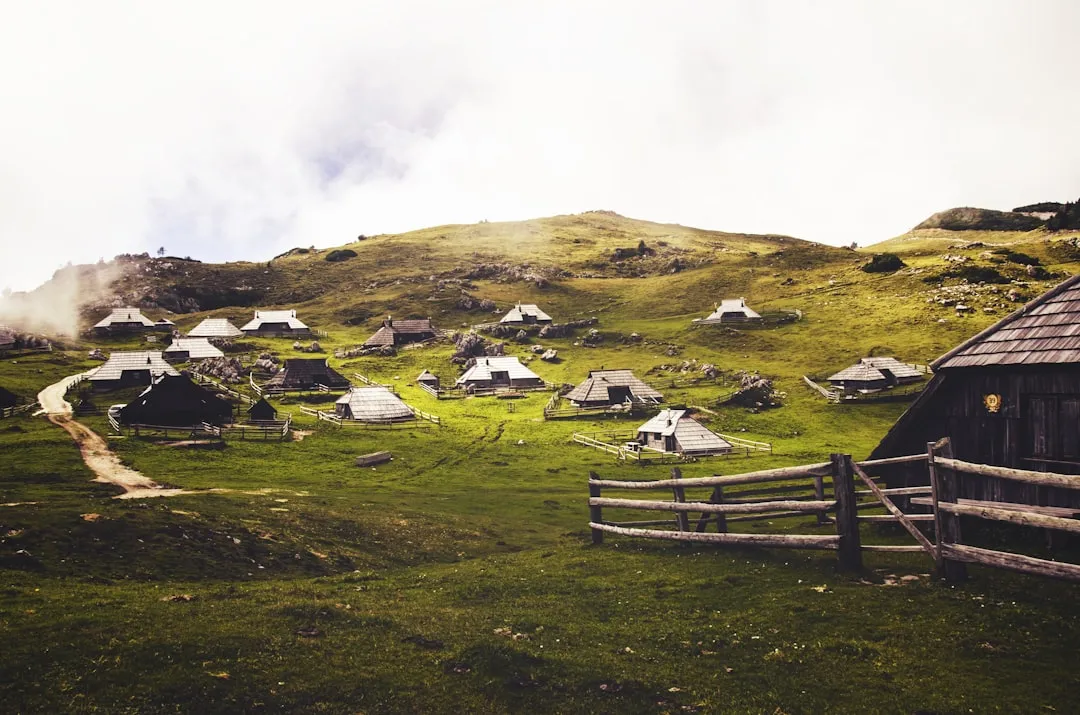
Europe is a continent rich in history, culture, and breathtaking landscapes, yet many of its most enchanting locales remain off the beaten path. For travelers seeking unique experiences away from typical tourist trails, these hidden gems offer authentic adventures and unforgettable memories.
Nothing says “magical” quite like a European village frozen in time. Big cities like Paris and London are a blast, but they barely scratch the surface of the old continent’s real, unspoiled charm.
In Civita, there are no chain coffee shops, no neon signs, and no queues stretching around the block. Exploring Civita gives visitors the chance to appreciate its quiet elegance, its delicate fragility, and the history that echoes through its empty alleys. Though it may be a “dying city,” its soul remains alive in its timeless beauty.
Getting There and Traveling Responsibly
Viterbo is just 1.5 hours from Rome, and Civita is a short drive away, making it a manageable day trip from the capital. Still, an overnight stay in the nearby town of Bagnoregio gives you the village at its quietest and most revealing.
In 2025, the European Commission announced that the EU Sustainable Tourism Strategy will be published in early 2026. The Commission launched public and stakeholder consultations in mid-2025, with the strategy expected to focus on sustainability, inclusivity, innovation, resilience, overtourism, and connectivity.
Finding the quieter neighbourhoods of cities, visiting in the off-season, and spending time in lesser-known parts of the region are still the best ways to avoid the crowds and be a more responsible traveller. Civita di Bagnoregio embodies all three of those principles at once.
A Place That Asks You to Slow Down
As overtourism continues to impact popular European destinations, travelers now have the opportunity to explore lesser-known spots that offer unforgettable experiences. From hidden gems in Eastern Europe to remote island communities, these destinations provide a chance to experience Europe without the crowds.
With affordable flights connecting many of these destinations to major European hubs, reasonable accommodation costs, and locals genuinely thrilled to welcome visitors, 2026 presents the perfect opportunity for travelers to explore beyond Europe’s overcrowded classics.
Civita di Bagnoregio is a village that has survived earthquakes, erosion, depopulation, and centuries of neglect. The fact that it’s still standing, still welcoming visitors across that long stone bridge, still glowing at sunset above the Valle dei Calanchi, feels less like a travel feature and more like a small miracle. Some places earn the word “magical.” This one has been earning it for a thousand years.
AI Disclaimer: This article was created with the assistance of AI tools and reviewed by a human editor.