


Asheville has earned its reputation. The arts district, the craft breweries, the Blue Ridge views, the Biltmore Estate anchoring it all. But there’s a cost to all that charm, and lately it’s hard to ignore. The housing market in the Asheville metropolitan area has pushed median home prices into the range of $500,000 to $600,000, and the overall cost of living in Asheville sits 7% higher than the national average.
Meanwhile, about 35 to 45 minutes east on Interstate 40, a smaller town has quietly been building a compelling case for itself. Marion, North Carolina, the county seat of McDowell County, offers genuine mountain scenery, real outdoor access, and a cost of living that would make most Asheville residents do a double take. It’s not trying to be Asheville, and that’s precisely the point.
The Price Gap Is Real, and It’s Significant

The numbers between these two towns are striking when you place them side by side. Marion’s median sale price sits roughly 59% lower than the national average, and the overall cost of living is about 8% lower than the national average. Compare that to Asheville, where housing expenses alone run 13% higher than the national average.
Marion carries an overall cost of living index of 85, which is lower than the national index of 100, and lower still than North Carolina’s own index of 92. Asheville, by contrast, carries a cost of living index of 115, roughly 1.4 times that of Marion. These aren’t minor rounding differences. For a family buying a home, this gap translates into tens of thousands of dollars.
Home Prices That Feel Like Another Era
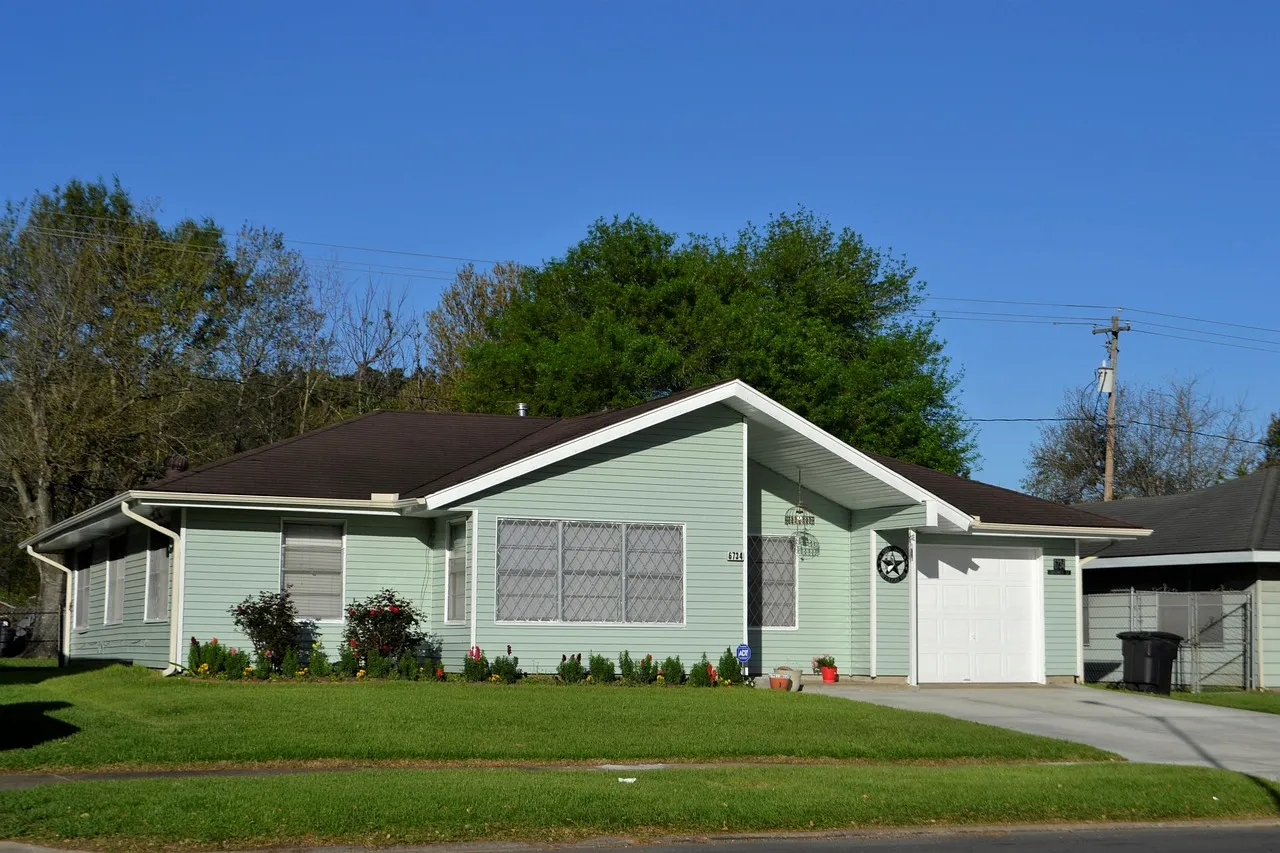
The average home value in Marion, NC sits around $242,000. That figure is striking when you hold it next to Asheville’s median sale price of $507,000 over the most recent reporting period. You’re essentially looking at a difference of more than a quarter of a million dollars for comparable mountain-region real estate.
Among North Carolina mountain towns, Marion is consistently considered one of the most affordable, with a median home price of approximately $199,000 by some measures. Marion’s housing index clocks in at 57, well below the national baseline of 100, which means your housing dollar genuinely stretches further here than in almost any other part of the western North Carolina mountains.
The Scenery Is Not a Consolation Prize

About 35 minutes east of Asheville, Marion offers nearly the same mountain atmosphere at a much more accessible price point, with home prices that feel surprisingly reasonable, almost impossible to believe when you compare them to Asheville’s market. The terrain around McDowell County is genuinely dramatic, not just scenic in a postcard kind of way.
As summer heat waves move across the country, there’s no better place to escape than the cool breezes and welcoming mountain towns of the Blue Ridge, and McDowell County offers some of the best of that experience. The elevation keeps temperatures comfortable well into July and August, something visitors from the Carolinas and beyond consistently appreciate.
Outdoor Access That Rivals Anything Near Asheville
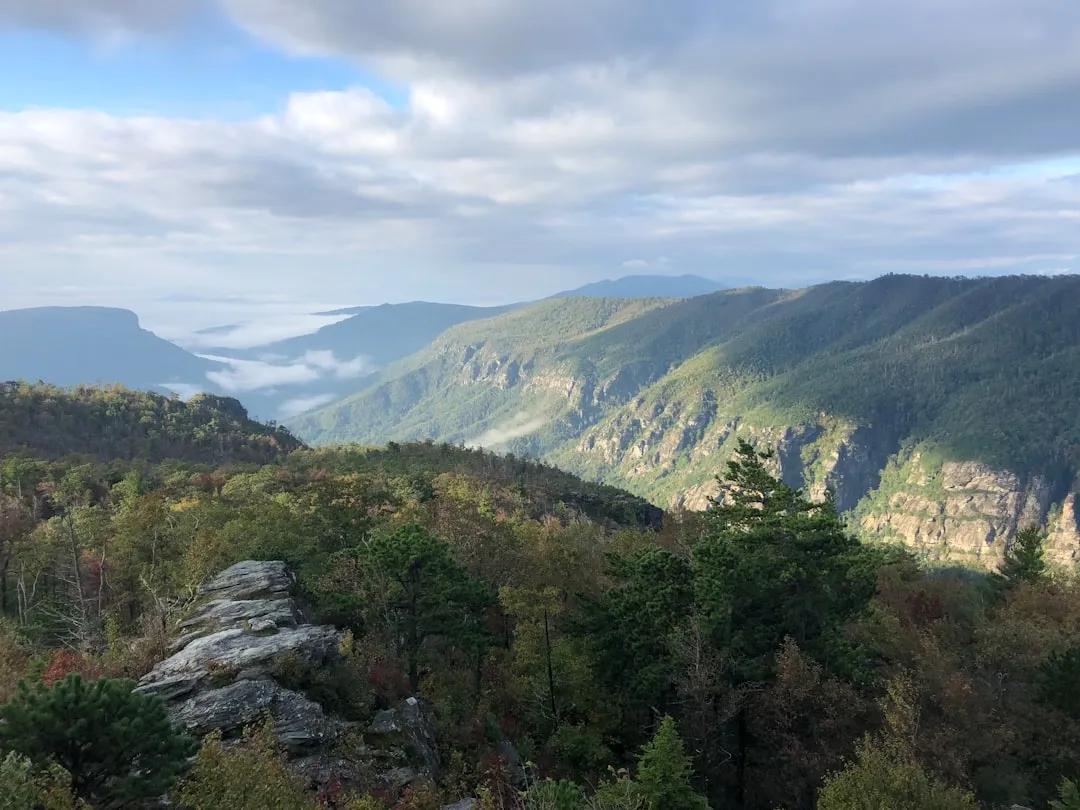
Linville Gorge Wilderness Area, known as the “Grand Canyon of the East,” sits within easy reach and is a must-visit for hiking and photography. South Mountains State Park, one of North Carolina’s largest state parks, offers waterfalls, horseback riding, and plenty of trails for all skill levels. These aren’t small regional parks. They’re nationally recognized wild areas.
Lake James State Park is perfect for swimming, kayaking, or relaxing by the water, and also features miles of hiking and biking trails that showcase the area’s natural beauty. The lake sits at the base of Linville Mountain, and on clear days the reflections are the kind of thing that ends up on the cover of travel magazines. Marion is the closest major gateway town to all of it.
A Town Having Its Moment in 2026

With dramatic mountain terrain, nationally recognized outdoor experiences, and a growing slate of must-go events, 2026 is shaping up to be a defining year for McDowell County, from elite trail running and mountain biking competitions to new milestones in its cultural and historic spaces. That’s not marketing language from a chamber of commerce brochure. The infrastructure is actually catching up to the landscape.
Chimney Rock State Park, featuring cool breezes and spectacular 75-mile views from the summit, reopened in June 2025 in the nearby Hickory Nut Gorge. That reopening, after significant storm damage, has quietly renewed tourist interest in the entire McDowell and Rutherford County corridor, and Marion sits right in the middle of it.
The Blue Ridge Parkway at Your Doorstep

The Blue Ridge Parkway, just a short drive from Marion, offers stunning views of the changing leaves and peaceful mountain landscapes, with plenty of overlooks for photos or a picnic. During autumn, the foliage along this stretch is consistently ranked among the most vibrant in all of Appalachia, drawing visitors from up and down the East Coast.
Access to the Parkway near Marion is less crowded than the popular overlooks near Asheville and Boone. Marion also has good highway access, making Asheville, Hickory, and even Charlotte reachable for work or weekend trips, so you get the mountain lifestyle without being completely isolated. That connectivity matters a lot for remote workers or anyone who travels regularly for business.
A Downtown That’s Quietly Growing

Marion’s charming sidewalks host local ice cream shops and artisan spots, and the town has been investing in its downtown core with new dining and cultural anchors. It’s not Asheville’s packed gallery district, but that’s part of the appeal. You can actually find parking. You can walk in for dinner on a Saturday night without a reservation made two weeks in advance.
The food scene in McDowell County has diversified considerably in recent years. Hillman Beer’s creekside patio offers craft drinks in a scenic riverside setting, and local farm-to-table options have grown substantially. The culinary identity here is still forming, which means you’re getting in early rather than playing catch-up.
Why People Are Leaving Asheville for Smaller Towns

The migration data tells a clear story. Between October and December 2025, roughly 45% of Asheville homebuyers searched to move out of Asheville, while 55% looked to stay within the metropolitan area. That’s a substantial share of the local market actively looking for an exit. The city’s natural beauty and vibrant culture drew many people, leading to increased demand for housing, and historically Asheville has had a low inventory of housing stock. When demand outpaces supply, prices rise.
Asheville holds the title for the highest cost of living index in North Carolina, meaning it is more expensive to live there than in other major cities in the state like Raleigh and Charlotte. That’s a significant distinction for a mountain town that once appealed partly because of its relative affordability compared to major urban centers.
Who Marion Actually Works For

You get the mountain lifestyle without being completely isolated, and for budget-conscious families or retirees wanting mountain scenery without the premium price tag, Marion delivers consistently. The school system in McDowell County has been improving, and the community has a long history of welcoming newcomers without losing its working-town character.
Towns like Marion are considered retiree-friendly, combining low living costs with a slower pace and accessible healthcare. Remote workers have also started arriving in meaningful numbers. The question of how remote work opportunities influence migration to North Carolina’s affordable mountain towns is one researchers and economists have been paying close attention to, and the trend is clearly pushing people toward towns exactly like Marion.
The Bigger Picture for the North Carolina Mountains

North Carolina’s cost of living runs about 5% below the U.S. average, and the median home price in the state is $327,215, which is roughly 19% lower than the national median of $402,000. Marion sits well below even those already-favorable state figures, making it one of the more extreme value propositions in a state that already has a lot of them.
Several NC mountain towns still offer homes significantly cheaper than nearby hotspots, while keeping you close to trails, lakes, and fresh air. The window on that kind of value isn’t unlimited. As more people discover what McDowell County actually offers in terms of landscape and livability, the price advantage will likely narrow over time.
Asheville is still worth visiting. Its history, its food scene, its music culture, the Biltmore, the architecture of its downtown – none of that goes away. But the idea that Asheville is the only real mountain option in western North Carolina was always a little narrow, and the data now makes that especially clear. Marion has the mountains, the trails, the waterfalls, and the open sky. What it doesn’t have is the price tag. For a growing number of people, that turns out to be the deciding factor.
AI Disclaimer: This article was created with the assistance of AI tools and reviewed by a human editor.