
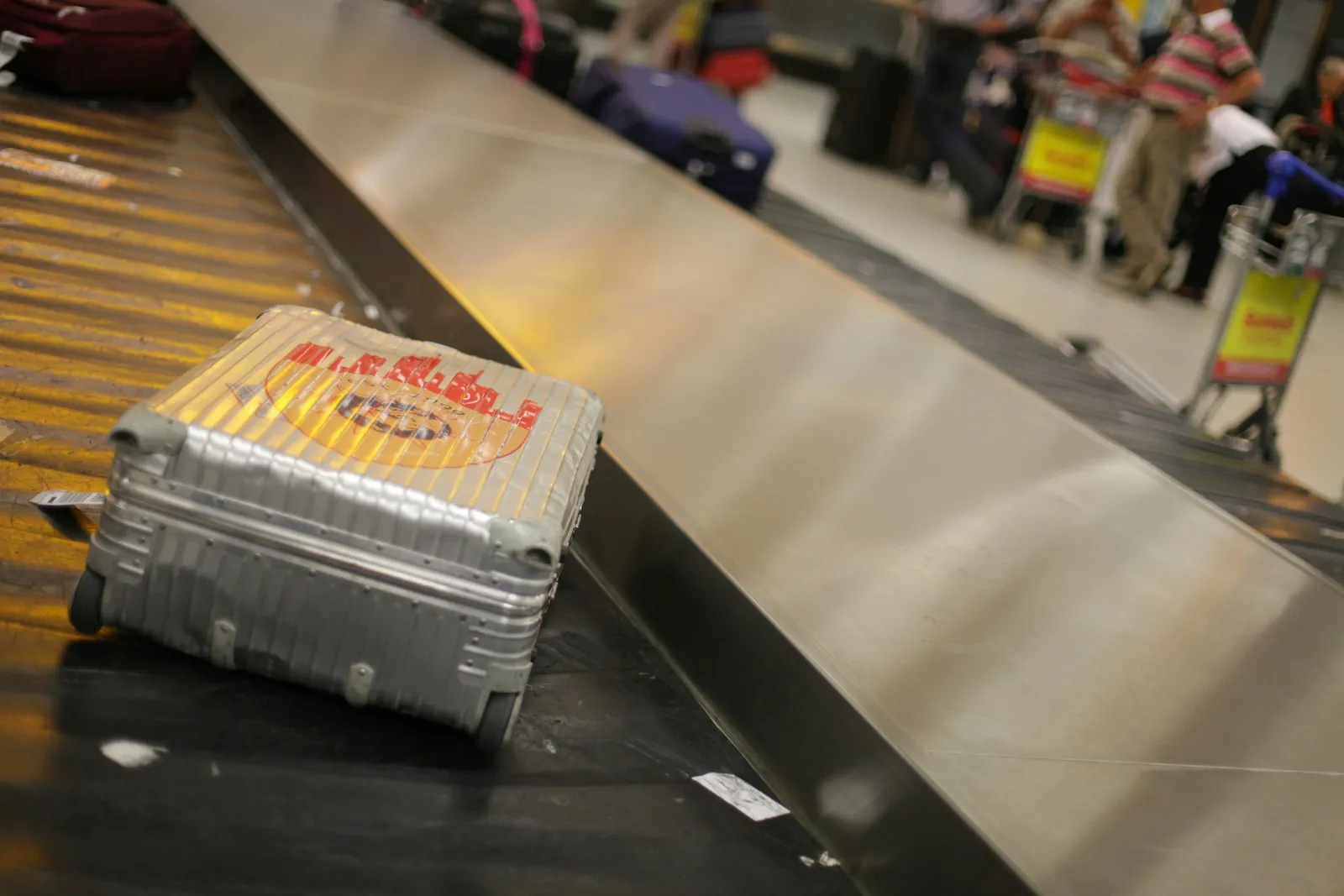

Travelers who check bags on international flights face a hidden risk that goes beyond lost luggage or delays. A scheme known as baggage tag switching can link an innocent passenger’s name to a suitcase containing contraband. The result is a customs stop that feels sudden and deeply unsettling. The issue gained attention after a Canadian investigation highlighted cases involving flights from Toronto Pearson. In those incidents, legitimate tags were allegedly removed from passengers’ bags and placed on other suitcases. When authorities intercepted the second bag, the paperwork pointed back to the original traveler. ## The Mechanics Behind the Switch Baggage tag switching exploits a simple vulnerability in the checked luggage process. Airlines print tags that include a passenger’s name, flight details, and barcode. Once the bag moves behind the counter, that tag becomes the official connection between the suitcase and its owner. Corrupt handlers could remove the tag from a legitimate bag and attach it to another suitcase heading to the same destination. If the substituted bag is flagged, the innocent passenger’s information appears on the records. Most airport staff perform their jobs honestly, yet the system requires only a few compromised individuals to create serious problems for travelers. The risk extends beyond Canada. Every major airport shares the same basic structure: passengers surrender their bags, and those bags enter restricted areas where direct oversight ends. International routes add further complications because legal systems and customs procedures differ from country to country. ## Practical Steps Before Check-In Creating a clear record of your own luggage takes only a couple of minutes and provides valuable documentation. Start by filming a full 360-degree view of the suitcase, noting colors, marks, wheels, and any distinctive features. Capture the bag on the scale as well, since weight forms part of the official trail. Photograph the baggage tag itself once it is attached. A close-up image showing the barcode, destination, and bag number can prove what was actually connected to your name at the moment of check-in. Keep the small receipt sticker in a secure place with your passport rather than discarding it. Place a luggage tracker inside the suitcase, not on the exterior where it could be removed. An internal device helps confirm the real location of your bag if questions arise later. A quick photo of the contents before closing the case adds another layer of proof about what you actually packed. ## Handling Issues Upon Arrival When the bag reaches the carousel, examine it carefully instead of rushing away. Compare the tag number against your receipt and check the condition for signs of tampering or a replacement tag. Any discrepancy warrants an immediate visit to the airline baggage desk for written documentation. If authorities question you about a suitcase that is not yours, remain calm and request legal assistance. Present the photos, videos, and receipts collected earlier. These records demonstrate what you checked and help separate your actual luggage from any substituted item. Never agree to carry packages or bags for others. The rule remains straightforward: if you did not pack it, you do not transport it across borders. ## Staying Prepared on Future Trips The checked baggage system will continue to rely on paper tags and behind-the-scenes handling for the foreseeable future. Simple habits such as documenting your suitcase and retaining receipts reduce exposure without adding significant time or cost. Travelers who treat these steps as routine protect both their belongings and their names. The larger lesson is that vigilance at the airport extends beyond security lines. A few targeted photographs and a kept receipt can make the difference between a smooth arrival and an unexpected customs encounter.
AI Disclaimer: This article was created with the assistance of AI tools and reviewed by a human editor.