
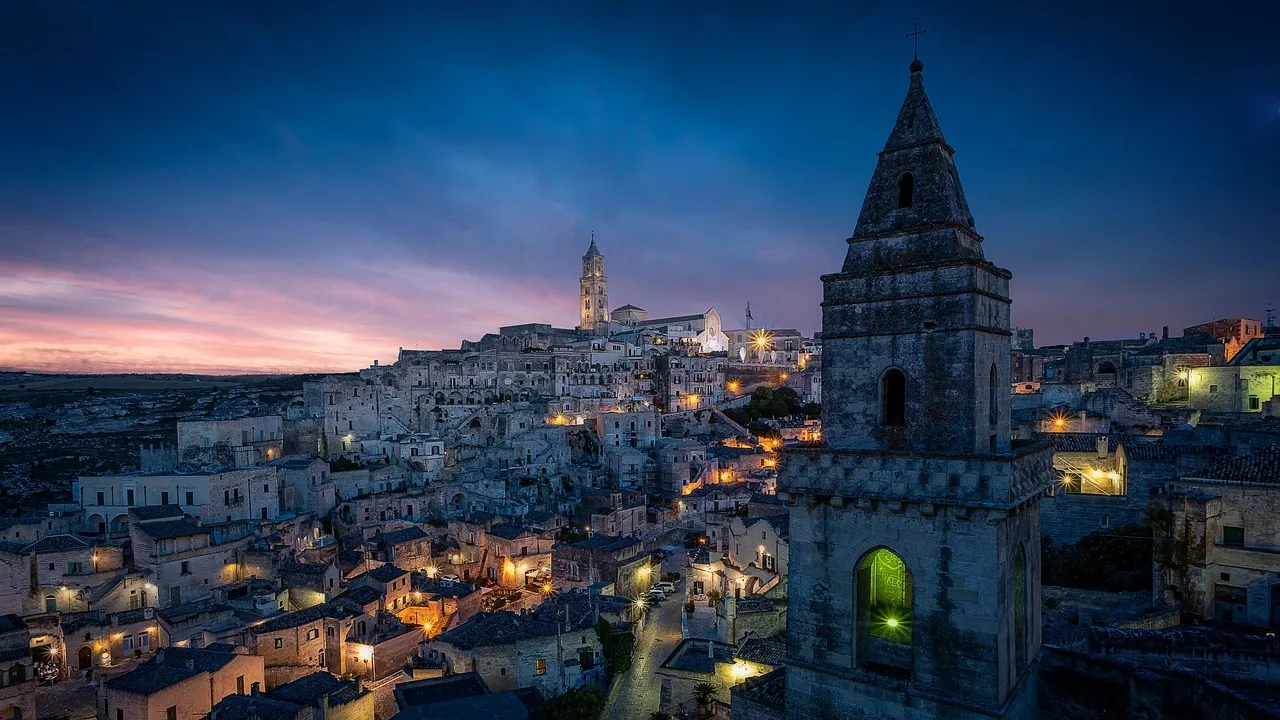

There’s something quietly disorienting about stepping into a city and not hearing the rumble of an engine. No exhaust fumes drifting past your face. No rush of traffic splitting pedestrians from their surroundings. Many European cities were built long before cars existed, so removing them feels less like a radical overhaul and more like a return to how things used to be – central squares surrounded by benches instead of parking spots, and narrow alleyways for foot traffic instead of vehicles.
Despite a growing movement across the continent, the number of cars in the EU exceeded 259 million in 2024, an increase of nearly six per cent compared to 2019. Against that backdrop, the cities below stand out as something genuinely rare – places where the decision to remove cars has transformed not just traffic patterns, but the entire feel of daily life.
1. Venice, Italy – The Original Car-Free City
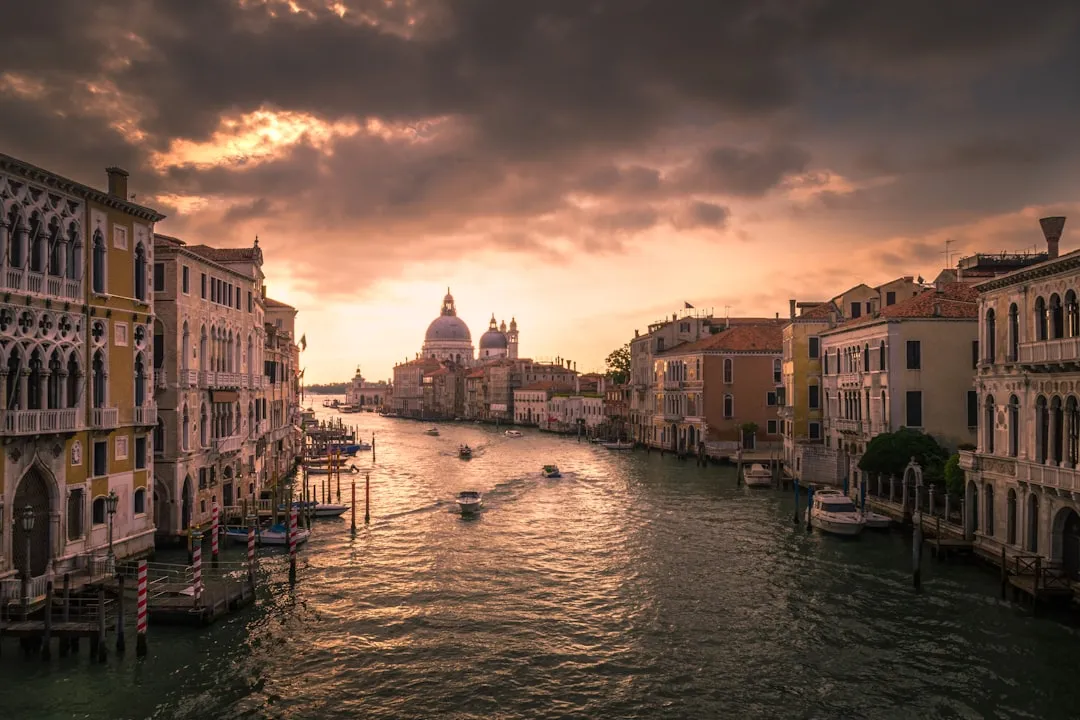
Venice serves as perhaps the most iconic example of how a modern city can function without cars, though the design was entirely unintentional – the city was founded over 1,500 years ago, long before the automobile existed. Built on more than 100 small islands in a shallow lagoon, it’s connected by 400 bridges and over 150 canals.
Cars, buses, and even bikes cannot be used to navigate the city. On the island, there are over 400 staired bridges running over canals to connect each of the districts. The predominant method of transportation is on foot, though motorized waterbuses called vaporetti, which travel the city’s canals, are also available.
Locals have boats that serve as cars, parked along almost every canal. Every other vehicle you could imagine takes the form of a boat – emergency vehicles, police boats, and even garbage collection vessels. The historic center is completely car-free. Drivers can only reach Piazzale Roma, where the road ends, and must continue on foot or by boat from there.
2. Ljubljana, Slovenia – Europe’s Greenest Small Capital

In 2007, the capital of Slovenia published “Vision 2025,” a detailed plan for a greener and more sustainable city, with the hope that its plans would be emulated by other European cities. Central to the proposal was turning the city centre into a car-free zone.
Ljubljana’s commitment to reducing its environmental footprint began in 2007. Initially just 12 hectares were made car-free, but the city gradually expanded the zone, now covering a full 20 hectares – making it the largest car-free zone of its kind in the European Union.
As a result, CO2 emissions in the area decreased by 70%, while noise levels dropped by approximately 6dB. The city also introduced the “Kavalir,” a small fleet of electric vehicles that are free to use and slow enough to be hailed with ease. The city was crowned European Green Capital by the European Commission in 2016.
3. Ghent, Belgium – The City That Changed in a Weekend
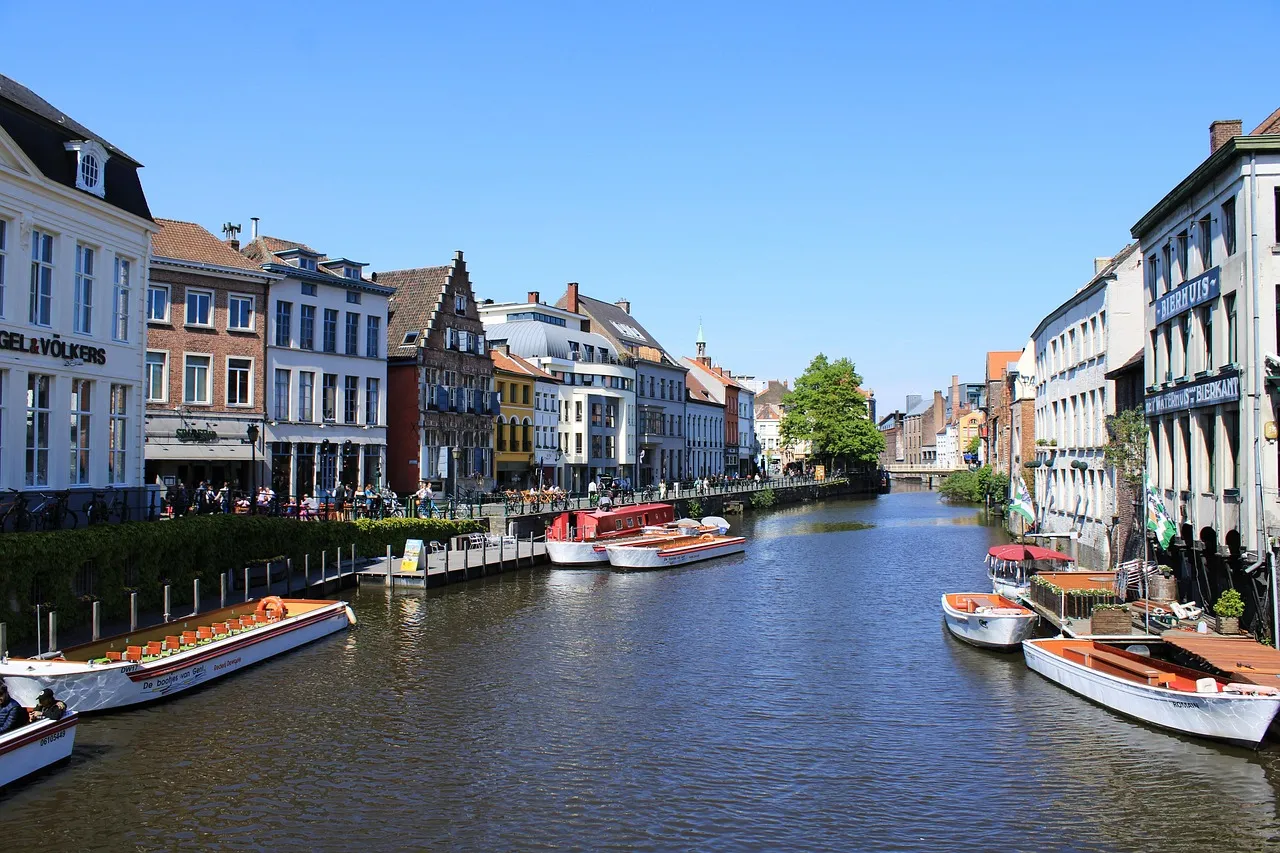
The centre of Ghent has been almost car-free since 1997, when the council decided to pedestrianize 35 acres of the inner city to counter extreme traffic and congestion. The city has the largest car-free historic city centre in Belgium, covering 70 hectares.
In April 2017, the city oversaw the implementation of a new Circulation Plan. By encouraging shared transport as part of an action plan for a car-free centre, car journeys in Ghent were reduced from 55% to 27%. The Circulation Plan took two and a half years to plan, one weekend to implement, and cost just €5 million.
The transformation continued on such a large scale that the city’s goal to achieve a cycling modal share of 35% by 2030 was met in 2019, eleven years earlier than predicted. The Ghent city centre has also been a low-emission zone since 2020, meaning the most polluting vehicles are no longer allowed to enter the inner city, which helps improve air quality.
4. Pontevedra, Spain – The City That Eliminated 70,000 Daily Cars
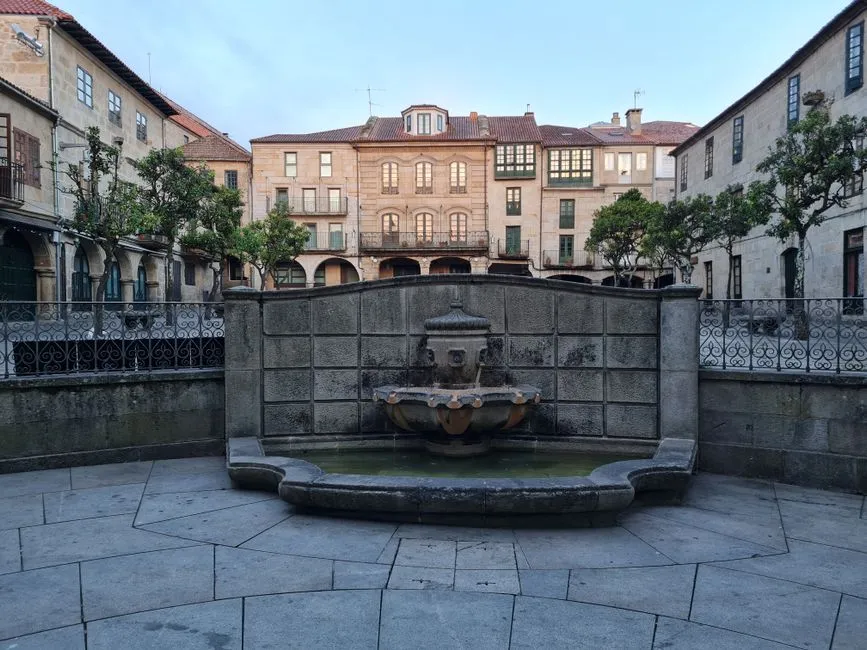
At the end of the 1990s, Pontevedra was paralyzed by traffic. More than 27,000 cars commuted every day past the Spain Plaza in the heart of the historic downtown. Getting around on foot was a nightmare between the noise, pollution, the risk of being run over, and sidewalks that had become parking spaces.
In total, 1.3 million square meters of Pontevedra have been pedestrianized, and traffic in the city center has been dramatically reduced from 80,000 vehicles in 1999 to just 7,000. Today, Pontevedra’s citizens walk almost 70% of their journeys.
Since the changes were introduced, the city has seen a reduction in CO2 emissions of over 70%. In 2016, the municipal police did not issue a single speeding ticket, and no fatal traffic accidents have been recorded since 2011. The city also gained 12,000 new inhabitants drawn to the city’s newly restored centre.
5. Paris, France – Europe’s Largest Capital Goes Car-Free in Its Historic Core

On an early November morning in 2024, Parisians woke up to more traffic-free streets, as a new ban on motorists in the first four arrondissements of central Paris came into effect. Some forty signs appeared overnight, indicating the entrance to a new limited traffic zone, or “ZTL,” put in place by the city council.
According to the EU’s Urban Mobility Observatory, the limited traffic zone created at the end of 2024 covering the four central districts managed to drastically reduce vehicular traffic, prioritizing the needs of pedestrians, cyclists, and public transport. The goal is to reduce traffic in the heart of Paris by at least half.
Through-traffic has been prohibited in favour of pedestrians, bicycles, public transport, and specific categories of allowed vehicles, such as tradespeople. Paris had long been moving in this direction, and the 2024 ZTL represents the most concrete step yet. For visitors, it means the ancient city’s most storied streets can now be experienced at a genuinely human pace, without the constant noise of passing traffic as background.
What These Cities Have in Common
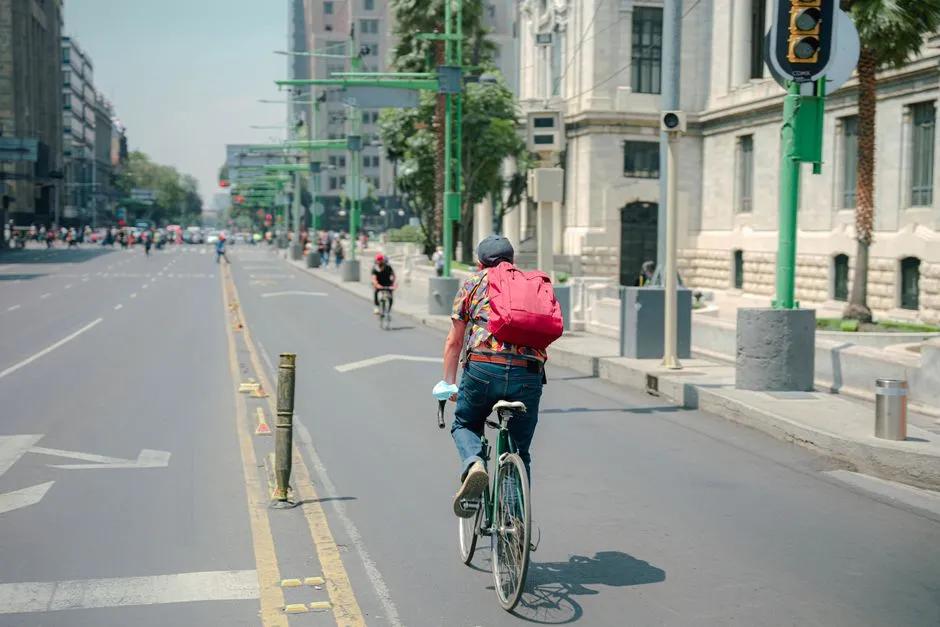
While drastic changes aren’t always popular at first, the long-term benefits are hard to overlook, and this recreation of the past seems to be shaping the future of urban life. Each of these five cities took a different path to get there – some planned, some accidental, some contested – but all arrived at the same conclusion.
Removing cars doesn’t hollow out a city. In every case documented here, the opposite happened: businesses returned, residents moved back in, air quality improved, and tourism grew. European cities are dramatically scaling back their relationship with the car, removing parking spaces, creating dedicated bike lanes, and installing cameras at the perimeter of urban centers.
The cities in this gallery are worth visiting not because they’re car-free as a novelty, but because that single change reshapes everything from the sound of the streets to the way you move through the day. The absence of engines, it turns out, creates space for something else entirely.
How to Get to These Cities Without a Car
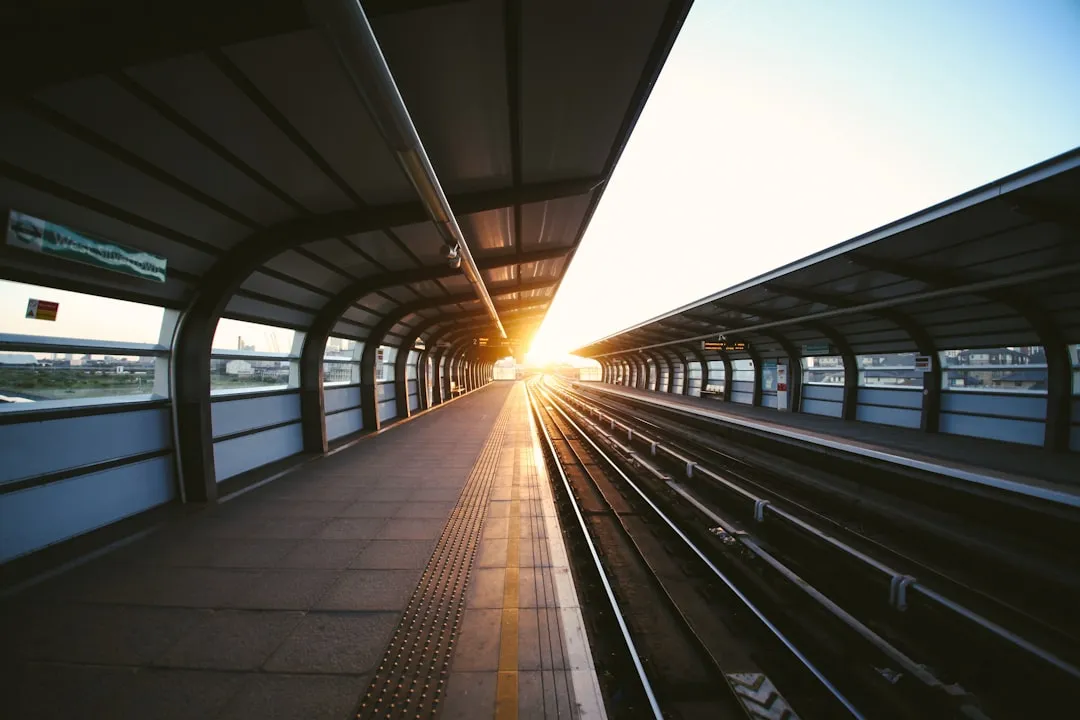
Reaching any of these destinations is straightforward by train or air. Venice is served by the Santa Lucia train station, which deposits you directly at the edge of the lagoon. Visitors who drive or residents who own a car must park outside of the city and then proceed either by foot or train into the city.
Ljubljana is well connected to Vienna, Zagreb, and Zurich by rail, and its compact size means the car-free zone is easily walkable from the central train station. English is widely spoken and the city is affordable compared to other capitals and major cities in Europe.
Ghent sits on the main Brussels to Bruges rail line, making it one of the easiest car-free city breaks in Belgium. Pontevedra is reachable by train from Vigo or Santiago de Compostela. Paris, of course, sits at the center of one of the most extensive high-speed rail networks on the continent, making it a natural hub for any European journey.
The Economic Case for Going Car-Free
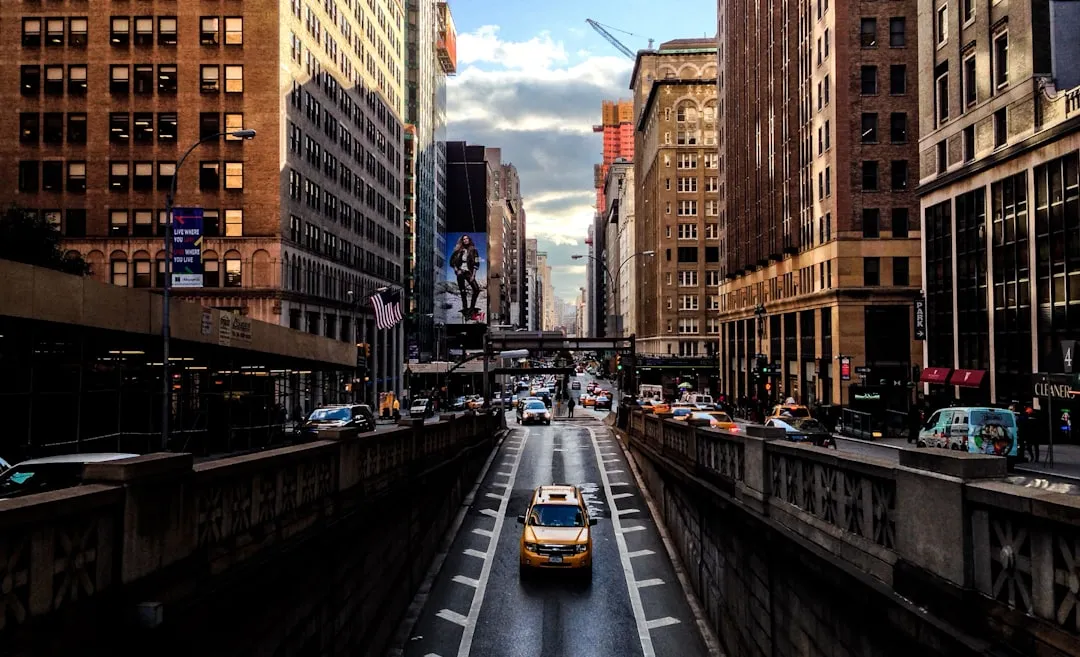
A recurring concern when cities move to restrict cars is the fear that local business will suffer. The evidence from these five cities consistently points the other way. Pontevedra’s mobility strategy has brought the use of cars down to the bare minimum, and as a result, traffic and pollution levels have dropped dramatically while the city centre has been given a notable economic boost.
Ghent transformed its historic centre through the 2017 circulation plan that redirected car traffic, prioritised walking, cycling, and public transport, and expanded sustainable infrastructure. The shift reduced through-traffic, accelerated cycling growth to 35%, and improved accessibility for both residents and visitors. The approach has made Ghent more liveable while offering a practical model for other destinations seeking to balance tourism with sustainability.
In Ljubljana, by 2019, tourism numbers had increased to 1.12 million arrivals and 2.27 million overnight stays – representing an increase in overnight stays of as much as 90% in just six years. The numbers make the case plainly: quieter streets tend to draw more people, not fewer.
Safety and Livability Beyond the Numbers
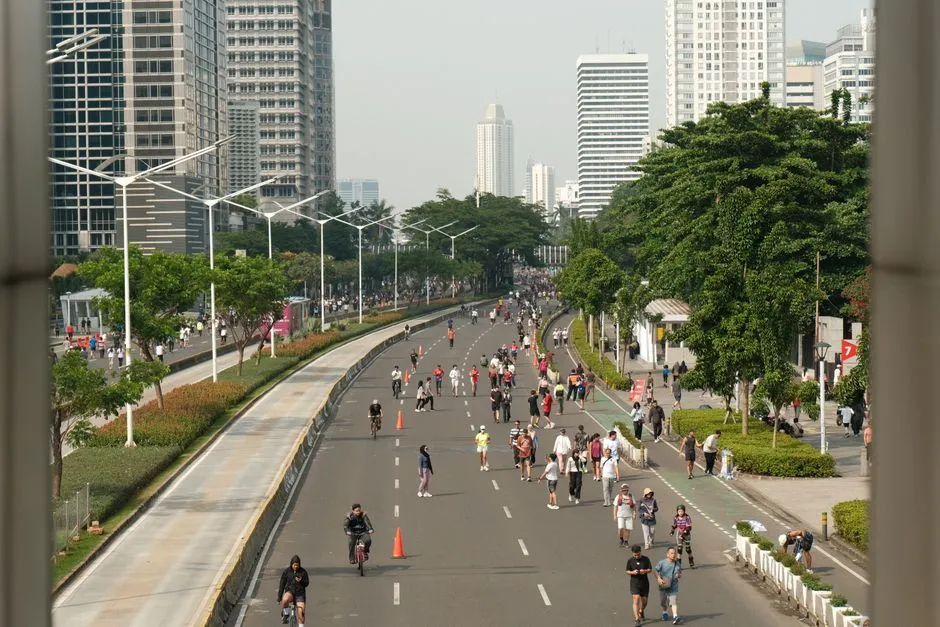
Traffic noise and exhaust fumes are so normalized in most cities that their absence can feel almost surreal at first. Walking through Pontevedra’s old town or Venice’s calli, the silence itself becomes part of the experience. In Pontevedra, the municipal police did not issue a single speeding ticket in 2016, and no fatal traffic accidents have been recorded since 2011.
In Venice, social life centers around campo squares, local bars, and walking paths. The city remains a human-scale environment, where community interaction and daily movement are naturally integrated. That sense of scale – of a city built for people rather than for throughput – is what all five destinations share.
Vilnius, another city moving in this direction, makes it easy for visitors to explore miles of pedestrian paths and designated routes leading to gardens, monuments, and museums on foot – a reminder that this shift in urban thinking is spreading well beyond the five cities featured here.
Practical Tips for Exploring Each City
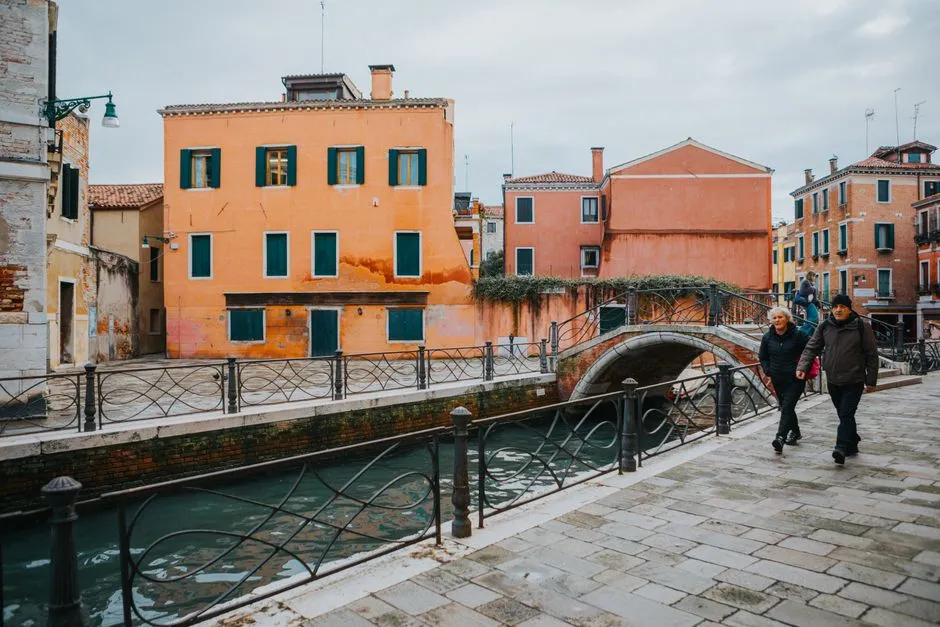
Comfortable footwear is the most practical investment you can make before visiting any of these cities. Venice especially rewards slow, unplanned walking: the best moments come from following a calle with no particular destination in mind. Deliveries in Venice still happen, by boat and on foot, and children walk or take boats to school independently from a young age.
In Ghent, a free park-and-ride shuttle accommodates visitors arriving by car. Regular city bus routes, tram lines, and even an electric boat ensure environmentally friendly mobility. Night buses and free transport for children up to the age of 14 make the local public transport especially practical.
In Ljubljana, the Kavalir electric shuttle is available free of charge to anyone in the city centre who needs a lift. The URBANA smart card or app can be used on public buses, for the bicycle-sharing system, for parking fees, and for the cable-car ride to Ljubljana Castle. In Pontevedra, free peripheral car parks ring the old town, making it easy to park once and walk the rest.
A Quiet Revolution in How Cities Think About Space
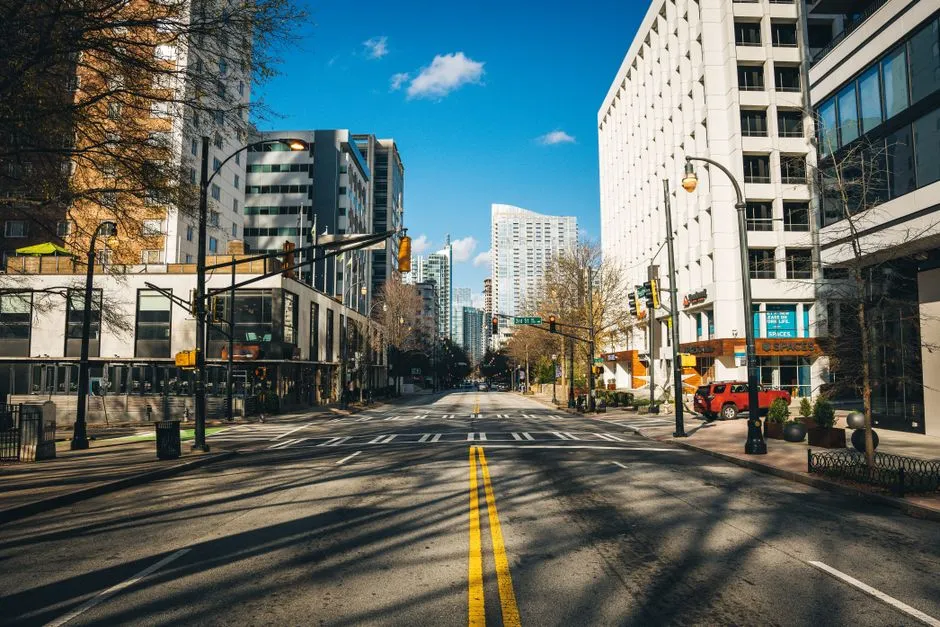
From small historic districts to major capitals, these European cities show what’s possible when the emphasis shifts from vehicles back to people. The transformation in each case didn’t happen by accident. It required sustained political will, community consultation, and a readiness to sit with the discomfort of change before the benefits became visible.
What’s striking is how quickly the cities normalized. Within years of removing cars, residents in Pontevedra, Ljubljana, and Ghent stopped arguing about traffic and started talking about terraces, cycling, and air quality. The car-free life, it turned out, wasn’t a sacrifice at all. It was simply a different set of habits.
Whether you’re planning a weekend trip or a longer journey through Europe, these five cities offer something increasingly rare: the chance to be in a city and actually hear it breathing.
AI Disclaimer: This article was created with the assistance of AI tools and reviewed by a human editor.