
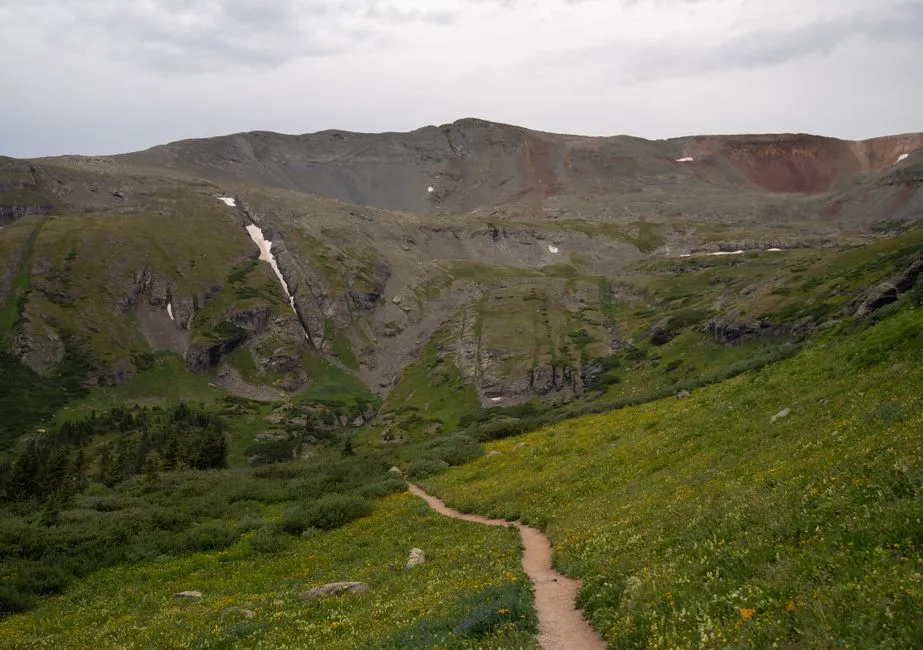

There’s a mountain in Colorado that experienced alpinists describe with a mixture of reverence and genuine fear. It sits deep in the Maroon Bells-Snowmass Wilderness, largely out of sight from any road, accessible only to those willing to earn every step. Capitol Peak is its name, and it has spent decades building a reputation that is equal parts magnetic and sobering.
What draws people there isn’t just the altitude. It’s the Knife Edge, a narrow rock spine near the summit where a single wrong step in either direction means a fall of a thousand feet or more. The trail doesn’t just challenge your fitness. It challenges your judgment, your nerve, and your understanding of your own limits.
A Mountain That Earns Its Reputation
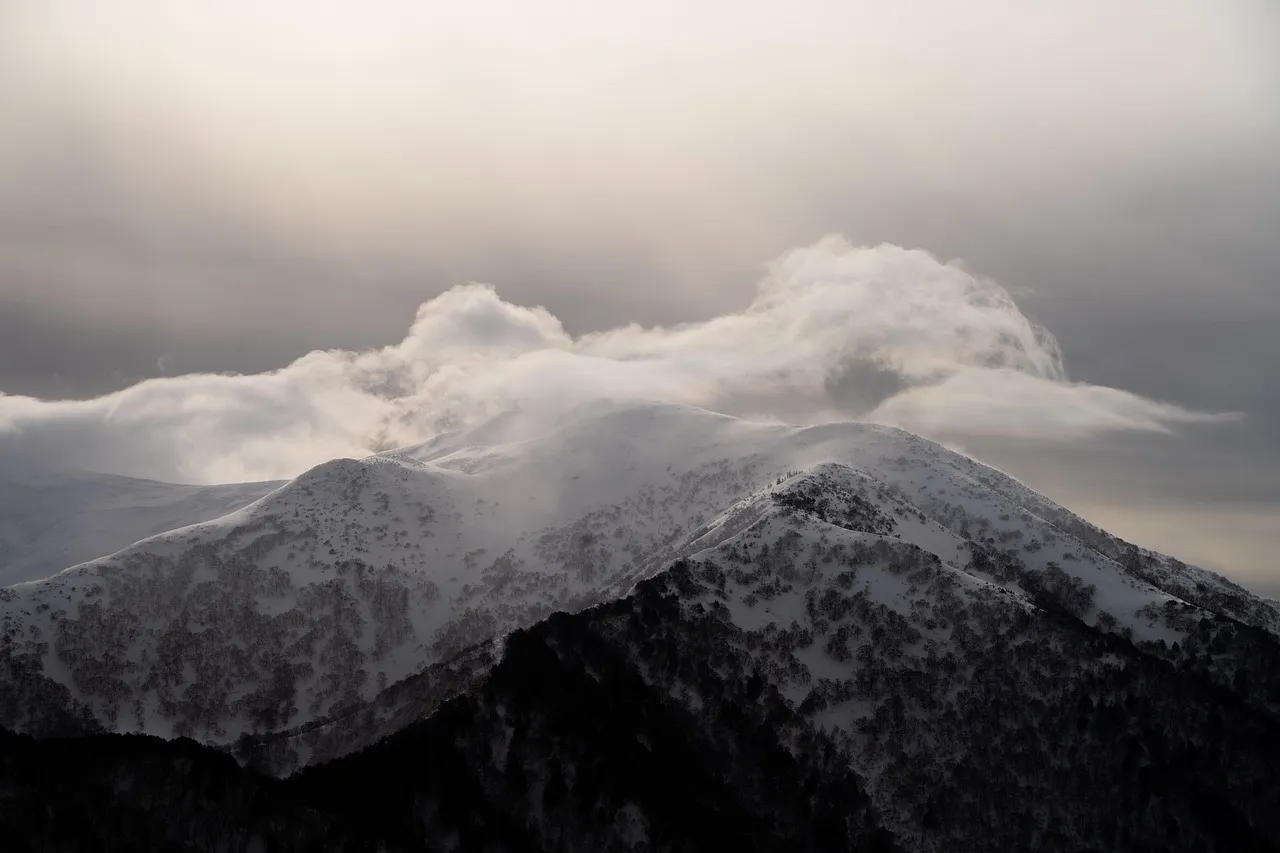
Colorado has 58 peaks over 14,000 feet, and Capitol Peak, which sits in the Maroon Bells-Snowmass Wilderness Area, is traditionally known for having the most difficult standard ascent. That’s not marketing language. It’s the consensus of the climbing community, search and rescue professionals, and the National Forest Service itself.
Capitol Peak, a 14,137-foot mountain, lies in the western Elk Range west of Aspen and southeast of Glenwood Springs and Interstate 70. Capitol is a soaring granite peak with airy ridges, steep rock faces, and a sharp summit that offers stunning views across the Maroon Bells-Snowmass Wilderness Area. It looks exactly as dangerous as it is.
The Numbers Behind the Challenge
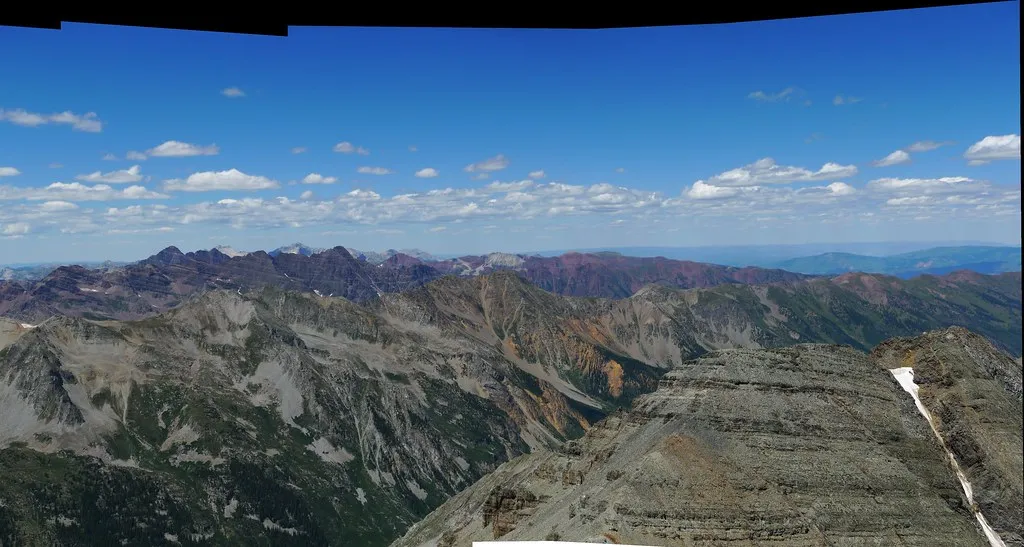
Hiking Capitol Peak typically involves a 17-mile round-trip excursion, about 5,300 feet of elevation gain, boulder fields, and very strenuous terrain. Most parties don’t attempt it in a single push.
The mountain can be completed as either an overnight backpacking trip or a one-day push, with Capitol Lake being the most common overnight camping spot, which does require a reservation. If you plan to camp overnight, book as soon as possible, as last-minute reservations in the summer are unlikely. Starting the summit bid before sunrise is standard practice, both to beat afternoon storms and to allow enough time for the technical sections.
The Knife Edge: Where the Trail Gets Serious
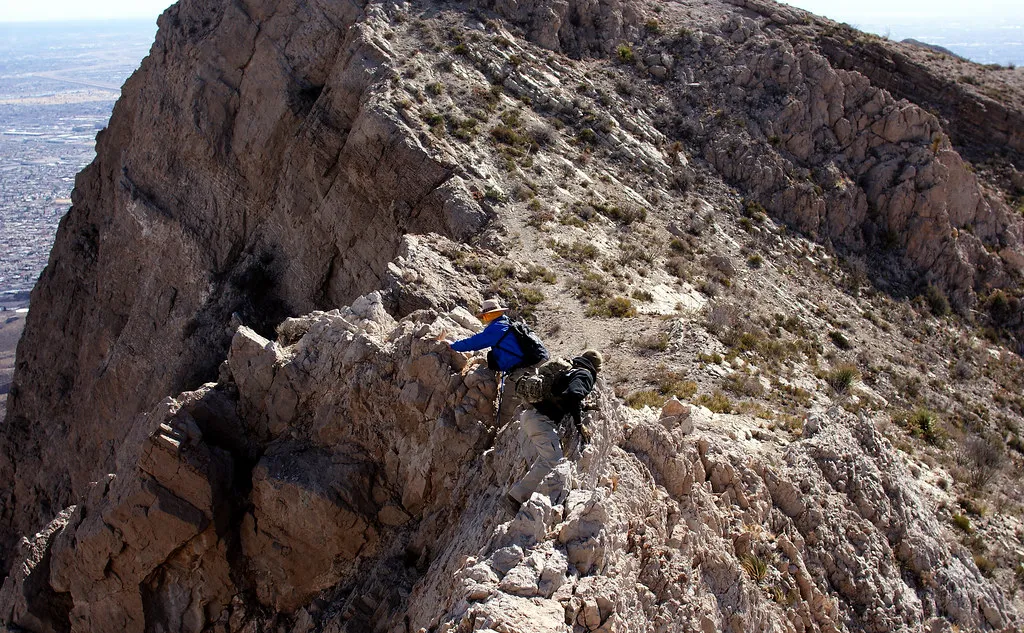
The “Knife Edge” of Capitol Peak is a narrow, 150-foot-long rock spine with 1,000-foot drop-offs on either side, scaring even experienced climbers. It is the single defining feature of the route, the moment every climber thinks about long before they ever reach it.
There is one non-technical route to the summit which requires crossing the infamously exposed Northeast Ridge known as the Knife Edge. The ridge has drops of roughly 2,000 feet on both sides and is extremely exposed. Capitol Peak is rated Class 4, the highest technical difficulty assigned to any standard 14er route in Colorado, and the mountain’s infamous Knife Edge traverse leaves almost no margin for error.
A Trail With a Documented History of Tragedy
In 2017, five climbers died on Capitol Peak in just six weeks. That grim statistic remains one of the most cited warnings in Colorado hiking circles, and it fundamentally changed how search and rescue teams approached public safety education in the region.
On one occasion, a woman climbing alone fell approximately 900 feet after pulling on loose rock near Capitol’s summit, shortly after crossing the peak’s famously exposed Knife Edge ridge. Capitol Peak is considered a treacherous mountain and “is known for its numerous exposures and loose, crumbling rock,” according to the Pitkin County Sheriff’s Office.
Rescue Teams Are Working Harder Than Ever
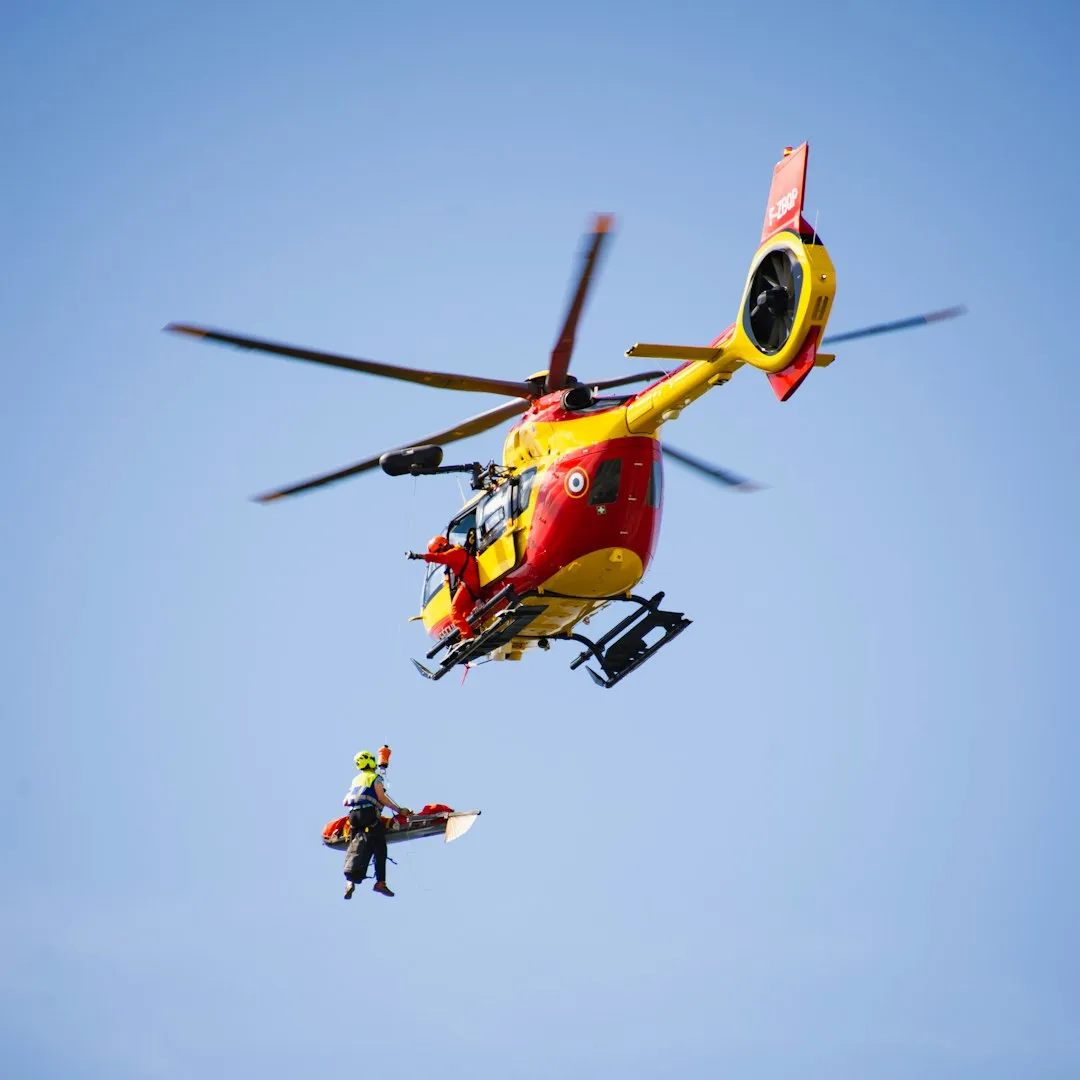
Mountain Rescue Aspen, an all-volunteer team, responded to a record 101 calls in 2024, and the pace shows no signs of slowing. That figure reflects a broader national trend of increasing backcountry incidents as more people push into technical terrain without adequate preparation.
In August 2025, a climber was hoisted off the peak by HAATS after separating from their partner and spending the night stranded with cold exposure and dehydration. That summer also saw two North Carolina teenagers helicoptered off Capitol’s north face and a third rescue in a single month. The pattern is consistent: underestimation is the common thread across almost every incident.
Off-Route Mistakes Are the Most Deadly
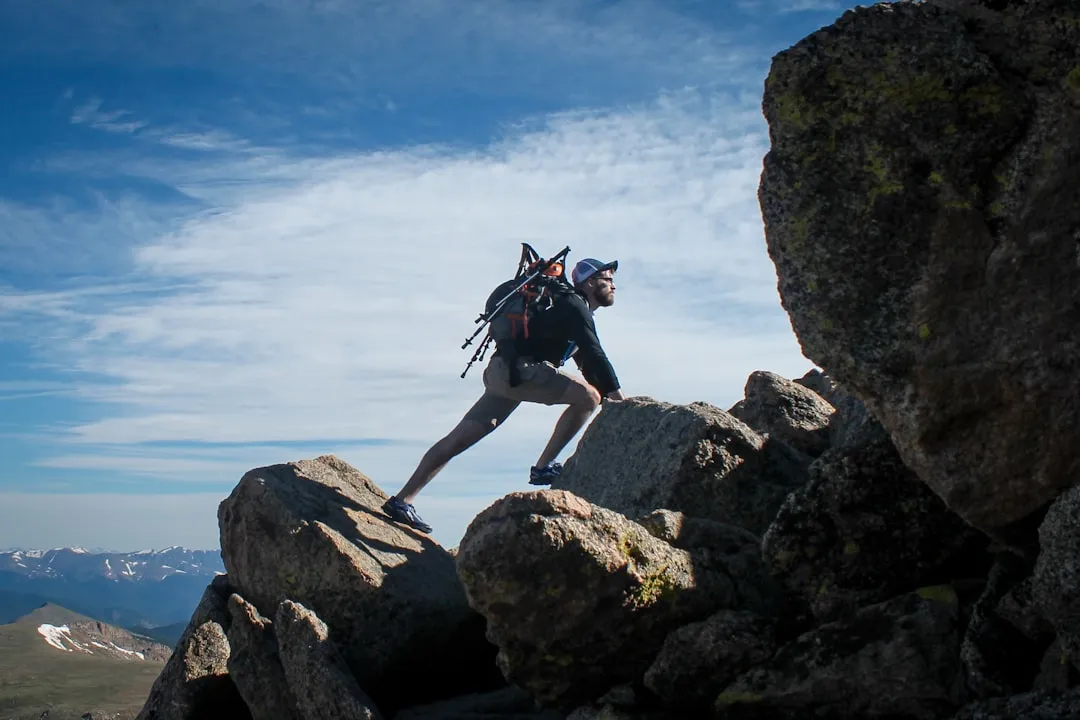
The climb involves long exposure, loose rock, and complex route-finding. The infamous Knife Edge requires extreme caution, and many accidents occur when climbers attempt to bypass it or take a “shortcut” off-route. The mountain does not offer forgiveness for navigation errors at altitude.
In 2017, five hikers died within six weeks on the peak, four of them while off-route. This non-technical route lures many climbers unprepared or too inexperienced for the climb’s intricate route-finding and loose-rock management. The label “non-technical” can be dangerously misleading to those who haven’t spent time on exposed Class 4 terrain.
The Forest Service Itself Issues a Warning
Capitol Peak is considered so difficult that the Forest Service posted a sign near the trailhead, cautioning would-be climbers about “down-sloping, loose, rotten and unstable rock” that “kills without warning.” That kind of language from a federal agency is rare.
This type of hiking often poses additional hazards including strong winds, wild temperature swings, surprise precipitation, lightning, risk of altitude sickness, and hard-to-follow, uneven trails. Mix that with a chance of taking a fatal fall and it’s easy to see why Colorado’s highest peaks tend to be a bit risky to summit. On Capitol, those hazards converge all at once.
How Remote Location Complicates Everything
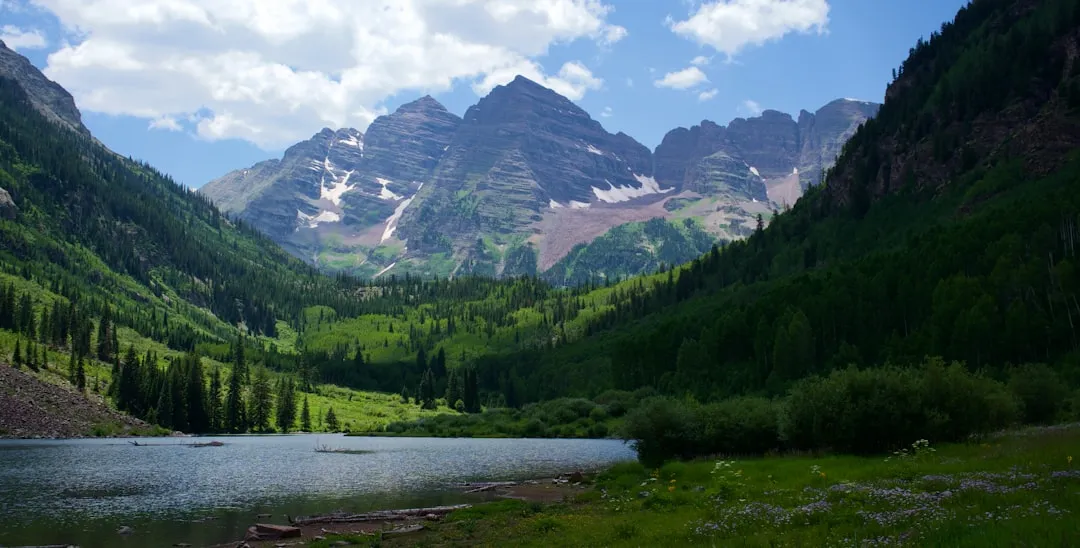
Located in the remote Maroon Bells-Snowmass Wilderness, about 14 miles west of Aspen, Capitol Peak is known for its extreme exposure, crumbling rock, and the infamous Knife Edge, a narrow ridge that has claimed multiple lives. Getting to the trailhead is itself a commitment.
Capitol Peak is not nearly as crowded as many other Colorado fourteeners due to remoteness and difficulty; the Colorado Fourteeners Initiative estimated fewer than 1,000 hiker use days in a recent year compared to peaks like Grays and Torreys in the Front Range that saw more than 20,000. Lower traffic means fewer witnesses, fewer fellow hikers to call for help, and longer response times when things go wrong.
What the Statistics Say About Hiker Risk in General
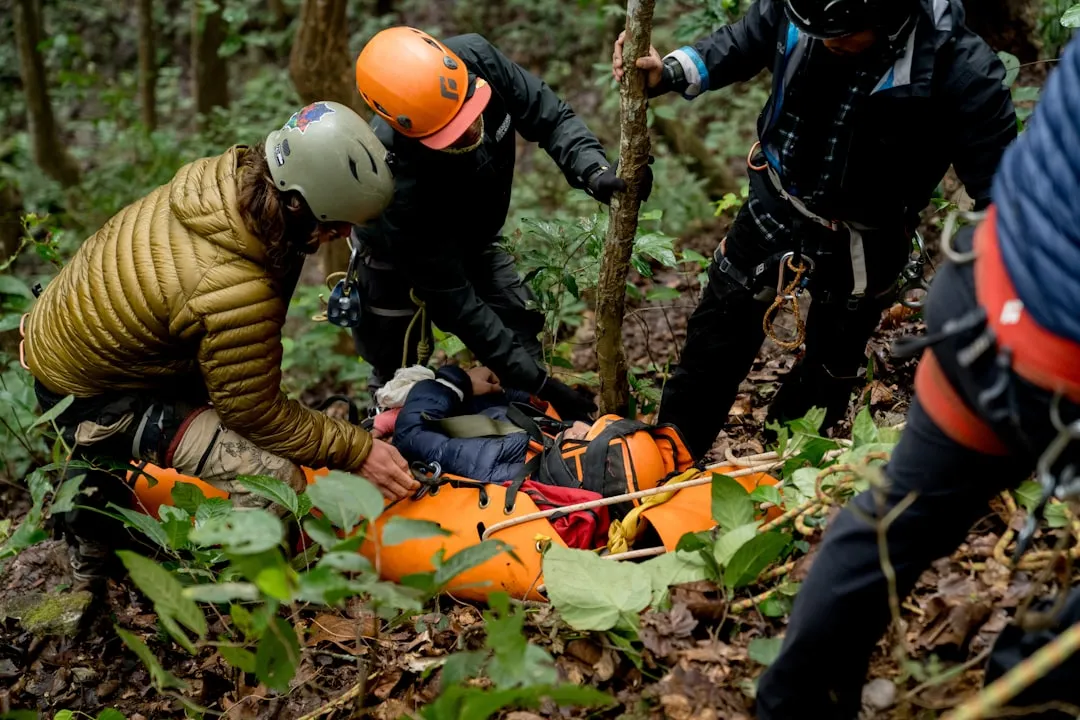
Falls accounted for a significant share of all hiking-related injuries in U.S. national parks, and hikers aged 20-29 had the highest injury rate among documented cases. In 2022, falls accounted for 42% of all hiking-related injuries in the U.S. On Capitol Peak, those falls frequently happen on or near the Knife Edge, where the consequence of any slip is catastrophic.
Research also shows that roughly two-thirds of rescue requests come from solo hikers under 40. That profile matches the majority of Capitol Peak incidents on record. Going alone on this particular route is widely discouraged by every rescue authority in the region.
What You Actually Need to Be Ready For
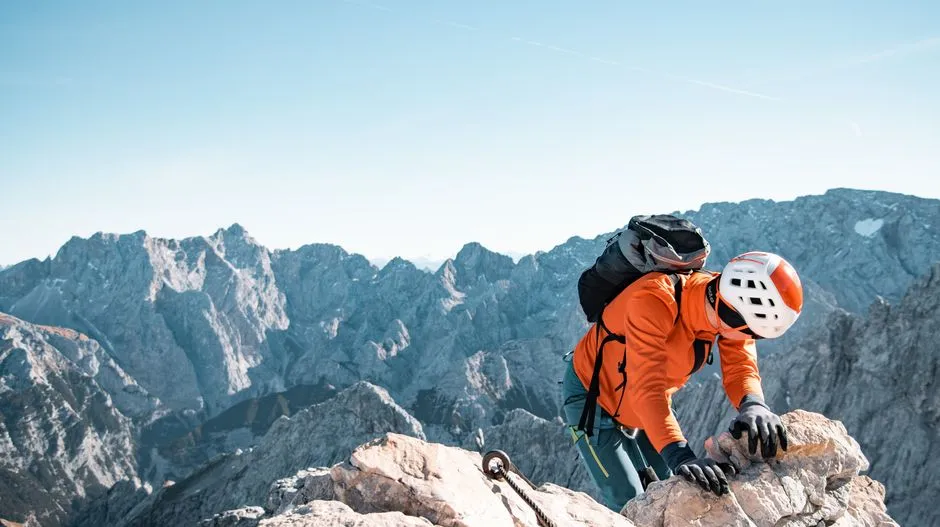
Those who attempt the climb should carry proper equipment including food, water, a helmet, communication device, and bright, warm clothing, Pitkin County officials said. A helmet is not optional on a mountain where rockfall has injured rescue personnel themselves.
In winter and early spring conditions, the hazards multiply. Snow and ice cover the already exposed terrain, daylight hours are short, and temperatures at 14,000 feet can plunge well below zero overnight. Starting early the next morning, preferably before sunrise, is strongly advised so that climbers can reach the summit before the usual afternoon thunderstorms, which can bring heavy rain and lightning. Timing is not a suggestion on Capitol. It is part of survival planning.
Why Hikers Keep Coming Back to This Challenge
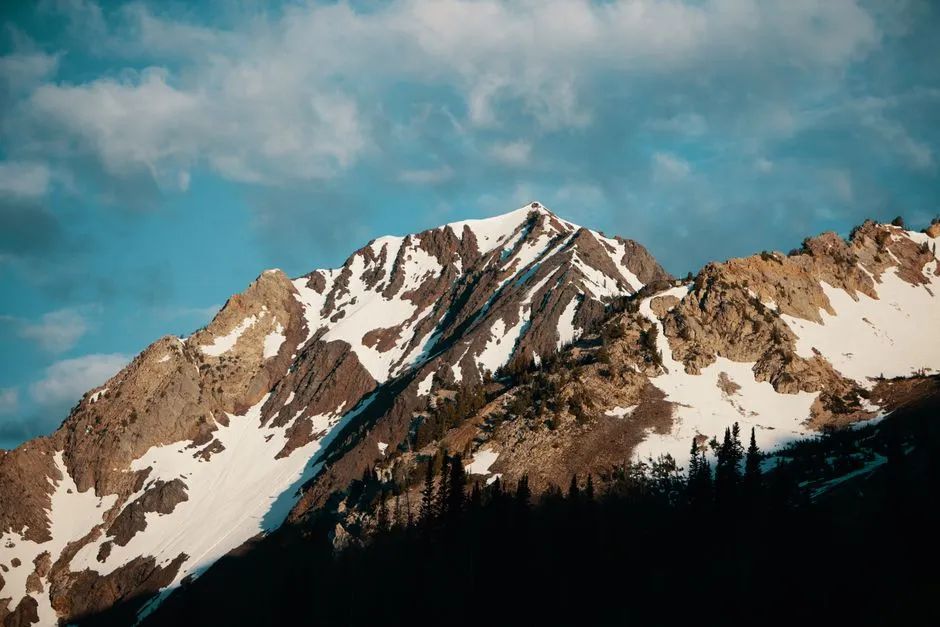
Capitol Peak in the Elk Mountain Range of central Colorado is often regarded as the state’s hardest 14er, inevitably making it one of the most sought-after summits of the 58 highest peaks in the Centennial State. The difficulty is precisely the draw. For a certain kind of hiker, a challenge that demands everything is the only kind worth pursuing.
Capitol Peak, considered one of Colorado’s most difficult fourteeners, is an impressive mountain. It is a soaring granite peak with airy ridges, steep rock faces, and a sharp summit that offers stunning views across the Maroon Bells-Snowmass Wilderness Area. Those who reach the top describe the view not just as beautiful, but as earned in a way few other hikes can claim.
There is something honest about Capitol Peak. It doesn’t hide what it is. The sign at the trailhead says it plainly, the terrain confirms it within the first hour above Capitol Lake, and the Knife Edge removes any remaining doubt. The mountain offers a genuine test at a time when so much adventure has been made comfortable and curated.
Respecting that test, arriving prepared, and knowing when to turn around: those aren’t limitations. They’re what separates the people who summit from the ones who become a statistic.
AI Disclaimer: This article was created with the assistance of AI tools and reviewed by a human editor.