
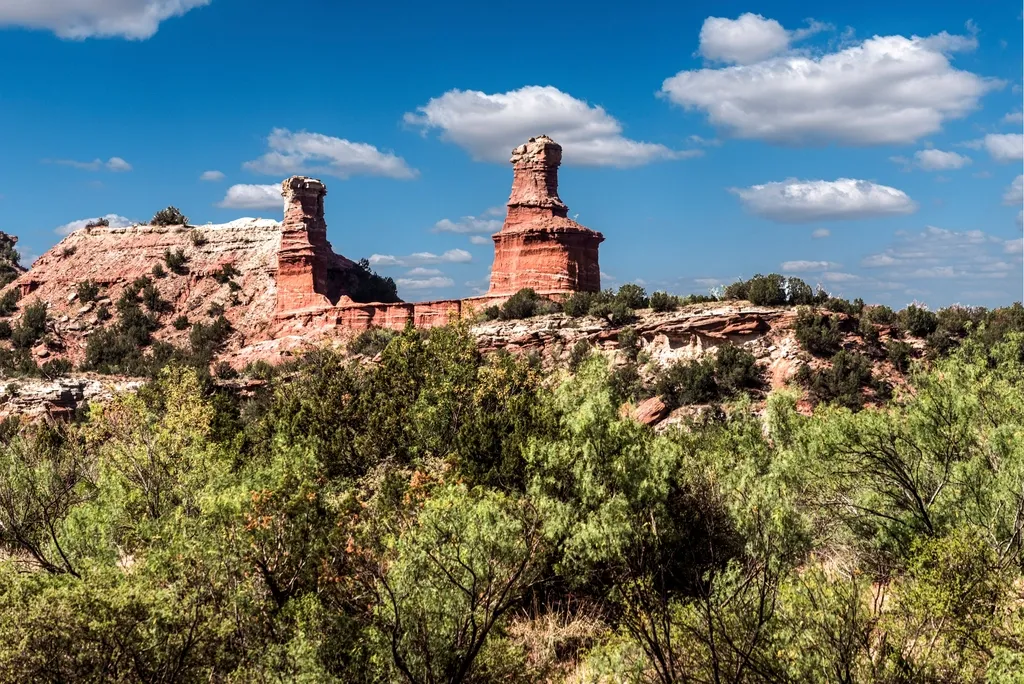

Most people driving through the Texas Panhandle see nothing but flat horizon. The landscape seems almost deliberately featureless, stretching in every direction without a hill or a curve to break the monotony. Then, without warning, the earth simply opens up.
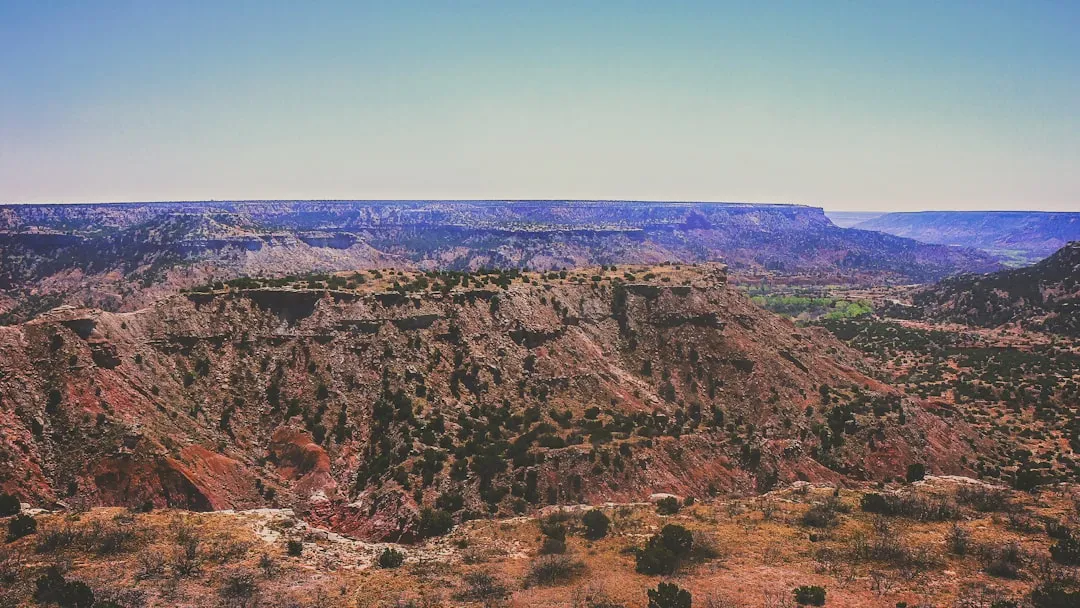
Palo Duro Canyon, stretching 120 miles across the Texas Panhandle, is the second-largest canyon system in the United States, rivaled only by the Grand Canyon itself. At up to 800 feet deep and 20 miles wide, this dramatic gorge reveals 250 million years of geological history in its colorful rock layers of red, yellow, and orange sediments. That’s not a small claim. It’s a place that genuinely earns the comparison.
The Grand Canyon Gets All the Credit, But the Crowds Are Real
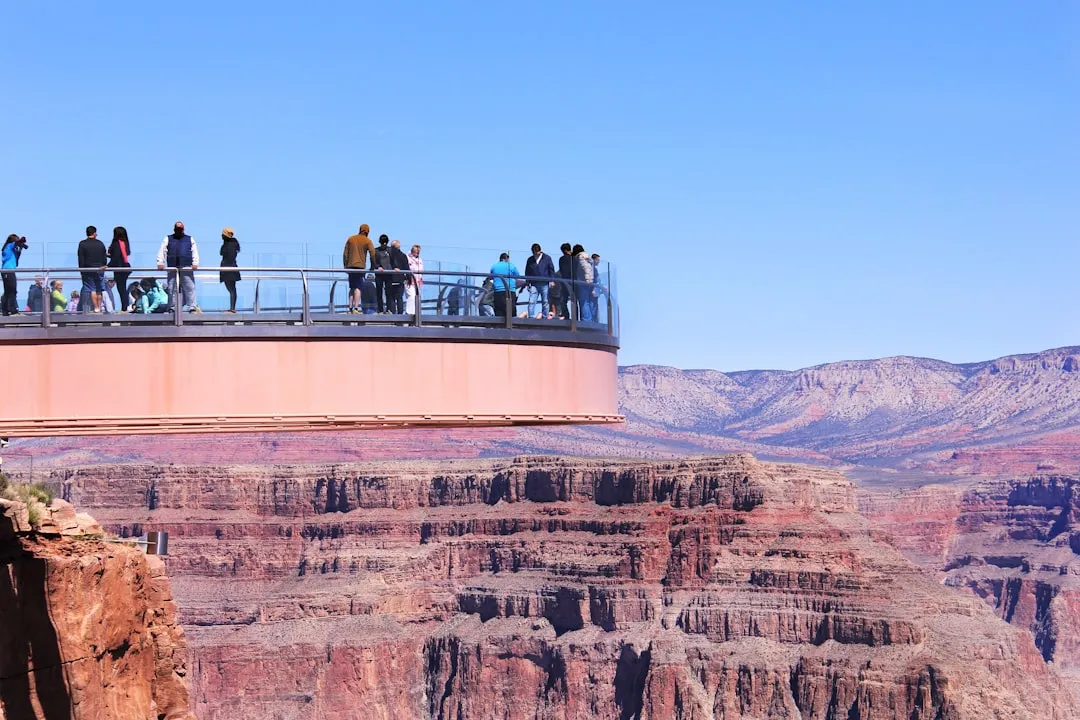
The Grand Canyon National Park attracted over 4.9 million people in 2024. That kind of foot traffic takes a toll, both on the landscape and on the experience of being there. Parking is a constant battle, viewpoints are elbow-to-elbow, and the $35 per vehicle entry fee adds up fast.
Due to its global fame, the Grand Canyon is also one of the biggest national park tourist traps, with big crowds and overpriced services. It’s still a wonder of the world, no question. Fortunately, there are plenty of underrated state parks in America that are just as scenic and deserve just as much attention.
What Exactly Is Palo Duro Canyon State Park?
Palo Duro Canyon State Park is a 28,000-acre state park in Randall and Armstrong counties, Texas. The park opened in 1934 and is managed by the Texas Parks and Wildlife Department. It sits just outside the small city of Canyon, about half an hour south of Amarillo.
In 1976, Palo Duro Canyon State Park was designated as a National Natural Landmark by the National Park Service. That designation is worth noting. It puts the canyon in the same formal category of significance as some of the country’s most treasured geological formations, even if it rarely gets the same spotlight.
The Scale Is Hard to Believe
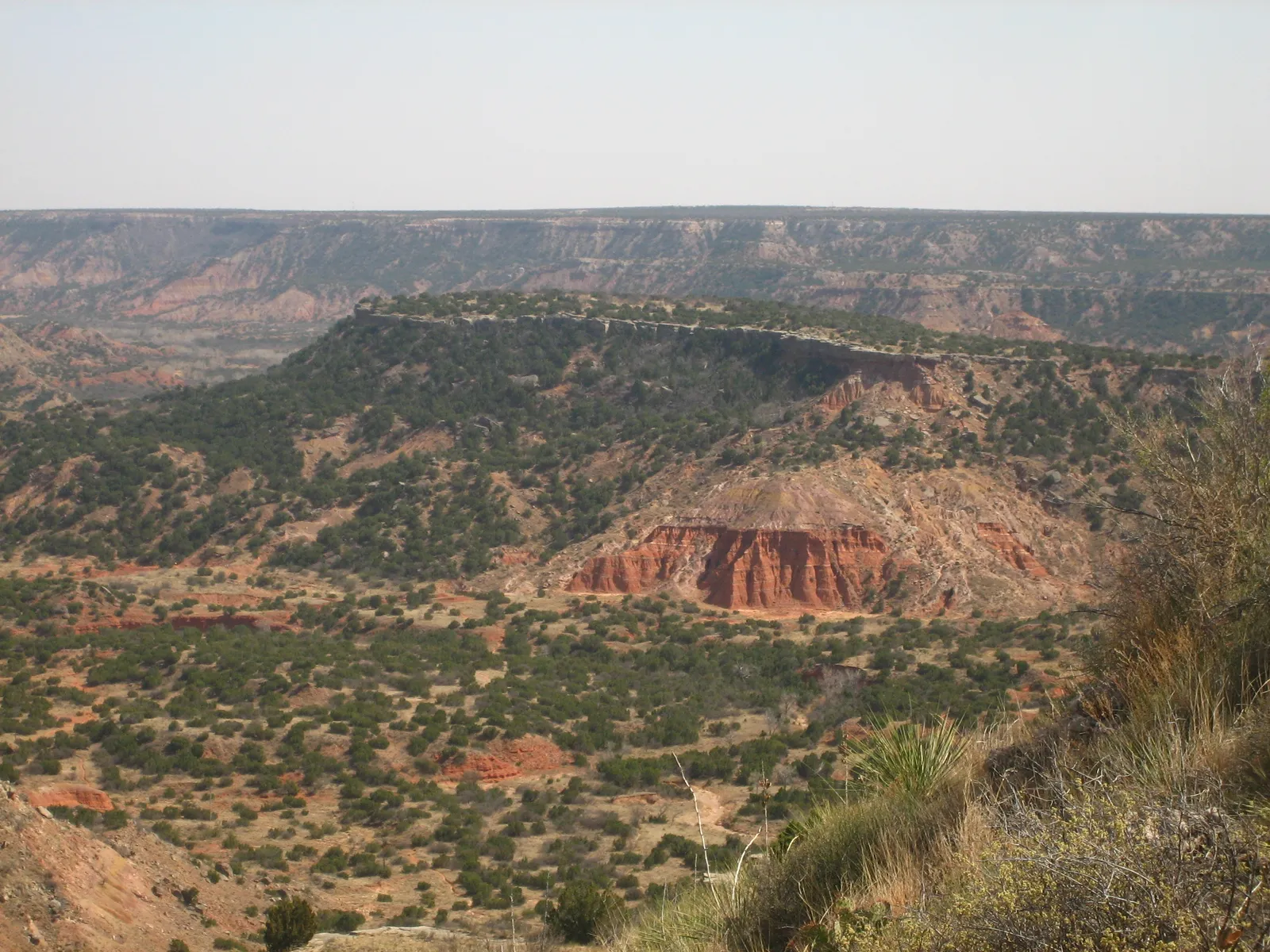
Palo Duro Canyon is the second largest canyon system in the United States. The canyon is about 120 miles long and 20 miles wide, and is up to 800 feet deep. Those numbers don’t fully land until you’re actually standing on the rim looking down into it.
Almost one million years ago, the headwaters of the Prairie Dog Town Fork Red River began carving their way through the Palo Duro area. The canyon is now about 800 feet deep and about 20 miles across. The oldest exposed rocks in Palo Duro were deposited more than 250 million years ago, during the Permian Period. That’s geological time in full, vivid color.
The Colors Rival Anything in Arizona
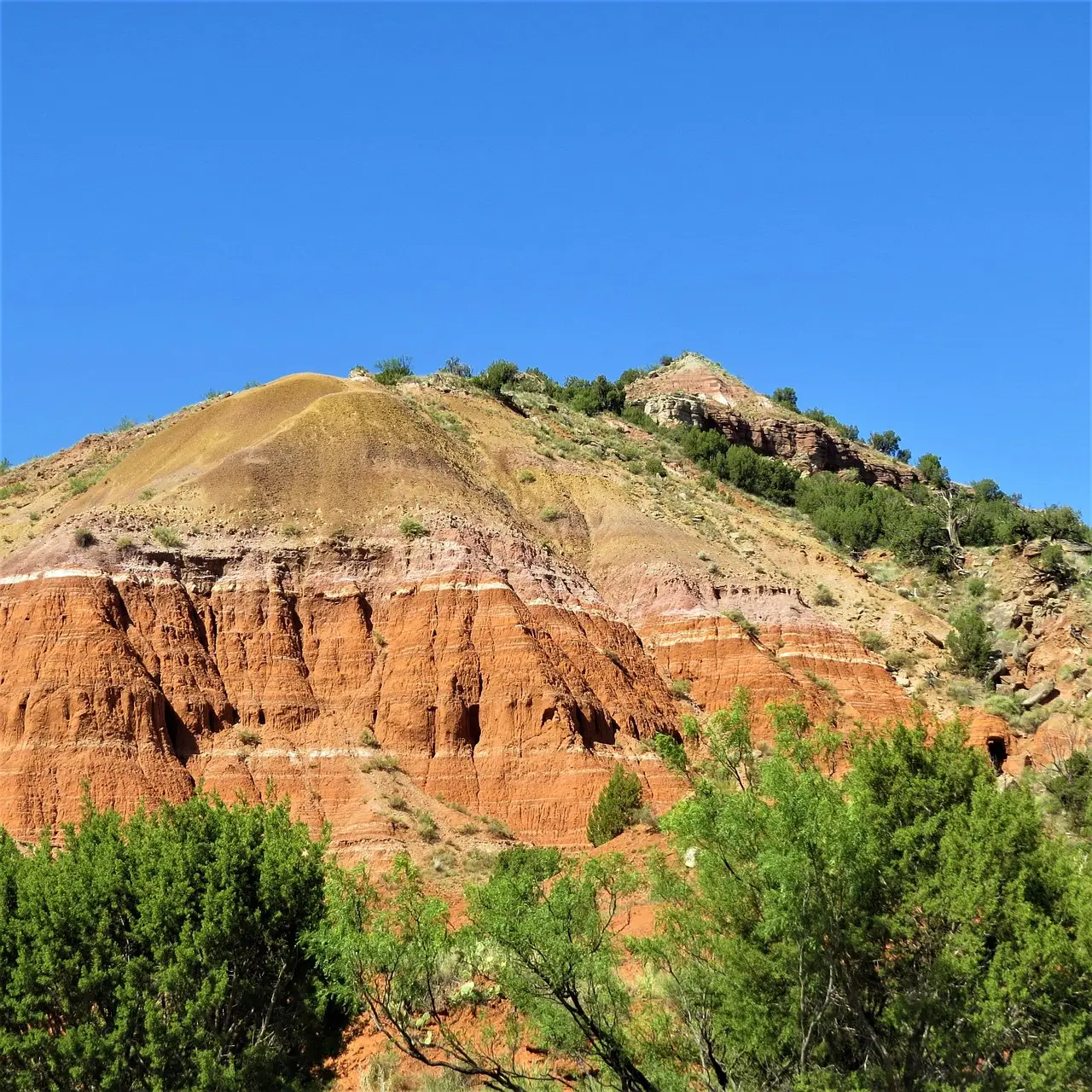
Like the Grand Canyon, Palo Duro has layers of red, orange, and lavender-hued rock walls as well as rock hoodoos. The palette shifts throughout the day as the sun moves across the sky, turning the canyon walls from burnt orange to deep crimson in the late afternoon.
With elevation unusual to Texas, the whole scene feels like you’re in Utah or Arizona, until longhorn cattle amble by your hike or horseback ride. That unexpected Texas twist is part of what makes Palo Duro genuinely its own thing, not just a cheaper imitation of something else.
The Trails Offer Something for Every Hiker
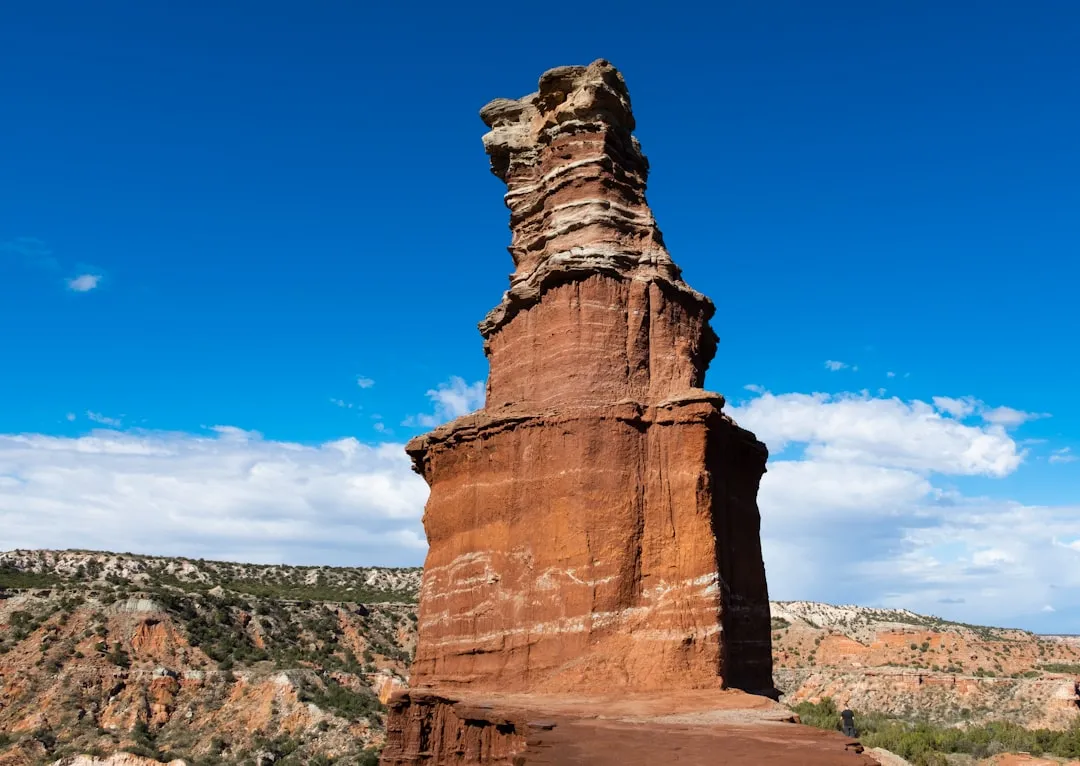
The park’s most iconic hike leads to the Lighthouse, a towering 310-foot rock formation that has become the symbol of Palo Duro Canyon. It’s the image you’ll see on every postcard and trail guide in the area, and it earns the attention.
The trail covers approximately 5.8 to 6 miles round trip with moderate difficulty, relatively flat for most of the route before a moderately challenging scramble to the base of the formation. The trail is fully exposed to the sun with zero shade, making early morning starts essential, especially during Texas summers. Beyond the Lighthouse, Palo Duro offers over 30 miles of multi-use trails open to mountain bikers and equestrians, including the Capitol Peak Trail and the GSL Trail, which provide challenging terrain with stunning canyon views.
Human History Runs as Deep as the Rock Layers
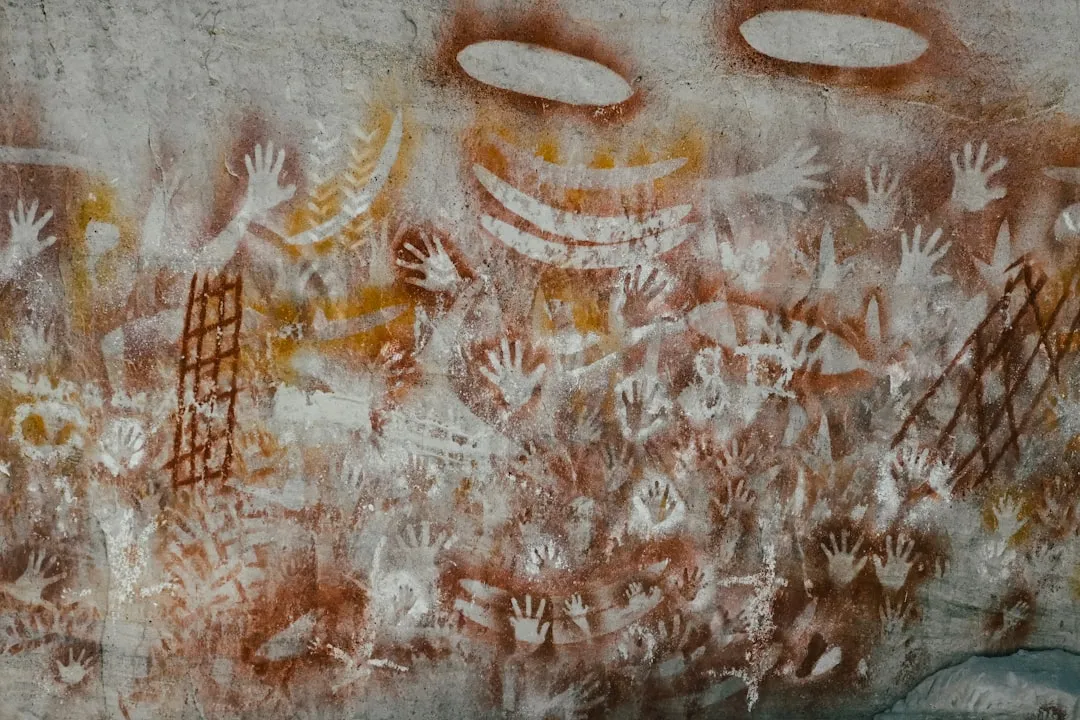
The first inhabitants arrived here 12,000 years ago to hunt large herds of mammoth and giant bison. Later, Apache, Comanche, Kiowa and others created rock art and bedrock mortars in the canyon. The canyon wasn’t just a geological formation to these communities; it was home, refuge, and sacred ground.
The first known humans in the area are thought to have hunted bison and mammoths here, with fossils of extinct animals embedded in the sedimentary rocks. Human artifacts such as stone tools and rock art have been found throughout the canyons and date back thousands of years. That living history adds a dimension to the visit that pure scenery alone can’t provide.
The Night Sky Is Its Own Show
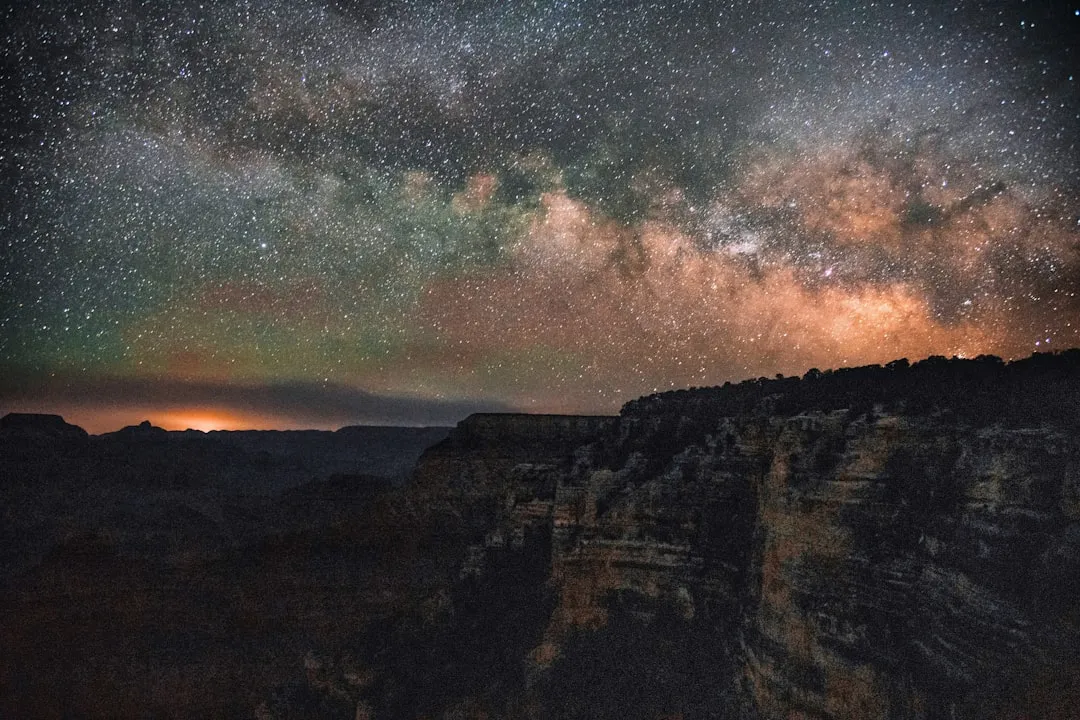
Palo Duro Canyon’s remote Panhandle location and minimal light pollution make it one of the premier stargazing destinations in Texas. On moonless nights, the Milky Way stretches brilliantly across the sky from the canyon floor, with the towering walls framing the celestial display.
The park regularly hosts star parties and astronomy events in cooperation with the Amarillo Astronomy Club, providing telescopes and expert guidance for celestial observation. The combination of dark skies, dramatic rock formations, and the 360-degree canyon horizon creates astrophotography opportunities that rival those found at much more remote national parks. For stargazers, that alone is reason enough to make the trip.
A Cultural Experience Unlike Any Other Park
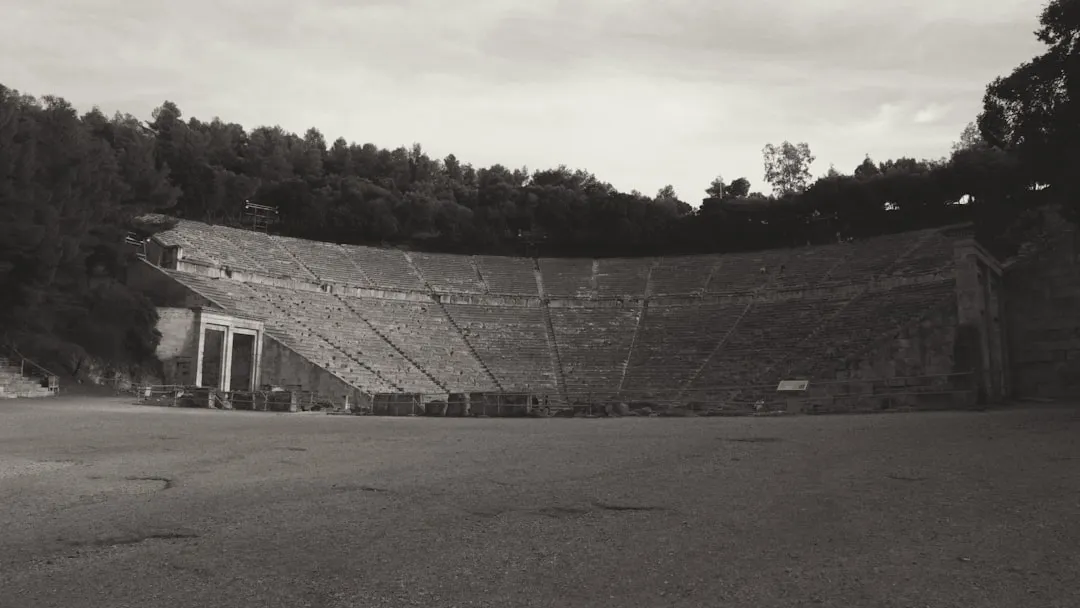
Every summer, from June through August, the Pioneer Amphitheatre at the canyon floor hosts “TEXAS,” an outdoor musical drama celebrating the history and culture of the Texas Panhandle. Running since 1966, this spectacular production features fireworks, live music, dancing, and dramatic storytelling against the natural backdrop of the canyon walls.
Watching an outdoor musical performance inside an ancient canyon as the last light fades from the rock walls above you is an experience that’s genuinely hard to replicate anywhere else. The TEXAS Outdoor Musical runs Tuesdays through Sundays in the summer at the Pioneer Amphitheater in the park. It’s a park program that other destinations simply don’t have.
The Crowds Are Nowhere Near the Problem
Palo Duro Canyon State Park only welcomes about 400,000 travelers every year, which makes it one of the most underrated tourist spots in Texas. Compare that to nearly five million visitors at the Grand Canyon in 2024, and the difference in experience becomes immediately obvious.
The Texas Panhandle is never crowded, making reservations easy for camping on the canyon’s floor, rim, or in one of the park’s stone cabins. That accessibility, both logistical and financial, genuinely changes the quality of the visit. Day use fees are just $8 per person for visitors 13 and older. That’s a fraction of what the Grand Canyon charges.
Why Palo Duro Deserves a Spot on Your List
While national parks grab headlines and Instagram feeds, state parks deliver equally breathtaking scenery with a fraction of the visitors. In 2024, national parks welcomed over 325 million recreation visits, representing a four percent increase from the previous year. Meanwhile, the U.S. is home to more than 6,600 state park sites which protect over 14 million acres of diverse landscapes.
The park’s dramatic geological features, formed through wind and water erosion millions of years ago, make it one of the USA’s many stunning canyons that rival the Grand Canyon. The scenery is real. The scale is real. The history is real. What’s missing is the crush of visitors and the three-digit entry fee.
The Grand Canyon will always be the Grand Canyon. Nothing takes that away. Still, there’s something worth remembering: the most awe-inspiring places aren’t always the most famous ones. Sometimes the second-largest canyon in the country, quietly sitting beneath a vast Texas sky, is exactly what you were looking for all along.
AI Disclaimer: This article was created with the assistance of AI tools and reviewed by a human editor.