
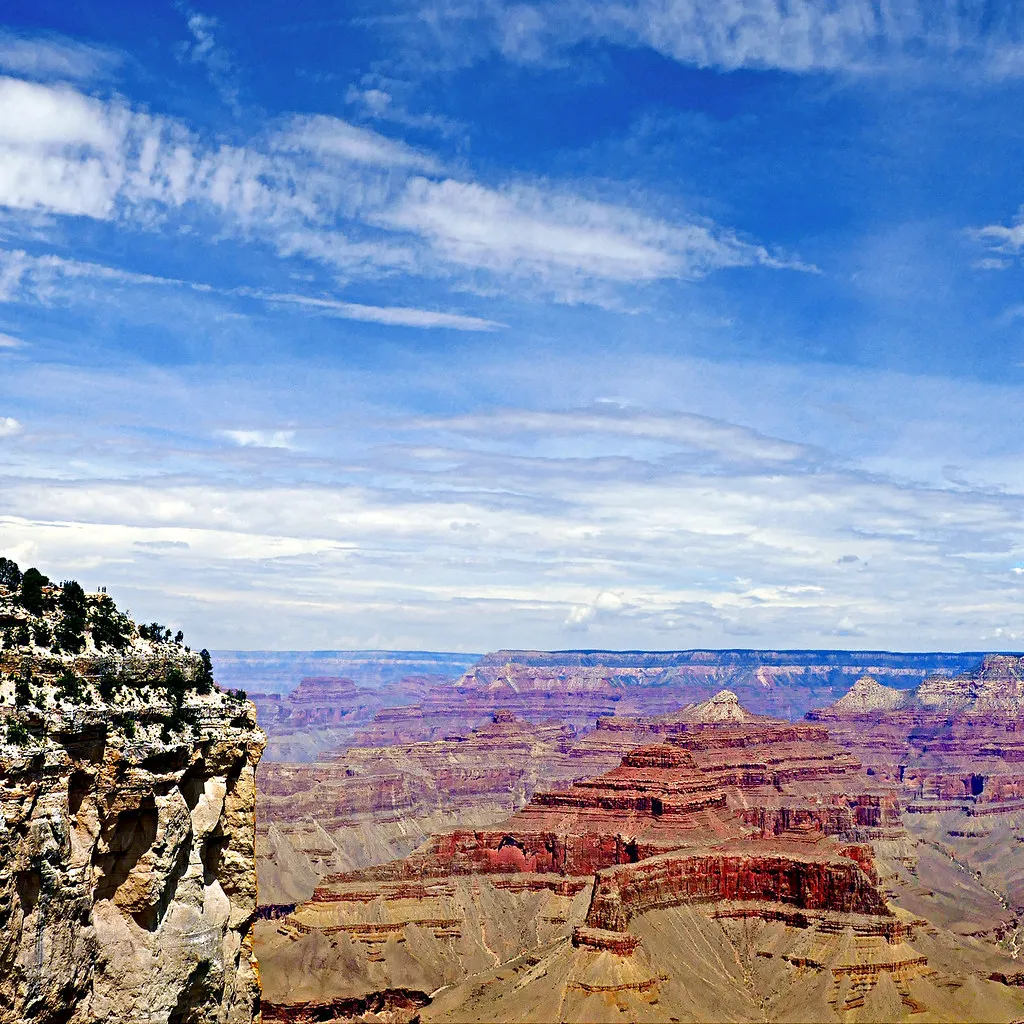

Millions of people pull into the Grand Canyon’s South Rim each year, snap a photo from Mather Point, and feel like they’ve seen it. They haven’t. The canyon is so vast, so layered with hidden geography, that the main viewpoints barely scratch the surface. What most people drive right past is a place that locals and seasoned hikers treat as one of the Southwest’s best-kept secrets.
This is the story of Shoshone Point, and of the broader world of overlooked canyon viewpoints that most visitors miss entirely.
A Park With Almost 5 Million Visitors – Yet Barely Explored
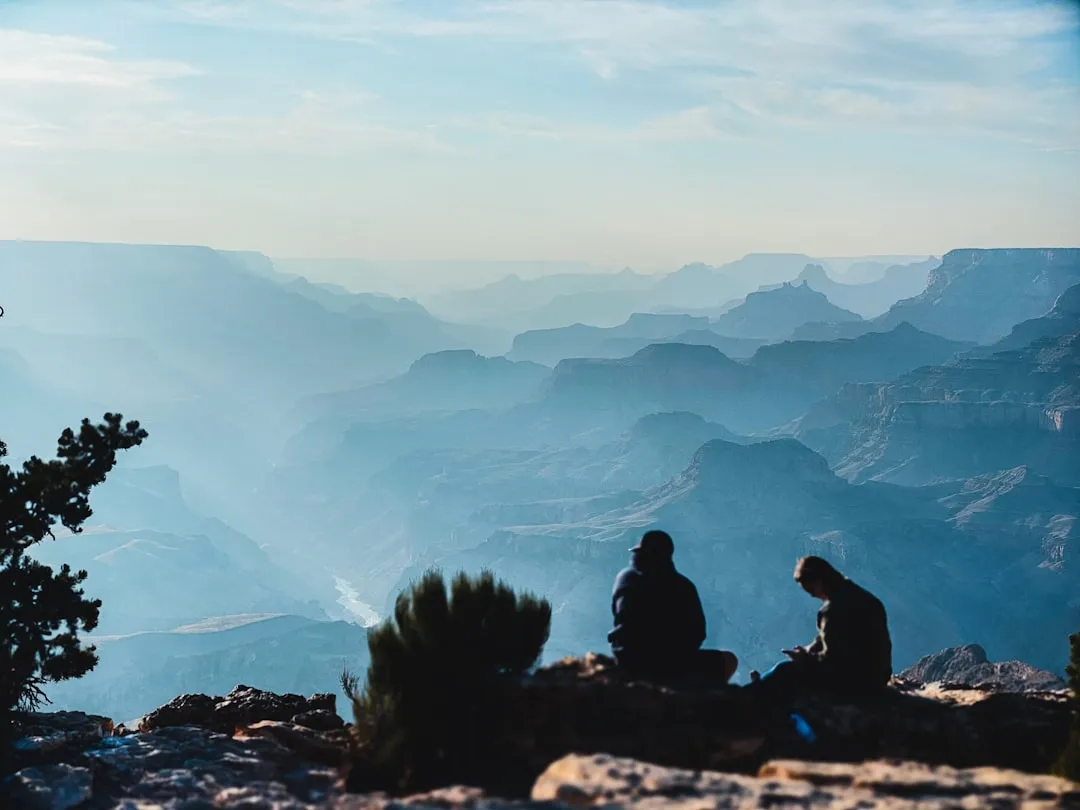
According to the National Park Service, more than 4.4 million people visited the Grand Canyon in 2025. The year before was even busier. Over 4.9 million people entered via the South or North Rims in 2024, about 200,000 more than in 2023 and the most since before the COVID-19 pandemic.
The South Rim accounts for roughly 90 percent of the park’s visitation. That’s an enormous concentration of people funneled into a small stretch of rim, all looking at essentially the same view. The irony is that the Grand Canyon is one of the most explored-looking places on Earth, yet most of it remains genuinely unseen.
Shoshone Point: The Overlook Without a Sign
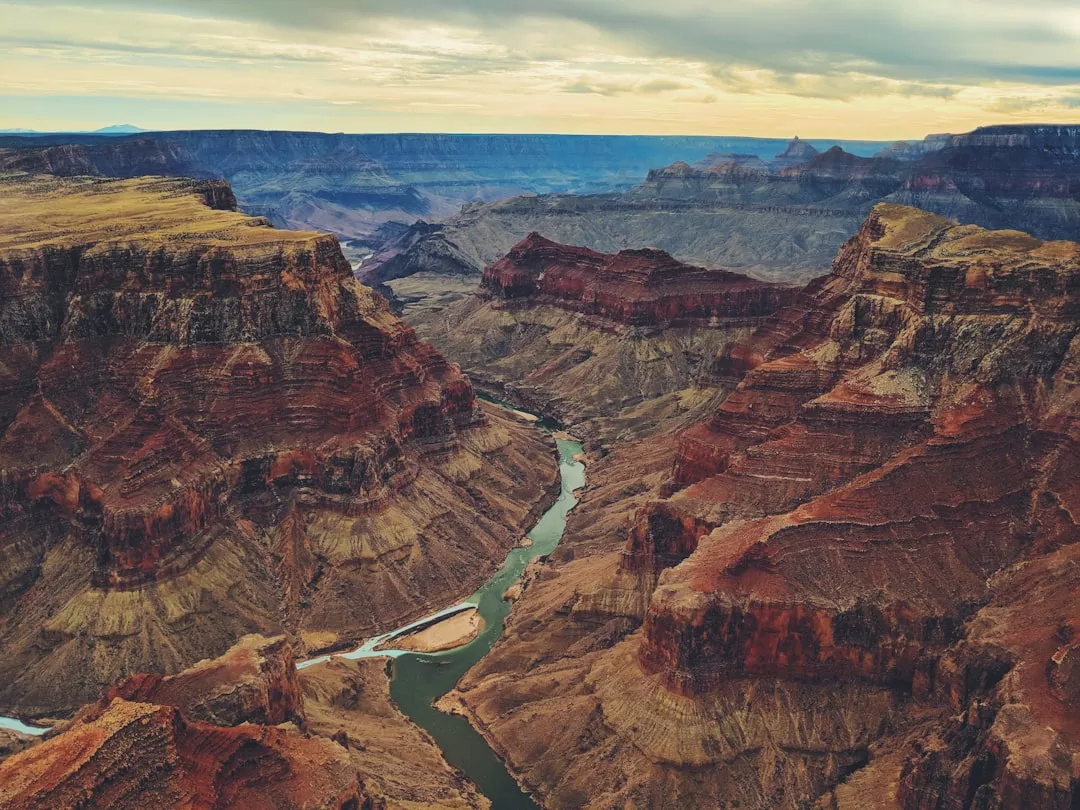
Tucked away just east of Grand Canyon Village, Shoshone Point is one of the South Rim’s best-kept secrets, where a short, easy hike through pine forest leads you to a quiet overlook with sweeping views and none of the crowds.
The one-mile road is unpaved and normally closed to vehicular access by a locked gate, though visitation on foot is allowed without a permit. The point is not signposted from East Rim Drive, but next to the gate is a parking area on the north side between mileposts 244 and 245, from which the rim is reached by a pleasant, level, twenty-minute walk through open ponderosa pine woodland.
The Shoshone Point Trailhead can be found just west of mile marker 246 along the South Rim’s Desert View Drive, about three miles east of the Grand Canyon Visitor Center. It’s easy to miss the parking area if you’re not looking carefully for the unsigned pullout.
What You Actually See When You Arrive
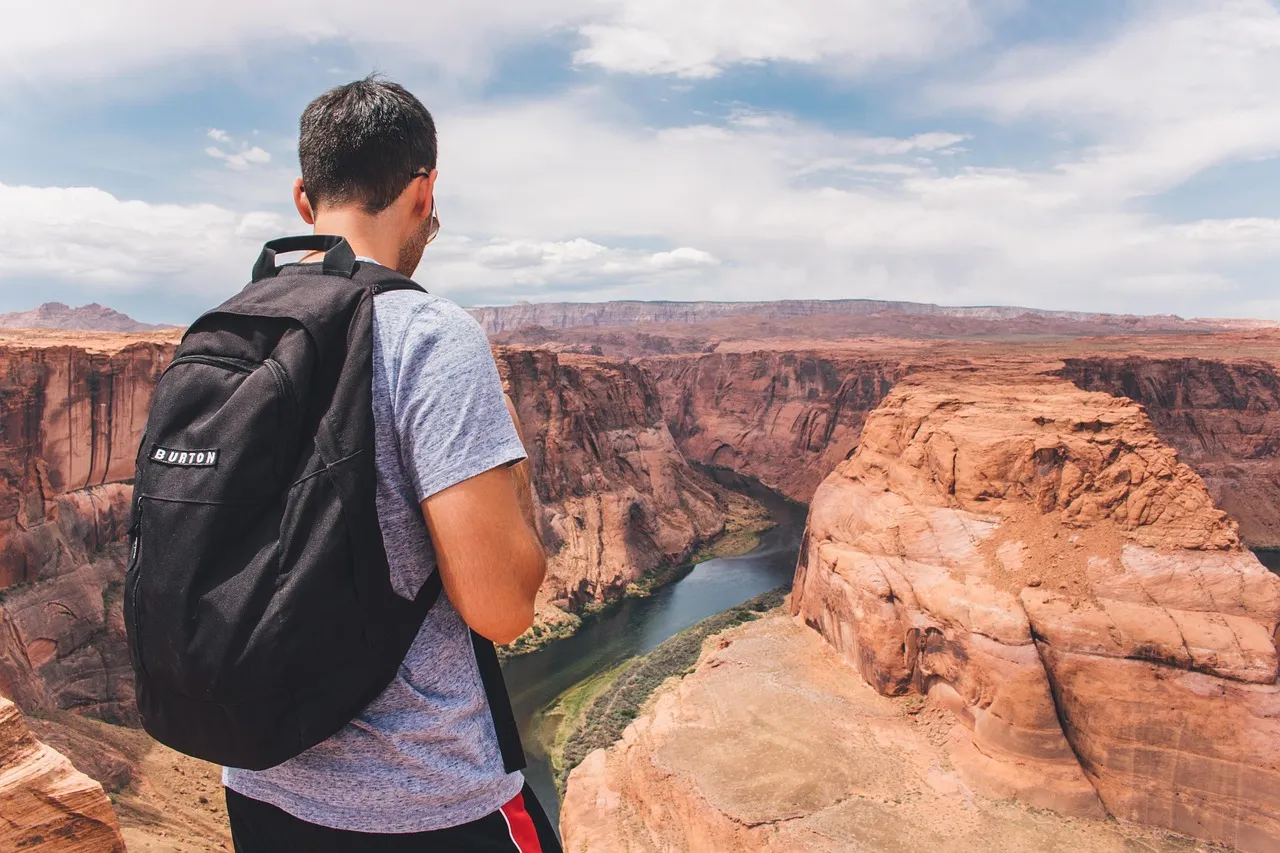
Shoshone Point sits on a narrow peninsula of the South Rim, offering unobstructed views toward Desert View Watchtower, Vishnu Temple, and the distant North Rim. It’s the kind of panorama that puts the main overlooks to shame, partly because there’s no crowd between you and the horizon.
From the dirt lot, an old service road meanders gently through ponderosa pine and pinyon-juniper woodland to a dramatic overlook 1,000 feet above the inner canyon. Because the gate is usually closed to vehicles, foot traffic is light, making this one of the South Rim’s most peaceful spots.
Interestingly, the pine trees grow shorter the closer you hike out toward the rim, due to high winds and exposed conditions there. It’s a subtle detail, but it adds to the feeling that you’re walking into something genuinely wild rather than a managed tourist corridor.
A Brief History Most Visitors Never Hear
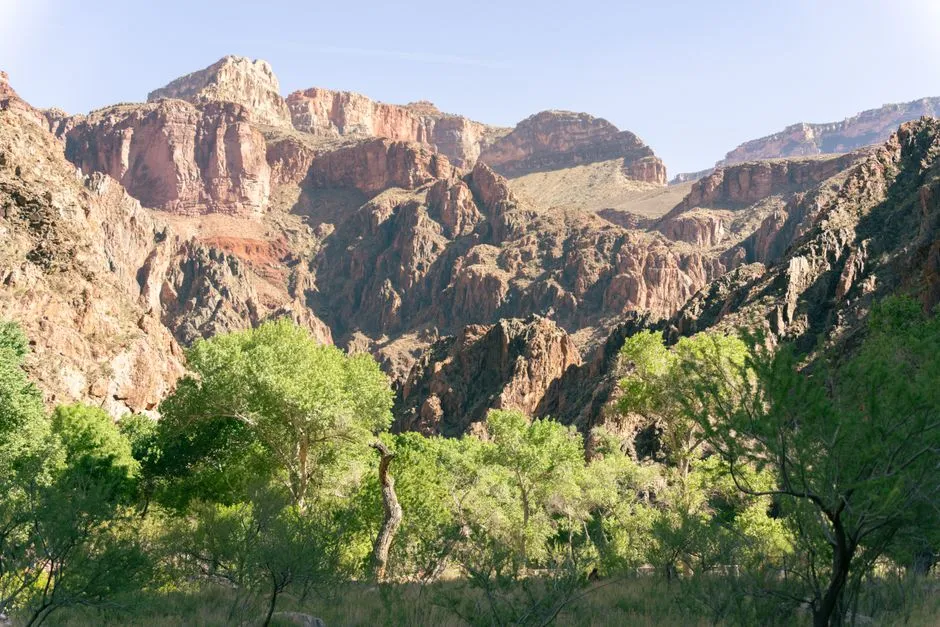
The area has deep roots: Ancestral Puebloan peoples inhabited and traversed the canyon region long before any road existed. Desert View Drive was completed in 1932, creating vehicular access to the future trailhead, and by the 1960s the area was informally known to rangers as a quiet picnic spot. The pavilion and vault toilet were constructed in the 1980s, when the site was formally designated Shoshone Point.
The point is the only South Rim location that the National Park Service allows to be reserved for private gatherings. Weddings and family reunions are held here. On those occasions, a locked gate may restrict public access, so it’s worth checking with the park before visiting.
Why Most Drivers Fly Right Past It
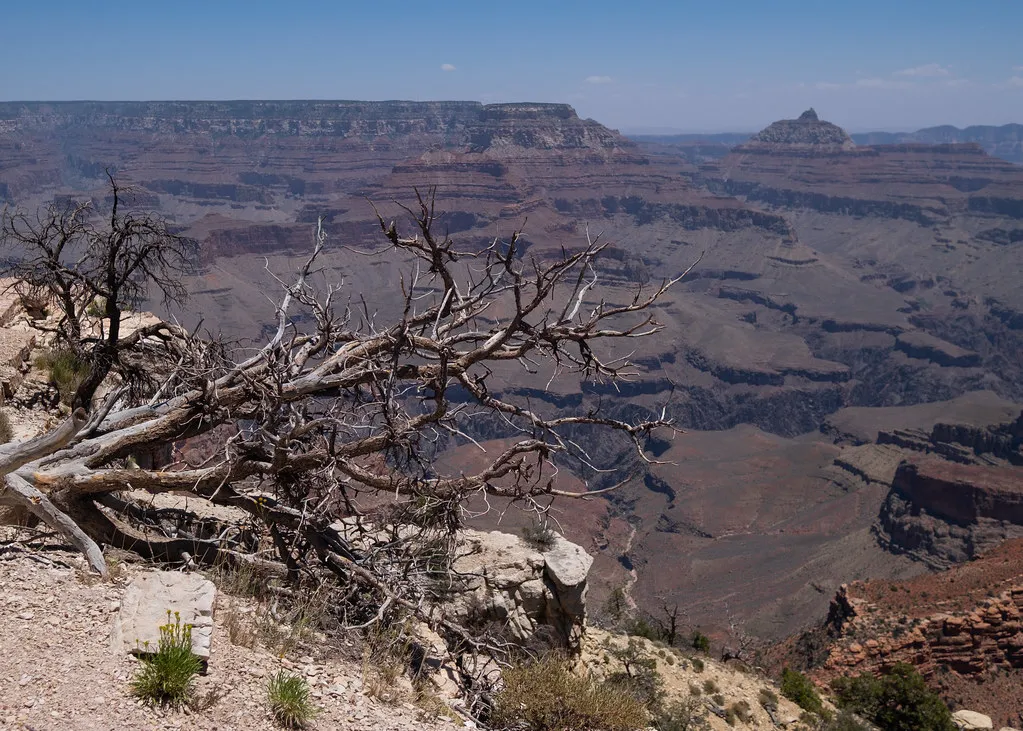
Shoshone Point is a hidden gem in the Grand Canyon, often overlooked by visitors due to its lack of advertising. There’s no billboard. No shuttle stop. No ranger directing foot traffic. The parking area is unpaved and looks, from the road, like little more than a dirt turnoff.
Parking for the Shoshone Point Trail is located directly off Desert View Drive, about 3.3 miles east of the Grand Canyon Visitor Center at Mather Point. The parking lot is unpaved and is often one of the easier places to find parking on the busy South Rim. That ease of parking alone should be a clue that most people haven’t discovered it yet.
Wildlife, Solitude, and No Guardrails
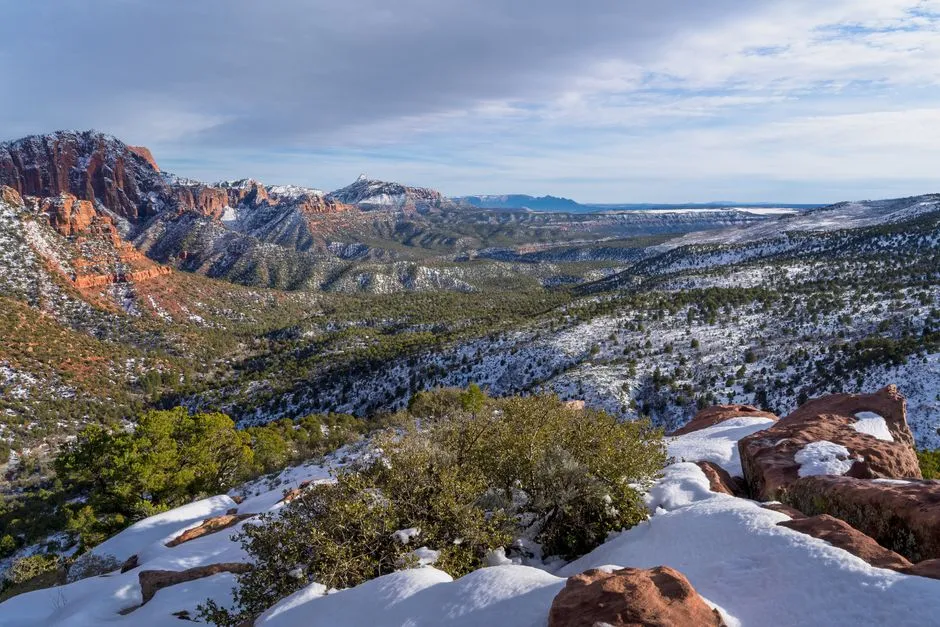
As you begin the hike, you’ll traverse through a ponderosa pine forest, which provides pleasant shade and a chance to spot local wildlife such as mule deer, squirrels, and a variety of bird species. Keep an eye out for the California condor, a rare and impressive bird that has been reintroduced to the area.
The trail, about a mile long, leads to the canyon’s edge with no barriers, providing an unobstructed view for photography enthusiasts. While the hike is relatively easy, caution is advised due to the lack of protective railings. That rawness is exactly what makes it feel nothing like the main overlooks, where metal railings and crowds frame every photograph.
Toroweap: The Overlook for Those Who Really Want to Earn It
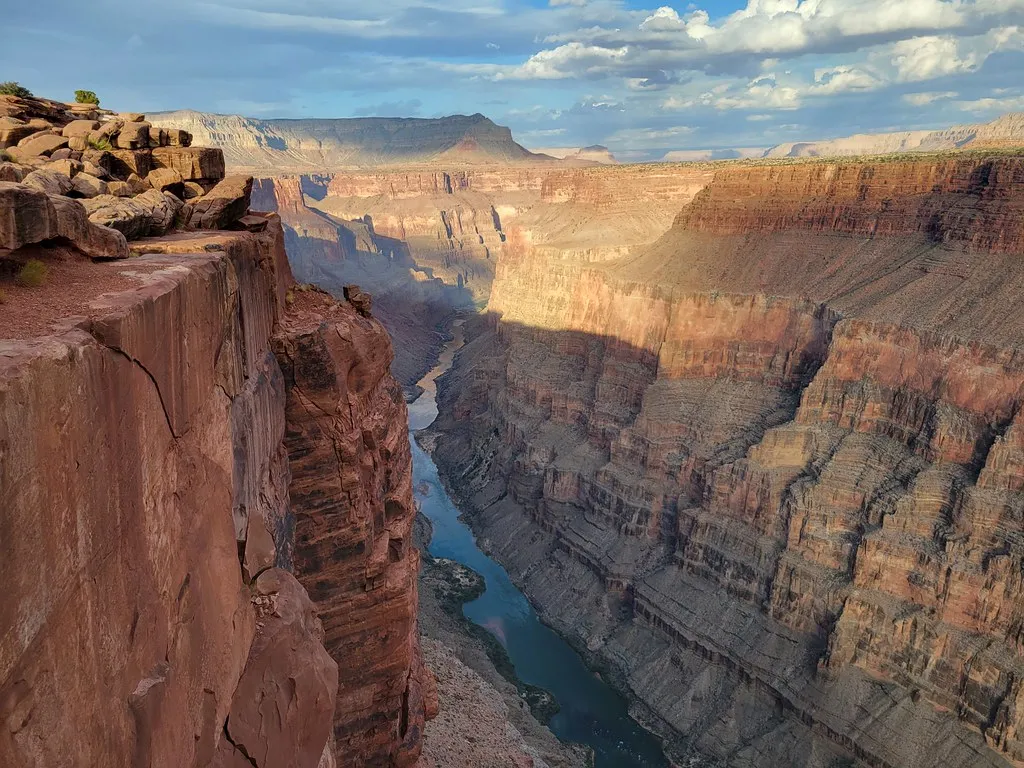
If Shoshone Point is the secret most people drive past, Toroweap Overlook is the one they’ve almost certainly never heard of. The overlook is the only viewpoint in the National Park from where the Colorado River can be seen vertically below. It stands 3,000 feet above the river.
Reaching Toroweap requires navigating 60 miles of progressively rougher unpaved roads, deterring casual visitors and preserving the wild character of this extraordinary place. The effort rewards the adventurous with sheer cliffs, ancient lava flows, and a powerful sense of the canyon’s raw magnificence.
The view from Toroweap Overlook is dramatically different from more familiar views at the park’s North and South Rims. Here you find two canyons: a broad outer canyon where lava flows and conical black cinder cones grace the landscape, and a much deeper and narrower inner canyon. The viewpoint is unfenced and open; falls have been fatal. This is not a place for the unprepared.
The Geology Beneath Your Feet
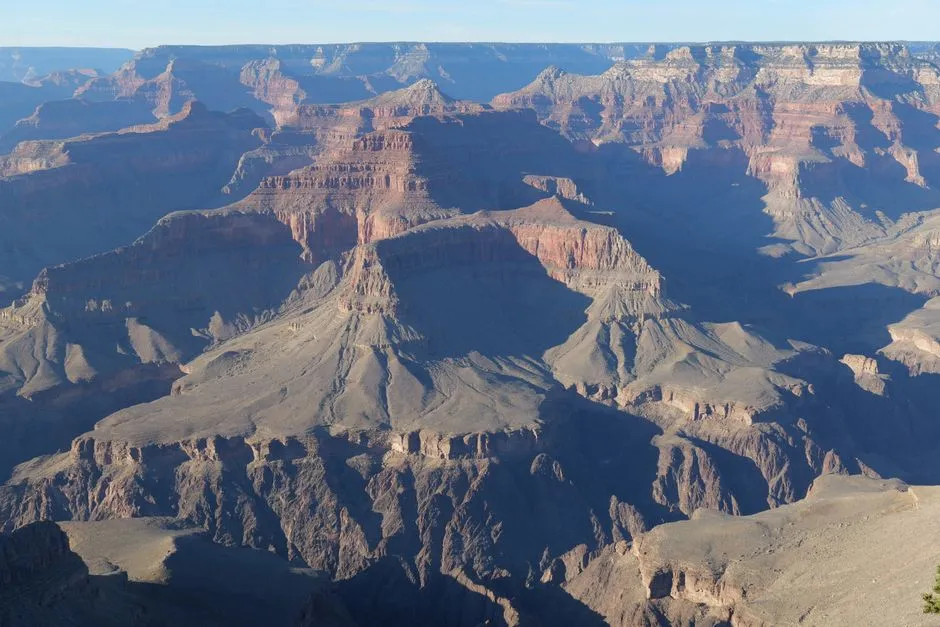
The Toroweap Formation is a 200-foot-thick layer of gypsum, shale, and sandstone from 273 million years ago. It sits directly below the Kaibab limestone of the Kaibab Formation, which is what you’re driving on when you travel across the Kaibab Plateau. Few visitors standing at the main overlooks realize that the rock beneath their shoes is almost incomprehensibly old.
Beneath the surface of the Grand Canyon lies an extraordinary network of caves, many of which remain unexplored. With over 1,000 documented caves, only one is open to the public: the Cave of the Domes on Horseshoe Mesa. The landscape above the rim is just the visible fraction of an enormous geological story.
Practical Notes Before You Go
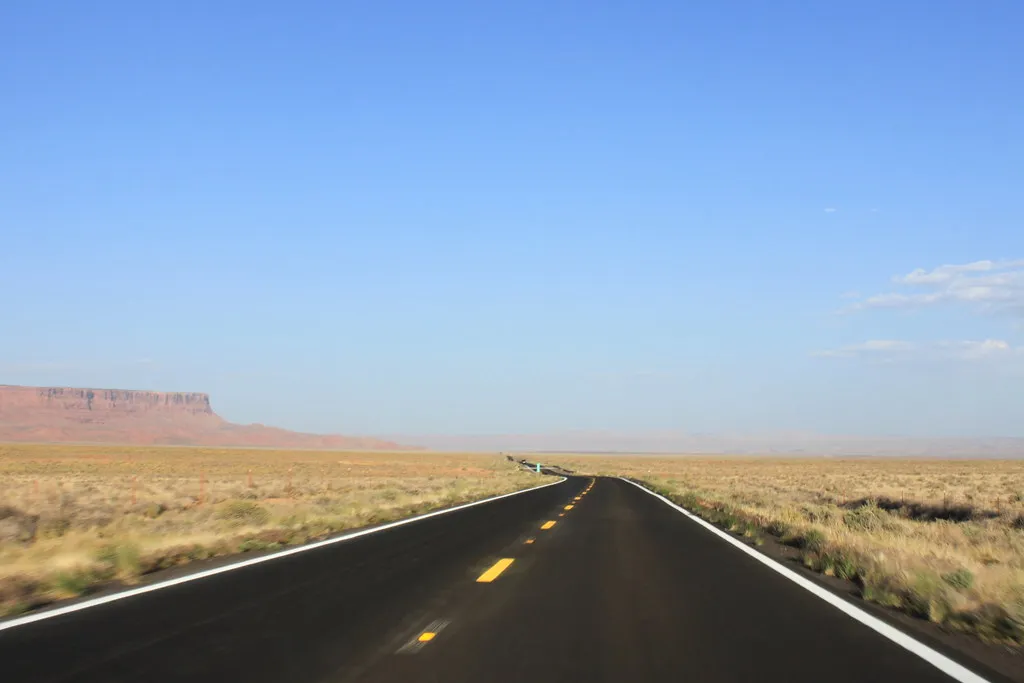
For Shoshone Point, no permit is required for general day use. No water or electricity is available, and winter snows can make the road muddy. It is the only South Rim site reservable for weddings, reunions, and ceremonies, so check availability with the park if you’re visiting on a weekend.
For Toroweap, the logistics are more serious. The last four miles past the Tuweep Ranger Station require a high-clearance four-wheel-drive vehicle. There is no lodging, food, gas, or potable water in the area. The rural area has no cell reception, so it is recommended that you bring a BLM Arizona Strip Visitor Map rather than relying on your GPS unit.
The Canyon Rewards the Curious
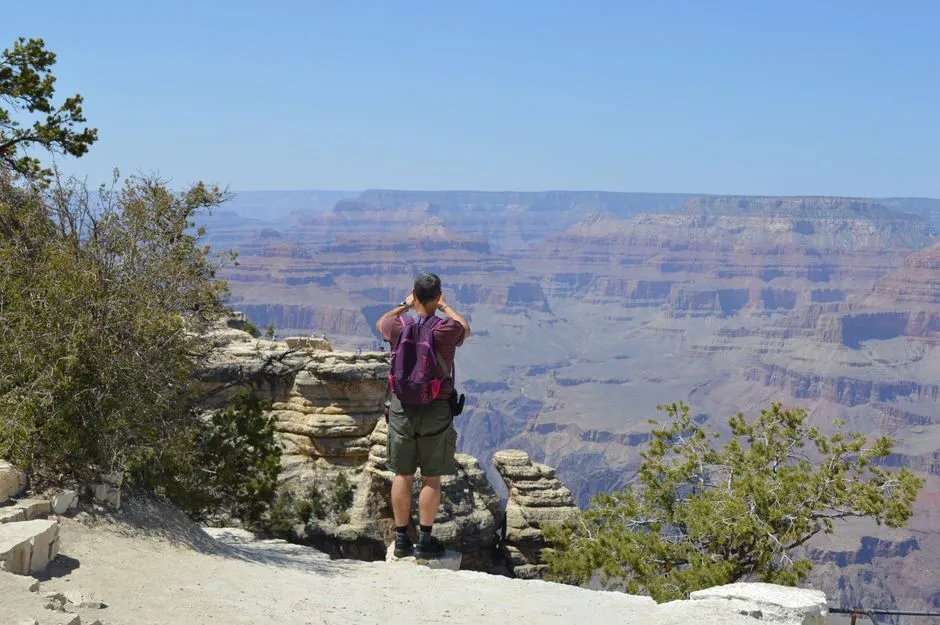
The iconic view found at the South Rim overlook is just the tip of the iceberg, and the deepest secrets of the Grand Canyon remain untapped by the bulk of the visiting public. The Grand Canyon is massive, stretching across 1,902 square miles, and holds plenty of secrets within its cavernous depths and winding ridges.
The Grand Canyon is full of world-famous viewpoints, but the real magic lies beyond the crowds. The hidden gems reveal a side of this natural wonder that few people ever experience: remote overlooks, secret trails, and peaceful oases far from the main tourist routes.
There’s something worth sitting with here. Millions of people travel to one of the planet’s most extraordinary places, spend an hour at the most obvious viewpoint, and leave feeling satisfied. The canyon, for its part, doesn’t mind. It will still be there, quietly extraordinary, waiting for anyone willing to walk one unmarked mile through a pine forest to find out what they almost missed.
AI Disclaimer: This article was created with the assistance of AI tools and reviewed by a human editor.