
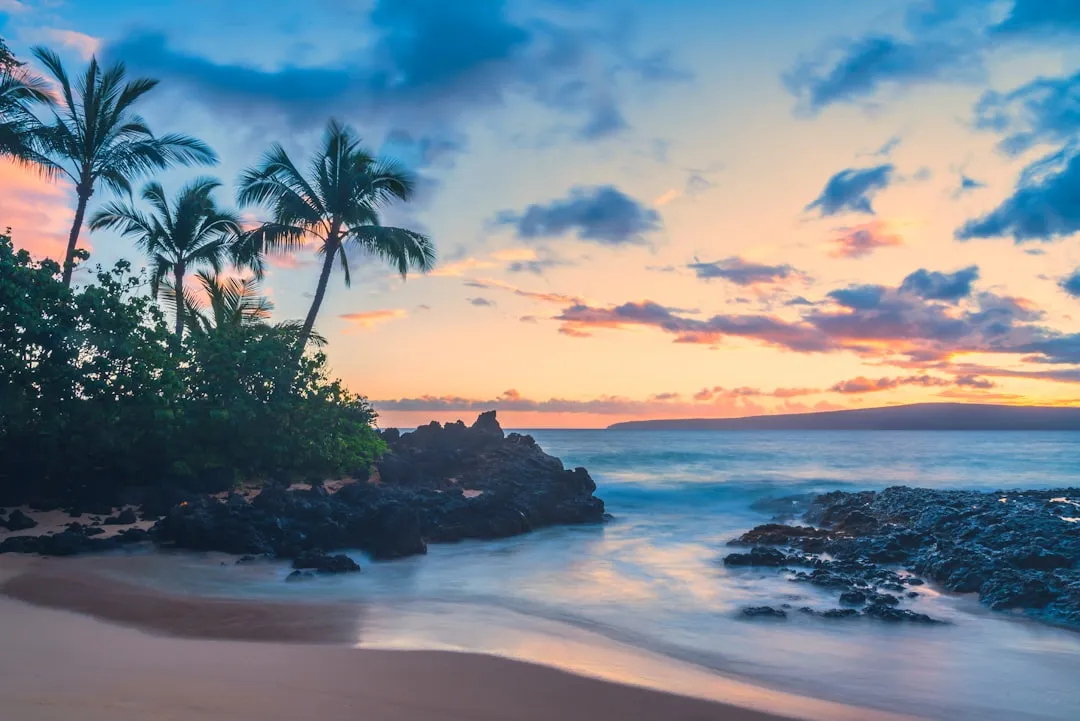

While most visitors to Hawaii are booking flights to Maui or Oahu months in advance, one island sits largely untouched, unhurried, and unfiltered. It’s not a secret in the traditional sense, but it might as well be. Molokai, known locally as “The Friendly Isle” and widely called “The Most Hawaiian Island,” plays by entirely different rules than any other island in the archipelago.
Molokai is a seldom-explored yet remarkable Hawaiian island for travelers yearning to veer off the beaten path. Despite being the fifth most populated island in the archipelago, Molokai is home to just 7,000 inhabitants, most of whom are of native Hawaiian descent. With zero megamalls, no traffic lights, and limited tourism infrastructure, the island still embodies the spirit of Old Hawaii. For those worn out by resort Hawaii, that’s not a drawback. That’s the entire point.
The Numbers Tell the Story: Almost Nobody Goes There
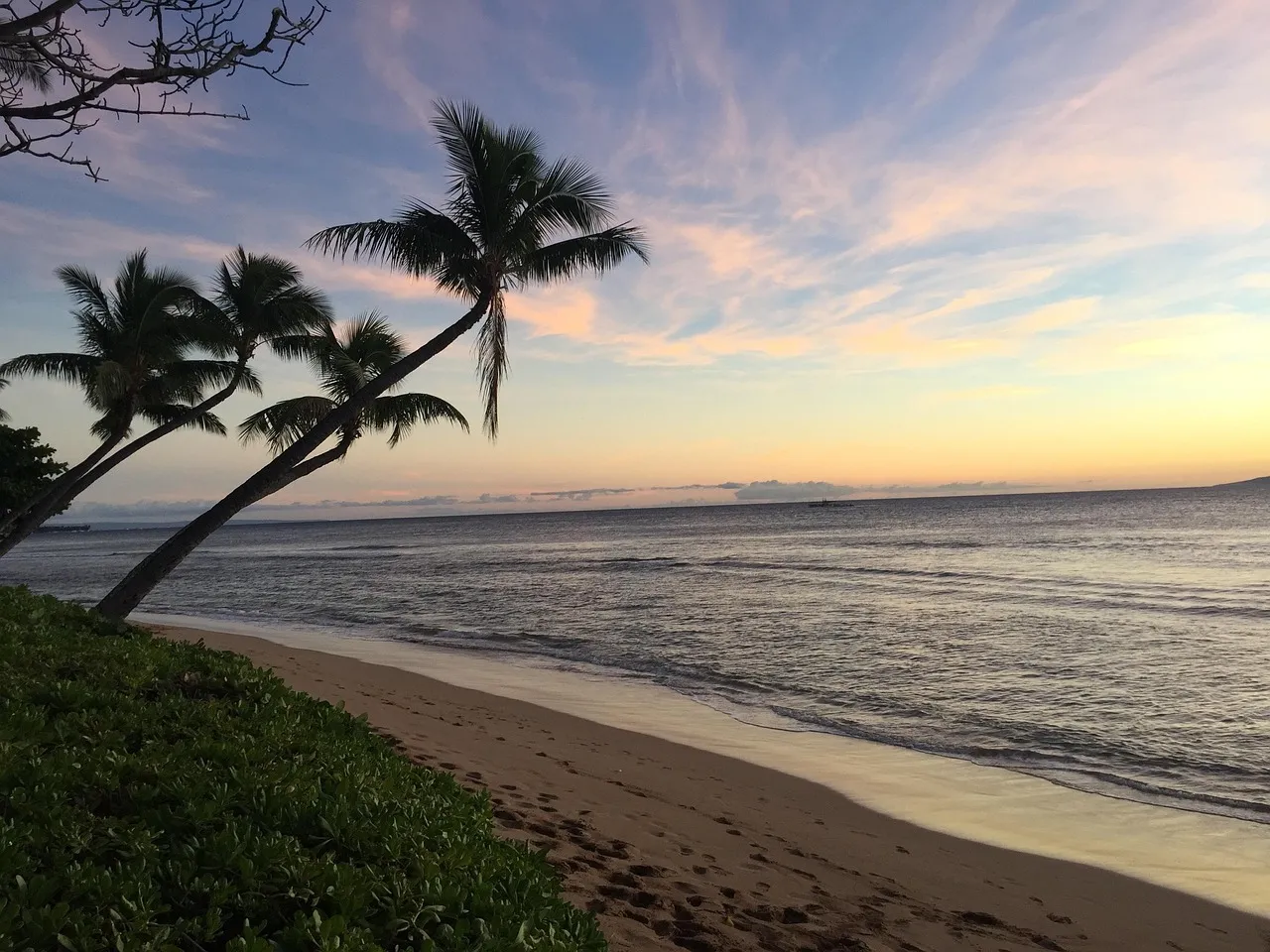
The clearest way to understand how uncrowded Molokai truly is comes from Hawaii’s own official data. Molokai averaged just 468 visitors per day in 2024, down from 496 in 2023, making it the lowest daily visitor count of any island in the state. Molokai and Lanai have a very similar daily census for visitors, with Lanai only averaging 14 more visitors per day.
While statewide tourism increased by about 0.3 percent in 2024 with a total of over 9.6 million visitors, Molokai’s visitor numbers decreased by over 10 percent, totaling just 29,844 for the entire year. Visitor expenditures on Molokai fell nearly 12 percent in 2024, down to roughly $30 million from $34 million the year before.
According to Hawaii’s Department of Business, Economic Development and Tourism, one key reason for the drop in tourism numbers on Molokai can be attributed to the decrease in airline capacity, as Molokai shrank from three airlines to just one in 2021. Fewer flights mean fewer visitors, and on Molokai, the community hasn’t rushed to change that.
A Place That Has Actively Resisted Mass Tourism
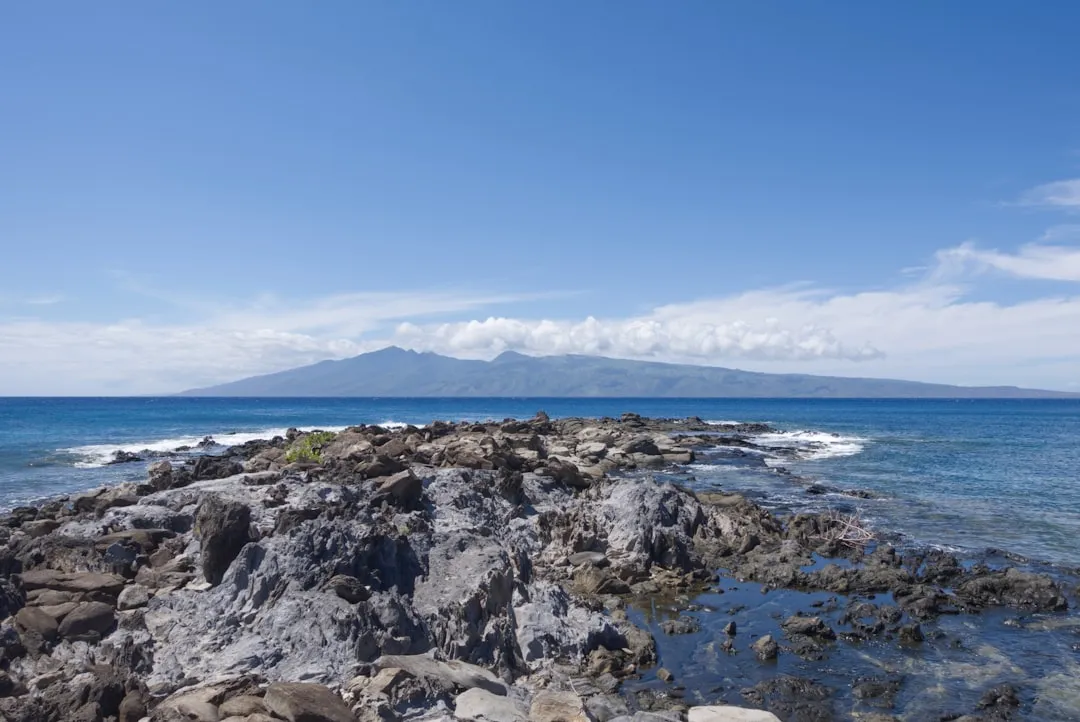
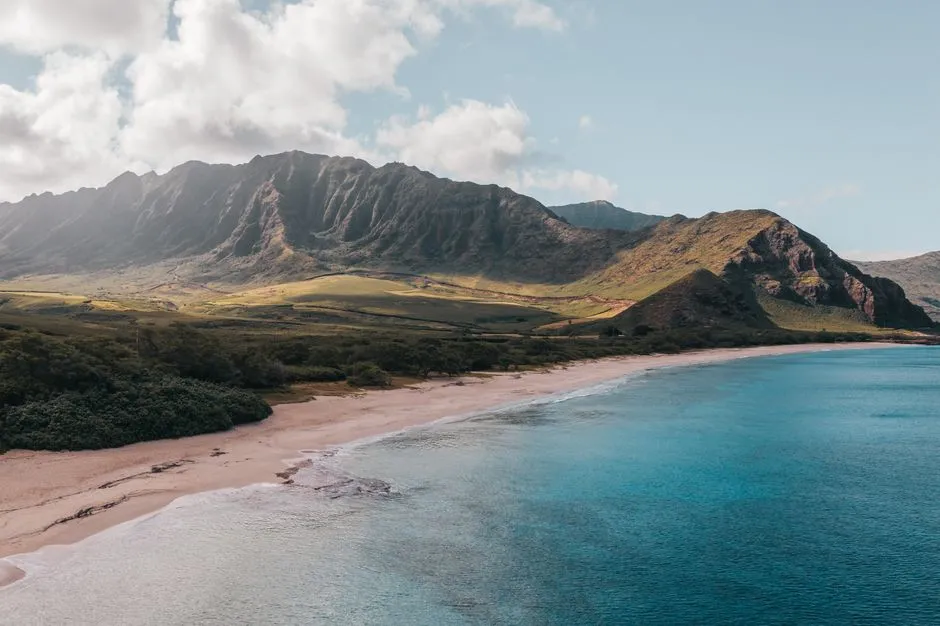
Molokai is often called “The Most Hawaiian Island” for its authentic culture, lack of mass tourism, and deep spiritual connection to the land. With no traffic lights or skyscrapers, it offers a glimpse of old Hawaii, featuring dramatic sea cliffs, remote beaches, historic sites, and the longest barrier reef in the United States.
With a population of just over 7,000, more than 60 percent of whom are Native Hawaiian, Molokai is a close-knit community. That community has long been vocal about protecting the island from large-scale development. Residents have rejected major resort proposals for decades, and the island has no big chain hotels to speak of.
Molokai preserves Hawaiian culture in ways that feel authentic rather than performed for tourists. Families still practice traditional taro farming in Halawa Valley, using methods passed down through countless generations. Visiting here isn’t about consuming attractions. It’s about encountering a way of life that has survived well into the 21st century.
The World’s Tallest Sea Cliffs Are Here
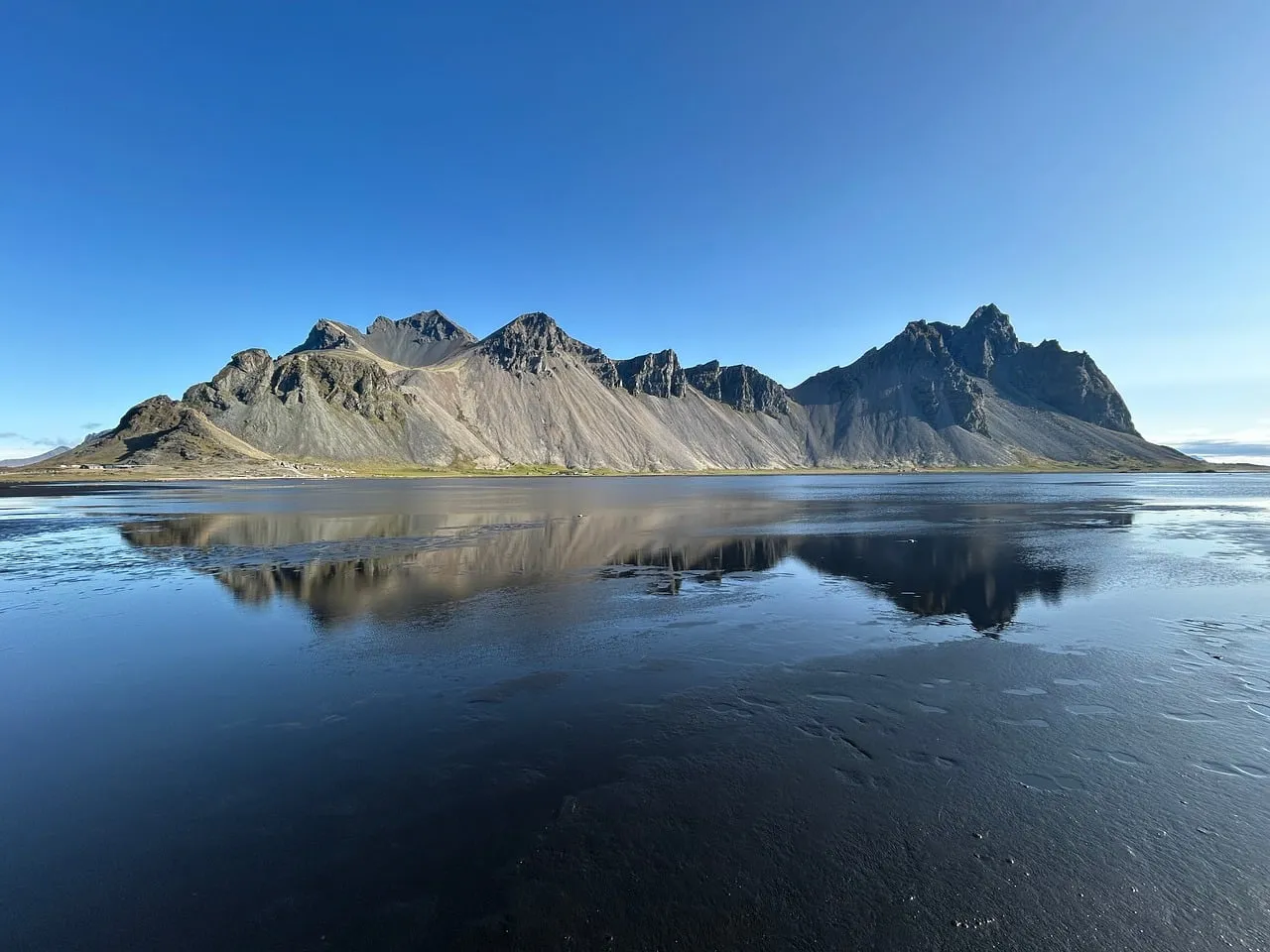
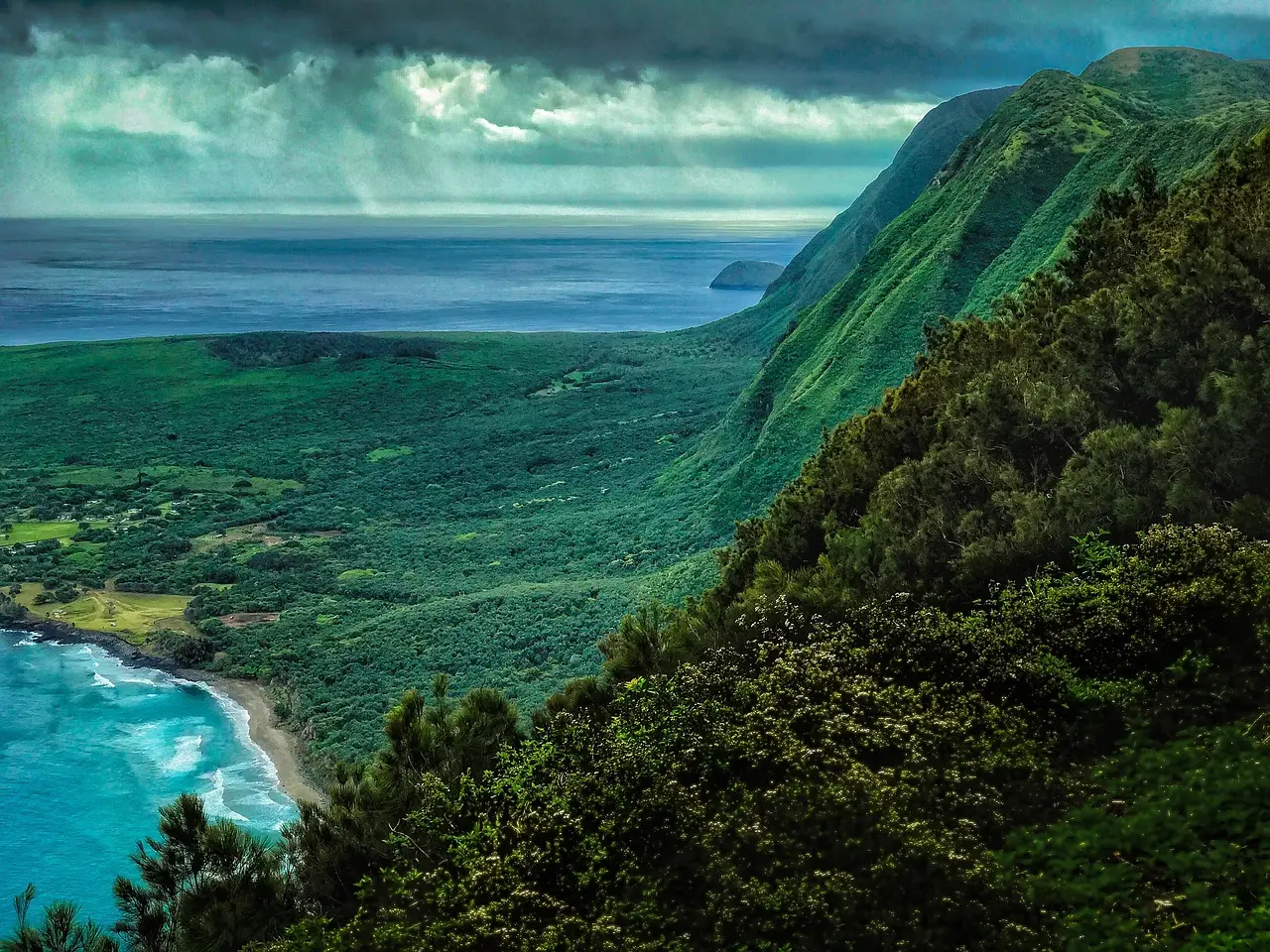
Standing at the edge of Kalaupapa Lookout in Pala’au State Park and gazing down nearly 2,000 feet to the peninsula below, one gets a sense of how truly spectacular Molokai’s geography is. Home to the world’s tallest sea cliffs, the island remains a pristine, uncrowded destination, with many spots still possessing the mana, or life force, of earlier times.
On the north coast, Kalaupapa sits perched above sea cliffs that reach 1,020 meters. The historic settlement once served as a leprosy colony, and some survivors still live there today. Intrepid travelers come here to see the sea cliffs by hiking in or via seaplane, as no roads lead to Kalaupapa.
From the base of the trail, you’ll feel dwarfed by the towering cliffs, measuring up to 3,900 feet tall. There are few places on earth where the landscape humbles you quite this completely.
Kalaupapa: One of the Most Powerful Historical Sites in America
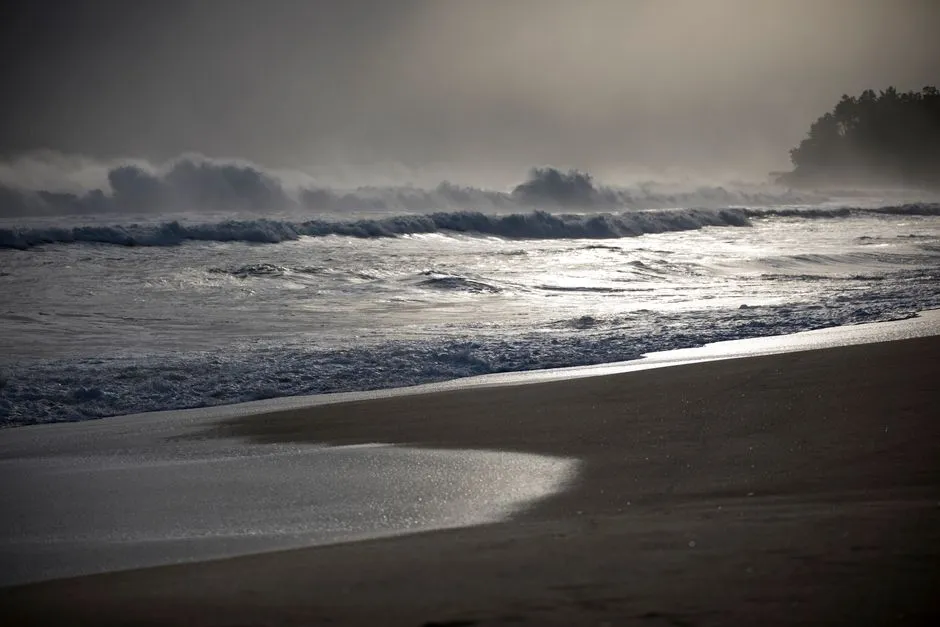
In 1866, the Hawaiian monarchy’s Board of Health turned Kalaupapa and the Kalawao Peninsula into a place of exile. Anyone with Hansen’s Disease, a condition highly feared and misunderstood at the time, was ripped away from their families and sent to this 10,725-acre settlement with a life sentence. Today, visitors can tour this area with someone who lived the experience.
Kalaupapa was served by Belgian priest Saint Damien and others who dedicated their lives with no thought to the risks of contracting the disease themselves. Today, Kalaupapa has National Historic Site status and is home to a small number of former Hansen’s disease patients.
Visiting Kalaupapa requires advance planning and respectful attitudes, as this sacred place honors both suffering and resilience in Hawaiian history. It’s not a tourist attraction in the conventional sense. It’s a place that demands something from the people who visit it.
The Hike Down: 26 Switchbacks and Pure Adventure
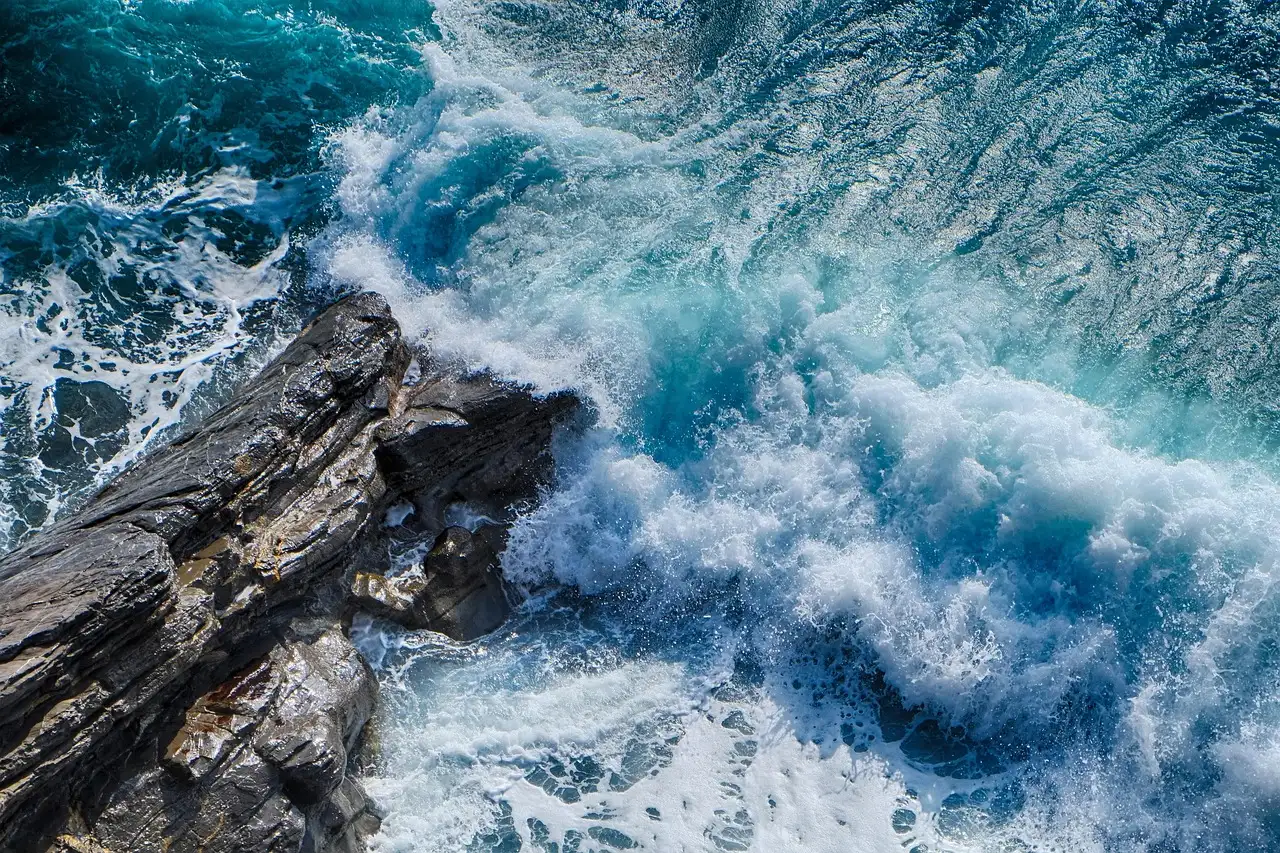
With no roads to speak of, travelers must either get there via a strenuous 3.5-mile trail, which ascends around 2,000 feet via 26 switchbacks, or by joining a seaplane or boat tour for those who prefer a less demanding experience. Even so, catching a glimpse of those enormous Kalaupapa cliffs makes the arduous journey worthwhile.
As you descend the 26 switchbacks, you get stunning views of these epic sea cliffs, among the tallest in the world, with the sound of rough surf crashing below. Once down to sea level, you follow a secluded beach to reach Kalawao County, where guided tours of the preserved historic colony begin.
To reach Kalaupapa for the start of the tour, you can either hike or ride on the back of a mule, with panoramic views from the trail that drops 1,700 vertical feet over 26 switchbacking turns. Most travelers who attempt it describe it as one of the most memorable physical experiences of their lives.
Halawa Valley: Hawaii’s Oldest Continuously Inhabited Settlement
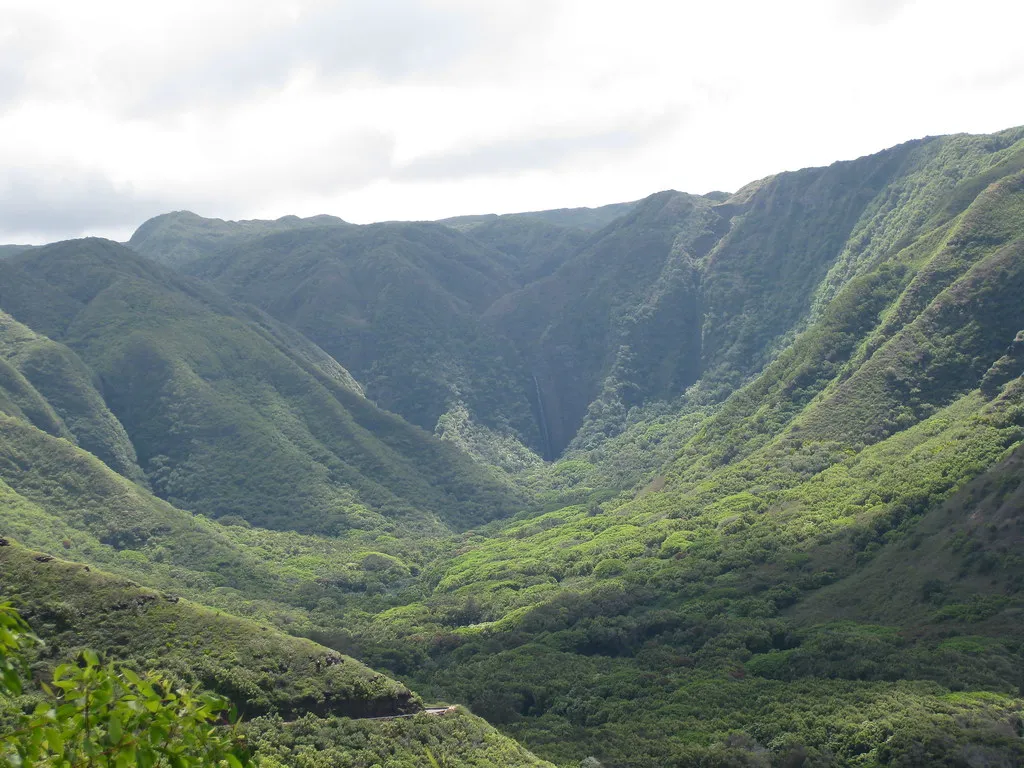
Halawa Valley on the island’s east end is believed to be Hawaii’s oldest settlement that has been continuously inhabited by man. That’s a remarkable claim, and it shapes the entire feeling of the place the moment you arrive at the valley floor.
Halawa Valley is steeped in history and natural splendor. The lush valley is home to the breathtaking Moa’ula and Hipuapua Falls, accessible only via guided hikes that lead you through tropical flora while also delving into the valley’s rich cultural significance. Access is only allowable to the public by a local guide, so be sure to make a reservation prior to making the long, winding road journey. Engaging a local guide enhances your adventure by providing insights into the valley’s history, legends, and the traditional Hawaiian way of life.
The Halawa Valley Cultural Hike must be done with a guide, but the valley showcases a wilder side of Hawaii that looks like it’s never been touched. That feeling is rare anywhere in the Pacific in 2026.
Papohaku Beach: Three Miles of Sand With Almost No One On It
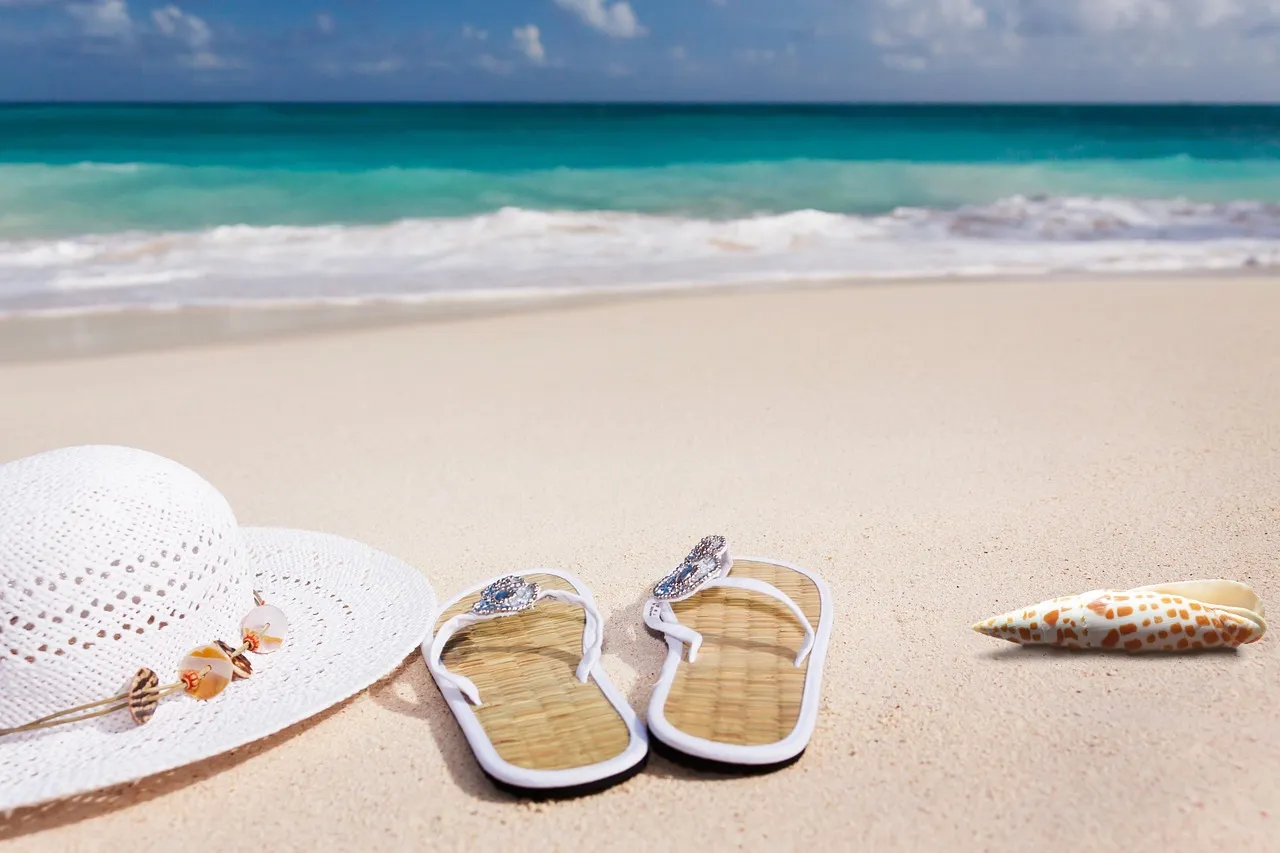
On Molokai’s west end lies Papohaku Beach, one of Hawaii’s largest white-sand beaches, stretching for over three miles. Despite its grandeur, it remains uncrowded, offering the perfect backdrop for solitude and reflection.
The spacious Papohaku Beach is one of the longest beaches in the entire Hawaiian chain. The white sand beach presents an envious amount of space to relax with friends and family, or just kick back by yourself and watch the world go by. The beach has full amenities, from picnic tables and BBQs to restrooms and showers.
With over two miles of soft golden sand, Papohaku Beach on Molokai’s wild west coast is the best place on the island for sunset views. Arrive early and go for a stroll, find your own spot, and prepare for the spectacle that’s about to commence. The sunsets are so magnificent here that spotting the famous green flash is considered fairly common.
A Living Culture, Not a Curated Performance
Local hula schools teach children ancient dances that tell stories of their ancestors, while elders share legends around evening fires. Community members gather regularly for traditional fishing, weaving, and storytelling sessions. This cultural preservation happens naturally through daily life, creating opportunities for respectful visitors to witness genuine Hawaiian traditions in their original context.
On Molokai, where there’s not a single traffic light and the lifestyle is slow-paced, visitors get a chance to talk story with locals and enjoy a paina, or feast, and take in the island’s evening atmosphere. That phrase, “talk story,” is central to Molokai’s identity.
Many of the island’s most treasured places, including Halawa Valley, Kamakou Preserve, and the fishponds along the southern coast, are accessible only with local guides or by permit. Guided tours not only ensure visitor safety but also help protect fragile ecosystems and cultural sites. Because services and facilities are limited, plan ahead, travel responsibly, and remember that on Molokai, experiencing the island’s mana begins with honoring the people and the place itself.
The Molokai Hoe: A World Championship Nobody Talks About
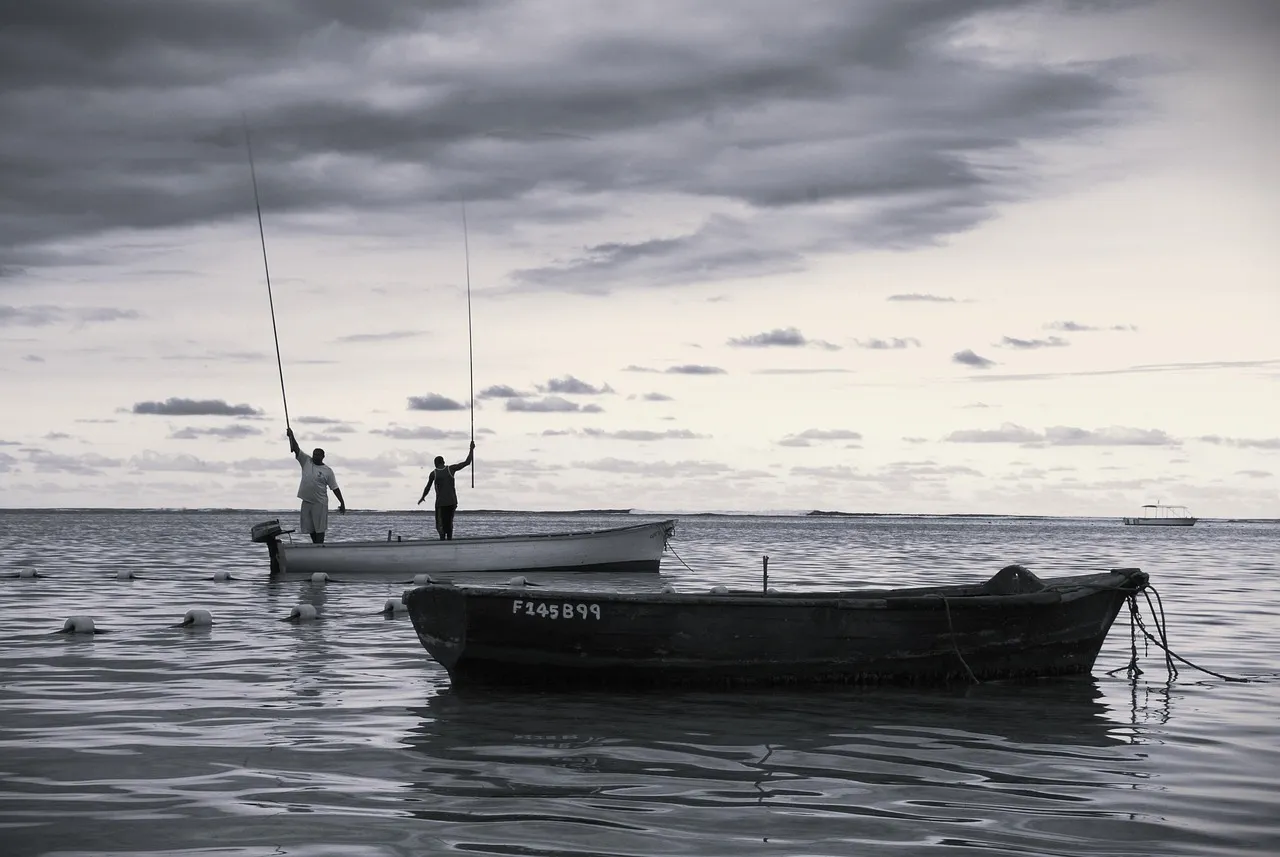
In October 2025, more than 3,000 out-of-state visitors came to Molokai, many of them drawn by the Molokai Hoe World Championship men’s outrigger canoe race, which took place on October 12. For context, that single event brought more visitors to the island than many weeks combined.
The 2025 race saw a record 106 participating teams, including 83 from Hawaii and 23 from California, Washington, Australia, French Polynesia, Hong Kong, and New Zealand. The race covers a grueling 41-mile open ocean channel crossing from Molokai to Oahu, widely considered one of the toughest paddling events in the world.
The Molokai Hoe is a rare window into the island’s soul. Outrigger paddling is deeply embedded in Native Hawaiian identity, and watching hundreds of elite paddlers launch from Hale O Lono harbor while the island’s small community cheers them on is something no hotel brochure could manufacture.
Getting There and What to Expect
Molokai is 38 miles long and just 10 miles wide, so no point on the island is more than 5 miles away from the ocean. Getting there typically means a short commuter flight from Honolulu or Maui, with Molokai Airport serving as the main entry point. The flights are small, the runway is short, and the arrival feels nothing like landing at a major Hawaiian hub.
The island has zero megamalls, no traffic lights, and limited tourism infrastructure, and it still embodies the spirit of Old Hawaii. From stunning state parks to beautiful beaches and wildlife-rich reefs, it’s genuinely ripe for exploration. That said, visitors should arrive with a self-sufficient mindset. The largest town, Kaunakakai, has the island’s only grocery stores and fuel, and dining options are limited but locally authentic.
With fewer people than many small mainland towns, Molokai offers genuine solitude that’s increasingly rare in modern Hawaii. Entire beaches stretch empty for miles, broken only by occasional monk seal sightings. This small population means personal space and quiet reflection come naturally. Pack your own snacks, arrive without an agenda, and let the island reveal itself at its own pace.
Why Molokai Matters More Than Ever in 2026
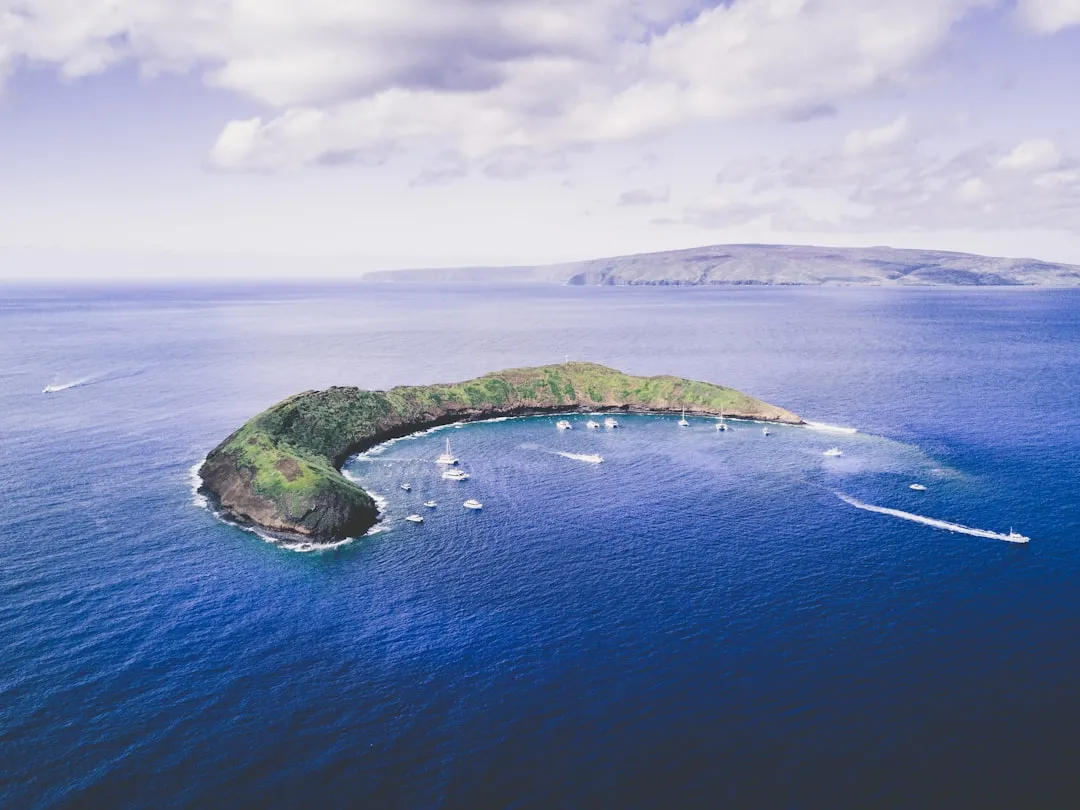
Some travelers have already rerouted their trips away from Maui following the uncertainties of recent years. Search interest and reader engagement suggest a slow but steady pivot away from Maui toward Hawaii Island and Kauai. Molokai hasn’t yet appeared on most people’s radars, which is precisely what makes it worth considering now.
The island’s residents have made their priorities clear through decades of resisting overdevelopment. Visitors who come here aren’t customers of a hospitality machine. They’re guests of a community that chose a different path when every other island took the resort route.
Molokai won’t suit everyone, and that’s a feature rather than a flaw. There’s no infinity pool, no spa menu, and no luau with a ticketed entrance. What it does offer, increasingly hard to find anywhere in the Pacific, is an island that still belongs to its people. That’s worth the small plane ride.
AI Disclaimer: This article was created with the assistance of AI tools and reviewed by a human editor.