
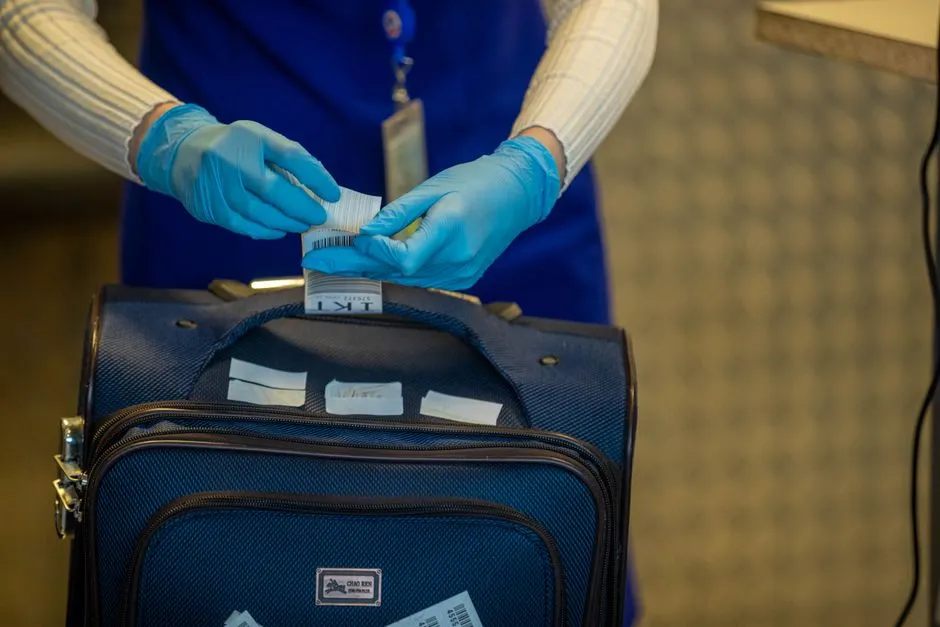

Most travelers walk into airport security convinced they’re doing everything right. Shoes ready to come off, boarding pass on the phone, nothing sharp in the bag. Yet every year, millions of people get pulled aside, delayed, or flagged, not because they’re dangerous, but because of habits they never thought twice about.
In 2024 alone, TSA screened more than 904 million people, and the agency’s attention goes far beyond what’s inside your bag. Your clothing, body language, packing style, and even how you stand in line are all part of the picture. Here’s what you should know before your next trip.
1. Switching Lines at the Security Checkpoint
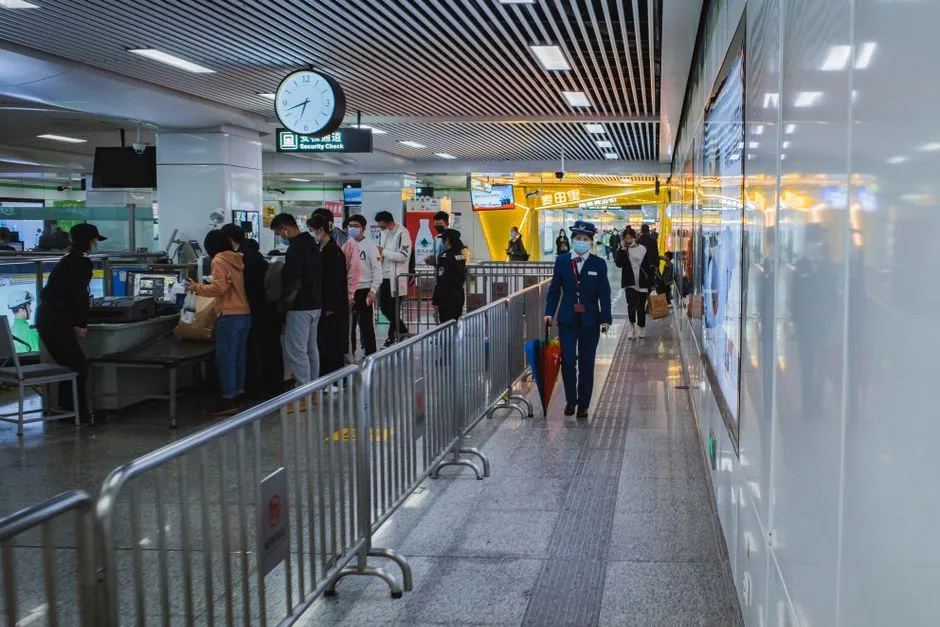
It feels like common sense: if one line looks shorter, move to it. Most people do this without a second thought. Weaving in and out of security lines or trying to jump from lane to lane can garner unwanted attention from TSA officers, and what seems like an innocent way to save time may appear to agents as if someone is trying to avoid something.
Agents may pull the person aside to uncover if there’s a legitimate reason for the behavior, which means that ironically, trying to rush could eventually delay travelers in the long run. Between March 2023 and April 2024, over 300 airline passengers attempted to circumvent at least some part of the security process in U.S. airports, often unintentionally while rushing. Pick a lane, stay in it, and resist the urge to game the queue.
2. Wearing Bulky or Out-of-Season Clothing

TSA officers pay attention to unusual patterns in what a passenger is wearing, and if someone shows up in clothing that doesn’t fit the current weather or expected destination, it can raise suspicion. Airport security agents are trained to notice such inconsistencies because they could be a means to conceal something illegal or dangerous.
Bulky clothing can prompt extra checks because it’s harder for scanners to clearly detect objects underneath the fabric, and clothing with heavy metal elements such as large belt buckles or chunky jewelry may also set off security machines during the screening process. Dress practically and seasonally when heading through a checkpoint.
3. Leaving Your Bag Unattended, Even for a Moment
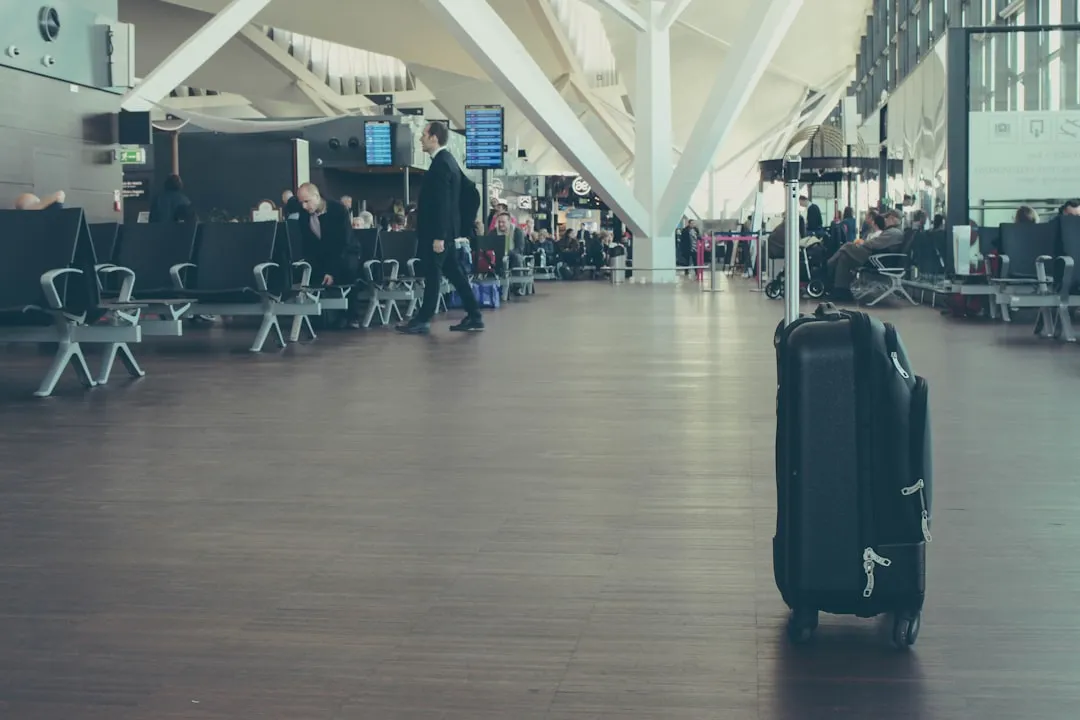
TSA often treats neglected bags as a risk, even if they end up being harmless. This was the case in San Antonio in December 2025, where a bomb squad inspected an unattended suitcase that was ultimately found to be filled with music gear. Inspecting seemingly abandoned baggage isn’t meant to cast suspicion on an individual traveler, but to maintain a safe and orderly environment for everyone.
The TSA’s focus on unattended items is similar to security protocols in many public places, and the Department of Homeland Security has sponsored major public-awareness campaigns encouraging travelers to report unattended items. Keep your bag with you at all times, even if you’re just stepping aside to check your phone.
4. Excessive Yawning or Visible Nervousness

As part of its Screening of Passengers by Observation Techniques program, TSA has trained officers to specifically note passengers who exhibit high stress, deception, or fear at the security checkpoint, and an internal document revealed that exaggerated yawning is considered a deceptive behavior that should be closely monitored.
That said, yawning alone likely won’t get you into trouble, as no single behavior alone will cause a traveler to be referred to additional screening. Still, TSA officers observe travelers for signs of unusual stress or suspicious actions, and excessive nervousness, unusual body language, or tense behaviors may raise concerns and lead to additional screening. Take a breath, move steadily, and cooperate with instructions.
5. Packing a Cluttered, Overstuffed Carry-On
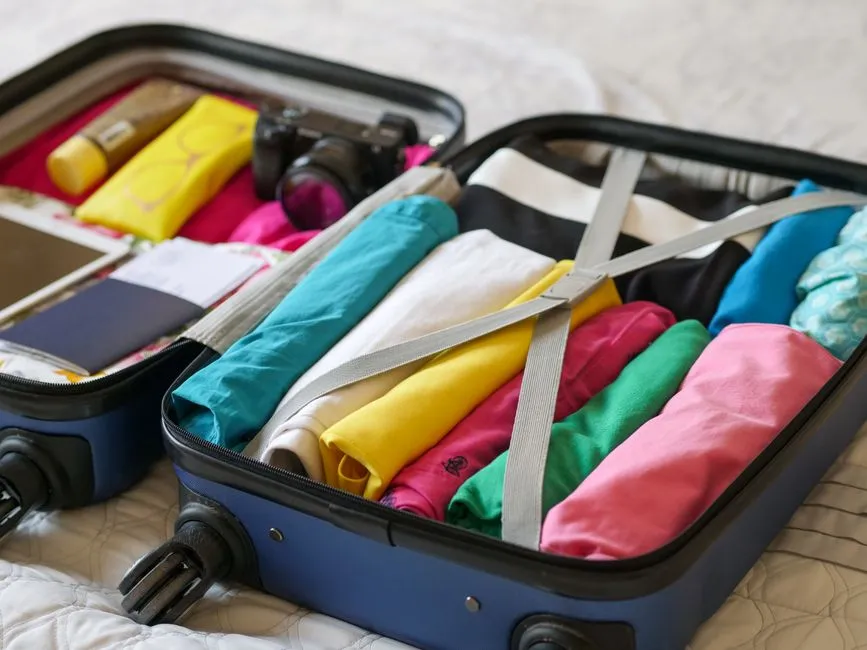
TSA recommends keeping your bag organized to help ease the screening process, noting it takes time for officers to make sure a jam-packed, cluttered, overstuffed bag is safe. When a bag’s X-ray image looks like visual noise, it almost always triggers a secondary manual inspection.
Even if an item is generally permitted, it may be subject to additional screening or not allowed through the checkpoint if it triggers an alarm during the screening process, appears to have been tampered with, or poses other security concerns. Organizing your bag before you travel saves everyone time, including you. Think layers, not piles.
6. Forgetting the Liquids Rule Still Applies
The TSA continues to enforce the 3-1-1 rule for liquids: each passenger may carry liquids, aerosols, gels, creams, and pastes in travel-sized containers of no more than 3.4 ounces. This rule catches an enormous number of travelers who simply forget about a bottle of lotion or a full-size shampoo tucked in their bag.
Toothpaste is considered a liquid under the TSA’s 3-1-1 rule, and as of 2025, the Transportation Security Administration defines liquids, gels, and aerosols as items that can spill or ooze, meaning your favorite toothpaste, whether it’s a gel or a paste, falls into this category. When in doubt, check the TSA’s “What Can I Bring?” database before you zip up.
7. Traveling Without a REAL ID

One of the biggest changes in 2025 was the official start of REAL ID enforcement, beginning May 7, 2025. All travelers flying domestically must show a REAL ID-compliant driver’s license or another TSA-approved form of identification. Without compliant identification, travelers will not be allowed through TSA checkpoints.
REAL ID enforcement began in May 2025, and as of February 1, 2026, travelers without a REAL ID-compliant driver’s license or acceptable alternative face a $45 non-refundable ConfirmID fee to pass through security, a process that can take up to 30 minutes. As of May 7, 2025, you need a REAL ID-compliant driver’s license with a gold or black star, a passport, or another approved form of identification to fly domestically.
8. Keeping Lithium Batteries or Power Banks in Your Checked Bag
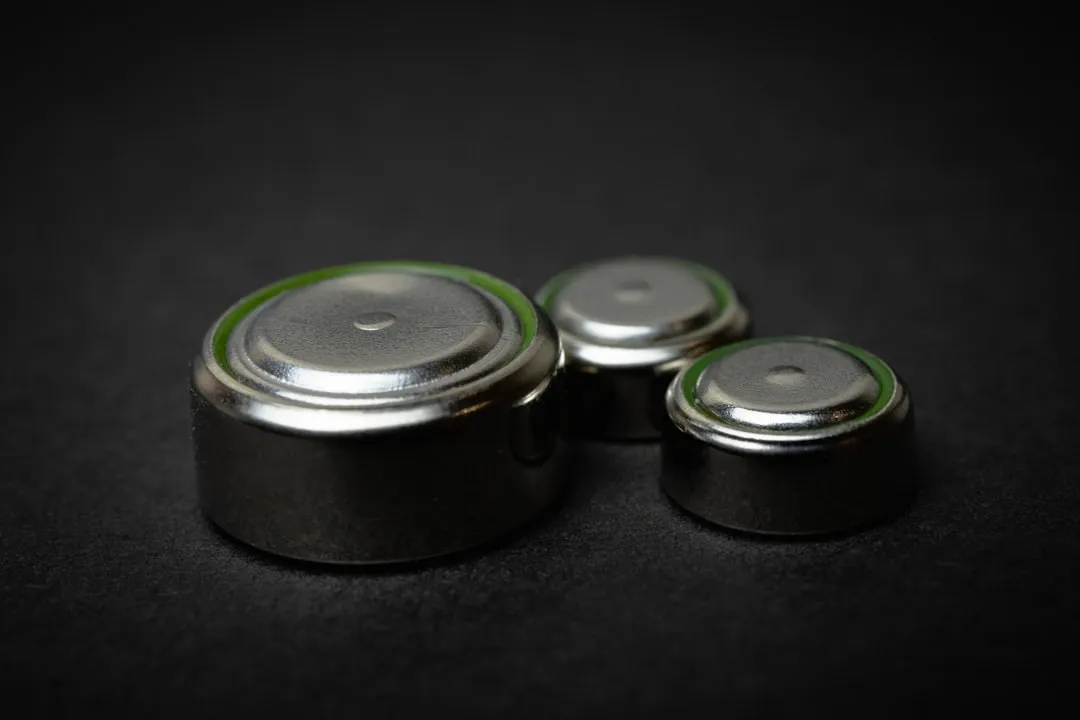
As of 2026, both the TSA and FAA continue to enforce strict regulations regarding cordless hair styling devices and batteries. Cordless curling wands and flat irons that contain gas or butane cartridges are not allowed in checked baggage. Additionally, spare lithium batteries and portable power banks are completely prohibited in checked luggage and must be kept with you in the cabin to allow for monitoring in case of overheating.
This trips up a surprising number of travelers who figure checked bags are the “safe” place for anything electronic. The logic is actually reversed: spare lithium batteries and power banks should be in your carry-on, not checked, due to fire risk. Check your tech before you pack.
9. Mismatched ID and Boarding Pass Details
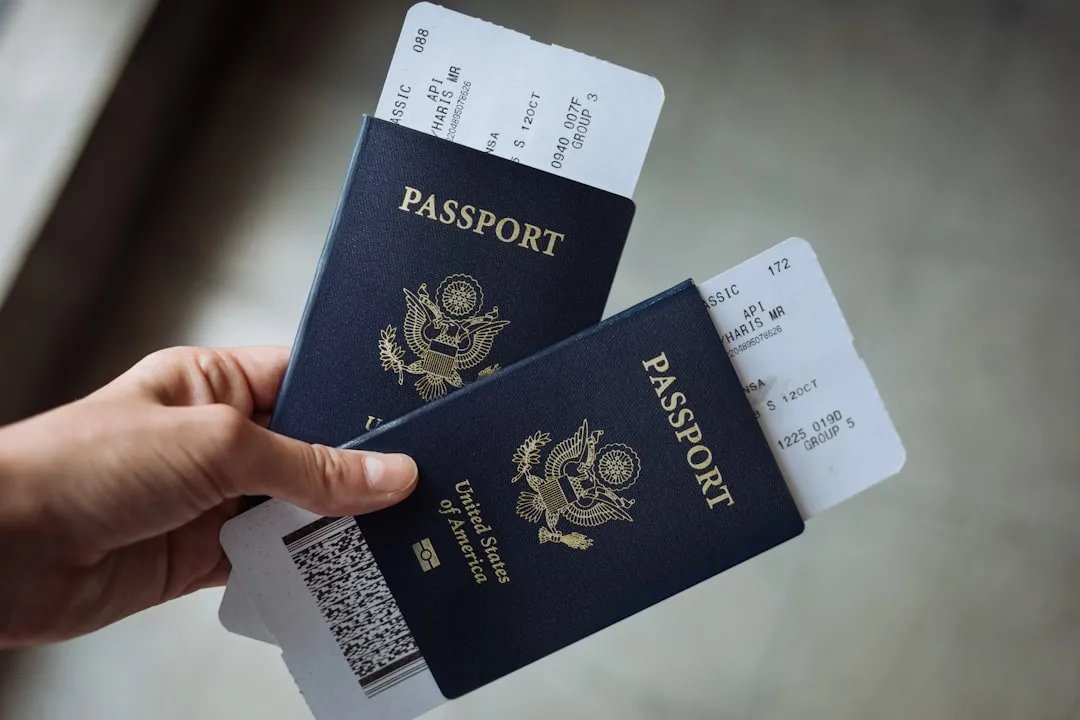
One of the first things TSA officers check at any airport security checkpoint is whether the details on your identification match your boarding pass. When IDs don’t align with travel documents, officers may pull a passenger aside for additional questions or verification. Discrepancies may include significant differences in name spelling, birth date, or gender markers.
Any indication that an ID has been tampered with, or is not in its original form, is also likely to raise alarms for agents. Keeping an eye out for potentially falsified identification helps TSA agents ensure that the person presenting a boarding pass is who they claim to be. If you recently changed your name, make sure your booking matches your legal ID exactly before arriving at the airport.
10. Bringing Realistic-Looking Replica Items
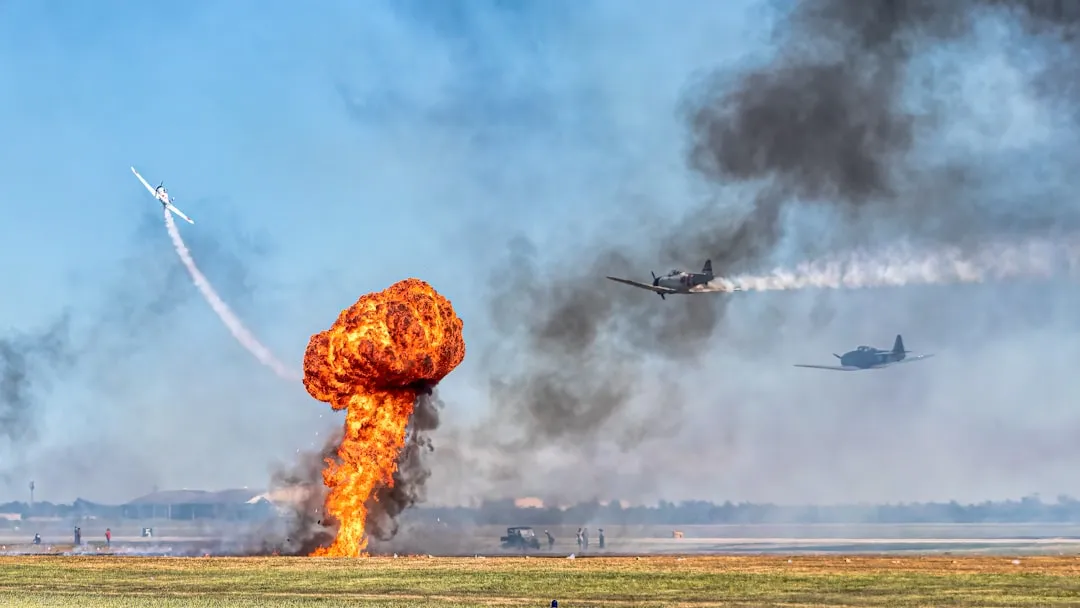
The TSA’s most unusual items found at U.S. airport security checkpoints in 2025 included a replica bomb, with the number one spot going to what appeared to be a replica pipe bomb at Idaho’s Boise Airport in May. The passenger apparently considered the items training aids, but TSA treated the situation as a full threat until confirmed otherwise.
Despite apparent innocent intent, such items are not allowed on planes, and TSA states that realistic replicas of explosives are not allowed in checked or carry-on bags. TSA’s Federal Security Director for Idaho noted that “our expertly trained officers take no risks when they screen a bag and see an image that could be an explosive.” The rule is simple: if it could plausibly read as a weapon on a scanner, leave it at home.
A Final Word on Getting Through Smoothly
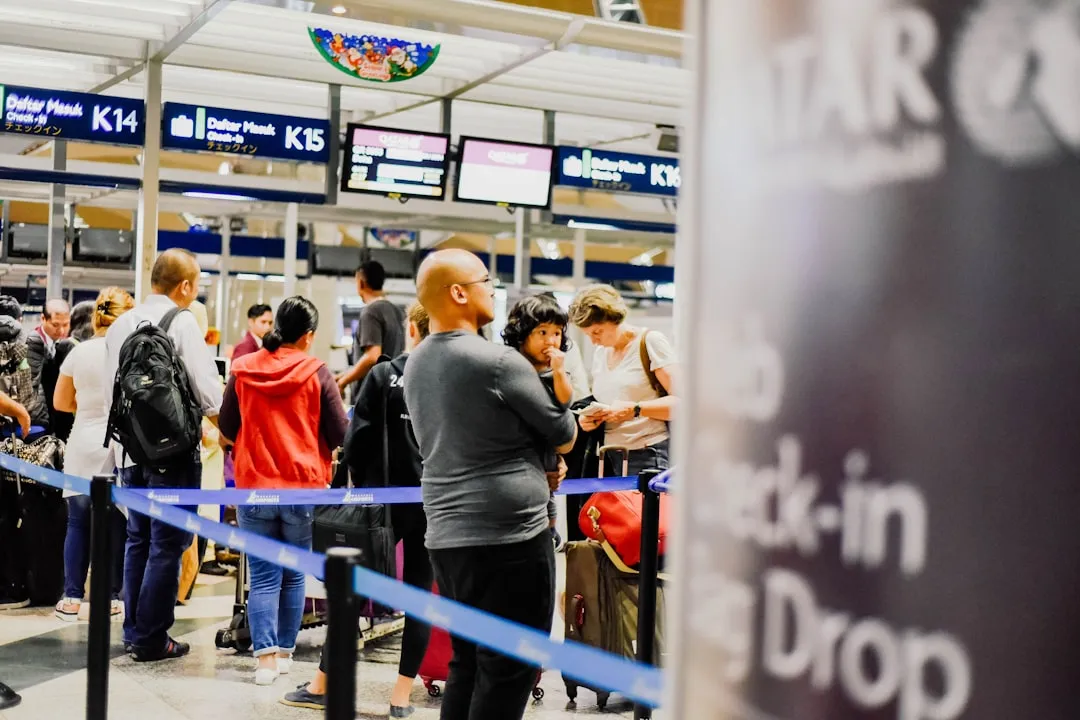
Your behavior is getting dissected just as much as your belongings, and what you may think of as totally innocent habits aren’t going unnoticed. TSA agents are trained to register certain behaviors that may seem ordinary to the average traveler. While most of these things aren’t cause alone to get you pulled aside, doing several of them at the same time might make you miss your flight.
The Transportation Security Administration exists to ensure the safety of all travelers by preventing prohibited items and other threats from entering secure areas of the airport, and screening is a layered process that includes physical screening, X-rays, and behavioral observation techniques. Knowing these layers exist is the first step toward moving through them without friction.
None of these habits make you a suspect. Most of them are just things people do on autopilot. The difference between a smooth security experience and a frustrating one often comes down to preparation, a relaxed pace, and a bag that was packed with some thought the night before rather than in the parking garage.
AI Disclaimer: This article was created with the assistance of AI tools and reviewed by a human editor.