


South Carolina doesn’t always get the same first-breath recognition as Tennessee or Louisiana when the conversation turns to great American food. New Orleans reliably dominates the headlines, Nashville gets its hot chicken moment, and the rest of the South often fills the background. Yet the numbers, the rankings, and the chefs themselves are quietly telling a very different story.
Something real is building along the Carolina coast and inland. From a Lowcountry seafood tradition that stretches back centuries to a new generation of chefs returning from culinary stints in New York and San Francisco, South Carolina is assembling the kind of food identity that doesn’t happen overnight.
A Ranking That Stopped People in Their Tracks

At the start of 2024, Charleston came behind only New Orleans in TripAdvisor’s annual ranking of the best cities for eating in the United States. That’s not a minor footnote. TripAdvisor’s Travelers’ Choice Awards are determined by a high volume of verified reviews accumulated over a full twelve-month period, making it one of the most crowd-sourced endorsements available.
Charleston also earned two nods from Food & Wine magazine, ranking fifth in the nation for local restaurants and seventh for its overall dining scene. For a city that most Americans still associate primarily with antebellum architecture and carriage rides, that’s a meaningful shift in perception.
The Lowcountry Cuisine Nobody Taught You About in School
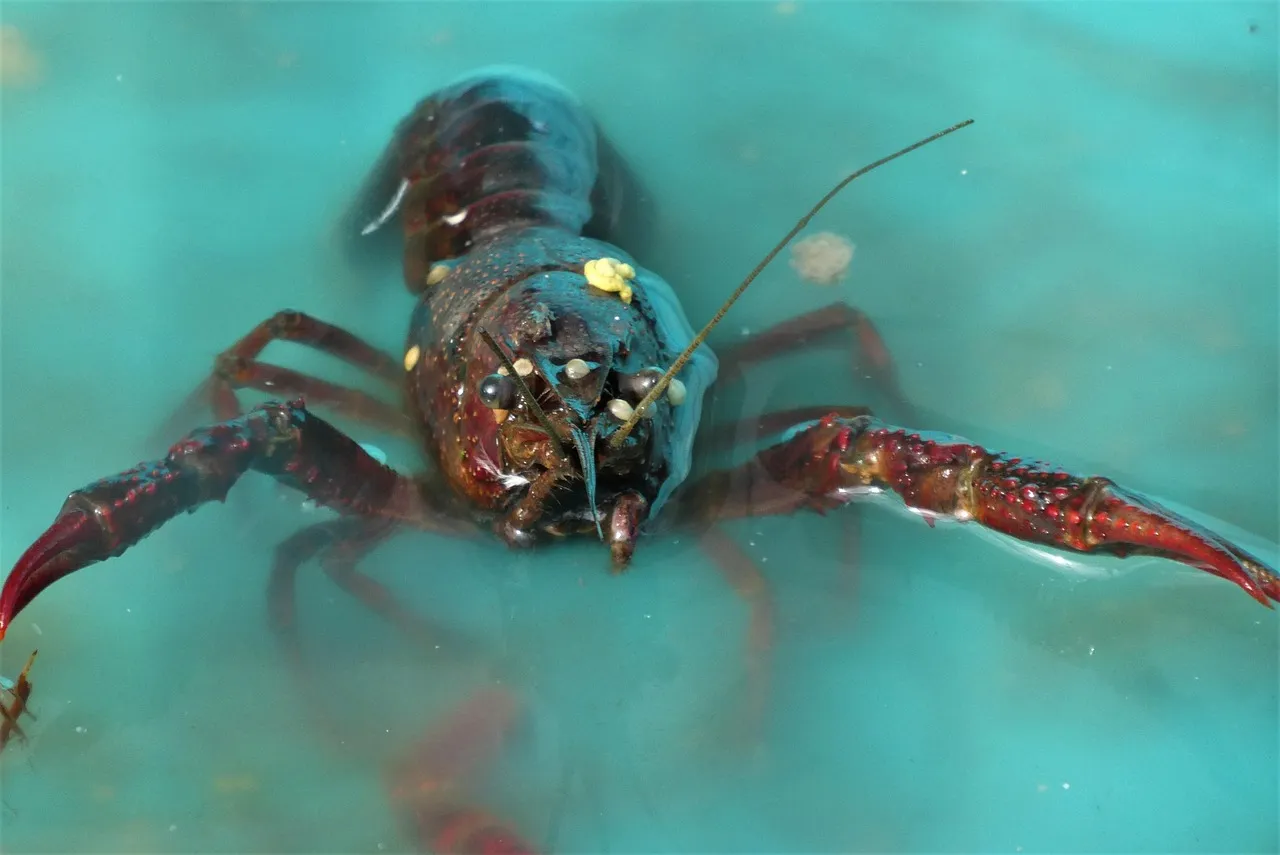
Food-minded tourists come to Charleston to sample classic Southern dishes such as cornbread or shrimp and grits, and the unique Lowcountry cuisine that originated there, including She Crab Soup and Frogmore Stew. These aren’t fusion experiments or trend-chasing plates. They’re dishes with deep roots in the region’s coastal geography and its layered cultural history.
From Atlanta’s innovative food halls to Charleston’s dock-to-table seafood, the South offers a blend of hospitality, traditional flavors, and contemporary culinary innovation. Charleston, though, has a specific terroir that separates it. The proximity to barrier island fisheries, local rice paddies, and an active oyster culture gives its restaurants an ingredient story that’s genuinely hard to replicate elsewhere.
The Chefs Who Left and Came Back
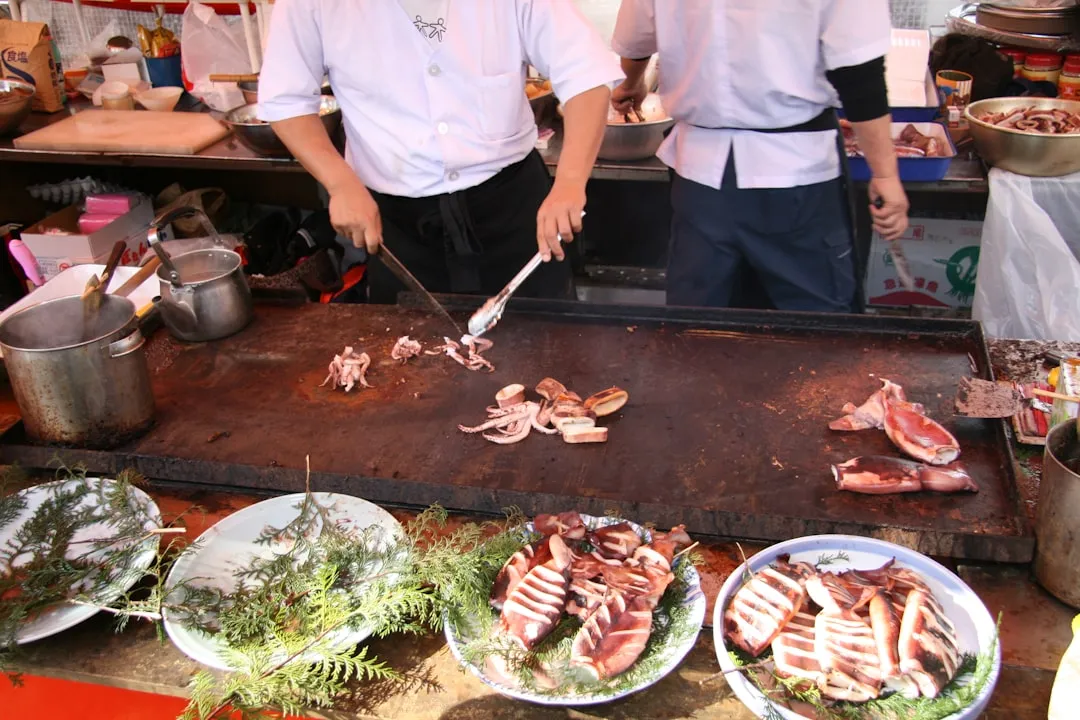
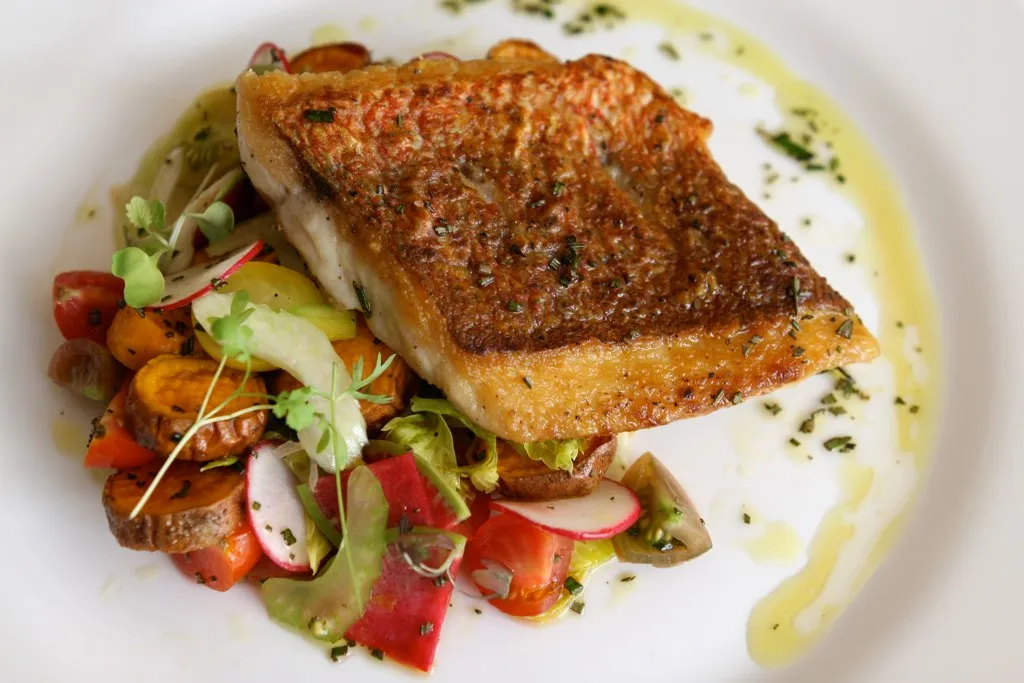
James London opened Chubby Fish, a celebrated dock-to-table seafood concept, in 2018, with the restaurant featuring local, seasonal catches and sustainable sourcing. London himself trained at the French Culinary Institute in New York and worked in kitchens across the country before returning to Charleston.
There has been a surge of culinary professionals who started cooking in South Carolina, left to explore other regions and cuisines, and then returned with a whole new lens through which to view native ingredients. That pattern, chefs going out into the wider culinary world and then coming home with new skills, is often the precise moment a regional food scene accelerates.
Tourism Numbers That Back the Hype
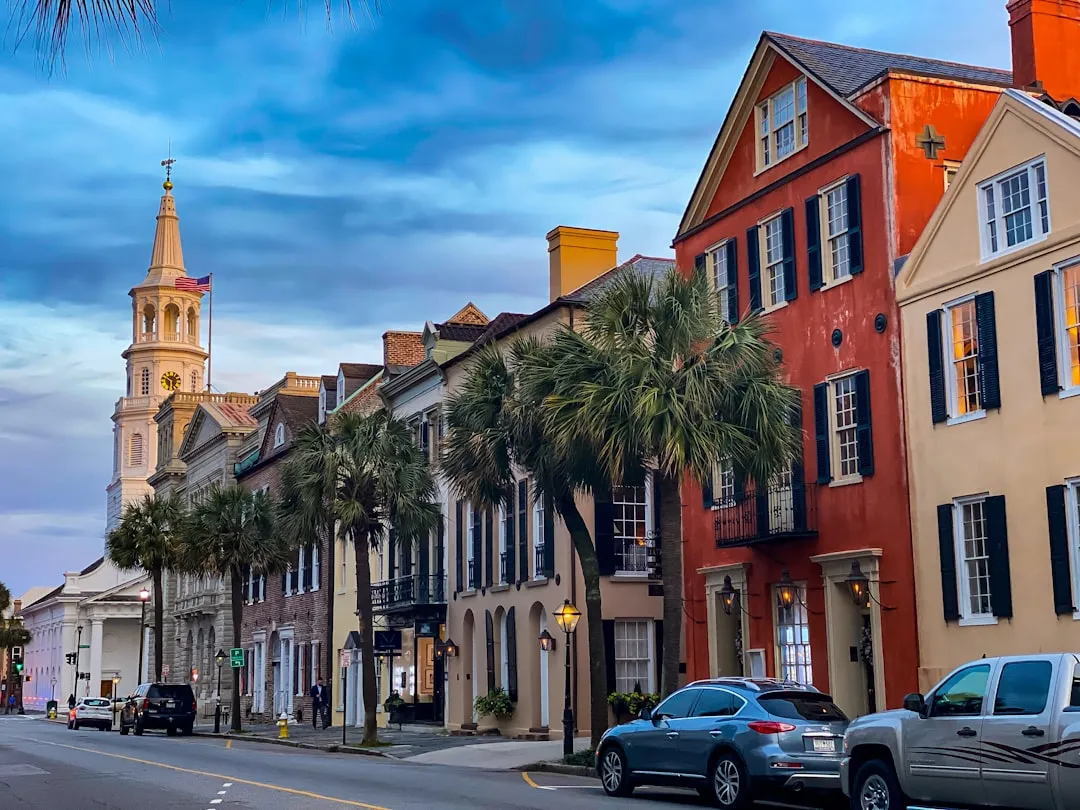
Charleston is generating almost half of the total tourism economic impact in South Carolina, bringing in $14.03 billion in 2024, a 7.1% increase from the previous year, according to a study by the College of Charleston’s Office of Tourism Analysis. That’s a staggering figure for a city of its size.
Charleston welcomed an estimated 7.89 million visitors in 2024. Among the key draws listed by the city were historic sites, food and restaurants, tours, shopping, beaches, and festivals. Food sits near the top of that list, not at the bottom. Tourism’s economic impact has jumped by roughly 45 percent from 2019 to 2024, with the number of visitors increasing by around six percent in that same period.
A Calendar Built Around Eating

In 2026, Charleston’s events scene returns mainstays like the Southeastern Wildlife Exposition, the Cooper River Bridge Run, and the Credit One Charleston Open tennis tournament, while the Spoleto arts festival celebrates its 50th anniversary and the Charleston Wine and Food Festival its 20th. The Wine and Food Festival alone draws nationally recognized chefs and sommeliers every year.
Food and Wine Classic Charleston returns for its third year in 2026, while spring also brings the opening of The Cooper, the first and only luxury waterfront hotel on the Charleston peninsula. Infrastructure and culinary programming are growing together, which is usually a reliable indicator of a destination reaching a new tier.
The Resy Lists That Tell You What’s Actually Good Right Now
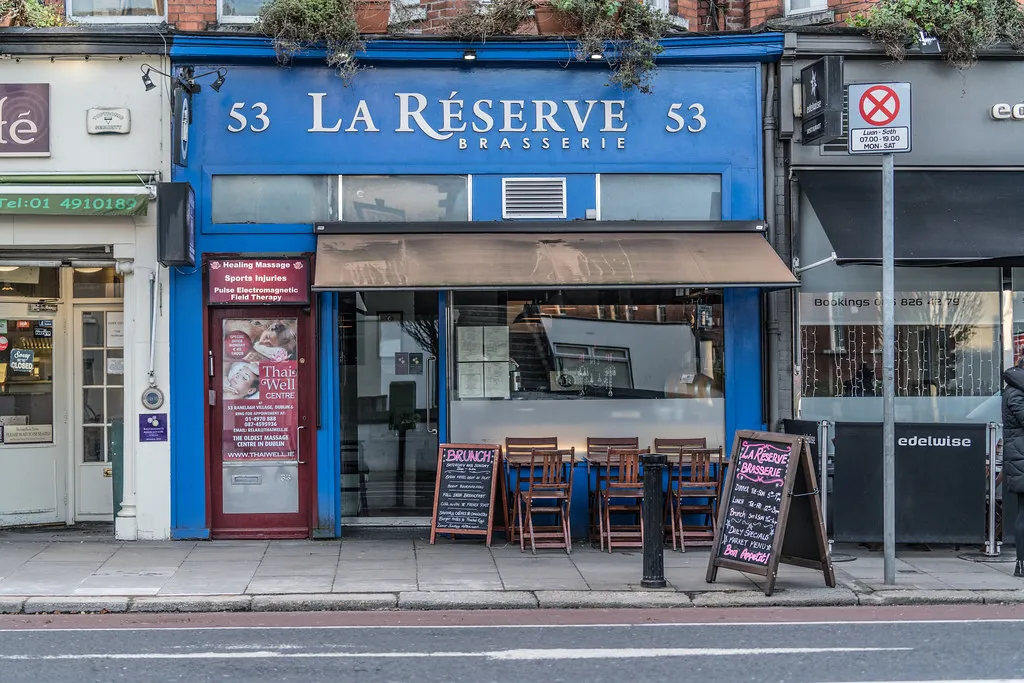
Resy’s Hit List released the ten restaurants that defined Charleston dining in 2024, with Lowland at 36 George Street taking the top spot, followed by Legami, XO Brasserie, and Taverna. These aren’t historic institutions riding decades of reputation. Several are relatively young restaurants that earned their place through quality alone.
These restaurants showcase a level of quality, intimacy, engagement, and food quality that have set a standard for the Lowcountry culinary scene. The diversity of the list is also notable. It ranges from Italian to barbecue to Filipino-influenced Lowcountry, reflecting a city that’s cooking with real range.
The State’s Chef Ambassador Program Is No Accident
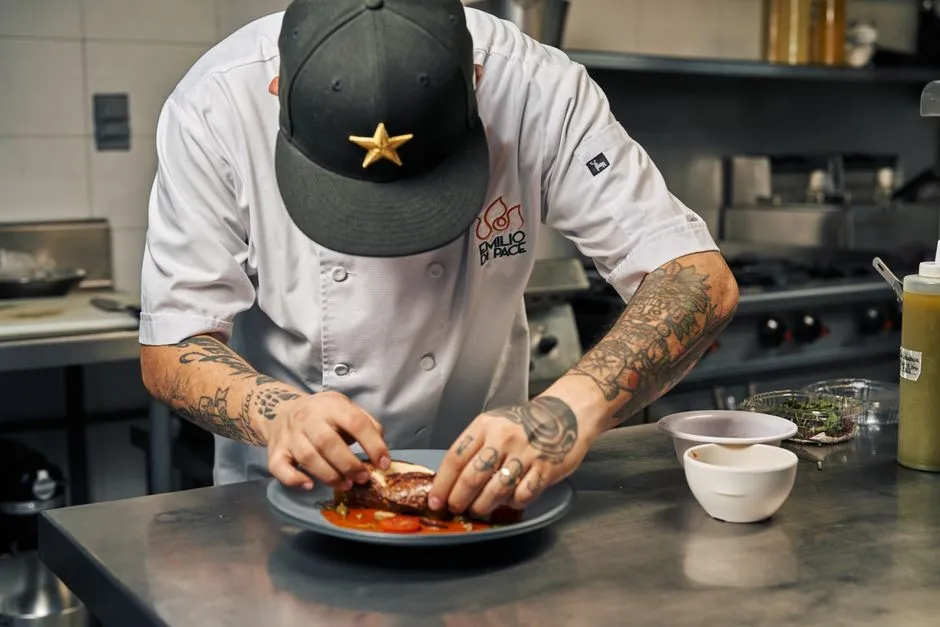
South Carolina’s Governor Henry McMaster selected chefs from Charleston, Myrtle Beach, and Greer to represent the state as 2026 Chef Ambassadors, with those chefs tasked to represent the state through food festivals and community-driven events to highlight the state’s culinary traditions, agricultural heritage, and undiscovered places.
According to the governor’s office, the chefs were selected for their support of homegrown farmers by using certified South Carolina products, including produce, meats, dairy, and seafood. That kind of top-down institutional support for local food culture signals a state that understands its culinary identity is also an economic asset worth protecting.
South Carolina’s Tourism Economy Is Now Built Around Food
Tourism in South Carolina brings in more than $31 billion annually, making it a major economic driver, especially along the coast, which accounts for roughly two-thirds of the state’s total tourism impact. A significant portion of that spend flows directly into restaurants and food experiences.
Pinterest’s annual 2024 Summer Travel trends report identified that many travelers are specifically searching for a destination followed by the word “food” when deciding where to travel. South Carolina, particularly Charleston, is increasingly showing up in exactly those searches. The broader culinary tourism market is projected to increase from $1.1 trillion in 2023 to $6.2 trillion in 2033, and the state is well-positioned to capture a growing slice of that.
A Foodie Travel Market That’s Global in Scope
Some of the world’s best-known chefs and sommeliers live, work, and hone their craft in the South. Charleston, in particular, has developed a pipeline that pulls talent to the city. Young cooks are actively choosing to plant roots there rather than chasing opportunities in larger coastal metros.
New Orleans topped Time Out’s list as the best city for food in 2025 globally, which keeps Louisiana firmly in the national conversation. Still, an impressive 93 percent of New Orleans locals rated their city highly for restaurants and dining out. By comparison, the Charleston surge is being driven largely by visitors arriving specifically for the food, suggesting that its culinary reputation is spreading well beyond state lines. That’s a meaningful distinction.
What Makes South Carolina Different From Every Other Contender
Savannah, Georgia, is considered one of the best food cities in the USA, featuring a sublime lineup of restaurants and dishes that pay homage to traditional Lowcountry food. Savannah and Charleston share a culinary DNA rooted in coastal Lowcountry tradition. The difference is that South Carolina, with Charleston at its center, has added institutional momentum: governor-appointed chef ambassadors, a university-level tourism analysis office tracking culinary spending, and a festival calendar explicitly built to attract food travelers.
There has been impressive growth of the culinary scene in South Carolina over the past ten years, allowing the state to diversify its portfolio of offerings using local ingredients. Growth over a decade is more durable than a single viral moment. It suggests a foundation, not a trend.
The Quiet Case for South Carolina
South Carolina has never been the loudest voice in the room about its own food. That restraint may actually be working in its favor. The chefs, the rankings, the festivals, and the visitor data have all been speaking clearly while the state quietly built something genuine.
The numbers from 2024 and 2025 aren’t soft indicators of a food scene that might emerge someday. They’re the record of one that already has. The question for visitors is less whether South Carolina belongs in the conversation and more how long it stays overlooked before the rest of the country catches up.
AI Disclaimer: This article was created with the assistance of AI tools and reviewed by a human editor.