
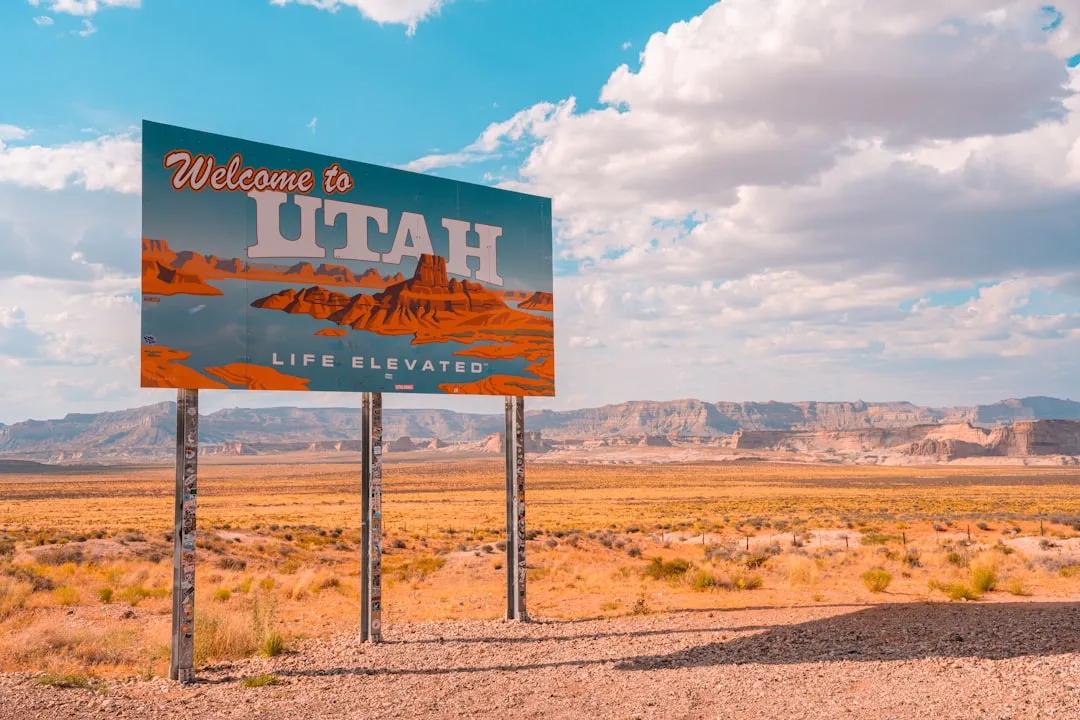

There’s something happening in the desert. While Zion’s shuttle lines stretch for blocks and Arches parking lots fill before sunrise, a quieter revolution is unfolding a few miles off the main road. Travelers who’ve done the national park circuit are circling back to Utah, this time looking for the version that doesn’t come with a crowd.
The destination drawing their attention is Little Wild Horse Canyon, tucked inside the San Rafael Swell in central Utah, not far from Goblin Valley. Little Wild Horse and Bell Canyons is one of the most popular slot canyons in Utah. Yet most casual visitors still don’t know it exists. That gap between reality and reputation is exactly what makes it worth talking about.
Utah’s Tourism Numbers Tell a Complicated Story
Utah welcomed 13.7 million visitors in 2024, with more than 717,000 being international tourists and the remainder domestic travelers. That’s a massive draw for one state. Tourism in Utah generated $13.3 billion in visitor spending in 2024.
Still, the famous parks are beginning to show cracks under the pressure of their own popularity. Zion’s visitation held steady, going from 4.95 million visits in 2024 to 4.98 million in 2025, retaining its title as the second most visited national park in the country. Those numbers are extraordinary, and they explain why a growing number of experienced travelers are actively seeking the road less taken.
The Famous Parks Are Feeling the Strain
More than 11 million people visited Utah’s “Mighty Five” national parks in 2024, a five percent increase over the previous year. National park visitation in the state actually grew a full 100 percent between 2005 and 2024. That doubling of foot traffic over two decades has left some iconic trails feeling more like theme park queues than wilderness escapes.
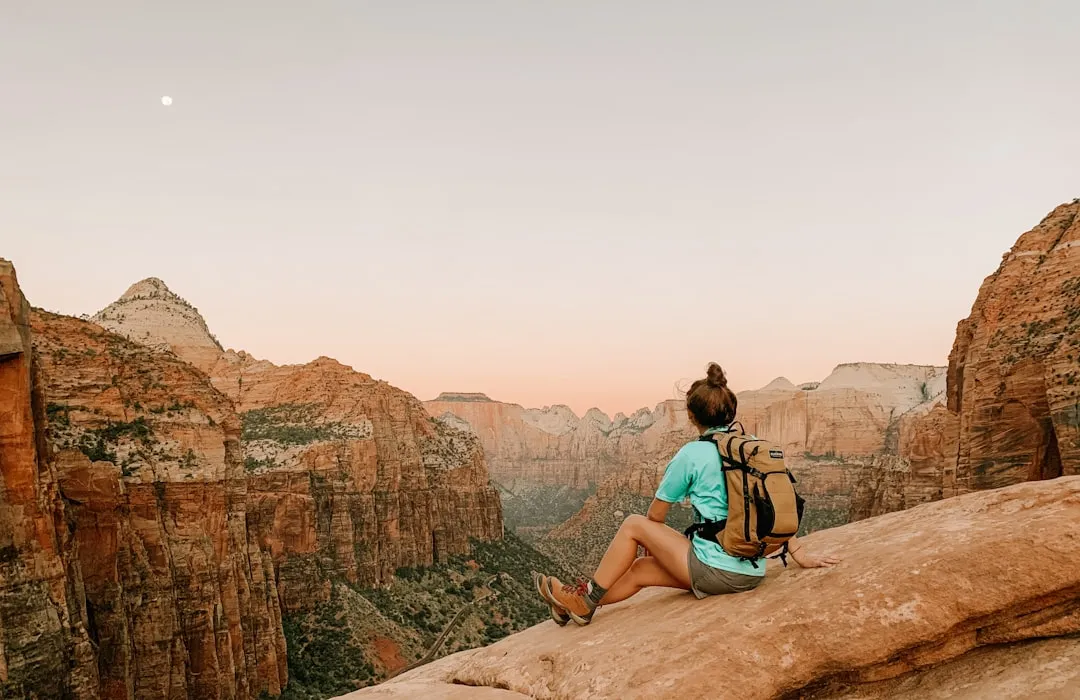
Utah is home to some of the most surreal landscapes in the United States, but the Mighty 5 national parks only scratch the surface. The state’s real magic lies in the lesser-known backcountry, including slot canyons, remote overlooks, and desert wilderness that sees a fraction of the crowds. That framing has become a rallying point for a new wave of adventure-oriented visitors who want the spectacle without the shoulder-to-shoulder scramble.
What Exactly Is Little Wild Horse Canyon?
Little Wild Horse and Bell Canyons are within the Muddy Creek Wilderness in Emery County, Utah. Visitors can explore the canyons on an eight mile loop trail that takes close to four hours to complete. The hike threads through two distinct slot canyons, each with its own character and feel.
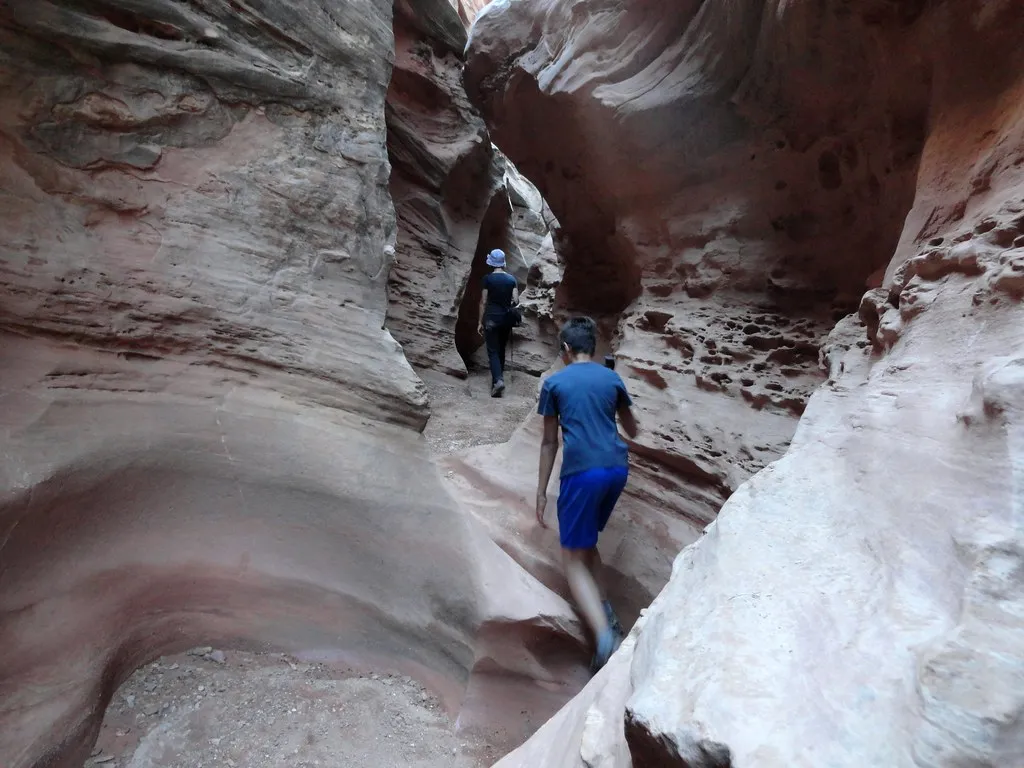
Little Wild Horse Canyon is one of the most thrilling slot canyons in Utah. With tight passageways, curving, scalloped walls, and short sections of easy rock scrambling, this hike is fun for both kids and adults. This is not a technical route, there is some scrambling involved, but the hike is suitable for virtually anyone in average physical condition. It makes a great introduction to the sport of canyoneering.
The Geology That Makes It Unforgettable
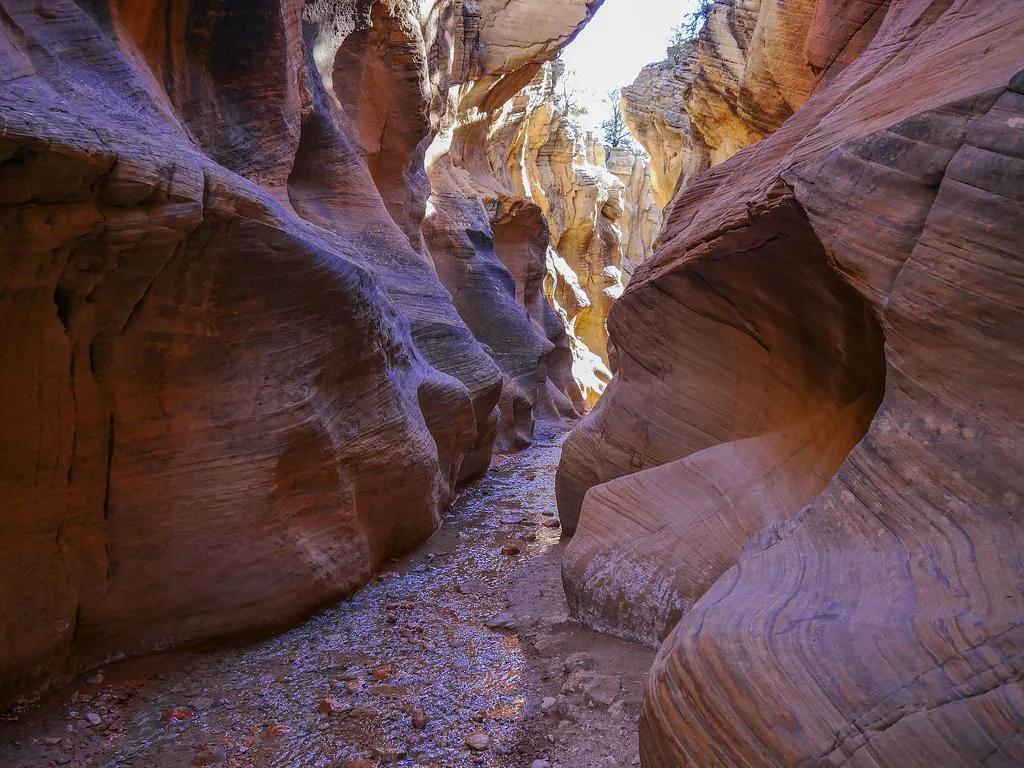
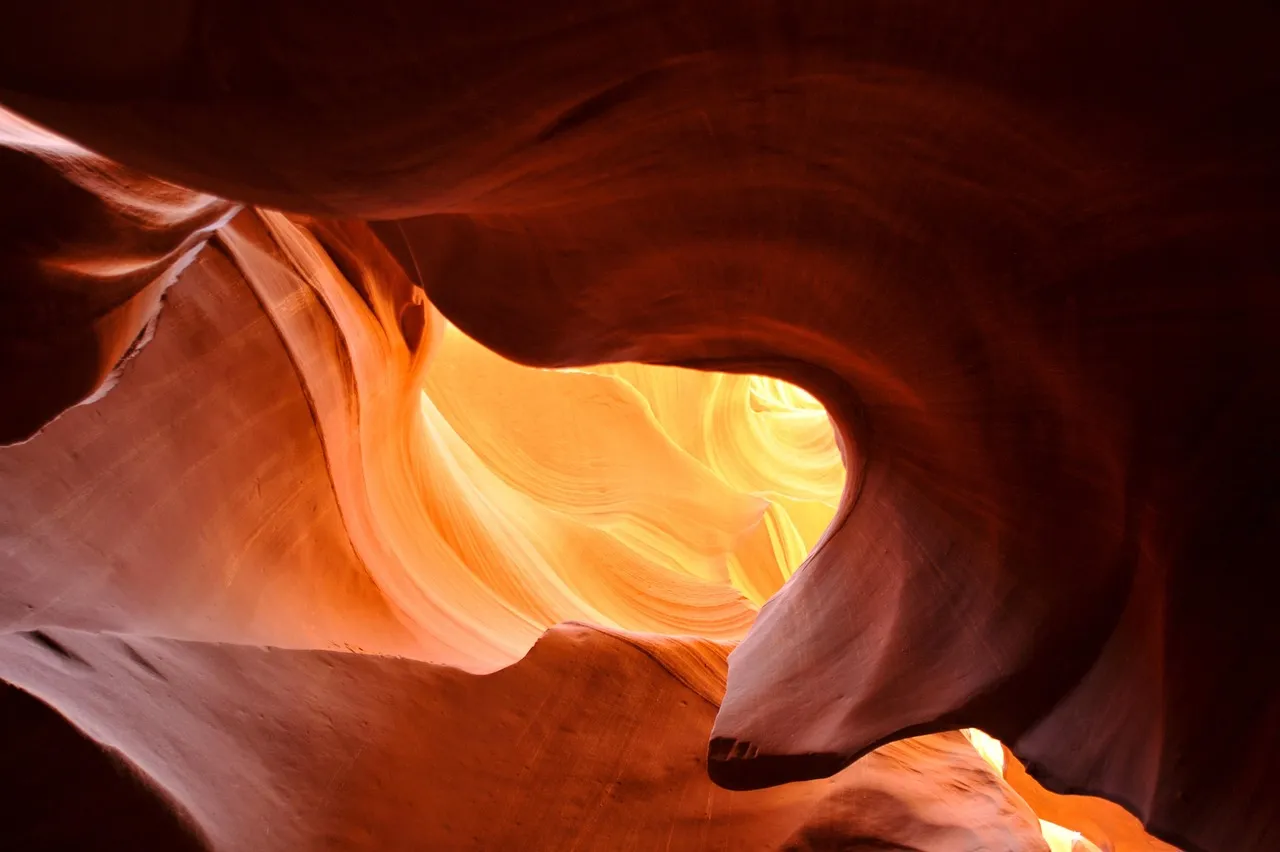
Slot canyons are natural rock passageways with all different colors of red, yellow, pink, and purple, and some of them are so tight and awkward you have to walk sideways or crawl, like a playground for grownups. Little Wild Horse is a prime example of this phenomenon. The walls tell a geological story spanning millions of years, carved smooth by water and time into organic, flowing shapes that photographs somehow never fully capture.
There are more than 1,000 slot canyons in the desert of Utah, which actually has the highest concentration of slot canyons in the world. That’s a remarkable statistic, and it helps explain why Utah keeps pulling people back. Little Wild Horse sits among the finest examples of that ancient craft, the kind of place geologists and casual hikers both find genuinely jaw-dropping.
Accessibility Sets It Apart From Other Hidden Gems
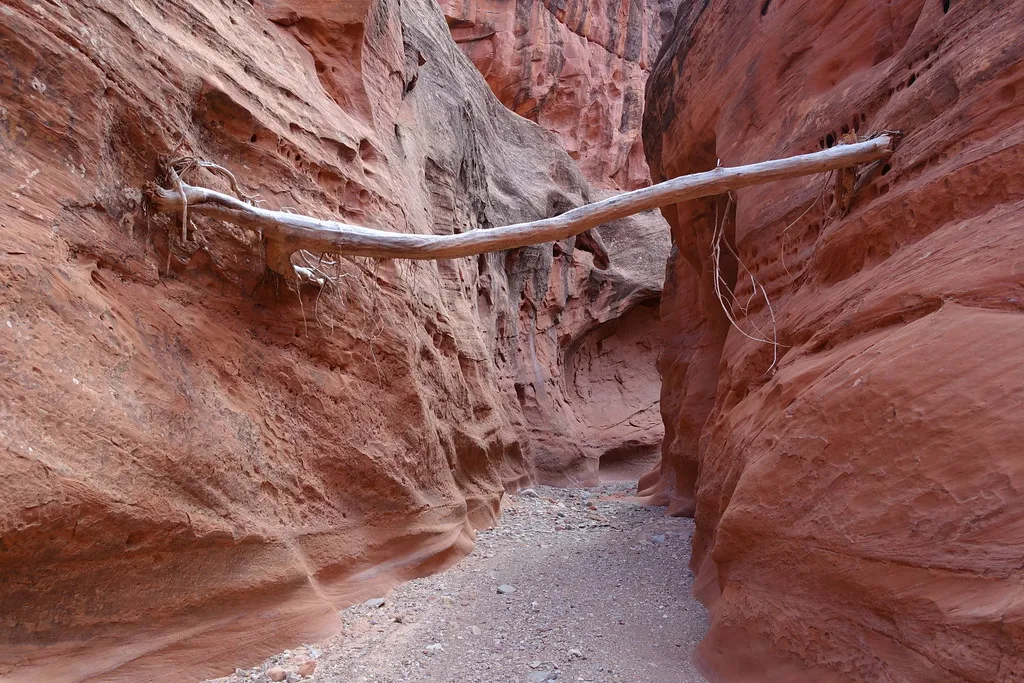
This route takes you through two very photogenic slot canyons: Little Wild Horse Canyon and Bell Canyon. The canyon route does not require technical gear or training. There are a few sections of scrambling. That combination is rarer than it sounds. Many of Utah’s best canyons demand ropes, harnesses, or technical canyoneering skills.
The trailhead has parking, a vault toilet, trail register, and information kiosk. The trailhead can usually be reached by a two-wheel drive vehicle. No permit lottery, no shuttle reservation, no high-clearance requirement under normal conditions. For families planning a road trip, that matters enormously.
The Nearby Escalante Canyons Are Also Drawing Attention
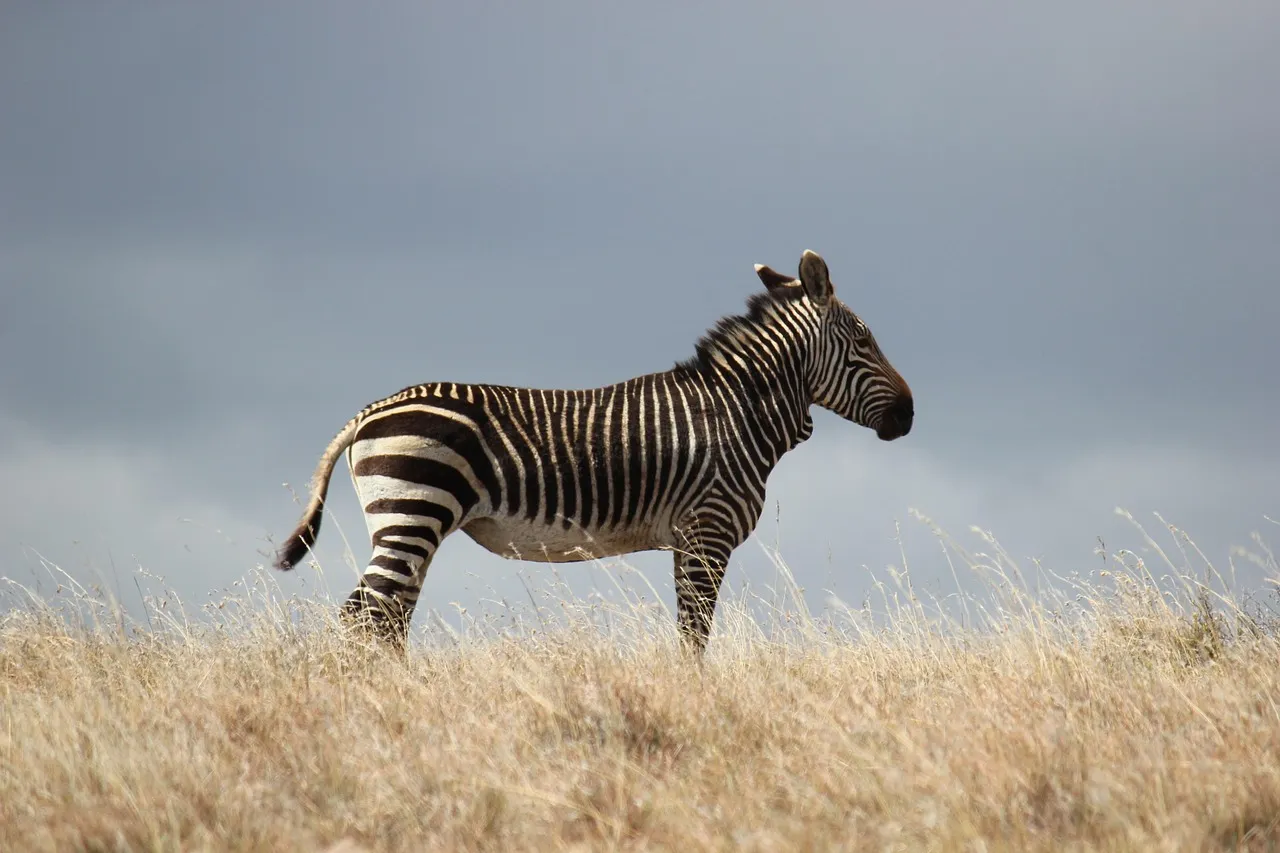
Little Wild Horse isn’t the only hidden canyon finding its moment. Further south, Zebra Canyon inside Grand Staircase-Escalante National Monument has quietly become a favorite among dedicated hikers. Zebra Canyon, nestled within Utah’s Grand Staircase-Escalante National Monument, presents a captivating four-mile loop hike through a landscape that feels almost otherworldly. The canyon’s defining feature is its vibrant pink and white striped sandstone walls, a testament to the region’s complex geological history.
Grand Staircase-Escalante National Monument is a vast area located in southern Utah, covering nearly 1.9 million acres of diverse landscapes, including cliffs, canyons, plateaus, and badlands. The land is among the most remote in the country; it was the last to be mapped in the contiguous United States. That remoteness is precisely the draw for a generation of travelers growing tired of algorithmically optimized experiences.
Safety Is the Non-Negotiable Part of This Conversation
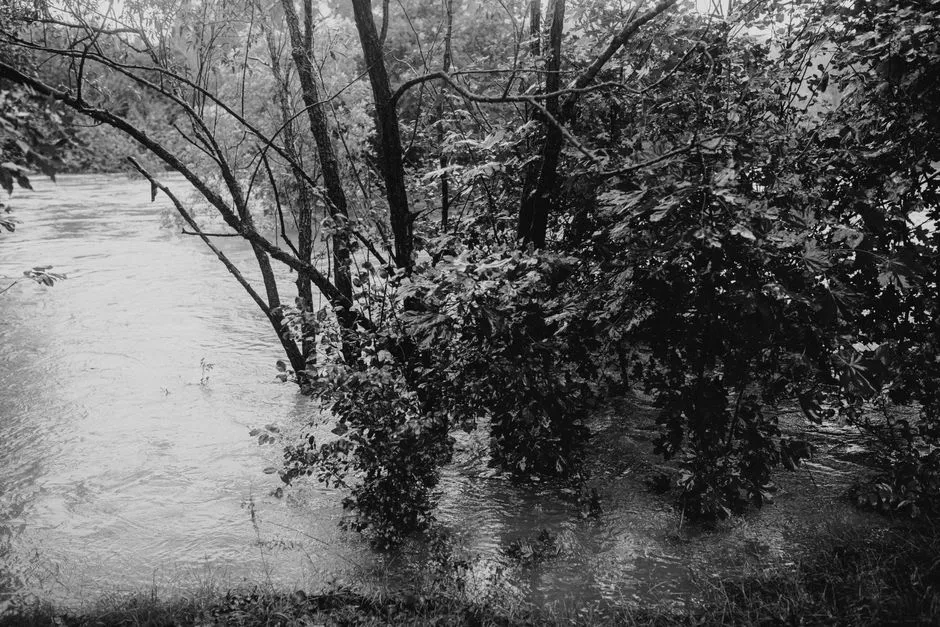
Visitors should check the weather before visiting Little Wild Horse Canyon and avoid the area if there is potential for rain. The canyons have extreme potential for flash floods. This is not a guidebook caveat to skim over. Flash floods in slot canyons move with terrifying speed, and the canyon’s narrow walls leave no escape route.
Check weather forecasts not just for your location but for the entire drainage area upstream. Even if it’s sunny where you are, rain 20 miles away can create flash floods in minutes. Never enter slot canyons when rain is forecasted. Experienced guides and rangers consistently emphasize this point. The canyon rewards preparation and punishes indifference. Come ready, or don’t come at all.
Timing Your Visit Makes All the Difference
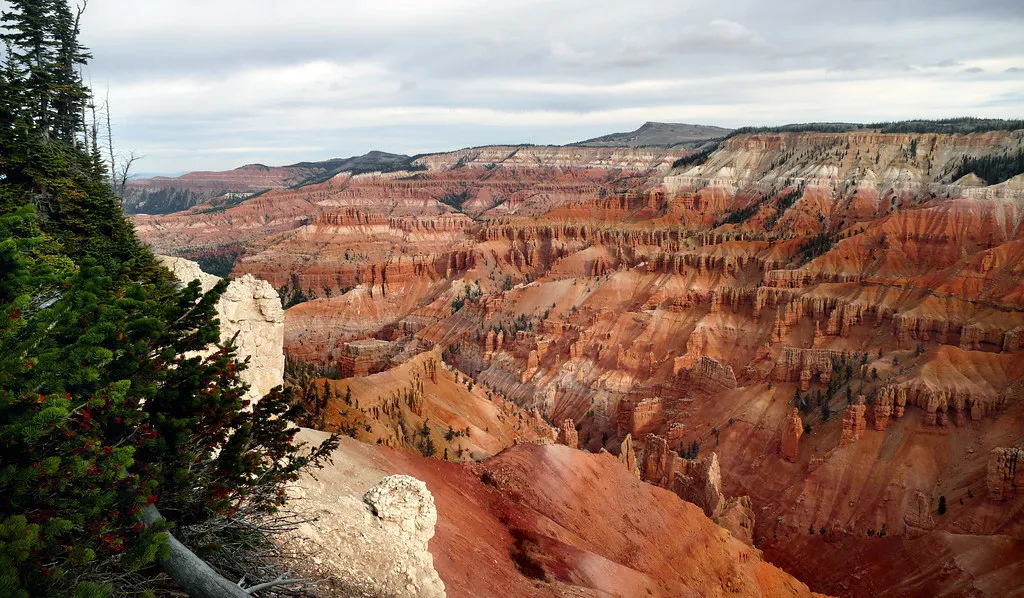
The best time to visit Utah is generally from April to June and from September to October, when the weather is mild, skies are clear, and outdoor conditions are ideal for exploring national parks and scenic landscapes. Little Wild Horse follows that same seasonal logic. Spring often brings shallow pools inside the canyon from snowmelt, adding a visual element to the hike.
Fall provides pleasant weather, colorful foliage, and fewer crowds, making it a great time for outdoor adventures. Spring and fall are ideal times to hike Little Wild Horse Canyon. The weather is usually dry, and temperatures are mild during these seasons. Showing up in July midday is technically possible, but not especially enjoyable given the desert heat radiating off sandstone walls that have been baking since dawn.
The Broader Shift: Travelers Seeking Less-Crowded Alternatives
The interest in canyons like Little Wild Horse reflects something broader happening in American travel behavior. Among Utah visitors, travel party spend averaged $1,022 in 2024, which was $228 more than the prior year. People are spending more per trip, staying longer, and increasingly asking what else is out there beyond the headlining parks.
Most travelers to Utah arrived in their own vehicle, at roughly 71 percent, while 18 percent flew to their destination. That road-trip orientation naturally lends itself to detours, and Little Wild Horse sits just minutes off the route between Moab and Capitol Reef. The Little Wild Horse and Bell Canyon loop is located in the San Rafael Swell, just a ten minute drive from Goblin Valley. Both places can be combined into a full day adventure, which you can do as a day trip from Moab or when driving between Moab and Capitol Reef National Park.
Why This Canyon Keeps Winning Over Skeptics
Visitors who arrive expecting something modest tend to leave surprised. As one hiker noted, their two teenage boys actually liked Little Wild Horse Canyon better than anything on a tour of Utah’s Mighty Five national parks. So unique and beautiful, unlike anything else on the trip. That reaction isn’t unusual. The intimacy of the canyon walls creates an intensity that open-sky scenery simply can’t match.
If you only do one hike in the San Rafael Swell, Little Wild Horse should be the one. For the San Rafael Swell, Bell and Little Wild Horse is the standout. It is hands down the most popular hike in the area. Word of mouth like that is what ultimately moves destinations from obscurity to the travel bucket list. The canyon doesn’t advertise. It doesn’t need to.
Conclusion: The Canyon Was Always There
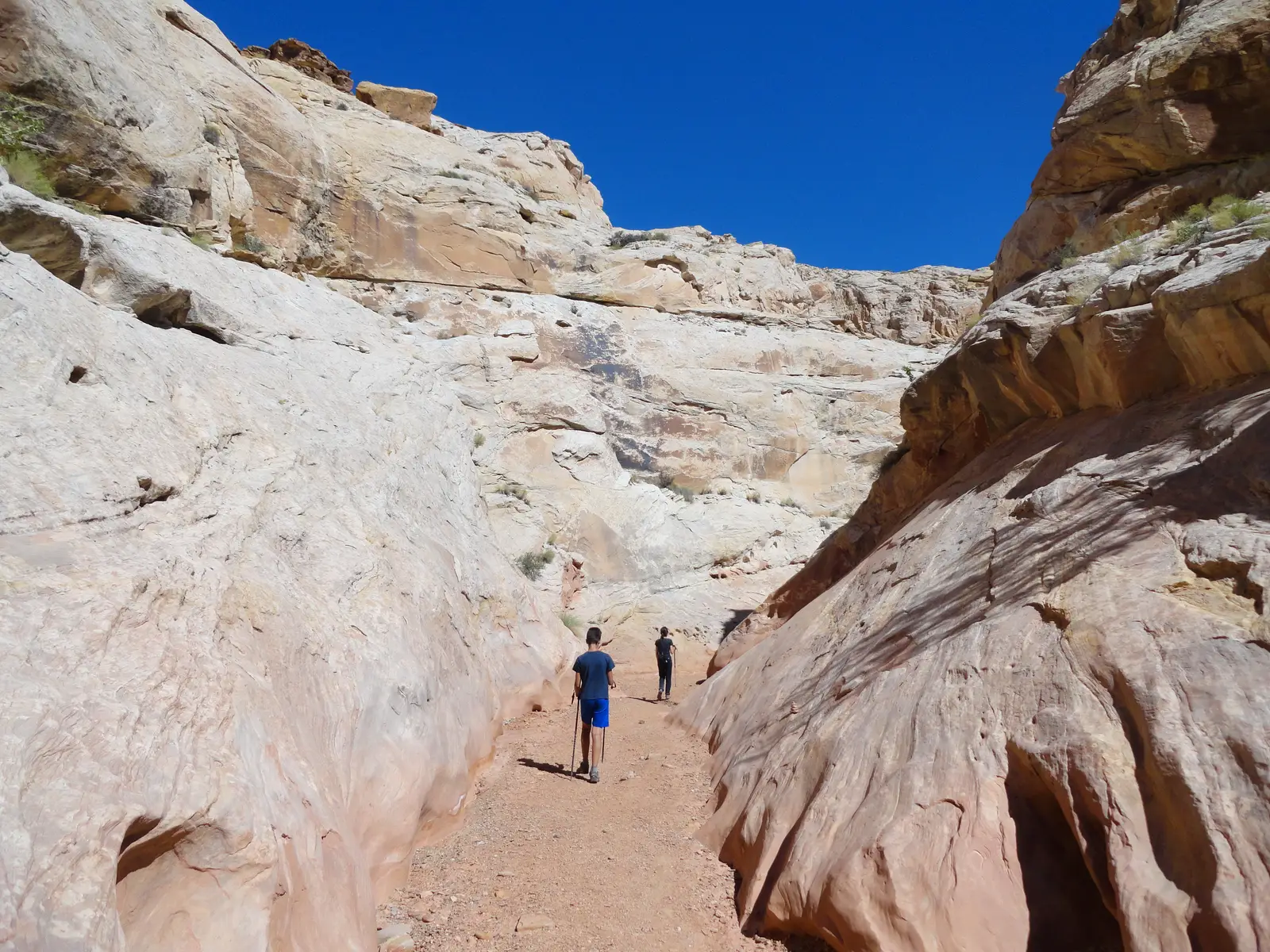
Little Wild Horse Canyon hasn’t changed. The walls are the same ancient sandstone, the light still pools at the same angles, and the passages are no wider than they were a generation ago. What changed is the traveler. More people are now willing to veer off the itinerary, skip the shuttle line, and drive a dirt road to find something that feels genuinely theirs for a few hours.
Utah’s backcountry has always held this kind of experience in reserve. The Escalante Canyons area is the most popular area of Grand Staircase-Escalante, especially among hikers. Active waterfalls, arches, riparian oases, sculpted slickrock, and narrow canyons are part of the appeal of hikes through Escalante’s backcountry. The real discovery isn’t a new canyon. It’s a traveler finally ready to look for it.
AI Disclaimer: This article was created with the assistance of AI tools and reviewed by a human editor.