
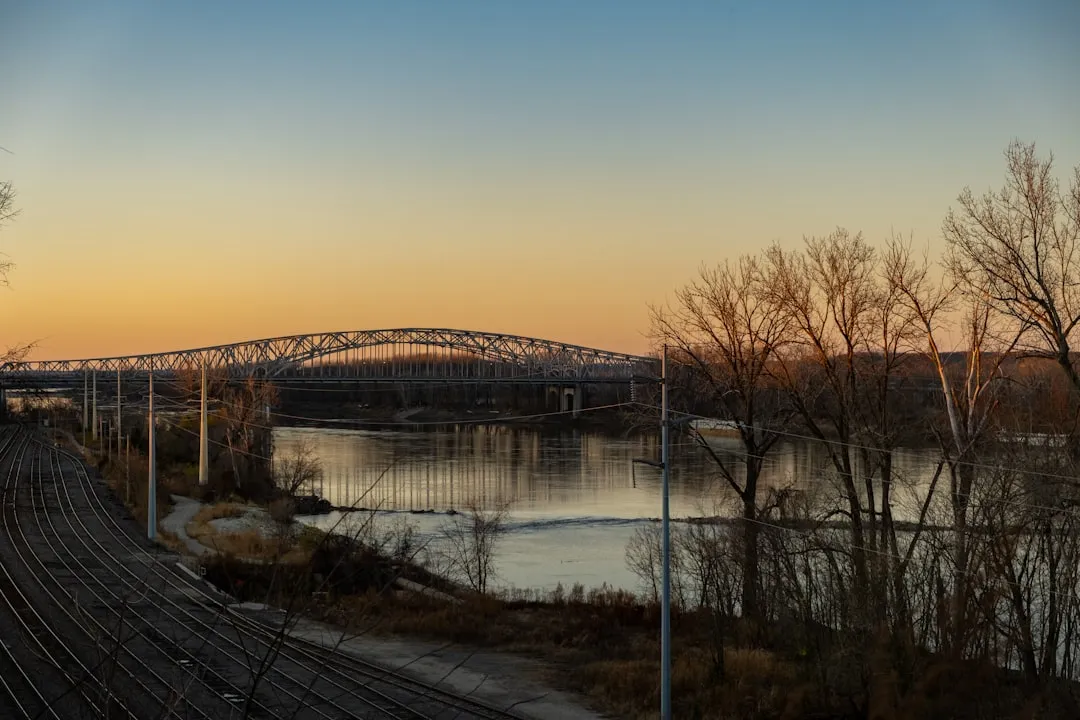

Most people picture dusty highways through California rolling hills when they think about a proper wine country getaway. The cost, the crowds, the parking lots that somehow charge more than the tasting itself. What tends to get overlooked is that some of the most genuinely scenic and affordable wine country in the country sits squarely in the American Midwest, and it has been quietly earning serious credibility.
Often overlooked as a wine destination, the Midwest boasts diverse terroirs that give rise to distinct and delicious wines. Whether you’re chasing bluff-top views above the Missouri River or exploring a forest-wrapped vineyard in southern Illinois, the Heartland has more to offer than most travelers expect. Here’s a closer look at what makes this wine country worth the trip.
The Shawnee Hills Wine Trail: Illinois’s Best-Kept Secret
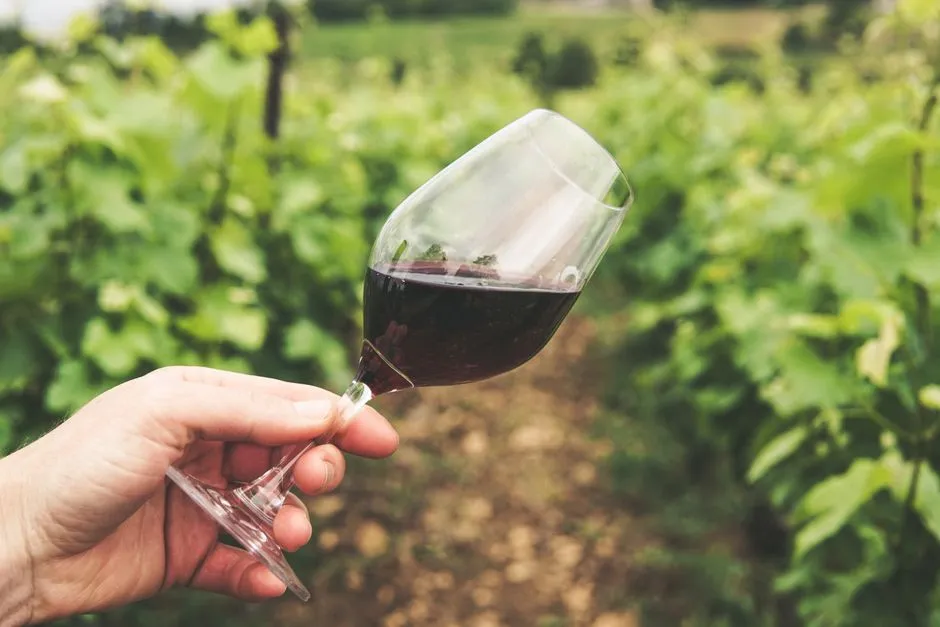
The Shawnee Hills Wine Trail features 11 award-winning wineries located along a 35-mile scenic drive along highway 127 and highway 51 in the Shawnee National Forest. That alone sets it apart from most wine trails in the country. You’re not driving through suburbs or strip malls between stops.
Shawnee Hills has become one of the most established wine regions in the Midwest. The Shawnee Hills Wine Trail, created in 1995 with three winery members, was the first in the state. Since then, it has grown steadily, and the quality has followed.
Recognized for the quality of its wines, the trail as a whole took home 7 of the top 11 awards at the 2024 Illinois Wine Competition. That kind of competition record isn’t built on regional loyalty. It’s built on good wine.
Missouri’s Hermann Wine Trail: History You Can Taste
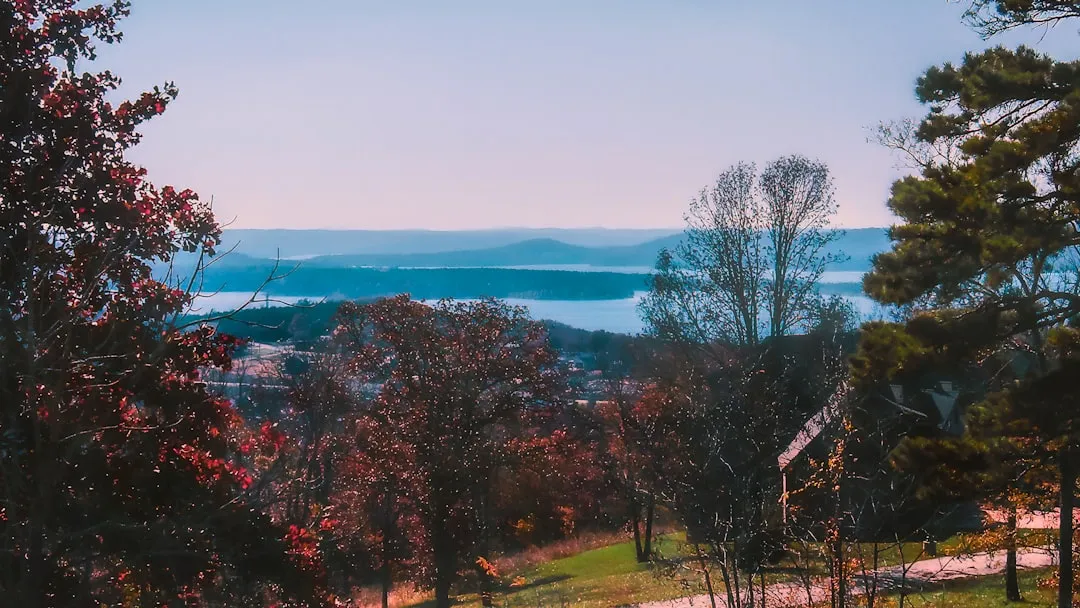
Winding through some of the prettiest scenery in Missouri, the Hermann Wine Trail meanders for some 30 miles along the Missouri River between Hermann and New Haven. Nestled along the trail are seven charming family-owned wineries. Each one carries its own personality, from working farm operations to stone-cellared historic estates.
The story of Missouri wine began in the mid 1800s when German settlers established the town of Hermann on the banks of the Missouri River. The settlers found the soil to be too rocky for many crops, but perfect for growing wine grapes.
Hermann’s wineries sell nearly 200,000 gallons of wine each year, which is about one-third of the state’s total. That’s a staggering output for a small town, and it tells you something about how deeply wine culture is woven into this place.
Augusta, Missouri: America’s Very First Wine Region
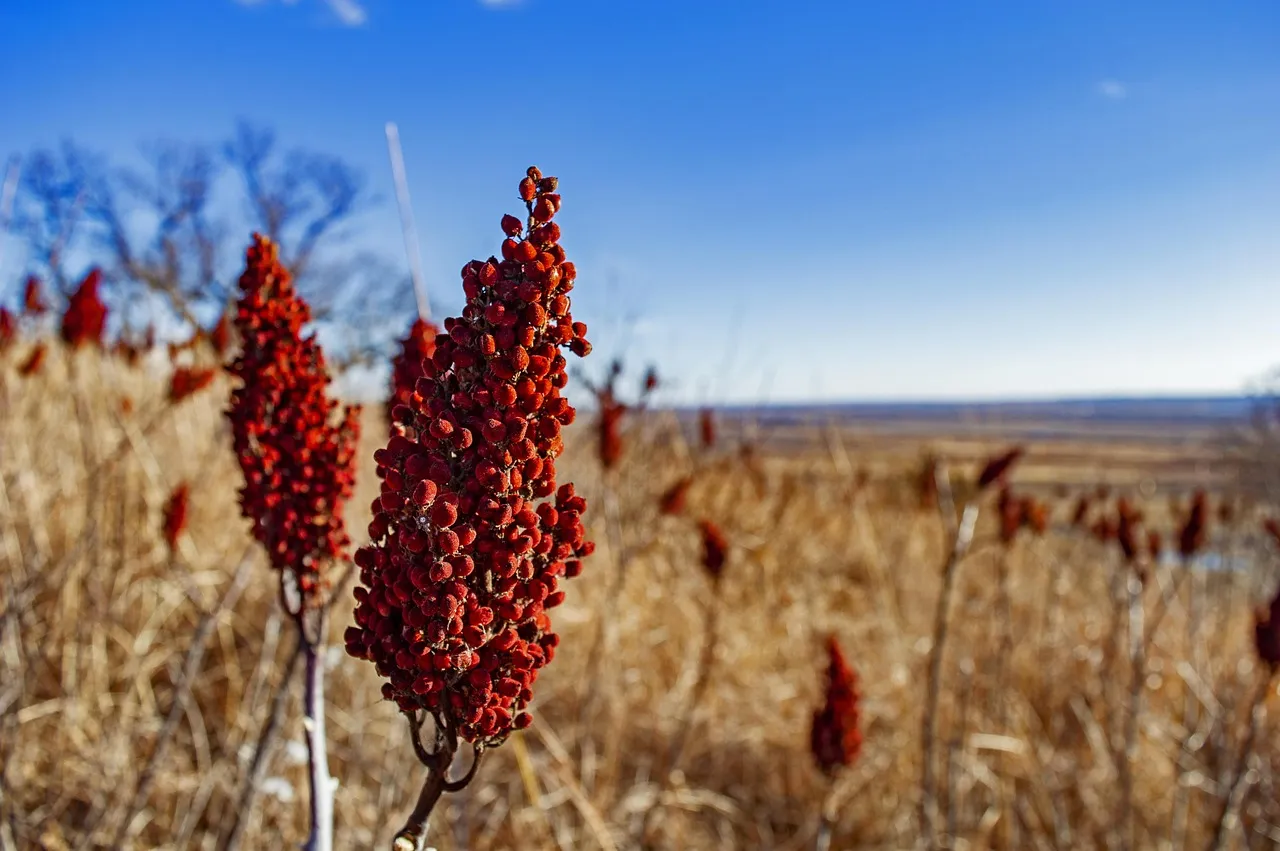
Officially the first wine region in America, Augusta, Missouri was awarded the federal government’s premier American Viticultural Area designation. It even beat Napa and Sonoma to the punch. That fact surprises most visitors, and it’s the kind of thing that makes you rethink everything you assumed about Midwest wine.
The Augusta Wine Trail was created to celebrate our shared location in the Augusta AVA, which was the first designated grape-growing area in the country. When German settlers first arrived to this region in the 1800s, it reminded them of everything they loved about their homeland. The sweeping vistas of the Missouri River valley, the Osage Ridge with its tree-covered slopes.
With over 875,000 wine-related tourists visiting the over 130 wineries in Missouri, the state is no longer a niche stop for curious travelers. It’s a genuine wine destination with the infrastructure to match.
The Views Along the Great River Road Wine Trail
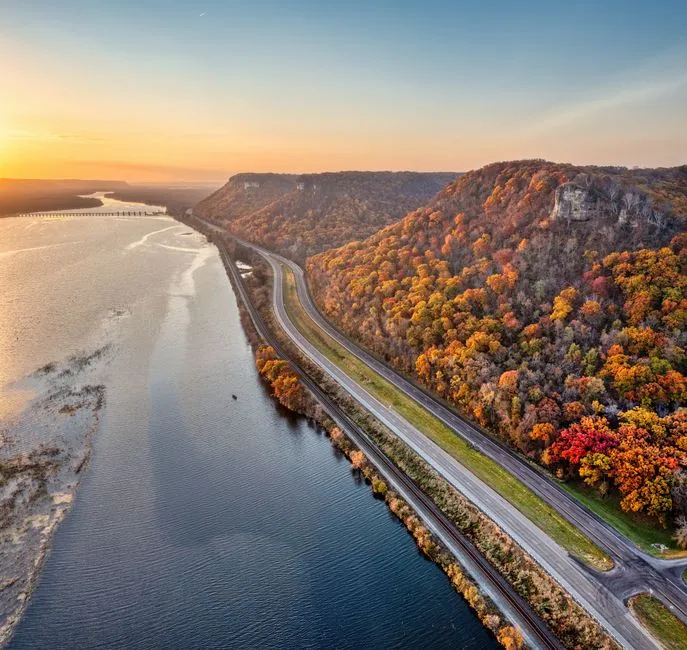
If you only have time to explore one Midwest wine trail, let it be the Great River Road Wine Trail. This trail gives you a unique opportunity to taste wines made in Minnesota, Wisconsin, and Iowa. Three states worth of flavor in a single road trip is a compelling case on its own.
It features eleven different wineries along the Upper Mississippi River. Combine it with a scenic drive along the Great River Road, and you have a genuinely stunning Midwest vacation in the works.
River bluff views along this stretch can rival anything you’d find on the Pacific Coast Highway, particularly during fall foliage season. The catch is that most travelers simply don’t know it exists.
Door County, Wisconsin: The Cape Cod of the Midwest
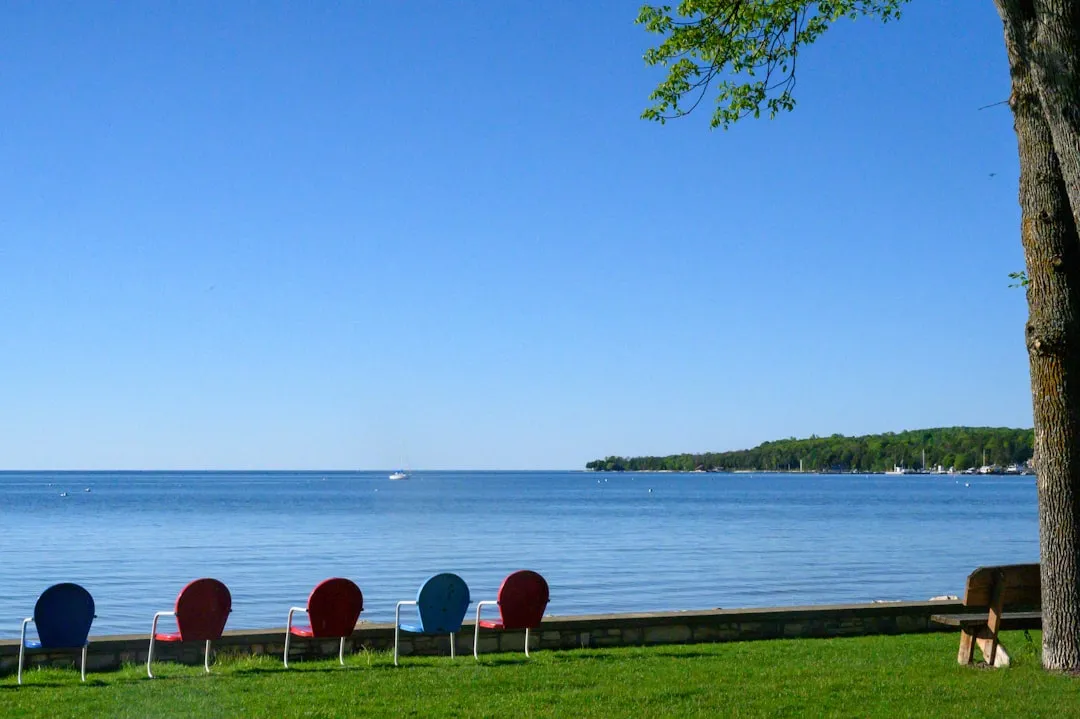
In Wisconsin’s Lake Michigan peninsula, eight wineries make up the Door County Wine Trail that takes visitors through the “Cape Cod of the Midwest.” Boasting the same latitudinal planes as the wine regions of Burgundy and Bordeaux, Door County’s established wine scene offers traditional varietals as well as sweet fruit wines to accommodate every palate.
Located on a scenic peninsula in eastern Wisconsin, Door County is loaded with wineries that specialize in cherry and fruit wines. It’s stunningly beautiful, especially during the fall, and offers an authentic, enriching experience.
Door Peninsula Winery is the region’s largest and best-known winery, offering tastings, tours, and a shop with local gourmet products and wine-themed gifts. It also operates a distillery that produces vodka, gin, brandy, and whiskey. For travelers who want more than just wine, that’s a meaningful bonus.
What Midwest Grapes Actually Taste Like
The region’s cool climate and glacial soils create ideal conditions for growing grapes like Riesling, Chardonnay, and Pinot Noir, but you’ll find a remarkable depth and style to the wines along each of these Midwest trails. The terroir is genuinely different from California, and that’s the point.
Many Midwest wineries must use 100% Illinois-grown grapes, with residual sugars below three percent. Most use Chambourcin grapes, while others are blends, using the French-American Frontenac grape, Marquette, or Niagara grapes. These varieties are cold-hardy and expressive in ways that classic Cabernet Sauvignon simply can’t replicate in a continental climate.
Missouri also grows the Norton grape, considered the finest native American grape variety and a legitimate point of regional pride. It produces deep, tannic reds that wine educators increasingly cite as a serious example of American viticulture.
Affordable Tastings That Won’t Break the Budget

One of the most practical advantages of Midwest wine trails is the cost. Tasting fees at many stops remain genuinely low. At Pomona Winery on the Shawnee Hills trail, a $4 tasting covers about 10 wines, which puts the price-to-pour ratio well ahead of anything you’d find in Sonoma or Napa.
Many stops across Missouri and Illinois keep their tasting fees in the single-digit to low double-digit range, and it’s common for fees to be waived with a bottle purchase. That’s a hospitality model that larger wine regions have largely abandoned.
The overall travel budget also tends to be far more manageable. Accommodation, dining, and even gas costs are considerably lower in these regions than in Northern California, giving you more to spend on the wines themselves.
BlueSky Vineyard and the Power of a Good View
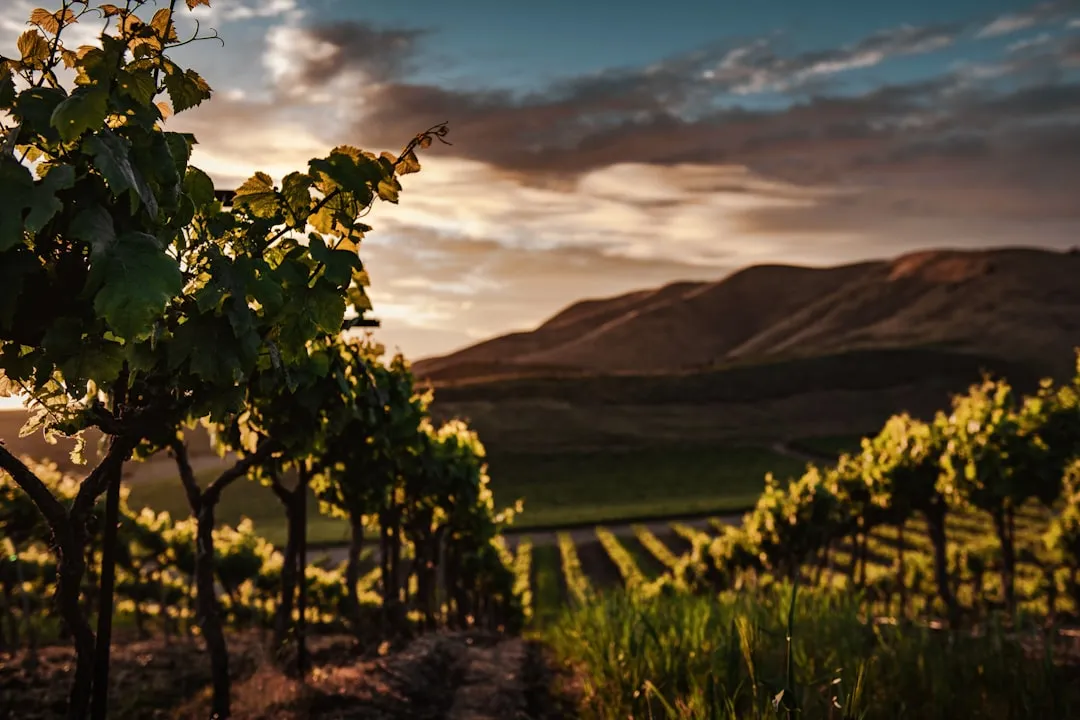
On 13 acres of vineyards, BlueSky Vineyard’s estate has stunning views of Shawnee National Forest, a tranquil pond, and a waterfall. The tasting room is designed with stucco walls, hand-hewn beams, Portuguese tiles, and intricately carved doors. BlueSky Vineyard is a haven for wine enthusiasts and a popular destination for special events.
In addition to its award-winning wines, BlueSky Vineyard provides live music, ample indoor and outdoor seating, scenic views, and a selection of non-alcoholic beverages. It’s the kind of stop where you arrive planning to spend an hour and leave two hours later.
The Eclipse Crossroads, an estate-grown bubbly rosé created to honor the 2024 Total Solar Eclipse, became a standout pour for visitors at BlueSky. That’s exactly the kind of locally rooted, moment-specific winemaking that makes small regional wineries worth seeking out.
Beyond the Wine: What Else These Trails Offer
Outdoor lovers can find limitless opportunities to explore the Shawnee National Forest alongside the wine trail. Visitors can go hiking, horseback riding, and exploring popular tourist spots like the Garden of the Gods and the Little Grand Canyon. Wine tasting with a side of canyon hiking is not something Sonoma typically offers.
The Hermann Wine Trail hosts six annual wine and food events throughout the year, including the Chocolate Wine Trail in February, Farmers’ Table Wine Trail in April, Wild Bacon Wine Trail in May, Berries and BarBQ Wine Trail in July, Holiday Fare Wine Trail in November, and Say Cheese Wine Trail in December. There’s something deliberately festive about this calendar approach that keeps repeat visitors coming back.
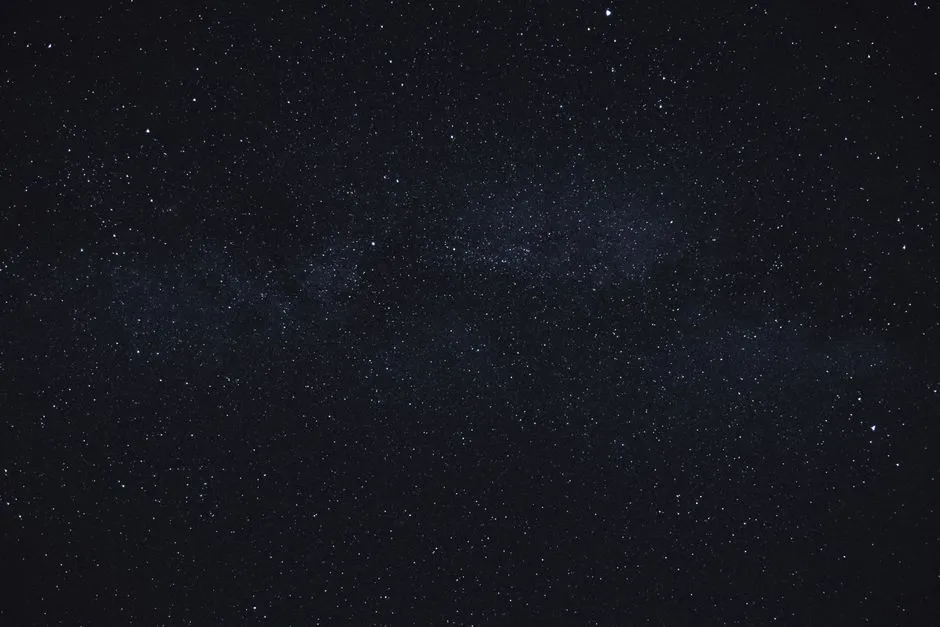
After the last tasting, a different experience awaits. The region’s lack of light pollution reveals a sky brimming with stars you’ve only seen in pictures. That quiet detail captures something California wine country, with all its traffic and development, can rarely promise anymore.
Why the Midwest Wine Scene Is Gaining Serious Momentum
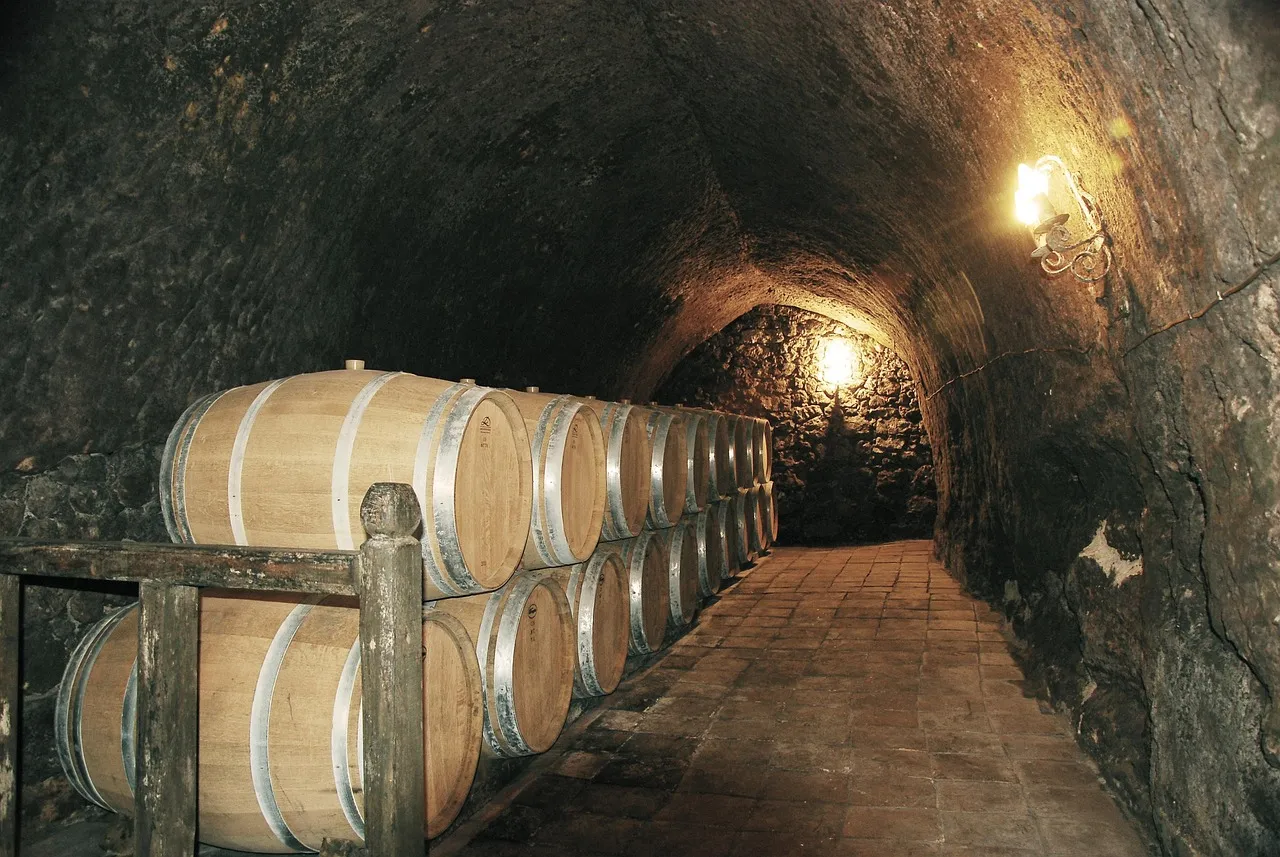
More than 90 years after Prohibition, the wine industry thrives in Missouri thanks to the grit and determination of growers, with more than 125 wineries throughout the state. About 40 of the wineries have joined together to form Missouri’s seven wine trails. That level of coordination signals a regional industry that has matured beyond novelty.
Twenty American Viticultural Areas are spread across the Midwest’s 12 states. That means the government’s Alcohol and Tobacco Tax and Trade Bureau has established 20 specific grape-growing regions within the Midwest, including the first AVA designated in the country. Federal recognition at that scale is not a small thing.
The Midwest wine trail experience isn’t a consolation prize for travelers who can’t afford Napa. It’s a different thing entirely: quieter, more personal, and rooted in agricultural history that actually predates California’s wine fame by decades. The views are real, the prices are honest, and the welcome tends to feel like it means something.
AI Disclaimer: This article was created with the assistance of AI tools and reviewed by a human editor.