


Most travelers passing through southwest Virginia stay glued to I-81, window down, watching the Blue Ridge slide past without stopping. That’s a reasonable thing to do. There are a lot of miles between exits. But tucked about eight miles off that interstate, down a winding mountain road through Smyth County, sits a town that has quietly been drawing a very particular kind of visitor: the kind who gets genuinely excited about Ice Age megafauna, Civil War saltworks, and prehistoric geology all in the same afternoon.
That town is Saltville, Virginia. It’s small, unhurried, and almost entirely overlooked. Which, depending on your travel style, is exactly the point.
A Town Built on Salt – Literally

Saltville sits atop one of the largest salt deposits in the Eastern United States, a legacy of ancient seas that covered this region millions of years ago. That single geological fact threads through every era of the town’s history, from prehistoric animals to Civil War strategy to modern industry. This historic community nestles between mountains and gets its name from the salt flats in this unique Appalachian area. It’s rare to find a place where the land itself explains so much of what happened there across so many centuries.
Woolly Mammoths Once Roamed Here

Woolly mammoths are believed to have been attracted to the abundant salt springs in the area during the Ice Age. The soft, boggy ground around the springs acted as a natural trap, and the salty, oxygen-depleted conditions preserved what fell in. Saltville is a treasure trove of Ice Age animal fossils, primarily featuring large herbivores. The most commonly discovered megafauna include the American Mastodon, recognized by its cone-shaped teeth adapted for browsing on leaves and twigs. Remains of the Woolly Mammoth have also been found, along with immense Giant Ground Sloths, prehistoric horses, and bison. The sheer variety of species recovered here makes the valley one of the more remarkable paleontological sites anywhere in the eastern half of the country.
The Museum That Surprises Nearly Everyone
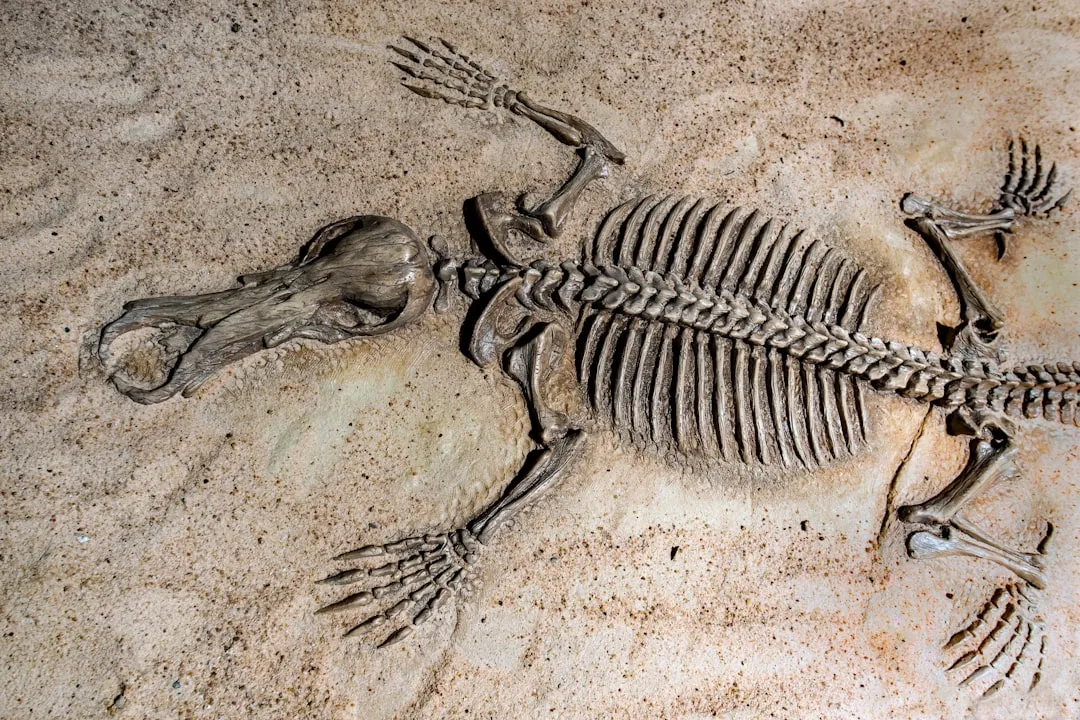
The Museum of the Middle Appalachians invites visitors to step through a window of time: “From the Ice Age to the Space Age.” It explains how geology has influenced the area’s history for millions of years, and features full-size replicas of Ice Age mammals that roamed the region over 15,000 years ago. The museum covers geology, fossils, prehistoric peoples, the Civil War, salt production, and more recent mineral extractions, as well as local history. It is presented professionally with a full-size mastodon skeleton as a central feature. Visitors who stop in expecting a modest local curiosity tend to leave genuinely stunned by the depth of what’s there.
William Clark and the First Scientific Expedition

One of the most prominent early figures connected to Saltville’s fossil history is William Clark of the Lewis and Clark expedition. It was Clark who, in 1807, led one of the first organized paleontological expeditions to Saltville, retrieving mastodon remains. Thousands of years before that, Arthur Campbell had reported the discovery of fossils in a letter to Thomas Jefferson. The site’s scientific significance stretches back to the very founding years of the American republic, which gives it a layered importance that very few small-town museums can honestly claim.
Saltville Was the Salt Capital of the Confederacy
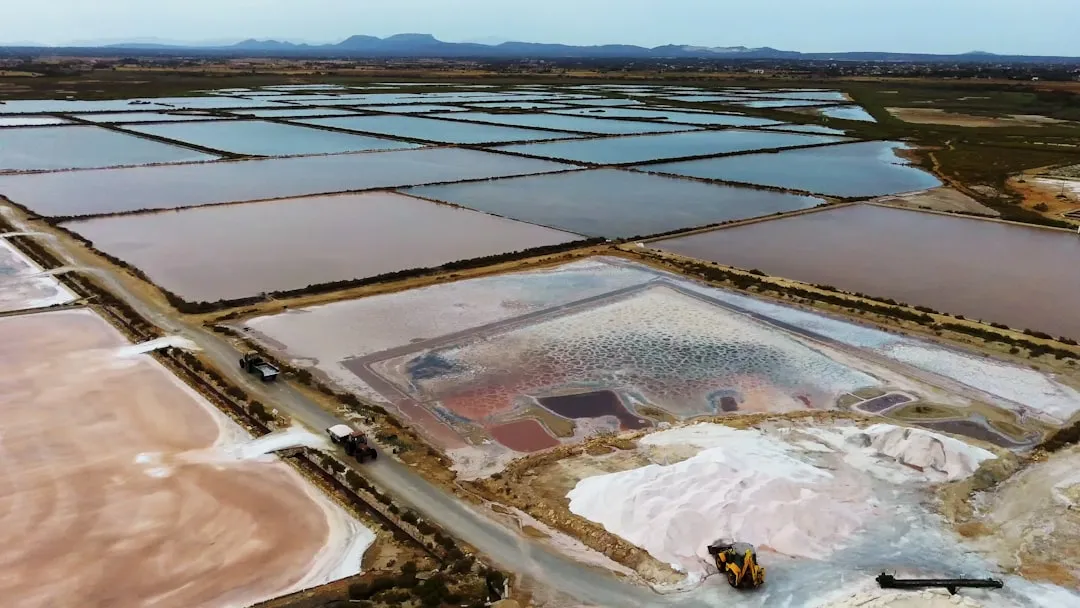
Salt continued to be an important resource in the valley through the Civil War. The wells in Saltville provided over 80% of the salt used by the Confederacy and sparked an infamous battle in the area. The Confederates dug an impressive fortification system on the high ground surrounding the community. The first battle, fought on October 2, 1864, scored a Confederate victory and retention of the important resources. However, on December 20, 1864, Federal troops captured Saltville and wrecked the saltworks. That strategic salt supply made this quiet mountain valley a genuine military target, and the consequences of losing it were felt across the entire Confederate war effort.
Virginia Tech and the Smithsonian Kept Coming Back
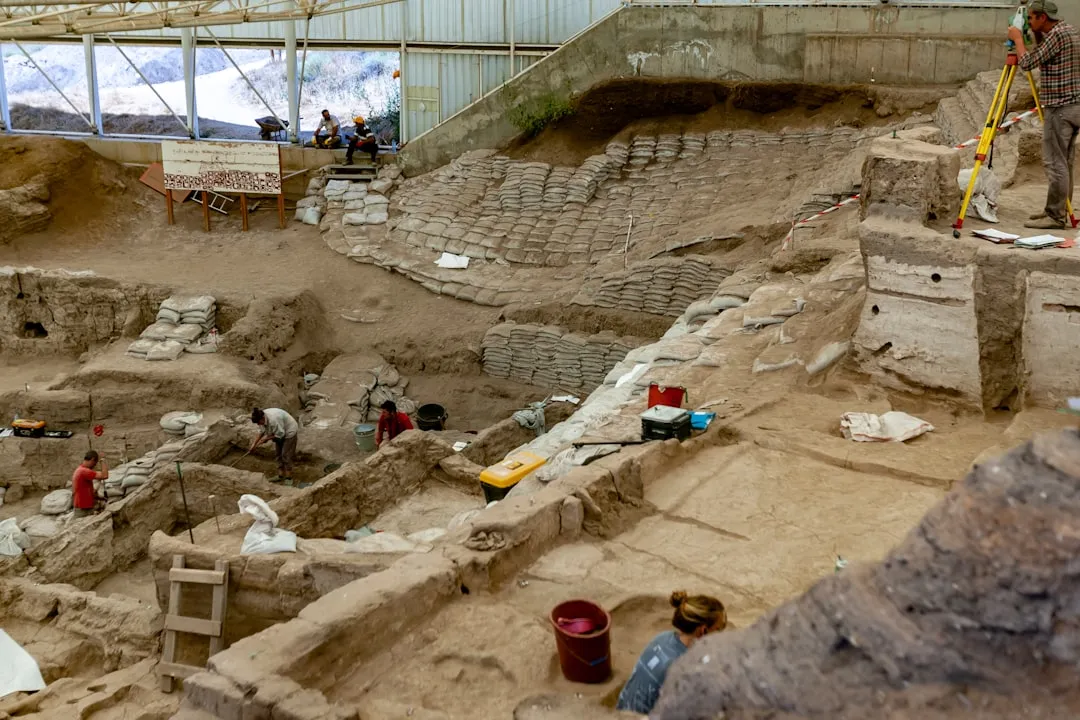
Throughout the 19th and 20th centuries, various excavations unearthed more and more treasures. The museum highlights these successive periods of research, often led by institutions like the Smithsonian and Virginia Tech, showcasing the evolution of paleontological techniques. The ongoing work at the Saltville fossil sites continues to yield new discoveries, constantly refining our understanding of ancient ecosystems and human migration patterns. This commitment to active research is what elevates the museum beyond a mere display case to a living institution of learning. That ongoing excavation work means Saltville is not a closed chapter – it’s still being written.
Bedford: The Other Mountain Town History Buffs Can’t Skip

Bedford is tucked between the Blue Ridge Mountains and Smith Mountain Lake, and is best known for the National D-Day Memorial, a powerful site that honors the Allied forces of World War II. In comparison with its wartime population, Bedford suffered the nation’s highest known per capita D-Day loss, a somber distinction for the rural Virginia community. In 2023, the site welcomed nearly 45,000 visitors, a figure approaching a pre-pandemic average of 51,000. That level of visitation, sustained year after year, speaks to how deeply the memorial resonates with people coming from well beyond the region.
The Memorial Itself Is Extraordinary
The memorial lists the name of each of the 4,427 Allied soldiers who died in the invasion, the most complete list of its kind anywhere in the world. The memorial features an English garden, an invasion tableau, and the prominent Overlord Arch, symbolically recreating the D-Day journey from planning to battle to victory. These elements guide visitors through the stages of Operation Overlord, evoking the intense experiences of those who fought. The arch’s height – forty-four feet, six inches – is intended to recall the date of the invasion, June 6, 1944. That kind of intentional design detail is easy to miss if you’re just passing through, but it tends to stop people cold once they learn it.
Virginia’s Mountain Towns Hold Layers Most Visitors Never Find
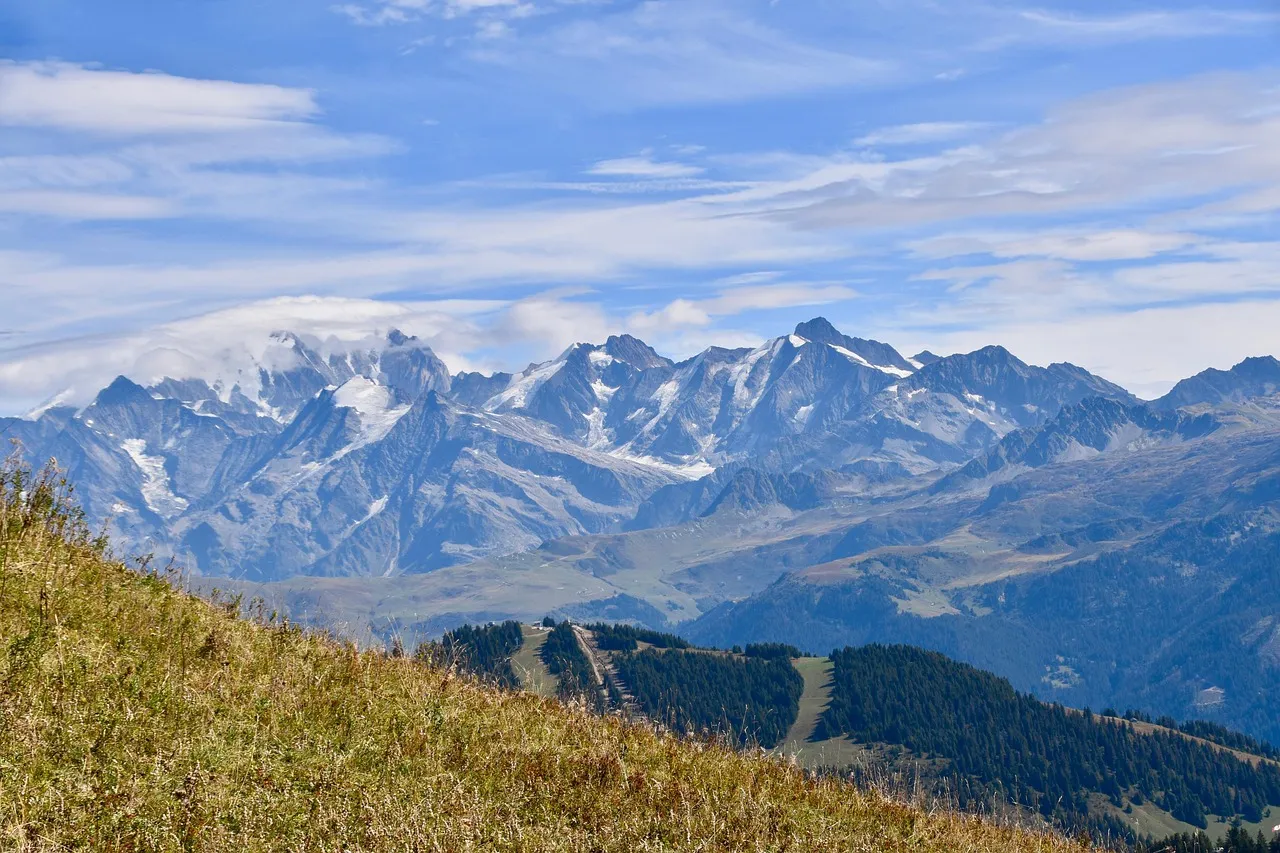
While famous landmarks often steal the spotlight, the Commonwealth is filled with remarkable places tucked into towns, mountains, and valleys waiting to be discovered. These hidden gems tell stories of courage, creativity, innovation, and natural beauty. The Great Wagon Road, known as the Wilderness Road: Virginia’s Heritage Migration Route, led Scots-Irish and German settlers westward. Those immigrants settled the communities of Virginia’s Blue Ridge. The towns they built carry those roots quietly, without much fanfare, which is part of why it takes a certain kind of traveler to appreciate them.
Why History Buffs Keep Coming Back to These Roads
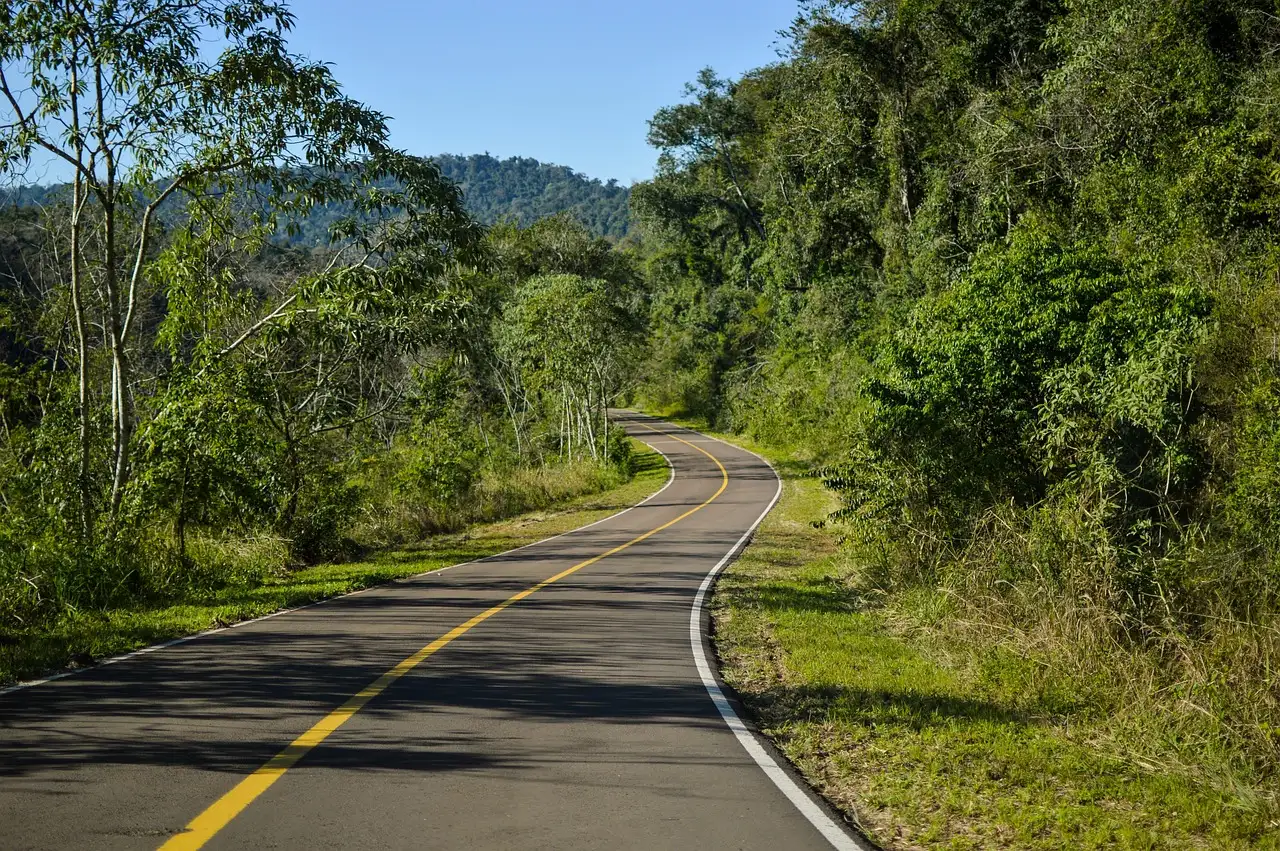
A vacation to Virginia’s best small towns delivers a side of the state that often escapes those who stick to busy highways and big cities. From the mountain trails of Damascus and Bedford to the riverside charm of other communities, these towns are not just stopovers. They remind us that Virginia’s story is best understood not only in its capitals and historic battlefields, but also in its quieter corners. Even small towns hold big stories, waiting to be uncovered by curious travelers. Saltville, for one, has been holding its story for tens of thousands of years. It’s just been waiting for people willing to turn off the highway and look.
The most rewarding travel often happens on the roads nobody else takes. In southwest Virginia, those roads lead somewhere older and stranger and more interesting than most people expect.
AI Disclaimer: This article was created with the assistance of AI tools and reviewed by a human editor.