
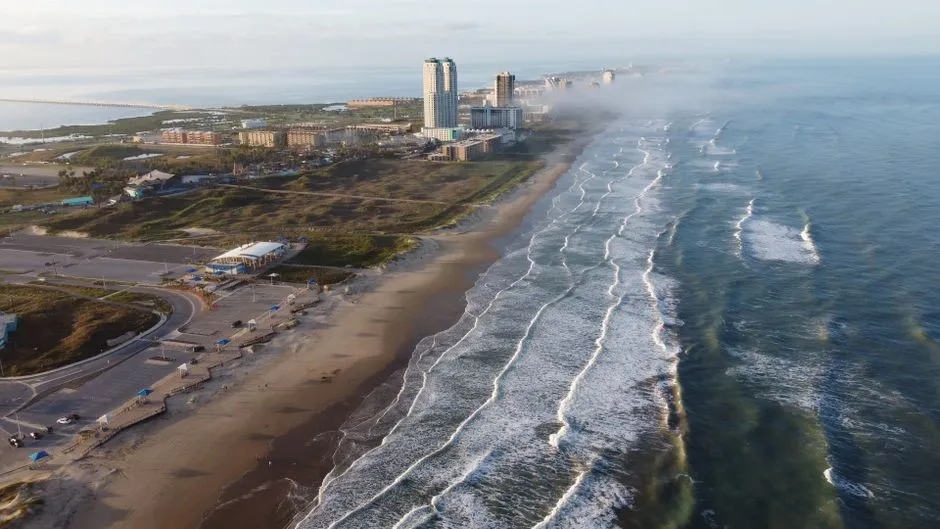

Most people picture oil rigs and cowboy boots when someone says “Texas.” A tropical paradise rarely enters the picture. Yet tucked into the southern tip of the state, along a stretch of Gulf Coast that most Americans skip right past, sits a coastline with warm turquoise waters, soaring migratory birds, endangered sea turtles nesting on white sand, and temperatures that hover near 90 degrees all summer long.
This is not a beach destination that needs a rebrand. It already has the weather, the wildlife, and the miles of shoreline. It just doesn’t have the fame.
The Texas Tropical Trail Region: A Defined Tropical Zone
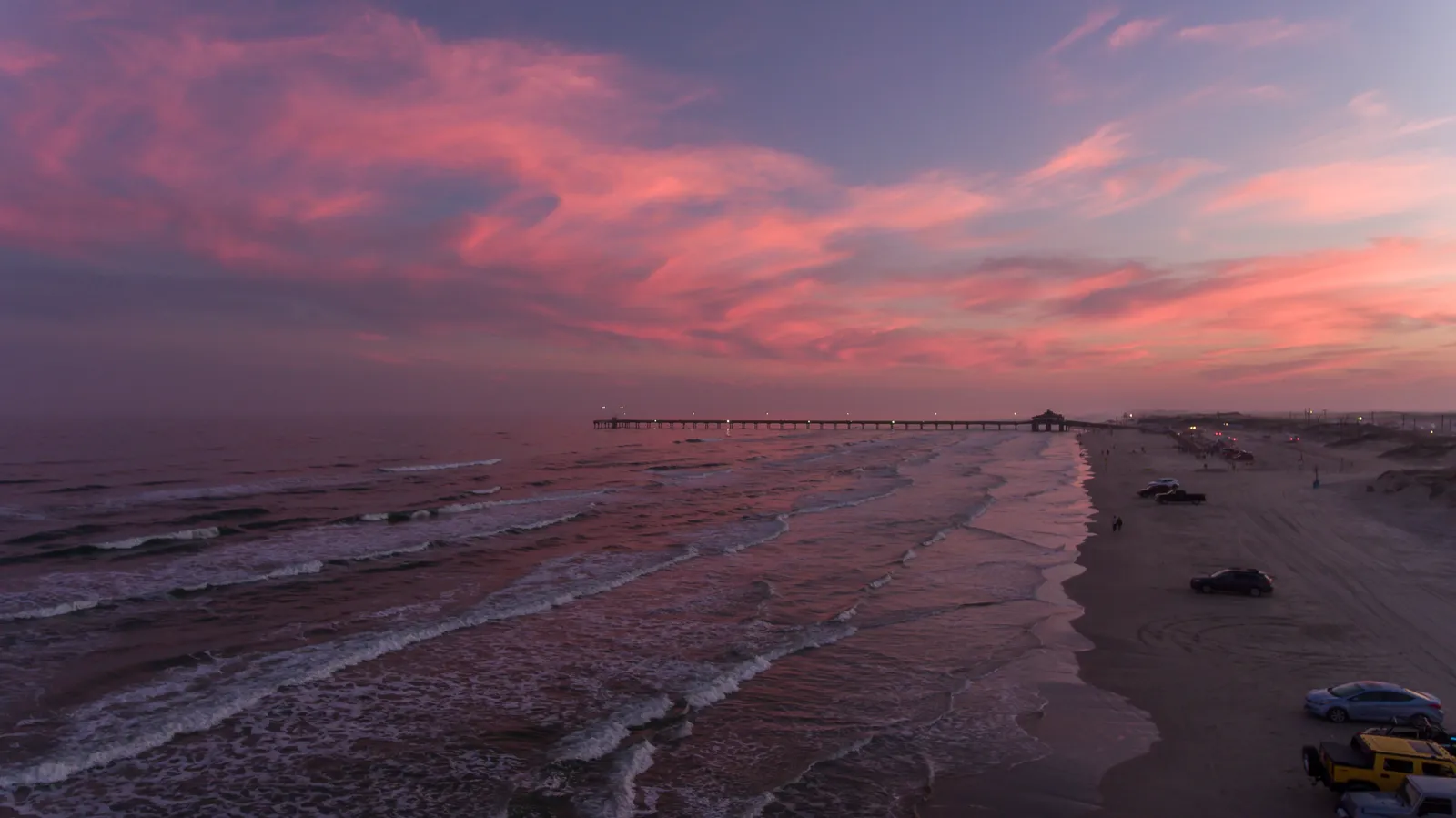
This isn’t just a casual comparison to the tropics. There is actually an official region in Texas called the Texas Tropical Trail Region. This region is the only tropical area in Texas, and it encompasses over 23,000 square miles. That’s a significant chunk of land officially recognized for its tropical character, not just its sunshine.
The roughly triangle-shaped region runs from about Carrizo Springs to the Gulf Coast, just north of Corpus Christi, all the way down to Brownsville near Mexico. Within that broader zone, the coastline itself is where the truly tropical experience concentrates. If you’re a fan of tropical weather, good food, and beachside fun, the Texas Tropical Trail Region offers a wide variety of activities and scenery.
South Padre Island: Texas’s Only Truly Tropical Island
Travelers looking for a tropical vacation at a fraction of Hawaii getaway costs will love the beachy paradise that is South Padre Island in Texas. Accessed from the mainland via Queen Isabella Causeway, South Padre is home to some of Texas’ best beaches and one of the best U.S. snorkeling destinations.
As Texas’ only tropical island, South Padre revels in over 300 days of sunshine a year. With 34 miles of beach, natural beauty and oceanside relaxation is easy to find on South Padre Island. That sunshine count alone puts it in the same general range as some of the most visited resort islands in the Caribbean.
The Climate Data Makes the Case
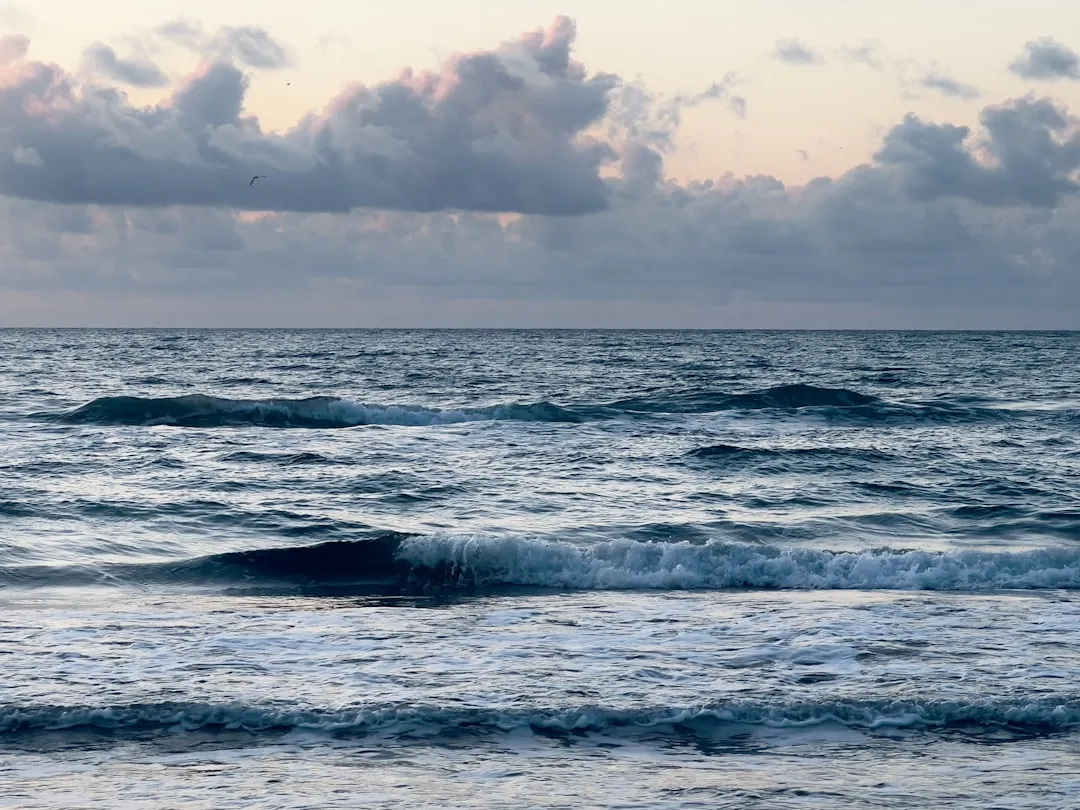
South Padre Island is a place with a tropical climate. Temperatures during the day are in the range from 20°C (67°F) in January to 33°C (91°F) in August. Even in the depths of winter, the mercury rarely dips into genuinely cold territory. That’s a climate most beach destinations can only dream about advertising in January.
Sea temperatures range from 19°C (66°F) in February to 29°C (84°F) in September. In summer, the Gulf water off South Padre reaches temperatures that match or exceed popular Caribbean destinations. From January to March, the sea is very cool, while it becomes pleasantly warm for swimming from June to October.
July has the most sunshine of the year, with an average of 11.3 hours of sunshine. That’s genuinely generous daylight for beach activities, whether you’re into surfing, kayaking, or just sitting still with a cold drink.
The World’s Longest Undeveloped Barrier Island, Right Here
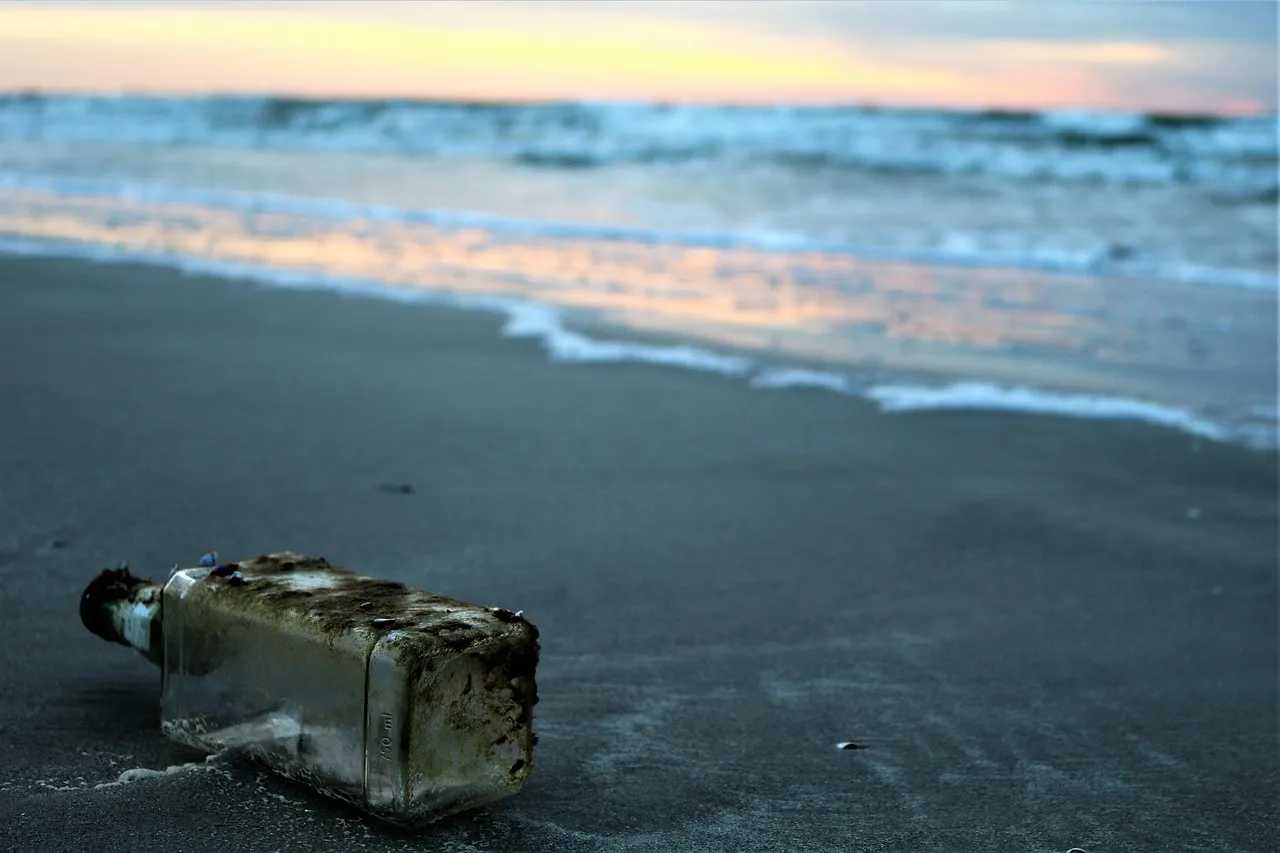
Padre Island National Seashore protects 70 miles of pristine coastline along the Texas Gulf Coast, making it the longest stretch of undeveloped barrier island in the world. This is a remarkable and often overlooked fact. Most people associate world-record coastlines with far-flung destinations, not South Texas.
Lying a few miles off the south Texas coast, Padre Island National Seashore protects the world’s longest undeveloped stretch of barrier island. It embraces 70 miles of sand-and-shell beaches, windswept dunes, endless grasslands, tidal flats teeming with life, and warm near-shore waters. The sheer scale of unspoiled nature here is genuinely difficult to wrap your head around until you’re driving along it.
Over 360 Miles of Public Coastline
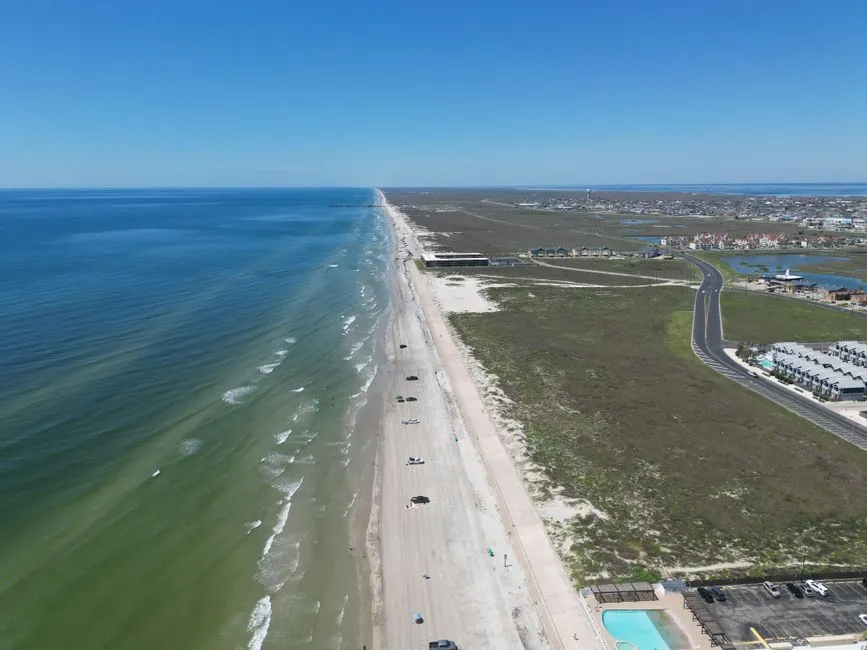
This stretch of sandy shore includes more than 360 miles of beaches facing the Gulf. According to the University of Texas at Austin’s Bureau of Economic Geology, over 75% of those beaches are open to the public. That public access figure matters. Large portions of the Texas coast are genuinely accessible to anyone willing to make the drive.
With more than 350 miles of coastline along the Gulf Coast’s teal and emerald water, Texas is home to plenty of beach vacation options. The breadth of that coastline means you can find isolation on a weekday or lively beach towns on a weekend, often within an hour of each other. Considering there are literally beaches from border to border in the Lone Star State, it is quite possible to find a piece of sandy shore where you can escape the throngs of beachgoers. In fact, some of Texas’ most breathtaking beaches are some of the least crowded.
Sea Turtles, Dolphins, and Bird Life
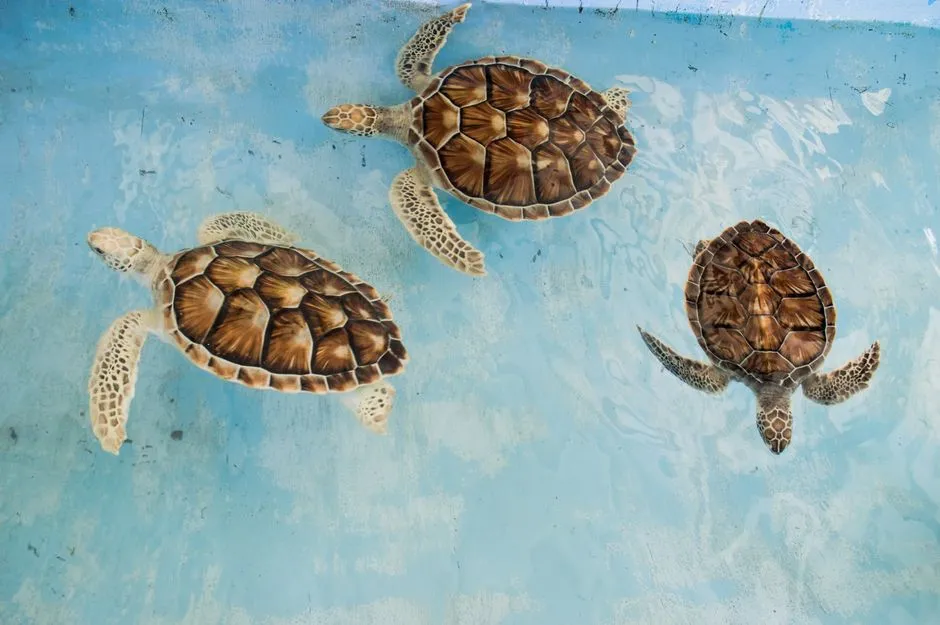
Padre Island National Seashore, encompassing 130,434 acres, is the longest remaining undeveloped stretch of barrier island in the world, and offers a wide variety of flora, fauna, and recreation. Padre Island National Seashore is the most important nesting beach in the U.S. for the Kemp’s ridley, the most endangered sea turtle in the world.
It is the only place in the world where all five threatened and endangered species of sea turtles found in the Gulf of Mexico nest. That is not a small claim. It positions the Texas coast as a globally significant conservation site, not just a regional travel curiosity.
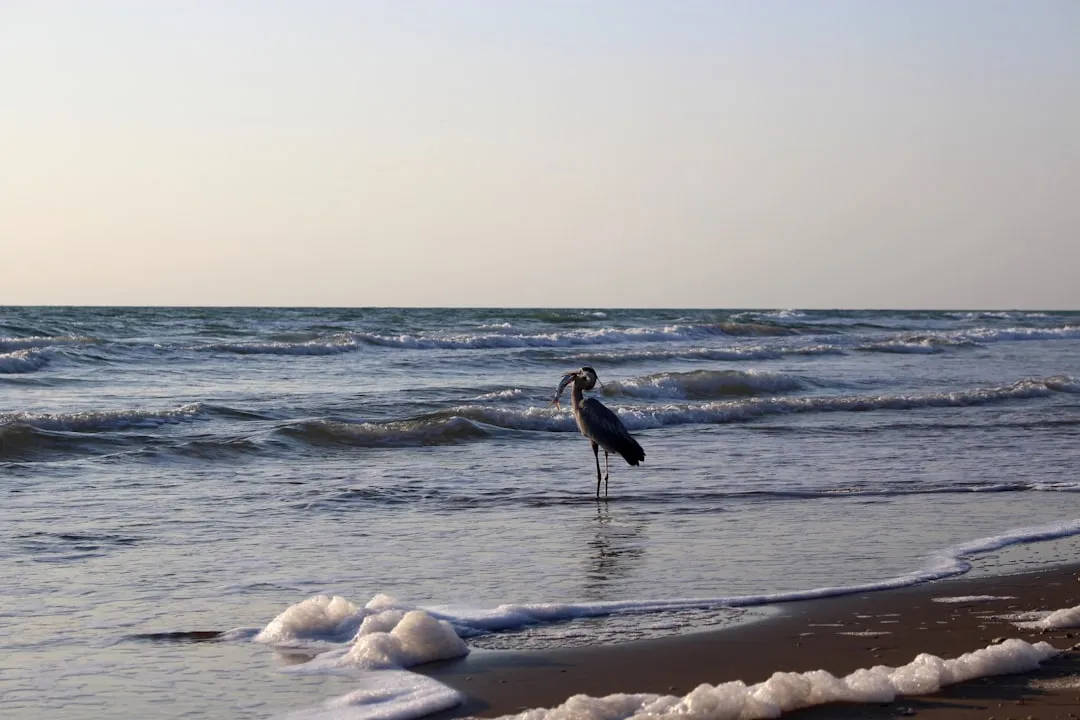
Due to the location of Padre Island National Seashore on the Central Flyway, a major migratory route for birds, about 380 species of birds have been documented within the park, which represents approximately 45% of all bird species documented within North America. For birdwatchers, that number is extraordinary.
The Laguna Madre: A Hypersaline Wonder
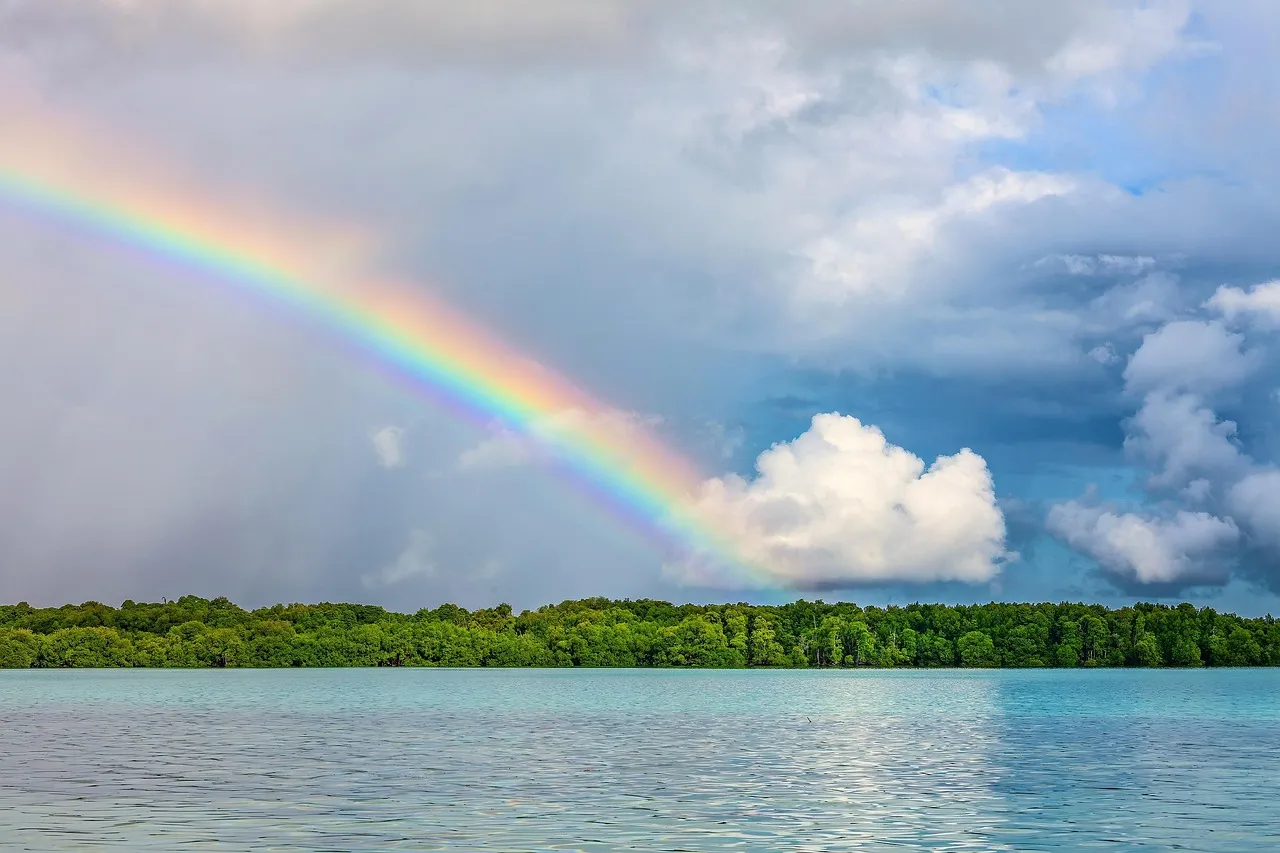
Explore Laguna Madre Bay, a hypersaline lagoon known for marine life. Its calm, shallow waters teem with life. While searching for dolphins, you’ll spot bird species, sea turtles, and other wildlife. The Laguna Madre is one of only a handful of hypersaline lagoons in the entire world, and it sits right between Padre Island and the Texas mainland.
Laguna Madre, separating Padre Island from the Texas mainland, is locked in by the barrier island. Consequently, circulation of seawater in and out of the lagoon is highly restricted. The combination of a high rate of evaporation under the hot Texas sun and little mixing with either freshwater or normal seawater has made Laguna Madre extremely salty. This unique chemistry creates an ecosystem unlike almost anywhere else on the continent.
North Padre Island: The “Caribbean of Texas”
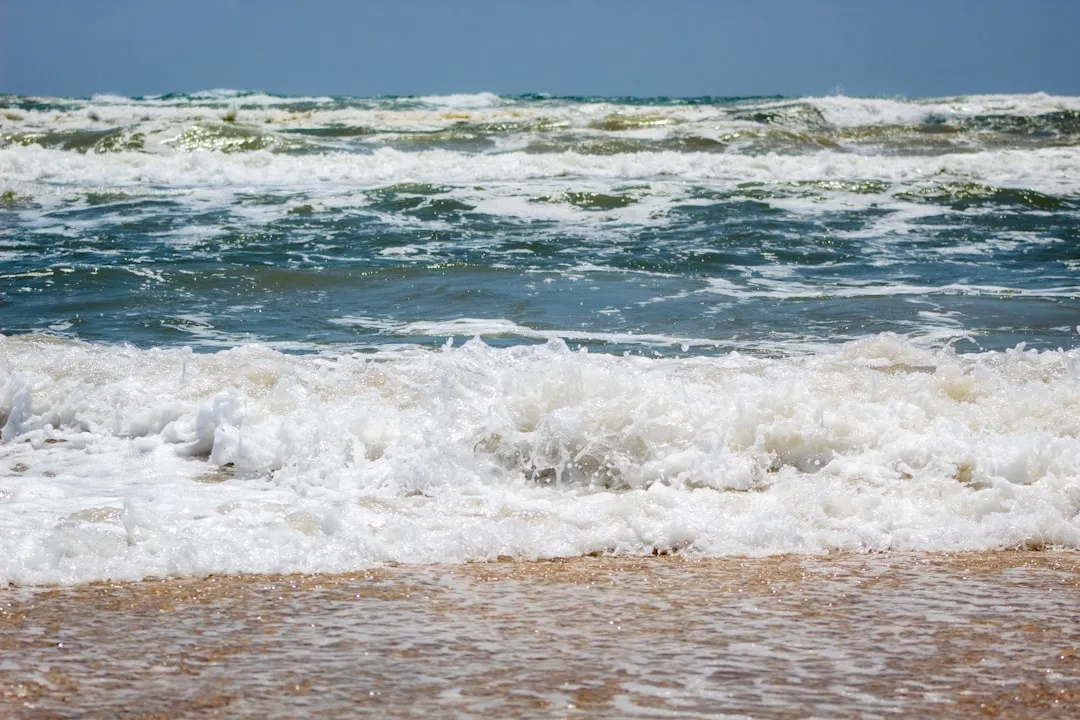
One idyllic location is found outside the bustling city of Corpus Christi, Texas, and it’s being labeled the “Caribbean of Texas.” Home to the stunning Padre Island National Seashore, North Padre Island is a quiet, tranquil, and naturally beautiful spot to spend a few days soaking up Caribbean-like vibes without leaving the US.
As you go down the coast, you’ll eventually run into the wildly underrated North Padre Island, which is full of sandy beaches and almost no crowds. Because the island is mostly reserved for nature, you don’t have to struggle to find a quiet spot to enjoy the sun and sand. For anyone who has fought for beach real estate in Miami or the Jersey Shore, this feels like a revelation.
Rockport, Port Aransas, and the Broader Coastal Ecosystem
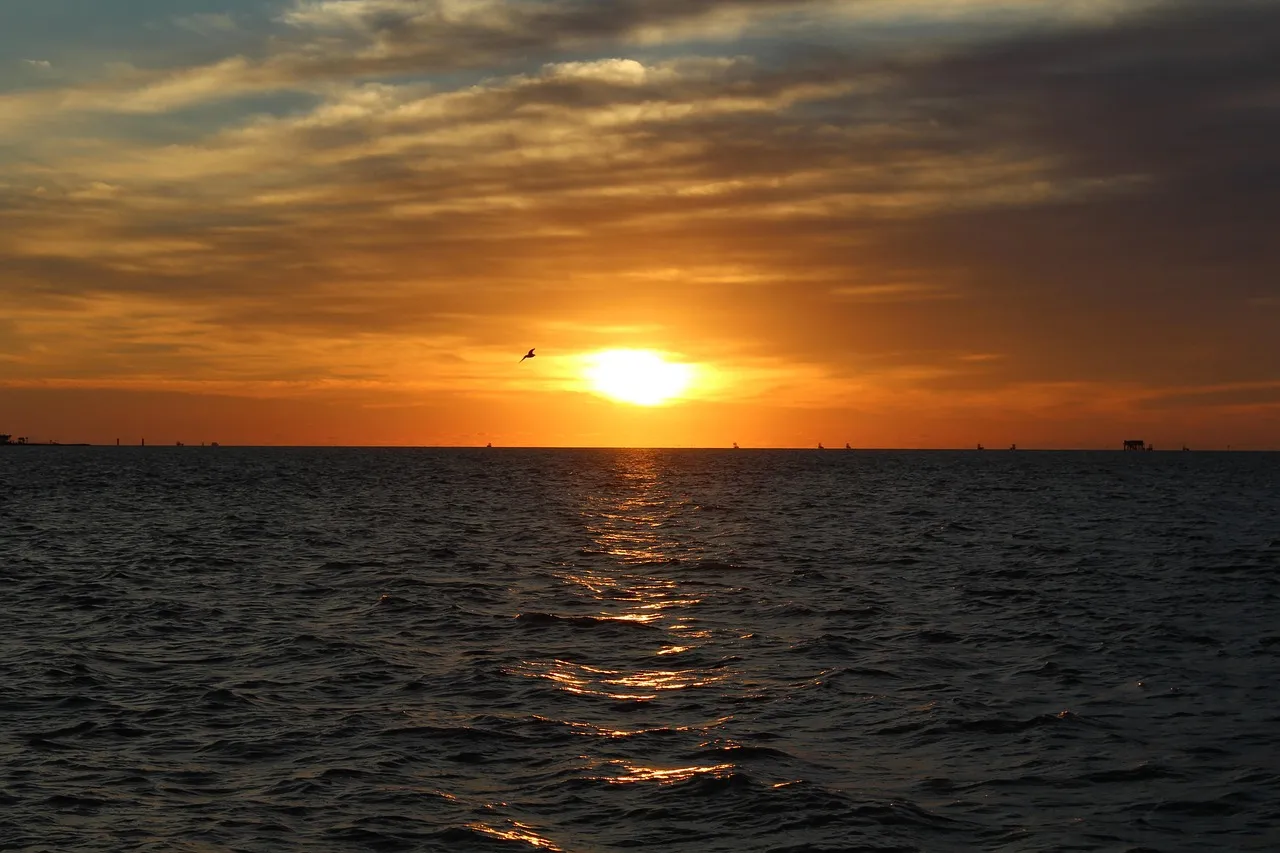
Rockport Beach Park has white sands, a pavilion that hosts live events, and an 800-foot fishing pier. It’s also home to some of the bluest waters in the region, with clean shallows that are perfect for swimmers of all skill levels. Rockport sits at the northern end of this tropical corridor and often gets skipped by travelers heading straight for South Padre.
Port Aransas is a top beach destination in Texas, offering the best of both worlds with relaxation and adventure at your fingertips. Located on Mustang Island along the gorgeous Gulf Coast, this seaside town holds miles of beautiful beaches, ideal for swimming, shelling, and family fun. Port Aransas has a distinctly unhurried quality to it that feels increasingly rare. Unlike many other beach towns, Port Aransas beaches are drivable by car, golf cart, and other legal motorized vehicles. With 18 miles of public shoreline, being able to drive down to find your perfect stretch of sand makes it easy to relax uninterrupted.
One Honest Caveat: Hurricane Risk and Summer Heat
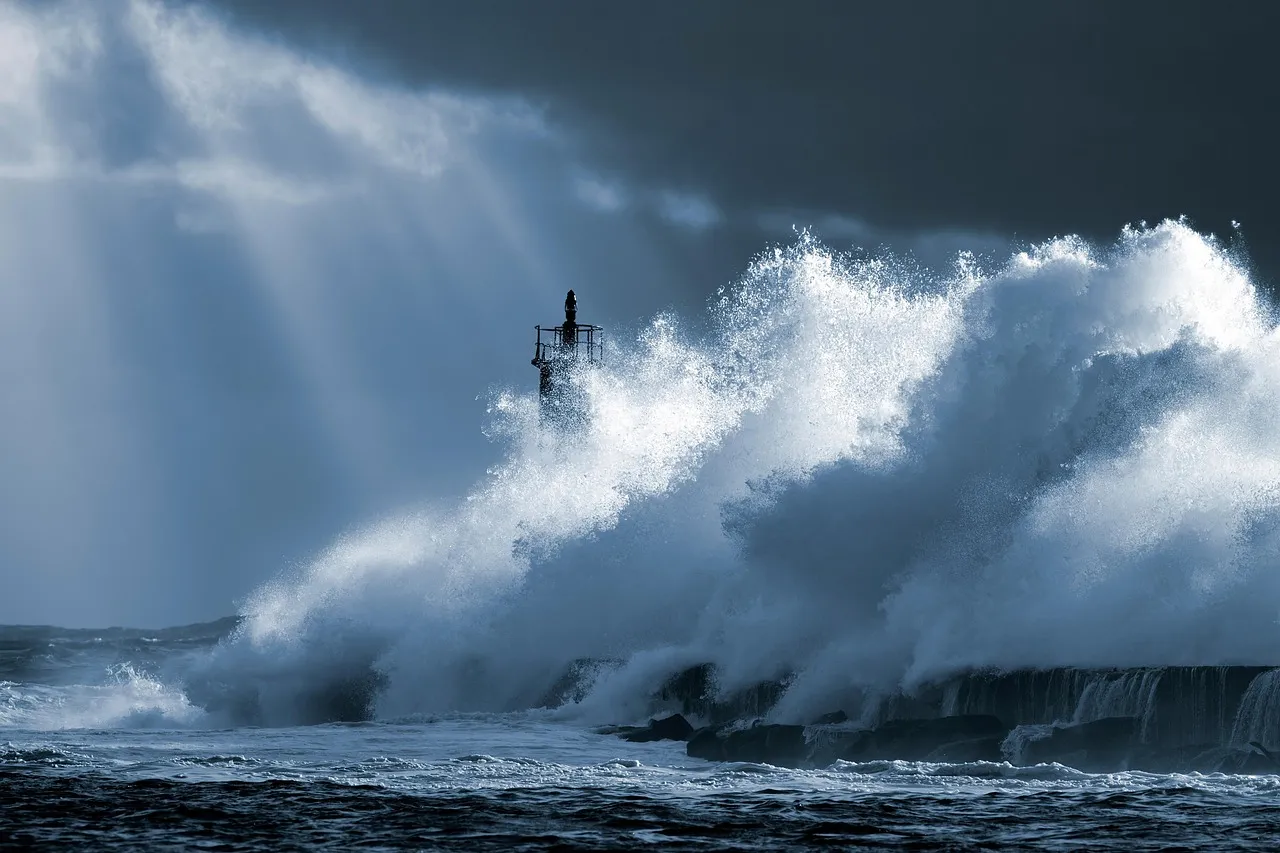
From June to November, there is the risk of hurricanes. Being a flat island, South Padre is particularly at risk, and for example, it was hit hard by Hurricane Dolly in late July 2008. This is a real consideration, not something to wave away. Coastal Texas sits squarely in the Gulf hurricane belt.
Weather statistics record that the island receives one hurricane on average every 7.5 years. That frequency is worth knowing before booking a late-summer trip. Most days see a warm sea breeze develop during the early afternoon, at a fairly constant 18 mph, which both moderates temperatures and keeps cloud away, though clouds and short, thundery showers are still quite likely during the tropical storm season from June to October. The breeze, at least, does take the edge off what would otherwise be relentless summer heat.
The Texas coast won’t appeal to everyone. It doesn’t have the volcanic drama of Hawaii or the crystal-clear postcard perfection of the Florida Keys. What it does have is genuine wilderness, uncommonly warm Gulf waters, extraordinary wildlife, and hundreds of miles of coastline where you can go an entire afternoon without seeing another person. That combination is rarer than it sounds, and it’s sitting right there, quietly, in the southern tip of Texas.
AI Disclaimer: This article was created with the assistance of AI tools and reviewed by a human editor.