
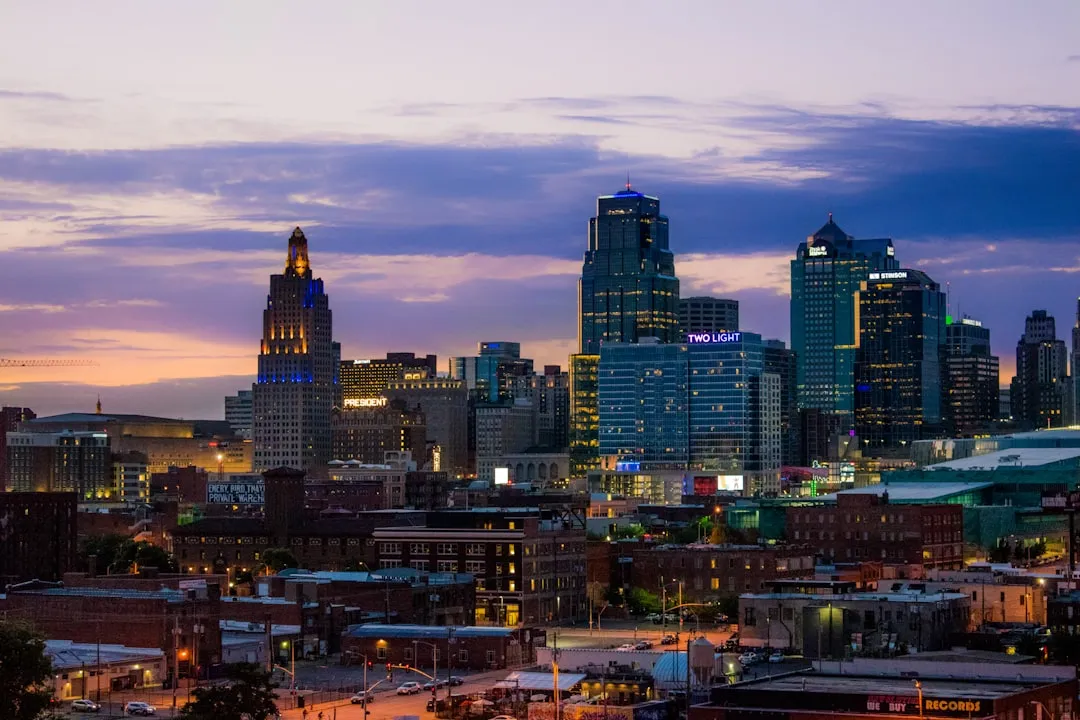

Most people picture Kansas City and think of barbecue joints, jazz clubs, and football. Very few picture what sits directly beneath it all: a sprawling, cathedral-like network of limestone caves that stretches for tens of millions of square feet, hums with daily commerce, and quietly stores some of the most culturally significant objects in American history. It’s all real, it’s all active, and it’s all happening just a few dozen feet below the streets.
A City Built on Top of a Hidden World
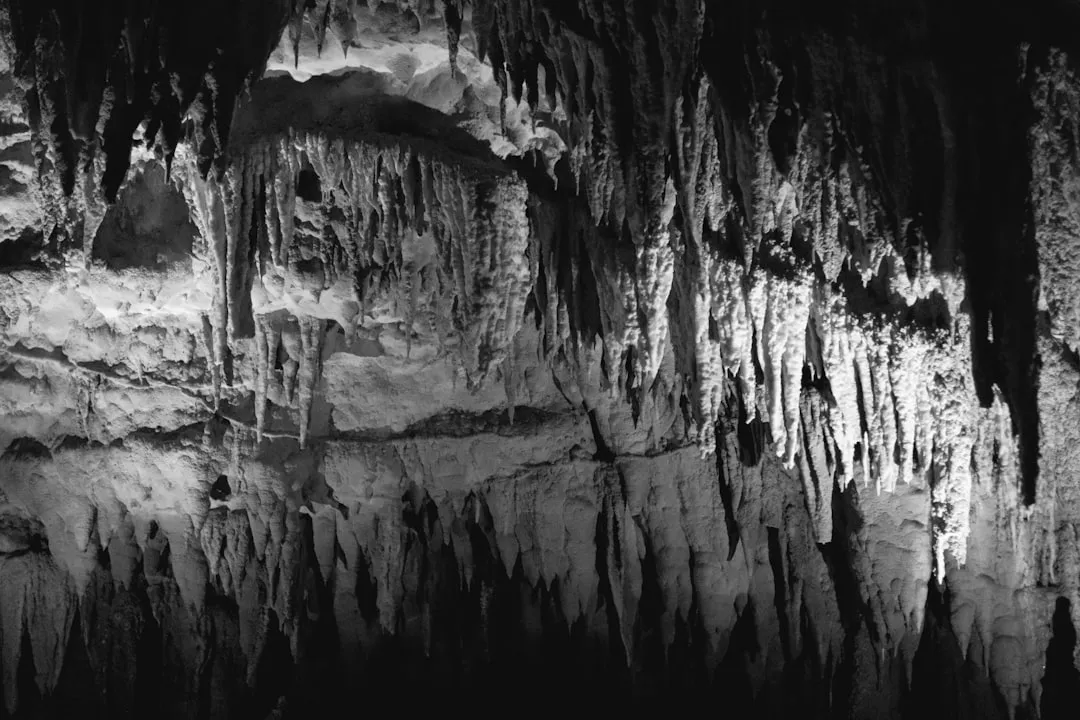
Kansas City isn’t just blessed with jazz and barbecue. It also sits on a genuine treasure trove of limestone, and starting in the late 1800s, quarrying operations along the Missouri River carved out massive caverns beneath the city. These were enormous, empty chambers where miners hauled out limestone for roads, bridges, and buildings.
During the last Ice Age, glaciation progressing as far as northeastern Kansas and northern Missouri reshaped the Missouri River’s path, exposing substantial limestone deposits around the present-day Kansas City metropolitan area. That geological accident set the stage for everything that followed.
SubTropolis: The Largest Underground Business Complex on Earth
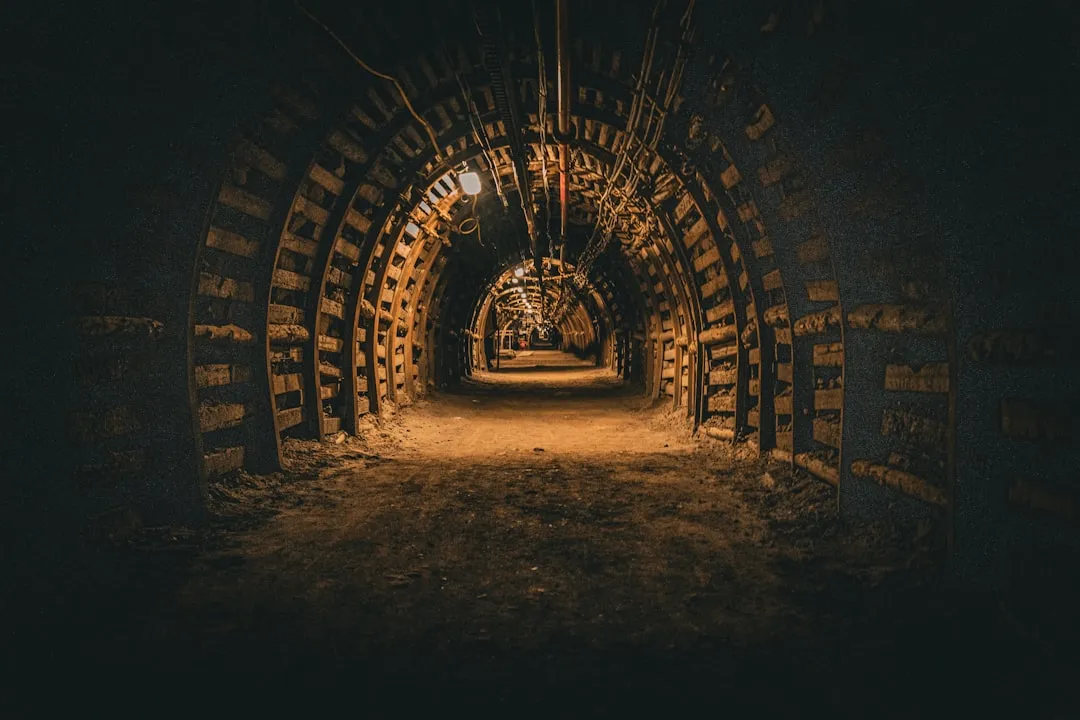
SubTropolis is a business complex located inside a 14,000,000-square-foot limestone mine in the bluffs north of the Missouri River in Kansas City, Missouri. It was developed by late Kansas City Chiefs owner Lamar Hunt via Hunt Midwest Real Estate Development, Inc., carrying the trademarked phrase “World’s Largest Underground Business Complex.”
SubTropolis reaches up to 160 feet beneath the surface, dug into the Bethany Falls limestone mine. It features a grid of 16-foot-high, 40-foot-wide tunnels separated by 25-foot-square limestone pillars, and the complex contains almost 10.5 miles of illuminated, paved roads and several miles of railroad track.
Covering an area large enough to fit 42 Arrowhead Stadiums, SubTropolis is a marvel of modern engineering. That comparison is almost impossible to fully absorb standing on the surface above it.
How the Caves Were Born: 270 Million Years in the Making
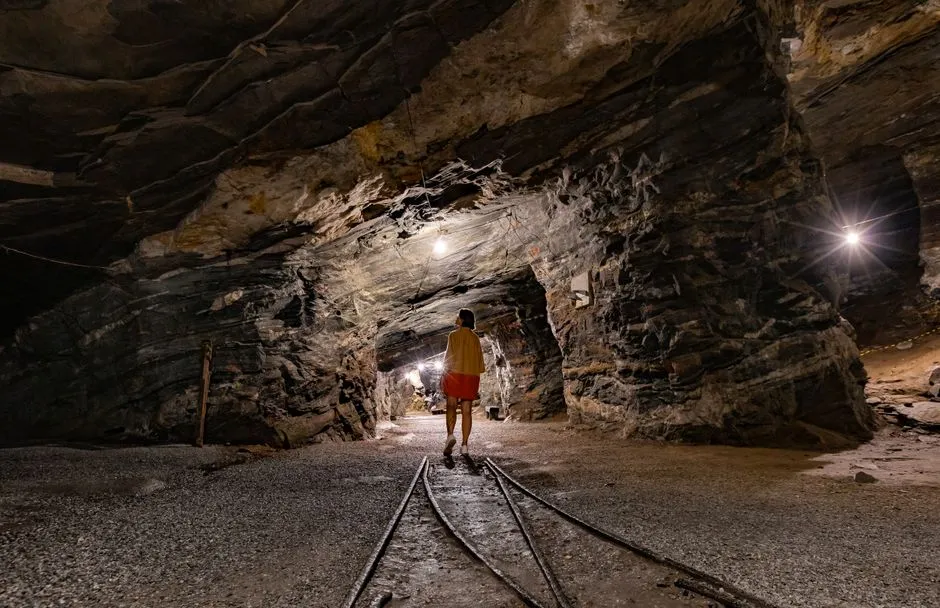
The origins of SubTropolis date back to the late 19th and early 20th centuries, when extensive limestone mining operations supported Kansas City’s rapid expansion. When demand for limestone dwindled, the vast network of tunnels left behind presented a unique opportunity. Recognizing the potential of these naturally climate-controlled spaces, Lamar Hunt transformed the old mines into a modern underground city, officially opening SubTropolis in the 1960s.
Demand for freezing and refrigeration infrastructure in the 1950s and 60s led to the development of storage facilities in emptied limestone mines, making Kansas City a central location for cold storage during that period. What started as practical convenience gradually became something much bigger.
The Cave That Never Changes Temperature
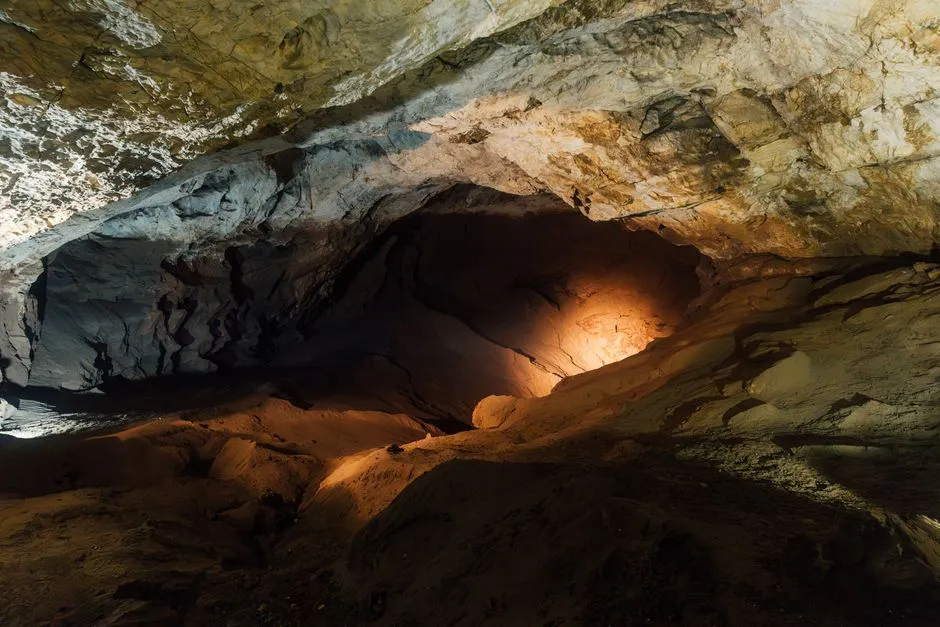
The mine naturally maintains year-round temperatures between 65 and 70 degrees Fahrenheit. No heating system required in winter. No air conditioning battling Missouri’s brutal summers. The rock itself does all the work.
Leasing and operating costs are reported to be substantially lower than above-ground facilities, particularly temperature control, costs for which can be diminished by as much as 85%. That kind of savings gets businesses interested very quickly.
The limestone walls act as natural insulators, significantly reducing the need for heating and cooling, earning SubTropolis a perfect 100 percent rating from ENERGY STAR. For a sprawling underground city, that’s a remarkable environmental credential.
Thousands of People Work Underground Every Single Day
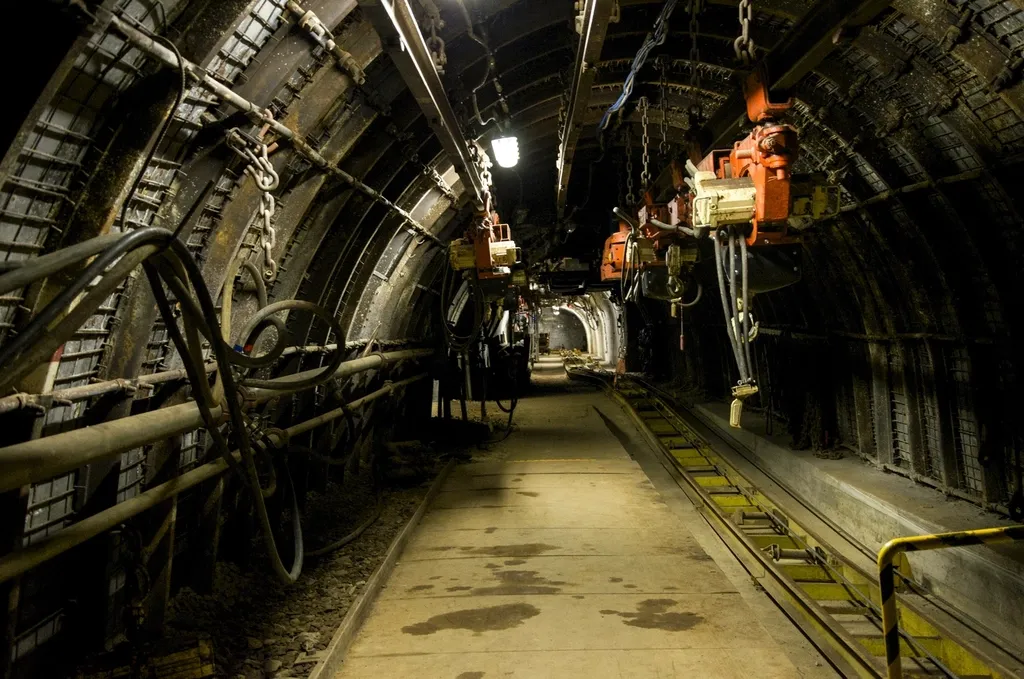
Estimates suggest between 7,000 and 10,000 people work underground in Kansas City daily. That’s roughly the size of a small Midwestern town. They commute downward instead of across town, park in tunnels, and spend entire shifts without seeing natural light.
By 2024, the number employed in SubTropolis alone exceeded 2,000, with leased space exceeding 6 million square feet. As of 2025, SubTropolis maintains an occupancy rate above 90%, accommodating over 55 tenants ranging from international corporations to regional firms.
Hollywood’s Secret Film Vault Sits Deep Below Kansas City
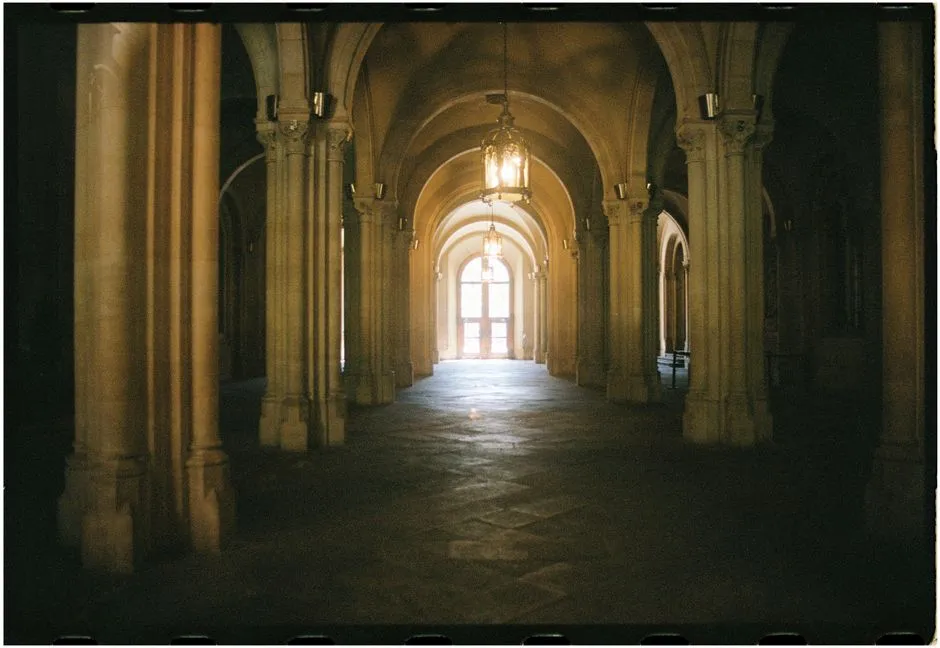
The original film reels of beloved movies and television shows are held in Kansas City by a special underground branch of the National Archives. “Gone with the Wind,” “The Wizard of Oz,” and cartoons from as far back as the 1940s are among the holdings of the Kansas City Federal Records Center.
The stable temperature of 65 to 70 degrees Fahrenheit makes it ideal for preserving delicate items, such as original film reels of Hollywood classics stored deep within SubTropolis. Without the proper conditions, these classic pieces of history would be lost to a type of film rot called “vinegar syndrome.”
Entertainment storage includes specialized vaults managed by Underground Vaults and Storage, which house original film reels and master prints from major Hollywood studios, preserving classics in a 45,000-square-foot secure area protected from environmental hazards.
The National Archives Went Underground Too
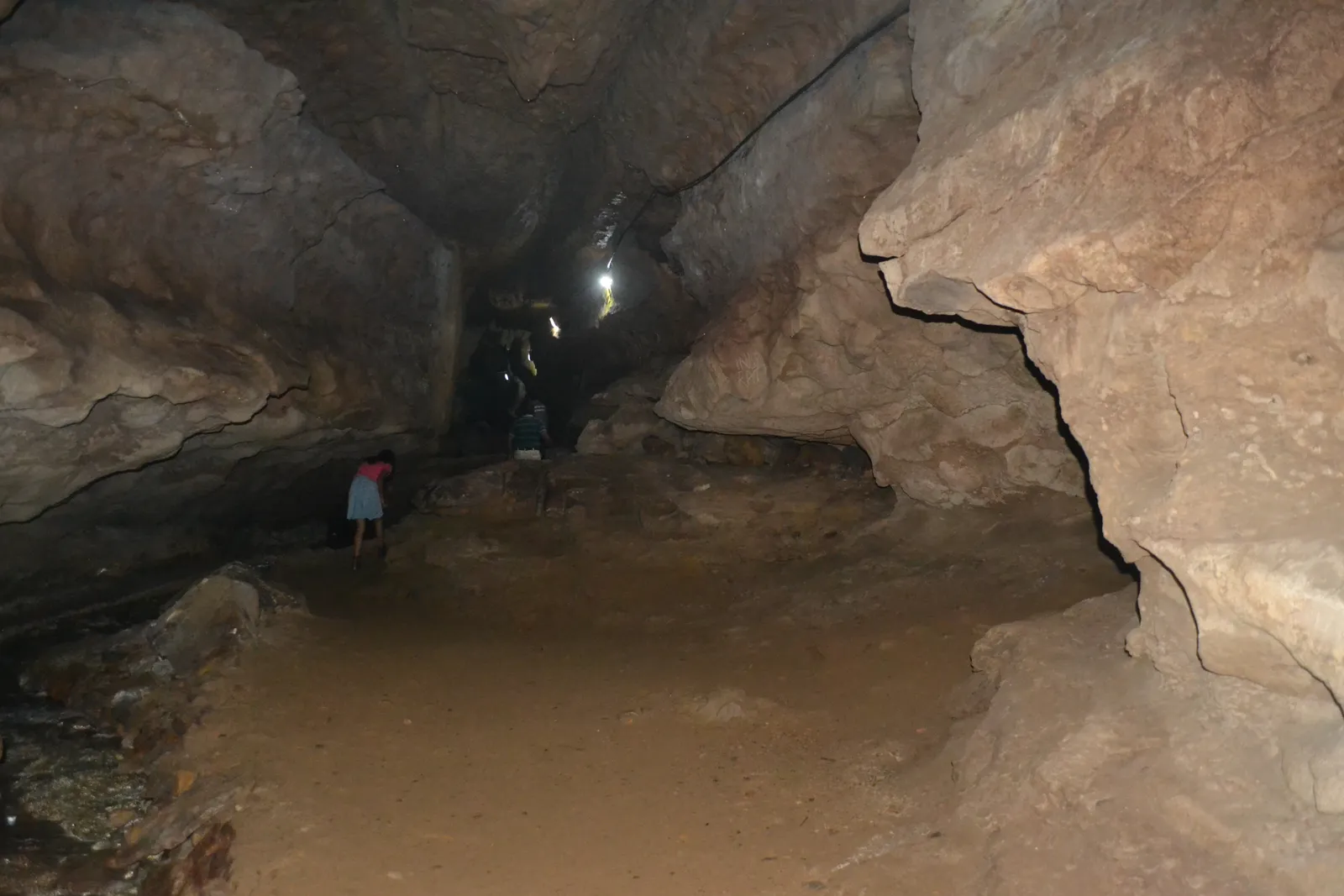
Many of the National Archives’ records are stored in man-made limestone caves in Missouri, Kansas, and Illinois. The National Archives’ first underground Federal Records Center, located in Lee’s Summit outside Kansas City, Missouri, opened in 1997 and sits 60 feet below ground in a man-made limestone mine.
In addition to Lee’s Summit and Lenexa, a third cave in the region, in Kansas City itself, opened in 2012. The Kansas City Federal Records Center is in SubTropolis, another excavated mine.
The National Archives keeps historically priceless documents underground, where mold, fire, and humidity pose far less of a threat. Given how vulnerable paper documents are to moisture and flame, it’s hard to argue with that logic.
A Cave That Nearly Burned for Four Months
The underground world isn’t without its dangers. In 1992, a fire at the underground AmeriCold facility in Kansas City, Kansas, took four months to smolder out, incinerating roughly half a billion dollars worth of food, paper storage, and other goods.
Distance from the surface and a reliance on above-ground ventilation pose unique challenges to public life in a facility hosting a diverse set of business and industrial operations. AM-FM radio signals cannot reach the complex, effectively cutting off workers’ connection to the outside world unless companies elect to install receivers above ground.
The IRS, the Postal Service, and a Vodka Distillery Walk Into a Cave
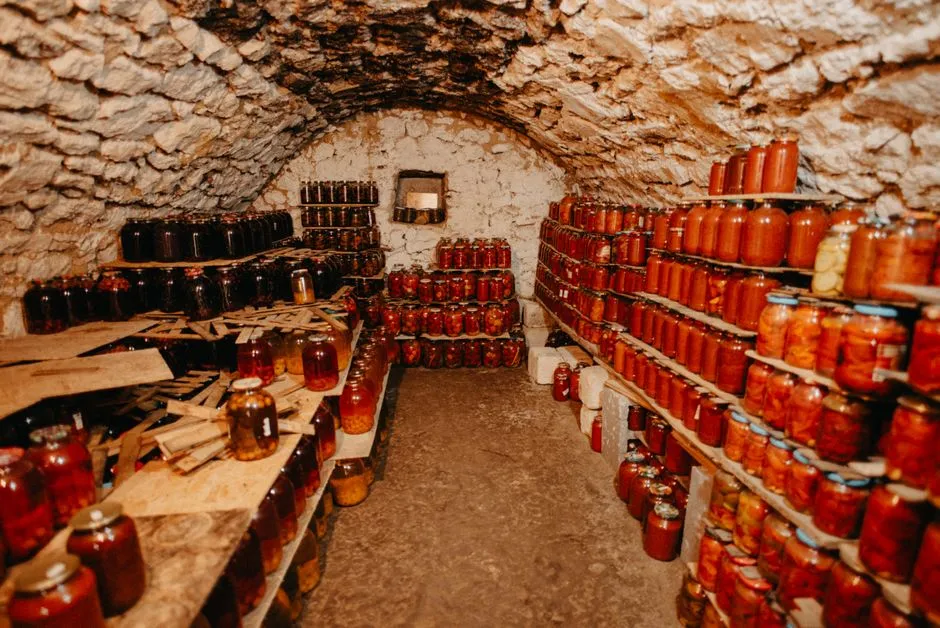
Deep in Independence, Missouri, the IRS leases 26,000 square feet of a man-made cave complex known as “C-site,” where they store certain tax forms they’re legally required to keep for 75 years. As of early 2024, there were around 143 million pages packed into this cave-vault.
Deep beneath Parkville, vodka is distilled at SD Strong Distilling, marketed as “Made in a Cave,” and nursing students take classes underground as well. It’s a genuinely strange neighborhood once you start listing the tenants.
Among SubTropolis’s notable tenants are a distributor of last resort for major American film studios, a NARA federal records center, a United States Postal Service storage facility which houses and distributes copies of every stamp ever produced, and a W. W. Grainger facility set to be the world’s largest underground distribution center upon its completion in the summer of 2026.
Kansas City’s Underground Economy Is Bigger Than Most People Realize
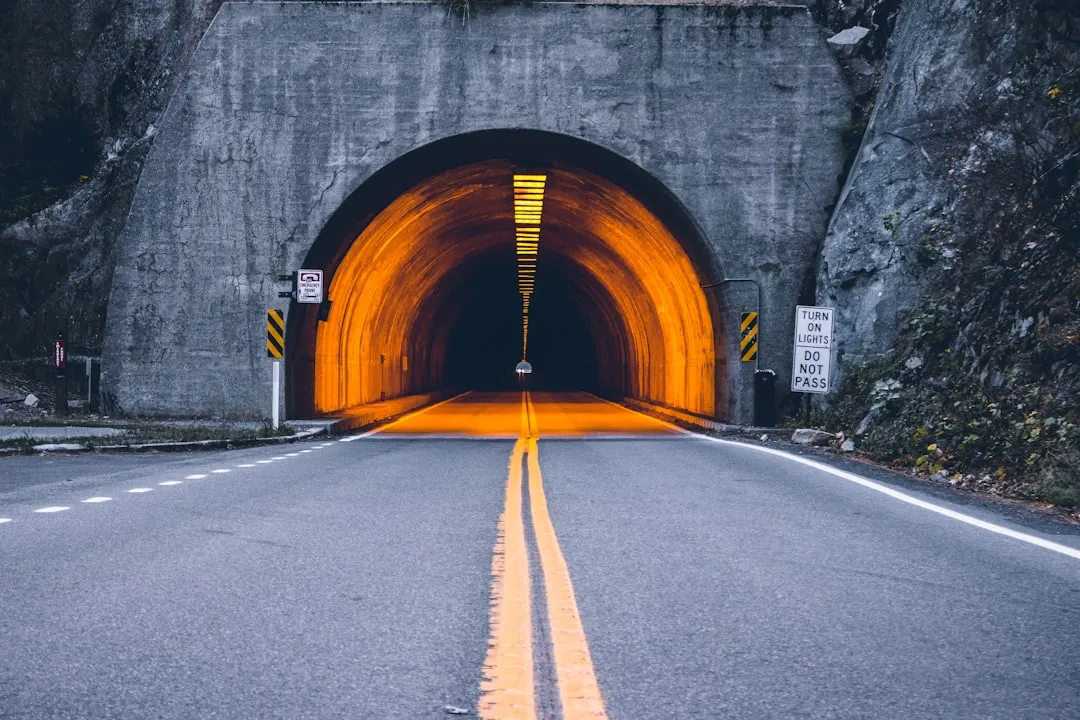
Underground tunnel operators’ caverns account for roughly 10% of all industrial space in the Kansas City metro area, totaling roughly 25 million square feet. That’s not a footnote in the city’s economy. That’s a defining feature of it.
Kansas City has among the highest rates of mined-out cavern reusage in the world, and held roughly 90% of the world’s subsurface office space as of 2010. No other American city comes close to that figure.
SubTropolis has been noted by several publications for its contributions toward sustainable industry in the Kansas City area, and held up as a potential model for other communities facing rising temperatures and increasing energy costs amid a changing climate. As surface temperatures climb and energy costs rise, what once looked like a quirky Midwestern arrangement is starting to look like a blueprint.
The Cave City Most Locals Never Think About
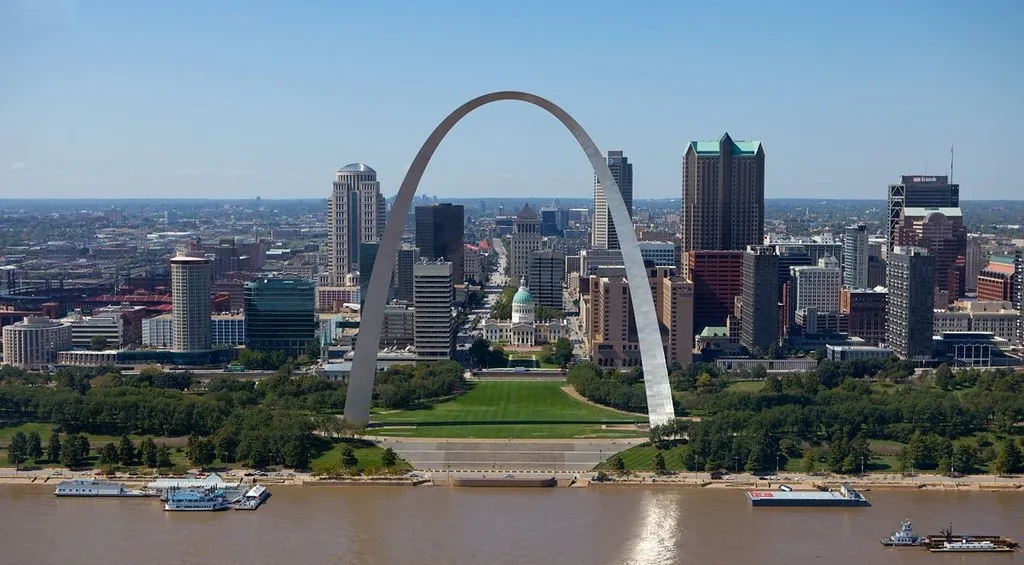
Most Kansas Citians walk through their days blissfully unaware that beneath them lies a parallel city. It’s a place where Hollywood, history, and cheese peacefully coexist.
The limestone caverns aren’t the only channels running under the city. Through the years, Kansas Citians have utilized a number of buried passageways for transportation, both legal and otherwise. The underground history here is layered in more ways than one.
There’s something quietly unsettling about the scale of it all. Millions of square feet. Thousands of workers. Irreplaceable film reels. Government tax records. Vodka. The whole thing sits just below a city most Americans think they already know well. Kansas City’s underground isn’t a curiosity or a footnote. It’s a functioning parallel world, and it has been running for decades without most of the country noticing.
AI Disclaimer: This article was created with the assistance of AI tools and reviewed by a human editor.