
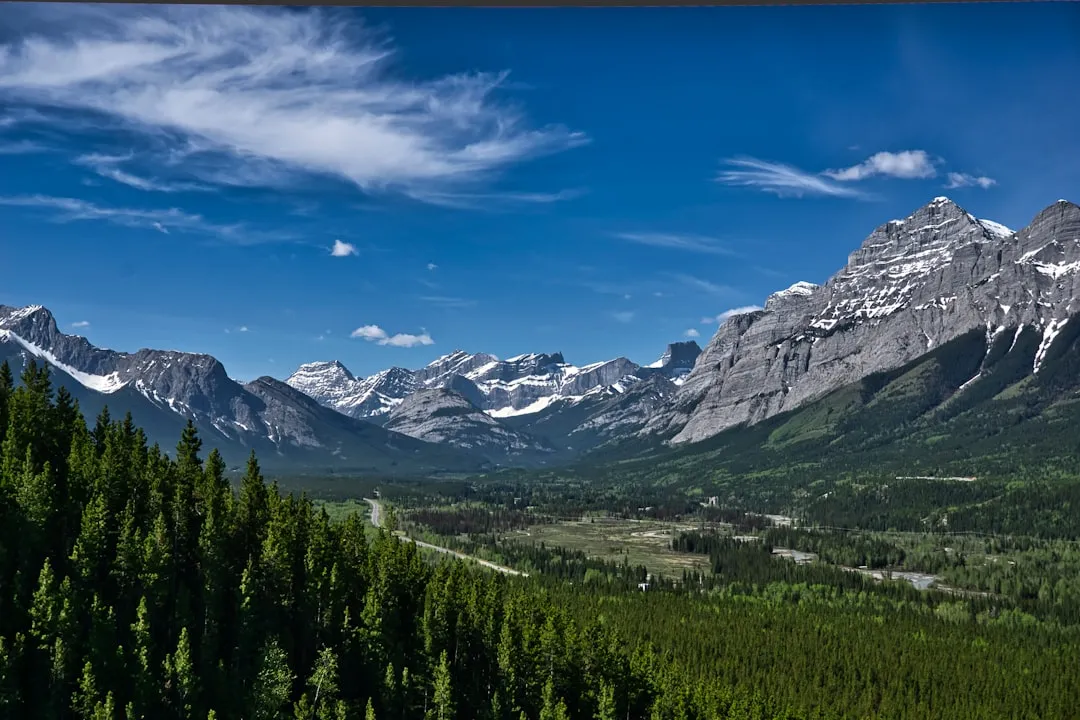

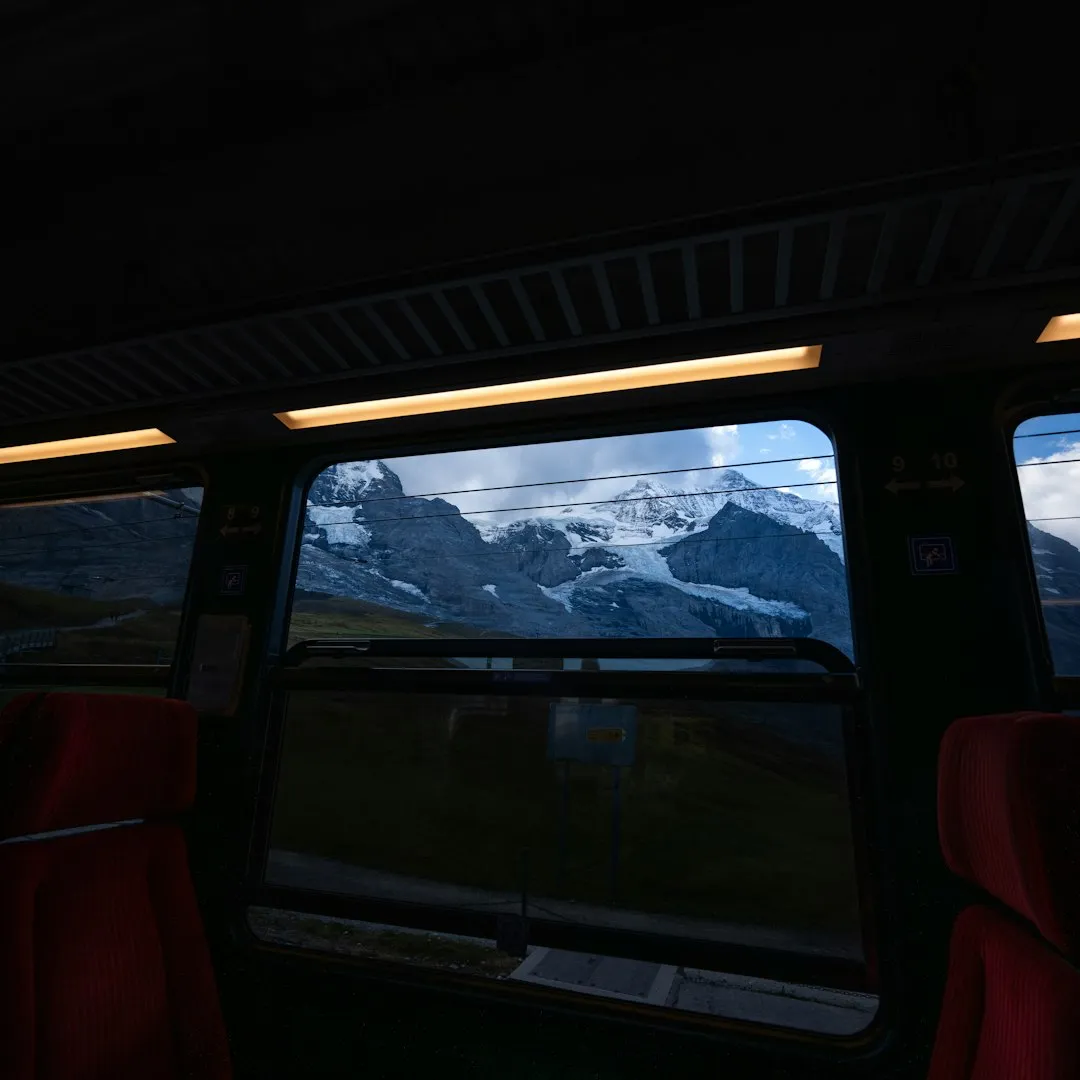
There’s a particular kind of stillness that comes over a train car when the landscape outside the window shifts from flatland to mountain. The transition happens gradually, then all at once – foothills giving way to granite, valleys deepening, the sky filling with peaks. Roads can approximate this, but they rarely deliver it the same way. A train locks you in, takes the wheel, and lets the scenery speak.
These three rail journeys through the Rockies are not just about the destinations at either end. They’re about what happens between them: the gorges, the passes, the wildlife, the engineering feats, and the living history embedded in every mile of track. Each one reveals a side of the mountains that most visitors never see from a car window or a hiking trail.
Journey One: The California Zephyr – America’s Most Storied Mountain Train
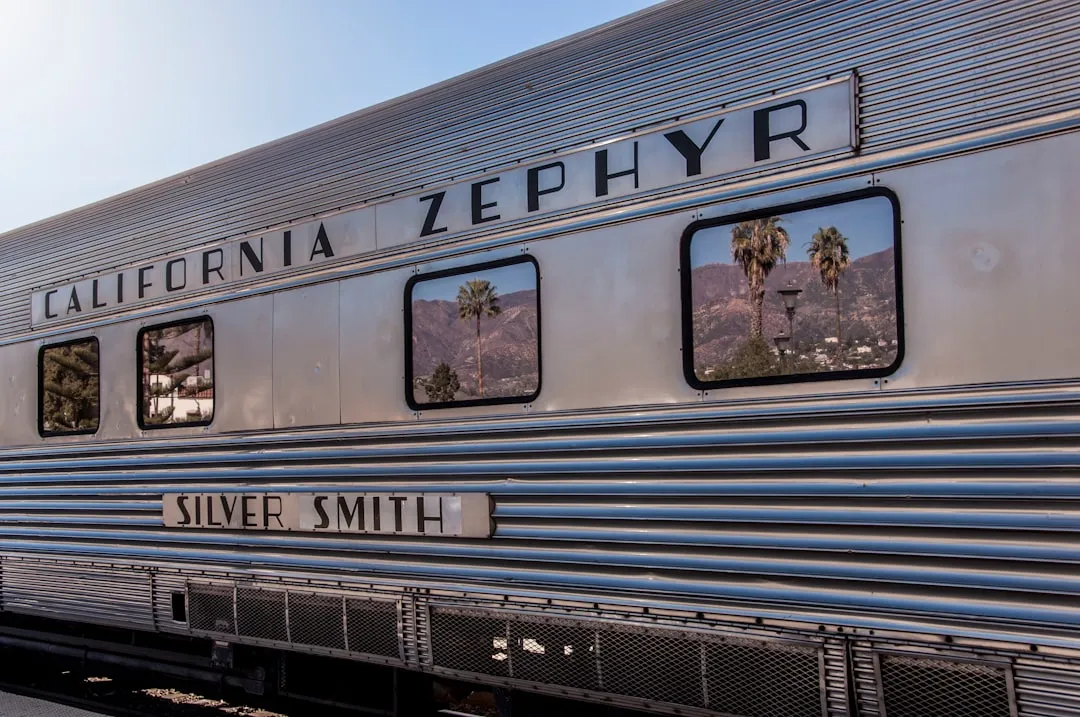
The California Zephyr is a long-distance passenger train operated by Amtrak between Chicago and the San Francisco Bay Area, and at 2,438 miles, it’s Amtrak’s longest daily route. The Rocky Mountain section, running west out of Denver, is where the journey transforms entirely. The California Zephyr leaves Denver and starts the long climb out of the Great Plains into the Rockies, passing through a succession of tunnels carved from the rock.
The train reaches a maximum altitude of 9,270 feet above sea level as it passes through the 6.2-mile-long Moffat Tunnel. Scenic highlights include the Rocky Mountains, Moffat Tunnel, and Colorado’s Gore, Byers, and Glenwood Canyons. These aren’t places you can drive into at speed – the train offers angles and intimacy with the landscape that no highway can replicate.
During fiscal year 2023, the California Zephyr carried 328,458 passengers, an increase of over thirteen percent compared to FY2022. Over approximately 52 hours, the scenery continually changes as the train travels through Midwestern towns, across the Great Plains, into the Rocky Mountains, through Utah’s red-rock country, and over the Sierra Nevada. It’s a journey with genuine staying power.
The Moffat Tunnel and Gore Canyon – Hidden Engineering Marvels
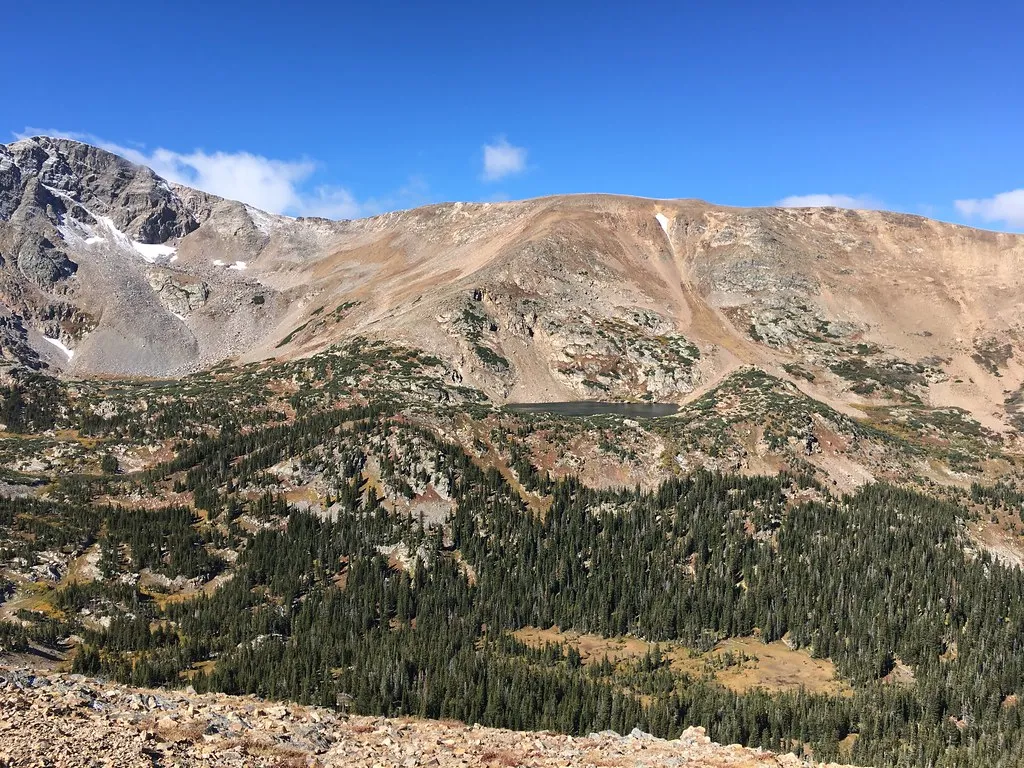
The line crosses the Continental Divide via the 6.2-mile-long Moffat Tunnel under James Peak, then follows the Colorado River from Winter Park Resort to Ruby Canyon, west of Grand Junction. This river corridor is one of the most dramatic stretches of rail travel in the American West. The California Zephyr travels through two different canyons on this leg: Gore Canyon and Glenwood Canyon.
Some segments of the route, especially between Denver and Grand Junction, are known for their tight turns, steep drops, and rough terrain. Rather than being a drawback, this is part of the honest character of the journey. Because the Rockies adversely affected the schedule, the three original founding railroads knew they could not compete on time alone, so the routing was billed as a scenic land cruise, scheduled to pass through its most spectacular scenery in daylight. That philosophy still holds today.
Journey Two: Rocky Mountaineer’s First Passage to the West
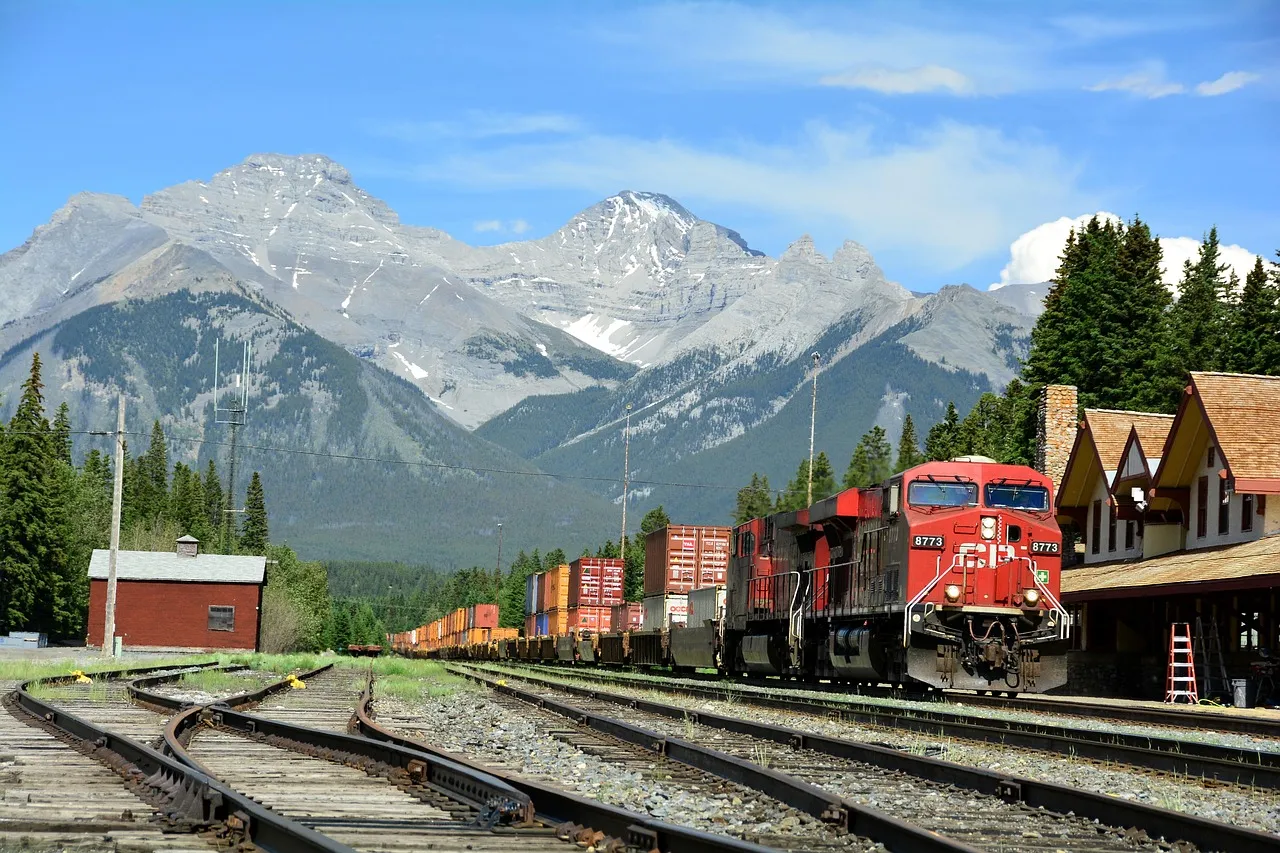
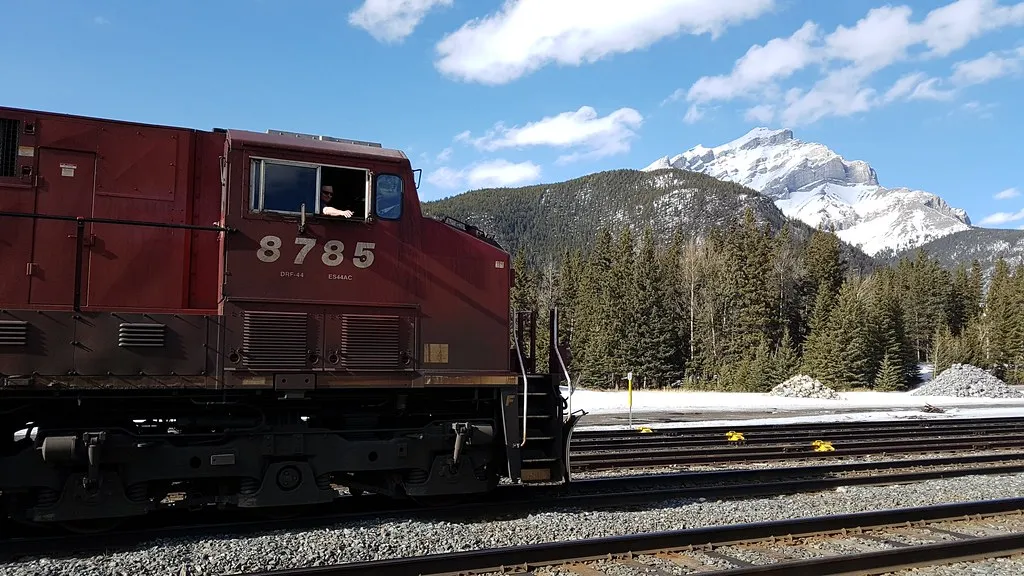
The First Passage to the West is the most historic and arguably most scenic route operated by the Rocky Mountaineer, taking the original Canadian Pacific Railway through the Rockies, opened in 1885 – and it is now the only passenger train operating over the original Canadian Pacific trans-continental line. That’s not a small claim. This route passes through the Canadian Rockies on the historic Canadian Pacific Railway tracks and still connects Vancouver, British Columbia, to the rest of Canada, traversing the rugged terrain as it always has.
You’ll run along the wonderfully scenic Fraser and Thompson rivers, pass the site of the 1885 Last Spike and the Continental Divide, cross the much-photographed Stoney Creek bridge, and pass the pretty station at Lake Louise and Castle Mountain. You’re likely to see bald eagles, ospreys, and possibly black bears or even grizzly bears. The route runs three times a week in each direction from mid-April to mid-October, taking two full days with an overnight hotel stop in Kamloops included in the fare.
Rocky Mountaineer’s unique bi-level GoldLeaf car features spacious reclining seats, and passengers have access to covered open-air vestibules perfect for reflection-free photography, along with a dedicated GoldLeaf dining room where an à la carte menu is served. The train travels entirely in daylight, which is a deliberate and meaningful choice – every hour of mountain scenery is yours to witness without darkness interrupting it.
What You’ll Actually See Through the Glass
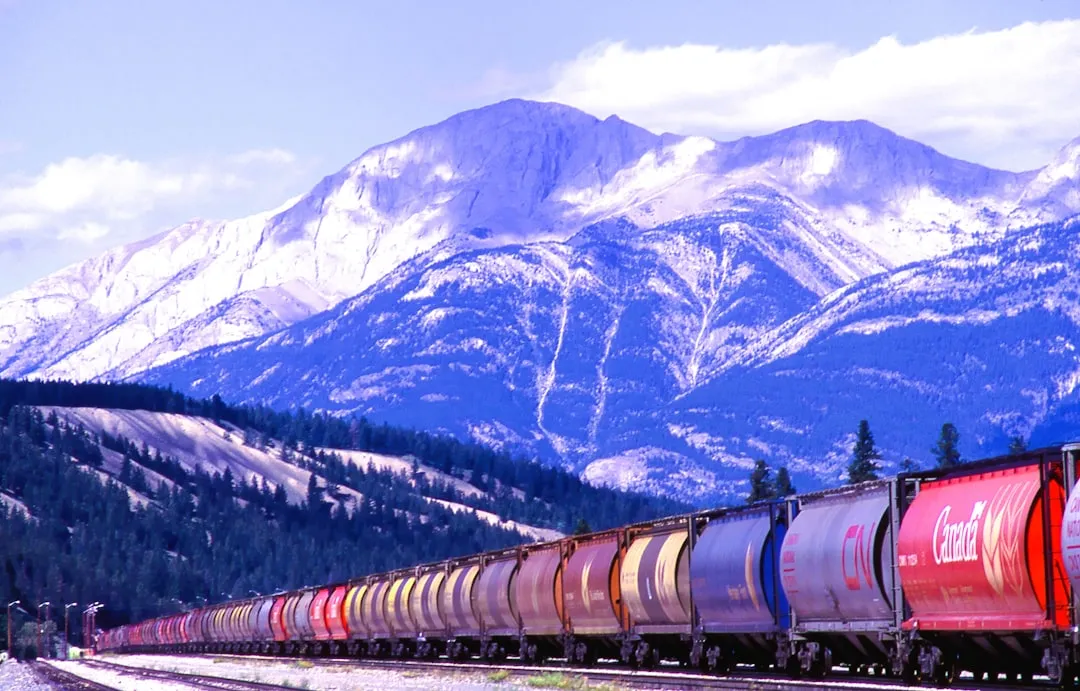
You’ll feast your eyes on majestic peaks, crystal-clear lakes, and possibly local wildlife. The Journey Through the Clouds route, connecting Jasper and Vancouver, offers expansive views of verdant valleys and towering mountains. The Canadian Rockies are, by geological standards, young mountains – still sharp, angular, and dramatic in a way that older, more eroded ranges are not. Looking at them from a train car, you feel that youth.
On certain routes, you follow rushing rivers, witness the cascading waters of Pyramid Falls, and come face to face with Mount Robson – and Jasper National Park itself covers more than 11,000 square kilometres, home to incredible scenery and wildlife. The Rainforest to Gold Rush route runs between North Vancouver and Jasper via Whistler and Quesnel, travelling through coastal rainforests, alpine scenery, and gold rush history. Few rail journeys in the world compress that much ecological and cultural variety into a single itinerary.
Jasper After the 2024 Wildfire – A Resilient Destination in Recovery
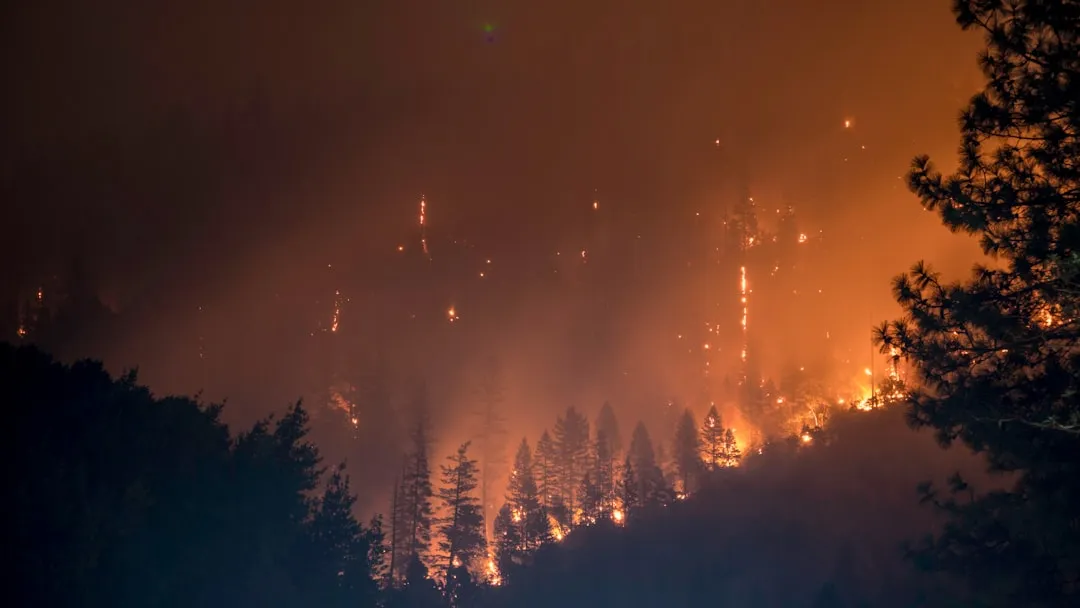
Travelers planning a train journey through Jasper in 2026 should know what they’re arriving to – not to be discouraged, but to be informed and respectful. In July 2024, an intense and fast-moving wildfire burned more than 30,000 hectares in Jasper National Park, destroyed over 300 structures in the town of Jasper, and forced the evacuation of over 20,000 residents and visitors at the height of the summer tourism season. Beyond the immediate destruction and displacement, the wildfire resulted in an estimated 1.3 billion dollars in insured losses, making it the second-costliest wildfire in Canada’s history.
Jasper is fully open in 2026, and Rocky Mountaineer routes through Jasper are available to book now. According to Tourism Jasper, ninety-seven percent of the park was not impacted by the wildfire – the three percent just happens to be in close proximity to the town itself. The mountains, the rivers, the wildlife corridors – they remain. Visiting Jasper right now also means directly supporting a community that has shown remarkable determination in rebuilding, and your presence there matters in a tangible way.
Journey Three: Cumbres and Toltec Scenic Railroad – A Living History Museum on Wheels
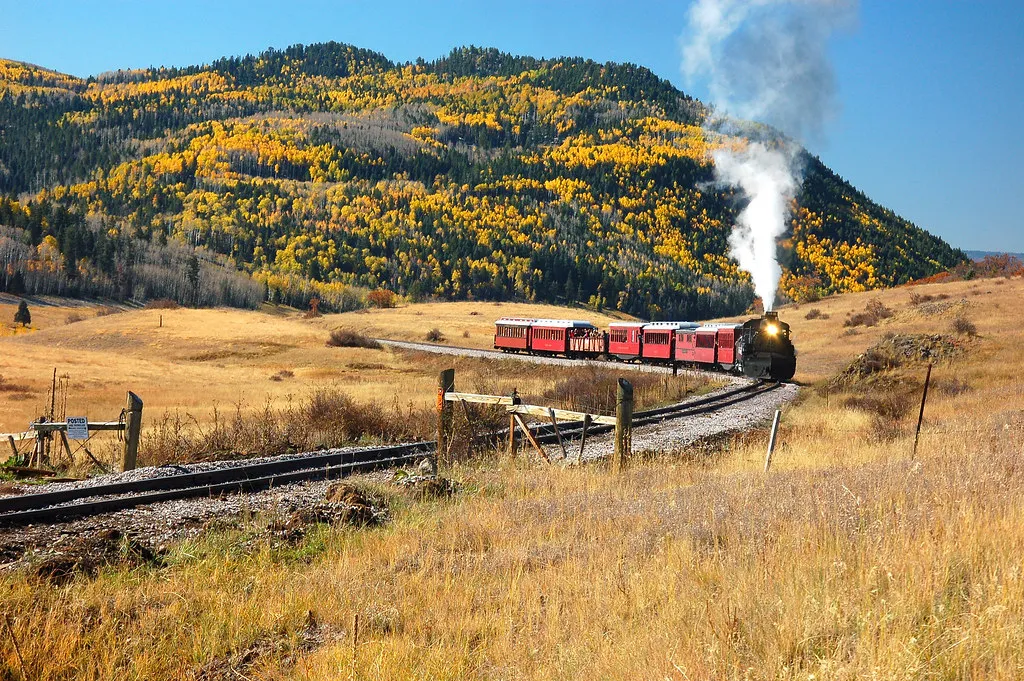
If the California Zephyr is epic in scale and the Rocky Mountaineer is luxurious, the Cumbres and Toltec is something else entirely: intimate, unhurried, and saturated with authenticity. The Cumbres and Toltec Scenic Railroad is a National Historic Landmark and, at 64 miles in length, is the longest, highest, and most authentic steam railroad in North America, traveling through some of the most spectacular scenery in the Rocky Mountain West.
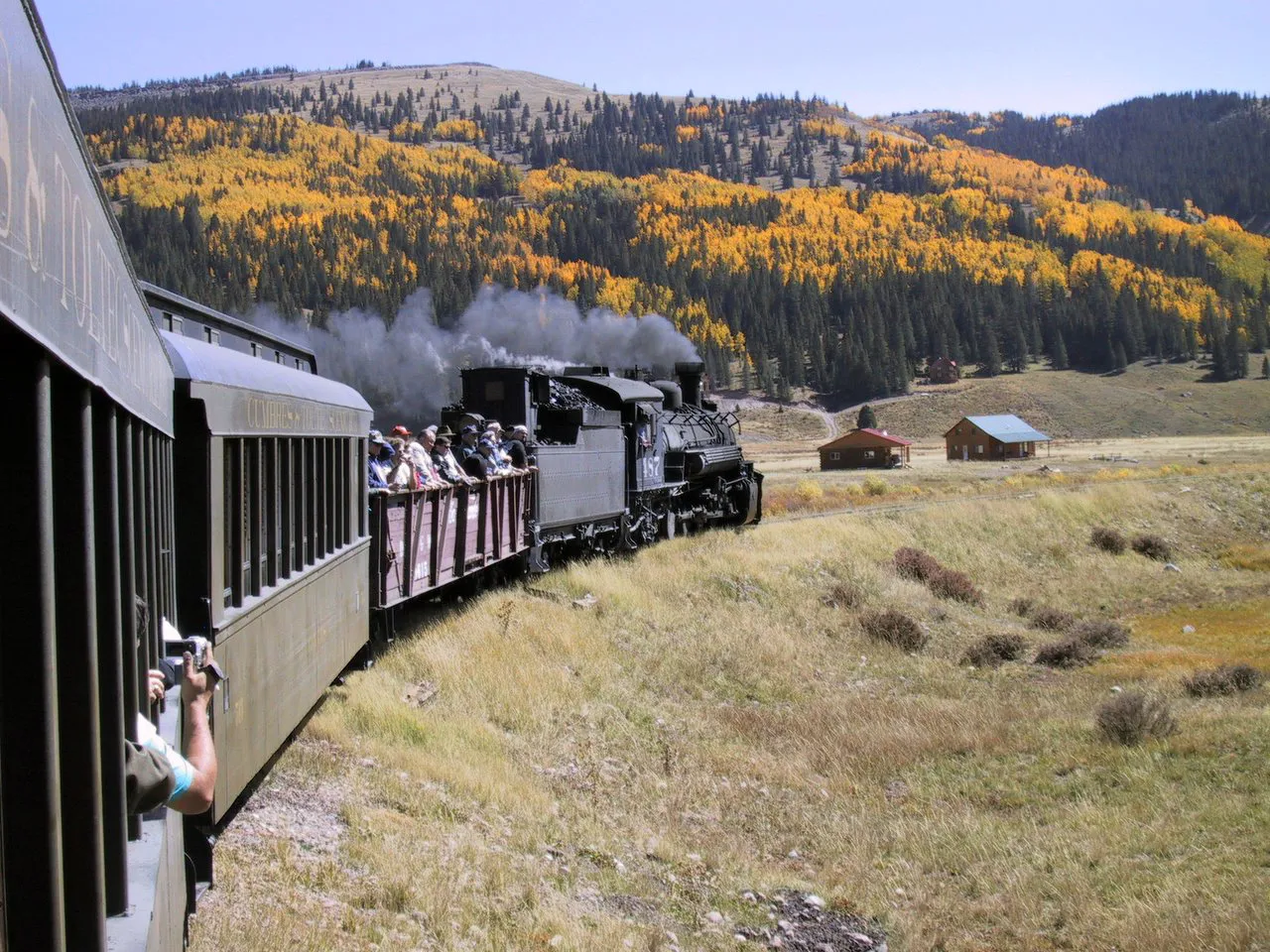
The railway is named for its two most prominent features: the 1,000-foot Toltec Gorge, one of the sheerest drops in the United States, and Cumbres Pass, which at 10,015 feet is the highest railroad pass in the country. The train travels the original 64 miles of tracks laid in 1880, winding across the borders of Colorado and New Mexico eleven times through high mountain passes, alpine meadows, and conifer and aspen forests that are mostly inaccessible by car. That last detail is worth sitting with – much of this landscape simply cannot be reached any other way.
The Steam, the History, and the Silence
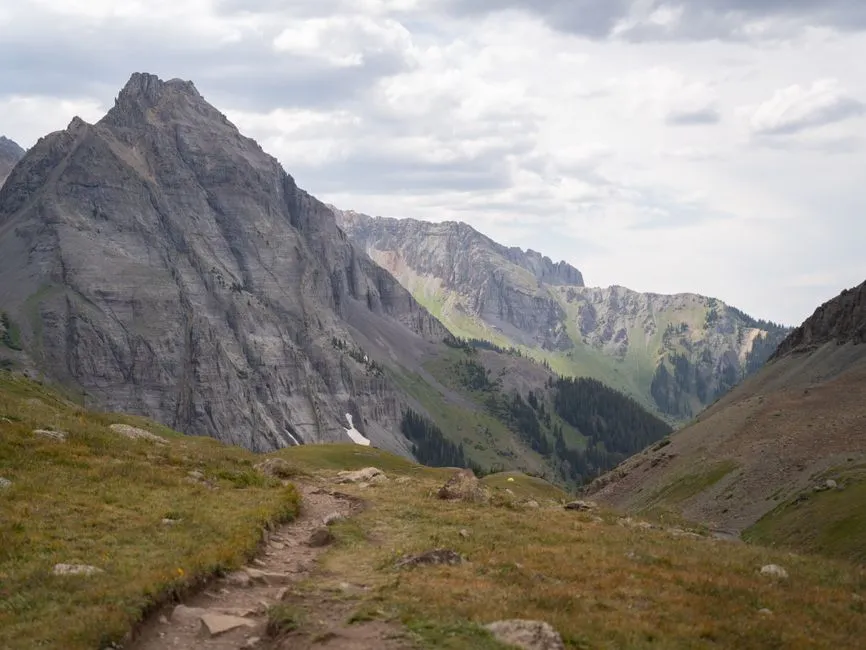
The Cumbres and Toltec Scenic Railroad was originally constructed in 1880 as part of the Rio Grande’s narrow-gauge San Juan Extension, which served the silver mining district of the San Juan Mountains in southwestern Colorado. In 1973, the railroad was listed on the National Register of Historic Places. It was designated as a National Historic Civil Engineering Landmark by the American Society of Civil Engineers in 1976, and in 2012 it was further designated a National Historic Landmark for its engineering, well-preserved infrastructure and equipment, and the role of the railroad in regional development.
Voted by the readers of USA Today as the most scenic train ride in the nation in 2020, 2019, and 2017, the historic steam train runs at a top speed of 12 mph, providing passengers with a leisurely six-hour journey through the scenic San Juan Mountains between Chama, New Mexico, and Antonito, Colorado. Twelve miles per hour. That pace is not a limitation – it’s the whole point. The railroad has the country’s largest collection of narrow-gauge locomotives and cars, and volunteers have meticulously restored engines and rolling stock, operating between five and eight steam engines manufactured between the 1880s and the early 1900s.
Planning the Cumbres and Toltec Experience
The railroad operates between late May and late October, with two trains departing each morning from Antonito, Colorado, and Chama, New Mexico. Both trains meet at Osier, Colorado, for lunch, which is served in a modern dining hall to passengers, who can then either continue to the other side or switch trains and return to their point of origin.
In addition to daily trips, the Cumbres and Toltec runs several special trains throughout the year, with brunch and dinner excursions as well as outings with nature themes like geology and botany. There’s even a nighttime Dark Sky train. Deer, antelope, elk, fox, eagles, and even bear are frequently spotted on this family-friendly, off-the-grid adventure. Cell service is essentially absent on most of the route – which, depending on your mindset, is either an inconvenience or the whole point.
What Makes These Three Journeys Different From One Another
The California Zephyr is for those who want to understand the sheer scale of the American West – a coast-to-coast narrative told in landscape, with the Rockies as its dramatic centerpiece. The Rocky Mountaineer’s First Passage to the West is for those who want the experience of luxury rail travel combined with genuinely wild Canadian mountain terrain, a pairing that the train has refined over decades. The Cumbres and Toltec is for those who want to step back in time and ride something that has barely changed in over a century.
Each journey moves at its own speed and carries its own personality. The California Zephyr reveals the genuine heart of America – not just the polished tourist version. The First Passage to the West is today the only passenger train still traveling the historic Canadian Pacific Railway stretch through the Canadian Rockies. The Cumbres and Toltec is the longest, highest, and most complete example of late 19th and early 20th-century narrow-gauge, steam-powered railroading in the United States. Three routes, three distinct rhythms, three genuinely different windows into what the Rockies have always been.
The Responsible Traveler’s Perspective
Choosing rail over road or air in mountain regions carries real environmental and community meaning. Trains consolidate movement, reduce individual carbon footprints, and often pass through communities that benefit directly from visitor spending at depots, restaurants, and local services along the route. One of the best ways to support Jasper’s ongoing recovery is to spend within Jasper National Park – eating in local restaurants, staying in local hotels, shopping in local stores, and exploring with local guides.
The same principle applies across all three of these routes. The Cumbres and Toltec is co-owned by the states of Colorado and New Mexico, and visitor revenue directly supports the preservation of a piece of public heritage infrastructure. The Rocky Mountaineer supports communities the length of its routes through employment and economic activity. Care of the historic assets and interpretation of the Cumbres and Toltec is entrusted to the Friends of the Cumbres and Toltec Scenic Railroad, a non-profit organization whose mission is to preserve the railroad as a living history museum for the benefit of the public. When you board one of these trains, you’re part of that preservation.
When to Go and How to Plan
On the California Zephyr, trains heading into the mountains depart Denver in the morning, making westbound trains the best direction of travel for maximum daylight and the most scenic views. If you’re flying to Denver, arriving the night before and staying at the hotel in Denver Union Station is worth considering. April, September, October, and November tend to offer the best prices and lower chances of snow delays.
The Rocky Mountaineer’s First Passage to the West runs three times a week in each direction from mid-April to mid-October. For the Cumbres and Toltec, the season is defined and finite. The 2024 season ran from May 25th through October 19th, with trains operating six days a week, Tuesday through Sunday. Fall is a particularly rewarding time, when aspen groves across the San Juans shift to gold and the light across the high desert turns extraordinary. Rocky Mountaineer’s exclusive 2026 Passage to the Peaks route runs between Banff and Jasper, a special two-day rail journey that immerses travelers in spectacular Canadian Rockies scenery without traveling all the way to Vancouver.
There’s a reason these routes have endured. Not every experience translates into something memorable, but sitting in a moving train car while the Rockies unfold in all directions – whether through a glass dome in Canada, a sightseer lounge in Colorado, or a open-windowed narrow-gauge car threading a 10,000-foot pass – is one that tends to stay with people for a long time. The mountains don’t change their nature depending on how you arrive. But the train, more than most modes of travel, lets you meet them honestly.
AI Disclaimer: This article was created with the assistance of AI tools and reviewed by a human editor.