

On St. Helena Island, South Carolina, something quietly extraordinary has been happening. One of the most historically significant African American sites in the entire country is being restored, revisited, and reclaimed, not just as a monument to the past, but as a living, breathing cultural institution for communities that never stopped showing up.
The story involves Penn Center, the Gullah Geechee Cultural Heritage Corridor, a chorus of dedicated scholars, and the descendants of formerly enslaved West Africans who have called these coastal islands home for more than three centuries. It’s a story about what preservation looks like when communities lead it themselves.
A Culture Rooted in the Sea Islands

The Gullah Geechee people are the descendants of West and Central Africans who were enslaved and brought to the lower Atlantic states of North Carolina, South Carolina, Florida, and Georgia to work on the coastal rice, Sea Island cotton, and indigo plantations. Their geography, as painful as its origins were, ultimately became a form of protection. Because their enslavement was on isolated coastal plantations, sea and barrier islands, they were able to retain many of their indigenous African traditions, which are reflected in their foodways, arts and crafts, and spiritual traditions.
They also created a new language, Gullah, a creole language spoken nowhere else in the world. That linguistic fact alone signals just how distinct and irreplaceable this culture truly is. The Gullah Geechee language, a beautiful creole that blends English with various West African dialects, continues to thrive among the community’s descendants.
Penn Center: The Heart of a Historic District
Located on beautiful St. Helena Island, at the very heart of Gullah culture, surrounded by glimmering marshes and nestled beneath the silvery moss-draped limbs of massive live oaks, is Penn Center. Its significance is hard to overstate. Founded in 1862 by Quaker and Unitarian missionaries from Pennsylvania, it was the first school founded in the Southern United States specifically for the education of African Americans.
The Penn Center is a 50-acre historic district comprising 25 historic buildings and structures on beautiful St. Helena Island, South Carolina. Over the decades, it evolved far beyond a school. Penn School functioned as an educational institution, health clinic, farm bureau, catalyst for community action, and a repository for preserving St. Helena Island’s unique Gullah heritage and written history.
King, his SCLC lieutenants, and countless unnamed activists met with the SCLC at Penn five times between 1964 and 1967. The campus held space for movements that changed the nation. Few places in America carry that kind of layered weight.
The Restoration of Darrah Hall
A National Park Service project restored the exterior of Darrah Hall on the Penn Center campus on St. Helena Island. The work was carefully observed at the highest levels of government. In February 2024, the United States National Parks director Chuck Sams visited the Penn Center on St. Helena Island to discuss efforts to preserve Reconstruction Era history and was shown the restorations made to the Penn Center’s Darrah Hall, the Penn Center’s oldest building, with the restoration made possible through the Great American Outdoors Act.
Darrah Hall, built in 1903, is the oldest building on the Penn Center campus and is managed by the National Park Service. In its more than 120-year history, it has served as a meeting house, gymnasium, and a tomato packing plant, and was moved several times before finally arriving in its current location. In addition to new paint, the front porch was repaired, an accessible entrance ramp was added, sections of lap siding were replaced, and the original cedar gable shingles were all replaced.
Recognition Beyond Borders: A UNESCO Network Addition
Penn Center was added to the UNESCO Network of Places of History and Memory in 2024, with the network’s goal being to provide resources for the advancement of the Center’s preservation and educational mission as part of a five-year initiative. That kind of international recognition matters. It signals that what is being preserved at Penn Center is not just a local or even national heritage, it belongs to the full story of the African diaspora.
The Penn Center is part of the Reconstruction Era National Historic Network, a collection of 107 sites across the nation dedicated to telling the story of the Reconstruction Era. Sitting within that network, Penn Center anchors one of the most concentrated zones of African American memory anywhere in the American South.
A Federally Designated Corridor Spanning Four States
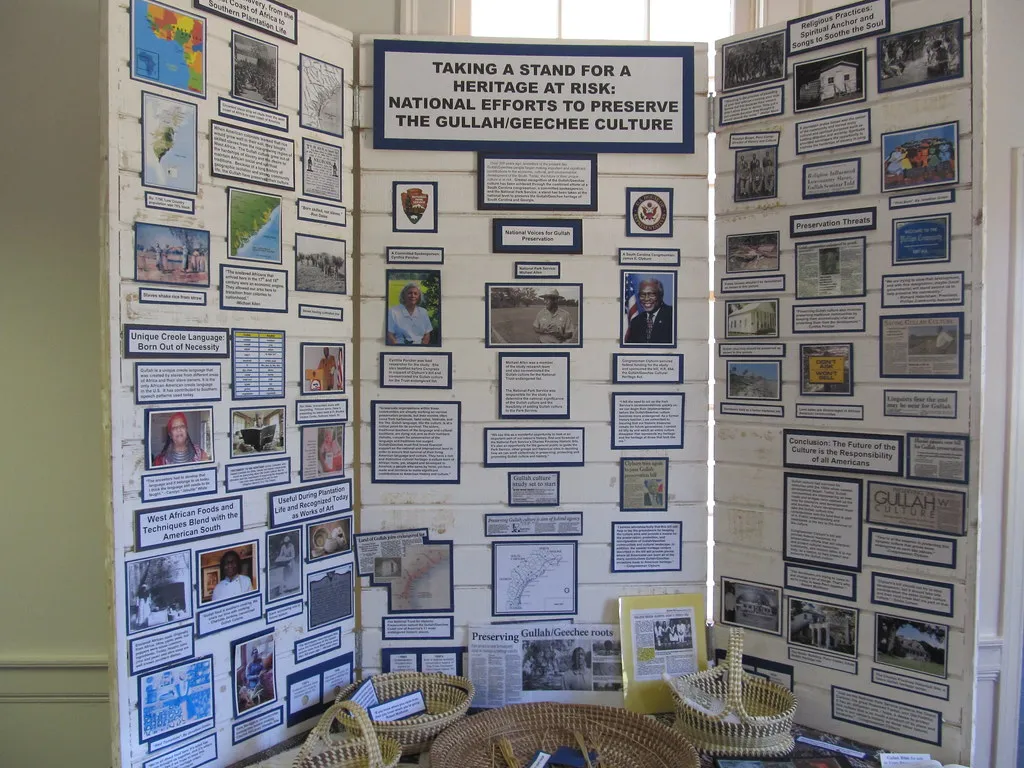
The Gullah Geechee Cultural Heritage Corridor is a National Heritage Area established by the U.S. Congress to recognize the unique culture of the Gullah Geechee people who have traditionally resided in the coastal areas and the sea islands of North Carolina, South Carolina, Georgia, and Florida. This designation gives the corridor real institutional standing. The Gullah Geechee Cultural Heritage Corridor and the federal Commission established to oversee it were designated by an act of Congress on October 12, 2006, through the National Heritage Areas Act of 2006, with the Corridor running from Pender County, North Carolina to St. John’s County, Florida.
The purpose of the Gullah Geechee Cultural Heritage Corridor is to preserve, share, and interpret the history, traditional cultural practices, heritage sites, and natural resources associated with Gullah Geechee people of coastal North Carolina, South Carolina, Georgia, and Florida. The corridor’s managing commission works with a wide range of local, state, and federal partners, and regularly provides interpretive assistance to museums, visitor and welcome centers, national parks, and Gullah Geechee heritage sites.
Community Convening: Celebrating the Living Culture
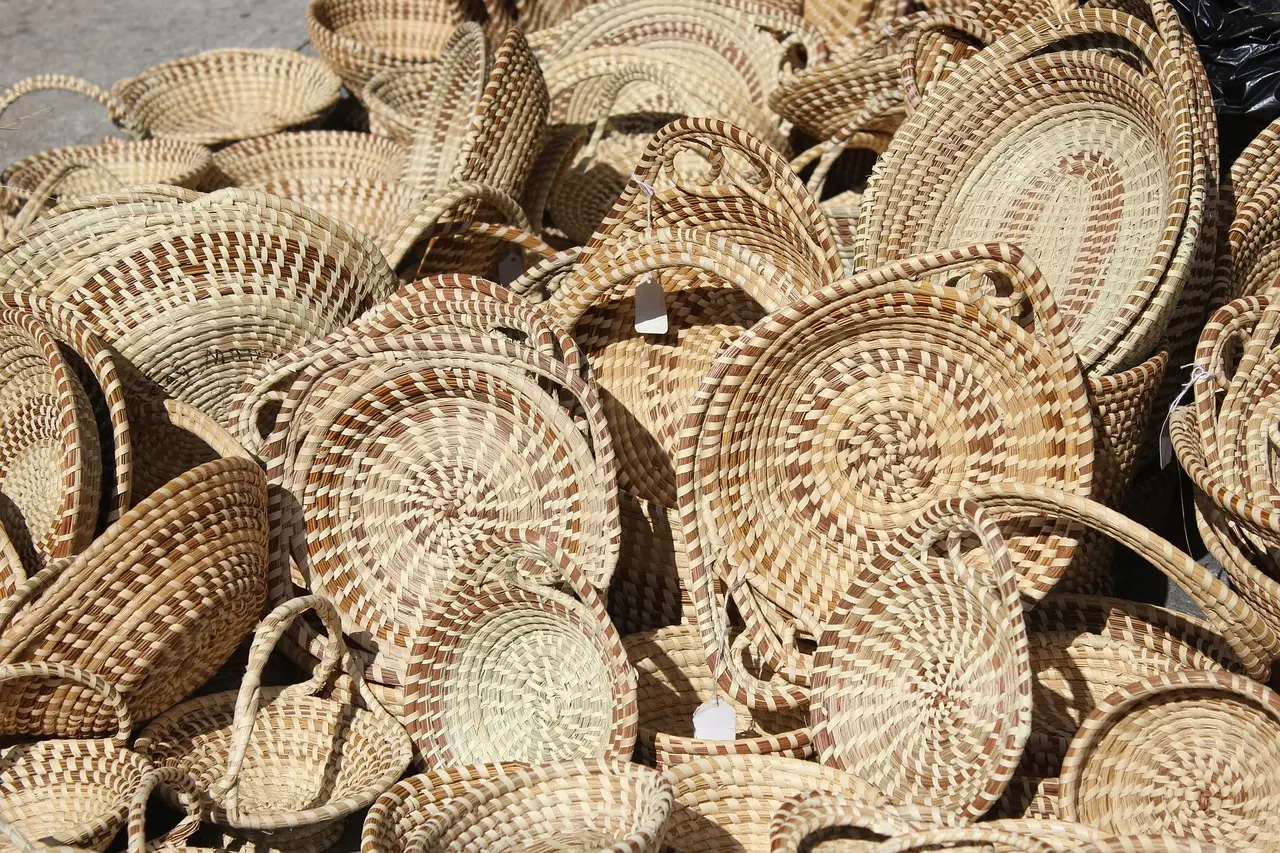
The Gullah Geechee Cultural Heritage Corridor Commission hosted its second annual Gullah Convening dedicated to celebrating, preserving, and investing in the living culture of the Gullah Geechee people. The December 2025 gathering in Charleston was a milestone moment. In support of the goal to protect the history, language, and future of Gullah Geechee communities, the evening included carefully chosen cultural moments, live music, Gullah storytelling, and meaningful community recognition.
Organizers said this was more than just a gala, but a call to honor the past, celebrate the present, and plant seeds for the future. Events like these do something tangible. They create space for descendants to see themselves not as artifacts of history, but as a living people with ongoing creative and cultural power.
Academic Investment: Georgia State University’s Sacred Land Project
Georgia State University announced the Gullah Geechee Sacred Land Project, supported by a $500,000 grant from the Mellon Foundation, with the initiative focusing on researching and protecting the rich cultural heritage and lands of the Gullah Geechee people in Georgia and South Carolina. The project is more than archival in intent. It aims to safeguard African American burial grounds, support community engagement, and introduce new educational opportunities for students.
The project will roll out four new courses that dive deep into oral tradition and folklore, coupled with immersive service-learning experiences, and graduate students will have the chance to earn a newly created certificate in Cultural Resource Management. Academic investment at this scale sends a clear message: preserving Gullah Geechee heritage is a scholarly priority, not just a community one.
The Threat: Land Loss and Displacement
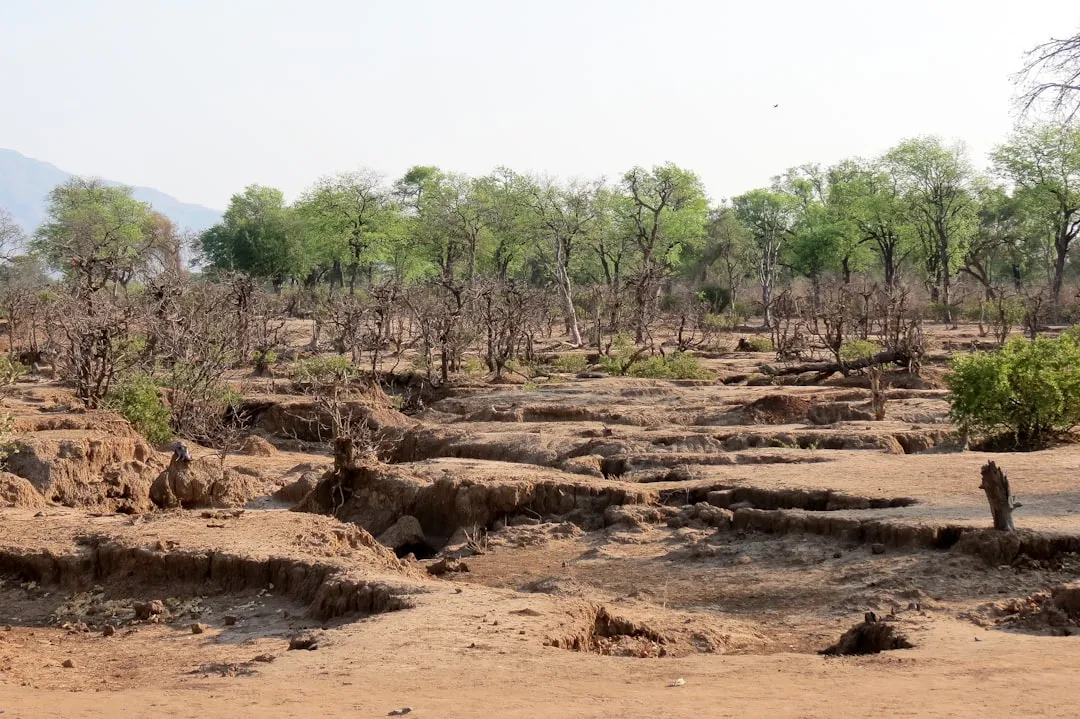
Revival and restoration do not happen in a vacuum. The cultural momentum described above exists alongside a very real, ongoing crisis. In Beaufort County, Gullah property ownership is threatened by delinquent taxes, clouded titles, and family disputes, while gentrification and the climate crisis further contribute to the dwindling Gullah Geechee population.
St. Helena Island in Beaufort County, South Carolina, has been protected under the Cultural Protection Overlay (CPO), which has limited the ability of commercial developers to encroach since the 1990s, but an investor has been determined to overturn the law to build a golf course and a gated community, putting thousands of acres of land in jeopardy. The community has fought back. On September 16, 2024, the Beaufort County Council voted once again to uphold and defend the CPO.
The Gullah-speaking descendants on Hilton Head now make up less than 6% of the population, holding fewer than 1,000 acres of land. That number reveals how much ground has already been lost, and how urgent the current wave of preservation work truly is.
Protecting Sacred Ground: A Court Victory in 2026
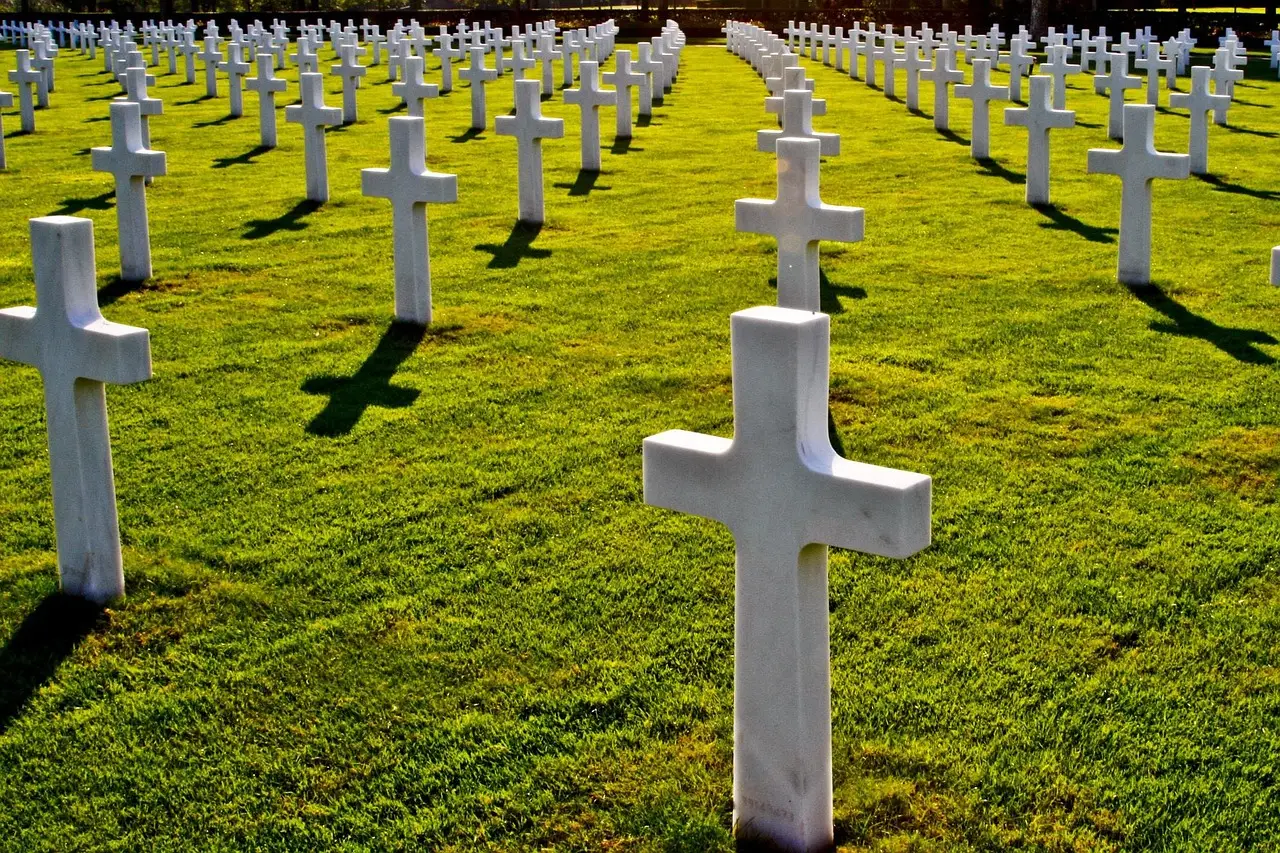
As new developments and residents enter areas designated to the Gullah Geechee Cultural Heritage Corridor, families of formerly enslaved people are increasingly blocked from public areas such as burial grounds they once could access without issue. One such case reached a pivotal moment this year. In February 2026, a court ordered landowners on St. Helena Island in South Carolina to remove all obstructions to local Gullah Geechee residents’ access to their centuries-old cemetery, with a temporary injunction requiring landowners to open the gates blocking the road that leads to the cemetery for burials, funerals, and maintenance.
Oceanside burials are significant to the Gullah Geechee community, as they believe their loved ones’ souls travel across the water to return to Africa in the afterlife. A cemetery, in this context, is not simply a piece of land. It is a living spiritual connection across generations and across oceans.
Heritage Festivals and the Power of Cultural Presence
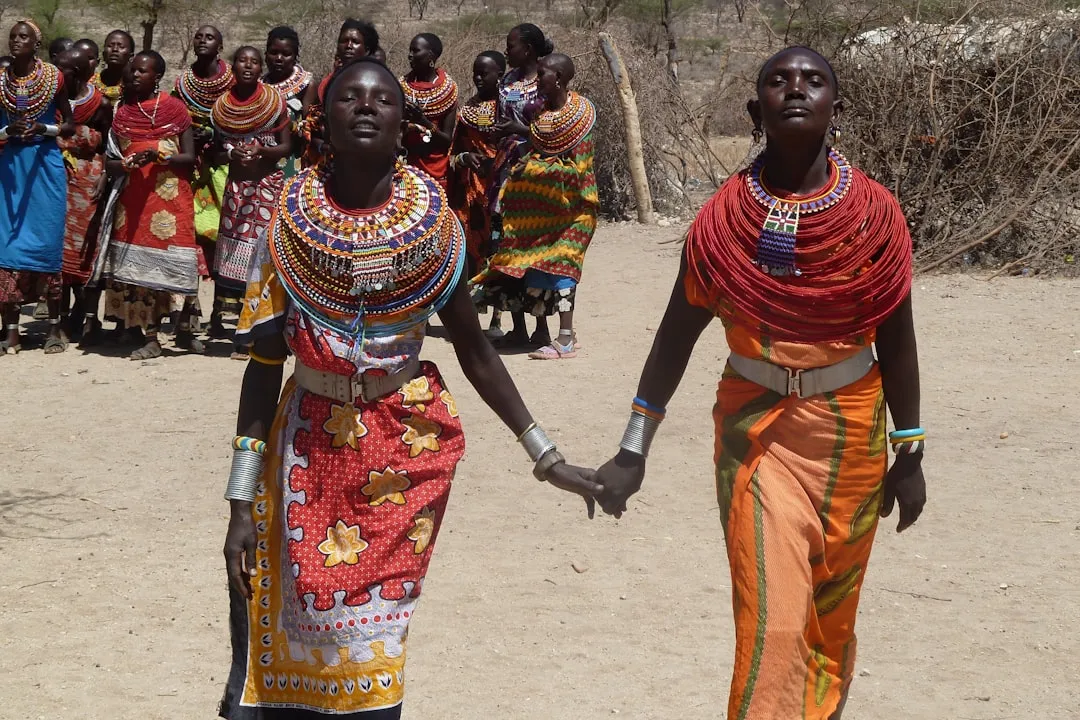
Across the four-state corridor, public gatherings have become one of the most visible and joyful expressions of the Gullah Geechee revival. The Gullah Geechee Heritage Festival in St. Augustine, Florida, celebrates the rich legacy of early Black settlers and their descendants. Highlights include a Lowcountry cooking demo, The Gullah Geechee Ring Shouters, and engaging discussions on the Gullah Geechee culture.
The 2024 festival in St. Augustine marked 450 years of West African influence in St. Johns County. That is not a small number. The Atlantic Beach Gullah Geechee Festival was created to promote and bring attention to the Gullah Geechee people’s history and cultural expressions as exemplified by the beachfront community of Atlantic Beach, South Carolina. These events serve a dual purpose: they welcome outside visitors with warmth and openness, while firmly asserting the culture’s vitality and permanence.
What Revival Really Means
The word “revival” carries different meanings depending on who is using it. For the Gullah Geechee community, it is less about recovering something lost and more about refusing to be erased. The vision of the Gullah Geechee Cultural Heritage Corridor is one of cultural preservation, economic empowerment, and environmental stewardship, envisioning a vibrant region where the rich heritage of the Gullah Geechee people is celebrated and preserved for generations to come, through sustainable development and community engagement that honors unique traditions, language, arts, and cuisine.
As preservation efforts work to protect cultural traditions, language, and land, they’re going up against the clock amid looming environmental threats and relentless development pressures. The restoration of Darrah Hall, the UNESCO recognition, the GSU grant, the court victories, and the festival gatherings are each small pieces of a much larger, harder effort. They matter enormously, not because they solve everything, but because they anchor communities in place, in memory, and in dignity.
What’s unfolding along the Sea Islands is a reminder that heritage preservation is never really about buildings or boundaries. It’s about ensuring that people can remain connected to who they are, on land their ancestors survived to pass down. That is the kind of revival worth paying attention to.
AI Disclaimer: This article was created with the assistance of AI tools and reviewed by a human editor.