
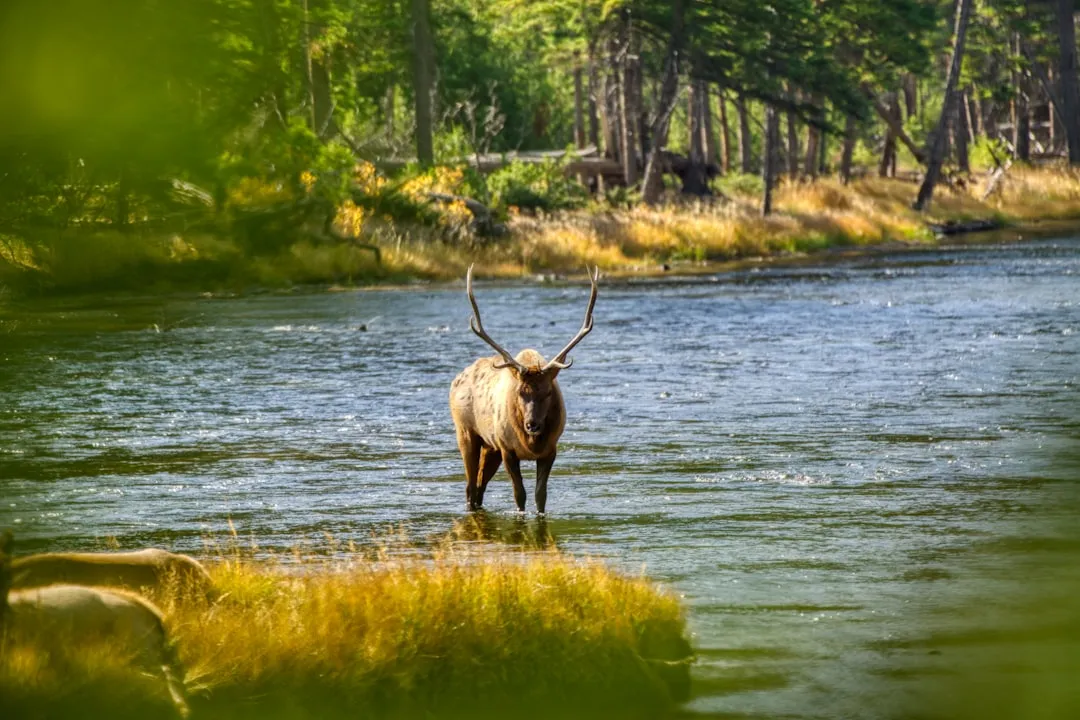

There’s a particular stillness that falls over a meadow when a bison lifts its head from grazing. For many park visitors, that moment is irresistible. Camera out. One step forward. Then another. It’s a pattern playing out millions of times each year across America’s most treasured wild landscapes, and it carries consequences that few photographers fully consider in the heat of the moment.
In 2024, the National Park Service reported a record 331.9 million recreation visits across its various sites, with national parks alone accounting for roughly 94 million visits. More visitors means more cameras, more encounters, and more opportunities to get it right, or wrong. These ten principles exist not to discourage photography, but to help it coexist with the living world it tries to capture.
1. Know the Mandatory Distance Rules Before You Shoot
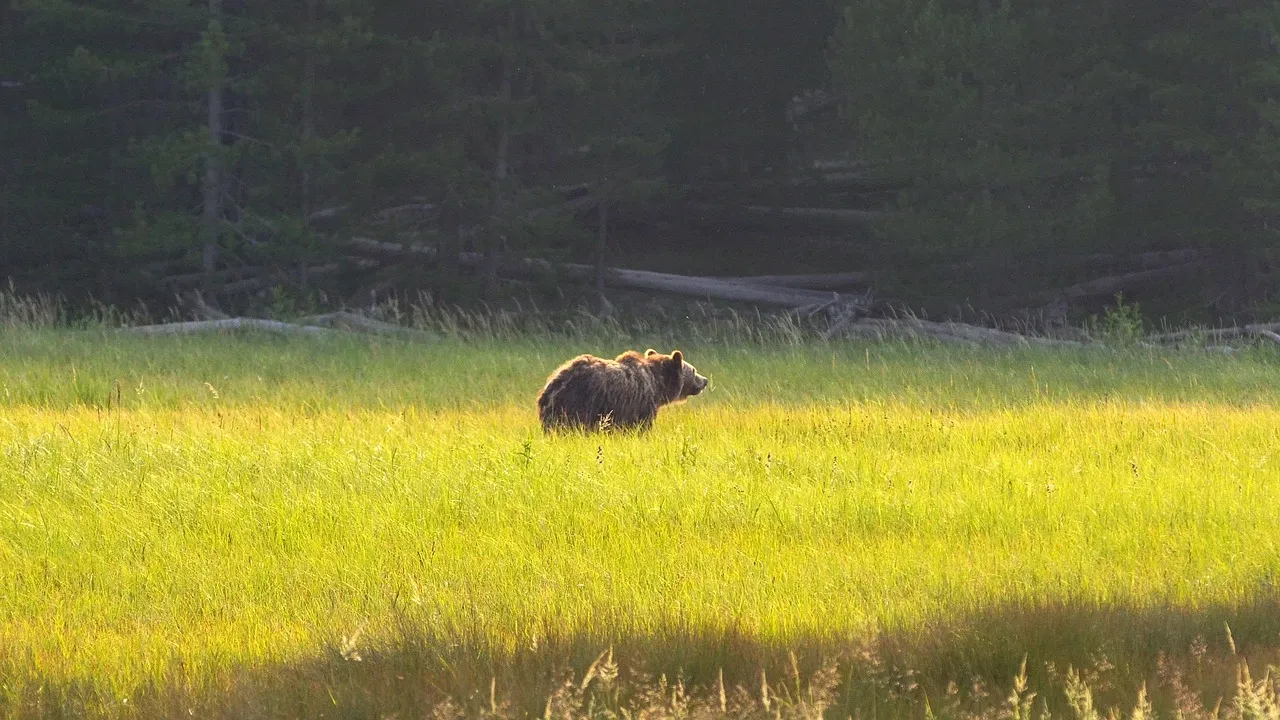
At Yellowstone, the rules are explicit: visitors must remain at least 100 yards from bears and wolves, and 25 yards from all other wildlife, unless shooting from the safety of a vehicle. These numbers aren’t suggestions. They’re federal regulations enforced by park rangers, and violations can result in fines, ejection from the park, or worse.
During mating season, many male animals, particularly ungulates like elk or bison, become territorial and may perceive you as a threat. That’s why each park requires visitors to stay a certain distance away, with some parks requiring a minimum of 50 yards even for animals that seem docile. Always check the specific rules for the park you’re visiting, because they do vary.
If an animal moves toward you, you are responsible for backing up to maintain a safe distance, even if the animal is the one closing the gap. The burden of keeping that space is always on the visitor, not the animal.
2. Zoom With Your Lens, Not With Your Feet
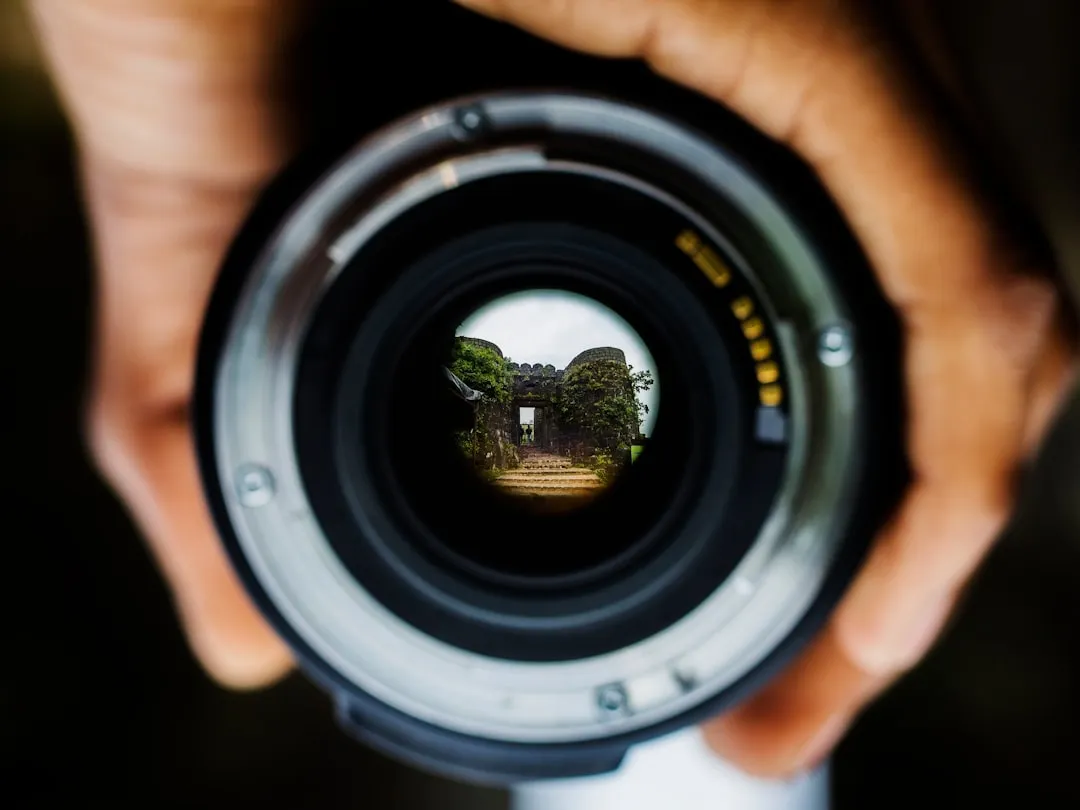
The core mantra from the National Park Service itself is straightforward: zoom with your lens, not with your feet. A telephoto lens in the 300 to 400mm range gives you the reach to capture compelling wildlife portraits without ever needing to step closer than regulations allow.
Using long telephoto lenses rather than approaching animals is the foundational technique of responsible wildlife photography. It protects the animal, it protects you, and it almost always produces better images. Animals behave naturally when they don’t register a human presence bearing down on them.
The National Park Service’s own guidance puts it simply: if you want a picture of the animals, use a zoom lens. If you’re close enough to take a selfie, you are far too close. That line has stuck around because it remains precisely true.
3. Understand That Wild Animals Are Not Predictable
Some visitors confuse wildlife with pets, assuming a bear sitting quietly near a trail is “tame,” or that elk are harmless because they look calm. In truth, wild animals are unpredictable, especially when protecting their young or during mating seasons. That calm exterior can vanish in seconds.
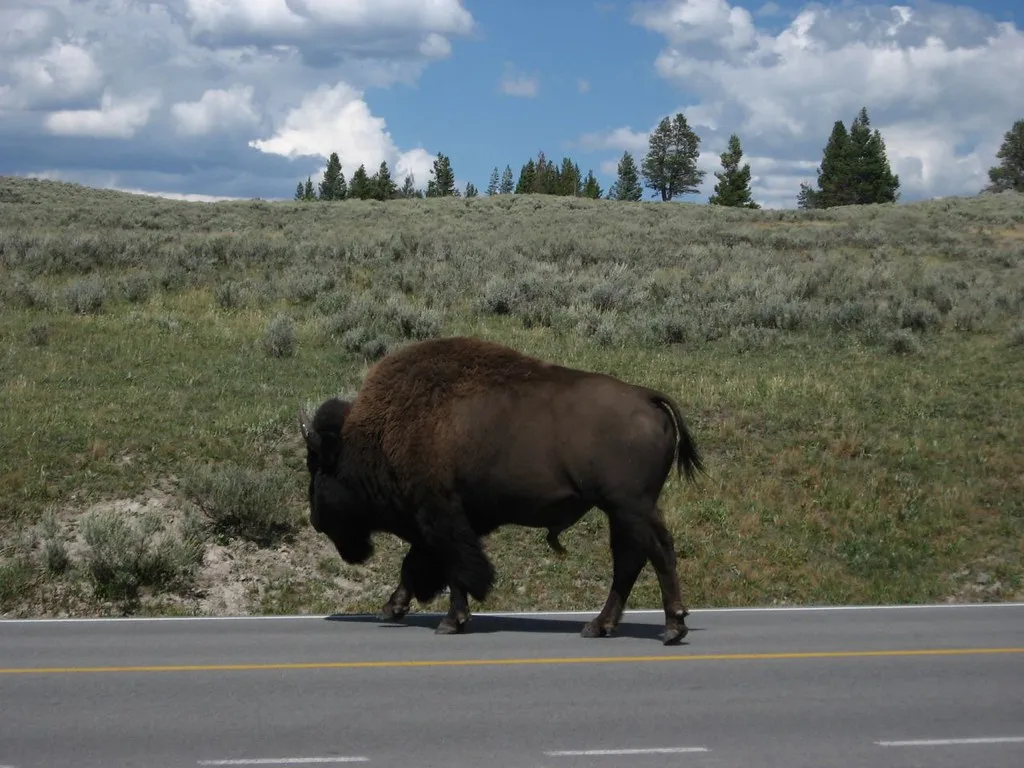
Bison, which can weigh over a ton and exhibit unpredictable behavior, are more likely to charge when they feel threatened. In June 2024, an 83-year-old woman from South Carolina was gored by a bison that was “defending its space.” Incidents like this are not rare flukes. They’re predictable outcomes of unpredictable proximity.
Wildlife can also get injured when they try to escape people who have gotten too close, especially if they are near human structures or roads. The danger runs in both directions, and the animal’s wellbeing deserves as much consideration as your own.
4. Never Feed Wildlife, Even for a Better Photo
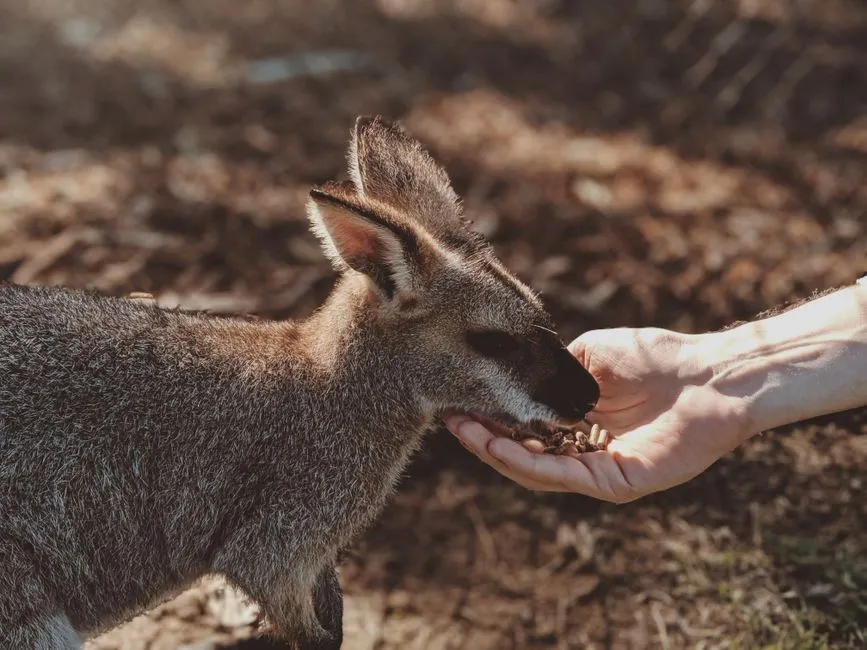
Learning to eat human food can change the way wildlife interacts with people. The process of wild animals becoming used to and attracted to human food is called “food conditioning,” and food-conditioned animals actively seek out human food, which in the worst cases can make them dangerous.
Feeding wildlife can lead to animals becoming habituated to humans, which often results in them being euthanized for public safety. That is not a dramatic overstatement. It is a documented outcome that rangers deal with regularly. The animal pays the price for a human decision made in a moment of impulse.
Park ethics codes are clear: never entice wildlife with food, animal calls, or any actions that change their behavior. This includes quietly tossing a cracker toward a squirrel to get it to sit still. Intention doesn’t change the impact.
5. Respect Nesting Sites and Denning Areas
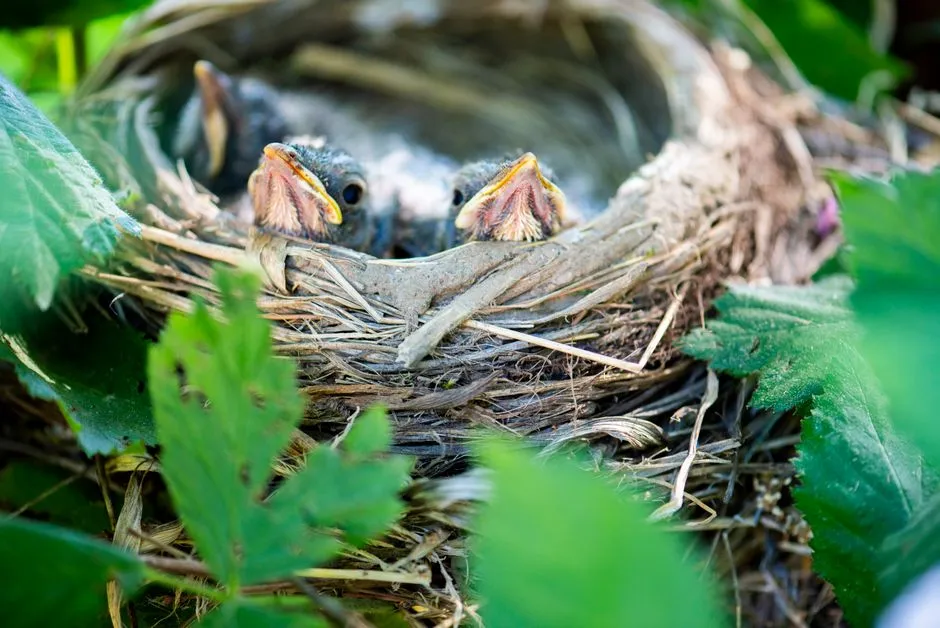
Getting close to birds and mammals within their dens or nests often causes serious stress to the animal and can sometimes lead to abandonment of the den or nest entirely. That move can sometimes mean a family relocates to a more dangerous location, all because a photographer got a little too close.
During breeding seasons or migrations, certain areas within national parks may be closed entirely to prevent interference with wildlife. These closures are grounded in science, not bureaucracy. Ignoring them for a single photograph is a choice with lasting ripple effects through an entire season’s reproduction cycle.
Some animals, from bison to birds, may be rejected by their parents if they have contact with humans, making them more vulnerable to predators or other harmful situations. The stakes of a single disturbance are rarely visible to the photographer, but they are real.
6. Skip the Flash, Especially at Night
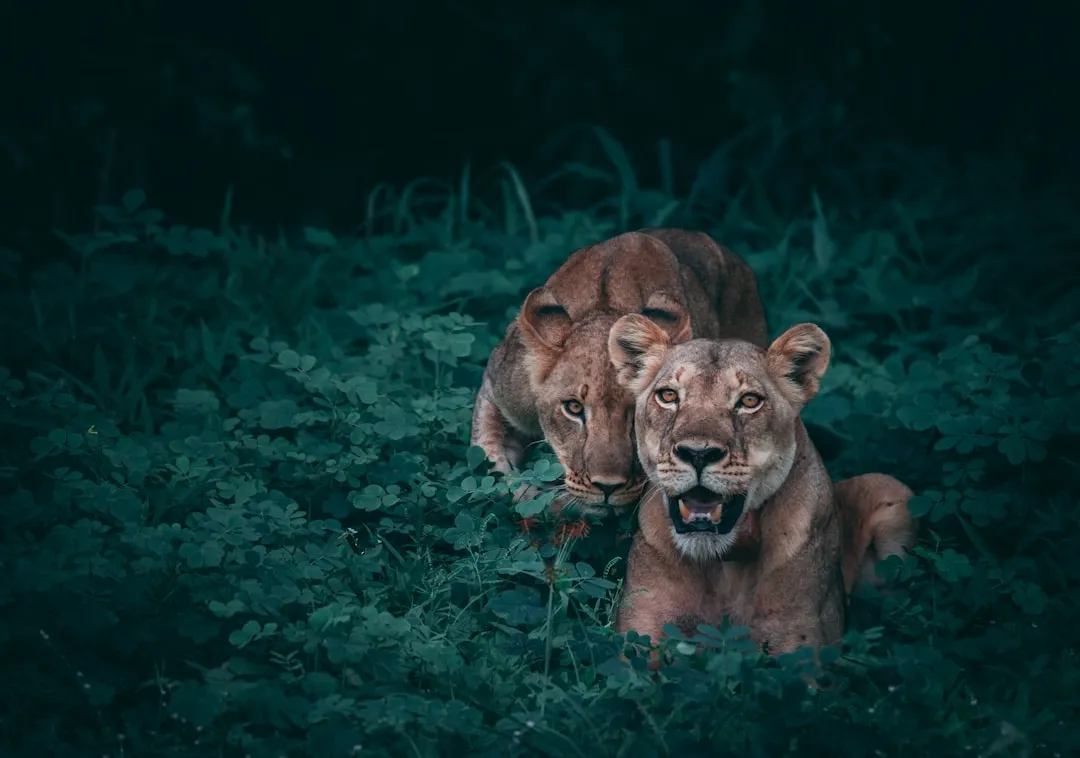
Nocturnal animals have evolved to be active in darkness, and artificial lights used in photography can cause disorientation, temporary blindness, and disruption of natural behaviors. Flash photography of nocturnal species can be particularly harmful, potentially affecting their ability to hunt, navigate, or avoid predators.
Wildlife photography guides broadly recommend using flash sparingly, if at all, as a supplement to natural light. The use of flash on nocturnal birds such as owls and nightjars at night may temporarily limit their ability to hunt for food or avoid obstacles. The same principle applies to mammals, reptiles, and any species whose world is organized around darkness.
Grand Teton, Arches, and Canyonlands have gone so far as to ban artificial lighting for nighttime photography altogether, specifically to protect nocturnal ecosystems. Where bans haven’t been formally written, the ethical principle still holds firm.
7. Drones Are Banned, and for Good Reason
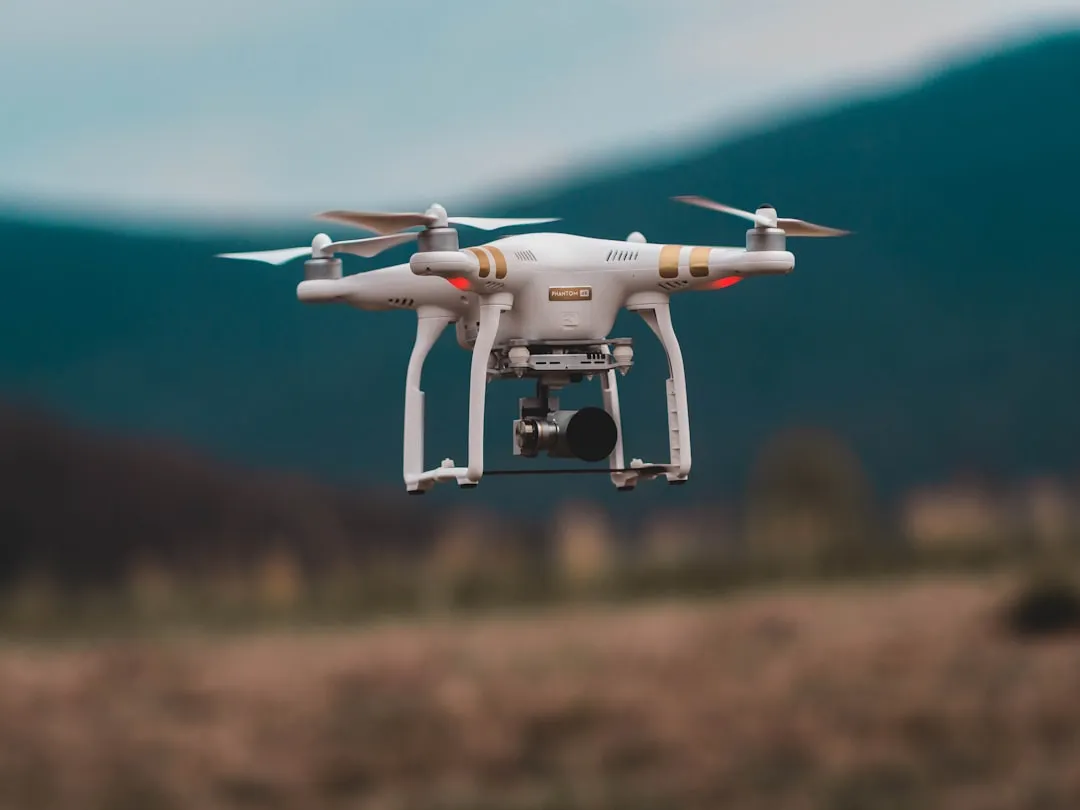
Flying drones in national parks is almost always prohibited, yet tourists continue to do so, disturbing wildlife and ruining natural soundscapes. The footage may look dramatic from above, but what it captures is, in fact, a disturbance event in progress.
A well-known 2015 study documented the effect of drones on the heart rates of black bears in Minnesota. Though there were no outward signs of stress, the bears’ heart rates rose as much as 123 beats per minute above the pre-flight baseline when a drone was present. Animals cannot tell us they’re stressed. Physiology does it for them.
In one recent example, a Yellowstone visitor faced up to six months in prison after flying a drone over Grand Prismatic Spring. That same individual reportedly flew a drone over an osprey nest earlier in the season, potentially disrupting the birds’ nesting behavior. The legal consequences are serious, and the ecological ones even more so.
8. Read Animal Body Language Before You Press the Shutter
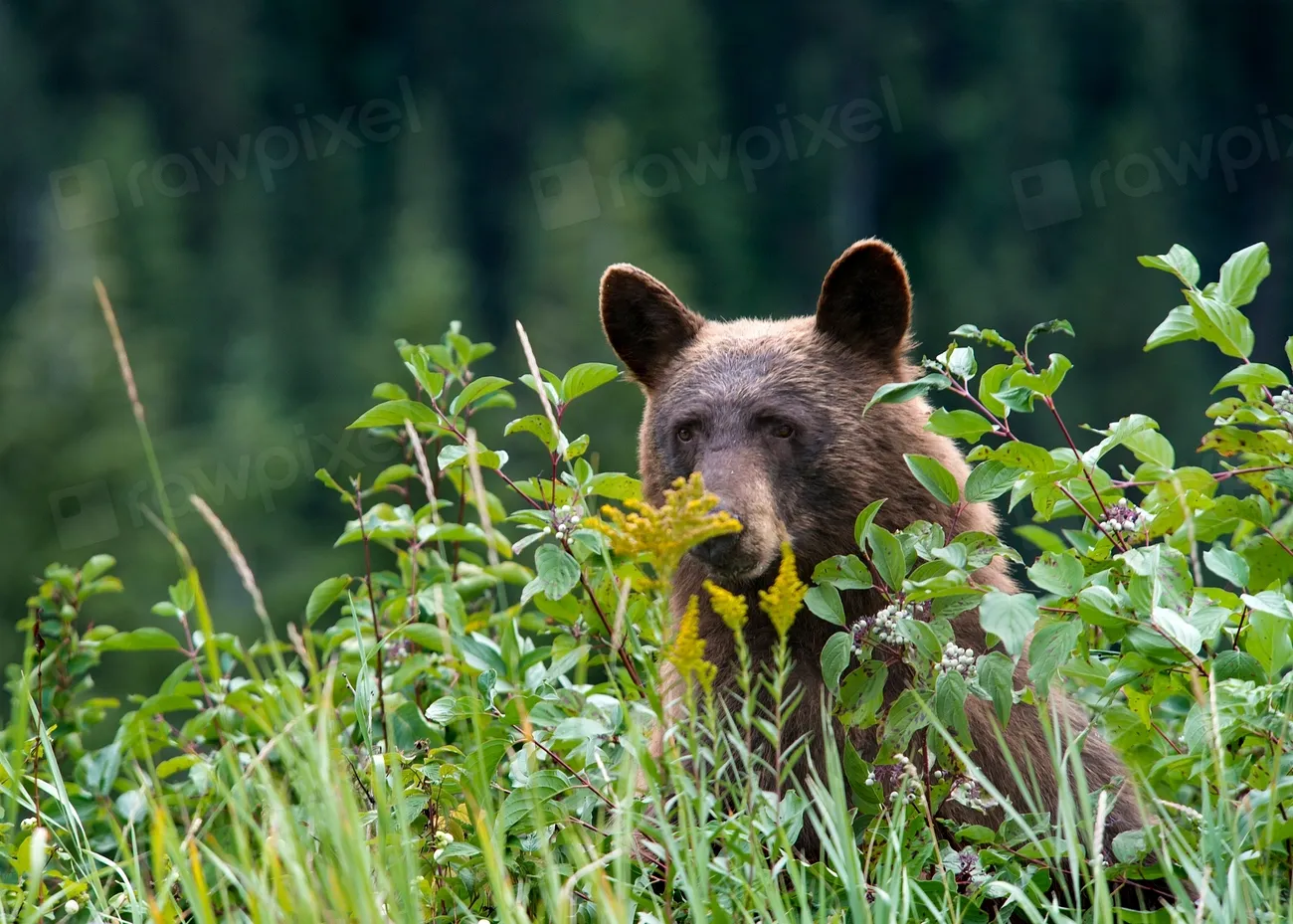
Some wildlife may freeze in place rather than fleeing, or may hunch into a protective, aggressive, or pre-flight stance. Watching for changes in posture indicating that wildlife is stressed is essential, and if you observe these signs, you should back away immediately. Never advance on wildlife with the intention of making it flee.
Animals have stress thresholds, and when we get too close, we can alter their behavior in ways that may seem small but have lasting consequences. A bird flying off a nest too early might leave eggs vulnerable to predators. Reading those subtle cues, a flattened ear, a stiffening posture, a direct stare, is part of every responsible photographer’s skill set.
If an animal stops what it’s doing to look directly at you, you’re probably already too close. That gaze is not an invitation. It’s a warning worth heeding before the situation escalates.
9. Be Thoughtful About Crowding and Group Behavior
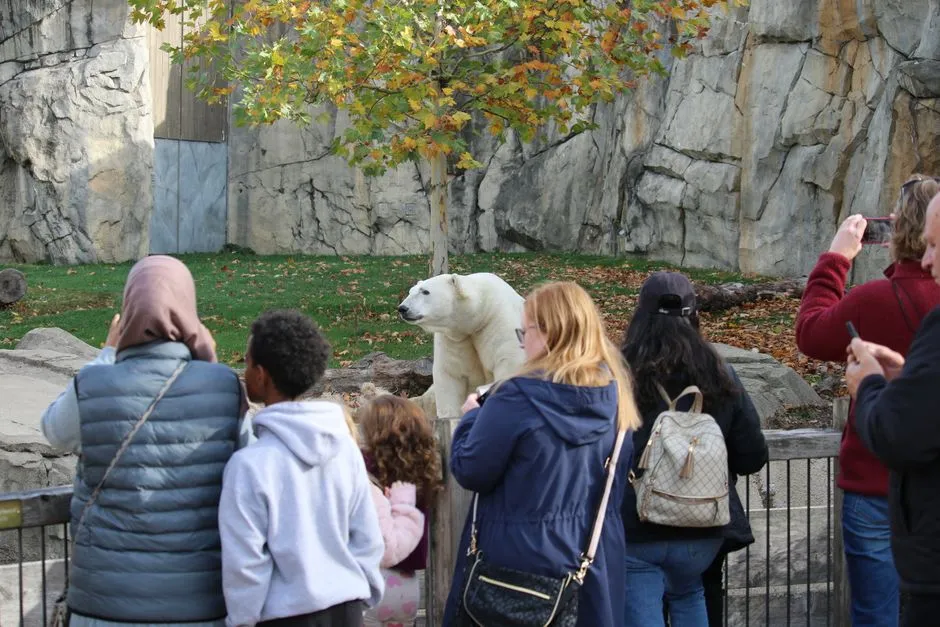
One of the most common violations in wildlife photography occurs when photographers crowd around an animal or gather in large groups near wildlife. This behavior causes significant stress to animals and can disrupt their natural behaviors, feeding patterns, and social structures. Animals need space to move freely without feeling threatened or cornered by human presence.
Part of the ongoing problem is the rise of social media, where photos and videos of wildlife encounters go viral, creating a false sense that such behavior is acceptable or even encouraged. When a close-up bison selfie gets ten thousand likes, it signals to the next visitor that the risk was worth it. It rarely was.
Human saturation of public lands drives animals out and leaves landscapes gorgeous but emptied of fauna. Tourist recreation is implicated in producing wildlife deserts because masses of people in animal habitat tend to adrenalize the animals and scatter them. Spreading out, moving quietly, and arriving early are small adjustments that collectively make a substantial difference.
10. Understand the New Photography Regulations and Know Your Permits
The EXPLORE Act, signed into law on January 4, 2025, resolved long-standing concerns about access, free speech, and bureaucracy for content creators. This bipartisan legislation fundamentally transformed how photographers can work in U.S. national parks. For most individual visitors, the changes are a welcome simplification.
Groups of five or fewer no longer need permits for still photography or filming, provided activities are legal and don’t harm park resources. Commercial intent alone no longer triggers permit requirements, which represents a significant shift from previous restrictions. Still, individual rules about wildlife distance, drone use, and restricted zones remain fully in effect regardless of any permit status.
Photography activities must not disturb or negatively impact natural or cultural resources, environmental or scenic values, or other visitors. All individuals and groups must not cause resource damage, create an unreasonable disruption to other visitors, or pose a health or safety risk to the public. Knowing the rules matters as much as knowing your camera settings.
A Final Note on Why This All Matters
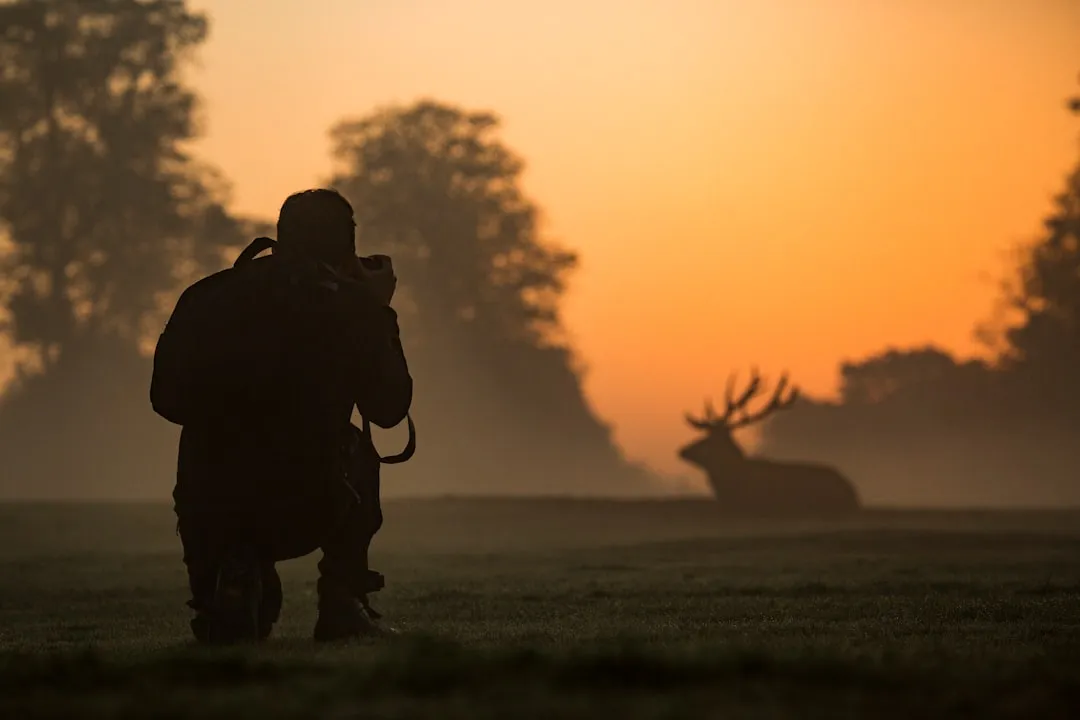
Watching wildlife safely is the responsibility of every park visitor. When you visit national parks, you are entering animals’ habitat and should behave like a polite guest. The safety and health of wildlife depends on the thoughtful choices park visitors make.
Research on wildlife behavior during the COVID-19 park closures provided evidence that conservation is compatible with recreation at low levels, but that some areas need to be kept exclusively for wildlife. That finding is as much about how we photograph as it is about how we visit.
The most powerful wildlife photographs ever made were not taken from arm’s length. They were taken by patient people with good glass, sitting quietly, waiting for an animal to simply be itself. That’s the photograph worth making, and the one that leaves the wild world exactly as it found it.
AI Disclaimer: This article was created with the assistance of AI tools and reviewed by a human editor.