
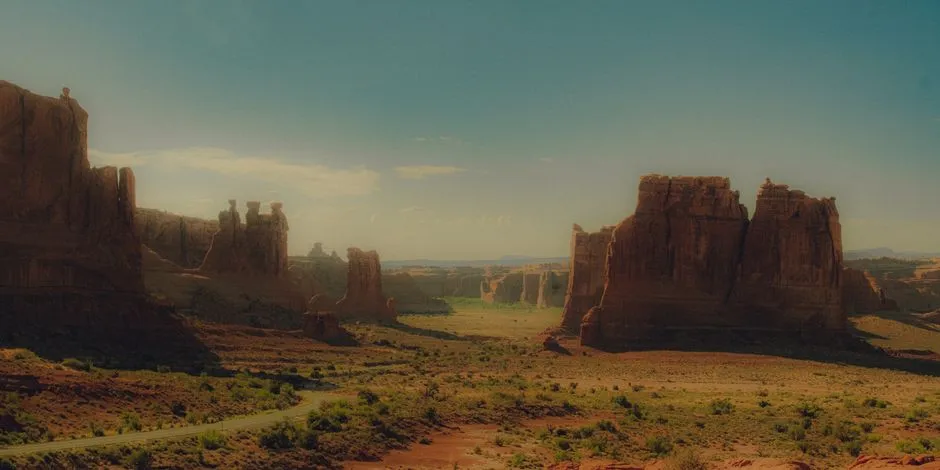

America’s national parks have never been more loved, and the numbers prove it. The National Park Service’s 2024 visitation statistics reveal a record-breaking year, with the service reporting 331.9 million recreation visits – a nearly 2% increase from 2023 and surpassing the previous all-time high set in 2016. That kind of love, spread across hundreds of fragile ecosystems, comes with real responsibility.
Impacts occur when outdoor recreation damages or alters the areas we visit. Common types of impacts include damage to wildlife, soils, vegetation, water, cultural resources, and other people. While it may be difficult to notice the impact from our singular actions, thousands of people may visit these sites every day – and these cumulative impacts, added up over time, are where we see a noticeable difference in the health of the ecosystem. Good trail etiquette is the simplest and most powerful tool we have.
1. Stay on the Designated Trail at All Times
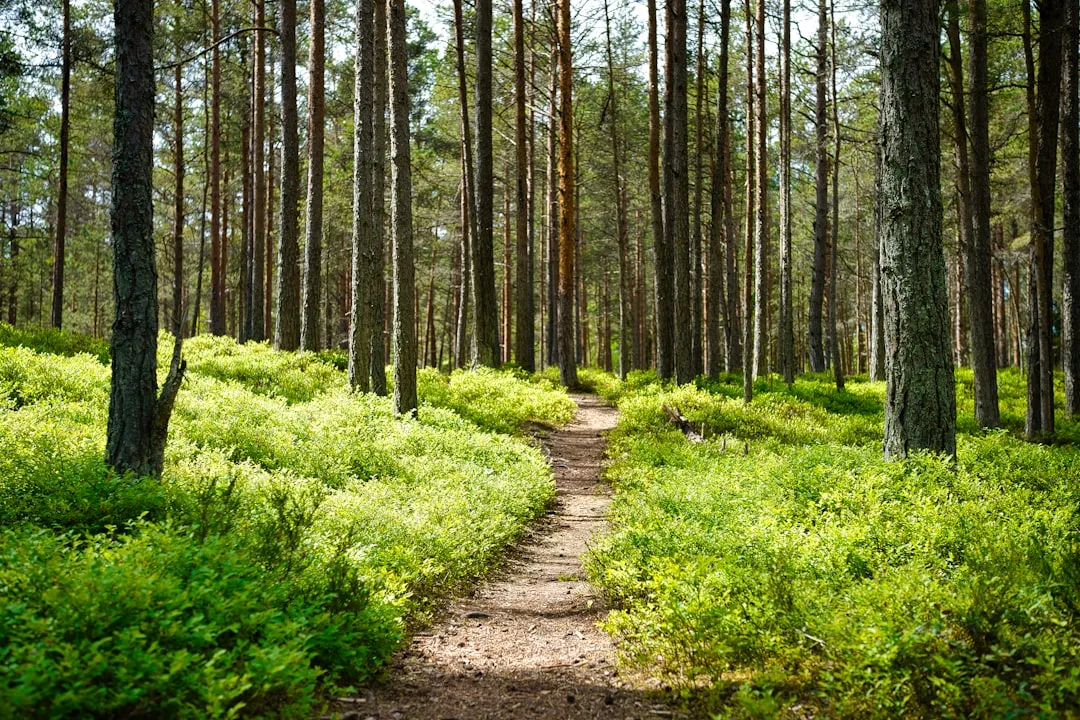
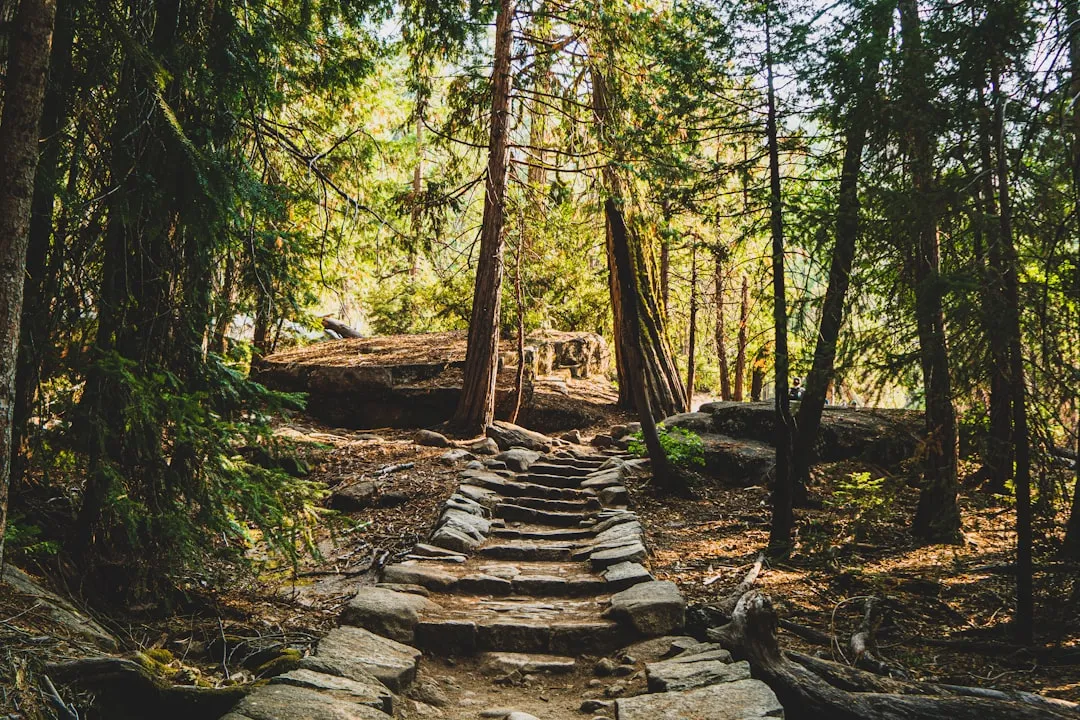
The single most important habit any hiker can practice is simply this: stay on the path. Land management agencies construct trails to provide identifiable routes that concentrate foot traffic. Constructed trails impact the land, but they are a necessary response to the fact that people travel through natural areas. Concentrating travel on trails reduces the likelihood that multiple routes will develop and scar the landscape. It is better to have one well-designed route than many poorly chosen paths.
By concentrating traffic onto a narrow ribbon of soil, trails help protect natural areas by limiting the trampling of vegetation and disturbance of habitat that off-trail travel causes. Trails degrade over time and require constant upkeep. Uninformed visitors greatly hasten the degradation when they cut switchbacks or ignore trail closures. Worse yet, user-created “social trails” can lack important features of properly designed ones, leading to greater erosion and heightened impacts on plants and animals.
It could take 10 to 30 years for an ecosystem to recover from irresponsible off-trail hiking or camping. A few seconds of impatience at a muddy crossing can leave a wound in the landscape that outlasts a generation.
2. Never Cut Switchbacks
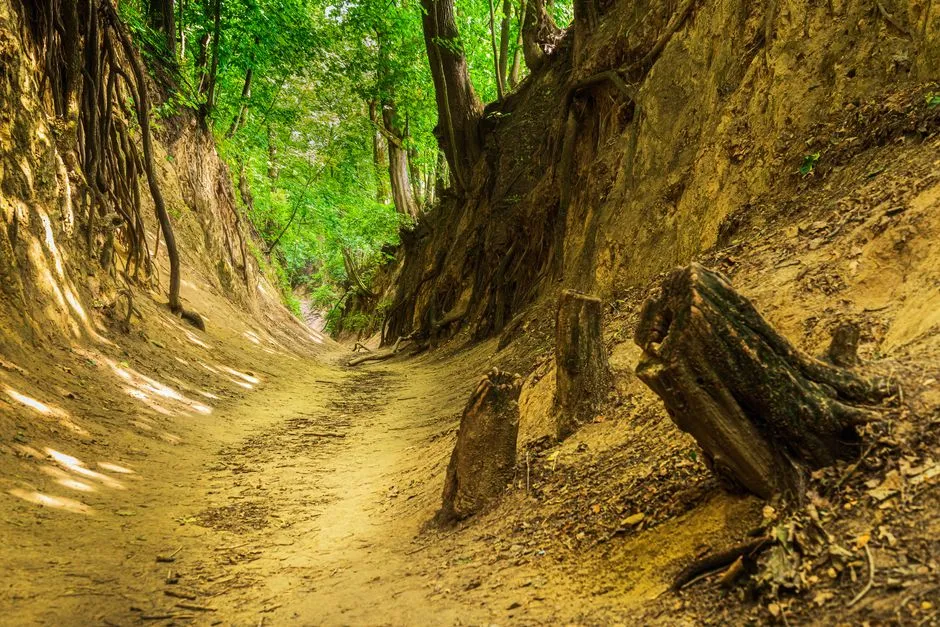
Travelers should stay within the trail’s width and not shortcut trail switchbacks – the zigzags that climb hillsides. It seems like a minor shortcut, but the physics of a hillside make it deeply damaging. When hikers cut across switchbacks, they expose bare soil on steep slopes, which then channels rainfall directly downhill and accelerates erosion.
Walk single file in the middle of trails, even when muddy, rather than widening trails by skirting puddles. Stepping around a puddle is one of the most common causes of trail widening in popular parks. Over thousands of visits, that single detour grows into a web of damaged ground surrounding the original path.
3. Know the Leave No Trace Principles Before You Go
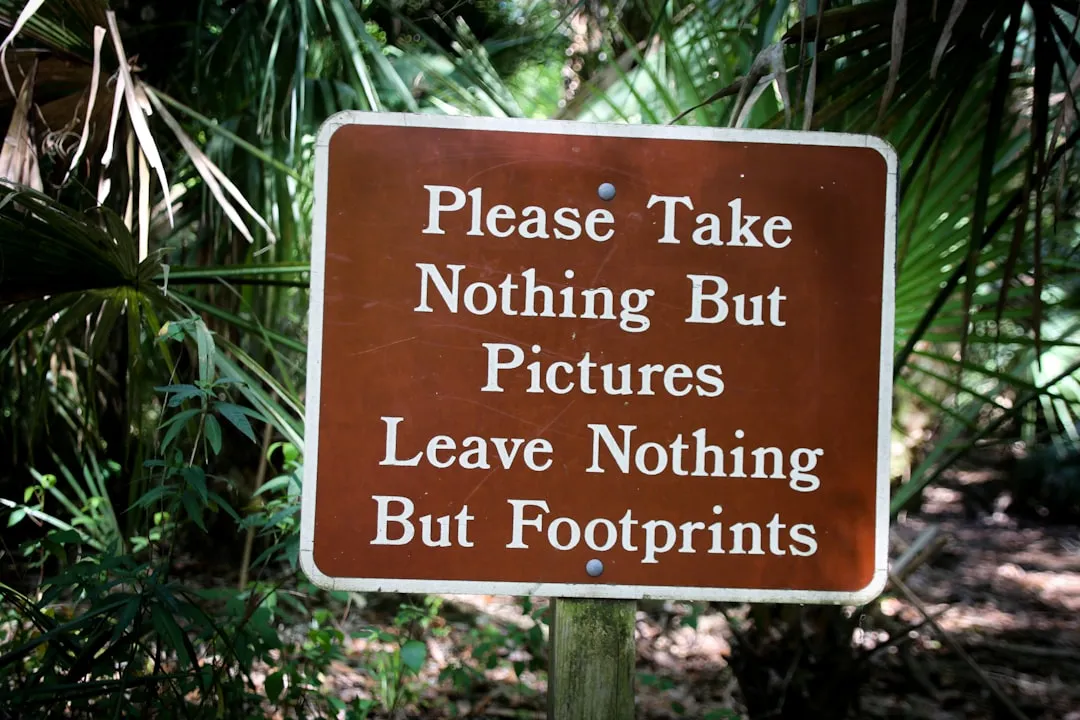
The 7 Principles of Leave No Trace help us minimize our impact on the landscape, wildlife, and other people we may encounter. They are just as important in a neighborhood park or trail as they are in our favorite national parks. These principles are not an abstract code – they translate directly into specific behaviors that protect everything from soil biology to drinking water sources.
With well over 100 million visitors on more than 10 billion outings in the U.S. each year, our love for the outdoors can take a toll. Impacted areas suffer from litter, invasive species, habituated wildlife, trail erosion, polluted water sources, and more. While most of us don’t intend to harm our natural surroundings, we may lack the knowledge to preserve it, or we’re simply overlooking a few important behaviors.
Spending fifteen minutes reading through the Leave No Trace framework before any park visit is time that pays off for every hiker who follows you on the same path. The principles are freely available at lnt.org and on every national park website.
4. Pack Out Everything You Packed In
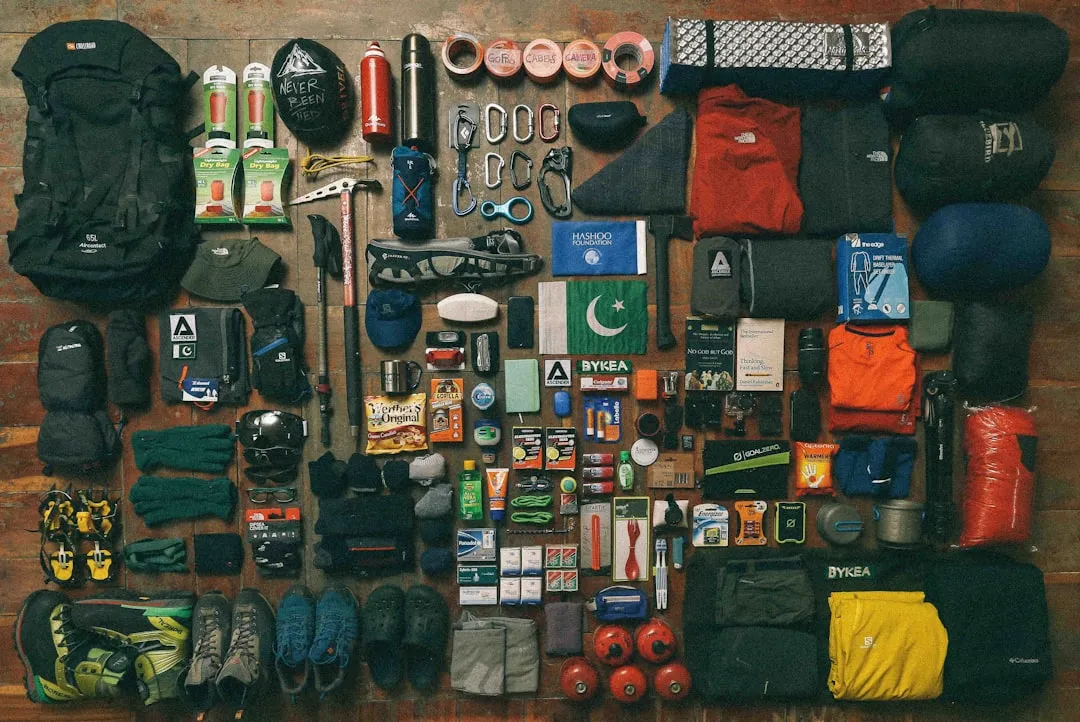
This one sounds obvious until you’re standing at a trailhead watching someone toss an apple core into the bushes. Many hikers mistakenly assume food scraps and toilet paper biodegrade quickly. They don’t. Orange peels can take up to two years to decompose. Animals dig up food scraps and human waste, creating health hazards and teaching wildlife to associate campsites with food.
The National Park Service notes that with over 300 million annual visitors, if everyone took something, the cumulative impact would be massive. The inverse is equally true: if everyone packs out what they bring in, the cumulative benefit is enormous. A reusable bag tucked in your pack makes this completely effortless.
5. Give Wildlife Plenty of Space
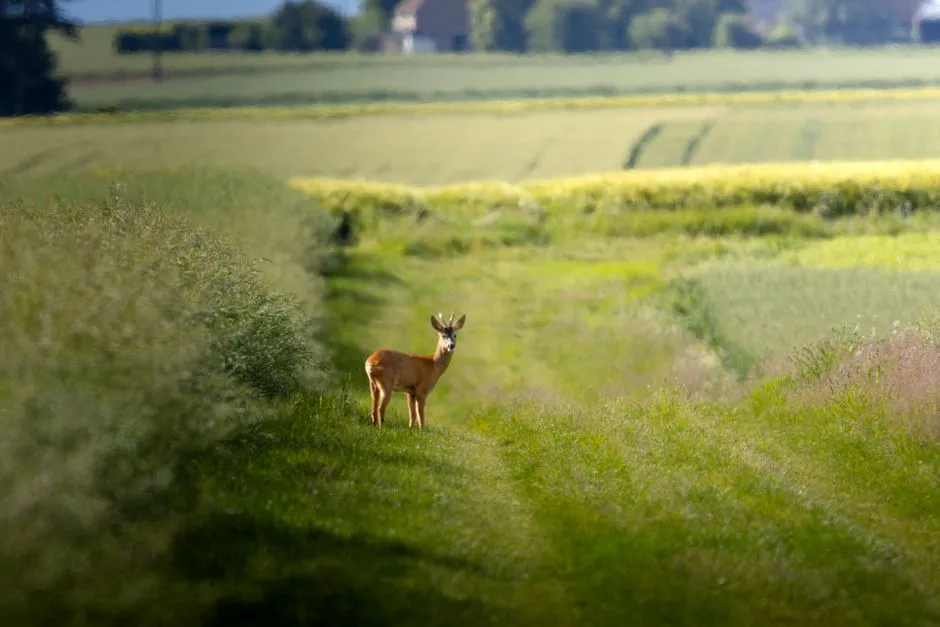
Washington State University and National Park Service researchers found that when human hikers were present, 16 out of 22 mammal species – including predators and prey alike – changed where and when they accessed areas. This is not a minor inconvenience for wildlife. Displacement from prime habitat can affect feeding, mating, and survival, particularly in winter.
When animals flee from disturbance by trail users, they often expend precious energy, which is particularly dangerous for them in winter months when food is scarce. When animals move away from a disturbance, they leave preferred or prime habitat and move, either permanently or temporarily, to secondary habitat that may not meet their needs for food, water, or cover.
Use a camera zoom lens and keep a minimum of two school bus lengths between you and wildlife – and eight bus lengths for large animals including bears and wolves. That distance might feel excessive from a photography standpoint, but it’s the threshold where most species remain calm and undisrupted.
6. Never Feed Wildlife – Even Accidentally

Visitors who feed wildlife, intentionally or from dropped food, can contribute to the development of food-related attraction behavior that can turn wild animals and birds into beggars. Once an animal learns to approach humans for food, rangers often have no safe option other than removing or euthanizing the animal. In that sense, feeding wildlife isn’t kindness – it’s a death sentence in slow motion.
Minor rule-breakers – who might pocket petrified wood, stray from established trails, or feed peanuts to ground squirrels – are causing much more damage than intentional vandalism, as much as $100 million, according to University of Washington national park researchers. The compounding effect of well-meaning but uninformed behavior is one of the least visible threats facing protected lands today.
7. Yield Properly to Other Trail Users
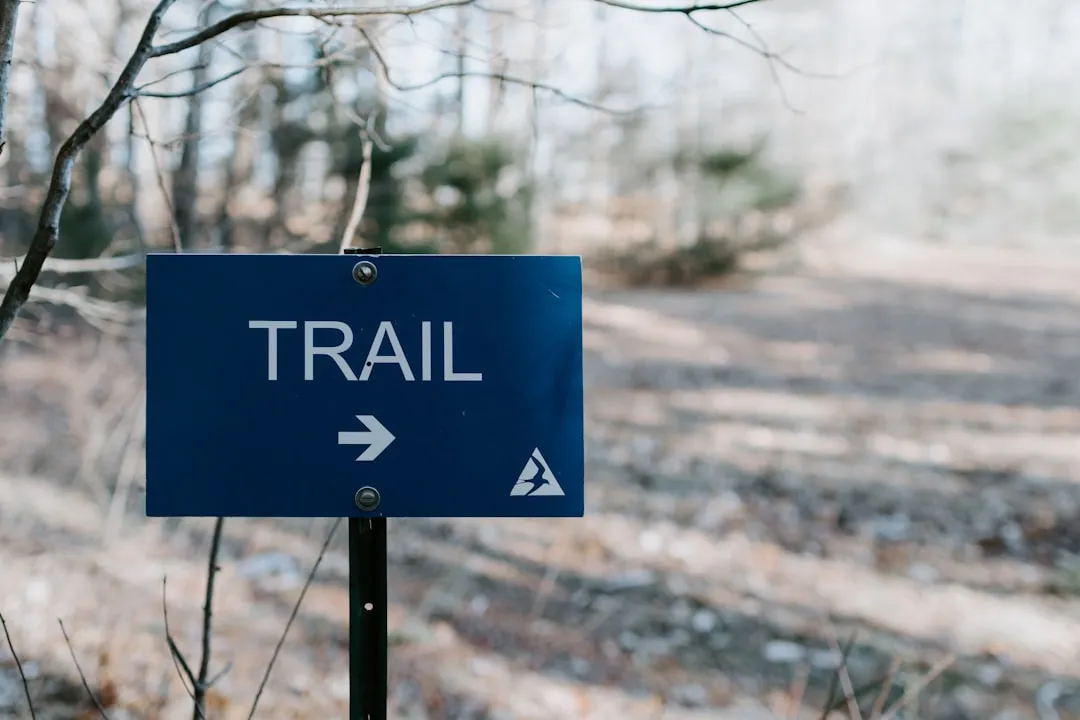
In many cases, it’s not the number of people but the attitudes and behaviors of those people that can make a place either feel crowded or like a community of like-minded outdoor enthusiasts. Simple yielding habits make an enormous difference in how parks feel to everyone using them. Hikers going uphill have the right of way over those heading down, as the climb demands more sustained effort.
Be courteous. Yield to other users on the trail. Step to the downhill side of the trail when encountering pack stock. Horse and mule traffic in parks follows specific right-of-way conventions for safety reasons, and understanding those conventions before you hit the trail avoids startling animals that could injure both riders and hikers.
8. Handle Human Waste Responsibly in Backcountry Areas
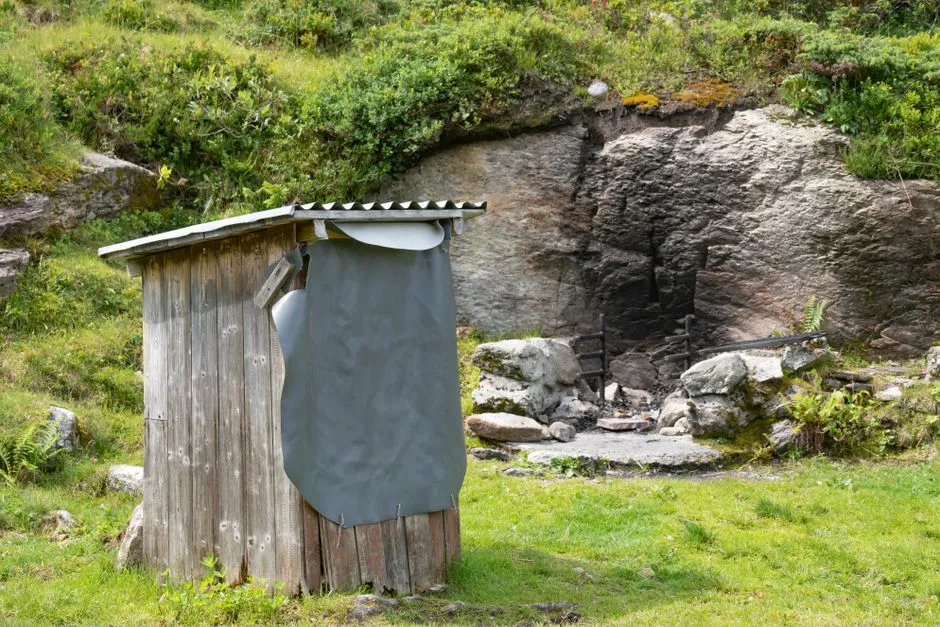
Not every trail has a restroom at the trailhead, and far fewer have facilities at mile ten. Knowing what to do in the backcountry matters. Deposit solid human waste in catholes dug 6 to 8 inches deep, at least 200 feet from water, camp, and trails. Cover and disguise the cathole when finished. Pack out toilet paper and hygiene products.
Human waste contributes antibiotic-resistant bacteria and genes into soils and waters, even in remote areas. Human urine introduces hormones, pharmaceuticals, nutrients, and caffeine to sensitive bodies of water. Some parks go further than the standard guidance. Highly impacted areas, like Muir Base Camp on Mount Rainier or riverside campsites in the Grand Canyon, require human waste to be packed out entirely. Check your park’s specific requirements before heading in.
9. Plan Ahead to Reduce Your Park’s Pressure Points
National park visitation is growing, with record-high visitor numbers in 2024 across the entire 398-property system. There has been a general trend of people gravitating toward Instagram-popular parks, and even specific spots within popular parks. That concentration effect is one of the hardest things for rangers to manage, because it funnels massive foot traffic into a handful of locations.
Twenty-eight parks, or roughly 7% of the 404 parks that track visits, set records for annual recreation visits in 2024. Tracking data also shows that 55% of parks experienced an above-average number of visits in February through June and October through December – months outside of the typically heavy summer period. Visiting outside peak season and outside peak hours in a given day is one of the most effective, practical ways to reduce trail pressure.
Acadia, Arches, Glacier, Rocky Mountain, Shenandoah, and Zion are among the parks that require reservations or permits for park or trail access. Checking those requirements in advance saves you from a wasted trip and keeps crowd management systems working as intended.
10. Leave Natural Objects and Cultural Sites Exactly as You Found Them
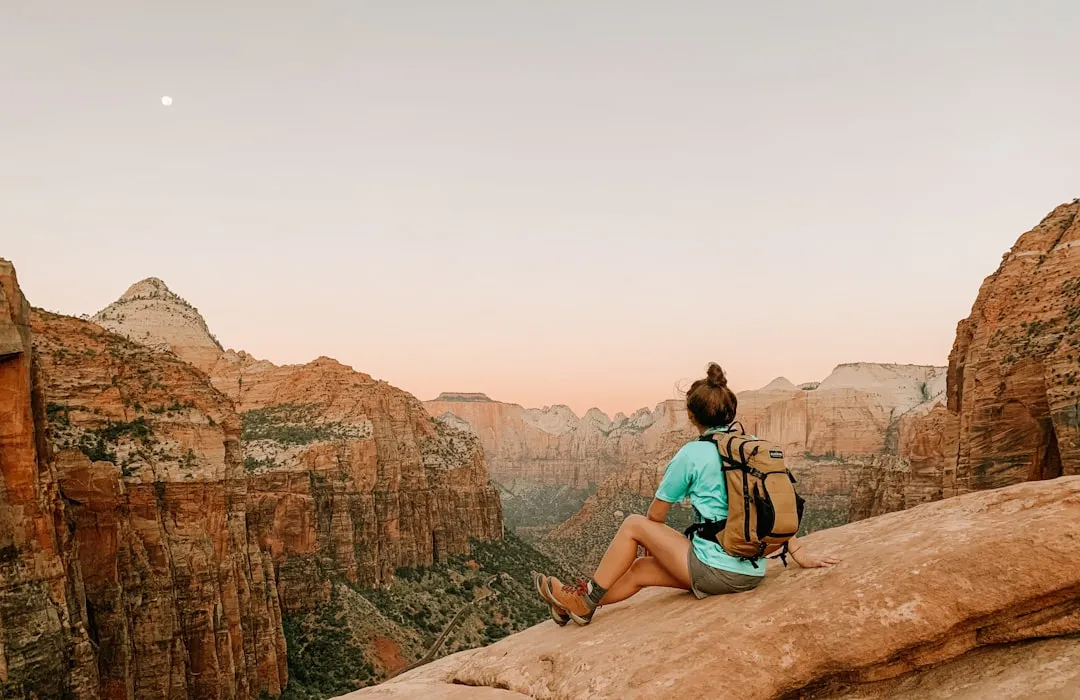
Preserve the past: examine and photograph, but do not touch cultural or historic structures and artifacts. Leave rocks, plants, and other natural objects as you find them. Avoid introducing or transporting non-native species. That last point matters more than most visitors realize. Mud on hiking boots from one park can carry invasive plant seeds to the next – a problem that park scientists work hard to track and contain.
Social trails can have lasting impacts on alpine vegetation, causing damage or complete loss. Social trails also fragment wildlife habitat, harming the animals that use it. Areas of bare ground allow invasive plants to take hold and cause soil to erode into adjacent lakes, rivers, and streams, lowering water quality. Cleaning boot soles and gear between parks is a small habit with a genuinely outsized protective effect.
The beauty of these ten habits is that none of them require special gear, physical ability, or expertise. They require only awareness and intention – the same qualities that likely drew you to a national park in the first place.
Conclusion: Small Choices, Long Legacies
With post-pandemic outdoor trends still pushing people outside, the rise in visitors highlights the popularity of America’s natural and historical landmarks, even as parks face budget and staffing constraints. The trails themselves are carrying more weight than ever, and fewer rangers are available to guide or correct visitor behavior in the moment.
With limited search-and-rescue capacity, it’s critical that visitors take care to prevent incidents that would require staff response. Stay on trails and boardwalks. What the parks need most right now isn’t just political support or funding – though both matter – it’s informed, considerate visitors who treat the landscape as a place to protect, not just to photograph.
Every hiker who arrives prepared, stays on the path, and leaves nothing behind extends the life of these places for everyone who comes after. That’s not a small thing. Over hundreds of millions of visits, it’s everything.
AI Disclaimer: This article was created with the assistance of AI tools and reviewed by a human editor.