
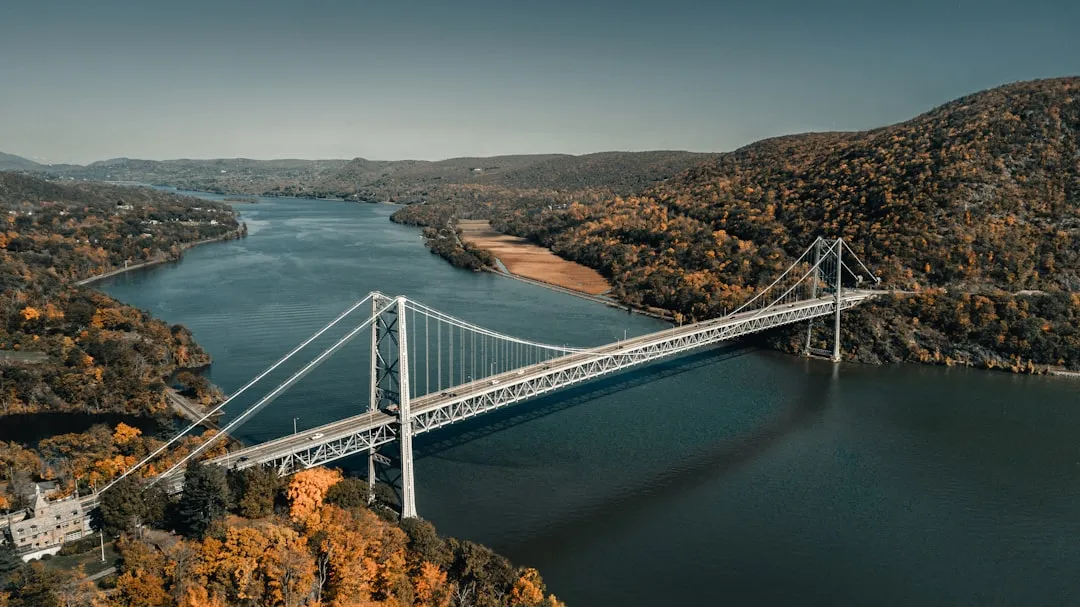

There is a particular kind of quiet that settles over the Hudson Valley on a weekday morning in spring. Fog lifts off the river, old stone walls run alongside country roads, and the towns sitting along those bends carry centuries of American life in their architecture, their cemeteries, and their rhythms. This is not a landscape that performs for visitors. It simply exists, and it rewards people who take the time to walk slowly through it.
The Hudson Valley has established itself as one of the most economically powerful regional destinations in the Northeast, with visitor spending surpassing $5 billion annually and projected to reach roughly $5.5 to $5.7 billion in the current cycle. That momentum tells you something. People keep coming back, and the hamlets scattered across this 150-mile corridor along the river are a big reason why.
Cold Spring: A Village Frozen Beautifully in Time
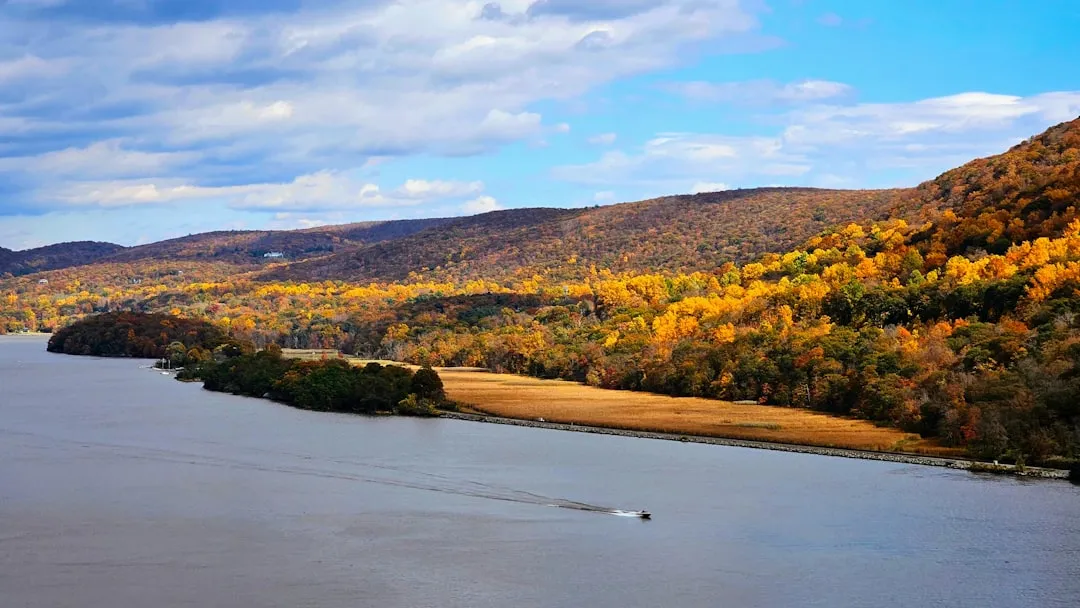
The historic Village of Cold Spring was incorporated in 1846 and is a small community of approximately 2,000 residents located on the scenic banks of the Hudson River just 50 miles north of New York City. Despite its proximity to one of the busiest cities on earth, Cold Spring feels genuinely removed from that world.
The Cold Spring Historic District includes much of the central area of the village and has been described as “one of the best-preserved 19th century townscapes in the Hudson River region.” Most of the buildings here predate the Civil War. The houses, churches, and other structures came into existence largely in the years before the Civil War, when the nearby West Point Foundry was at the peak of its production, and today the district includes over 200 buildings.
The town served as an important artillery and ironwork producer during the American Civil War, and today the West Point Foundry Preserve offers nature walks amid ruins of former industrial structures. Walk the riverfront on a quiet afternoon and the scale of Cold Spring’s past comes into focus in a way that no museum exhibit could quite replicate.
Sleepy Hollow: Legend, Landscape, and Living History
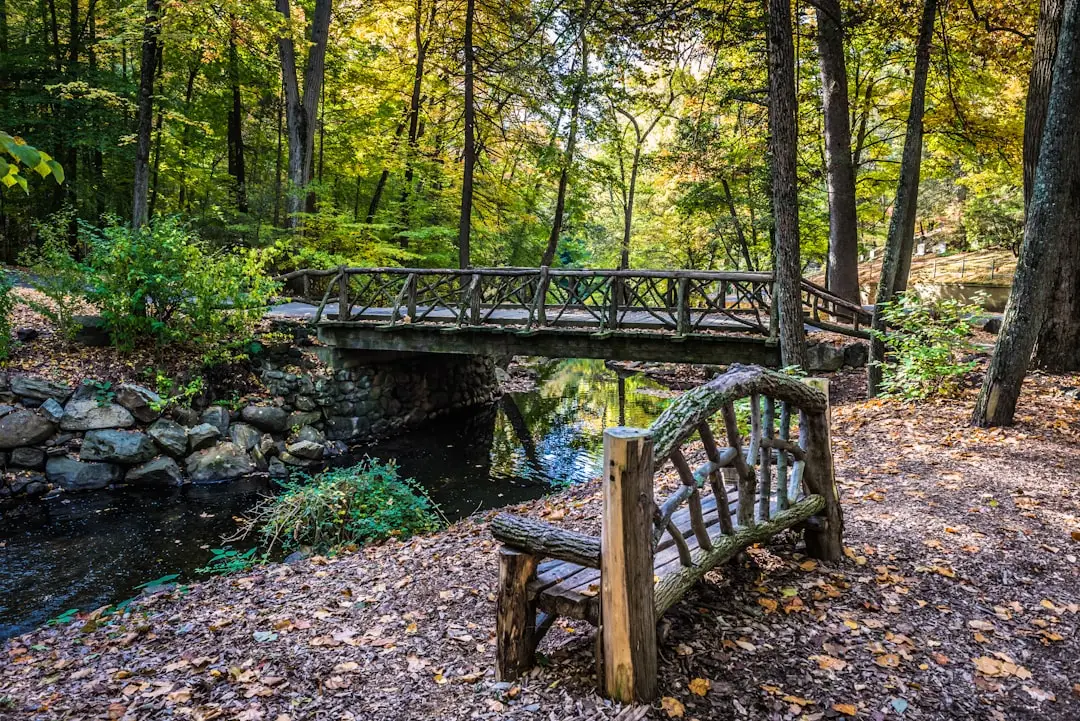
The names of the famous and the infamous, both historic and legendary, have left their mark on this quiet Hudson River village 25 miles north of Manhattan, which has managed to preserve much of the history and natural beauty that have always drawn people to it. That draw is not accidental. Sleepy Hollow has been inhabited and storied for a very long time.
In 1609, the two square miles that make up the Village of Sleepy Hollow belonged to the larger domain of the Weckquaesgeck Indians. Dutch settlement followed, and Frederick Philipse had a mill, manor house, and church constructed on the lower reaches of the Pocantico River about 1685. The layers of history here are genuinely deep.
Sleepy Hollow was once referred to as North Tarrytown, and in the late 1990s, residents voted for a name change to bring Washington Irving’s tale to life. Every fall, Sleepy Hollow takes inspiration from the Washington Irving tale to create perhaps the world’s most impressive display of carved pumpkins, the annual Great Jack O’Lantern Blaze. The village leans into its literary legacy with a warmth that feels genuine rather than manufactured.
Beacon: Industrial Grit Turned Creative Hub
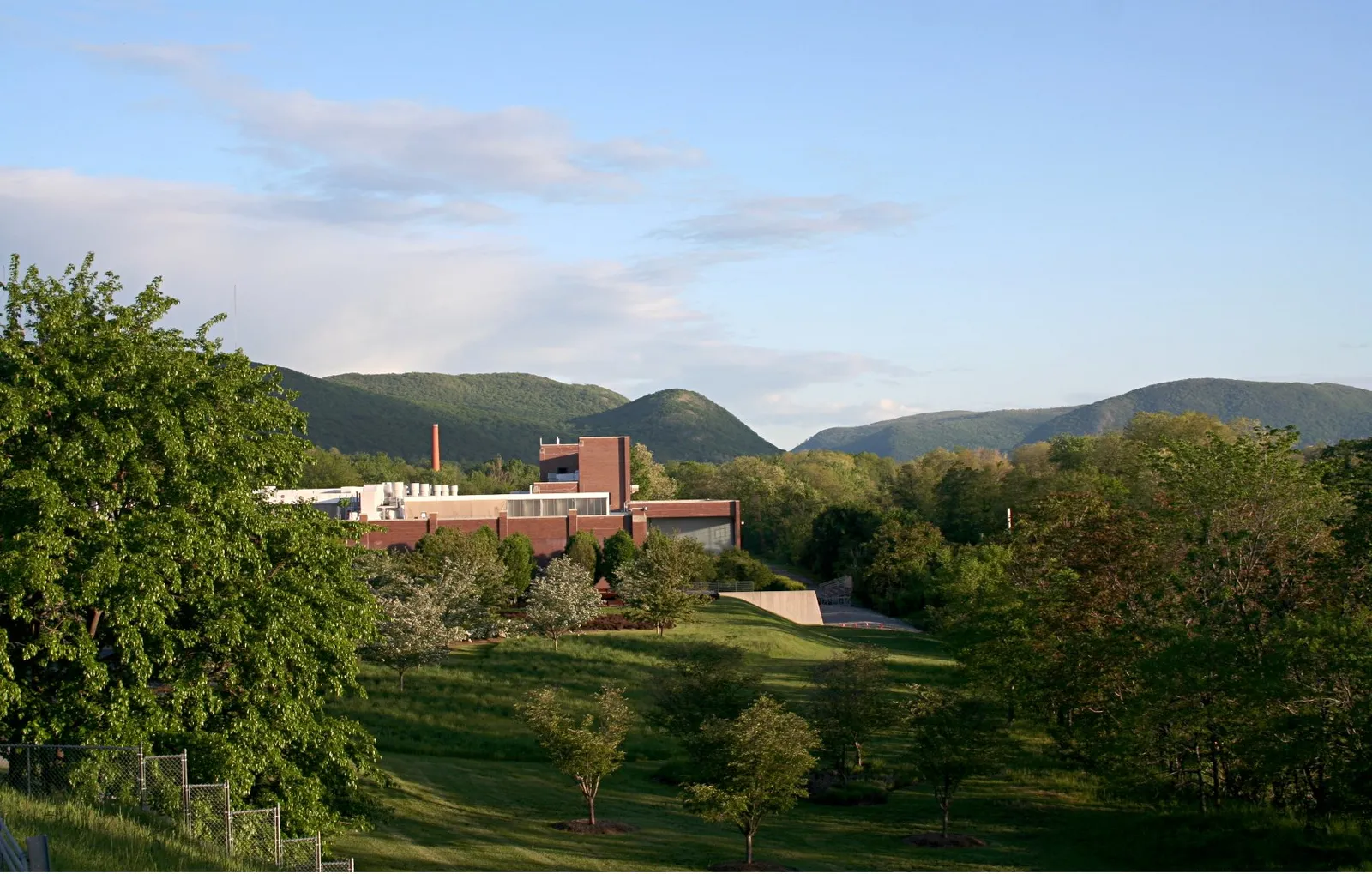
Dia:Beacon is the modern-art jewel in the town of that name, and it introduced the world to reusing massive industrial spaces as museums, in this case reinvigorating an old Nabisco box-printing facility. That act of transformation is a fitting metaphor for Beacon itself, a former factory town that has quietly become one of the most culturally alive small cities in New York State.
Beacon is a charming Hudson Valley town located on the Hudson River in Dutchess County. Its Main Street now holds independent galleries, bookshops, and farm-to-table restaurants that draw visitors who discover, once they arrive, that a single afternoon is never quite enough. The Metro-North train pulls right into the heart of town, making it among the most accessible hamlets in the entire region.
Visitors to Dutchess County, where Beacon sits, spent a record $811 million in 2024, according to the Hudson Valley Tourism Economic Impact Report prepared by Tourism Economics, an Oxford Economics company. Tourism in Dutchess County supports more than 10,000 jobs, over nine percent of the local workforce, across sectors such as hotels, restaurants, museums, historic sites, and performance venues. Beacon accounts for a meaningful share of that vitality.
Catskill: The Birthplace of American Landscape Painting
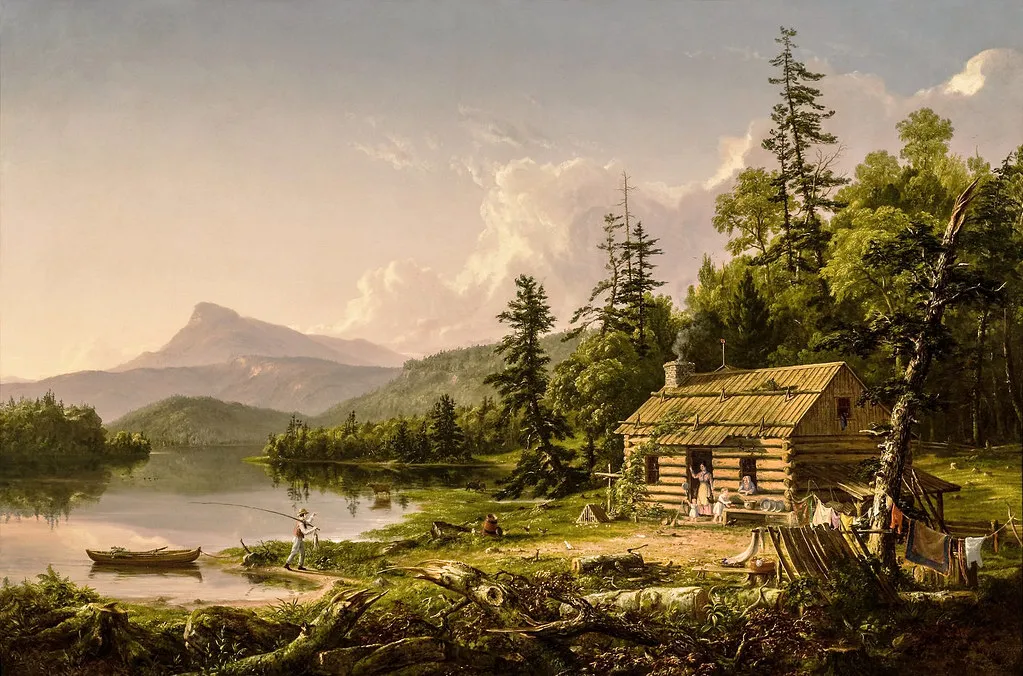
Catskill was the home of Hudson River School founder Thomas Cole, and that lineage quietly defines the entire town. Cole arrived here in the early 19th century, and his paintings of the surrounding mountains and river essentially created American landscape art as a recognized movement. The town has never fully let go of that identity.
The Thomas Cole National Historic Site in Catskill is the Hudson River School founder’s butter-colored home and studio. Visitors can tour his living and working spaces, walk the grounds where he painted, and understand how directly the surrounding landscape fed his vision. It’s one of the more intimate and moving historic house experiences anywhere in the Northeast.
Nestled among the highest of the Catskill Mountains and the verdant Hudson River Valley, Greene County is the ultimate four-season destination for fresh air and action-packed adventures, located just two hours north of New York City. Catskill town sits right at the gateway to those mountains, making it a natural starting point for travelers heading deeper into the highlands.
New Paltz: Stone Houses, Mountains, and an Independent Spirit
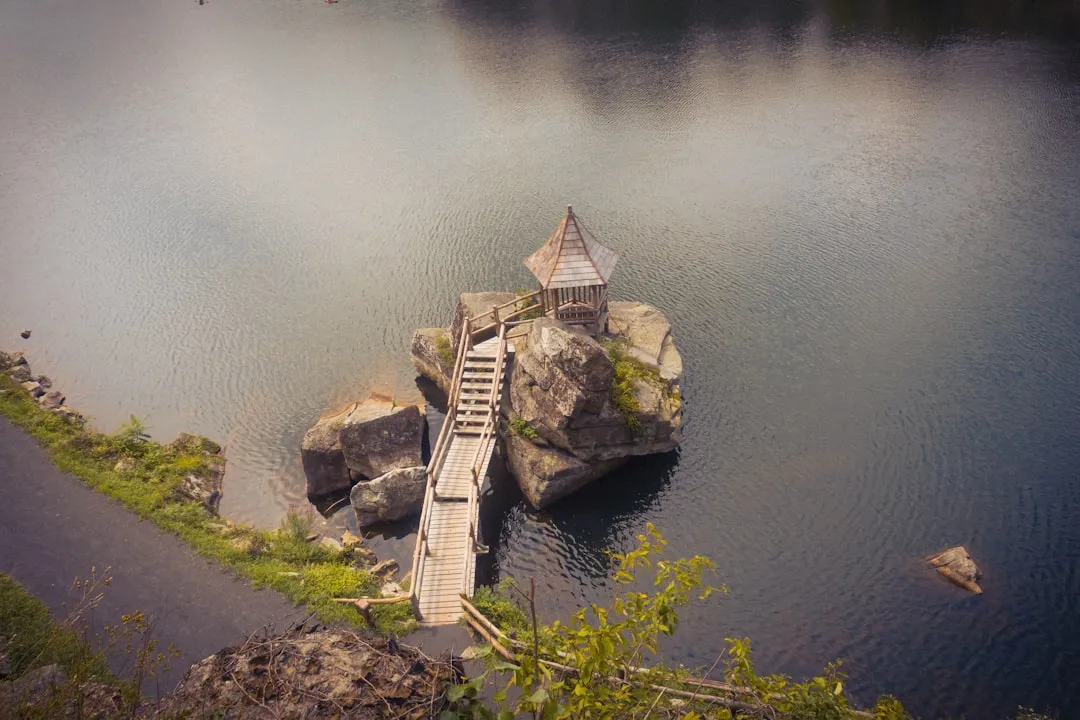
New Paltz is equal parts college town and adventure gateway, wearing its multiple personalities affably. The town was founded in the late 17th century by Huguenot settlers fleeing religious persecution in Europe, and their stone houses still stand on Huguenot Street, considered one of the oldest streets in America with its original buildings intact.
Amid the sheer, spectacular Shawangunk Mountains, Mohonk Preserve has 75 miles of carriage roads and trails, with classic routes including the Undercliff-Overcliff Loop and Bonticou Crag. Climbers have been coming to the Gunks, as locals call them, for decades, and the rock faces here are considered among the finest crack climbing in the eastern United States.
The Major Jacob Hasbrouck Jr. House in New Paltz is the last 18th-century stone house in the area still owned by the same family that built it. That kind of continuity is rare anywhere, and it gives New Paltz a layered sense of time that goes far beyond its lively café culture and weekend farmers market.
Rhinebeck: Dutchess County’s Most Dignified Village
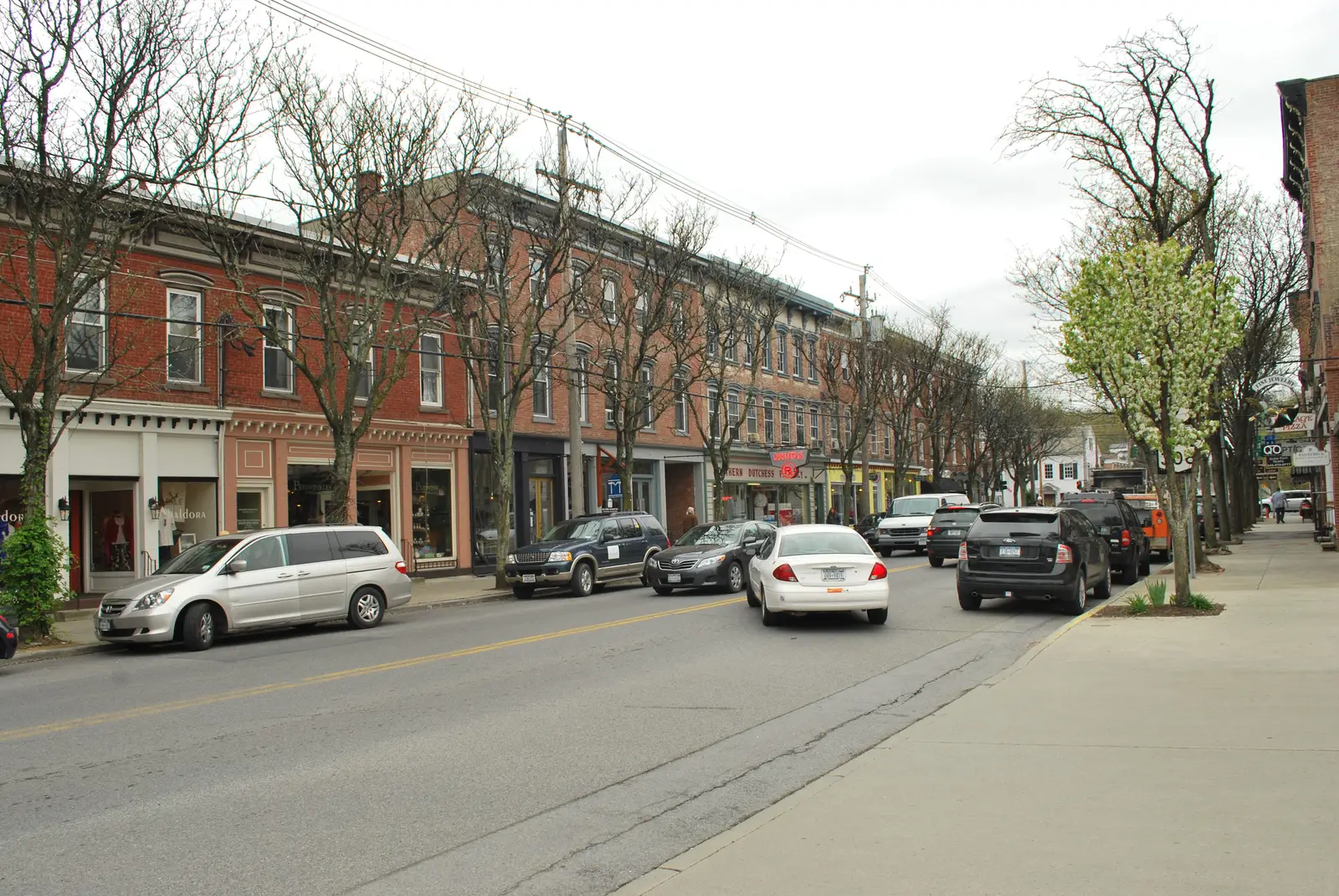
Rhinebeck occupies a particular place in the Hudson Valley’s social geography. It’s the kind of town where 18th-century Dutch colonial architecture shares a block with a thriving bookshop and a serious wine bar, and neither seems out of place. The village has been a destination for well-traveled visitors since long before “destination travel” became a phrase.
Olana House, located a short drive from the upper reaches of Rhinebeck’s county, is a 19th-century house and estate built by landscape painter Frederic Church, drawing inspiration from Victorian and Middle Eastern architecture. Church was one of the major painters of the Hudson River School, which formed in the Hudson Valley in the 19th century.
Nestled between the majestic Hudson River and the Berkshire’s Taconic Range, Columbia County, near Rhinebeck, is a perfect weekend getaway offering unsurpassed rural beauty, a rich cultural scene, and active recreational opportunities, only two hours north of New York City. Rhinebeck itself has long attracted writers, artists, and those who simply want a slower, more considered pace.
Katonah: Quiet Preservation in Westchester

Art lovers and history buffs will love the hamlet of Katonah, about 30 minutes north of Sleepy Hollow. The Katonah Village Historic District rewards visitors with century-old, beautifully maintained Queen Anne and Victorian buildings listed on the National Register of Historic Places. Walking the streets here feels like leafing through a well-preserved chapter of small-town American life.
Halfway between this historic district and Cross River Reservoir is the Katonah Museum of Art, known as one of the best small museums in the United States. Its rotating exhibitions draw visitors from across the region, and the museum’s community programming ensures it remains genuinely connected to the town rather than simply resting on its reputation.
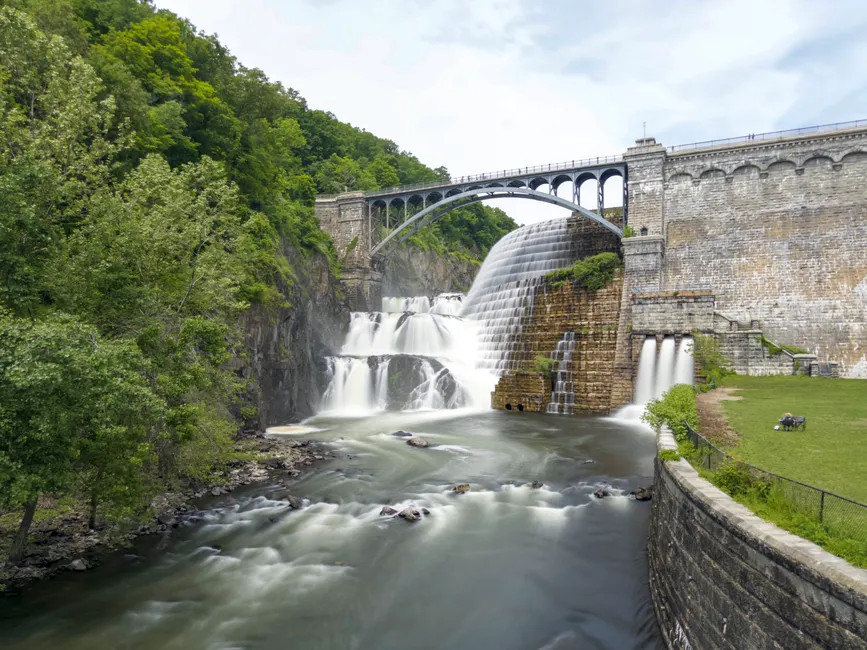
Katonah’s story is also geographically unique. The entire original village was relocated in the 1890s to make way for the New Croton Reservoir, a feat of civic planning rarely discussed outside local historical circles. The current village was rebuilt structure by structure on higher ground, which is partly why its 19th-century streetscape looks so unusually coherent and intact today.
Phoenicia: A Catskills Hamlet That Runs at Its Own Pace
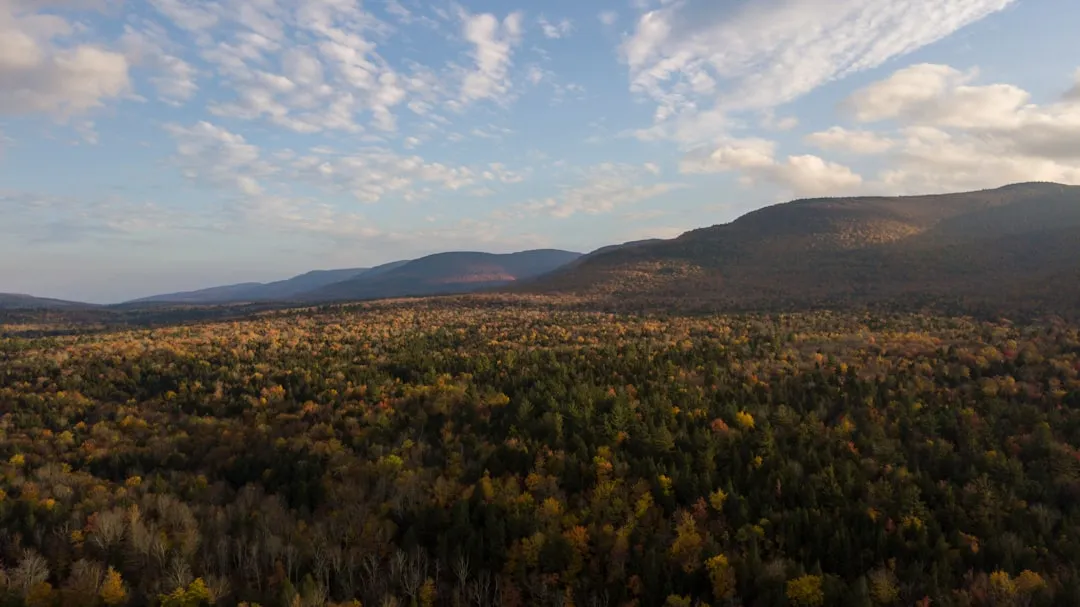
Phoenicia is one of the most popular hamlets in the Town of Shandaken in Ulster County. It sits in a valley between high ridges along Esopus Creek, and its personality is unhurried in the best possible sense. There are no grand estates or marquee museums here. The appeal is the place itself: the creek, the forested hillsides, the handful of good restaurants, and the feeling that time moves differently.
The Empire State Railway Museum in Phoenicia holds the railroad history of the Ulster County area, while Rail Explorers Catskills is an attraction that allows guests to use pedal-powered vehicles on railroad tracks to take in beautiful Ulster County scenery. Both are genuinely fun rather than merely educational, which is rarer than it sounds.
Ulster County accounts for nearly half of all visits to the Catskills. Phoenicia draws a meaningful portion of those visitors, particularly those who want to combine outdoor adventure on Esopus Creek with the comfort of a good meal and a small inn at the end of the day. It’s a hamlet that rewards visitors who travel without a rigid agenda.
Hudson: A River Town Reinvented

Located in the Upper Hudson Valley in Columbia County, Hudson is a two-hour train trip from New York City, with gorgeous main streets, a lively bar and restaurant scene, and a laidback pace that offers genuine relief. Warren Street, the main commercial corridor, stretches several blocks uphill from the riverfront and is lined with antique dealers, independent galleries, and restaurants that would hold their own in any city.
The valley’s namesake town, Hudson saw the biggest net in-migration of any U.S. metro during 2020, as city dwellers escaped to its wide-open spaces and storybook-like downtown. That wave of arrivals accelerated changes that were already underway, bringing new energy alongside the complicated pressures that rapid change always creates for long-established communities.
A walk down Henry Hudson Waterfront Park reveals a still-active lighthouse from 1874. Standing at the river’s edge here, with the Catskills visible across the water, it’s easy to understand why Hudson has drawn people away from the city for well over a century. Some things about this place have not changed, and that continuity is the real point.
Why the Hudson Valley’s Hamlets Keep Drawing Travelers Back
Historic cities, towns, and villages still tell the tales of their settlers, beginning with the Munsee, Mohican, and Mohawk nations all the way to Henry Hudson’s 1600s travels and the arrival of the Dutch and the English. That unbroken thread of human presence, stretching back centuries, is what gives these hamlets their particular weight. It’s not nostalgia so much as density of place.
The Hudson Valley is a four-season destination, but fall is especially magical with brilliant foliage and crisp hiking weather. Spring brings wildflowers and river paddling, summer is great for festivals and farm markets, while winter offers cozy inns and snow-dusted scenic views. Each season reshapes the same landscapes in ways that justify return visits rather than a single definitive trip.
With access to more than 44 million people within driving distance, the Hudson Valley has become a repeat-visit destination fueled by proximity and ease. Yet despite that scale of access, the quietest hamlets here still manage to feel genuinely unhurried. The peace that defines this corridor isn’t an accident of geography. It’s been protected, argued over, painted, and written about for generations. That care shows, and it’s precisely what makes the journey worth taking.
AI Disclaimer: This article was created with the assistance of AI tools and reviewed by a human editor.