
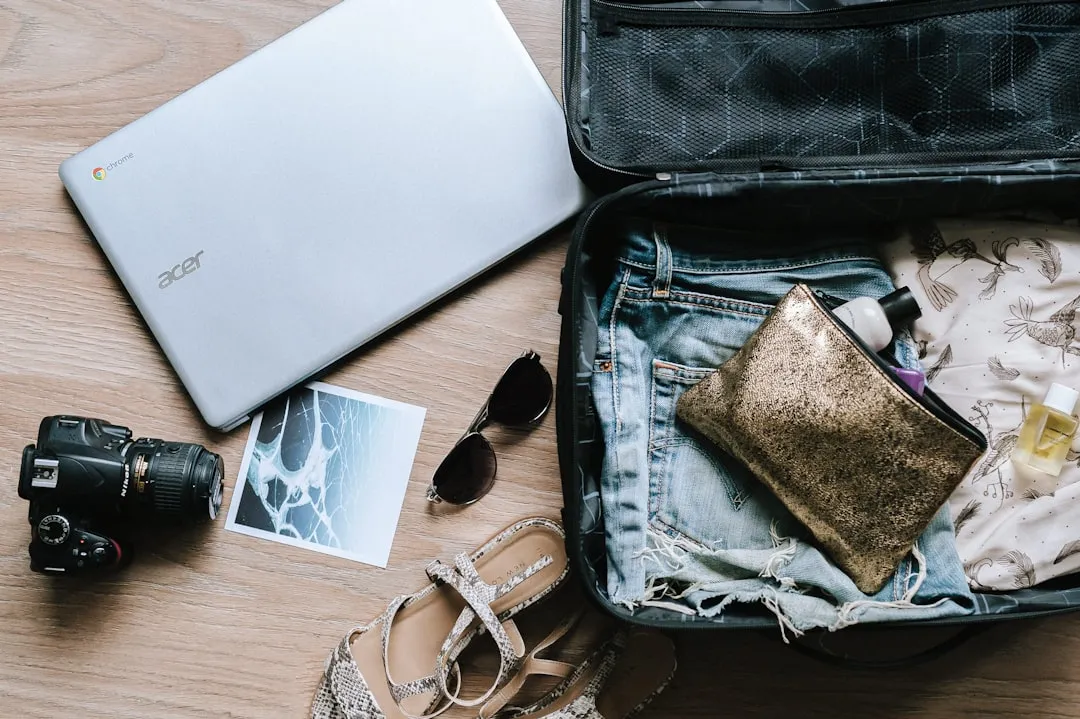

There’s a particular kind of dread that hits when your suitcase zipper refuses to close the night before a flight. Most of us have been there. You’ve packed “just in case” outfits, a backup jacket, and three sweaters for a destination that might get cold one evening – and now your bag weighs more than it should.
In 2024, U.S. airlines collected a record $7.27 billion in baggage fees, marking a continued reliance on ancillary revenue streams. That number isn’t just a headline. It represents millions of travelers paying for something that a smarter packing approach could help them avoid entirely. The solution isn’t packing less randomly – it’s packing with a layering strategy that genuinely works.
The Real Cost of Checking a Bag in 2025 and 2026
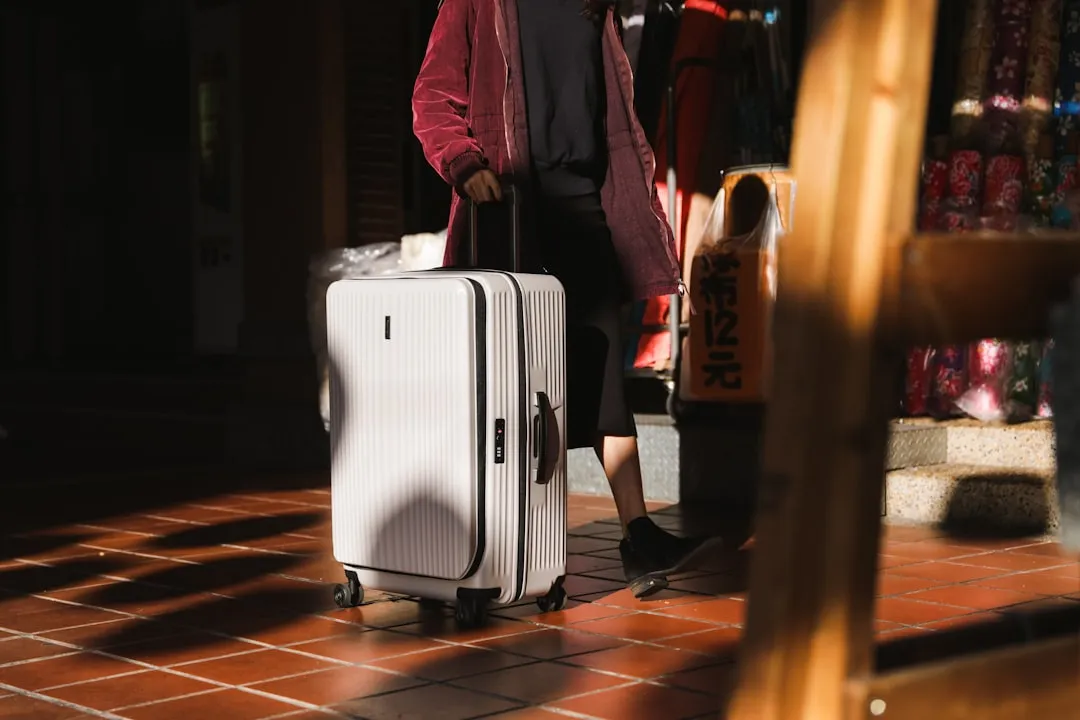
The financial math on checked bags has shifted dramatically. In early 2024, most major U.S. airlines raised the cost of a first checked bag to $35 and a second checked bag to $45. Since then, fees have continued creeping upward. Alaska Airlines, for example, raised its first checked bag fee from $35 to $40 in October 2025 for travelers who didn’t prepay.
Starting in May 2025, Southwest Airlines discontinued its longtime free checked bag policy. The airline now charges $35 for the first checked bag, $45 for the second, and $150 for subsequent bags. That’s a meaningful change for budget-conscious flyers who relied on Southwest as the last major holdout. The era of the truly free checked bag is effectively over.
If you’re flying with family or need to check more than one bag, these costs add up quickly. A family of four checking one bag each could pay $140 just for luggage on a round-trip flight. Layering strategically – so that you travel carry-on only – turns that potential expense directly into savings.
Why Layering Works: The Core Logic
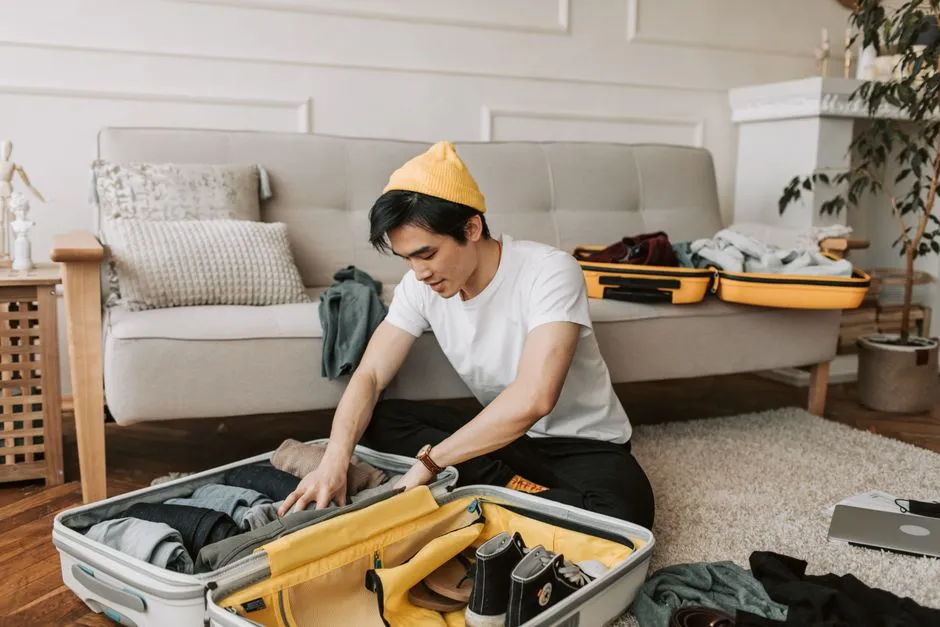
One of the key benefits of dressing in layers when you travel is that it can dramatically reduce the amount you need to pack. The less you need to pack, the less luggage you need to carry. It sounds almost too simple. But the layering approach works because each piece of clothing serves multiple functions rather than one.
Not only does relying mainly on lightweight layers save space and weight in luggage, but several lighter layers are more versatile and comfortable in changing conditions than one or two heavy ones. A single bulky sweater takes up real estate in your bag and can only be worn in a narrow set of situations. Three thin, layerable pieces occupy roughly the same space and give you far more flexibility.
Thin base and mid-layers are more functional than a bulky sweater or sweatshirt. They dry faster and take up less space. That combination – versatility plus compact packing – is the whole foundation of the pro layering mindset.
The Three-Layer System Explained
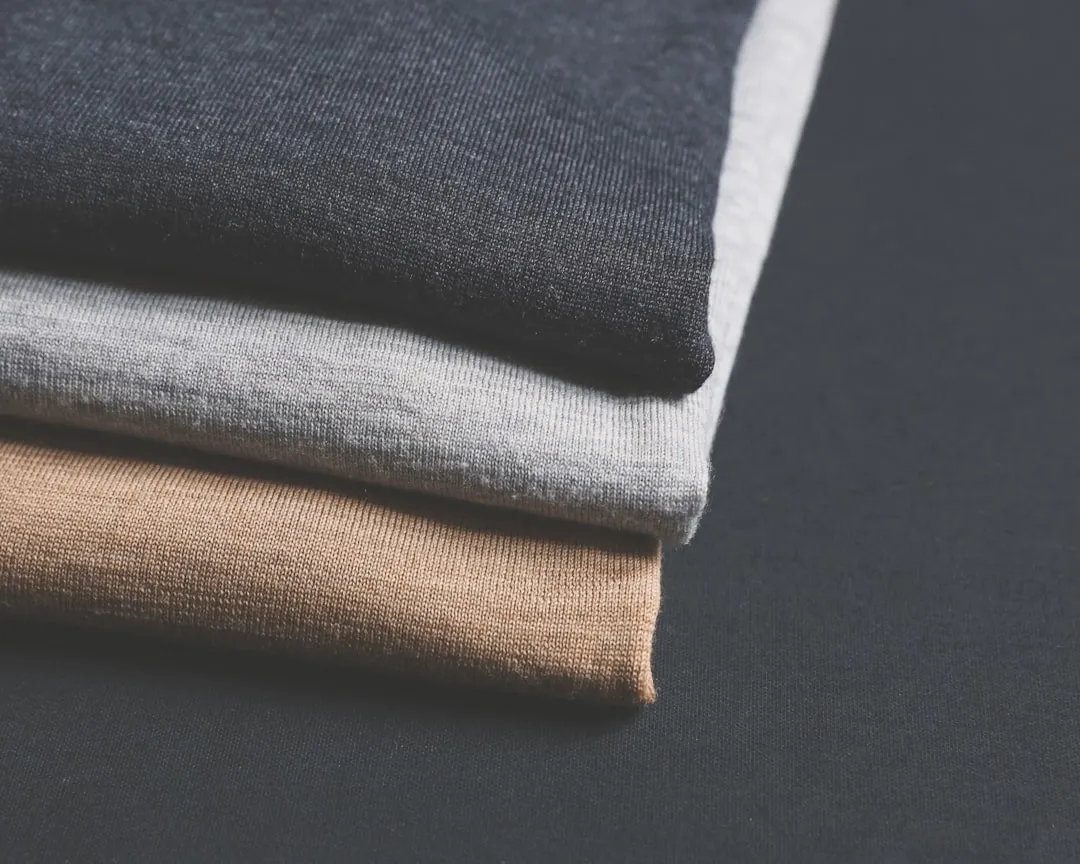
Winterize your travel capsule by adding base layers, insulating mid-layers, and of course a weatherproof jacket or coat. This three-tier structure is the bedrock of smart travel dressing. Each layer has a distinct job. The base layer manages moisture against your skin. The mid-layer traps warmth. The outer shell protects from wind and rain.
Layering for travel not only helps you stay warm, but it also allows you to adapt to changing temperatures and activities during your trip. Strategically packing for cold weather travel using functional layering allows you to still travel with only carry-on luggage. That last point matters more than it might seem – carry-on travel eliminates baggage claim waits, lost luggage risk, and check-in fees in one move.
If you are layering for practical purposes, the general rule is to layer with three pieces – your top, your bottom, and a third piece. Third pieces can be non-clothing items like scarves or necklaces if you don’t want to overdo the layers. The three-layer approach is flexible enough to work for cities, countryside, and everything in between.
Choosing Fabrics That Actually Pack Down Small
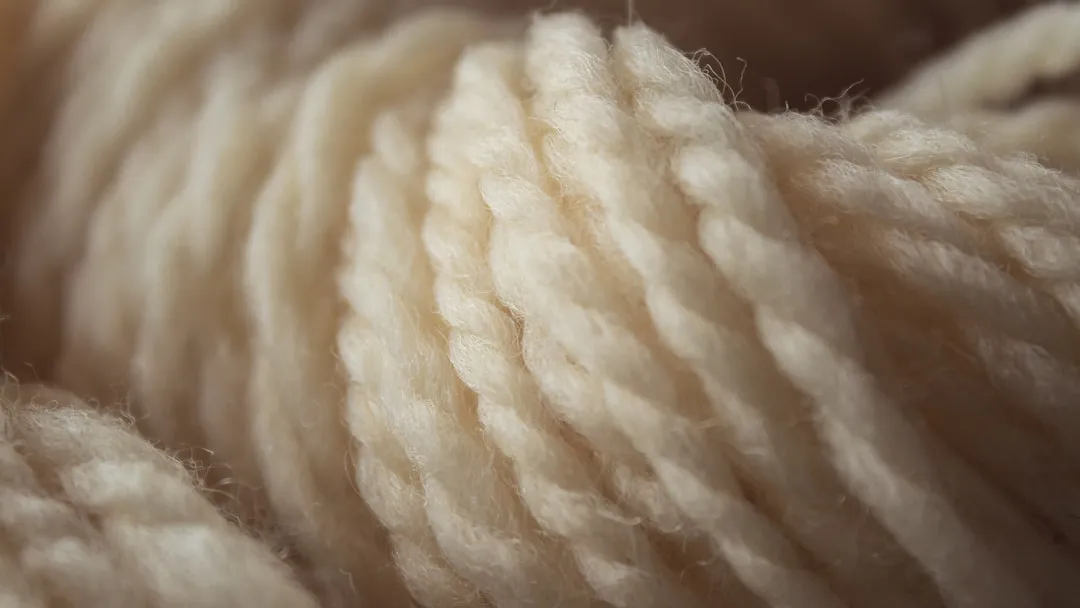
Not every fabric behaves the same way in a bag. Cotton, for instance, absorbs moisture, wrinkles easily, and dries slowly – none of which serves a traveler well. Pick performance fabrics that breathe well, keep moisture away from your body, wrinkle less, and dry quickly. That shift in fabric choice alone can dramatically change how much space your wardrobe takes up.
If you splurge, choose clothing made of merino wool, which doesn’t retain odor after multiple uses, breathes well, and is lightweight. Merino has become a genuine travel staple precisely because it does so much. Synthetic fabrics made of nylon or polyester also pack well and dry quickly. For a warm outer layer, consider a lightweight synthetic or down insulated jacket that packs up small and provides impressive warmth for its weight.
Three merino base layers, one midweight zip, and one merino full-zip mid-layer can take up the same amount of space as one single woollen sweater. That kind of packing efficiency is hard to argue with when you’re trying to fit a week’s worth of warmth into a carry-on.
The Merino Wool Advantage for Layering
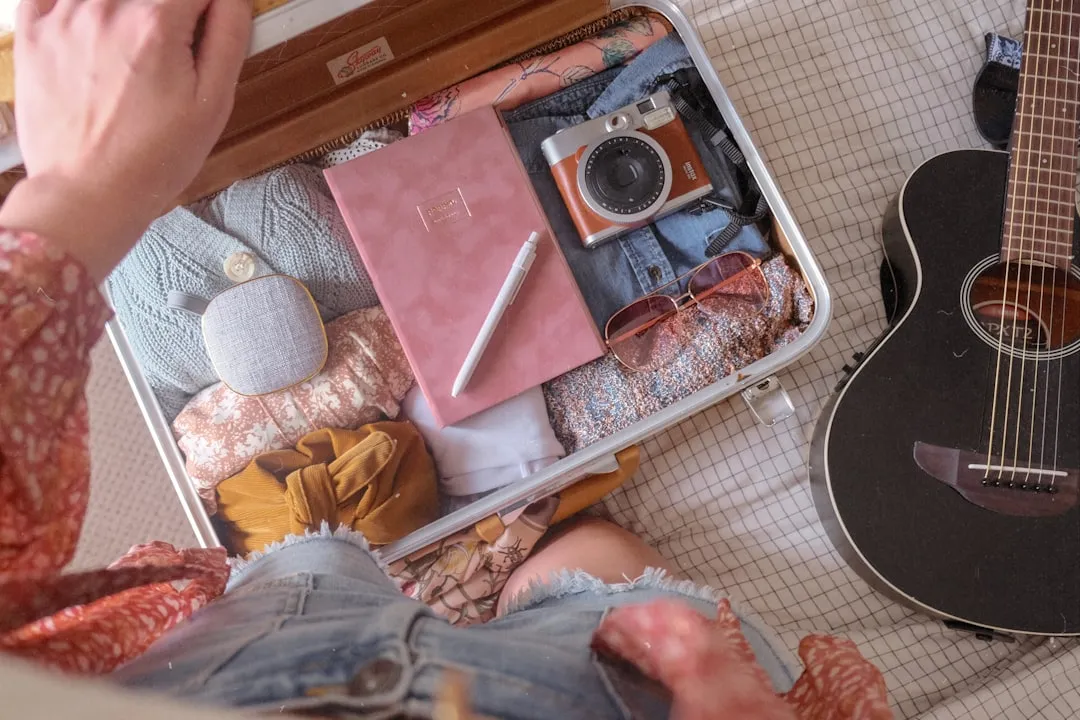
Merino wool can absorb and retain up to 30% of its weight in moisture and still feel dry to the touch. Since the fabric wicks away moisture, odor-causing bacteria don’t have the moist environment they need to thrive. This natural property is transformative for travelers, because it means each garment can be worn multiple times before it genuinely needs washing.
Independent textile testing has consistently shown that merino wool garments develop significantly less detectable odor than polyester garments after equivalent wearing periods, even when neither garment has been washed. This isn’t marketing language – it’s material science that directly translates to packing fewer items. Because of its odor-resistant qualities, you can pack two or three merino wool tees instead of five or six cotton ones.
Merino naturally regulates temperature in both hot and cold environments. During times of high activity, merino draws moisture into the core of the wool fiber, wicking moisture from the skin to cool the body. When body temperature is cooler, the natural crimp of the fiber traps air and insulates the body, keeping you naturally comfortable over a wide range of temperatures. For layering across varied climates, that adaptability is exactly what you need.
Building a Capsule Wardrobe That Multiplies Your Outfits

One general guideline is to pack one hat, two pairs of shoes, three bottoms, four tops, five pairs of socks, and six pairs of underwear. This should be enough to last you for two weeks. That’s a remarkably small wardrobe when you see it listed out. The key is that every piece must work with every other piece.
Sticking with a simple color palette makes it easy to mix and match tops and bottoms for several outfit combinations. Neutrals – navy, grey, black, tan – keep your options wide open. Two lightweight, layer-able pieces can be interchanged with other tops and layering pieces in your travel wardrobe to significantly multiply your outfit options. Base layers can always be worn on their own as well.
Just 12 thoughtfully chosen pieces can create more than 30 outfits that actually work for real trips. The formula stays the same: four tops, three bottoms, two mid-layers, two outerwear pieces, and one dress. Approached this way, a carry-on bag genuinely covers a full week or longer without repetition feeling obvious.
What to Wear on the Plane (and Why It Matters)

The travel day itself is where the layering strategy pays off fastest. Airports oscillate between uncomfortably warm and inexplicably freezing, and aircraft cabins rarely settle on a comfortable middle ground. Wearing your bulkiest pieces rather than packing them is a well-proven move that experienced travelers rely on consistently.
Your coat doesn’t count towards your carry-on plus personal bag limitations. That one fact changes the packing equation significantly. Wear your heaviest jacket onto the plane, clip it to your bag during boarding, and it never takes up an inch of suitcase space. Wear the heaviest pair of shoes on the plane or on travel days for the same reason – it frees up meaningful volume inside your bag.
You want to be able to take off and put on layers easily without changing your whole outfit. On a travel day with early departures, long layovers, and changing terminal temperatures, that ease of adjustment is genuinely practical rather than theoretical.
Compression Packing Cubes: The Layering System’s Best Friend
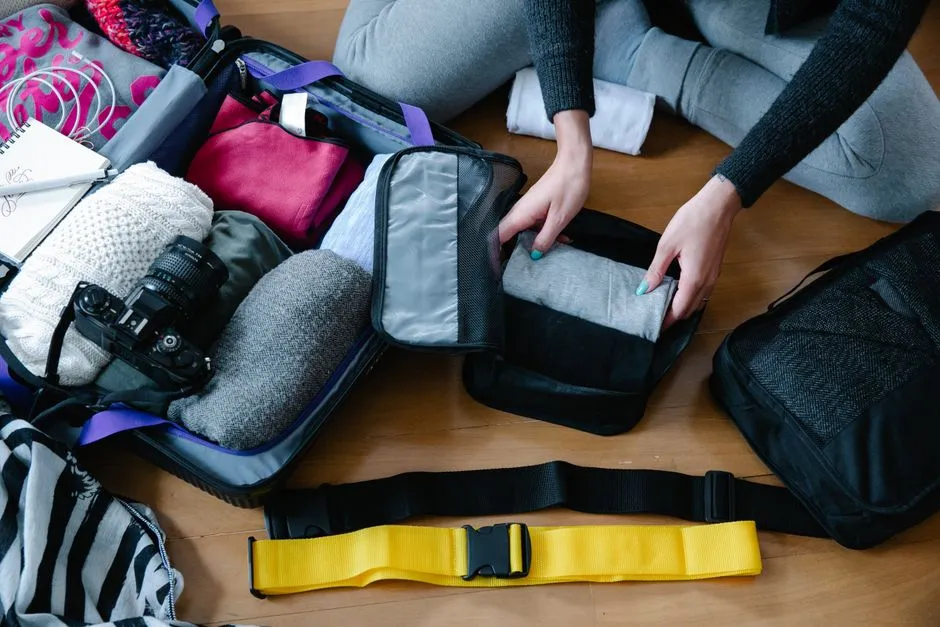
Layering the clothing you wear is only part of the picture. How you organize layers inside your bag matters almost as much. Compression packing cubes have grown in popularity among carry-on travelers for a specific reason – they bring structure and density to what would otherwise be a chaotic jumble of fabrics.
Packing cubes compartmentalize a bag much like a filing system. Things are easy to find and easy to put back after use. No more rummaging through a cavernous expanse looking for what you need. That kind of organization pays dividends at every hotel room and during every repack of the trip. They compress clothing so a bag looks smaller, which is handy when travelling on a budget carrier with a strict carry-on allowance, as your bag is less likely to attract attention at the gate.
For packing your bag, rolling your clothes saves space and prevents wrinkles. Combined with compression cubes, rolling your individual pieces before placing them into cubes creates the densest, most organized packing possible without adding any weight.
Layering for Multi-Climate and Multi-Country Trips
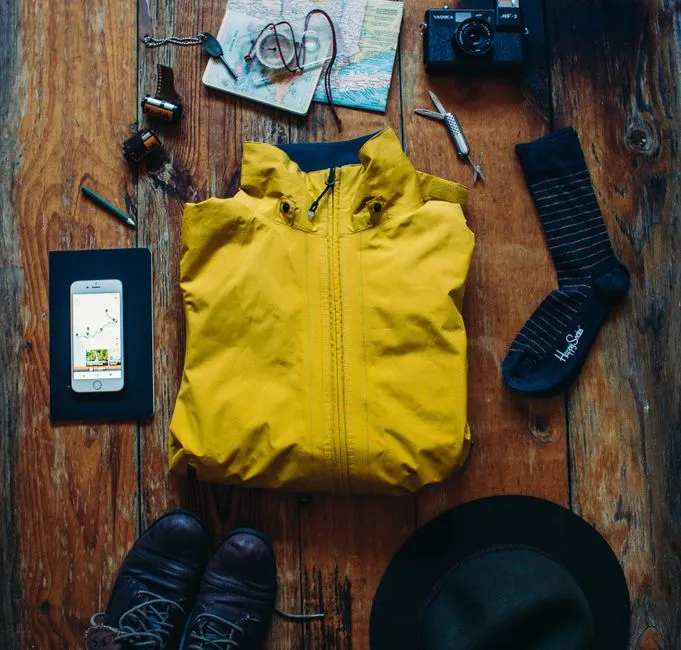
Single-destination travel is relatively forgiving when it comes to packing. Multi-city or multi-country itineraries are where overpacking most commonly happens – and where layering most dramatically proves its value. Packing climate-specific outfits for each destination quickly fills a suitcase with items that have no flexibility.
Whether your goal is to pack like a minimalist or to explore multiple climates and seasons in one trip, learning how to layer is essential. Layering allows you to carry less in your luggage while still being prepared for whatever weather your journey throws at you. One set of versatile layers handles coastal warmth and mountain chill in the same trip without requiring a separate wardrobe for each.
Dressing in layers translates into having clothes that allow you to cope easily with fluctuations in temperature, or when crossing climates and seasons. That straightforward principle is why seasoned travelers return to layering as a core strategy regardless of where they’re headed or how long they’re away.
The Airport Stress Connection: Less Luggage, Clearer Head
Baggage isn’t just a financial burden – it shapes the entire airport experience in ways that are easy to underestimate. According to IATA’s Global Passenger Survey, 88% of passengers would feel more confident if they could track their luggage in real time. That figure reveals just how much cognitive load checked bags add to a journey. When there’s no checked bag to worry about, that concern disappears entirely.
The introduction of baggage fees has had unintended operational consequences. With more passengers opting to carry on luggage to avoid fees, overhead bin space becomes a premium commodity, potentially leading to boarding delays. Traveling with a compact, well-layered carry-on – one that fits properly in the overhead bin – sidesteps that scramble entirely. You board, you stow, you sit down.
Nearly half of American travelers are concerned about airport delays and cancellations. That stress is real and often unavoidable. What is avoidable is the additional layer of anxiety that comes from checked luggage – the wait at baggage claim, the vulnerability to loss or damage, the dependency on getting to the airport earlier to check in. Carrying everything you need on your back removes those variables one by one, and that’s exactly what a thoughtful layering system makes possible.
Packing light through layering isn’t about deprivation. It’s about choosing pieces with enough range that you’re genuinely prepared rather than just heavily loaded. The travelers who move through airports most calmly tend to be the ones with the smallest bags – not because they packed carelessly, but because they packed with intention. That shift in mindset, from “what if I need it” to “what will I actually use,” is where the real freedom begins.
AI Disclaimer: This article was created with the assistance of AI tools and reviewed by a human editor.