
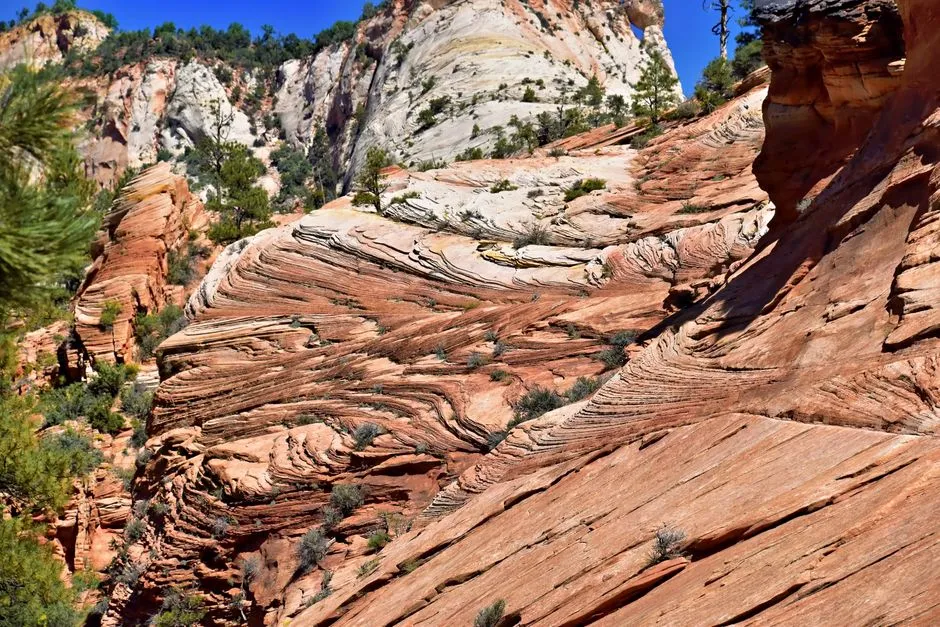

More Americans are heading to national parks than ever before. The National Park Service recorded more than 323 million recreation visits in 2025, including over 13 million overnight stays, with 26 parks setting new visitation records. That’s a staggering number of people sharing trails, parking lots, and overlooks – which means that being prepared isn’t just about personal comfort. It’s increasingly about your safety, your experience, and respecting the spaces others are also there to enjoy.
Most visitors remember their hiking boots and a camera. It’s the quieter, less glamorous items that tend to get left on the kitchen counter. Some of them matter more than you’d think.
A Reliable Water System (Not Just a Bottle)
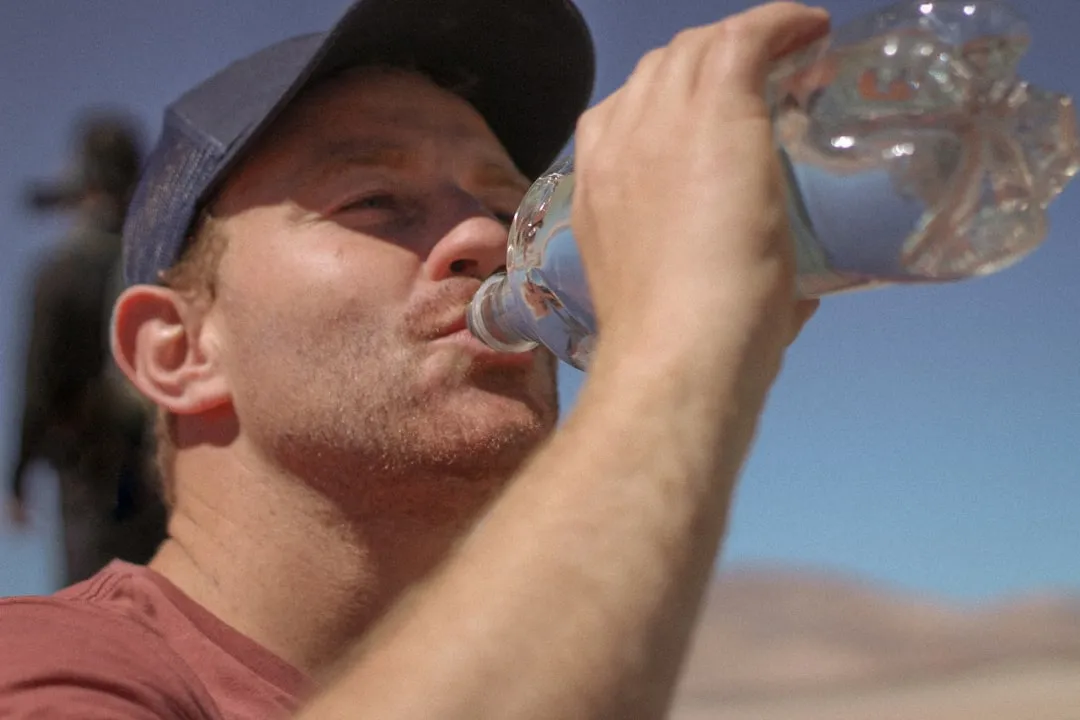
Approximately 58 percent of hikers do not carry enough water for their planned hike, putting them at risk for dehydration and heat-related illnesses. That statistic alone should prompt a rethink of your hydration setup before any summer park trip. A single small water bottle isn’t enough, especially at altitude or in desert parks.
If you will be hiking in hot weather, think carefully about how much water you will need for the day. Plan ahead to prevent dehydration or a heat-related illness. Some hikes have reliable water sources whereas others do not, and you may be required to carry extra water or treat water. A hydration bladder, a larger insulated bottle, and a lightweight water filter are worth bringing together.
Bring extra water to avoid dehydration. A sizable number of search and rescue incidents involve heat illness of some kind. As temperatures build in summer (and traveling to higher elevations exacerbates dehydration), be proactive about your physical wellbeing by taking hydration seriously and protecting yourself from the sun.
Sunscreen – and Lip Balm With SPF
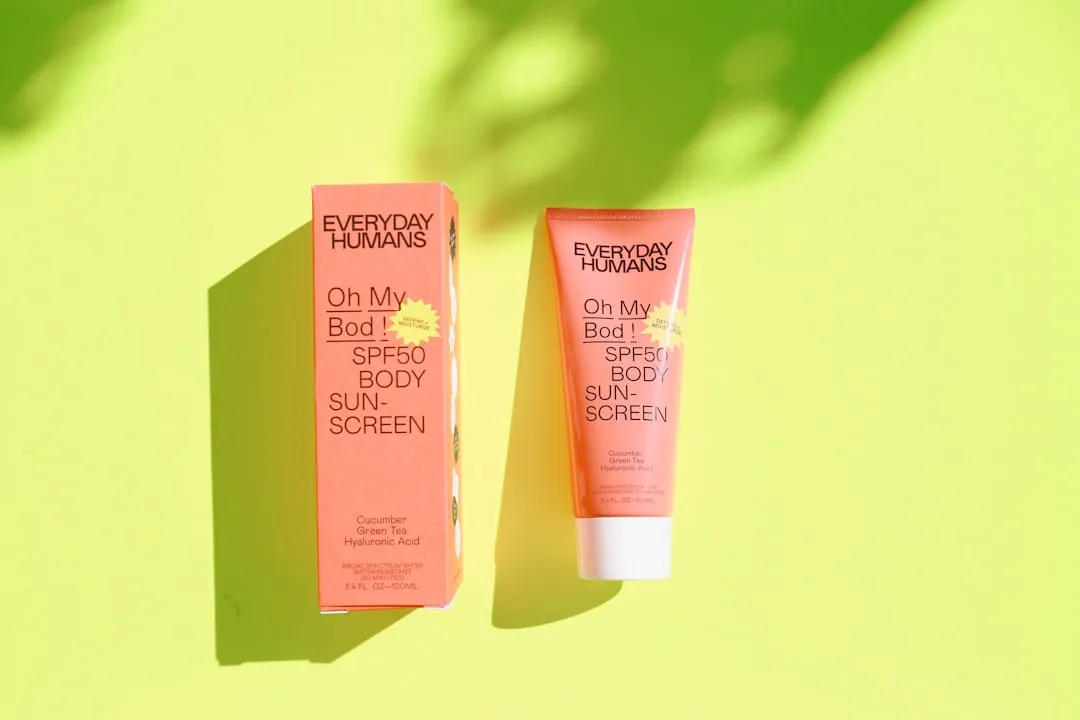
Sunscreen makes every packing list, but it often gets forgotten in practice. Park elevations can range from 7,600 to 14,200 feet. At such high altitude, the sun is intense. Apply sunscreen liberally and often to avoid getting burned. Most people apply once in the morning and consider the job done – that’s not enough.
Regardless of what product you choose, a reef-safe option is recommended so you can re-use your bottle on future beach trips. Don’t forget SPF for your lips, too. Chapped, burned lips after a full day on an exposed ridge are a surprisingly miserable outcome for something so easy to prevent.
Layers for Rapidly Shifting Temperatures
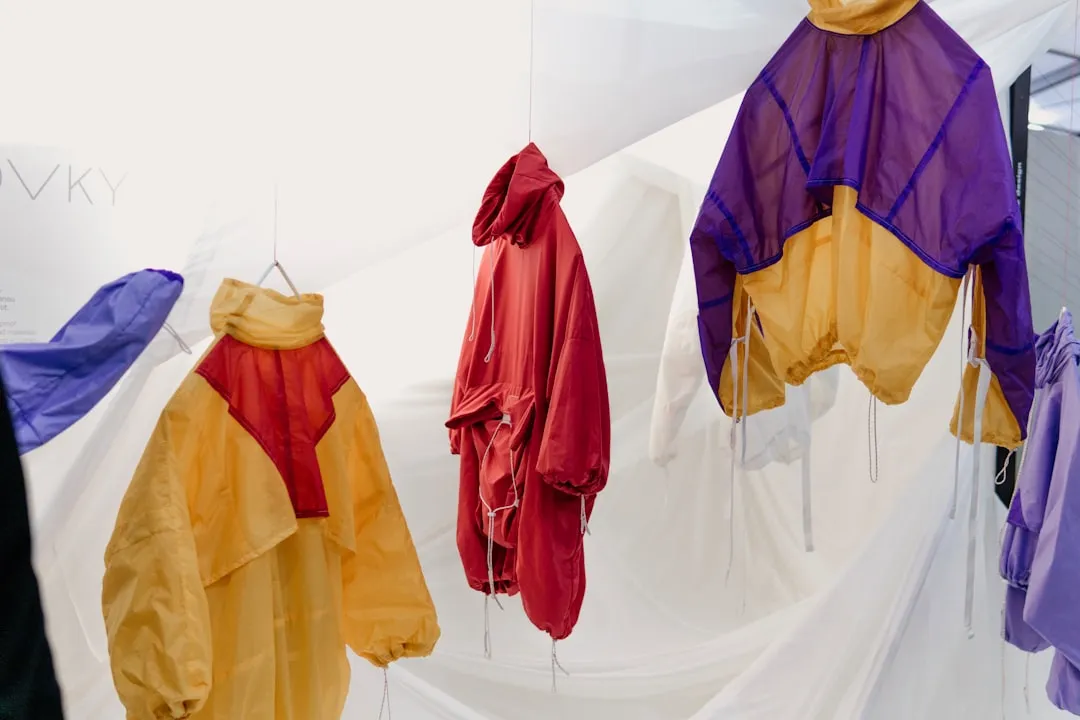
The weather in national parks can be highly variable, changing from warm summer sunshine to cold rain and even snow. You’re hoping to be active and outdoors as much as possible. So it’s wise to bring clothes that you can layer, that are quick-drying, and that fit into your day pack. This is especially true in mountain parks like Rocky Mountain, Glacier, and Grand Teton.
With elevations ranging from 2,100 feet to 13,000 feet, the temperature can swing dramatically, especially early in the morning or late in the evening. A lightweight fleece or packable puffy that you’d happily toss in the bottom of your bag can be the difference between a great evening hike and a very cold, very uncomfortable one.
A Headlamp With Fresh Batteries
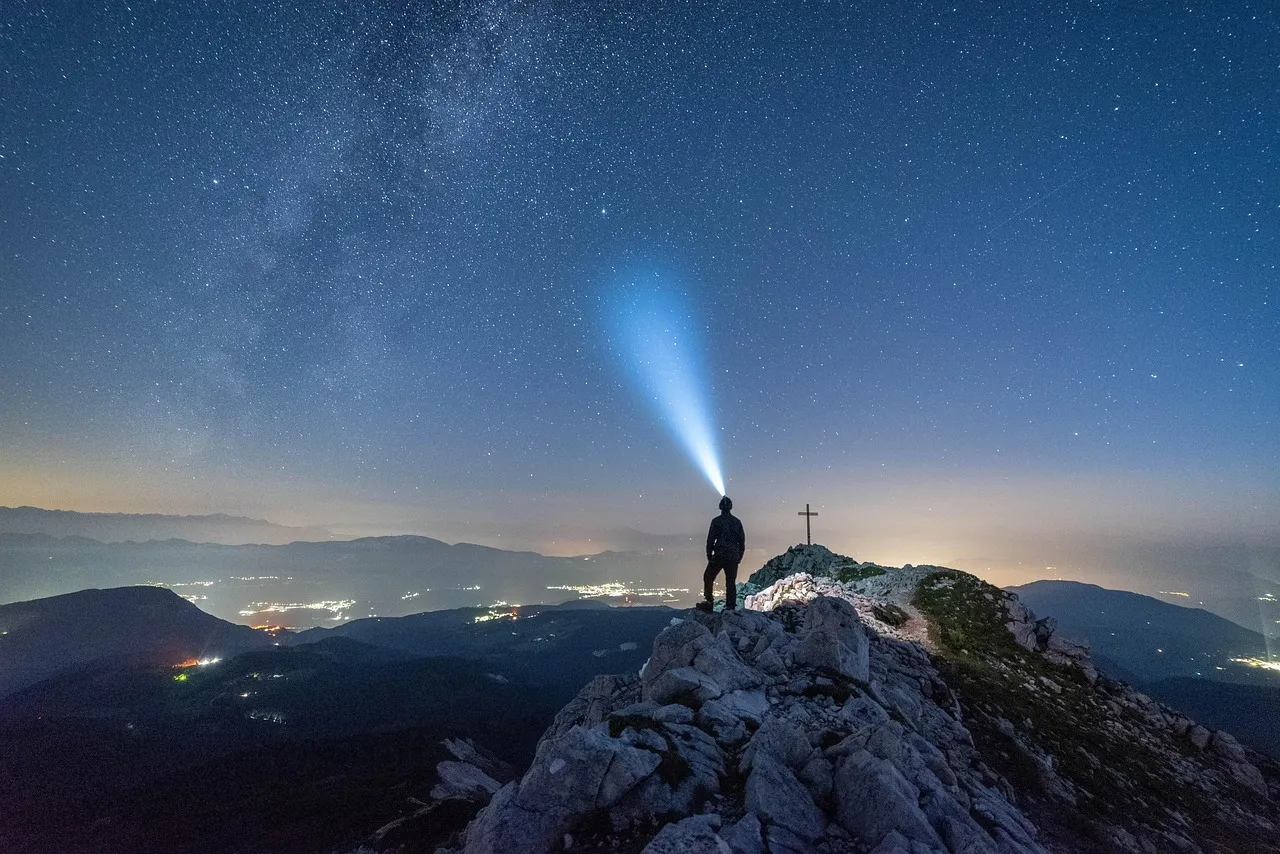
Don’t bank on your phone’s flashlight. Instead, pack a headlamp with fresh batteries to navigate hands-free after dark. If you’re eager to see the stars, pick a headlamp with a red light setting to preserve your night vision on your way to your favorite stargazing spot. This is one of those items that people consistently forget because it seems unnecessary – until twilight hits and the trail back is longer than expected.
Flashlights and lanterns are camping staples, but their batteries often run out faster than expected. Be sure to pack spare batteries, along with extra chargers, to ensure you always have a backup power source and keep the fun going after dark. A headlamp with a strong red light mode is particularly valuable, as it won’t disturb other campers or ruin your dark-adjusted vision near a trailhead.
A Paper Map or Downloaded Offline Map

Getting lost is the primary reason for 41 percent of search and rescue operations. Lack of proper equipment contributes to 18 percent of hiking accidents. Poor planning is a factor in 22 percent of hiking-related incidents. Navigation failure is, quite consistently, one of the most common causes of incidents on trail. Yet most visitors rely entirely on cell service they may not actually have once inside the park.
If you plan to use your cell phone for calls, emails, navigation, or just as a phone, you will need to make sure it is charged. This is easy if you’re staying in a lodge or inn, but is more challenging if you’re camping. One solution is to take a power bank, which you can use to recharge several times. Downloading offline maps before you leave the last cell tower is a habit every park visitor should develop.
A Well-Stocked First Aid Kit
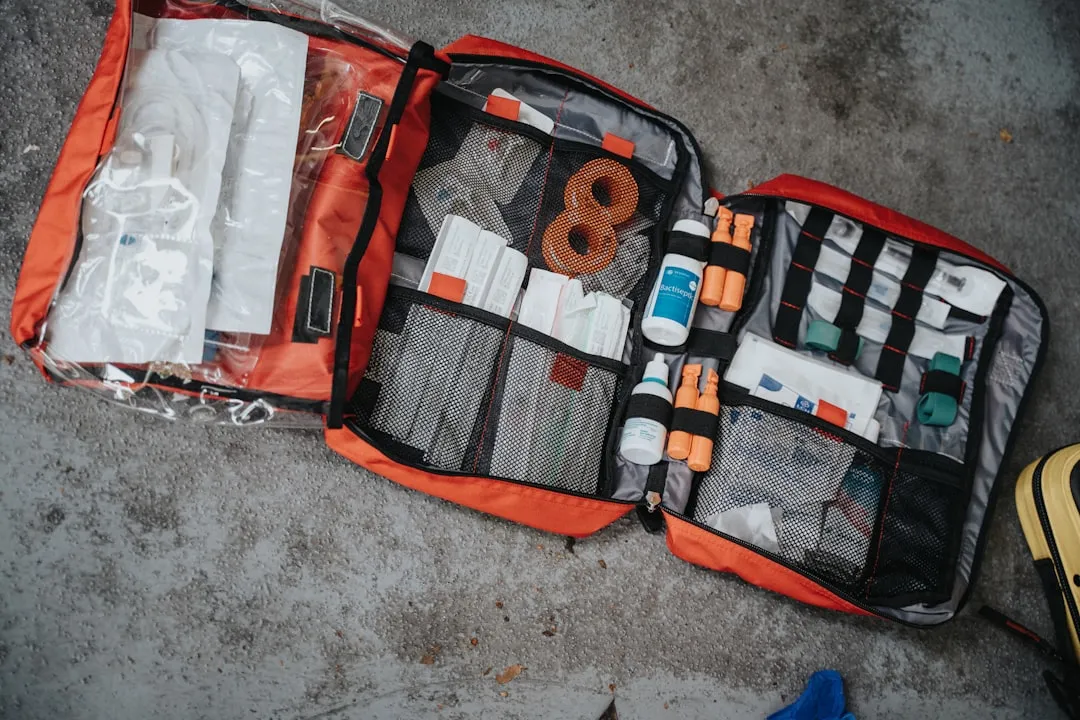
Lack of proper equipment contributes to 18 percent of hiking accidents. A compact first aid kit is one of the most commonly skipped items, often because people assume they won’t need it. The reality is that blisters, minor cuts, twisted ankles, and bee stings happen regularly on trails, even on short walks.
Your kit should cover the basics: bandages in multiple sizes, moleskin for blisters, antiseptic wipes, pain relief, antihistamines, and any personal prescription medications. Research the route and terrain of the hike before you go and identify the right equipment for your trip. Check your equipment to ensure it is in good working condition and learn how to use it before you set out. Knowing how to use what you’ve packed is just as important as having it.
Insect Repellent

Insects such as mosquitoes and ticks pose risks of bites and stings, which can lead to allergic reactions or diseases like Lyme disease. This risk is present across most national parks in summer, from the dense forests of the Great Smoky Mountains to the meadows of Yellowstone. Insect repellent is frequently forgotten because people associate national parks with open landscapes rather than tick habitat.
Mosquitoes and other bugs can quickly turn a pleasant evening into a nuisance. Don’t forget insect repellent and soothing after-bite creams to protect your family and keep everyone comfortable. Products containing DEET or picaridin are widely recommended by health authorities for effective tick protection. After each hike, a thorough check of skin and clothing is always good practice.
Trekking Poles
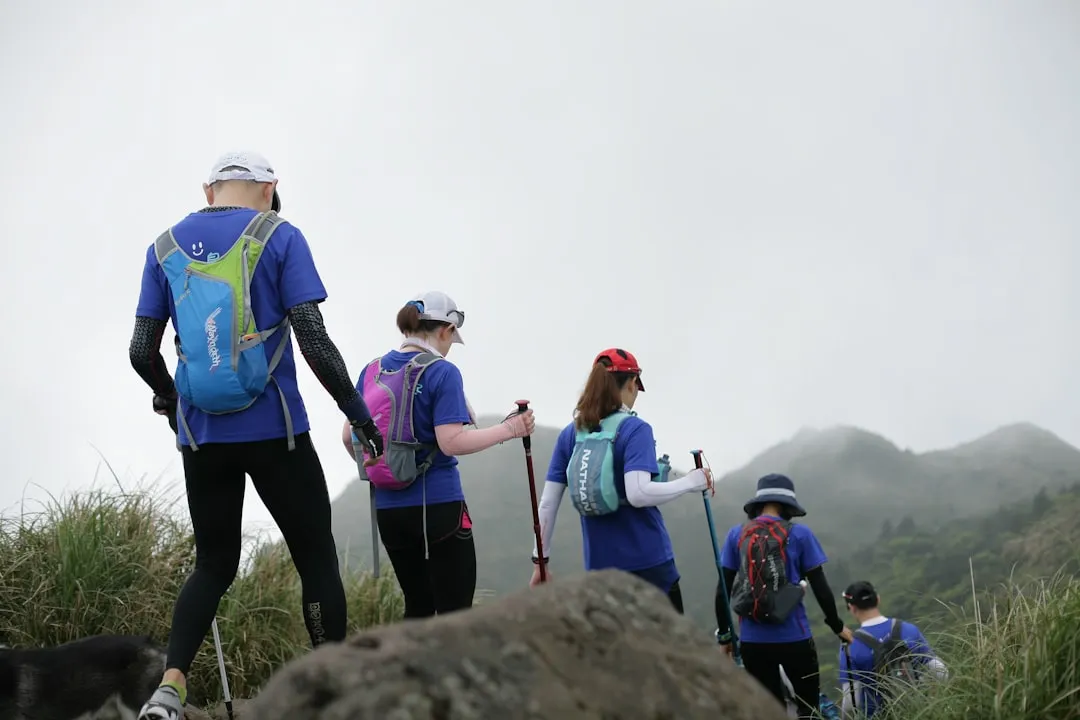
Trekking poles are one of those items experienced hikers swear by and first-timers almost always leave behind. Trekking poles can provide additional stability and reduce the strain on your knees and legs, especially on uneven terrain and steep descents. They can also help maintain balance and prevent falls. On long summer hikes with significant elevation gain, the difference to your knees over time is genuinely significant.
Many park trails are steep and uneven and the extra balance trekking poles offer is well worth packing them. They’re also useful when crossing stream sections or navigating loose scree. You don’t need to spend a lot to get a functional pair – the key is adjustability and a locking mechanism that holds firm.
Your Reservation Confirmation (Printed or Screenshotted)
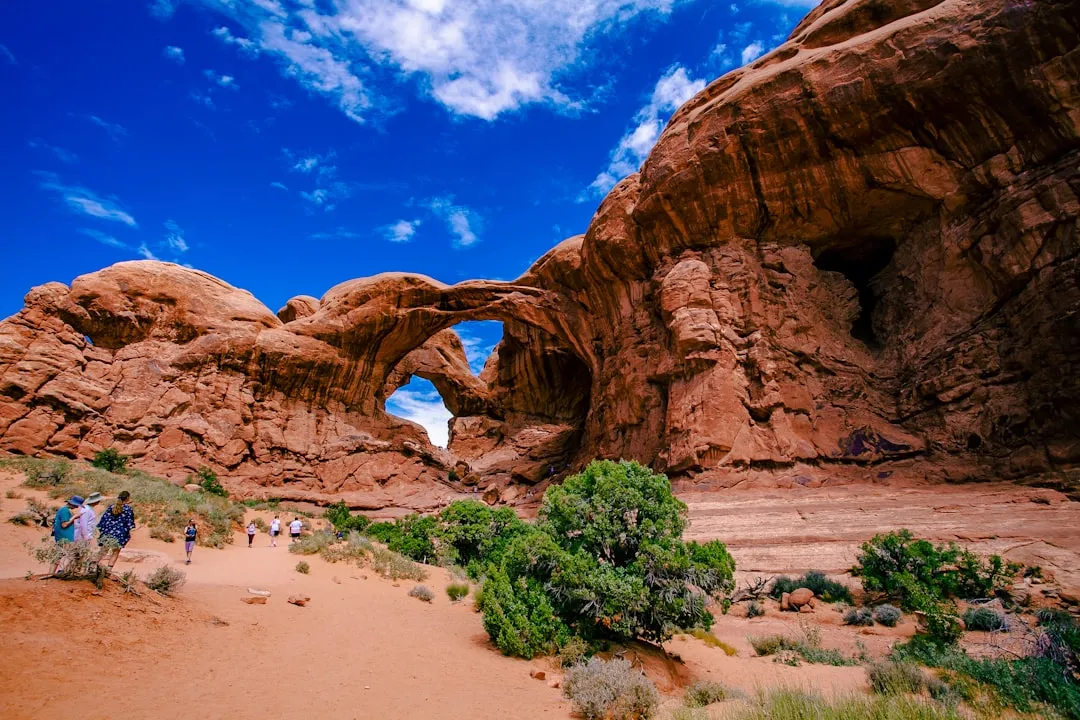
The landscape of national park access has shifted considerably. If you spent the past three summers wrestling with a stopwatch to book a national park entry slot, 2026 looks very different. The National Park Service announced on February 18, 2026 that it is dropping timed-entry reservations at several of its most-visited parks. The single most useful thing to know is this: four of the five marquee parks no longer require a reservation to get in, but Rocky Mountain National Park still does.
For some national parks, you will need both a valid entrance pass such as the America the Beautiful pass, and any required timed-entry ticket, vehicle reservation, shuttle ticket, or tour ticket. Always bring your pass or be prepared to pay the entrance fee at the gate – even if you have already reserved a time slot. Forgetting a printed or downloaded confirmation has turned away visitors at the gate. Once your timed entry reservation is complete, you will receive an email with your attached reservation confirmation. This is the document you will be required to show to a park ranger upon arrival at the entrance gate. Remember to print out a copy or take a full screenshot on your phone.
Emergency Snacks and High-Energy Food

Inadequate food and water contribute to 10 percent of hiking-related incidents. Hunger on trail isn’t just uncomfortable – low blood sugar compounds fatigue, slows decision-making, and increases the risk of minor accidents turning into more serious ones. It’s easy to underestimate how much energy a full day of hiking burns.
Hiking can drain your energy quickly. Dehydration and heat exhaustion may sneak up on you while you are hiking on the trails. Be sure to drink when you are thirsty. Snack on nutritional foods such as trail mix, nuts, and granola bars to keep your energy high. Pack more than you think you’ll need. An extra energy bar at the bottom of your pack costs nothing but can genuinely matter if a trail takes longer than expected or the weather changes.
Whether you’re exploring for an hour or an entire day, you should always bring water and food or snacks along for your journey. You shouldn’t expect these items to be readily available at a moment’s notice. While some parks have food and drinks for sale in certain areas, others have limited, if any, shops or restaurants.
A Final Thought Before You Go
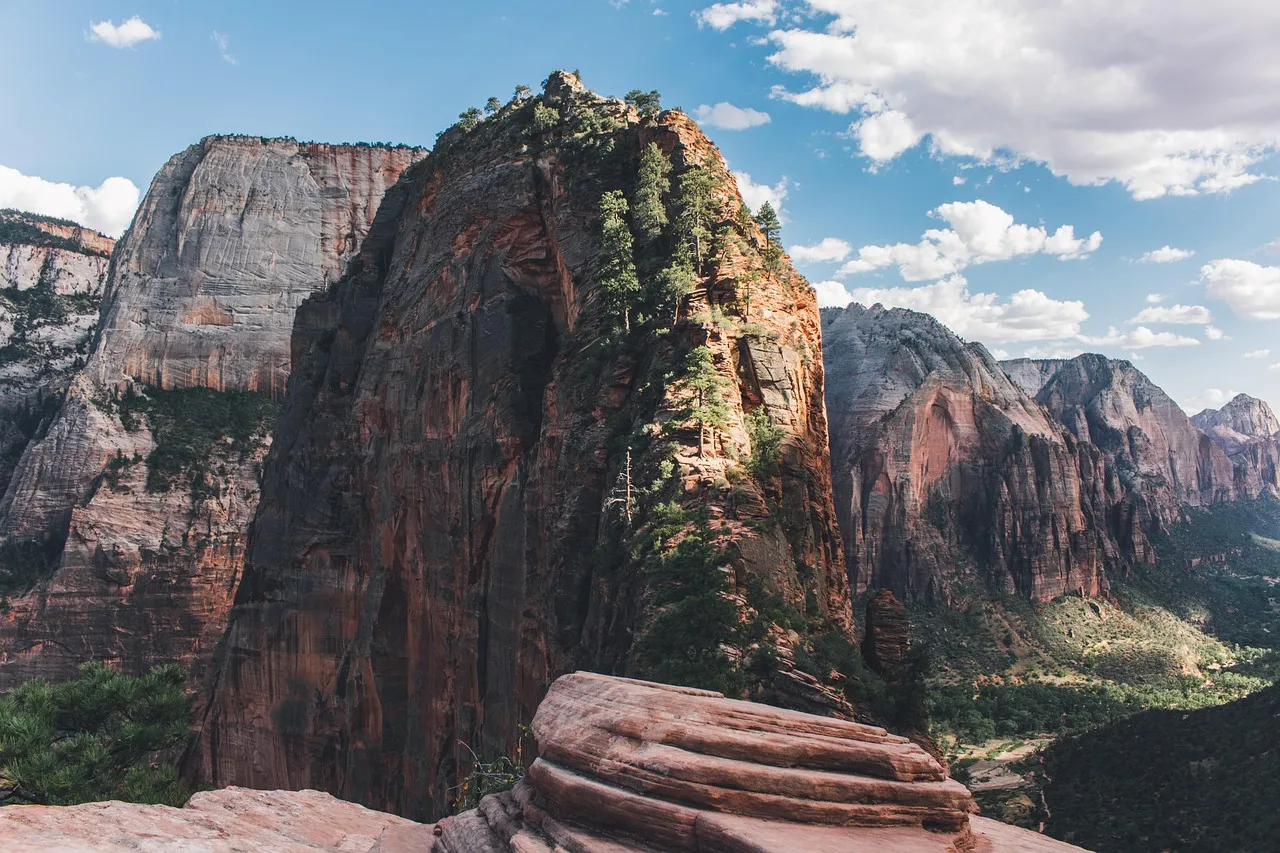
The National Park Service recorded more than 323 million recreation visits in 2025, including over 13 million overnight stays. These places are loved, and the best thing visitors can do is show up genuinely prepared – not just for their own safety, but out of respect for the parks and the people who care for them.
The forgotten items on this list aren’t exotic gear. They’re practical, affordable things that tend to slip through the gap between excitement and actual packing. Taking an extra thirty minutes to work through your kit before you leave home can make the difference between a trip you remember fondly and one you spend managing a problem you could have prevented.
The parks will be there. Go in ready.
AI Disclaimer: This article was created with the assistance of AI tools and reviewed by a human editor.