
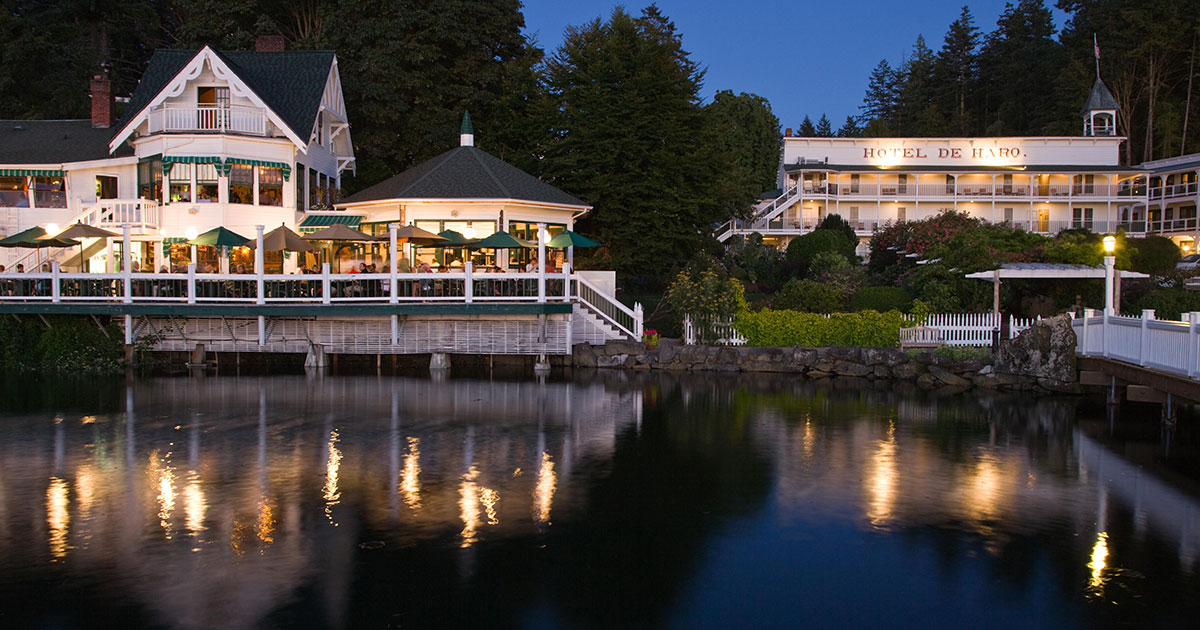

There’s a particular kind of quiet on these docks in the early morning, before the ferries arrive and the harbors fill with summer sailboats. The planks underfoot carry a long memory. For well over a century, the have served as the primary interface between isolated island life and the wider world – receiving steamships, exporting lime and salmon, welcoming settlers and, eventually, travelers.
These waterfront edges are not just scenic walkways. They are the physical record of commerce, hardship, Indigenous presence, and reinvention. Walking them is a layered experience, one that rewards those who look a little deeper than the view.
The Ancient Waterways Before the Wharves
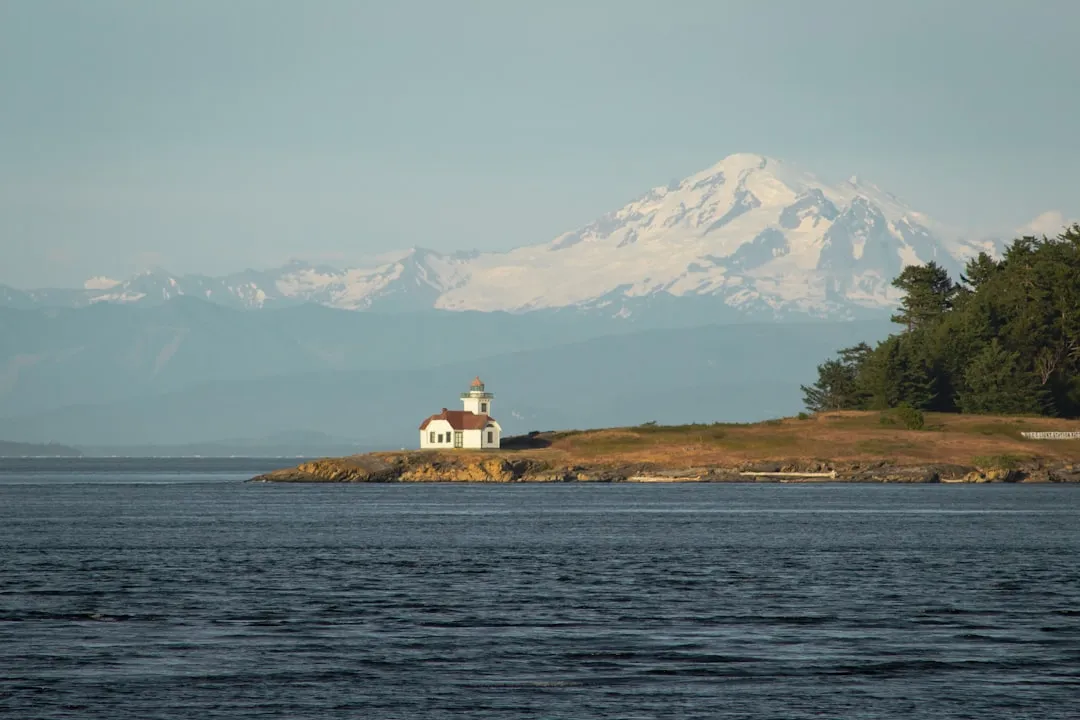
Native Americans first came to the San Juan Islands at least 14,000 years ago. Archaeological evidence within the present-day town limits of Friday Harbor indicates longtime use by the Coast Salish of the sheltered natural harbor on central San Juan Island’s east shoreline. The harbor wasn’t simply a stopover. Because of the freshwater springs near the harbor, people likely camped there while they hunted game and gathered shellfish and other seafood from the tidal area along the shore.
Native American tribes and First Nations of Canada have cared for the San Juan Islands as part of their ancestral territory since time immemorial. Coast Salish people gathered in the islands to harvest shellfish and salmon from the sea, camas in prairies, berries along streams and in forests, and other flora and fauna for food and traditional uses. Coast Salish were excellent mariners and traveled extensively through the region in canoes that ranged in size from solo craft up to massive multi-family vessels. These same shorelines where wharves would later be hammered together were already ancient gathering places.
Friday Harbor: The Waterfront That Built a Town
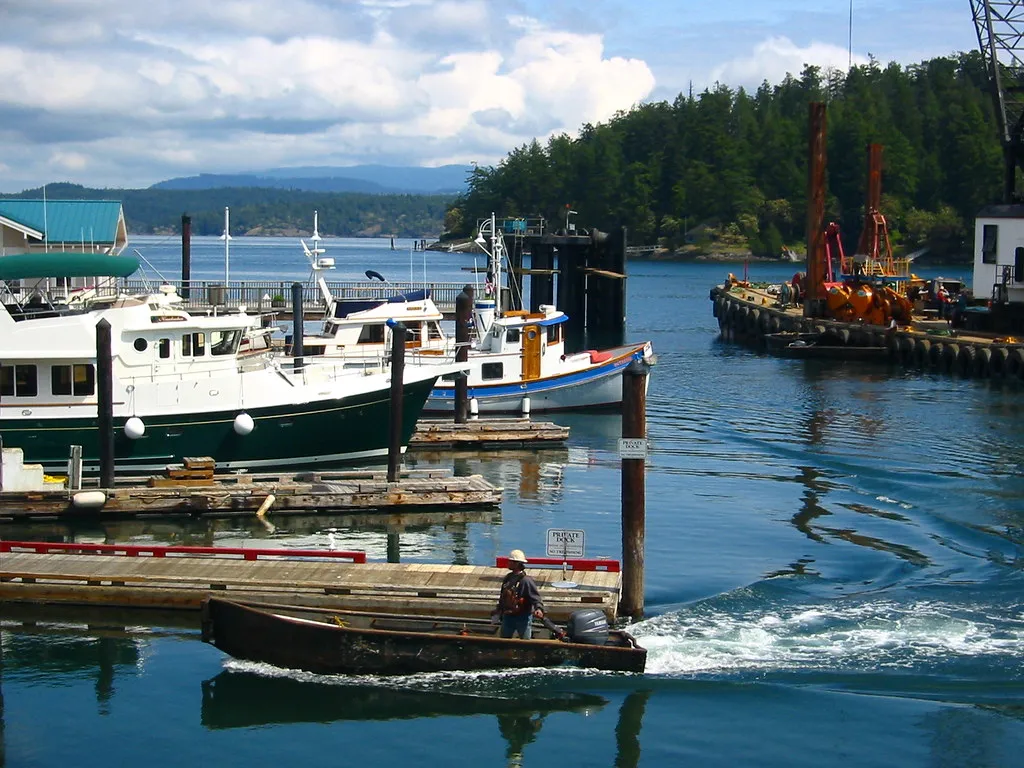
Friday Harbor has been the commercial, social, and cultural hub of San Juan Island since the 1890s. It is named for a Hudson’s Bay Company sheepherder, Joe Friday. The geographical features of a sheltered bay with deep water and good anchorage, plus an ample supply of fresh water, set the stage for Friday Harbor’s emergence as a center for commerce.
Initial structures were built on pilings over water, and entrepreneurs soon erected general stores and saloons, clearing the waterfront forest. By the early 1900s, hotels and businesses lined the first block along the waterfront, opposite canneries, warehouses, a shipyard, a lumber mill, and wharves servicing steamer traffic. San Juan Island’s commercial products were shipped to domestic and foreign markets from Friday Harbor’s waterfront, where large wharves and warehouses accommodated the steamships of the “mosquito fleet.”
The Mosquito Fleet and the Wharf Era
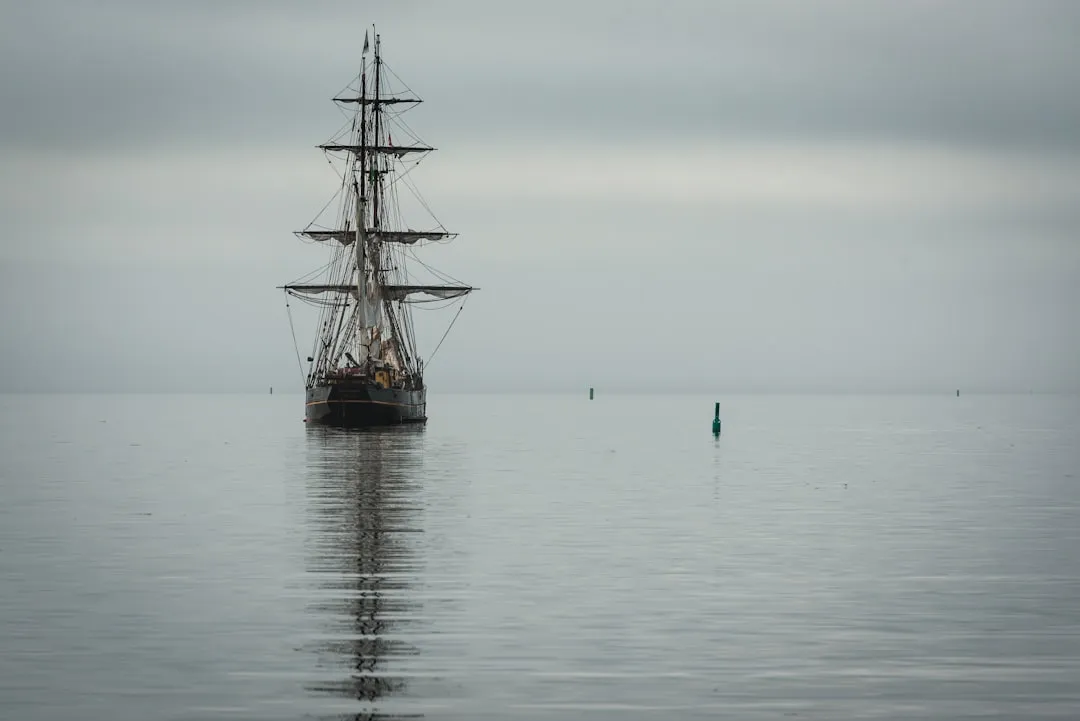
Sailing ships, and later, the steamships of the Puget Sound Mosquito Fleet, visited the harbor on a regular basis, hauling passengers, mail, and freight. Freight from the island would include apples, pears, cherries, strawberries, peas, cream, eggs, chickens, grain, salmon, and lime. All were produced on or around San Juan Island.
Between 1850 and 1900, hundreds of steamships, both small side-wheelers and larger stern-wheelers, plied the waters, so many they were collectively called “the mosquito fleet.” By 1876, most of the major steamer routes were established, and several stopped at various ports in the San Juan Islands perhaps once or twice a week. Lopez Island and its farming and fishing community were also well served by steamships arriving at wharves around the island, including at Richardson, Lopez Village, and Port Stanley. Fishing and cannery operations in busy Richardson at the south end of the island drew visitors and business travelers, who were housed at the comfortable Richardson Hotel, built in 1890.
The Churchill and Carter Wharves of Friday Harbor
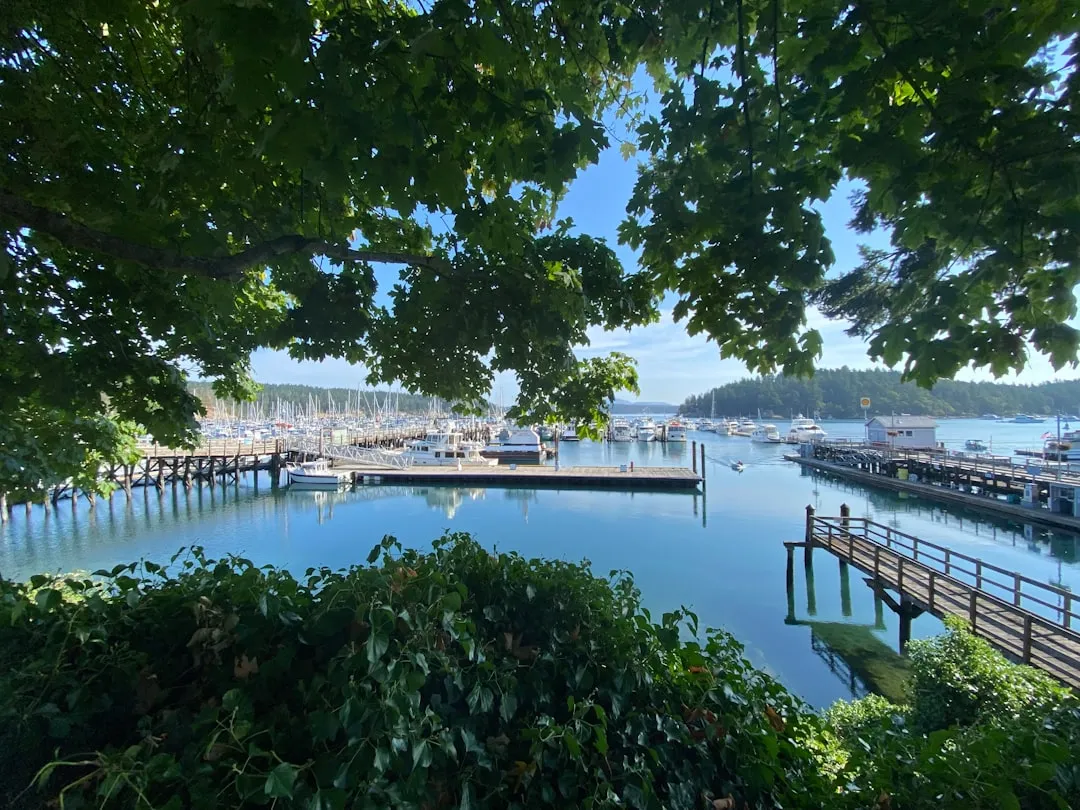
Together, Churchill and Noftsger formed the San Juan Trading Company in 1890. In 1892, Churchill and Noftsger built a store on the northeast corner of Spring and First Streets; a year later they constructed a wharf and warehouse at the foot of East Street. These private wharves were the economic backbone of early island trade, and competition between merchants drove waterfront expansion rapidly.
L.B. Carter extended his wharf at the foot of Spring Street 100 feet and constructed a 60-by-75-foot warehouse in 1898. Snapshots of Friday Harbor’s waterfront development can be read from a series of maps created by the Sanborn Insurance Company in 1892, 1903, 1907, and 1930 in order to classify structures for fire insurance purposes. Those maps remain one of the most precise historical records of how the wharfside landscape shifted decade by decade.
Roche Harbor: The Lime Wharf That Shaped the West Coast
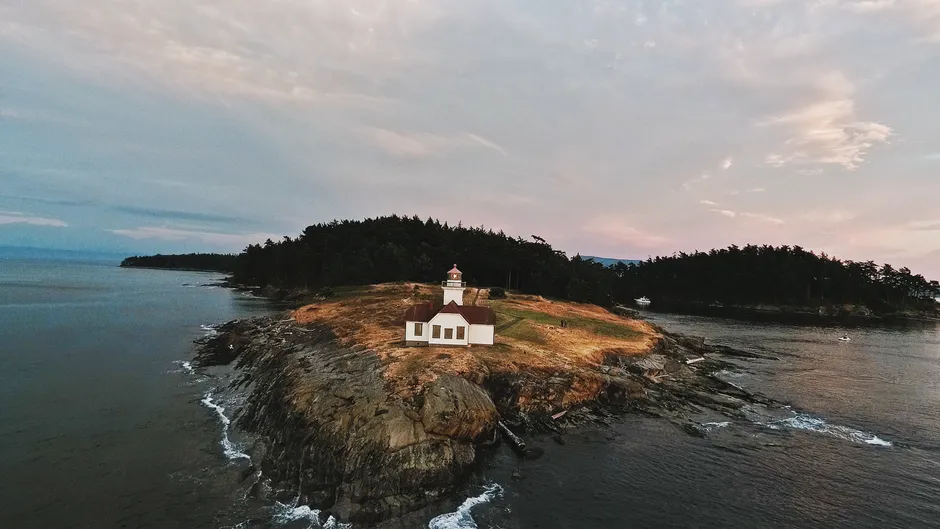
Limestone quarrying and lime processing began at Roche Harbor, located on the north end of San Juan Island, in the early 1880s. In 1886, Tacoma attorney John S. McMillin purchased the land and founded the Tacoma and Roche Harbor Lime Company. Under his leadership, the company expanded rapidly. By the 1890s, it operated 13 kilns and reached production of nearly 150,000 barrels per year.
The San Juan Islands were ideal for the manufacture and transport of lime. Large deposits of high-quality limestone were located right on the shoreline, with good deep-water harbors protected from prevailing winds. Largely by gravity, quarried limestone was shunted downhill to the top of kilns, fired with high-temperature-producing old-growth Douglas fir, and then drawn out from the bottom of the kilns as lime. Packed in barrels, the final product was transferred to warehouses built on or close to wharves. His company was the largest lime producer in the Pacific Northwest, producing almost 300,000 barrels of lime per year when production peaked in 1904.
The Diverse Workforce Behind the Wharves
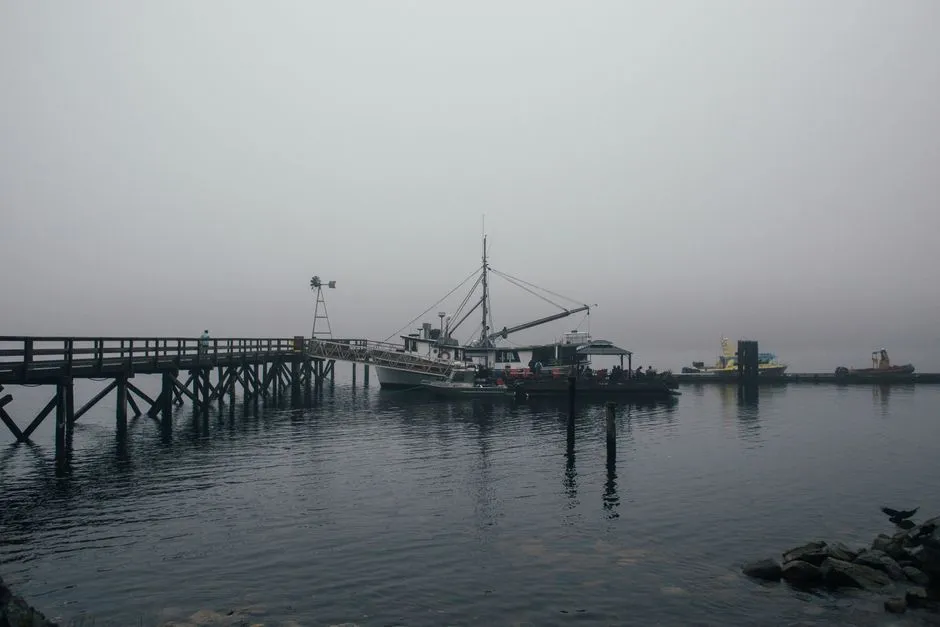
The men who did all these jobs were of mixed ethnicity and nationality. Industrialists took advantage of the various immigrant groups that came to America for work, so the limekiln populations changed over time. Early on, the majority of workers were English, including a strong contingent of quarrymen from Cornwall; Irish; or Welsh, with a few Chinese working as cooks. In the 1890s and early 1900s, many Japanese worked at Roche Harbor.
Roche Harbor’s workforce and residents were ethnically diverse, and included people of British, Coast Salish, Irish, Italian, and Japanese ancestry or birth. The history of these wharves is, in many ways, also a story of migration, labor, and the invisible hands that loaded those heavy barrels three layers high. Roche Harbor workers, some Japanese, are buried in the harbor cemetery, and the number of child graves suggests the hardships of life in Roche Harbor during previous eras.
When Fire and Depression Reshaped the Docks
On July 28, 1923, a fire swept through the works at Roche Harbor, destroying the kilns, warehouses, store, and wharf. McMillin responded quickly, and apparently had the kilns operating within a few days. He rebuilt the wharf, with a new store, office, community hall, and yacht club.
The Great Depression, World War II, the pea weevil, and competition from Eastern Washington growers brought about the decline of traditional island industries, diminishing Friday Harbor’s export trade. The 1970s brought new industries: tourism, retirement, real estate, and construction. It was not until the 1970s and 1980s that new residents and businesses revived the island’s economy. Today, Friday Harbor retains much of its original character, its historic buildings and landmarks attesting to a storied past and a distinctive Puget Sound waterfront town.
The Orcas Island Landing and Its Interpretive Waterfront
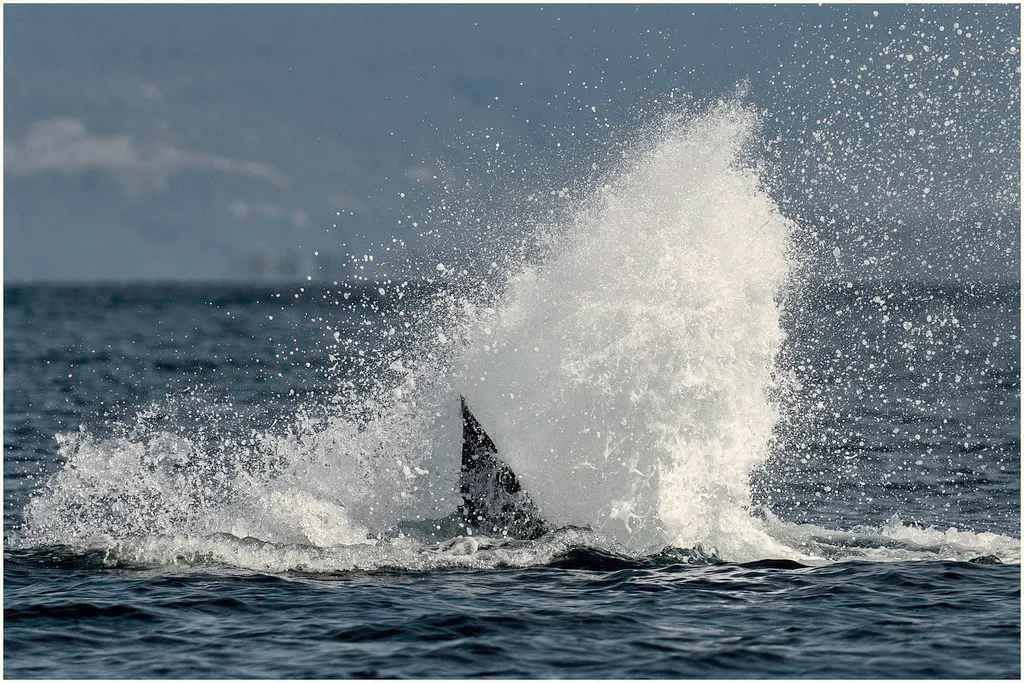
The Orcas Landing County marine facility, once a defunct fueling station, has been repurposed into an inviting public space and marine interpretive area. The County integrated local sculptural art in the form of boulder seating and water drop paving, interpretive signage, and native plantings in the overlook area, along with a significant Coast Salish designed and inspired mural greeting those arriving at the island by canoe, boat, or ferry.
In 2004, a set of Coast Salish house posts carved by noted Musqueam First Nation artist Susan Point was installed at Fairweather Park in Friday Harbor. The house posts tell the story about the interdependence of humans and animals. The walkable waterfront at both Friday Harbor and Orcas Landing now weaves together Indigenous history and working-port heritage in ways that reward careful, slow visitors far more than those who simply pass through.
Washington State Ferries and the Living Wharf Tradition
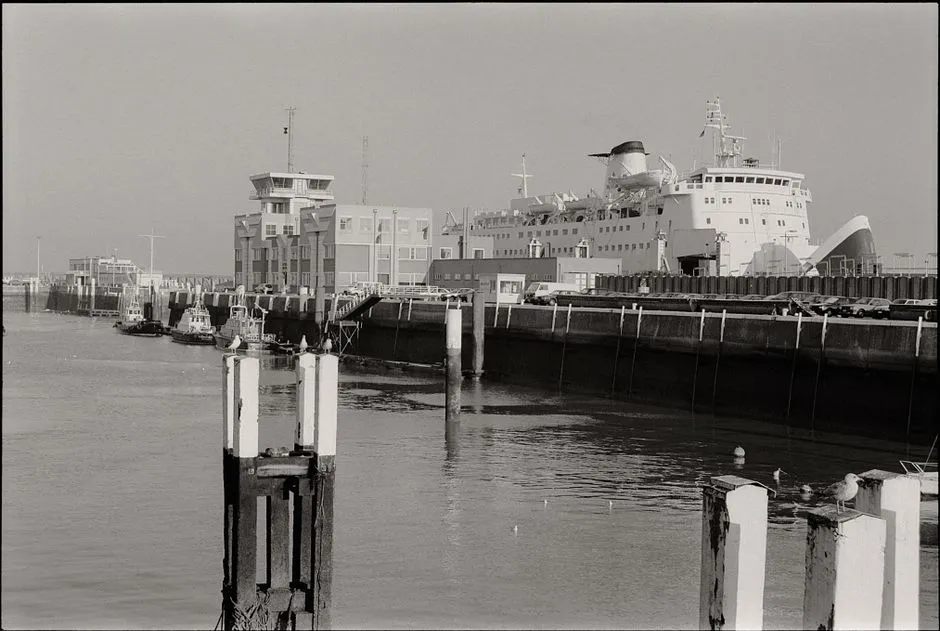
The ferries run year-round, and there are several sailings each day to and from each of the four main islands: Lopez, Orcas, San Juan, and Shaw. An interisland ferry allows island hoppers to travel between the islands with their car, bike, or by foot. All San Juan Islands ferries depart from the Anacortes Ferry Terminal.
After nearly two years of work by Washington State Ferries staff and San Juan Islands communities, the winter, spring/fall, and summer season sailing schedules for the Anacortes/San Juan Islands route have been updated. Since the schedule was last updated more than a decade ago, the Anacortes/San Juan Island route has seen a lot of change, including ridership growth, the addition of vehicle reservations, and recent vessel and crewing challenges. The ferry terminals remain the busiest wharves in the archipelago today, connecting tens of thousands of visitors each season to this remarkable chain of islands.
Walking the Waterfront Today: What Remains and What to Look For
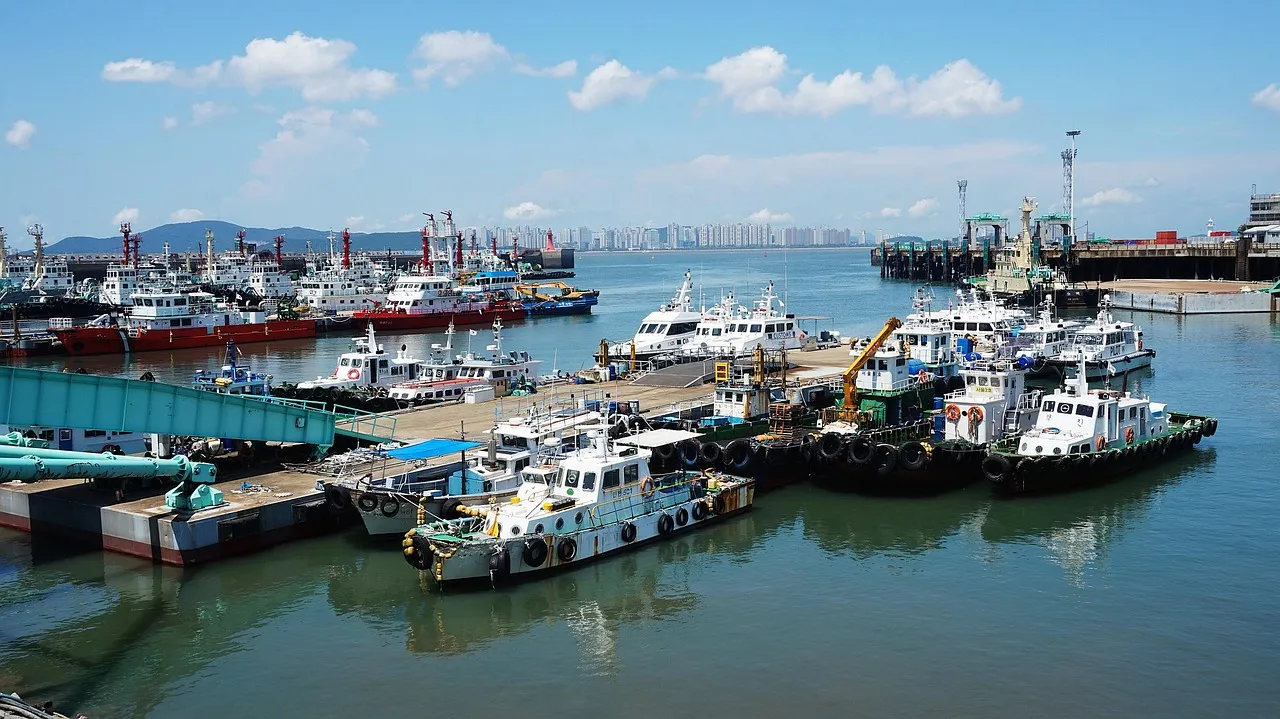
Friday Harbor is a charming, historic, walkable seaport just steps from the ferry landing, with small, friendly shops and restaurants, and a refreshing absence of fast-food chains. Visitors will find many of the San Juans’ whale and kayaking tour headquarters, The Whale Museum, the San Juan Islands Museum of Art, the San Juan Community Theatre, and the San Juan Historical Museum.
Roche Harbor was listed on the National Register of Historic Places, and a self-guided history tour now includes landmarks from kilns to gardens to historic buildings. From remnants of the old lime kilns to the striking mausoleum, historical stories are woven throughout the property. For those up for an interesting walk, the Historic Friday Harbor on Foot Guide is available at the San Juan Island Chamber of Commerce. The most resonant moments on these docks often come simply from pausing at the end of a pier, watching the tide pull through the pilings, and letting the weight of all that history settle around you.
What makes the San Juan Island wharves worth walking isn’t just their age – it’s that they are still in use. The dock at Friday Harbor still receives boats at dawn. The ferry landing still hums with life every few hours. These are not preserved ruins but working edges of a living place, and that continuity is what makes the walk feel genuine rather than merely scenic.
AI Disclaimer: This article was created with the assistance of AI tools and reviewed by a human editor.