

Most of us don’t think twice about grabbing a bottle of sunscreen before heading to the beach. We apply it, jump in the water, and carry on. What happens after that, though, is a story worth knowing.
The sunscreen that washes off your skin doesn’t just disappear. It enters the water, accumulates in coral tissue, and in many cases, contributes to a cascade of damage that researchers have been documenting for two decades. Choosing the right sunscreen before your next trip is one of the most practical steps a traveler can take for ocean health – and it’s genuinely easier than it sounds.
Why Sunscreen Ends Up in the Ocean in the First Place

In high-traffic beach areas, tourists typically apply a generous amount of sunscreen to protect their skin from harmful UV rays. The very chemicals that shield us – such as oxybenzone, octinoxate, and octocrylene – can be toxic to coral reefs.
When we swim, snorkel, or even shower, those chemicals wash off and enter the ocean. Worryingly, only about four percent of oxybenzone is absorbed through the skin, while the remaining ninety-six percent ends up in the water.
Currently, an estimated 8,000 to 16,000 tons of sunscreen enter coral reef environments each year. That’s not a minor footnote. It’s a measurable, ongoing pressure on already stressed ecosystems.
What the Research Actually Shows About Coral Damage
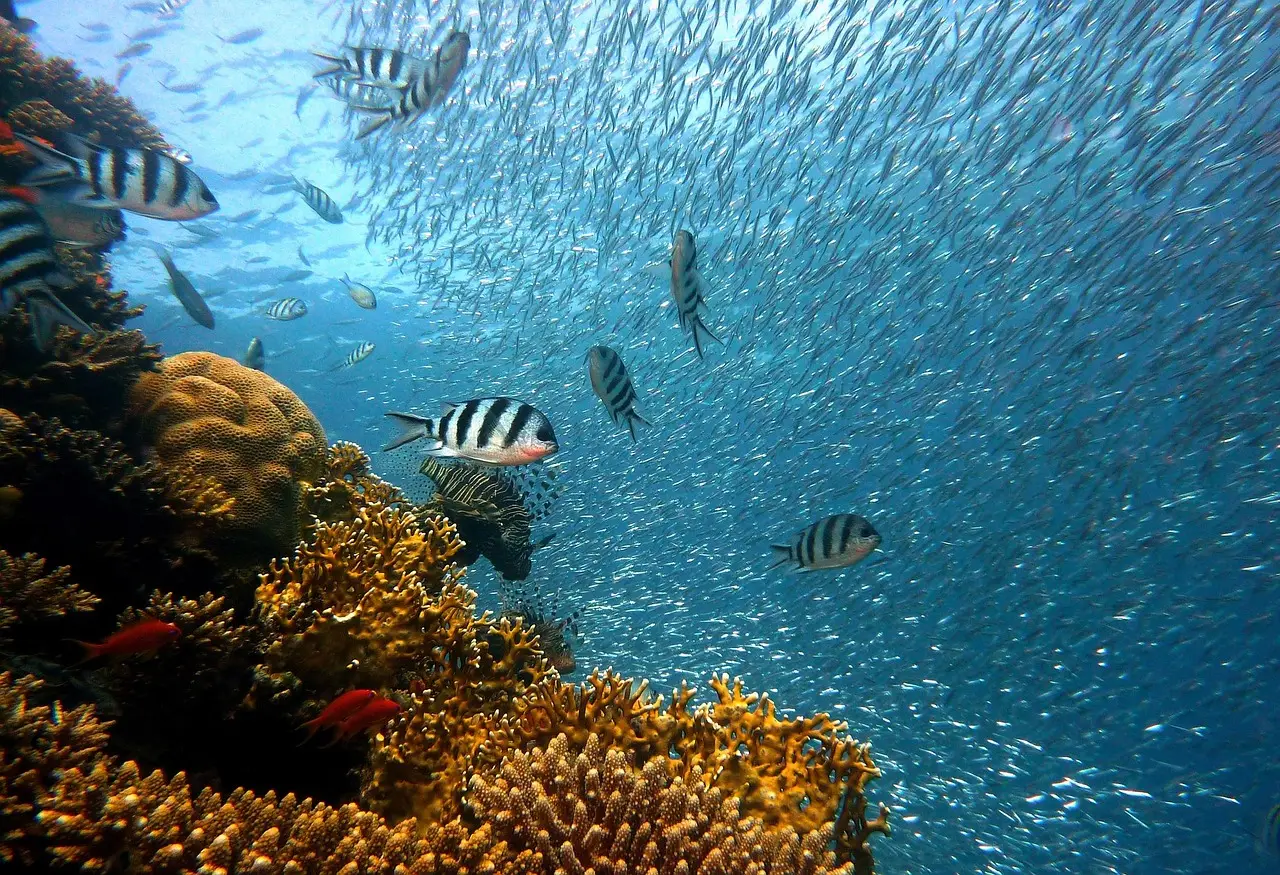
The research on sunscreen and reef damage centers on two chemical UV filters: oxybenzone and octinoxate. Both have been shown to cause coral bleaching, disrupt the development of juvenile coral, and accumulate in reef ecosystems at concentrations that cause measurable harm.
A 2015 study found that oxybenzone could cause bleaching, DNA damage, and deformities in coral larvae at concentrations as low as 62 parts per trillion – equivalent to a single drop in 6.5 Olympic swimming pools.
A 2022 study of anemones, the coral’s close relative, determined one reason why. When anemones encounter oxybenzone in the presence of sunlight, they attempt to rid themselves of the chemical by slightly altering its chemical makeup, but in the process, they end up making a lethal toxin. The science here is still evolving, but the direction of the evidence is consistent.
The Chemicals You Need to Avoid
The non-reef-safe chemical UV filters you tend to see most are oxybenzone, octinoxate, octisalate, octocrylene, and homosalate. These are the names to scan for on any ingredient label before you travel.
While oxybenzone and octinoxate are the most well-studied culprits, new research is finding that other chemicals in sunscreens may also be harmful to coral reefs, in particular octocrylene, 4-MBC, benzophenone-3, methoxycinnamate, and butylparaben.
Octocrylene has emerged as another serious concern. Research from 2025 confirmed it builds up in coral tissues and seawater, causing damage even at levels previously considered safe. Knowing this extended list matters, because many “reef-friendly” labels only address oxybenzone and nothing else.
Mineral Sunscreens: The Safer Choice
Chemical sunscreens use synthetic compounds to absorb UV rays and convert them into heat, which the body releases. Mineral sunscreens form a barrier on the skin’s surface that reflects UV rays away. That physical mechanism is what makes all the difference for the ocean.
Mineral sunscreens using zinc oxide and titanium dioxide as their only active ingredients are considered the safest choice for marine environments. Zinc oxide and titanium dioxide do not bioaccumulate in marine ecosystems and have not been associated with the coral bleaching effects documented with oxybenzone.
Mineral sunscreens aren’t just better for reefs – they’re also considered safer for people. The U.S. Food and Drug Administration only recognizes zinc oxide and titanium dioxide as safe and effective UV filters for human use. Chemical filters are still under review because there isn’t enough safety data yet.
Nano vs. Non-Nano: A Detail That Actually Matters
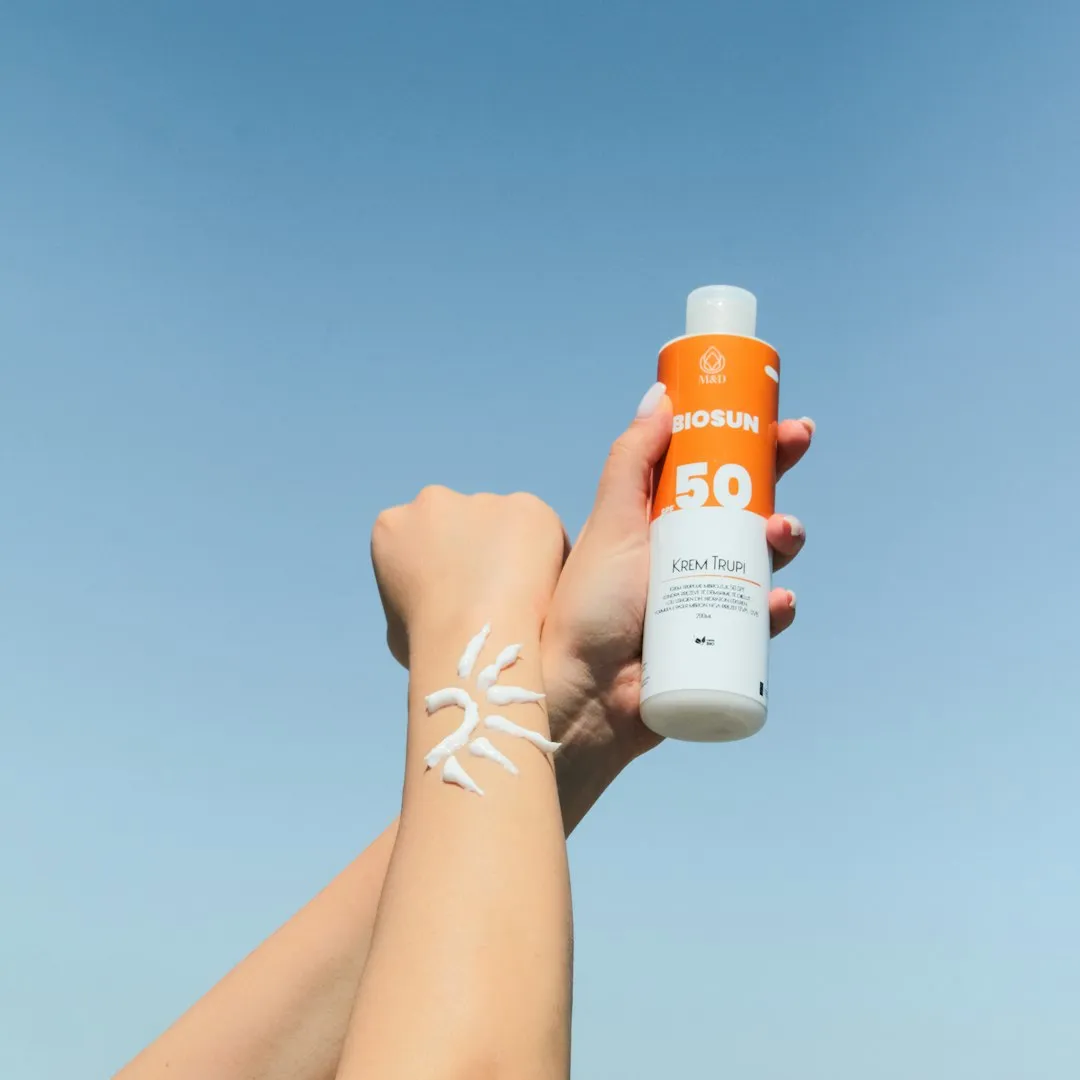
Mineral sunscreens are generally considered reef-safe because they don’t dissolve easily in water and haven’t been shown to cause coral bleaching effects. However, versions made with nanoparticles – particles smaller than 100 nanometers – may still pose risks to marine life. Choosing non-nano mineral sunscreens is a safer option for the ocean.
Non-nano minerals are larger particles that sit on the skin and are considered safer for marine life. Nano minerals are extremely small and may be absorbed by coral and marine organisms.
Researchers found that non-nanotised zinc oxide and titanium dioxide, with particles above 150 nanometers in diameter, do not readily exhibit acute toxicities. When in doubt, look for products that explicitly state “non-nano” on the label. If it rubs in completely clear with no trace, there’s a reasonable chance it contains nano-sized particles.
Why “Reef Safe” Labels Can Be Misleading

The terms “reef friendly” and “reef safe” are not regulated, so you can’t just trust products with this description. Any brand can use those terms on the bottle, even if the ingredients tell a different story. The best and only way to know for sure is to read the label carefully.
Currently, the term “reef safe” is not strictly regulated by the FDA. This is why it is vital to read the active ingredients rather than relying on the front-of-bottle marketing.
At the end of the day, it’s all about the active ingredients. A reef-friendly sunscreen will only contain the minerals zinc oxide and/or titanium dioxide as active ingredients. If there’s a chemical listed, then it’s not reef friendly – no matter what the label claims. This is a simple rule that cuts through a lot of marketing noise.
Independent Certifications Worth Trusting
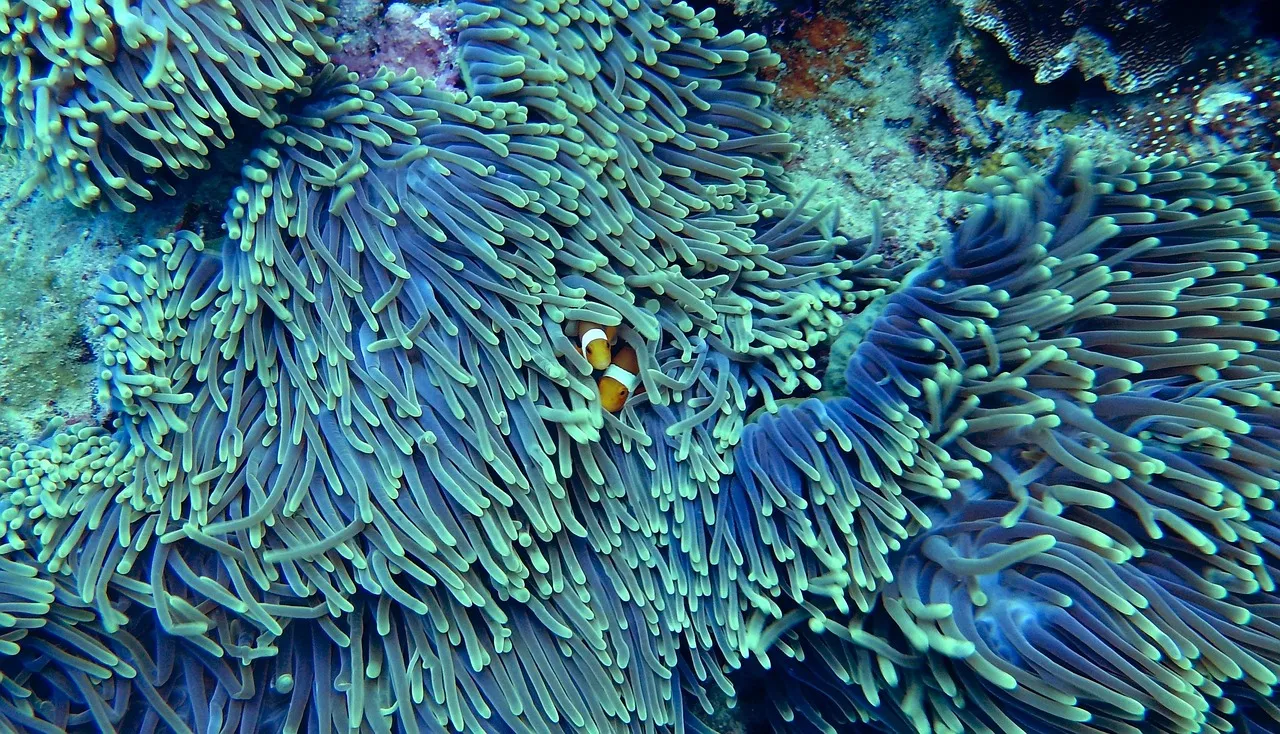
The Haereticus Environmental Laboratory (HEL) researches the effects of sunscreens and other personal care ingredients on coral reefs and on other ecosystems and wildlife. Their HEL LIST is a list of personal care and sunscreen ingredients that are known environmental pollutants and threaten ecosystem health.
In the Protect Land + Sea Certification program, they don’t ask the manufacturer to verify or certify that their product is free of HEL List chemicals. Instead, the entire product is put to the test – chemical analysis testing under “forensic” methodology – and then vetted to be free of HEL List ingredients that may act as environmental pollutants.
The single best independent certification out there is HEL’s own certification, supported by a rigorous testing process that includes follow-up testing over 18 or more months. As of May 2026, only a handful of companies have passed this intensive and expensive testing process, and of those companies, only Badger is widely and readily available in most stores.
Top Reef-Safe Sunscreen Brands to Consider in 2026
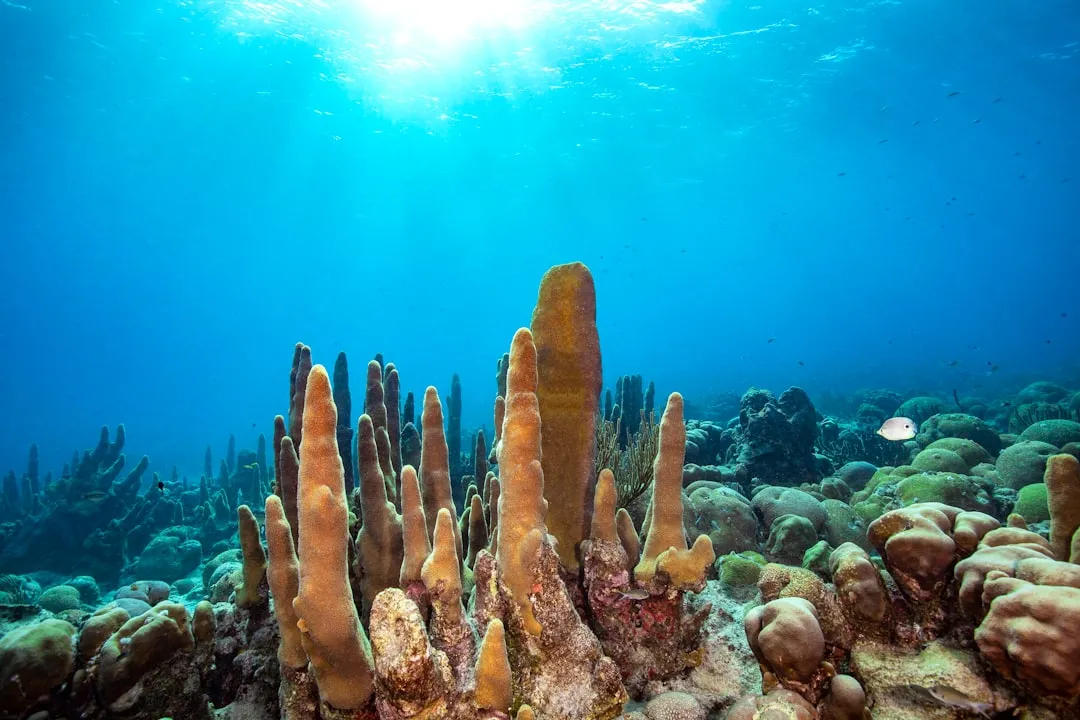
The Badger Reef Safe Sunscreen SPF 40 Sport earns top marks as a best overall pick. It’s the only widely available sunscreen to pass Haereticus Environmental Laboratory certification – the most rigorous reef-safe standard available – contains just four ingredients, has excellent water and sweat resistance, and is made in the USA by a woman-owned, B-Corp certified company.
Thinksport Safe Sunscreen SPF 50 features non-nano zinc with vitamin E and is both water-resistant and eco-friendly. Clinical data confirms marine safety. Blue Lizard Sensitive Mineral SPF 30 is a dermatologist favorite – fragrance-free, paraben-free, and using a mix of zinc oxide and titanium dioxide for broad-spectrum protection.
Kokua Sun Care Hawaiian SPF 50 contains 25 percent non-nano zinc oxide for 80 minutes of water resistance and 23 antioxidants to nourish the skin. Other top-rated brands include Raw Elements and Stream2Sea – all mineral-based, third-party tested, and Hawaii-compliant. Each of these has been evaluated against credible reef-safety criteria, not just marketing claims.
Where Reef-Safe Sunscreen Is Now Required by Law
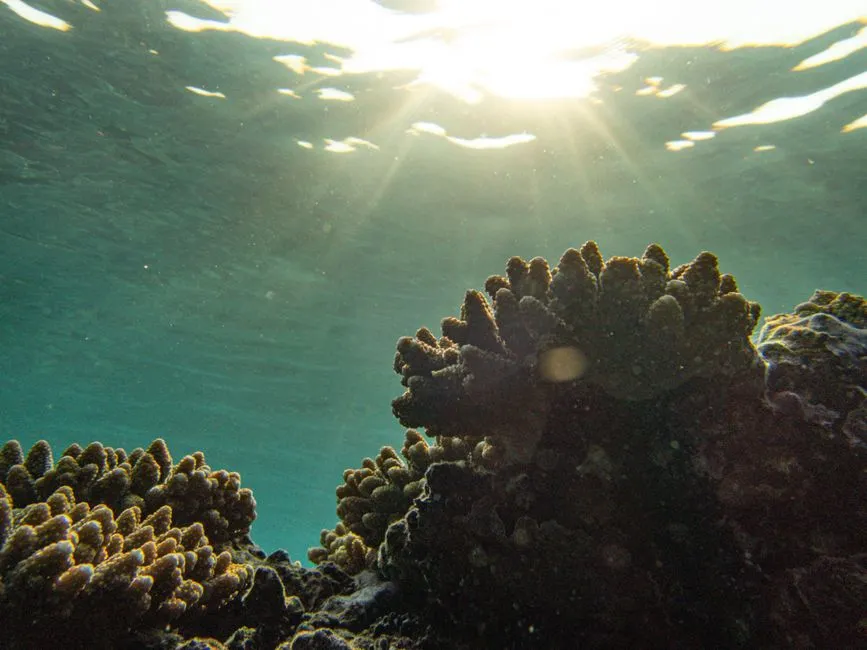
Research prompted Hawaii to become the first state to ban both oxybenzone and octinoxate in sunscreens sold or distributed in the state, with the law taking effect in 2021. Since then, Palau, Bonaire, the U.S. Virgin Islands, and several other coastal destinations have implemented similar bans.
The ingredients are harmful enough to reefs that they are banned and illegal in the following locations: Hawaii, Key West, Virgin Islands, Bonaire, Palau, Aruba, French Polynesia, Tulum, Cozumel, Thailand, the Maldives, and more.
Reef-safe sunscreen isn’t optional in places like Mexico, Hawaii, and Palau – it’s a legal requirement and an ethical responsibility. Travelers caught with non-compliant products at certain borders or entry points may have them confiscated. It’s worth knowing the rules of your destination before you pack.
Practical Tips for Using Reef-Safe Sunscreen Effectively
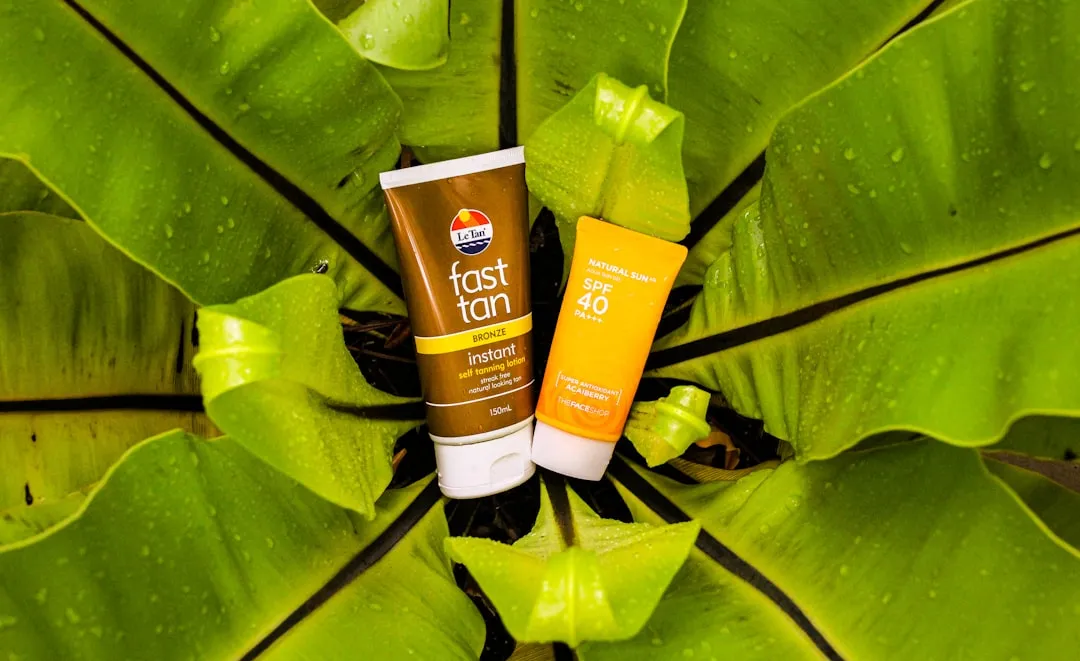
Mineral sunscreens form a physical barrier, and they’re effective if applied generously and reapplied every two hours, especially after swimming or sweating. Applying too little is one of the most common mistakes with mineral formulas, and it significantly reduces protection.
SPF 30 blocks approximately 97 percent of UVB rays. While higher SPFs exist, the difference in protection is marginal – SPF 50 blocks about 98 percent – provided you reapply every two hours.
Significantly less sunscreen washes off in the ocean when you wear sun shirts and leggings. In fact, sun protective clothing is considered the single best option for the reef. Pairing a quality reef-safe sunscreen with UV-protective clothing on exposed areas – face, neck, hands, ears – gives you the most responsible and effective approach to a day in the water.
The Broader Picture: Sunscreen as One Part of Ocean Stewardship

The National Park Service estimates that up to 6,000 tons of sunscreen enters areas in and around reefs every year, and studies show that chemicals in these sunscreens may be contributing to the declining health of coral. Sunscreen isn’t the only threat to reefs – scientists also point to climate change, overfishing, and pollution.
Consumer preference for reef-safe sunscreen is on the rise, with the mineral sunscreen market projected to grow at nearly twice the rate of the overall sun care market. That momentum reflects a quiet but meaningful shift in how travelers are thinking about the places they visit.
Healthy reefs support fisheries, protect coastlines from storm surge, and sustain communities that depend on ocean tourism for their livelihoods. Up to ten percent of the world’s coral reefs may be threatened by certain chemicals found in most sunscreens. Switching to a verified mineral formula won’t save every reef on its own, but it removes one more stressor from ecosystems that are already carrying a heavy load. That’s a trade worth making every time you pack for a beach vacation.
AI Disclaimer: This article was created with the assistance of AI tools and reviewed by a human editor.