

Something has shifted quietly but decisively in the way people travel across Europe. The long-held assumption that summer is the only sensible time to visit a great city is being reexamined, not just by budget-conscious travelers, but by experienced and even luxury travelers who are choosing September, October, and November over July and August with growing conviction.
The data backs this feeling up. Across the travel industry, insiders say autumn is becoming a new high season for Europe, a shift driven by rising temperatures, overtourism, and a post-pandemic appetite for quieter, more meaningful travel. This is not simply a matter of taste. It’s a structural change in when and how people want to experience some of the world’s most storied cities.
The Summer Crowds Problem is Getting Worse
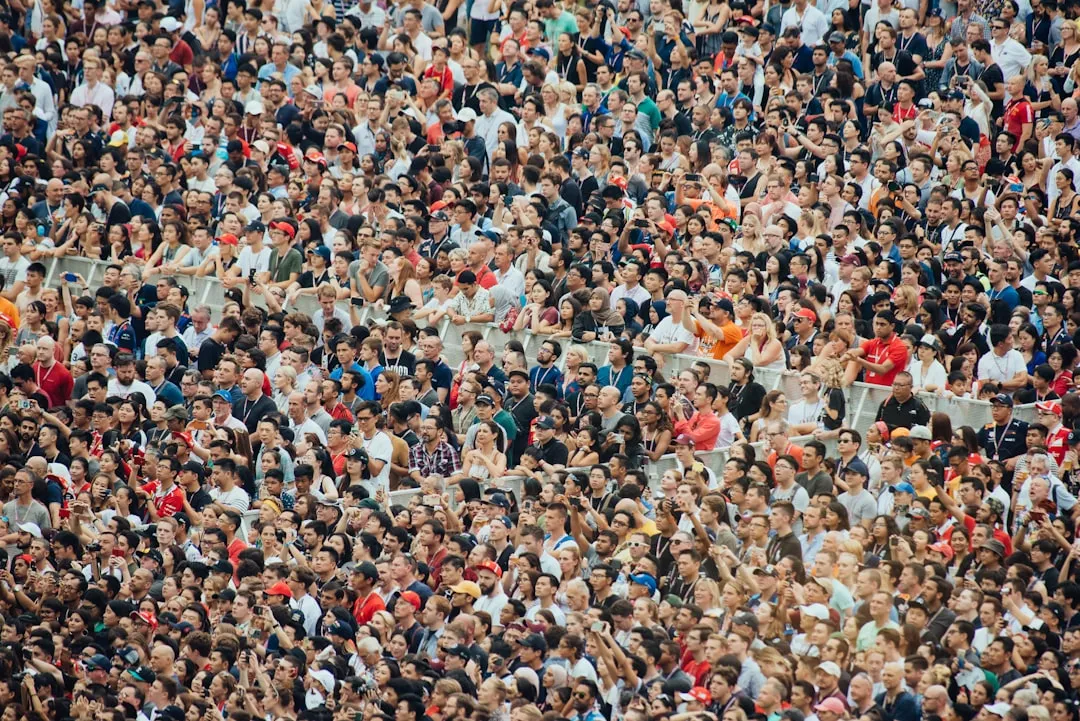
To understand why autumn holds so much appeal, it helps to look honestly at what summer has become in Europe’s most visited places. In 2024, tourism demand of EU residents was concentrated heavily in the third quarter, and the number of trips in the peak month of August was two and a half times higher than the number of trips in January. That kind of concentration is felt everywhere, from museum queues to restaurant wait times.
In 2024, Barcelona welcomed approximately 15.5 million tourists, roughly nine times its resident population of 1.7 million. The social consequences have been very real. Frustrated locals at the iconic Sagrada Familia resorted to spraying tourists with water pistols to protest the overwhelming volume of short-term visitors in their neighbourhoods.
Venice introduced a day-tripper entry fee as part of a pilot program aimed at managing overtourism, applied on high-traffic days targeting peak weekends and public holidays. These are cities under genuine pressure during summer, and that pressure shapes the experience for everyone passing through.
The Data Shows Autumn Travel is Surging
Research from the European Travel Commission (ETC) revealed a surge in European travel sentiment, with nearly three quarters of Europeans planning trips between October 2024 and March 2025. This represented a notable increase from the same period the previous year. The appetite for travel beyond the school holiday window is clearly growing.
The Leading Hotels of the World group recorded a roughly one fifth year-on-year increase in revenue in autumn 2025. Advantage Travel Partnership, a UK-based network of travel agents, witnessed a significant increase in sales of UK clients traveling to the continent, with September to October sales up by well over a quarter.
Tourists in Europe are shifting away from peak summer months towards shoulder months including September and October, according to analysis from the Mastercard Economics Institute. What was once described as a quiet alternative is fast becoming a deliberate first choice.
Prices Still Reward Those Who Plan Ahead
Traditionally, prices in Europe drop as soon as August turns into September and the school holidays finish. Some hotels listed on Expedia lowered their prices by up to half for late September bookings for those who planned ahead. That figure is worth sitting with for a moment.
Off-season airfares are often hundreds of dollars cheaper than peak season equivalents, and with fewer crowds in Europe, many fine hotels drop their prices while budget properties will have plenty of vacancies. The savings compound across the whole trip.
It is worth noting, though, that the picture is changing. Hotels have raised their shoulder-season prices to levels closer to those of summer in popular cities, a sign that the secret is spreading. Early booking remains the most reliable way to secure genuine value in autumn.
Paris in Autumn: The Cultural Season Begins
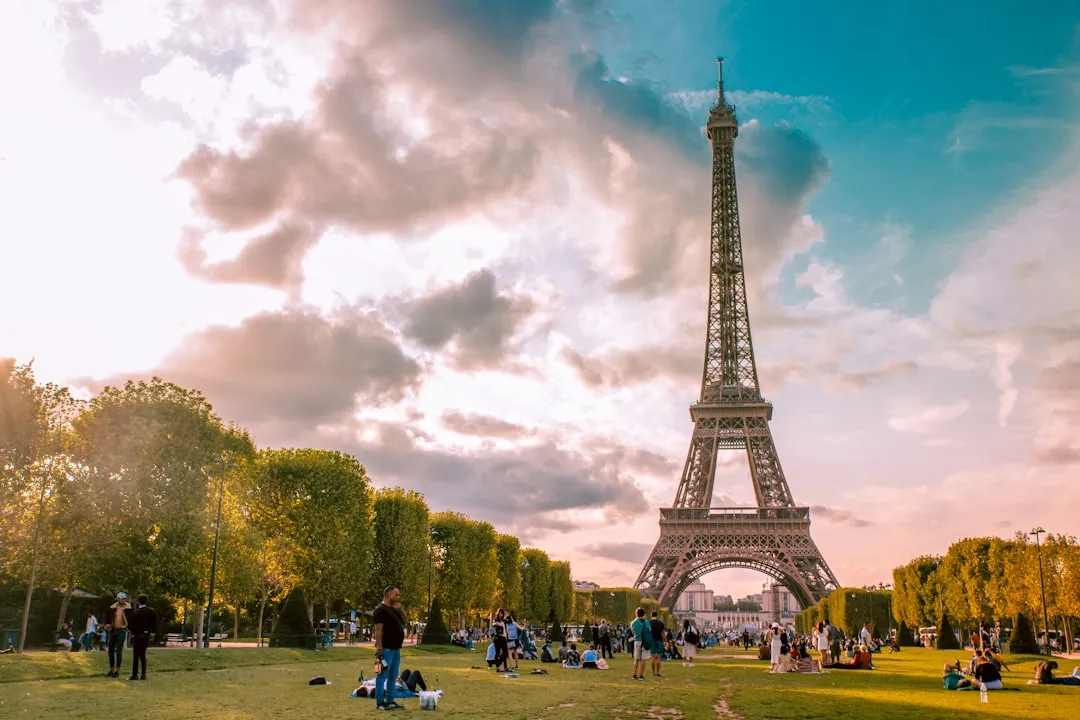
From September onwards, museums, theatres, and leisure venues across Greater Paris roll out a rich programme of events to mark the start of the new cultural season. This is not a quiet recess. It is arguably when the city is most fully itself.
European Heritage Days represent a unique opportunity to discover Paris’s hidden gems, with iconic monuments, unusual places, free guided tours, and the reopening of certain normally inaccessible heritage sites. The towers of Notre-Dame de Paris reopened for Heritage Days in September 2025, a moment of enormous significance for the city and its visitors.
Jazz à la Villette, the Festival d’Automne, and the Fête de l’Humanité are among the highlights concentrated in September and October, alongside major retrospectives at the Musée d’Orsay. Paris’s Île-de-France region actually records October as its busiest tourism month, which says something important about when the city genuinely thrives.
Rome Flips Its Season
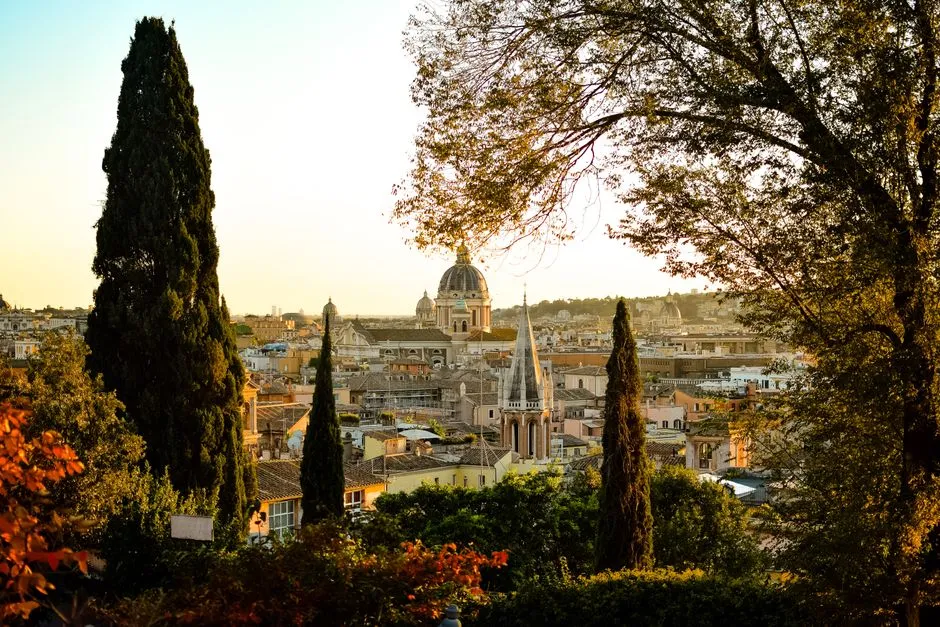
Rome is one of the most striking case studies in European autumn travel. May and June used to be the peak months for Rome’s hotels, but by autumn 2025 occupancy declined in summer while the fall completely turned the usual trend on its head. September and October outperformed May and June in both occupancy and revenue.
The reasons are partly climatic and partly cultural. Summer in Rome can be punishing, with intense heat and enormous crowds at the Colosseum, the Forum, and the Vatican. Autumn brings cooler air, softer light, and streets that feel a little more like they belong to the city itself.
Visitors to Rome do not come only for one monument or one district. They build multi-day stays around archaeology, churches, piazzas, museums, food, and day-trip access to the wider region. In autumn, that richness is easier to absorb without the exhaustion that summer heat and crowds bring.
Prague’s Signal Festival: Art in the Gothic Dark
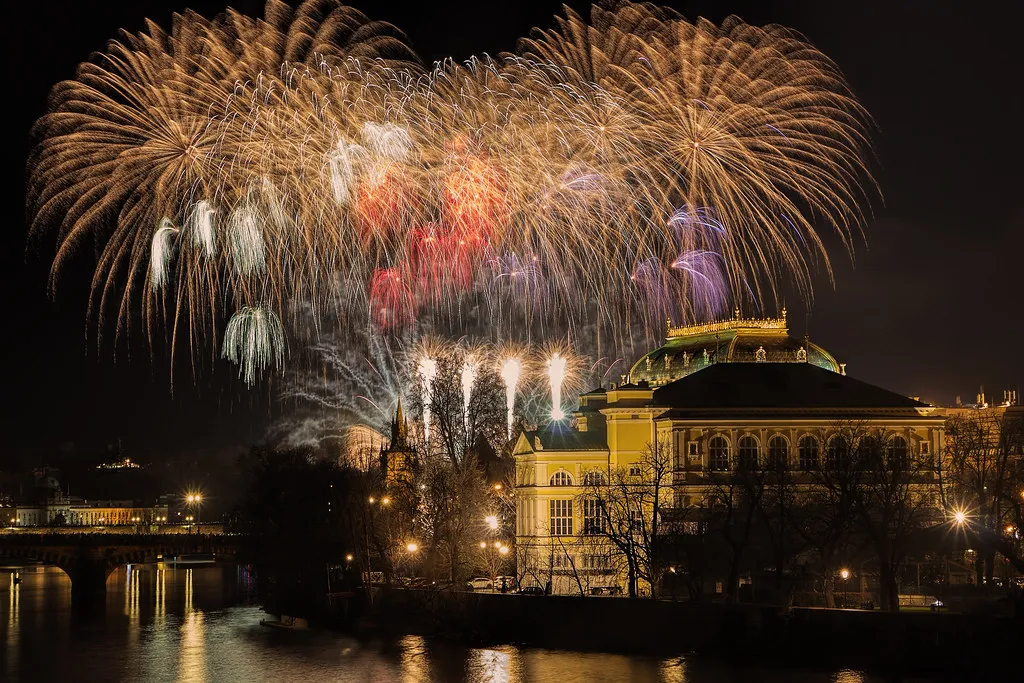
Signal Festival transforms the streets of Prague into a canvas of light and colour, hosting interactive installations, architectural mapping, and immersive experiences designed by local and international artists. It takes place in October, turning one of Europe’s most beautiful Gothic cities into an entirely different kind of spectacle after dark.
Artists from the Czech Republic and abroad create projections and light installations on buildings and streets throughout Prague, including the Old Town Square and Charles Bridge. The festival is free to attend and draws over two million visitors. The scale of that attendance, at a free event, reflects how seriously autumn events are now taken.
Fans of classical music can also enjoy the Dvořák Prague festival in autumn, giving the city two major cultural anchors within the same season. Prague in October rewards exploration in a way the humid, crowded July streets simply cannot.
Vienna’s Performing Arts Season Comes Alive
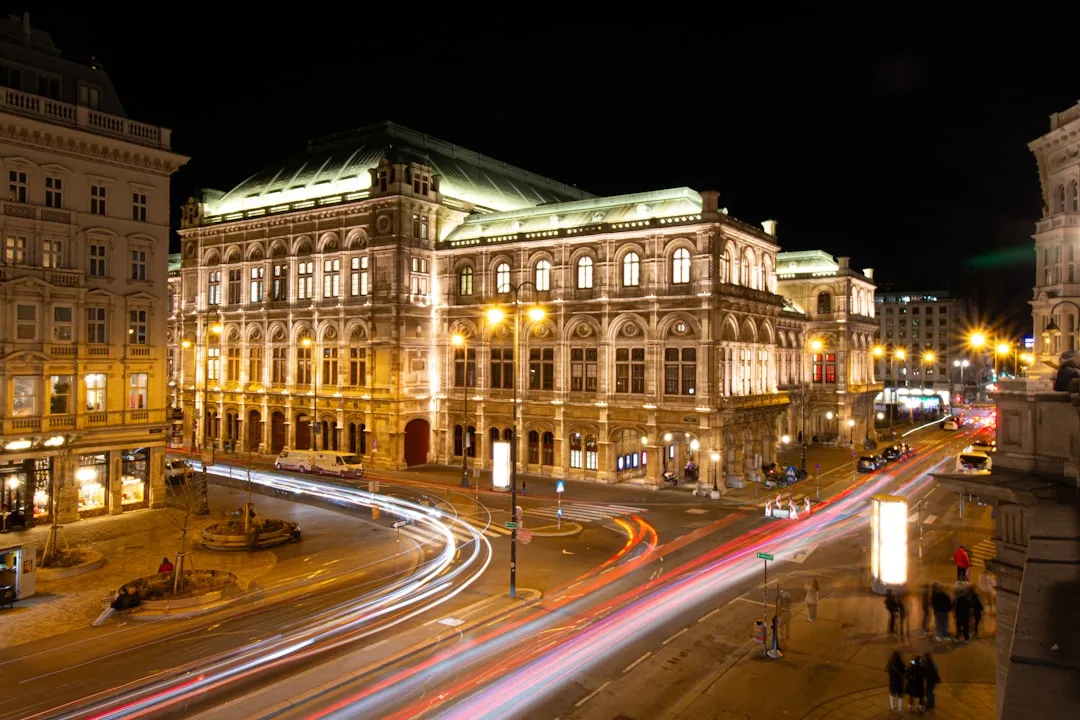
Autumn is when theatres reopen, orchestras launch new seasons, and exhibitions return, with Vienna’s opera and classical music season kicking off in September. The State Opera, the Musikverein, and the Konzerthaus all open their new programming around this time, drawing audiences from across the world.
Blickfang, a design trade show, returns to Vienna every November, showcasing the best in fashion, jewellery, and interior design. The city layers cultural event upon cultural event through the season in a way that feels genuinely generative rather than merely commercial.
Vienna’s autumn is also an argument for a different kind of pace. The summer tourist peak is less extreme here than in southern capitals, and the transition into autumn brings a refined, unhurried atmosphere that suits the city’s character remarkably well.
Climate Change is Accelerating the Shift
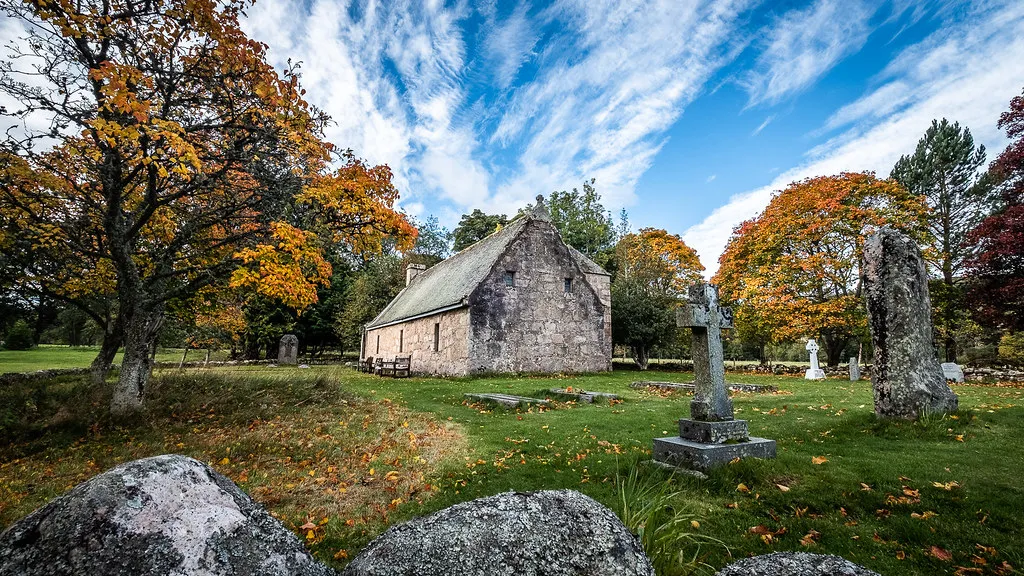
Climate crisis is an increasing factor in travel decisions. The fact that Europe is the fastest-warming continent on the planet, with 2025 seeing the worst year on record for wildfires and multiple summer heatwaves, has made the shoulder season increasingly attractive. This is not framing. It is documented reality.
In 2024, searing summer heat led to notable and tragic incidents across the continent, including a tour guide who collapsed while working at the Colosseum in blistering heat. These are extreme examples, but they reflect the conditions that now characterize a European summer at its worst.
Autumn sidesteps most of that discomfort entirely. Temperatures across continental Europe in September and October typically sit in a range that makes walking, exploring, and eating outdoors genuinely pleasant, which is precisely what a city-focused trip requires.
Greece Extends Its Season Further Than Ever
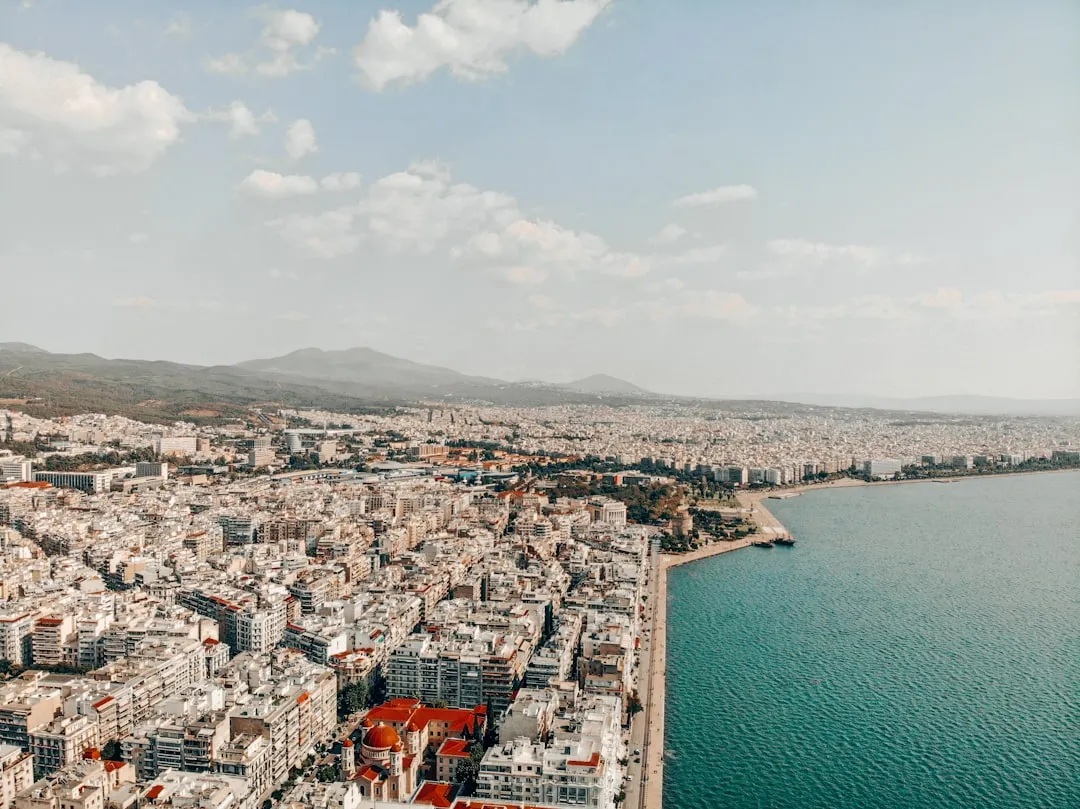
According to the Greek National Tourist Board, November 2024 saw the highest ever number of UK visitors to Greece, almost double the figure from the same month in 2023. That kind of year-on-year doubling in a traditionally quiet month tells a clear story about where traveler interest is moving.
Overall visitor numbers to Greece have been trending upward in autumn months too, rising from 5.1 million in September 2023 to just under 5.5 million in September 2024, and from 3.1 million in October 2023 to 3.4 million in October 2024. The appetite for Greece outside peak summer is real and measurable.
Flight capacity to Greece for the winter season has increased by nearly twelve percent year on year, according to data from the Institute of the Greek Tourism Confederation. Athens, Thessaloniki, and many of the islands are becoming genuine autumn and early winter destinations in their own right.
Responsible Travel and the Off-Season Connection

According to recent studies, roughly more than a quarter of travelers plan to change the timing of their holidays in coming years, choosing off-peak seasons to avoid crowded destinations and inflated prices. This shift is not only a response to higher travel costs but also a desire for a more authentic and relaxed holiday experience.
The latest tourism trends indicate that Europe is increasingly becoming a year-round destination rather than a region focused solely on summer travel. That evolution benefits not just individual travelers but also the cities themselves, which bear an enormous environmental and social burden when millions arrive in the same two months.
The concentration of tourism demand in July and August can impact the environment through increased waste production and water and energy use, but also affects labour market conditions and quality of service, while infrastructure and workforce are used only for part of the year, leading to higher costs and lower profitability. Spreading travel more evenly is good for destinations too, not just for the traveler’s experience.
Conclusion: The Case for Going Later
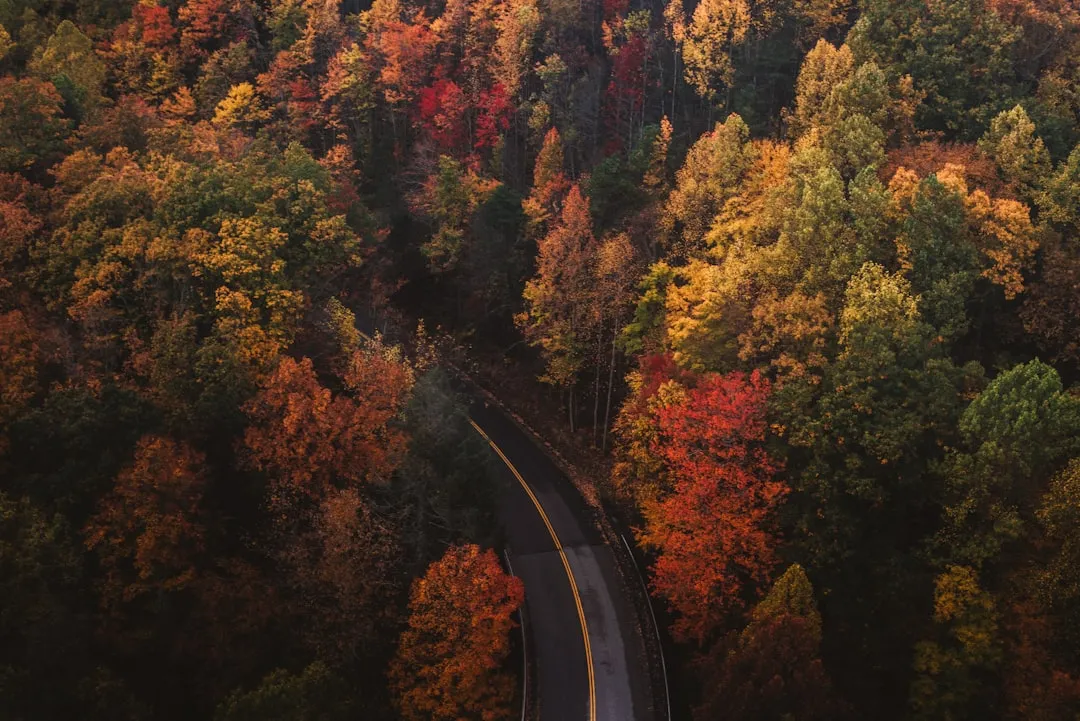
The autumn advantage in Europe’s cultural capitals is no longer a well-kept secret. It is a well-documented trend, backed by Eurostat data, ETC research, hotel revenue figures, and the lived experience of the travel industry. The cities are richer in culture during this season. The heat is gone. The queues are shorter, at least for those who plan ahead.
There’s a certain rightness to visiting a city when its own cultural life is at full stretch, when the opera is in season, the film festivals are running, and the harvest is being celebrated in squares that tourists haven’t yet overwhelmed. That is autumn in Europe.
The shift toward shoulder-season travel is partly economic, partly climatic, and partly a quiet rejection of the packaged summer rush in favour of something more considered. Those who go in autumn tend to come back having seen more, spent less, and felt more genuinely connected to the places they visited. That combination is hard to argue against.
AI Disclaimer: This article was created with the assistance of AI tools and reviewed by a human editor.