
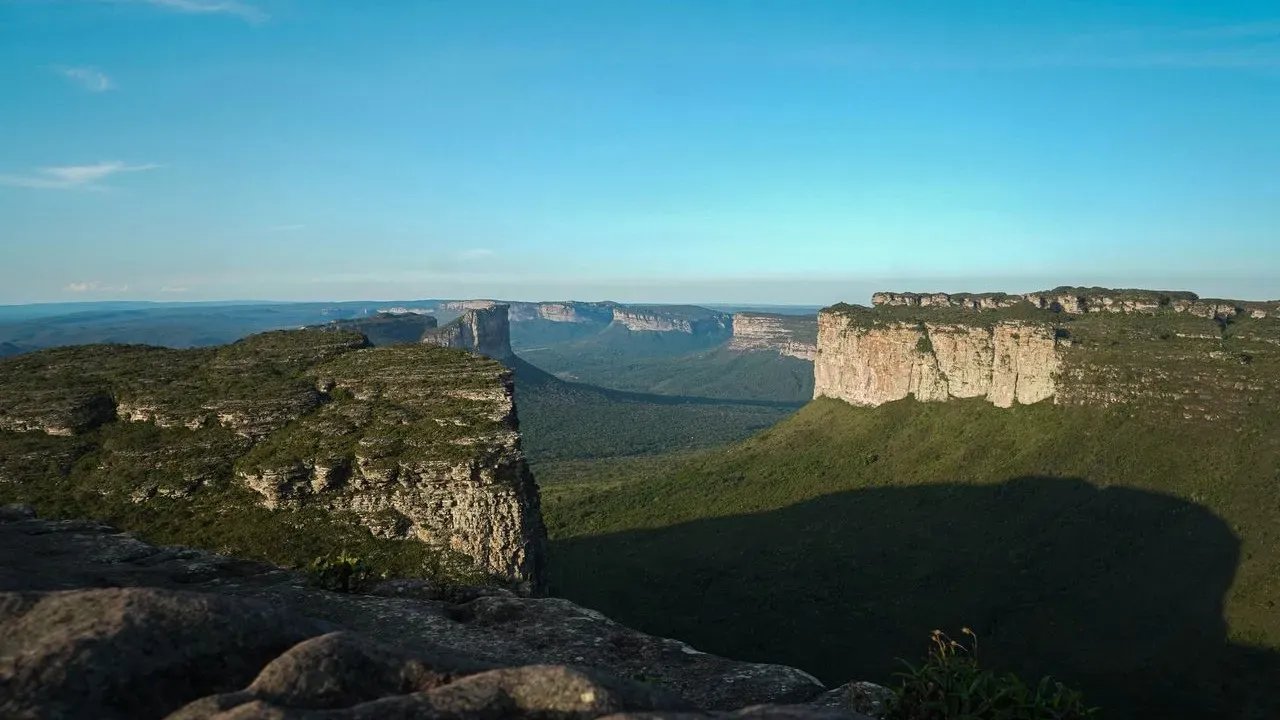

Bahia state in northeastern Brazil holds a highland region where trails wind through dramatic mesas and clear rivers carve deep valleys. Chapada Diamantina draws hikers who seek long days on foot amid protected landscapes that remain largely undeveloped. The area rewards those who arrive prepared for variable weather and respect local guidelines on trail use and waste removal.
Iconic Vistas at Morro do Pai Inácio
One of the most accessible highlights sits at Morro do Pai Inácio, a flat-topped peak that rises sharply from the surrounding plateau. Visitors often time their ascent for late afternoon so they can watch the sun drop behind layered ridges and distant plateaus. The short but steep climb opens onto a broad summit where wind sweeps across low vegetation and the horizon stretches for miles. Those who linger into evening see colors shift from gold to deep orange across the rock faces. The viewpoint serves as an introduction to the region’s geology, formed over millions of years by erosion and uplift. Local operators recommend sturdy shoes and water for even this moderate outing, especially during warmer months when temperatures climb quickly on exposed rock.
The Longer Journey to Cachoeira da Fumaça
Farther into the park, the trail to Cachoeira da Fumaça demands a full day and steady pacing. Hikers follow paths that descend through forest before climbing again toward the lip of one of Brazil’s tallest waterfalls. From the rim, the cascade appears to fall straight into mist that rises like smoke, giving the site its name. The route crosses several streams and passes through sections of shaded woodland before reaching open viewpoints. Proper preparation includes carrying sufficient food, a headlamp for any late return, and awareness of sudden afternoon showers common in the highlands. Park rangers advise checking conditions the day before departure, as heavy rain can make certain sections slippery or temporarily closed.
Planning a Responsible Visit
Travelers benefit from arranging stays in nearby towns that support community-based tourism initiatives. Many local guides belong to associations that limit group sizes and rotate routes to reduce wear on popular paths. Choosing operators who follow leave-no-trace principles helps preserve the clear water sources and fragile plant life that define the landscape. Permits for certain trails are required and can be obtained through official park channels or accredited agencies. Visitors who travel during shoulder seasons often find quieter trails and more availability with smaller lodges that emphasize low-impact practices. Packing reusable containers and avoiding single-use plastics aligns with ongoing efforts to keep the rivers and trails pristine for future visitors.
Why the Region Endures as a Hiking Favorite
Chapada Diamantina combines reliable access to striking natural features with a scale that still feels intimate. The combination of mesa tops, plunging waterfalls, and varied vegetation creates a setting where each day on the trail reveals new perspectives. Hikers who return year after year note how the light, the seasonal flow of water, and the quiet of early mornings continue to reward careful observation. Those who approach the area with patience and preparation discover a place that supports both physical challenge and quiet reflection. The region’s protected status and the commitment of local communities ensure that its core qualities remain intact for travelers who value thoughtful exploration.
AI Disclaimer: This article was created with the assistance of AI tools and reviewed by a human editor.