
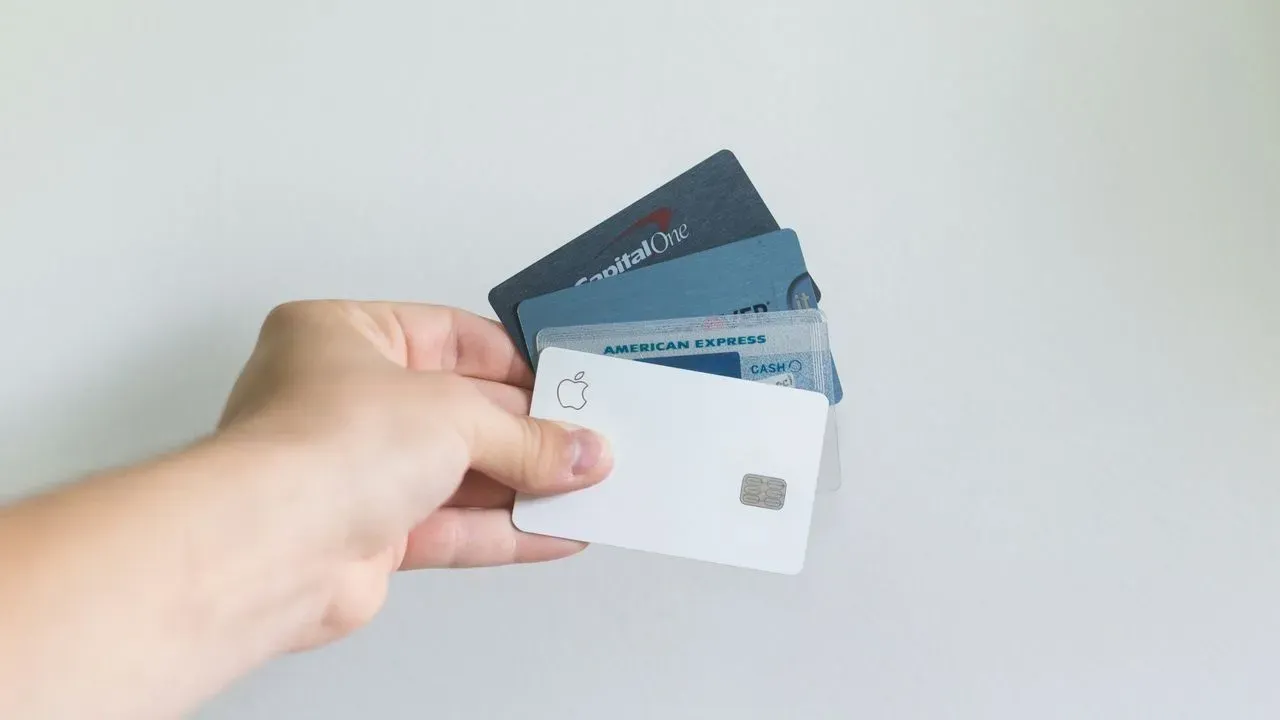

Many travelers find that a single rewards card leaves gaps in earning power across their everyday spending. Pairing complementary cards allows points to accumulate more efficiently in key categories while preserving flexibility for redemptions. This approach supports purposeful journeys by stretching the value of rewards earned on flights, lodging, and daily purchases.
Understanding the Value of Complementary Earnings
Effective pairings typically involve cards that share the same rewards currency yet cover different bonus categories. One card might emphasize dining and groceries while the other focuses on travel bookings or general spending. The result is broader coverage without forcing every purchase onto a single card that may not reward it well.
Travelers who maintain such pairs often report steadier point balances that can be transferred to airline and hotel partners. This flexibility matters when award space opens on preferred carriers or when hotel redemptions align with specific itineraries. The strategy rewards consistent use rather than chasing isolated sign-up bonuses.
American Express Platinum and Gold for Frequent Flyers and Food-Focused Spending
The Platinum Card from American Express carries a higher annual fee yet delivers strong returns on flights booked directly with airlines or through American Express Travel. It also provides extensive lounge access and various statement credits that offset costs for eligible cardmembers. The Gold Card, by contrast, excels at restaurants worldwide and U.S. supermarkets, with its own set of dining-related credits.
Together the two cards minimize overlap in benefits while maximizing points in high-spend areas. Points earned on either card join the same Membership Rewards pool and can move to any of American Express’s airline and hotel partners. TPG credit cards editor Olivia Mittak notes that dining purchases almost always go on the Gold while flights and larger protected purchases go on the Platinum.
Chase Sapphire Preferred and Freedom Unlimited for Everyday and Portal Travel
The Chase Sapphire Preferred Card rewards travel booked through Chase Travel at a high rate and offers solid multipliers on dining, gas, and select streaming or grocery purchases. Its lower annual fee makes it accessible for many travelers. The Freedom Unlimited earns cash back on everyday spending and converts easily into Ultimate Rewards points once paired with the Sapphire Preferred.
This combination lets non-bonus purchases earn a reliable return that can later transfer to Chase’s airline and hotel partners. The Preferred adds travel protections and a portal redemption boost that the Unlimited alone cannot provide. Many travelers use the pair to handle both routine expenses and occasional award bookings without maintaining multiple separate programs.
Business and Premium Personal Cards for Mixed Expense Profiles
Business owners often pair the Ink Business Preferred Credit Card with the Chase Sapphire Reserve. The Ink card handles advertising, shipping, and internet expenses at a strong rate up to an annual cap, while the Reserve focuses on flights, hotels, and dining booked directly. Both earn Ultimate Rewards points that combine in one account.
The Reserve’s lounge access and travel credits complement the Ink card’s business-oriented bonuses. This structure works well when annual spending includes both personal travel and work-related charges. Points can then be redeemed through premium options or transferred to partners depending on the trip’s needs.
Additional Approaches for Broader Flexibility
Some travelers add a cobranded hotel or airline card to an existing transferable-points portfolio. A World of Hyatt card, for example, can layer elite benefits and a free night certificate onto Chase Ultimate Rewards earnings. Others diversify across issuers, such as pairing an American Express Gold with a Capital One Venture card, to access separate transfer partner networks.
Those seeking lower annual fees might combine the Capital One Savor Cash Rewards with the VentureOne Rewards. Cash back from the Savor converts into transferable miles, creating a no-fee entry point into Capital One’s partner ecosystem. The choice ultimately depends on spending patterns and preferred redemption styles.
The most durable strategies begin with an honest review of current cards and monthly expenses. Aligning the next card with actual spending categories and long-term travel goals produces the greatest ongoing value. Over time, these measured pairings support more frequent and intentional award travel without unnecessary complexity.
AI Disclaimer: This article was created with the assistance of AI tools and reviewed by a human editor.