
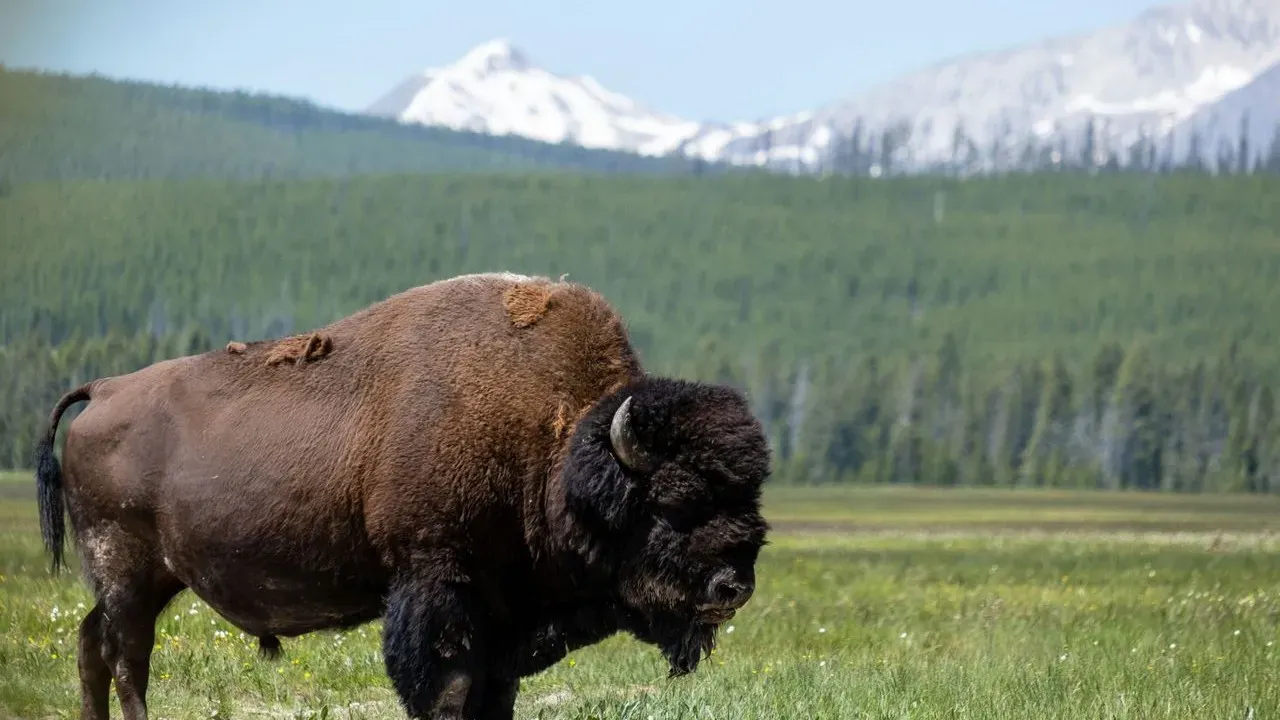

Yellowstone National Park – A 12-year-old visitor sustained injuries after an encounter with a bison last week, according to the National Park Service. The incident serves as a timely prompt for the millions of travelers who head to the park each summer, where opportunities to observe wildlife up close remain one of the greatest draws. It also underscores the shared responsibility visitors carry to protect both themselves and the animals that call this landscape home.
What Happened and Why It Matters
The National Park Service confirmed the injury occurred during a visit to the park, a place renowned for its geothermal features and free-roaming herds. Such events, while uncommon, illustrate how quickly proximity to large animals can shift from awe to concern when established boundaries are not observed. For families planning summer trips, the story highlights the value of preparation before stepping onto the trails or pullouts where bison often graze.
Yellowstone draws visitors from across the country precisely because its wildlife exists in a relatively natural state. That authenticity comes with expectations: every traveler plays a role in keeping both people and animals safe through informed choices rather than chance encounters.
Understanding Bison and Their Space
Bison are the largest land mammals in North America, and their presence in Yellowstone represents a living connection to the region’s ecological history. These animals can weigh more than a ton and move with surprising speed when they feel threatened. What appears as a calm moment grazing near a roadside can change in seconds if visitors venture too close or make sudden movements.
Park rangers emphasize that bison do not seek out human interaction. Most encounters remain peaceful when people allow the animals the distance they naturally require. This understanding transforms a potential risk into an opportunity for respectful observation that benefits everyone involved.
Practical Steps for Safe and Ethical Viewing
The National Park Service provides clear guidance that helps visitors enjoy wildlife while minimizing disturbance. Key recommendations include:
- Maintain a minimum distance of 25 yards from bison and other large mammals at all times.
- Stay on designated paths and pullouts rather than approaching animals for photographs or closer looks.
- Watch for signs of agitation, such as head raising or tail flicking, and retreat calmly if behavior changes.
- Never feed, call to, or attempt to interact with wildlife in any way.
- Keep children close and explain safety expectations before entering areas where animals are visible.
These practices support the park’s mission to preserve its resources for future generations. They also allow travelers to experience the quiet power of a bison herd without creating unnecessary stress for the animals.
Traveling with Intention in America’s First National Park
Yellowstone continues to inspire through its vast landscapes and the wildlife that moves freely within them. The recent incident reminds visitors that thoughtful preparation enhances every aspect of a trip, from choosing the right time of day for wildlife viewing to carrying binoculars that bring animals into focus from a respectful range. Families who arrive informed often report deeper appreciation for the park’s delicate balance.
By treating every sighting as a privilege rather than a guarantee, travelers contribute to the ongoing protection of this iconic place. The result is a more meaningful visit that honors both the landscape and the communities that steward it year after year.
AI Disclaimer: This article was created with the assistance of AI tools and reviewed by a human editor.