


There are few places in America where literary history feels this close to the surface. In Concord, Massachusetts, you don’t just read about the past – you walk through it. The houses are still standing. The woods still smell of pine and cold water. The graves are right where they’ve always been.
In the 19th century, Concord was home to a literary revolution spawned by writers such as Ralph Waldo Emerson, Henry David Thoreau, Louisa May Alcott, and others. What makes a visit here different from any ordinary history trip is the density of it all. Within a few walkable miles, you can trace the lives, friendships, and ideas that reshaped American thought. This is a town that rewards slow travel and open curiosity.
A Town That Shaped American Literature
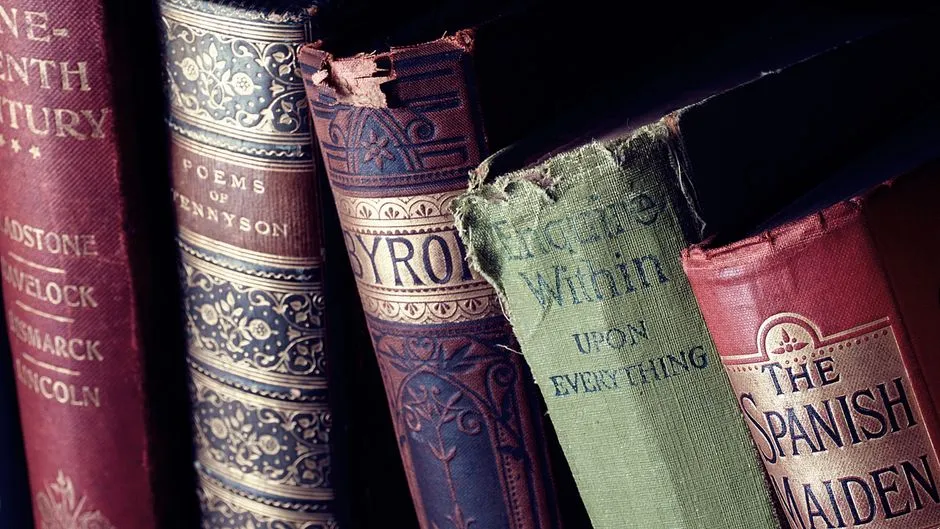
Concord has been known since the 19th century for its celebrated writers. Names like Thoreau, Alcott, Hawthorne, and Emerson have been joined, in more recent generations, by Kearns Goodwin, Maguire, Lightman, and others. The roots of that tradition go deeper than most visitors realize.
The Concord Authors Collection, a major research resource of some 6,000 printed volumes, was established in 1873, at the founding of the Concord Free Public Library. That collection spans centuries of local literary output, from early colonial writings to contemporary fiction. That legacy still thrives today, as local authors continue to inform, inspire, and stir the imagination.
Orchard House: Where Little Women Was Born
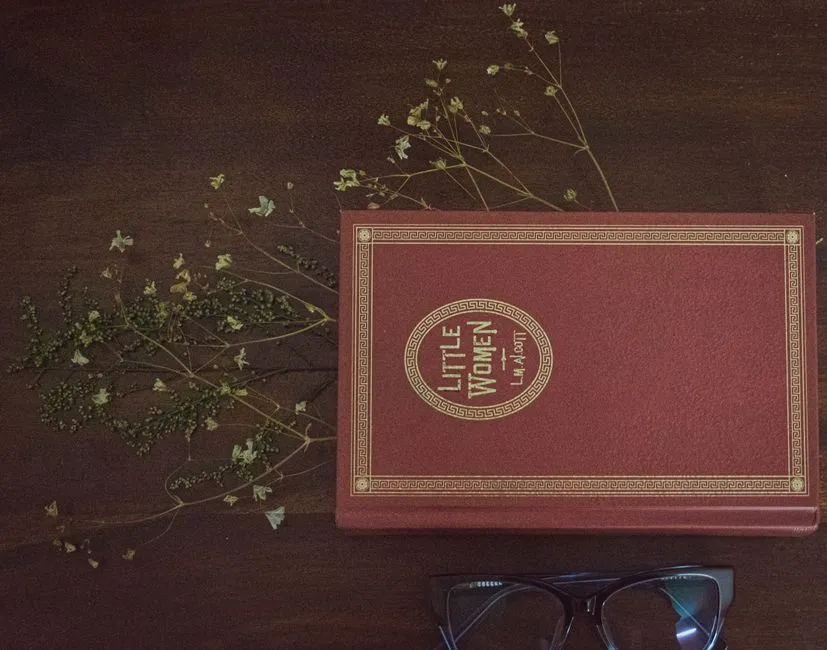
Orchard House was the longtime home of Amos Bronson Alcott and his family, including his daughter Louisa May Alcott, who wrote and set her novel Little Women there. The house itself carries an atmosphere that no film adaptation has quite managed to capture. With nearly 80% of original furnishings on display and no ropes or glass barriers to intrude upon the visit experience, guided tours enable many visitors to feel as if they are “taking a walk through Little Women.”
In 1868, Louisa May Alcott wrote her beloved classic novel, Little Women, in her room on a special “shelf desk” built by her father. Little Women is a novel that has never been out of print for over a century and has been translated into more than 50 languages. The house has been a museum for more than one hundred years, and it was designated a National Historic Landmark in 1962.
The Ralph Waldo Emerson House: The Sage at Home
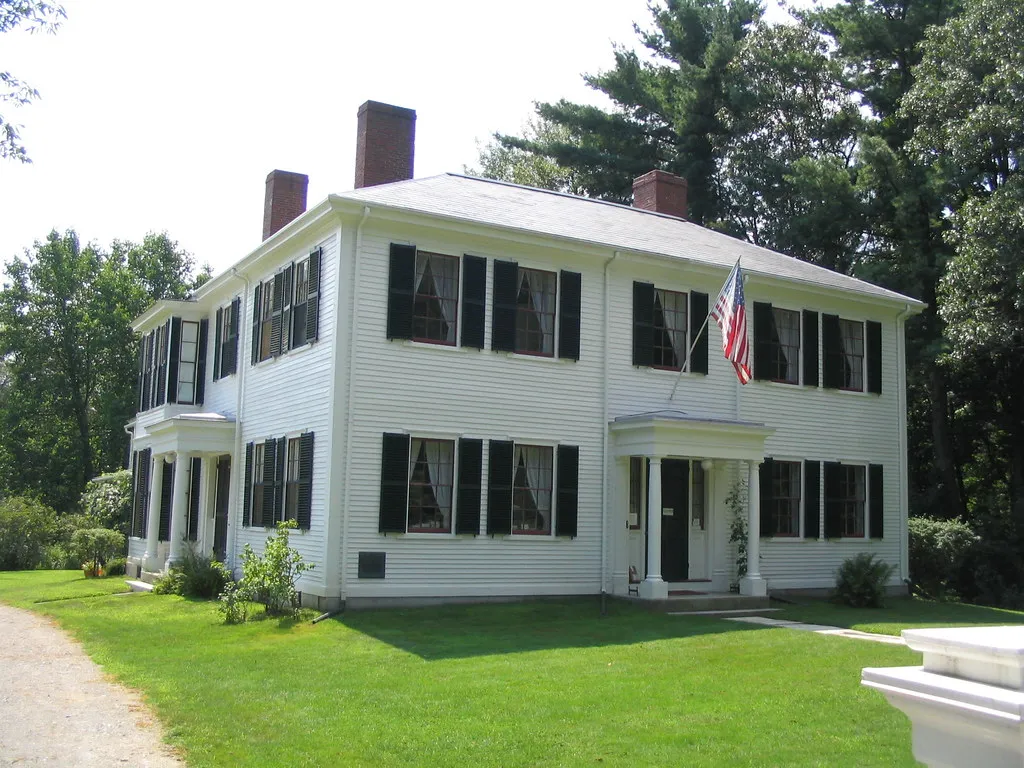
Ralph Waldo Emerson, Transcendental philosopher, poet, and lecturer, moved into this house with his wife Lidian shortly after their marriage in 1835. It was his first permanent home in the largely rural community of Concord and the place where he raised his family. Today, the property still sits on Cambridge Turnpike, quietly presiding over the neighborhood it helped define.
In this dwelling, Emerson composed his most important written works, including the final draft of his groundbreaking essay Nature in 1836 and Self Reliance in 1841. Emerson’s new residence helped make Concord the center of American Transcendentalism, home of the Concord authors, and the place that sparked a new literary renaissance.
This is the house where Ralph Waldo Emerson lived as an adult and held meetings with the other local Transcendentalist writers, including Henry David Thoreau and Bronson Alcott. Standing in that study, it’s easy to understand how ideas moved between these writers with such velocity.
The Old Manse: Where Transcendentalism Took Root
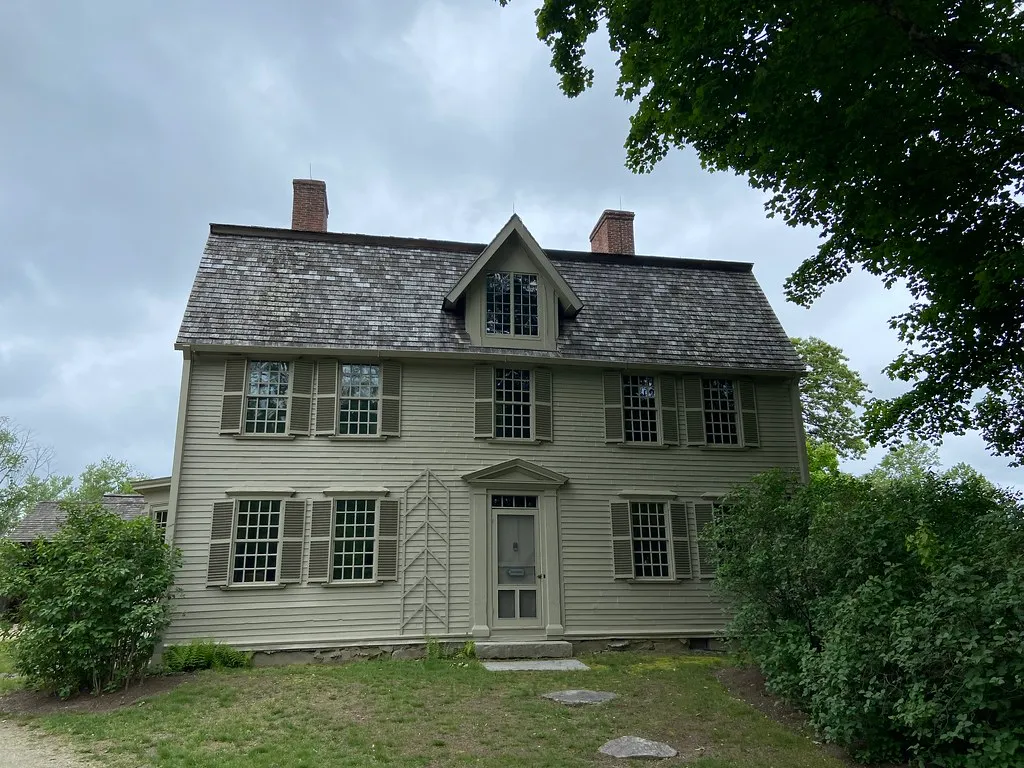
The Old Manse was built in 1770 for the Rev. William Emerson, father of minister William Emerson and grandfather of Ralph Waldo Emerson. Looking out of the window in the upstairs study where he wrote his first book, Nature, you can enjoy the same view of the North Bridge that Emerson would have seen as he worked.
Hawthorne and his wife moved into the Old Manse – renting it from Emerson for $100 a year – upon their wedding in 1842. Thoreau planted them a vegetable garden in the backyard as a welcome gift. That small, quietly generous detail says a great deal about the community these writers formed. The Old Manse received its National Historic Landmark designation not because of its war history but because of its affiliation with Ralph Waldo Emerson, Louisa May Alcott, Nathaniel Hawthorne, and the gardener, Henry David Thoreau.
Walden Pond: Thoreau’s Living Experiment
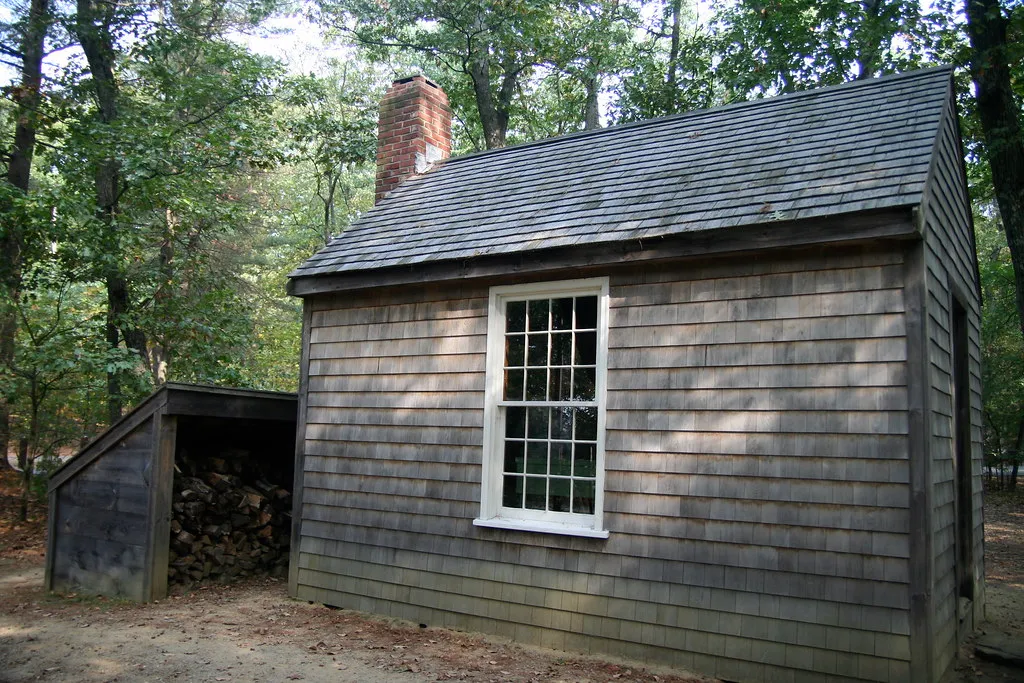
The writer, transcendentalist, and philosopher Henry David Thoreau lived on the northern shore of the pond for two years from the summer of 1845. Walden reflects Thoreau’s simple lifestyle in the natural surroundings of Walden Pond, where he lived in a tiny cabin – ten feet by fifteen feet – for two years, two months, and two days on the wooded property owned by Ralph Waldo Emerson.
Walden Pond State Reservation is an iconic park that draws nearly 600,000 visitors per year from around the world. A typical New England kettle lake, Walden was made famous by Henry David Thoreau’s masterpiece, Walden; or Life in the Woods. In a study conducted over the course of 2016, nearly two-thirds – roughly 375,000 people – come to the pond from outside of the Boston area. Remarkably, 160,000 visitors come from outside the United States annually.
The pond is protected as part of Walden Pond State Reservation, a 335-acre state park and recreation site managed by the Massachusetts Department of Conservation and Recreation. The reservation was designated a National Historic Landmark in 1962 for its association with the writer Henry David Thoreau.
The Wayside: A Home Shared Across Generations

The Wayside was home to several different authors, with the most famous being Louisa May Alcott, Nathaniel Hawthorne, and Harriet Lothrop, who went by the pen name Margaret Sidney. Few homes anywhere in America carry quite this layered a literary biography. Each family that passed through left its own imprint.
In 1860, Nathaniel Hawthorne and his family returned to Concord after living abroad for seven years. Back in the home they called The Wayside, the Hawthornes would rejoin their circle of literary friends. Orchard House is adjacent to The Wayside on the historic “American Mile” roadway toward Lexington, and is less than a half-mile from Bush, the home of Ralph Waldo Emerson, where Henry David Thoreau and the Alcotts were frequent visitors.
Sleepy Hollow Cemetery and Author’s Ridge

Sleepy Hollow’s Author’s Ridge is the resting place of some of Concord’s most noted writers and their families, including Louisa May Alcott, Ralph Waldo Emerson, Henry David Thoreau, and Nathaniel Hawthorne. The ridge is quiet, pine-shaded, and surprisingly intimate. These graves sit close together, mirroring the way these writers actually lived.
The cemetery is the burial site of a number of famous Concordians, including some of the United States’ greatest authors and thinkers, especially on a hill known as Author’s Ridge. It was dedicated on September 29, 1855; Ralph Waldo Emerson gave a dedication speech and would be buried there decades later. Author’s Ridge offers a beautiful walk through one of the country’s most distinguished small cemetery areas, described as America’s equivalent to the Poets’ Corner at Westminster Abbey.
Emerson himself was buried there in a white robe donated by Daniel Chester French. Later, after much deliberation, the Emerson family chose to adorn his grave with a large uncarved and seemingly indestructible boulder of rose quartz.
The Concord Museum: Artifacts That Tell the Full Story

The Concord Museum has furniture from Thoreau’s cabin, Emerson’s study, and Paul Revere’s lantern. It’s the kind of place that quietly deepens everything else you’ve seen that day. Holding these objects in view – the actual desk where Emerson wrote, the simple chair from Thoreau’s cabin – makes the literature feel less like curriculum and more like lived experience.
The interior furnishings of the Emerson house remain much as they did when Emerson lived there, with original furniture and Emerson’s memorabilia. The exception is the furniture and books from his study, which are now on display in the Concord Museum across the street. Sometimes described as a “philosopher-naturalist,” Thoreau had both broad and deep interests in nature, and his readings spanned wide-ranging subjects, including Eastern philosophy, Greek mythology, poetry, agriculture, and science.
The Concord Festival of Authors: A Living Literary Tradition
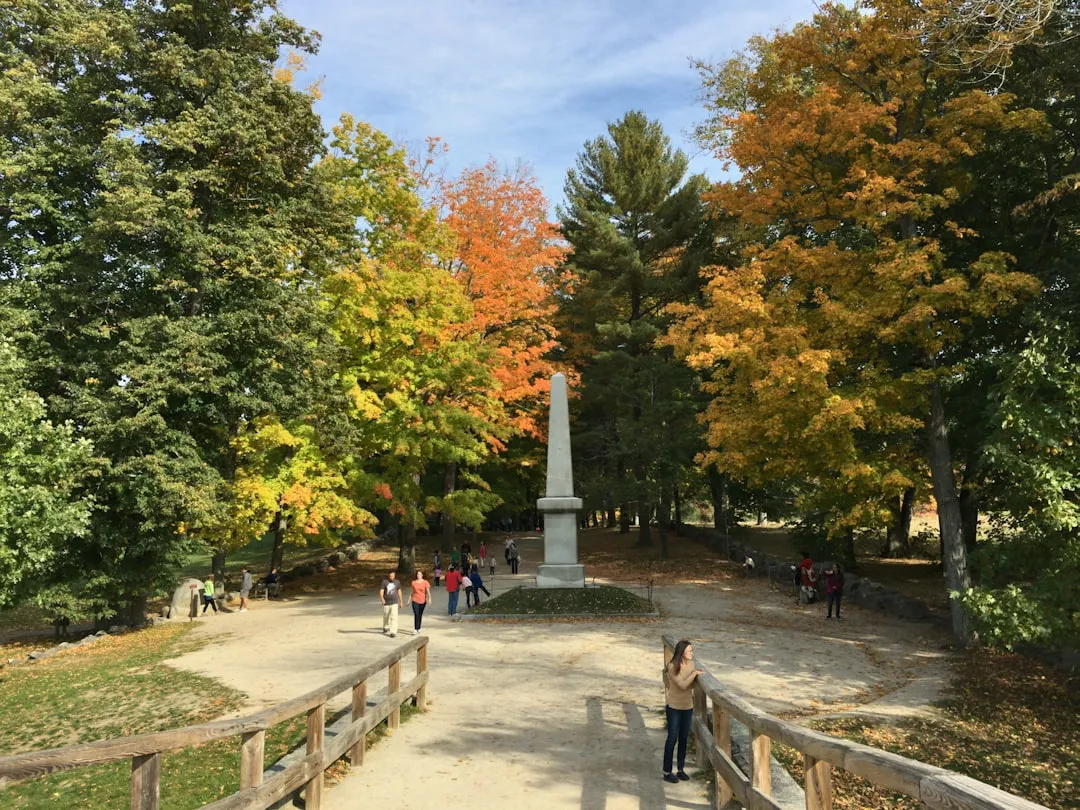
Concord’s literary life isn’t confined to the 19th century. The town actively celebrates writing every autumn through the Concord Festival of Authors. The 2024 Ruth Ratner Miller Memorial Award for Excellence in American History was presented to historian Jacqueline Jones, winner of the 2024 Pulitzer Prize in History for No Right to an Honest Living: The Struggles of Boston’s Black Workers in the Civil War Era.
The organizers are currently planning the 2026 Concord Festival of Authors. The festival hosts author talks, poetry readings, award ceremonies, and book club events throughout October, drawing both local and national literary figures. It’s a reminder that the town’s relationship with writing is still active, not merely commemorative.
Independent Bookshops and the Living Literary Scene

Concord is rich in literary history, from a boom in the 19th century to the present day. Visitors can head to Barrow Bookstore, the Concord Book Shop, or the Concord Free Public Library to get to know the town’s hometown authors. These are genuinely good independent bookshops, not tourist traps – the kind where you go in for one book and leave with four.
As a literary hub, Concord has many charming independent bookstores. The Concord Bookshop has an impressive array of both new releases and timeless classics. Concord’s creative community has also celebrated contemporary author Gregory Maguire, a long-time Concord resident, who has been actively supporting the rollout of a film adaptation of Wicked, as well as touring for his fifth book in the Wicked series, Elphie.
Planning Your Visit: Practical Notes for Thoughtful Travelers
Concord rewards visitors who slow down and walk between sites rather than driving from parking lot to parking lot. In Concord, you have the opportunity to walk through historic author homes, learn about the authors, and see their actual writing desks. Most of the major literary sites sit within a comfortable walking distance of one another, and the town’s scale is part of what makes it so compelling.
The LEED-Certified Walden Pond Visitor Center is a Net Zero ecological building with its own solar carport for electricity generation, reflecting the conservation values Thoreau himself championed. Visitors can also see the replica of Thoreau’s single-room cabin at Walden Pond. Autumn is a particularly beautiful season to visit, when the foliage around Walden Pond and the cemetery pines shifts to deep gold and amber.
Concord isn’t trying to be anything other than what it is: a small New England town where some extraordinary minds once lived, walked the same muddy paths, argued over philosophy, and changed the way the world reads. That straightforwardness is what makes it one of the most genuinely moving literary destinations in the country. The footsteps are still there. You just have to show up and follow them.
AI Disclaimer: This article was created with the assistance of AI tools and reviewed by a human editor.