
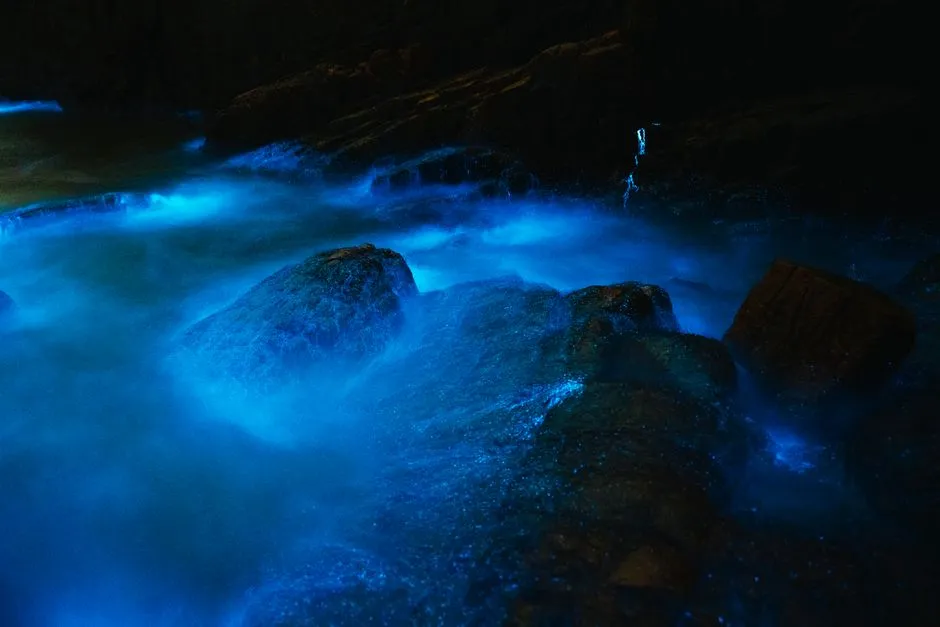

There are very few places in the world where the ocean itself appears to glow. Step into the water, trail your fingers through the darkness, and tiny sparks of blue fire flicker around your hands. It feels like something invented. It isn’t.
This phenomenon, known as bioluminescence, has captivated scientists, sailors, and travelers for centuries. Bioluminescence is the production and emission of light by living organisms, and in the world’s most famous glowing bays, this light is produced by microscopic plankton called dinoflagellates. The experience is rarer than most people realize, and understanding where it happens, how it works, and how to protect it makes it all the more meaningful.
What Actually Causes the Glow
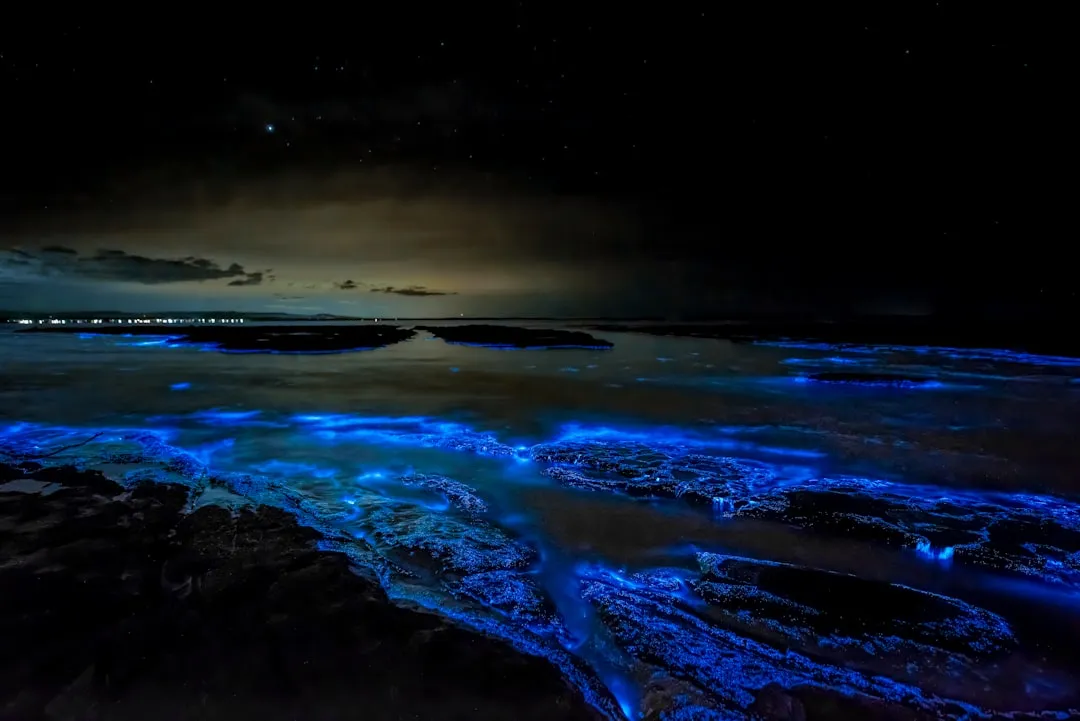
The glow is not the water itself. The water in bioluminescent bays lights up thanks to millions of single-celled microorganisms called dinoflagellates, and the primary species in Puerto Rico’s bays is Pyrodinium bahamense. Whenever these microorganisms are disturbed, whether by a paddle, a kayak gliding through, or even fish swimming, they produce a brilliant blue-green glow through a chemical reaction involving luciferin and luciferase.
This bioluminescence is mediated by an enzymatic oxidation of luciferin catalyzed by luciferase within specialized organelles known as scintillons. The light-emitting reaction is gated by pH changes orchestrated through ion channels that follow an endogenous circadian rhythm. In plain terms, the organism has an internal clock that switches on its light-producing ability after dark.
Bioluminescent flashes serve as anti-predation defenses, disruptive escape signals, and a form of intraspecific communication, with ecological consequences for food-web dynamics and biogeochemical cycles. What looks like magic to a visitor is, in ecological terms, a survival strategy refined over millions of years.
Why Bioluminescent Bays Are So Rare
A bioluminescent bay is a bay that contains a very high concentration of bioluminescent dinoflagellate plankton. These dinoflagellate plankton are found everywhere in regular seawater, but they are in a much higher concentration in bio bays. The concentration is what makes the difference between an invisible flicker and a visible, spectacular display.
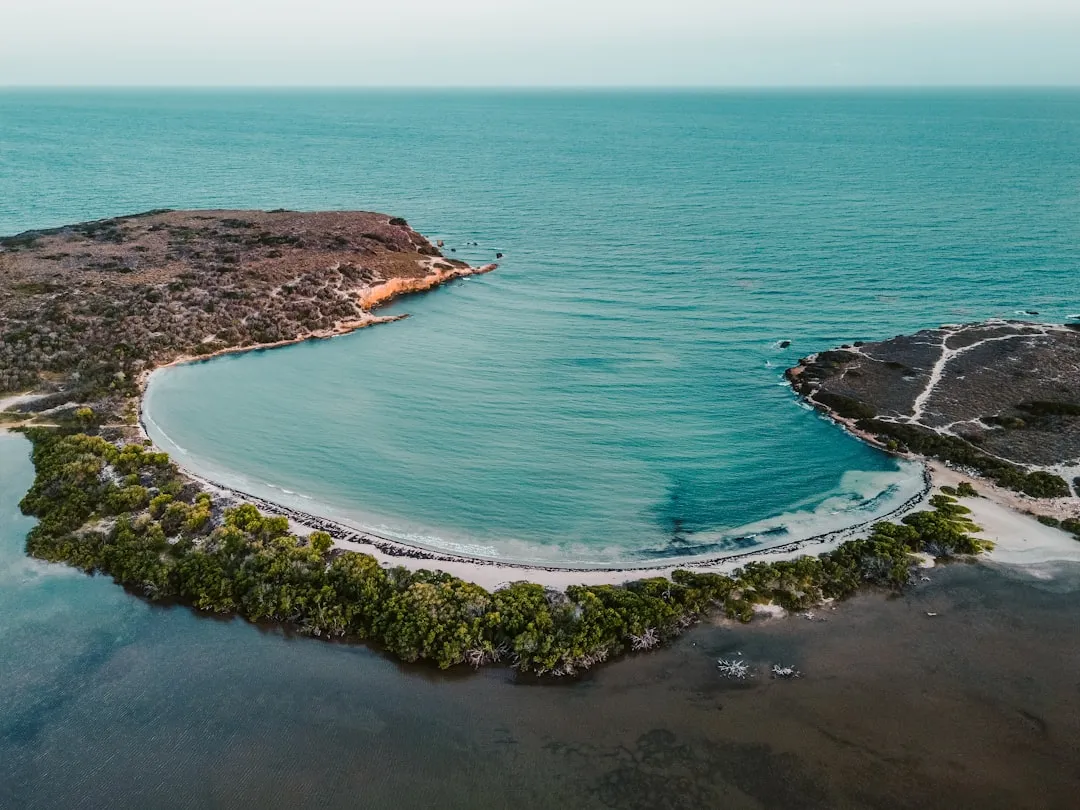
Dinoflagellates naturally drift into bioluminescent bays since they are connected to the sea. Once they enter these bays, they get trapped because the entrance is very narrow, meaning they can’t escape. They start to multiply inside the bay, which leads to an abnormally high concentration of plankton.
The warm-water ecosystem that the bay creates, with a narrow opening to the open ocean, generates an ideal habitat for dinoflagellates to live in abundance. The nutrient content of the bay also allows the dinoflagellates to survive and flourish. Remove any one of those conditions, and the glow dims or disappears altogether.
Puerto Rico: The Global Capital of Bioluminescence
Puerto Rico is home to three of the world’s brightest permanent bioluminescent bays, more than any other destination on Earth. While bioluminescence can be found in dozens of locations worldwide, from Jamaica to the Maldives, Puerto Rico’s bays offer a year-round glow thanks to ideal conditions for the microscopic organisms that create this natural light show.
Puerto Rico is home to three stunning bioluminescent bays: Mosquito Bay on the island of Vieques, Laguna Grande in Fajardo, and La Parguera in Lajas. Each of these bays has its own character, its own accessibility, and its own way of presenting the phenomenon.
Puerto Rico has three of the five ecosystems in the world with a high concentration of these dinoflagellates, making it one of only five bioluminescent bays on the entire planet. That statistic alone speaks to how genuinely unusual a visit to these waters really is.
Mosquito Bay: The World’s Brightest
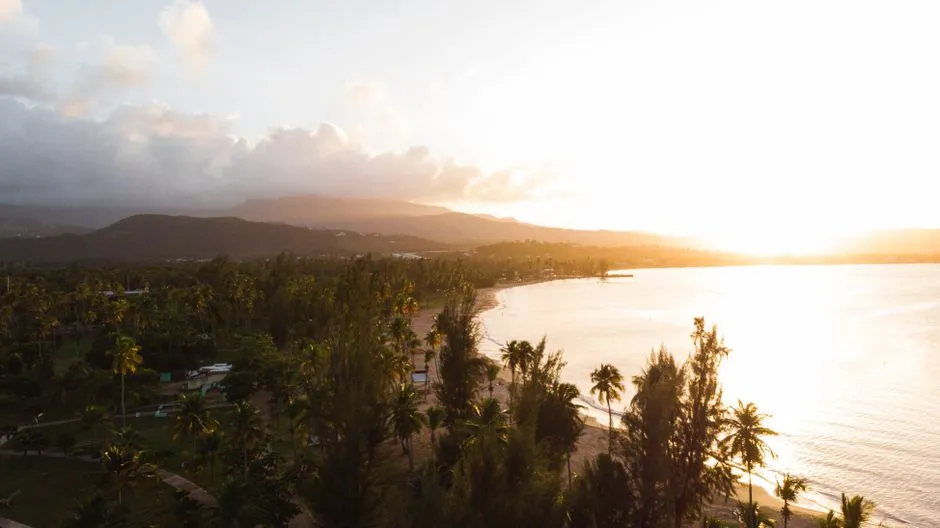
Mosquito Bay holds the Guinness World Record as the brightest bioluminescent bay in the world, a title it has held since 2006. With 700,000 to over 2 million dinoflagellates per gallon of water, it is truly a magical place to experience.
Due to its narrow, S-shaped opening from bay to ocean, the dinoflagellates that light up the waters of Mosquito Bay give off one of the strongest and most impressive displays of their kind. Located on the island of Vieques, nestled in a protected reserve bordered by mangroves, Mosquito Bay promises a rewarding, once-in-a-lifetime experience.
The bay recovered remarkably after Hurricane María in 2017 and is now glowing brighter than ever. The tours here are less crowded than Laguna Grande, and the island is lovely. Keep in mind that swimming is not permitted in Mosquito Bay to protect this fragile ecosystem, but you can experience the glow from kayaks or electric boats.
Laguna Grande in Fajardo: The Accessible Wonder
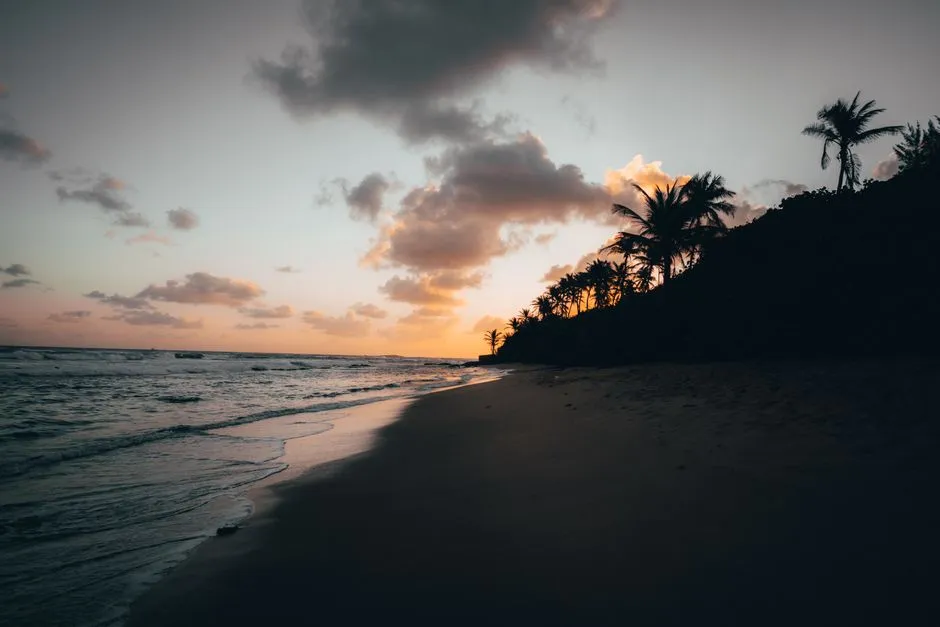
Laguna Grande in Fajardo is Puerto Rico’s most visited bioluminescent bay due to its proximity to San Juan. For travelers based in the capital, it’s the most practical choice, sitting roughly an hour’s drive from the city center.
Located on Puerto Rico’s northeastern coast, Laguna Grande is part of the Cabezas de San Juan Nature Reserve, which also features mangroves, beaches, and other stunning natural habitats. The journey through the mangrove channel before reaching the open lagoon is an experience in itself, a quiet, atmospheric paddle through tangled roots and still water.
The Laguna Grande Bio Bay is inside a natural reserve. Its entrance is a beautiful mangrove forest. Some kayaks have glass bottoms, which allow you to see the glowing water and billions of microorganisms beneath you. A tour guide will lead a small group of kayakers around the bay, pointing out features and explaining the science of bioluminescence.
La Parguera: The Only Bay Where You Can Swim
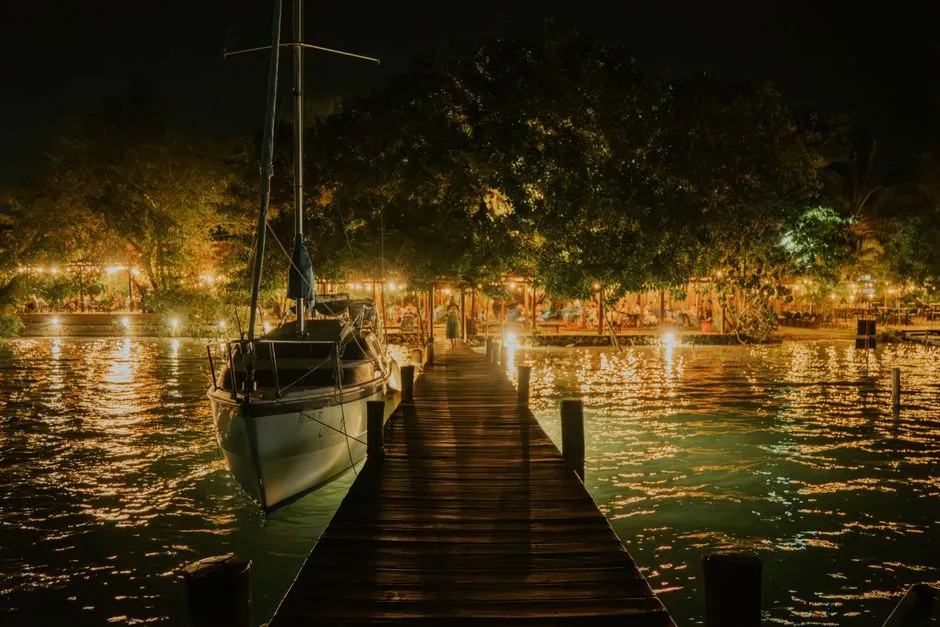
La Parguera is a bio bay located on the south coast of Puerto Rico, in the town of Lajas. It is one of three bioluminescent bays in Puerto Rico, but it’s the only one where visitors are allowed to swim in the water. That simple distinction makes it a uniquely immersive experience.
The small entrance to the La Parguera bio bay traps millions of dinoflagellate plankton inside it. These plankton then start to multiply since they can’t escape the bay. The high concentration of plankton in the bay is what allows humans to see the bioluminescent light when moving the water.
La Parguera is the only bioluminescent bay that allows motorboats at night. Located in Lajas, on Puerto Rico’s southwest coast, it offers a unique bio bay experience unlike any other on the island. It is the only bioluminescent bay in Puerto Rico where motorboats are allowed, making it more accessible for visitors who prefer not to kayak.
The Moon, the Weather, and the Perfect Night
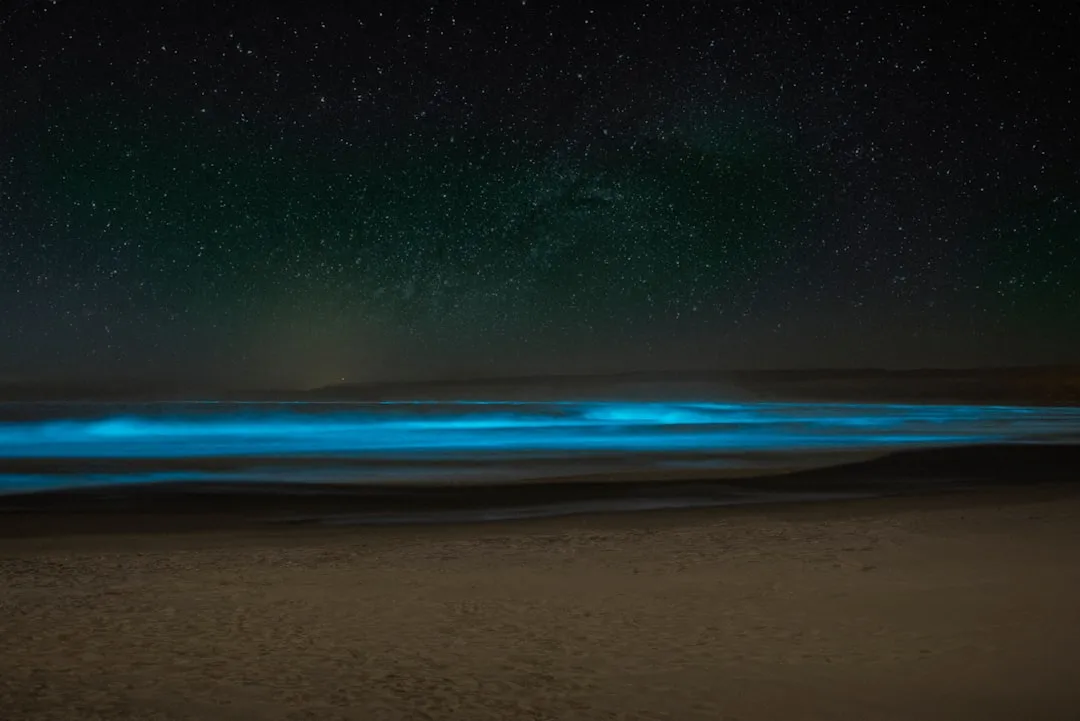
The moon phase is the most important factor when planning your visit. The bioluminescence is brightest during the new moon, when the sky is darkest. A full moon can significantly diminish or even overwhelm the glow entirely. In fact, tours at Mosquito Bay are prohibited during the three nights surrounding each full moon.
The most important factor that affects the visibility of the bioluminescence is the moon rise and set times, not the moon phase. This is a detail many travelers overlook. A full moon that sets before you paddle out means the sky above you can still be beautifully dark.
The subtlety or intensity of the experience depends on the concentration of dinoflagellates in the water, which can fluctuate significantly due to storms, tides, season, and temperature. The best time of year to see the bioluminescence is during the island’s dry season, from December to April. Rain can make the waters murky and challenging for the light to shine through.
Bioluminescence Beyond Puerto Rico
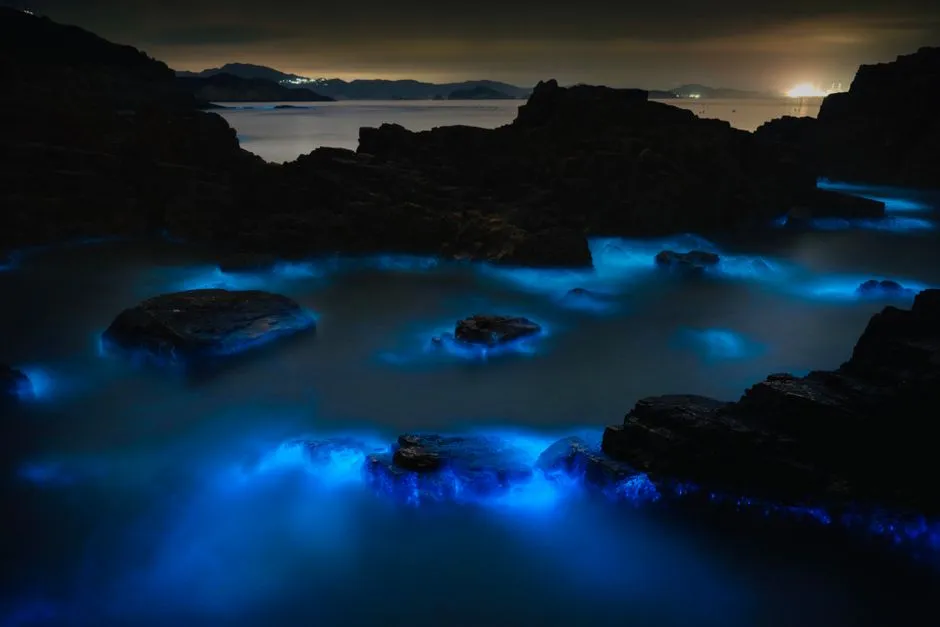
Three of the world’s major bioluminescent bays are located in Puerto Rico: Mosquito Bay, Laguna Grande, and La Parguera, but there’s also Luminous Lagoon in Jamaica and Halong Bay in Vietnam. Each setting is distinct, shaped by local geography and ecology.
Located in Falmouth, Jamaica, the Luminous Lagoon formerly welcomed the passage of rum and sugar ships in the 18th century, but today the boats that chug along its surface are filled with tourists eager to experience one of the most vibrant bioluminescent destinations in the Caribbean.
The Thai province of Krabi in the southwest is another great destination to visit. Home to shallow waters, mangrove forests, and coral reefs, the coastal areas of Krabi provide perfect conditions for dinoflagellates to thrive. Meanwhile, in recent years, most likely due to climate change, nighthawks have spotted blooms of bioluminescent plankton along the coast of Wales, with Dunvegan Bay in the northwest and Anglesey’s Penmon Point being likely locations to spot high concentrations during mid to late June.
Conservation Threats and the Fragility of the Glow
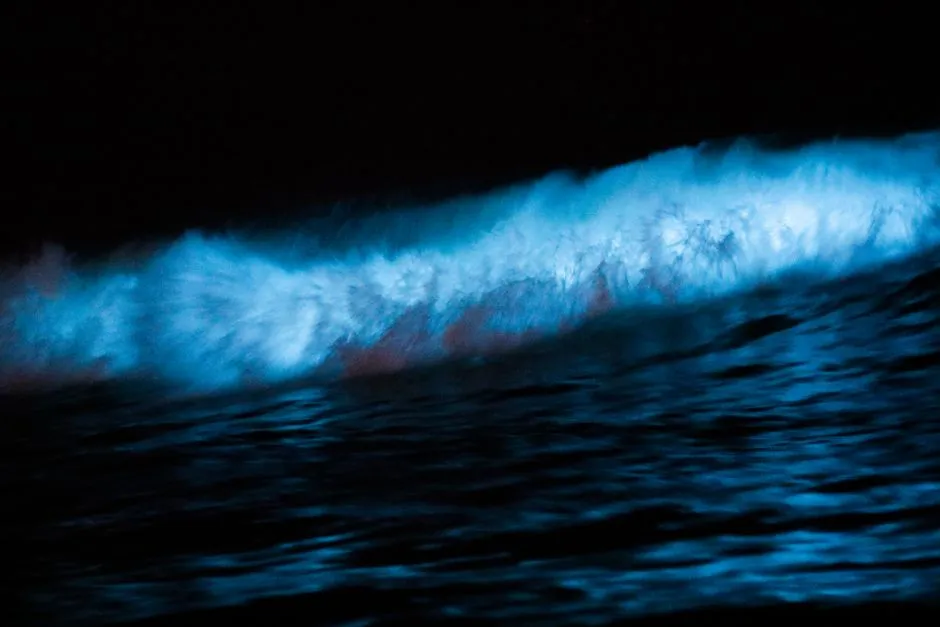
Tourism, while a boon to many destinations, is posing growing threats to the pristine bay coast of Lajas, Puerto Rico. Known for its unique bioluminescent plankton, the coastal area has been attracting a large number of tourists who flock to witness the dazzling lights in the sea.
As visitor numbers rise, so does the pressure on the coastal ecosystem, leading to overdevelopment, habitat disruption, and pollution. The story of Mosquito Bay, however, shows that recovery is possible. A decade ago, a similar threat was endangering Mosquito Bay. The area was saved from environmental decline by strict preservation efforts, including the ban on swimming, motor boats, and construction, which all led to the bay’s eventual recovery.
Conservation efforts such as limiting boat access, regulating light and chemical pollution, and educating visitors are crucial to preserving these natural wonders for future generations. The ecosystem is resilient, but only within limits.
How to Visit Responsibly and What to Expect
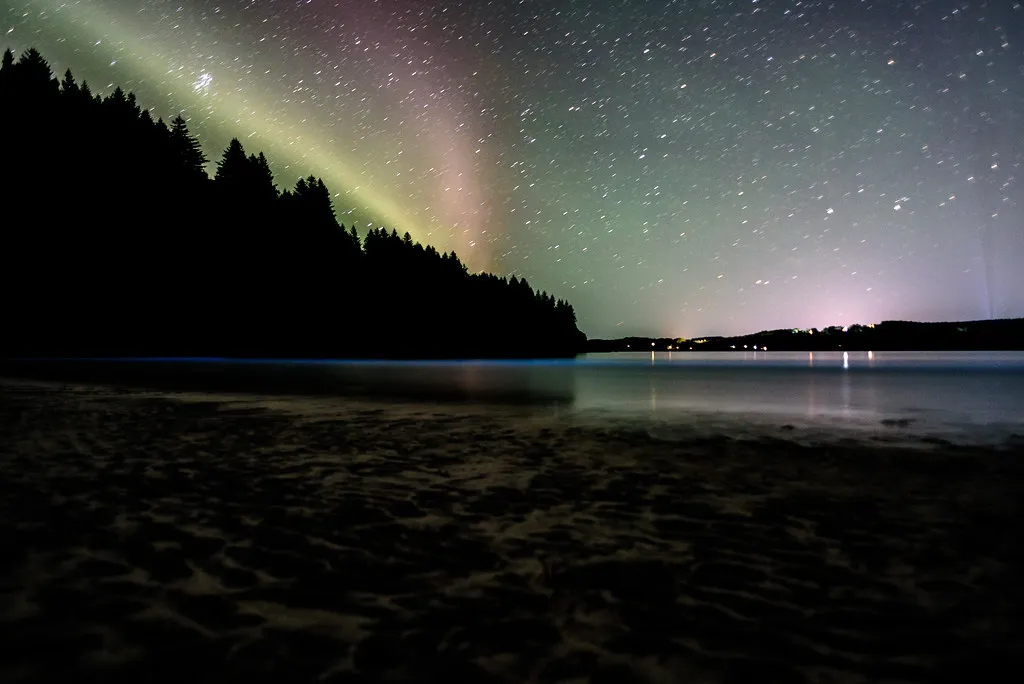
You cannot visit Puerto Rico’s bio bays without a permit, meaning that you must go with a licensed tour operator. This isn’t simply bureaucratic procedure. It’s a meaningful layer of protection that keeps visitor numbers and behavior within sustainable bounds.
Most photos of bioluminescent waters you see online are heavily Photoshopped. The phenomenon is actually very difficult to capture on camera. This is worth knowing before you arrive. The experience is visceral and deeply real, but it belongs firmly to the present moment and not the Instagram gallery.
If you’re swimming in a bioluminescent bay, shower before you visit and avoid wearing lotions and bug spray, as chemicals can pollute the fragile ecosystem. If you call ahead to some of the tour companies, you can get a better sense of how the bay is looking and when will be the best time to go. Small, thoughtful preparations make the difference between a rushed visit and a genuinely transformative one.
Conclusion: A Light Worth Protecting
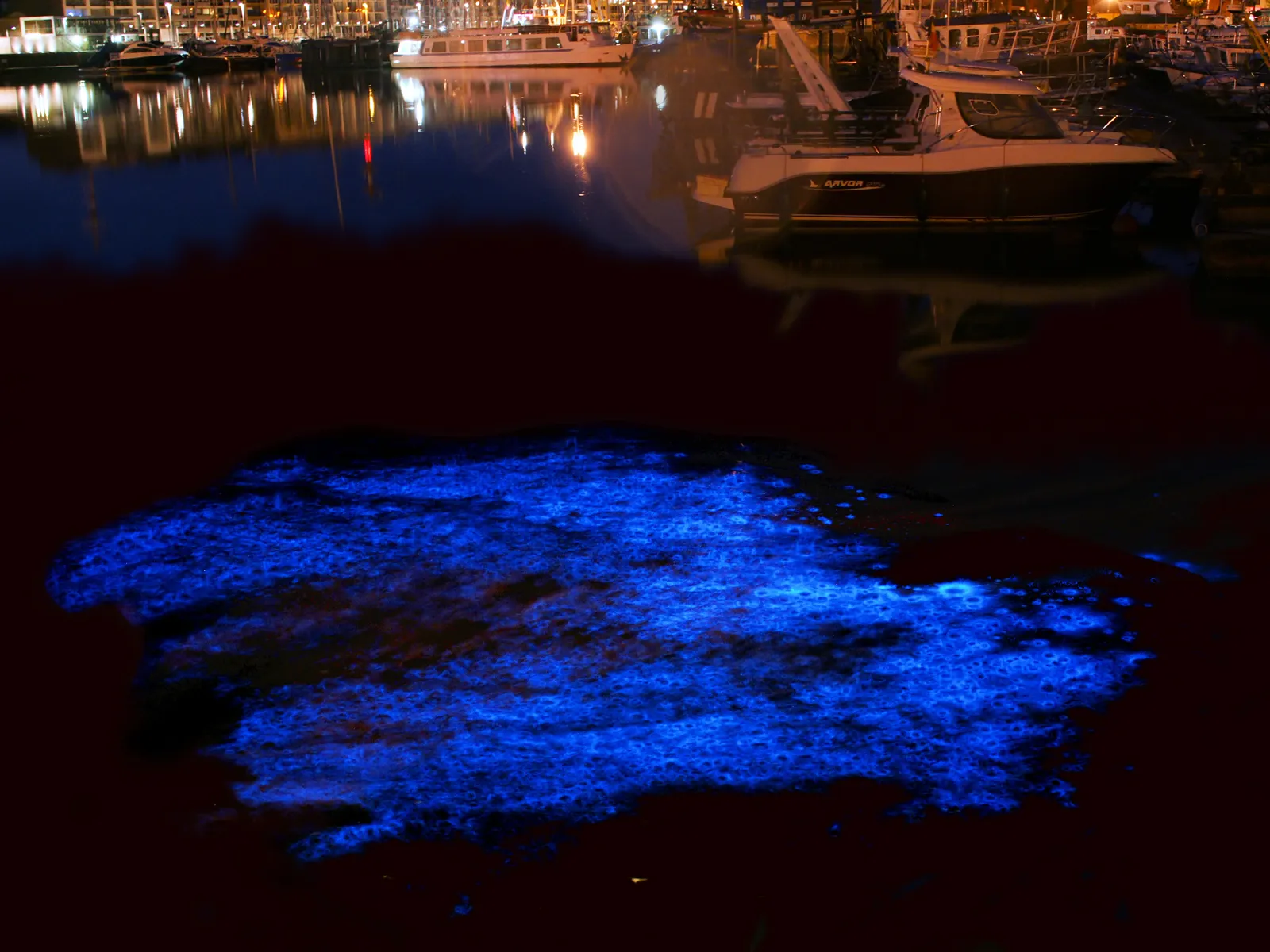
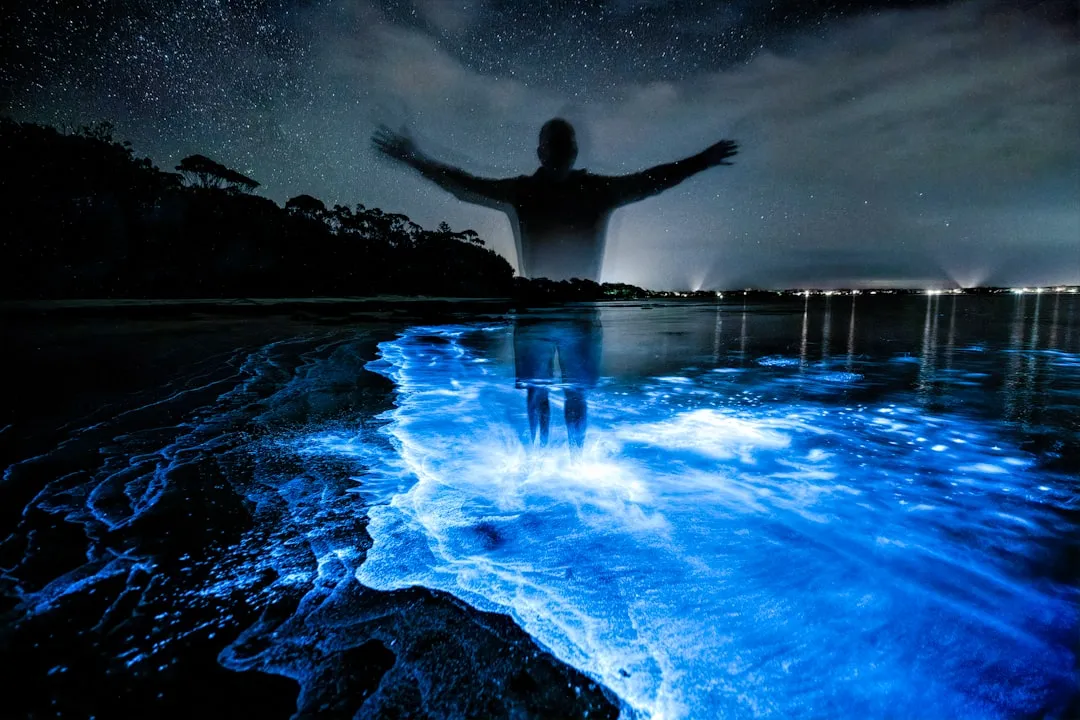
Few natural experiences ask so little of you while returning so much. You paddle out in the dark, uncertain of what you’ll see, and then the water simply begins to glow around your hands. When you touch the water with your hand, it will leave a trail of light. When the dinoflagellate plankton is disturbed, they emit a neon blue glow.
The science behind it is elegant in its simplicity. A single-celled organism, no bigger than a grain of dust, produces light as a defense mechanism, and in doing so creates one of nature’s most awe-inspiring spectacles. Bioluminescence is widespread across all major marine phyla and has evolved multiple times, resulting in a high diversity of spectral properties.
What makes these bays precious isn’t just their beauty. It’s how easily that beauty can be dimmed. Visit with care, follow the rules set by local operators and conservation bodies, and let the place stay exactly as you found it. The glow you witness tonight should still be here, just as bright, for the people who come after you.
AI Disclaimer: This article was created with the assistance of AI tools and reviewed by a human editor.