
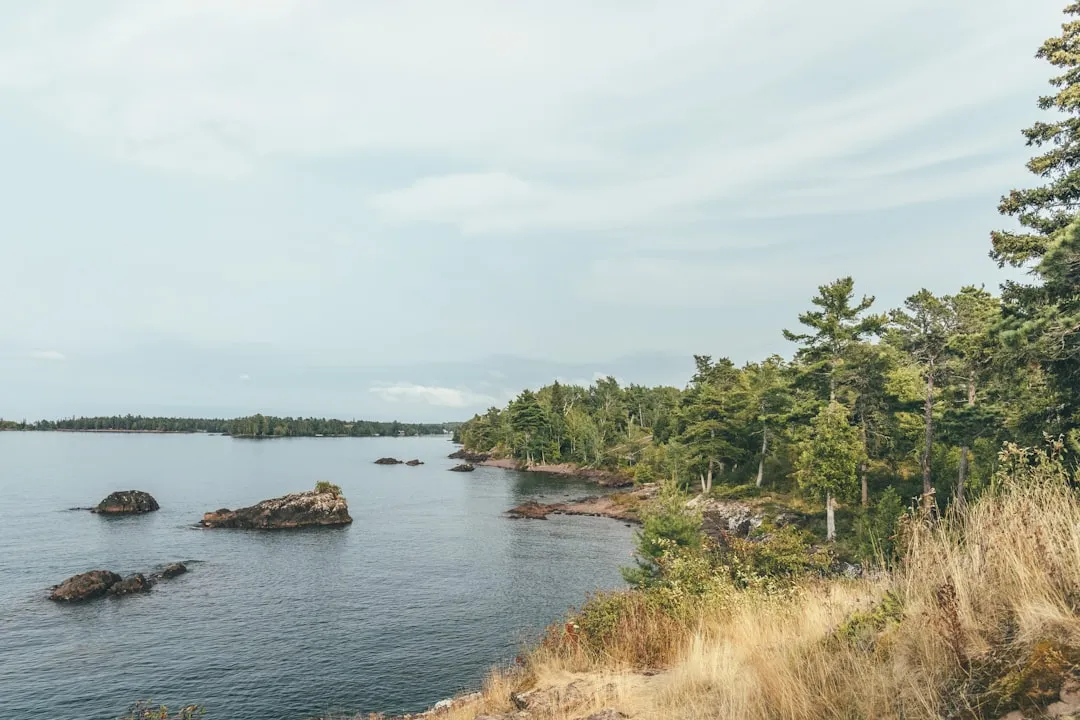

There is something quietly radical about arriving somewhere and realizing your car keys are completely useless. No engine noise, no exhaust, no rush-hour tension. Just the sound of water lapping against a dock, the faint clip-clop of hooves on a gravel path, or the creak of a bicycle wheel turning slowly through the trees. This is the reality that greets travelers who venture out to the car-free and near-car-free islands scattered across the Great Lakes.
More than 35,000 islands are scattered across the five Great Lakes, making this one of the world’s most island-rich freshwater systems. A handful of them have become treasured sanctuaries precisely because getting there requires leaving the modern world – and its traffic – behind. Here are the ten essential things to know about these remarkable islands and the particular peace they offer.
Mackinac Island: The Original Car-Free Destination
Cars have been banned on Mackinac Island since 1898. What began as a safety measure after early motor vehicles startled horses has since defined the island’s entire identity. That identity has proven extraordinarily durable.
Mackinac Island has been voted the number one Best Summer Vacation in the USA by U.S. News and World Report and the number one Best Summer Destination by USA Today 10Best. These are not minor accolades for a place under four square miles in size.
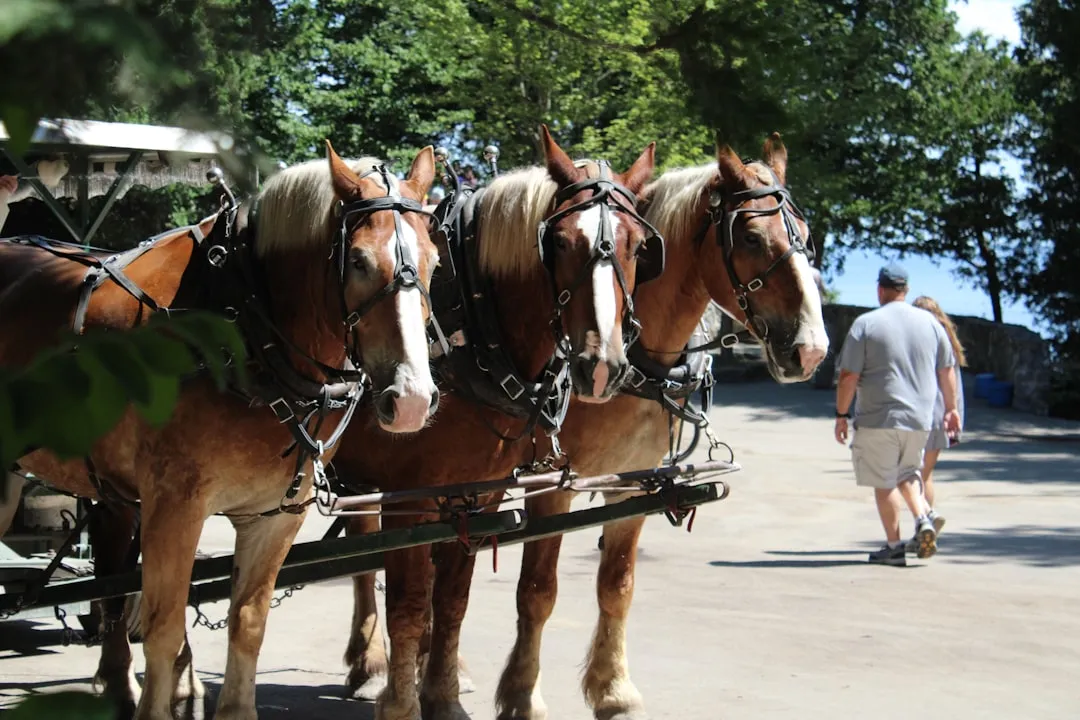
Today, transport is limited to bicycles, walking, and around 600 horses that work on the island during peak season. The absence of traffic noise creates a calm atmosphere that visitors notice immediately. It is often cited as one of the quietest places in the US during summer, despite welcoming over one million visitors each year.
The Island That Runs on Authentic Horsepower
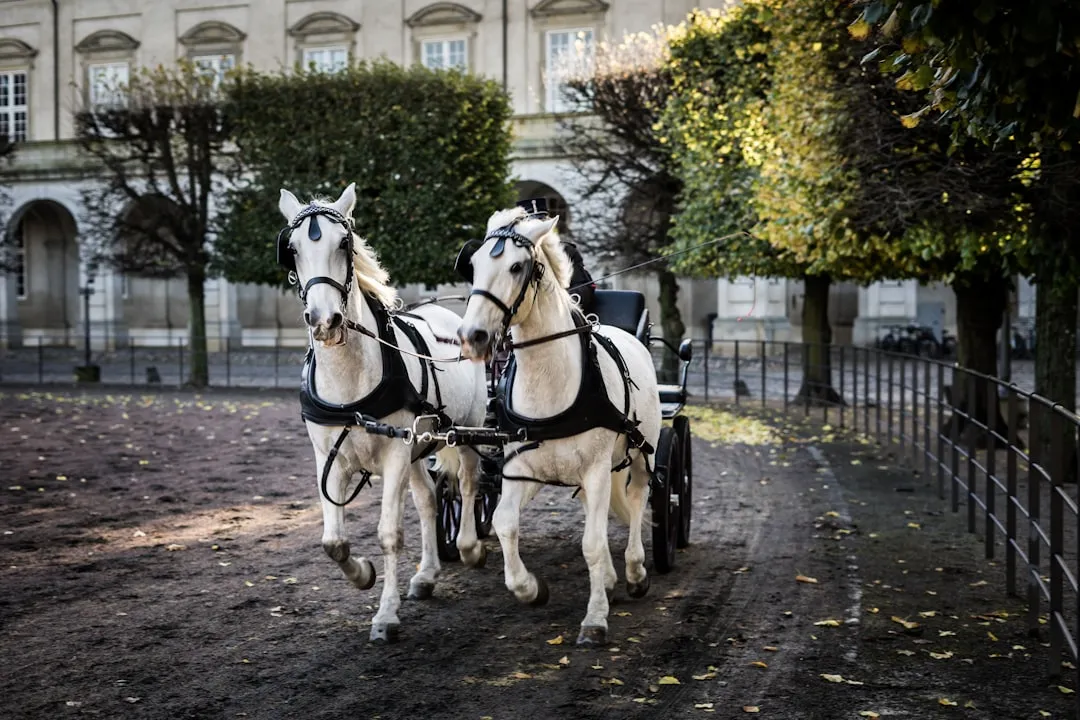
Mackinac Island has been car-free for over 100 years. Instead, it runs on authentic horsepower. Each spring, some 600 horses come to the island to take visitors on carriage tours, taxi guests to and from various points of interest, and pull drays to deliver luggage and everything else that needs to move around.
Out of more than four million miles of public streets in the United States, there is an 8.2-mile stretch of road on Mackinac Island that stands apart. M-185 is the only state highway in the country where motor vehicles are not allowed. It’s also one of the most pleasant cycling routes in the Midwest.
Cyclists often complete the 8.2-mile loop road that circles the island, offering uninterrupted lake views and frequent places to stop and take in the scenery. The pace is entirely your own.
A Living Victorian Village Unlike Anywhere Else
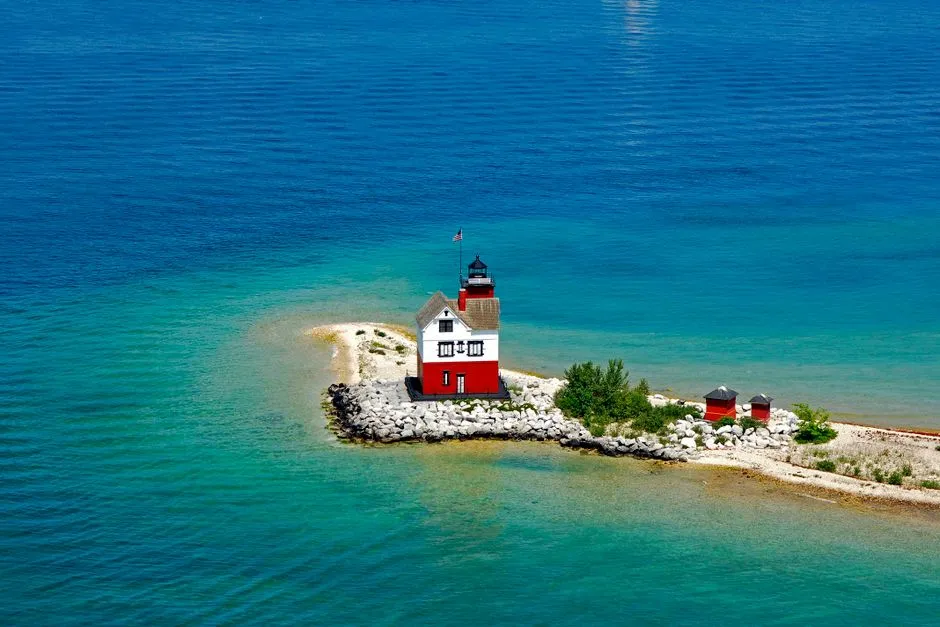
Visitors to Mackinac Island often feel they have stepped back to a more genteel time because of its elegant Victorian architecture and the signature sound of the clip-clop of horses as they pull carriages around this unspoiled island that has banned cars since the 1800s.
The Grand Hotel, built in 1887, is a Queen Anne-style hotel and a registered National Historic Landmark. Its front porch, the longest in the world, measures 660 feet in length. Even visiting for afternoon tea gives you a sense of a travel tradition that has largely vanished elsewhere.
There is no shortage of culture and things to do on the island, from exploring or staying in the 137-year-old Grand Hotel to watching Shakespeare in the Park performances and witnessing historic rifles and cannons being fired at Colonial Michilimackinac.
Over 80% Protected Land: Nature at the Core
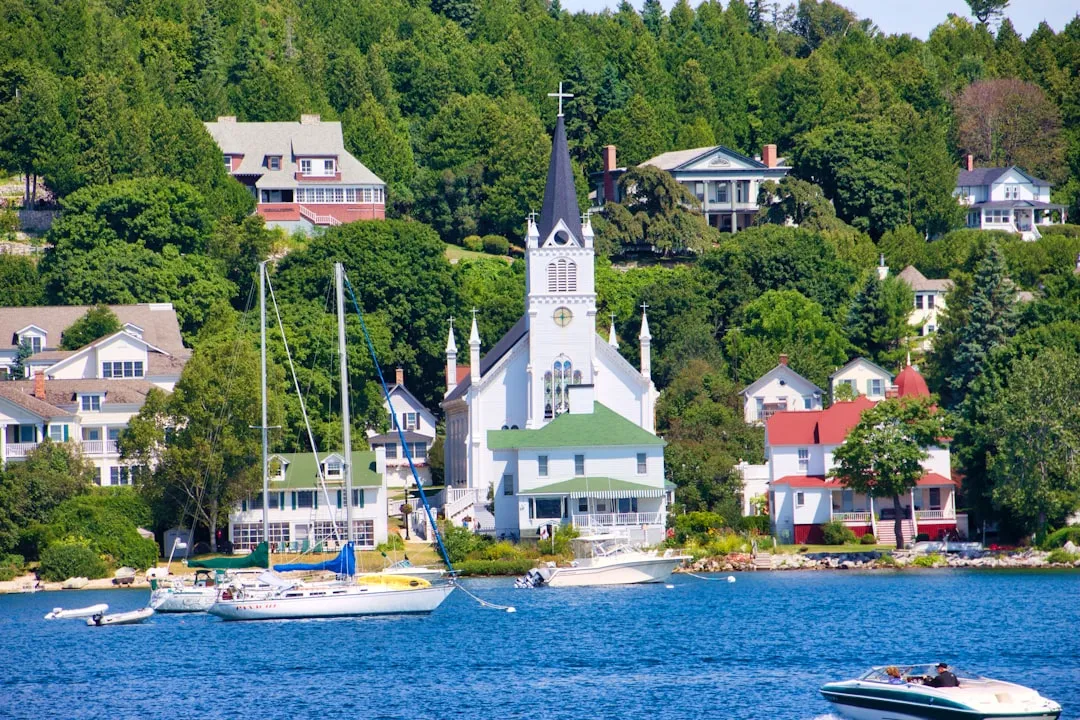
One of Mackinac Island’s most impressive statistics is that over 80 percent of the island is protected land. Mackinac Island State Park is the second-oldest state park in the United States and covers forests, limestone bluffs, and scenic trails.
Among its most famous natural landmarks is Arch Rock, a 146-foot-high natural limestone formation that has become one of the island’s most photographed spots. The geology here is striking. This dramatic and extremely rare geologic formation was created thousands of years ago during the Nipissing Era when the water levels of Lakes Huron and Michigan were much higher than they are today. Over the centuries, the receding water and wind eroded the soft rock below, leaving only hard breccia rock exposed that forms the symmetrical archway we see today.
The Indigenous and Cultural Roots of Mackinac
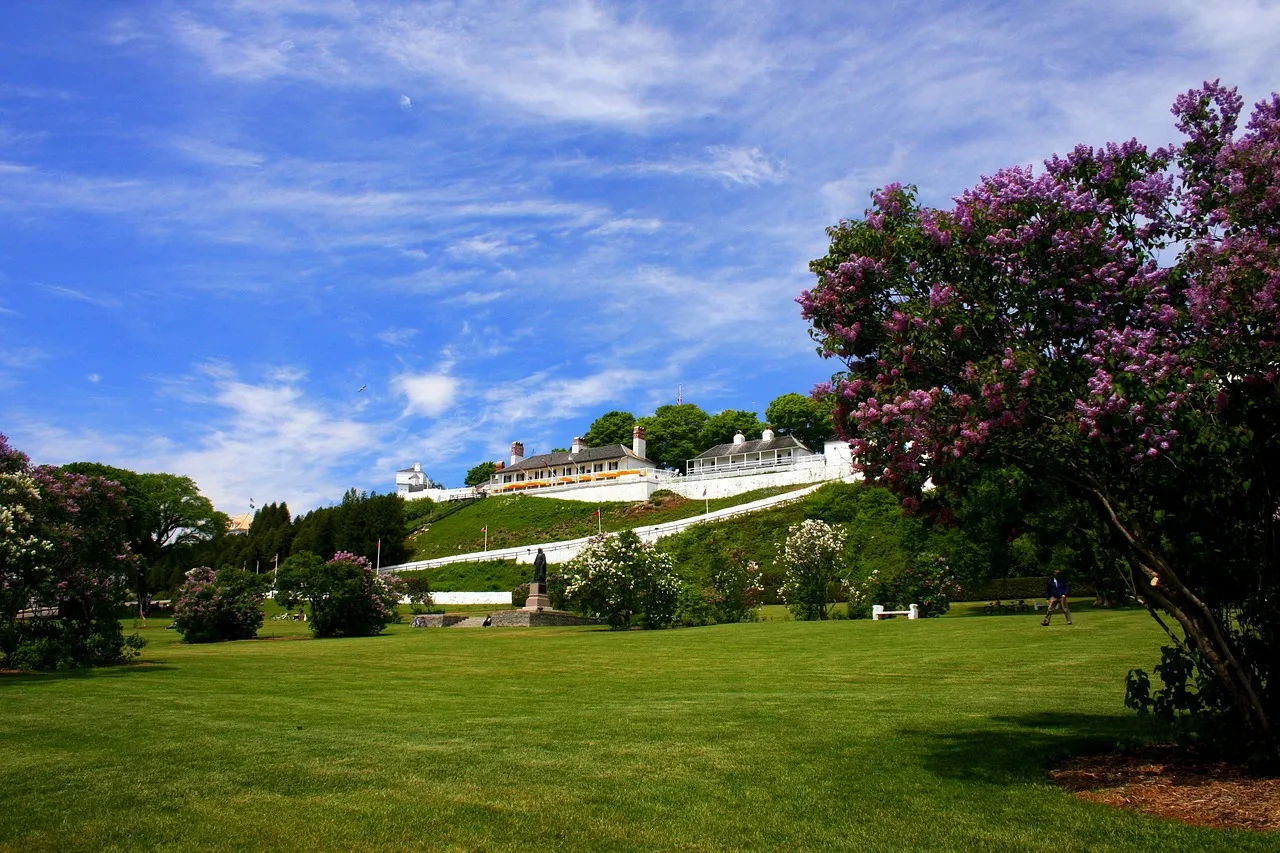
Mackinac Island may be just under four square miles in size, but its role in American history is far larger. Long before it became a holiday destination, the island was a key trading hub for Indigenous peoples, particularly the Anishinaabe, and later a strategic military location for French, British, and American forces.
The name “Mackinac” is a shortened version of the Native American name Michilimackinac, an Anishinaabek word meaning “place of the great turtle.” That heritage runs through everything here, from the landscape to the place names still in use today.
Above the marina downtown stands Fort Mackinac, the oldest building in the whole of Michigan and the heart of Mackinac Island National Park. Built to defend the surrounding waterway, the fort sits atop a bluff overlooking the Straits of Mackinac and was the site of two strategic battles during the War of 1812.
New 2026 Rules: Protecting the Peace Even Further
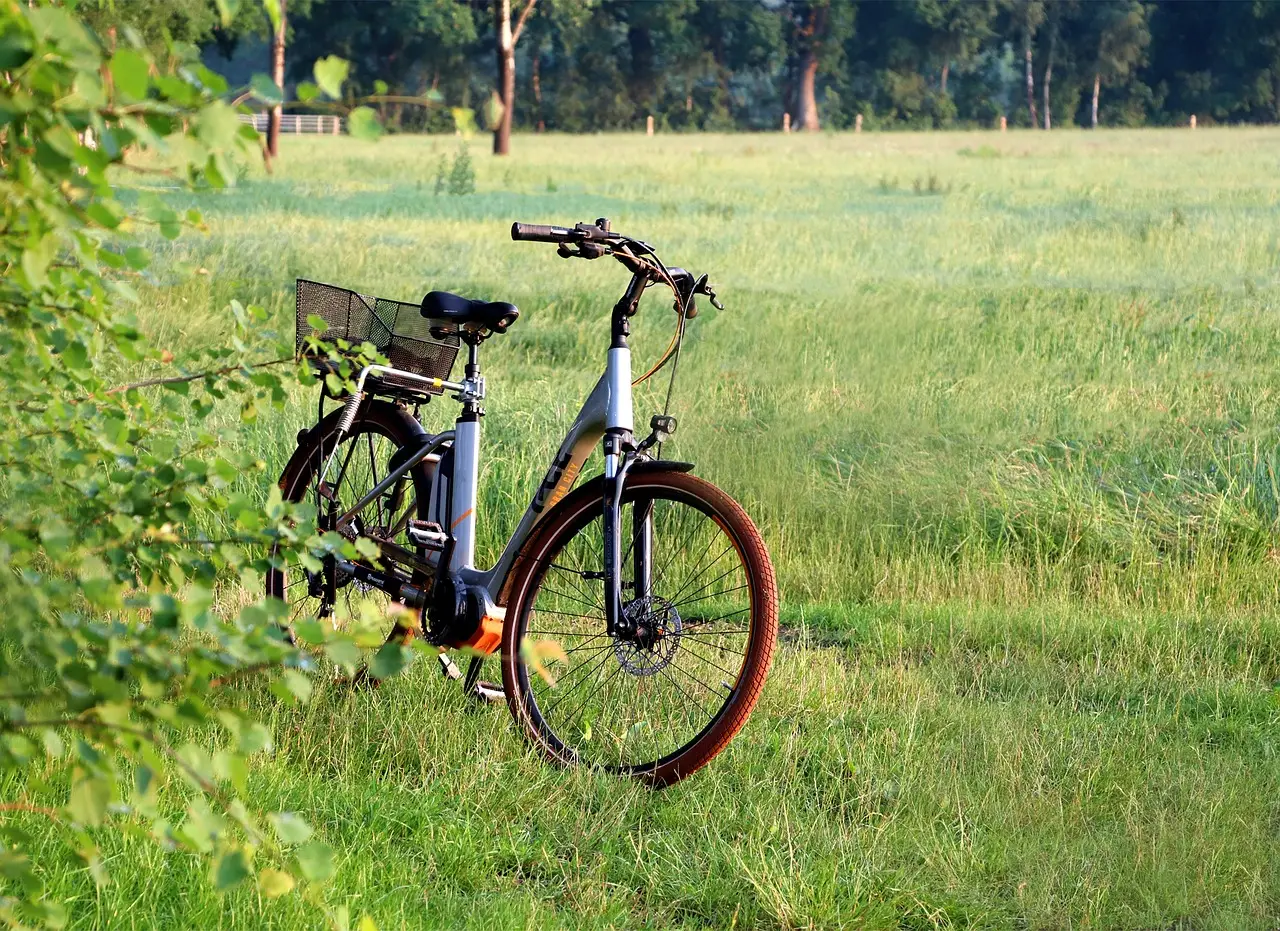
New for 2026, Mackinac Island does not allow e-bikes on the island unless you have a qualifying mobility and disability need and a valid permit. The decision reflects the island’s long-standing commitment to maintaining a genuinely quiet, human-powered environment.
With so many visitors, protecting Mackinac Island’s natural beauty is essential. Tourism can put pressure on local resources, but efforts are in place to reduce its impact. Local groups focus on sustainable tourism by promoting eco-friendly practices. Many businesses encourage recycling and reduce waste. The island’s car-free policy helps maintain clean air and peaceful surroundings.
Isle Royale: Wilderness Without Roads or Crowds
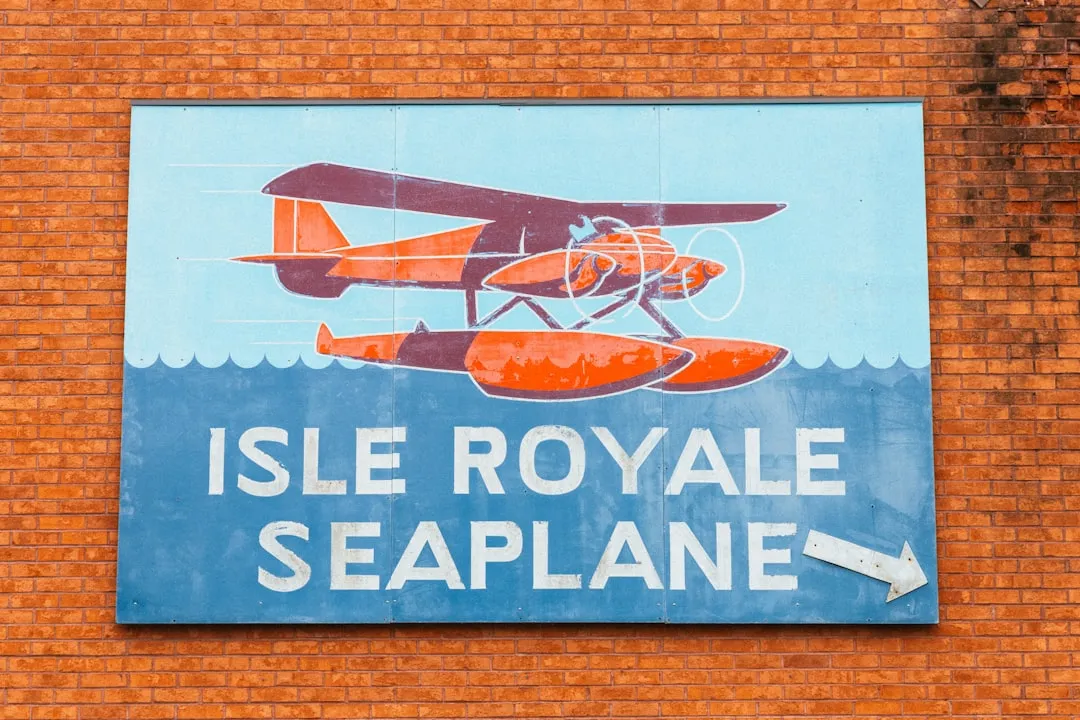
Mackinac Island is the most celebrated, but it is far from the only place in the Great Lakes where you can leave the car entirely behind. Isle Royale National Park, a roadless archipelago in the northwest corner of Lake Superior, is one of the most remote and least-visited national parks in the country. Accessible only by ferry or seaplane, it offers extraordinary wilderness hiking, a world-famous wolf-moose study, and the peaceful solitude of a true island escape.
There are no roads and no wheeled vehicles. Travel on the island is entirely on foot or by water. The park encompasses a total area of 850 square miles including submerged lands, and fully 99 percent of the land mass is federally designated wilderness.
Isle Royale National Park has been the site of the longest-running predator-prey study on Earth. Since 1958, researchers have continuously tracked the populations of wolves and moose on the island, taking advantage of its natural isolation in Lake Superior to study predator-prey dynamics. In the 2024 season, dozens of wolf sightings were reported around the Rock Harbor area.
Isle Royale’s Scale and Solitude
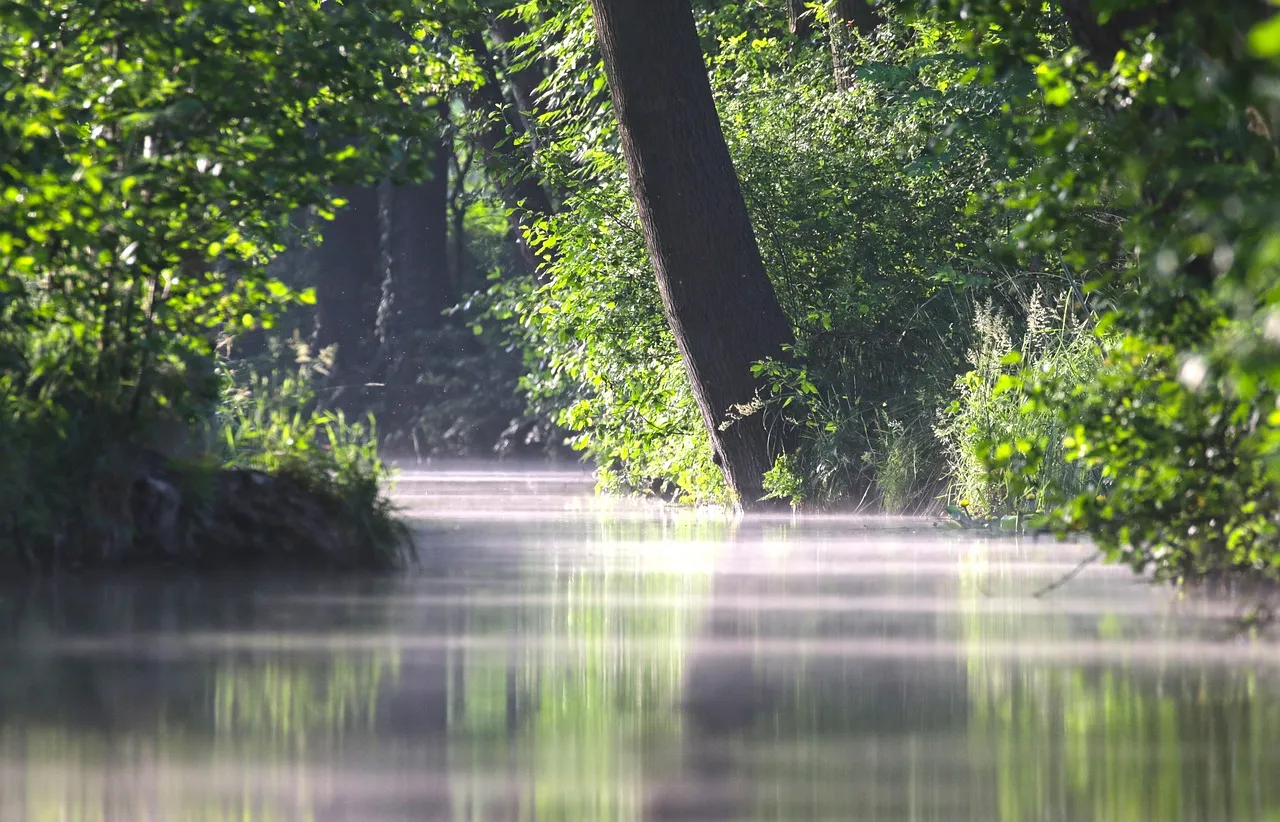
Isle Royale is 45 miles long and 9 miles wide, making it the fifth-largest lake island in the world. It is also the largest natural island in Lake Superior and the second-largest island in the Great Lakes after Manitoulin Island. Its scale is easy to underestimate.
Isle Royale has 165 miles of scenic hiking trails and 36 campgrounds for backpackers, paddlers, and recreational boaters. There is excellent fishing, historic lighthouses, shipwrecks, ancient copper mining sites, and plenty of spots to observe wildlife.
Designated a U.S. Biosphere Reserve, Isle Royale is home to unspoiled forests, sparkling inland lakes, rugged shorelines, and incredible stargazing thanks to its reduced light pollution. The island’s remoteness is itself the main attraction.
South Bass Island: The Lake Erie Alternative
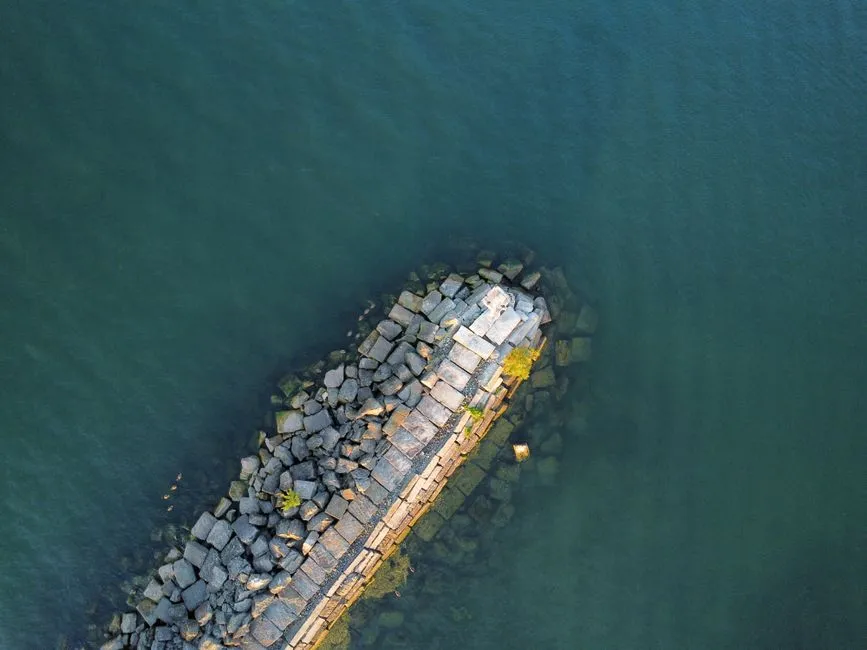
Not every island in this region bans cars outright, but South Bass Island in Lake Erie offers a compelling, low-car experience that draws its own devoted following. South Bass Island, in Lake Erie, Ohio, is home to Put-in-Bay, the Midwest’s favorite island vacation destination. At a diminutive 3.7 miles long by 1.5 miles wide, it is nonetheless brimming with attractions that draw over 750,000 visitors yearly.
Although cars are permitted in Put-in-Bay, most people opt to explore by foot, or with golf cart or bicycle, both of which can be rented upon arriving on the island. The practical effect is a similarly unhurried atmosphere, particularly away from peak summer weekends.
Heineman’s Winery is home to the famous Crystal Cave, which holds the world’s largest geode. The island is a popular recreation spot and is often referred to as the “Key West of Lake Erie.” History, geology, and the open water combine into something genuinely memorable here.
Why the Great Lakes Islands Matter for Slow, Purposeful Travel
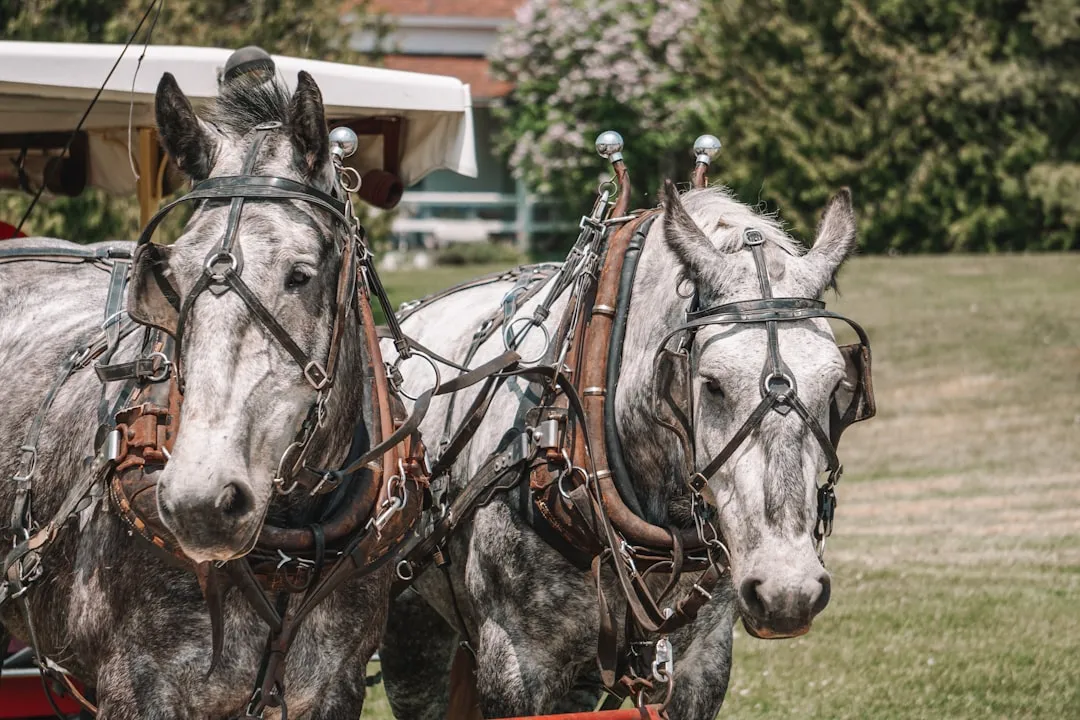
The broader significance of these islands goes beyond novelty. They offer a rare and increasingly valuable thing: a setting where the rhythm of daily movement slows down enough to actually notice where you are. Whether it’s a horse-drawn carriage on Mackinac, a hiking trail through boreal forest on Isle Royale, or a bicycle path circling South Bass Island, the absence of cars reshapes the entire experience of a place.
As automobiles became ubiquitous in the 20th century, the lack of motor vehicles on Mackinac Island gave the place a special character that makes it truly feel like a vacation escape. Visiting Mackinac Island is an opportunity to leave your fast-paced life at the ferry dock for a few days and slow down to clip-clop speed for a much-deserved breather.
No cars, no noise, just lake breezes, lilac-scented paths, and pure island magic. From the remote corners of Lake Superior to the carriage paths of Mackinac Island, the Great Lakes hold thousands of stories and islands waiting to be discovered. That, in the end, is the most compelling reason to go: not just to visit a place, but to actually arrive in one.
AI Disclaimer: This article was created with the assistance of AI tools and reviewed by a human editor.