
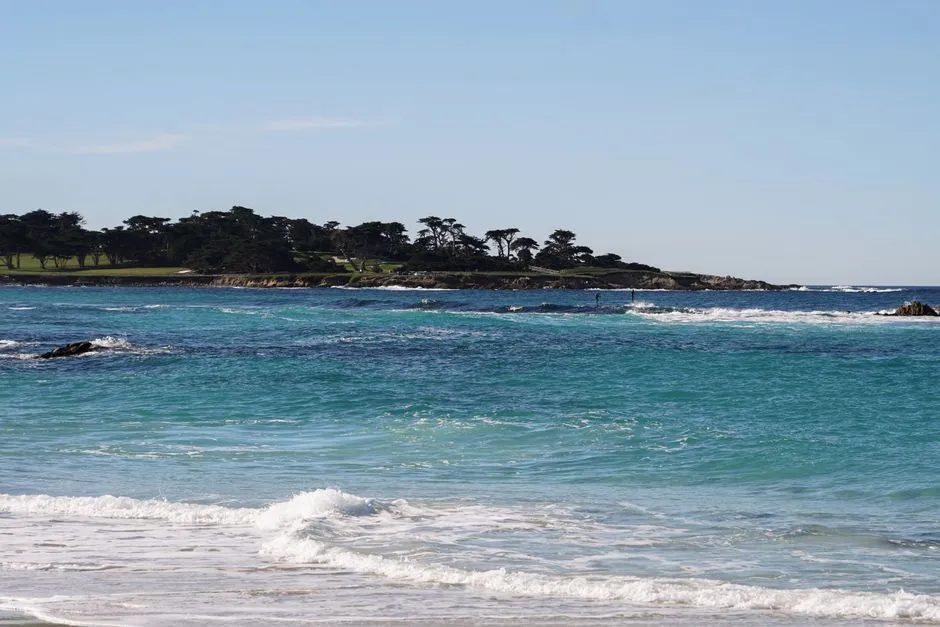

Most people visiting California’s Monterey Peninsula have their sights set on the aquarium, the 17-Mile Drive, or the boutique hotels lining Pacific Grove. Carmel-by-the-Sea, tucked just south of Monterey, is well known for its fairy-tale architecture and cypress-lined roads. What far fewer visitors know is what happens the moment they step onto its beach.
The sand squeaks. Genuinely, audibly squeaks beneath your feet. It’s one of those small sensory surprises that stops people mid-stride and sends them looking around, half-convinced they’ve imagined it. They haven’t.
The Beach Itself: Carmel-by-the-Sea’s White Shore
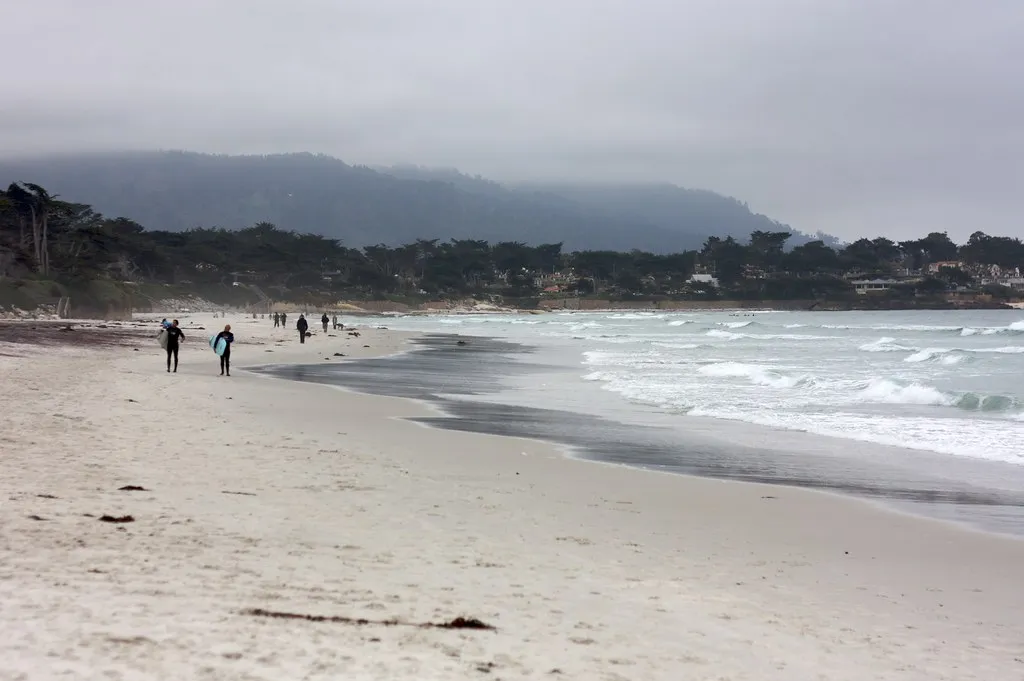
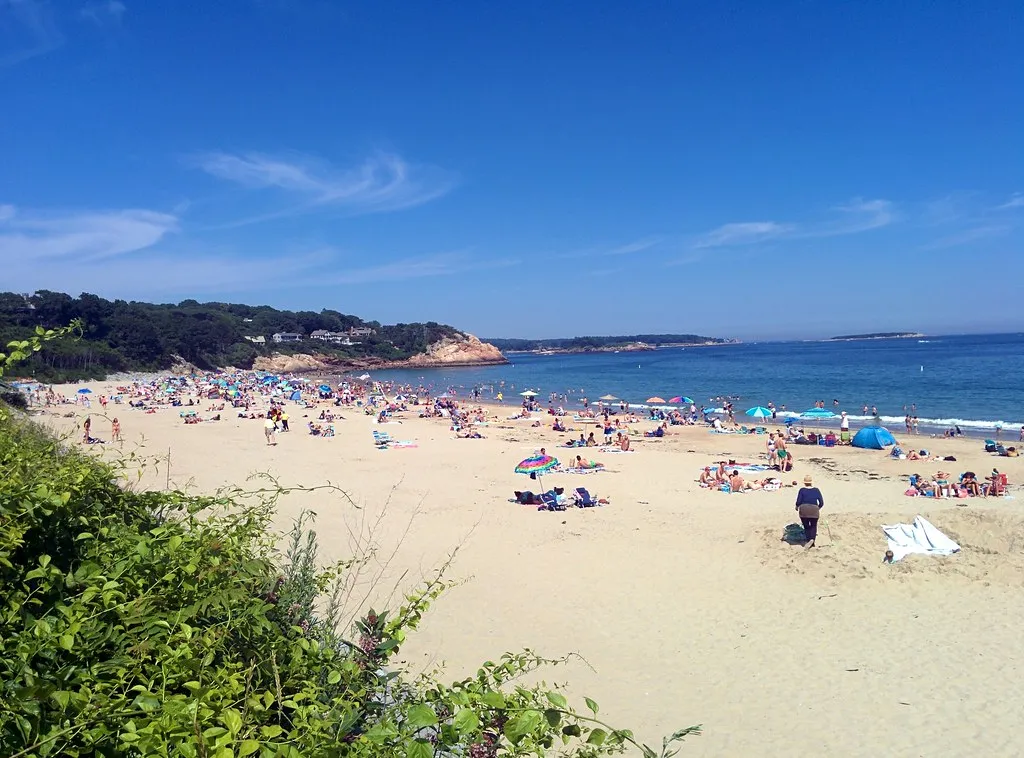
Iconic Carmel-by-the-Sea is known for its many attractions, but perhaps none more so than its splendid, white-sand beach. Whether strolling along the path on Scenic Road or feeling the sand beneath your feet, Carmel Beach remains awe-inspiring to first-time visitors and devoted locals alike.
Carmel Beach is a long, white sand beach that is hard to beat anywhere on the California Central Coast, and it’s widely considered one of the best beaches in the state. The dramatic backdrop of Monterey cypress trees and the cool Pacific surf give it a character that feels distinct from the sunbaked beaches further south.
The sugary white sand of Carmel Beach is one of its iconic features, framing the emerald green, turquoise, and deep blue hues of Carmel Bay. The beach’s sand actually comes from the quartz-like rock underlying the coast, called Santa Lucia granodiorite. That geological origin turns out to be the key to everything.
Yes, the Sand Really Does Squeak
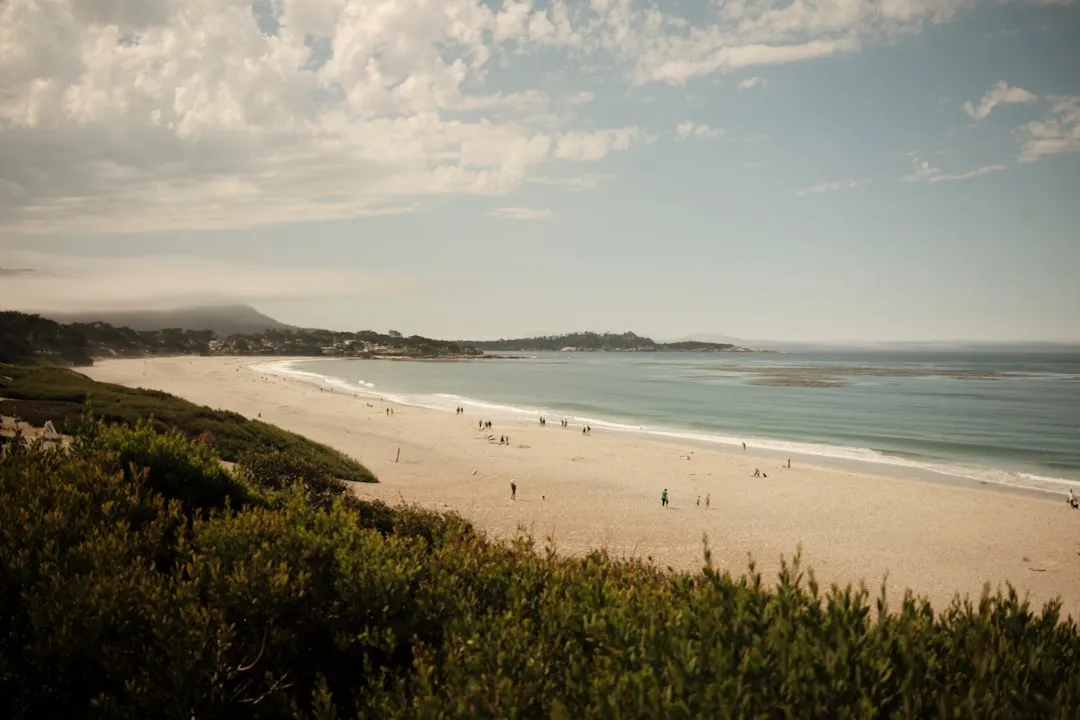
Visitors have confirmed that there are patches of squeaking sand on the beach in Carmel, California, with very fine white sand that squeaks quite dependably near the high wall at the back of the beach.
The sand is white and so fine that it does actually squeak when walked on. The sound is subtle rather than theatrical, more of a soft, high-pitched complaint underfoot than any kind of dramatic noise. Still, once you hear it and realize it’s real, it’s genuinely delightful.
The most common part of the beach on which to hear singing sand is the dry upper beach above the normal high tide line, but singing has been reported on the lower beach near the low tide line as well. So if you visit on a dry, sunny afternoon, head toward the back of the beach first.
The Science Behind the Squeak
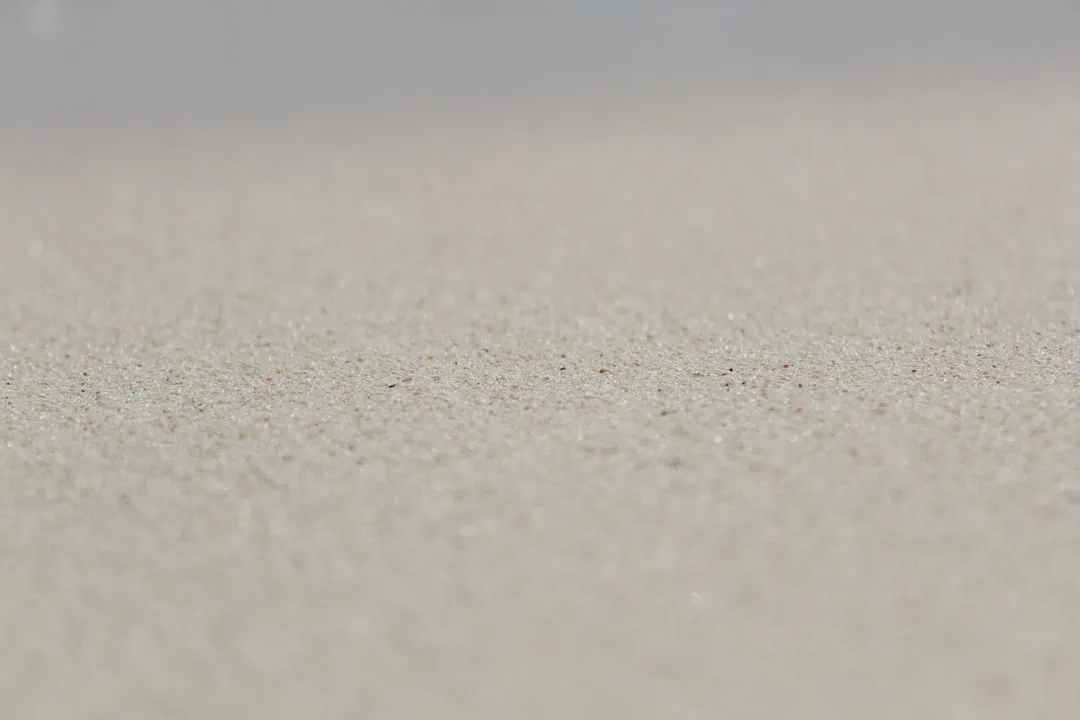
There are beaches around the world that “squeak” or “sing” when you set foot on them, and this phenomenon is entirely natural. It all comes down to the type of sand on the beach, which makes a sound when it is squashed together underfoot. This sand is made from grains of white quartz, which are very round particles all roughly the same size.
When you step on these little quartz particles, the friction rubs the grains together and causes them to vibrate. This vibration transfers to the surrounding air, making its way to our ears so we hear the squeak.
The phenomenon is not completely understood scientifically, but it has been found that quartz sand does this if the grains are highly spherical. It is believed that the sand grains must be of similar size, well sorted by the actions of wind and waves, and that the grains should be close to spherical with surfaces free of dust, pollution, and organic matter.
The Three Conditions That Must All Be Met
Singing beaches have three properties in common: they contain silica, are at a certain level of humidity, and are made up of grains that are between 0.1 and 0.55 mm in diameter. All three conditions need to align at once, which is part of why so few beaches have this quality.
Moisture is one of the factors that can switch the singing on or off entirely. Too much moisture and the sound disappears, because the water creates a film between grains that changes how they interact. That’s why singing beaches tend to perform best on dry, warm days when the surface sand has had a chance to dry out properly.
The same beach that squeaks beautifully on a sunny afternoon might be completely silent after a wave has swept over it, or on a damp morning before the sun has dried things out. This has led some visitors to report that a beach they’d heard about turned out to be completely quiet, which is usually down to timing and conditions rather than the reputation being exaggerated.
How the Sound Is Actually Produced
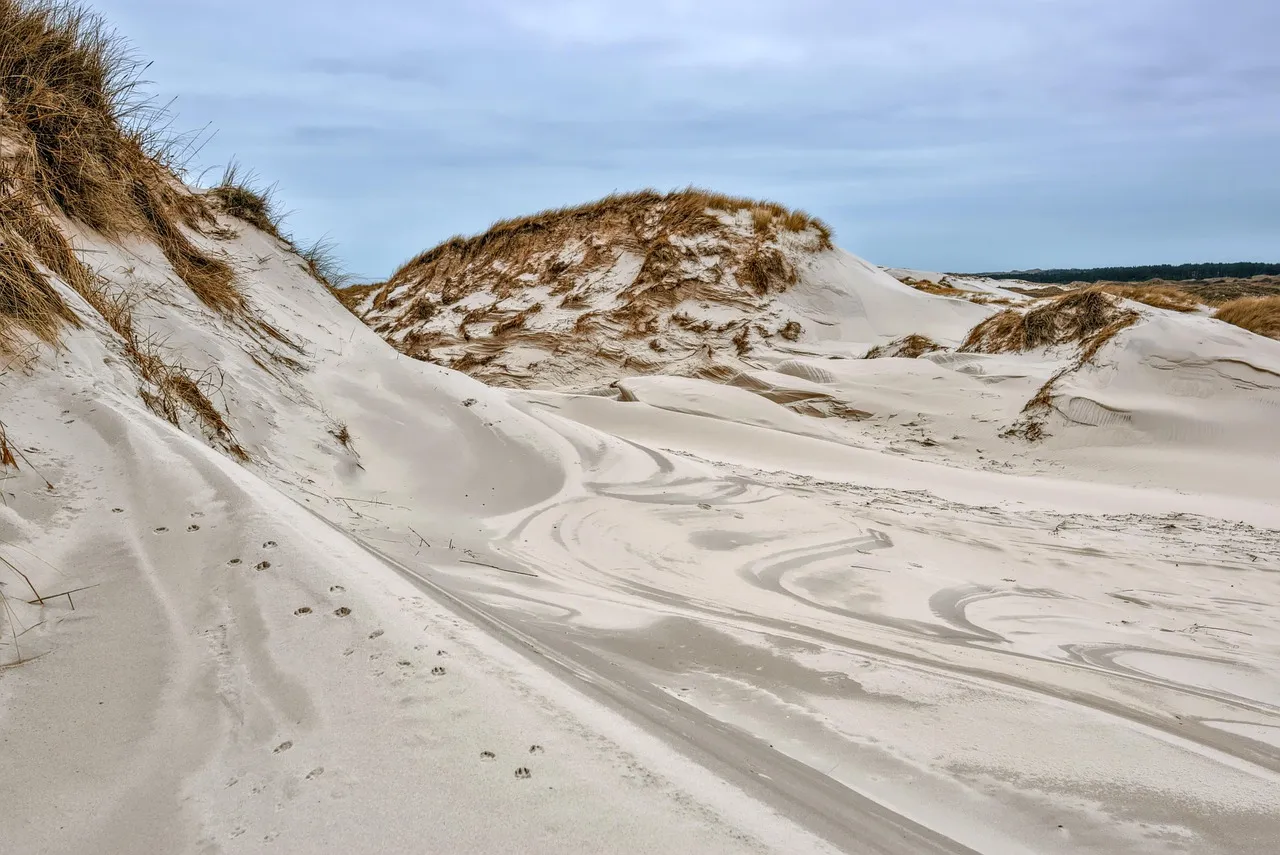
The singing sound is believed to be produced by shear, as each layer of sand grains slides over the layer beneath it. The similarity in size, the uniformity, and the cleanliness of the grains means they move up and down in unison over the layer below them.
A higher-pitched sound in the 500 to 2,500 Hz range is known to occur in dune sand and beach sand, most commonly in dry conditions but occasionally in wet ones. Sands making such sounds are known as whistling, singing, squeaking, or barking sands. The sound usually lasts for a very short time, less than a second.
The most common frequency emitted by singing sand seems to be close to 450 Hz. That puts it somewhere in the range of a soft whistle, which explains why it registers as such a peculiar, clean little sound when you shuffle your feet across the dry upper beach.
What Makes Carmel’s Sand Uniquely Clean
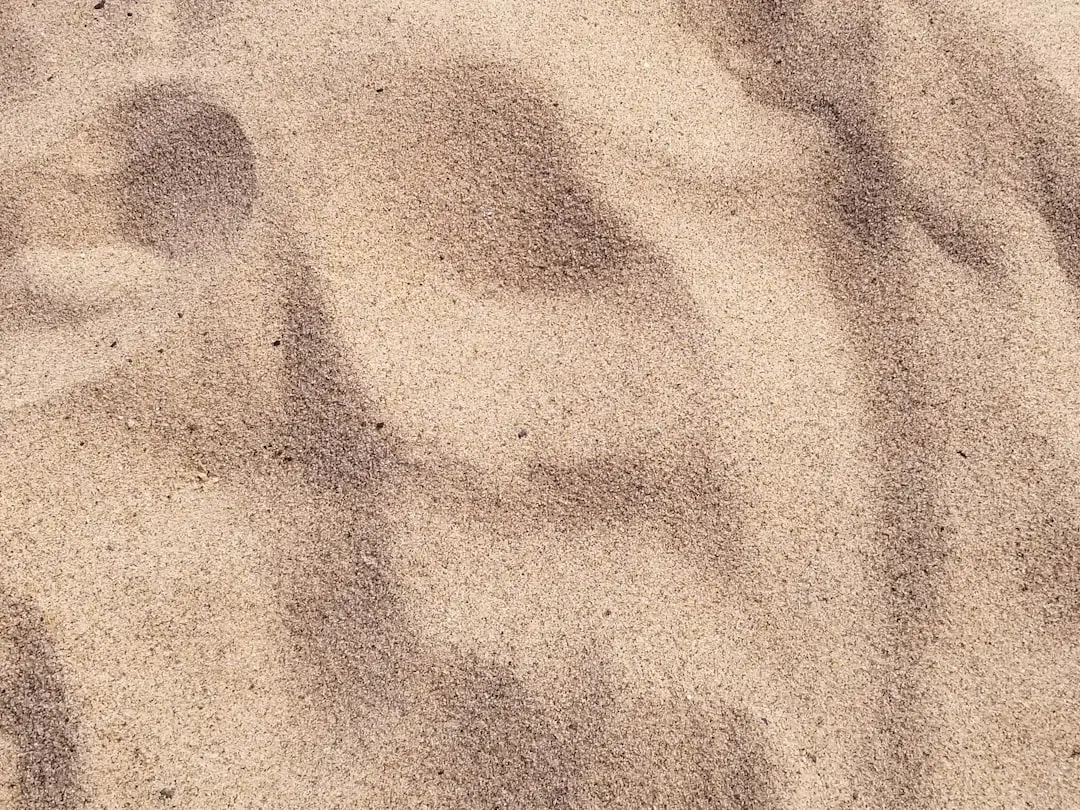
Even small amounts of pollution on the sand grains reduce the friction enough to silence the sand entirely. This makes Carmel’s coastal environment especially important. The relatively cool, foggy climate and the comparatively low recreational traffic on the quieter stretches of shore help preserve the grain purity that keeps the squeak alive.
When we compare musical sand with ordinary sand, singing sand appears to be whiter and more lustrous compared to its silent counterparts. This is because singing sand is almost entirely composed of white quartz grains.
The powerful waves filter and sort the sand particles well, depositing evenly sized grains on the shore. The strong wave action also results in the abrasion of sand particles over time, smoothing their surfaces. Carmel Bay’s consistent surf plays a direct role in maintaining those conditions year after year.
California’s Other Singing Sands: The Kelso and Eureka Dunes
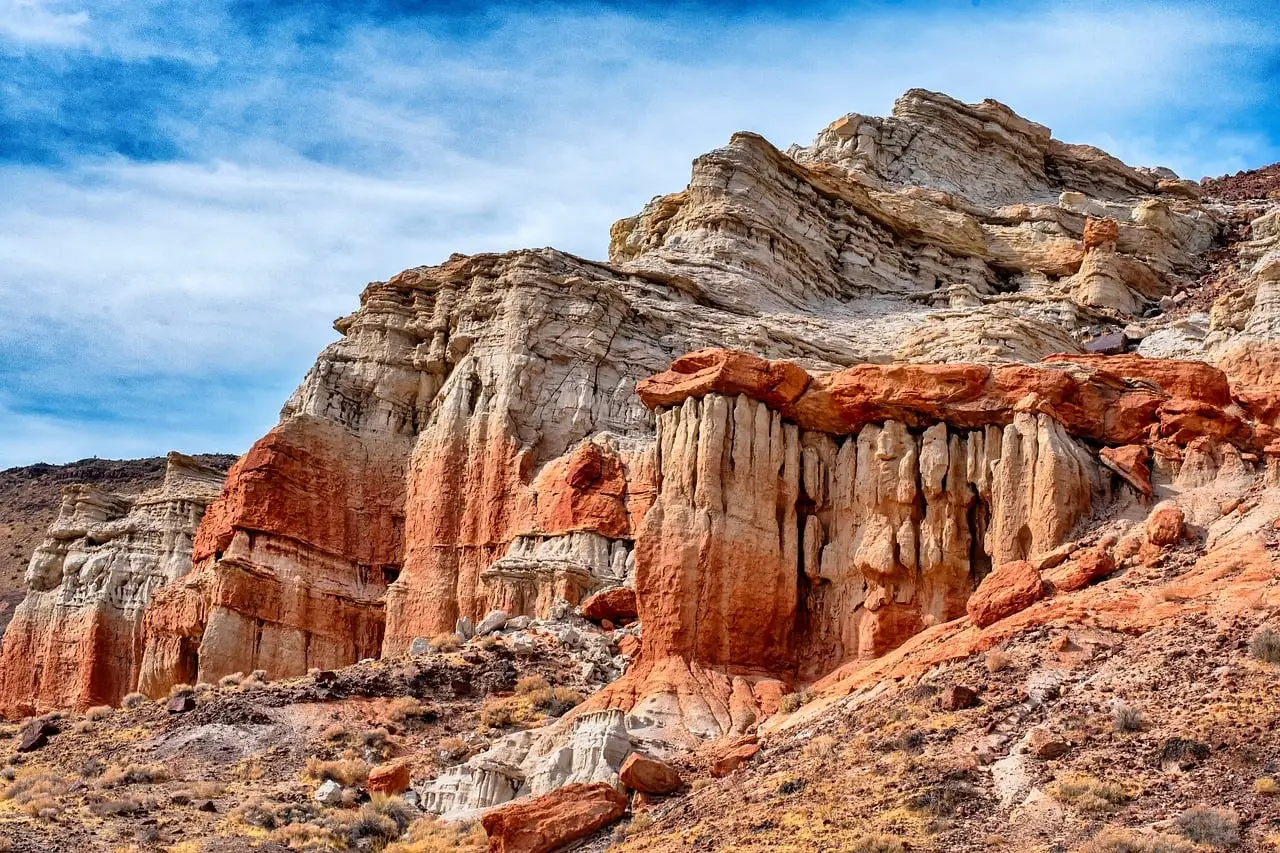
The Kelso Dunes in California’s Mojave Desert are also notable for the phenomenon known as singing sand, or booming dunes. Enthusiasts sometimes climb to the top of the dunes and slide down slowly, generating a low-frequency rumble that can be both felt and heard.
Kelso Dunes, the largest field of aeolian sand deposits in the Mojave Desert, covers roughly 45 square miles and includes migrating dunes, vegetation-stabilized dunes, sand sheets, and sand ramps. The tallest dunes rise up to 650 feet above the surrounding terrain.
Located in the remote Death Valley section of California, the Eureka Dunes are some of the tallest sand dunes in North America, reaching heights of up to 700 feet. These dunes are known for their unique singing sand phenomenon, with the sand emitting a low booming sound when disturbed. The contrast between the coastal squeak at Carmel and the deep desert boom of Kelso or Eureka illustrates just how varied this phenomenon can be.
How Pollution Silences Squeaky Beaches
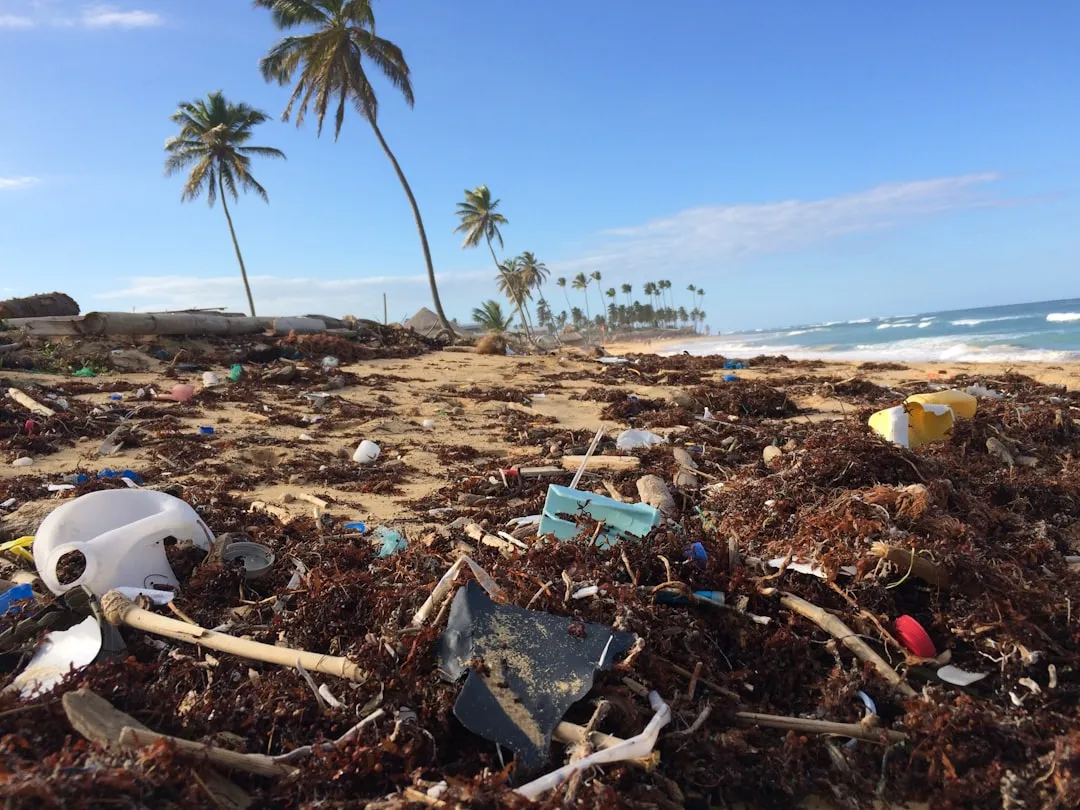
Pollution of shorelines and seawater increases the amount of foreign matter within the quartz sand. The accumulation of clay and oil disrupts the shearing of sand grains. An increase in impurities and the deformation of shorelines due to human activities have made this rare phenomenon disappear from many locations.
Pollution events like oil spills or landslides can also affect the squeakiness of beaches as the sand becomes diluted with other elements. However, a Japanese physicist found that purifying the quartz grains again could bring back their sound. This can be done by washing the grains with water, hydrochloric acid, and hydrofluoric acid, and then boiling them.
Despite being studied seriously for decades, there’s still genuine scientific debate about the precise mechanism behind both beach squeaking and dune booming. The broad picture is reasonably well understood, but the finer details are contested. That ongoing mystery is part of what makes these places feel so alive.
How Rare Is This, Really?
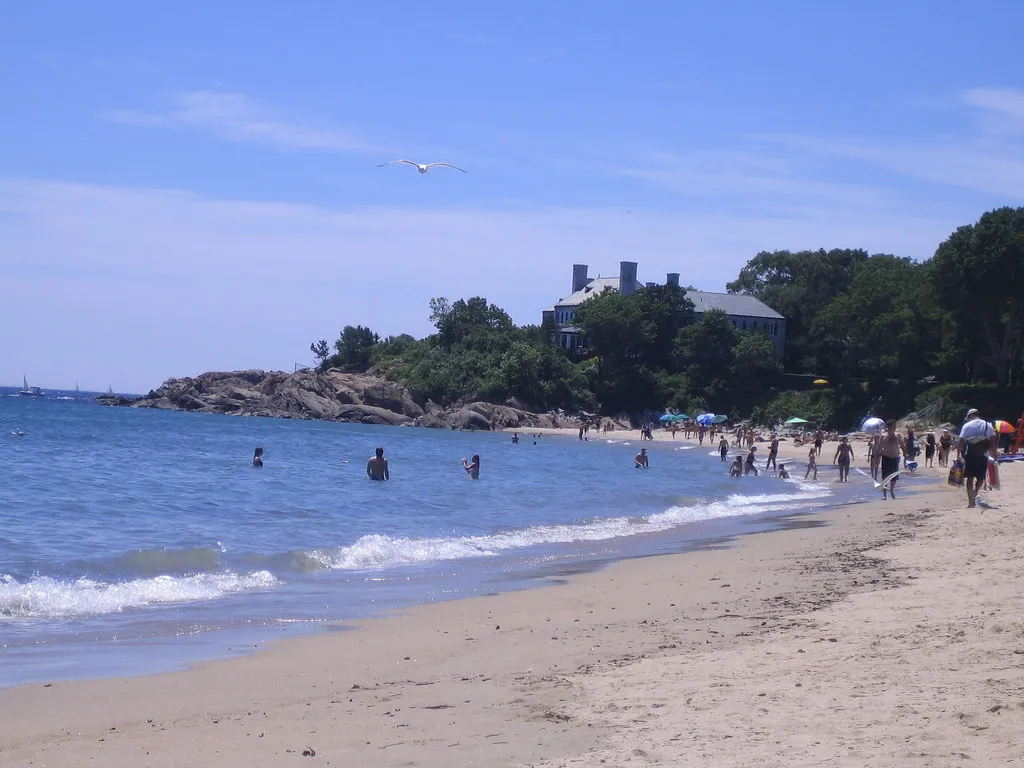
Squeaking beaches are found in many places around the world, on every continent except Antarctica. Yet that global distribution can be misleading. Most of those beaches are concentrated in a handful of regions, and on any given coast, the conditions that allow it are genuinely uncommon.
Japan has around 30 singing beaches, and the most famous is Kotohikihama. There is also a singing beach at Manchester-by-the-Sea in Massachusetts, less than an hour’s drive from Boston. California, with its mix of granite-derived quartz coastlines and energetic Pacific surf, holds its own small but meaningful place on that global map.
Singing sand remains one of those natural phenomena that is easier to observe than to explain completely. There’s something quietly wonderful about that – a beach feature studied by physicists and geologists for more than a century, still holding a few secrets.
Tips for Hearing It Yourself
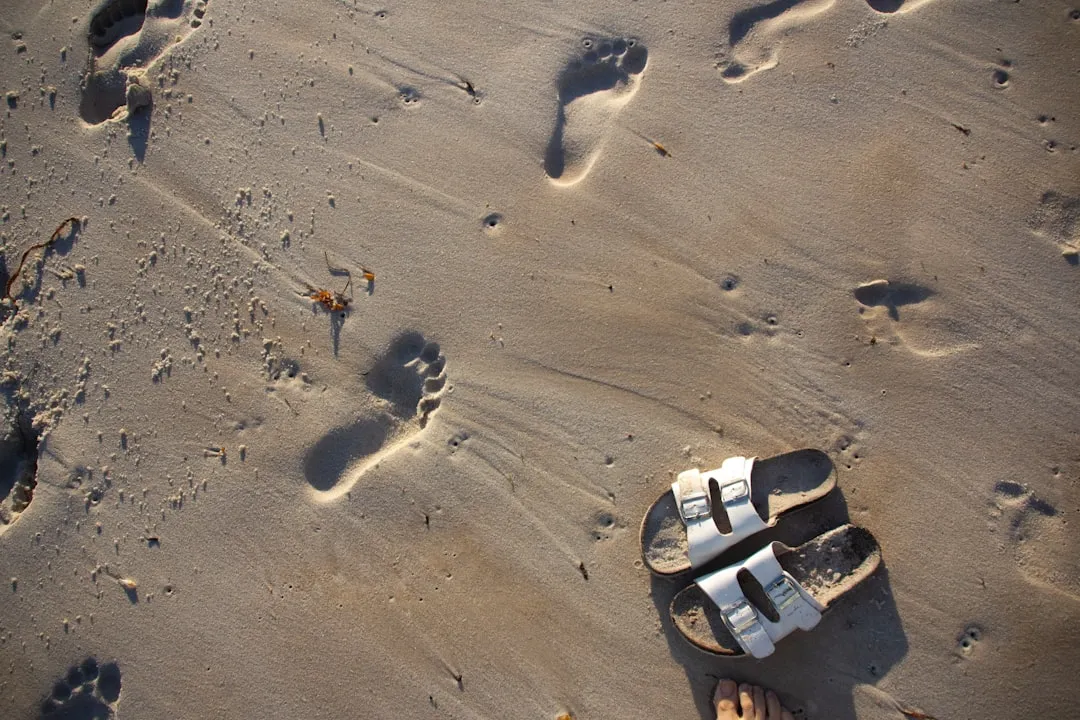
If you find yourself at one of these beaches, the best way to make the sand squeak really loudly is to find somewhere with dry sand and rub your feet in it quickly without lifting them out. This creates enough friction that the sand will make a noise you’ll be able to hear.
The squeaking is most audible when the sand has been recently washed, and so it’s rarely heard far from the shoreline. The sand needs to be dry, though submerged sand can also sometimes squeak. A calm, sunny afternoon when the tide has receded gives you the best chance of catching the sound clearly.
The Carmel coast is often cool and cloudy, making it easier to find your own space on the large beach. Even on busy days, if you venture north or south from the main access at Ocean Avenue, you’ll find quieter spaces. A quieter stretch is also where you’re most likely to actually hear the squeak, away from the noise of crowds.
A Beach Worth Knowing
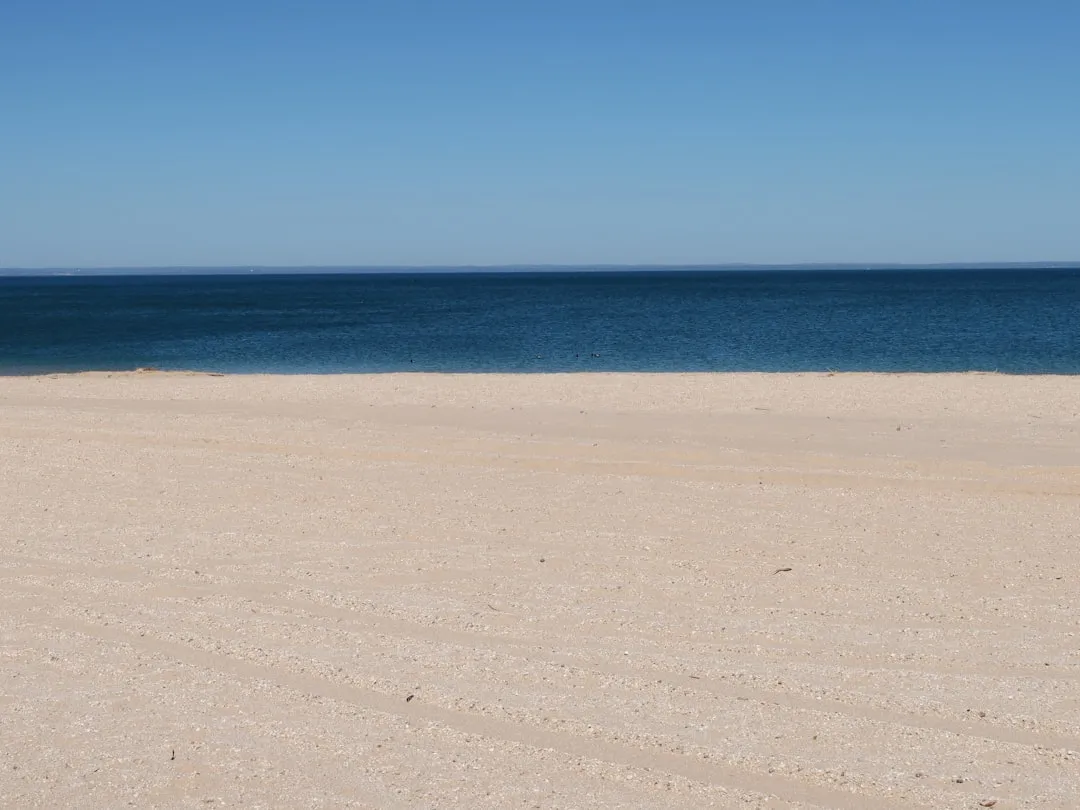
Carmel Beach draws visitors for its scenery, its sunsets, and its dog-friendly atmosphere. The squeaking sand is rarely the reason anyone books the trip. Most people who discover it do so by accident, mid-walk, wondering for a moment if they’ve stepped on something alive.
The science behind singing sand and squeaky beaches is still an open subject. That openness feels fitting for a place like Carmel, where the beauty is obvious but the details reward patience. The squeak is easy to miss if you’re walking fast or not paying attention, which is perhaps the gentler point this beach is trying to make.
Some of the best travel experiences don’t announce themselves. They wait for you to slow down enough to hear them.
AI Disclaimer: This article was created with the assistance of AI tools and reviewed by a human editor.