
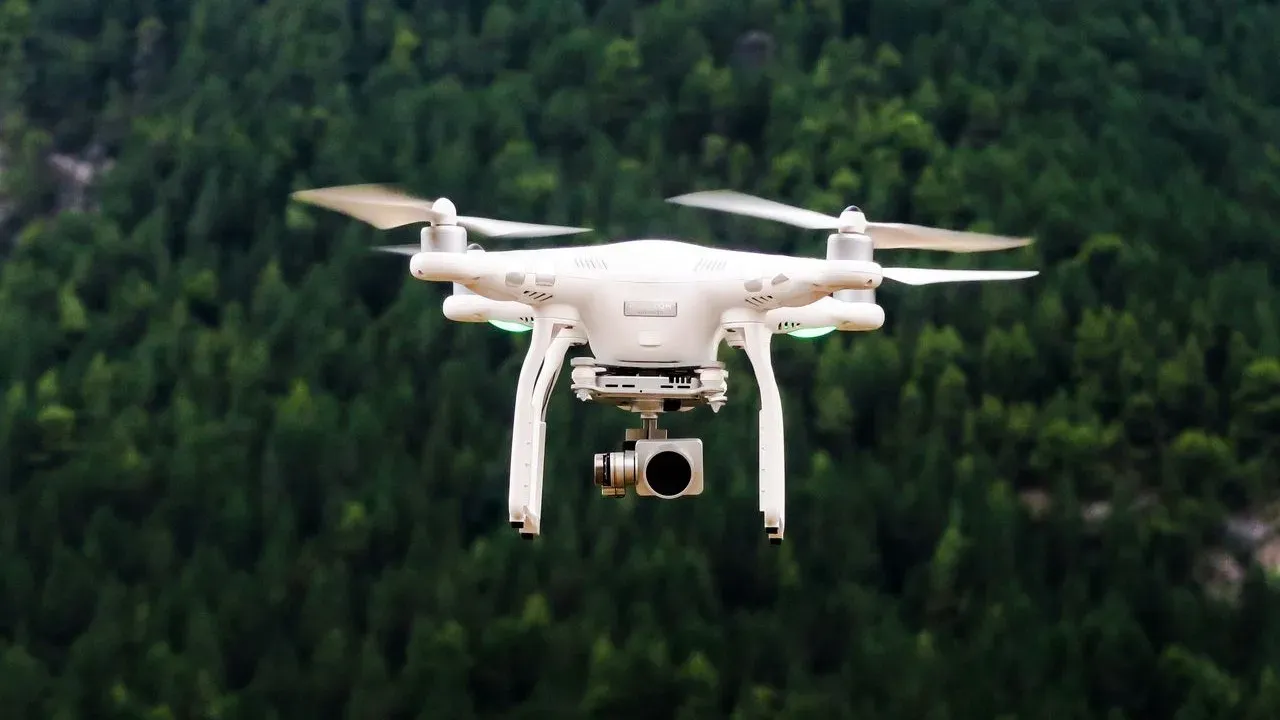

John F. Kennedy International Airport handled its usual flow of arrivals and departures on June 30, 2026, when a JetBlue aircraft made contact with a drone in the final moments before touchdown. The same day brought a separate report from a helicopter pilot describing a near miss with a remote-controlled plane in the same airspace. These events unfolded against the backdrop of routine operations at one of the country’s busiest gateways for domestic and international travelers.
Details of the JetBlue Encounter
The JetBlue flight experienced the drone strike while approaching the runway, a moment when pilots and air traffic control maintain precise coordination to ensure safe landings. Airport authorities noted the incident without indicating any disruption to the aircraft’s ability to complete its arrival or to ongoing operations at the facility. Such occurrences remain uncommon, yet they draw attention to the expanding presence of unmanned aircraft in shared airspace near major hubs.
Passengers on board continued through standard arrival procedures once the plane reached the gate. The airline and relevant federal agencies began reviewing the details as part of established safety protocols that prioritize thorough documentation after any in-flight anomaly.
The Helicopter Pilot’s Separate Report
Elsewhere in the region that day, a helicopter pilot filed a report describing a close encounter with a remote-controlled plane. The two aircraft operated at different altitudes and under distinct flight rules, yet the timing placed both incidents within the same 24-hour window around New York’s primary international airport. Aviation authorities treat each report as an independent matter requiring its own investigation.
Helicopter operations near urban centers often involve medical transport, news gathering, or private charters, all of which share the sky with commercial jets and smaller recreational devices. The pilot’s account added another data point to ongoing discussions about how to manage the growing variety of aircraft in busy terminal areas.
Practical Implications for Travelers
Airports like JFK serve millions of passengers each year who rely on layered safety systems managed by the Federal Aviation Administration, airlines, and local controllers. When an incident occurs, the response typically includes immediate assessment of the aircraft involved, followed by coordination with drone registration databases and local law enforcement where appropriate. Travelers benefit from these procedures even when they remain unaware of the behind-the-scenes work.
Those planning flights through major gateways can stay informed by monitoring official airline communications and airport advisories. Routine delays or gate changes sometimes stem from such reviews, yet the overall system continues to move large volumes of traffic with high reliability. Understanding that multiple stakeholders review every report helps place individual events in proper context.
Looking Ahead at Airspace Management
Efforts to integrate drones safely into national airspace have accelerated in recent years, with new rules governing registration, altitude limits, and remote identification. These measures aim to preserve the freedom of recreational and commercial drone use while protecting the corridors used by passenger aircraft. Continued refinement of detection technology and pilot training supports both goals.
Travelers who value reliable connections between cities and countries contribute to the demand for these balanced policies. When incidents surface, they serve as reminders that vigilance across all sectors of aviation remains essential to sustaining the connectivity that makes purposeful journeys possible.
Key points for passengers: incidents are investigated promptly; airlines maintain robust safety records; awareness of official updates supports smooth travel planning.
AI Disclaimer: This article was created with the assistance of AI tools and reviewed by a human editor.