


Every spring and summer, something ancient and unhurried happens along coastlines across the Americas, the Pacific, and beyond. Female sea turtles, driven by instincts honed over millions of years, haul themselves ashore under cover of darkness to lay their eggs. It’s one of nature’s most quietly dramatic events, and it’s happening right now, in the same places it always has, with one crucial difference: the world around those beaches has changed considerably.
Scientists reviewing records from nesting beaches around the world have found a generally encouraging picture of stable or upward trends across species and subpopulations. Analyzing almost 300 different records of turtle numbers over time, significant population increases were three times more common than significant decreases, and in an updated compilation published in 2024, significant increases were six times more frequent than significant decreases. That’s meaningful progress. Still, the threats are real, and ordinary people have more power to help than most realize.
Understand What Nesting Season Actually Looks Like
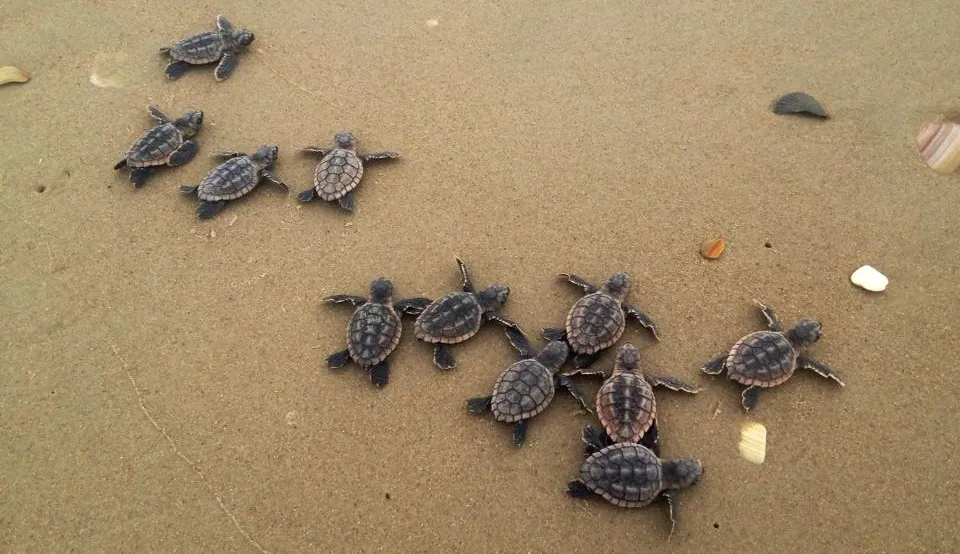
Loggerhead and green sea turtles nest along U.S. coastlines from March through October, with peak nesting typically occurring between May and August. The timing shifts a little depending on where you are. Sea turtles typically return to nest in March along Florida’s southeast Atlantic coast from Brevard County south to Broward County, while nesting begins on the Gulf Coast or north Florida beaches in April or May.
In 2025, loggerhead turtles had a very successful nesting season, with over 50,000 nests documented on Florida’s 27 core index beaches, bringing loggerhead nest counts to levels more commonly observed in the 1990s. That context matters. Population recovery is genuinely possible when nesting beaches are protected. Each nest contains on average 100 eggs, which sounds like a lot, but when we consider that only one in a thousand turtles will reach adulthood, each and every egg is vitally important.
Turn Off Lights Facing the Beach After Dark
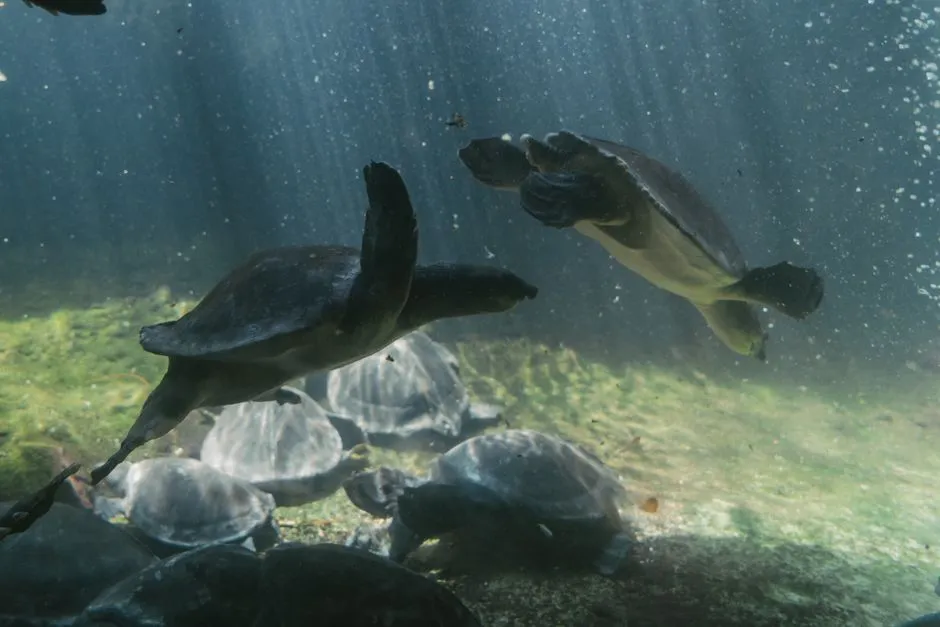
During this critical period, beachgoers can play a vital role in protecting threatened species. Artificial lighting can disorient nesting females and hatchlings, leading them away from the ocean. This is one of the most documented and preventable threats that beachside residents and visitors cause without even knowing it. Light pollution can disorient adult and hatchling sea turtles, leading them to wander inland, into vegetation or roads, and away from the ocean.
In one recent season, seven nesting adult sea turtles were disoriented and 48 nests experienced hatchling disorientation due to artificial lighting on or near the beach. Those numbers represent real losses that are entirely avoidable. Anyone living along or visiting Florida beaches can do their part by putting porch, parking, or deck lights out when not in use and closing curtains after dark to avoid disorienting nesting and hatchling sea turtles on the beach.
Switch to Turtle-Safe Red or Amber Lighting
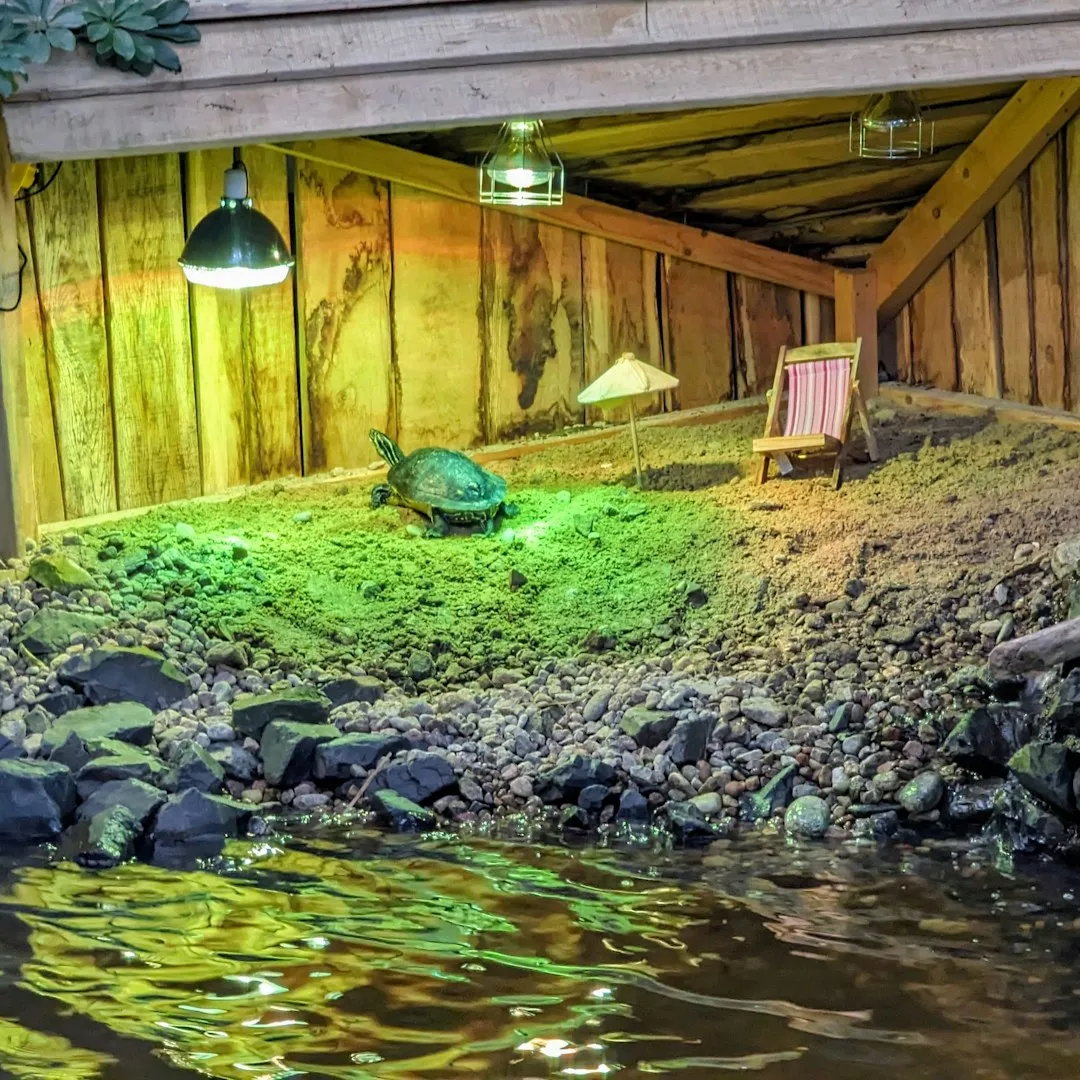
Turtle-safe lighting has been specially designed to emit only long-wavelength light, specifically amber or red LEDs producing light wavelengths not less than 560 nanometers, that is not disruptive to nesting sea turtles or their hatchlings. This is a practical, affordable solution for homeowners, hotels, and municipalities in coastal zones. If you must be on the beach after dark, use only red-filtered flashlights.
Turn off any balcony or outside lights that aren’t turtle-friendly, and close curtains and blinds to prevent inside lights from shining onto the beach. It’s a small adjustment that costs nothing. Keeping ocean-facing windows of your beachfront accommodation covered after 10 pm helps, because the lights from windows shining on the beaches make it difficult for sea turtles to follow the moonlight to return to the ocean.
Keep the Beach Flat, Clean, and Clear Before Sunset
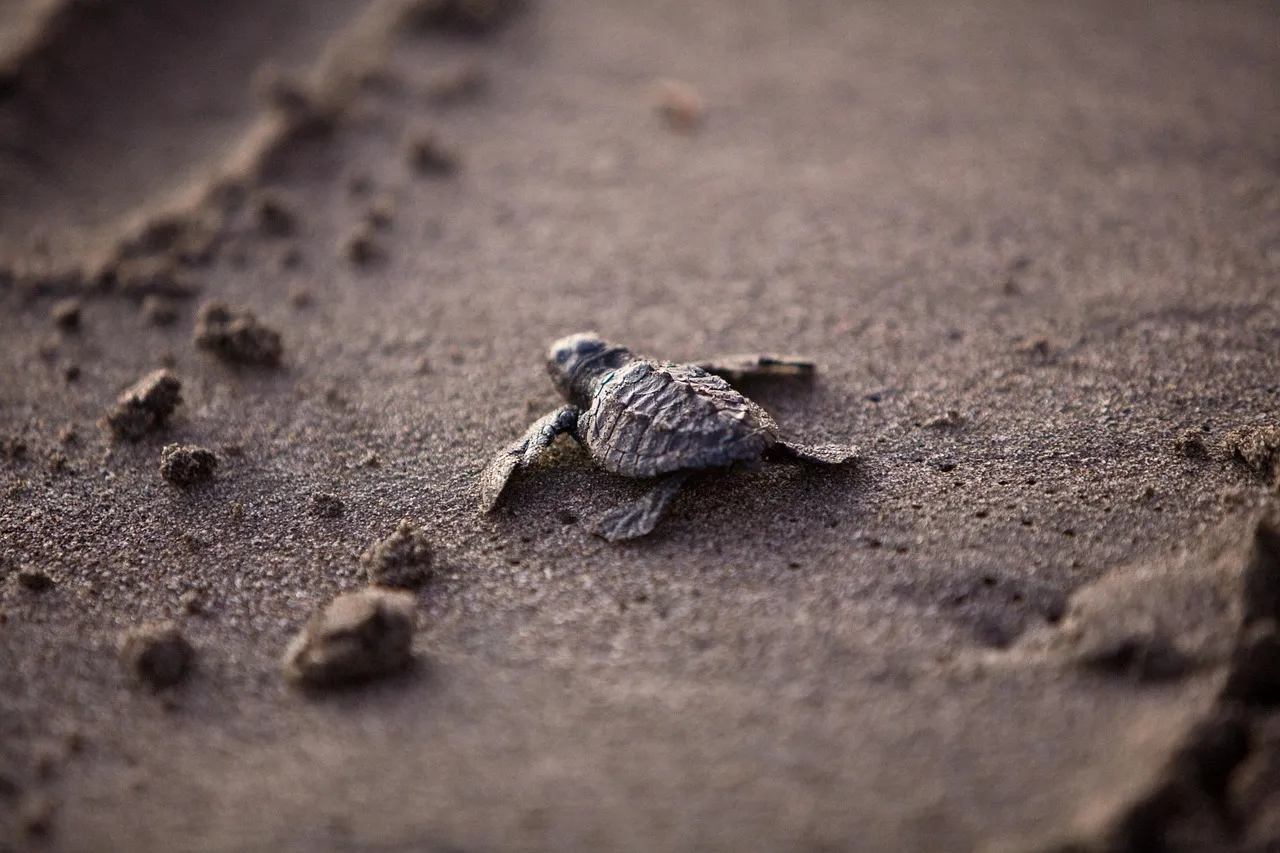
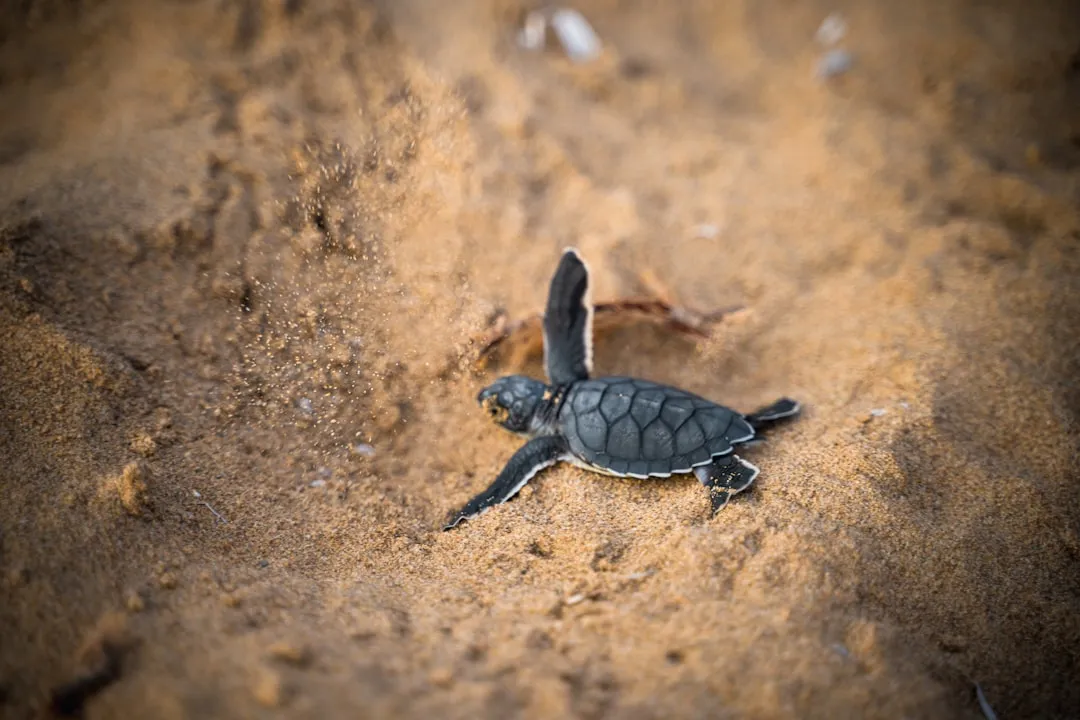
Fill in holes, knock down sandcastles, and remove beach equipment like chairs and umbrellas before leaving. Obstacles can trap or deter turtles from nesting and hinder hatchlings from reaching the sea. It sounds almost too simple to matter, but for a hatchling only a few centimeters long, even a footprint left in soft sand can become a serious obstacle. For the safety of sea turtles and other beachgoers, fill in all holes dug in the sand and refrain from digging excessively deep holes, as these can trap turtles coming ashore to nest and hatchlings heading towards the Gulf and cause them to get stuck.
Food scraps attract predators, such as raccoons and crows, that can prey on sea turtle hatchlings, as well as shorebird eggs and chicks. Keeping your picnic area genuinely clean protects more than just the beach aesthetic. Properly dispose of all trash, fill in human-made holes in the sand, and remove all beach toys and furniture from the beach before sunset.
Give Nesting Females and Hatchlings Plenty of Space
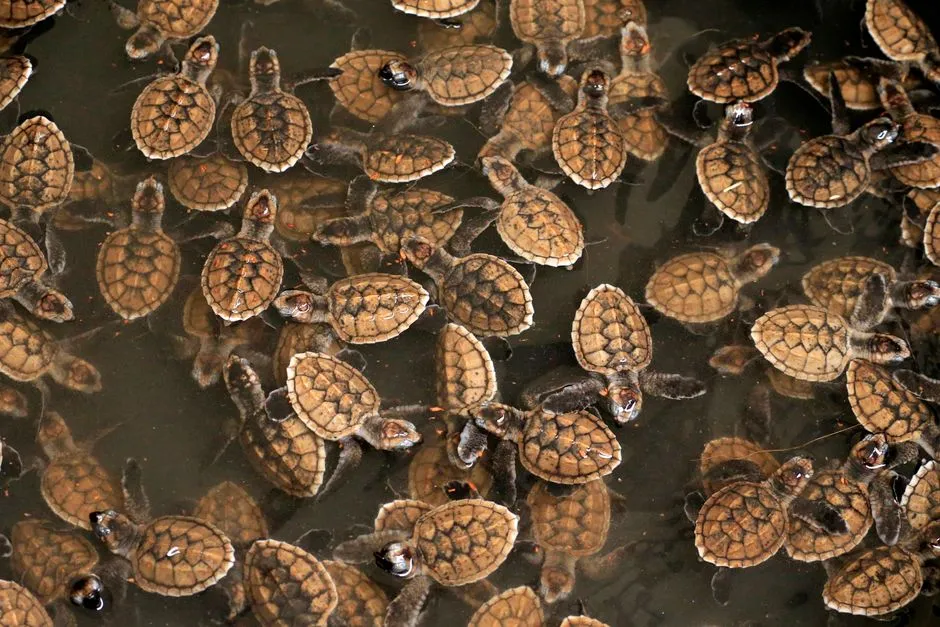
While it can be exciting to witness sea turtles on the beach, getting too close, within 50 feet or less, to nesting sea turtles can cause them to leave the beach before they complete the nesting process. A female who abandons her nesting attempt may not find another suitable location in time, which puts that entire clutch of eggs at risk. It is illegal to harm or disturb nesting sea turtles, their nests and eggs, or to pick up hatchlings.
Never pick up hatchlings and place them into the ocean. The crawl through the sand helps hatchlings, preparing them for when they mature and return to nest as adults. This is a common and well-intentioned mistake. Disturbing sea turtles, such as feeding, touching, or shining flashlights, can incur fines of up to $15,000 for each offense.
Reduce Your Plastic Use Before You Even Get to the Beach
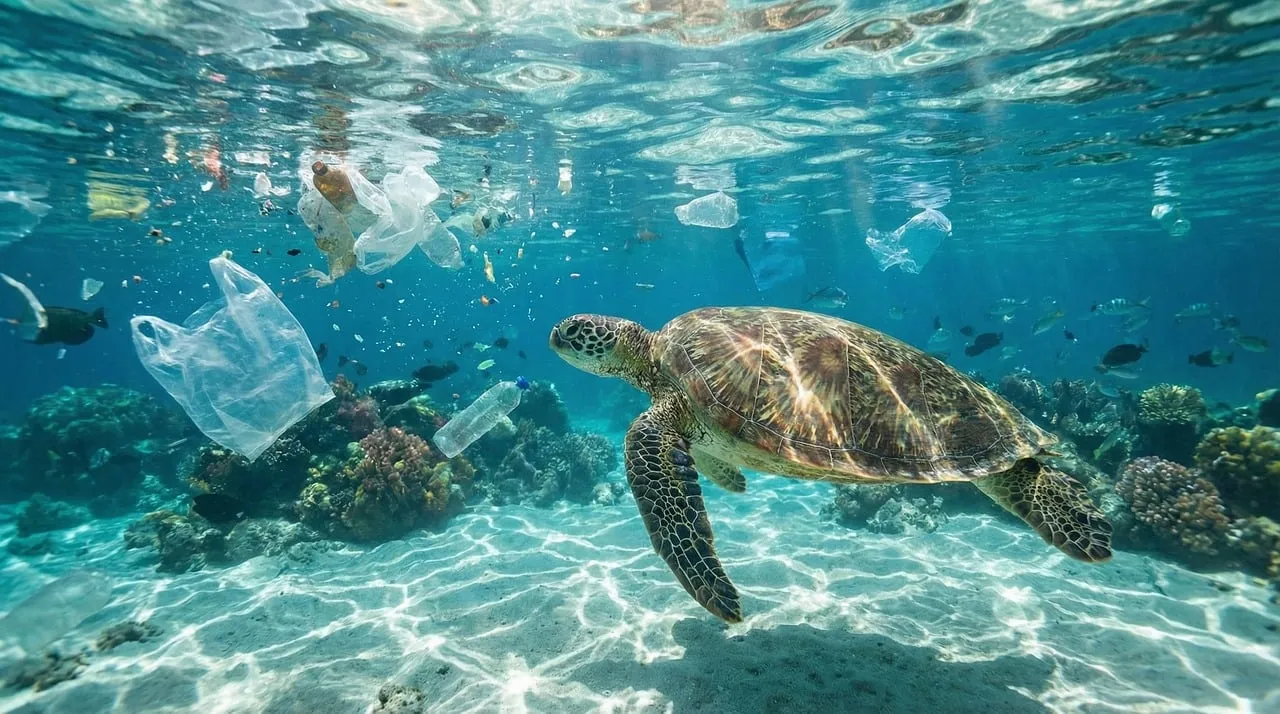
One in 20 sea turtles studied died from ingesting plastics. Nearly half of all sea turtles, a third of seabirds, and 12 percent of marine mammals in one dataset had plastics in their digestive tracts at their time of death. Those numbers come from a groundbreaking Ocean Conservancy study released in late 2025, and they put the scale of the problem in sharp relief. At least 11 million metric tons of plastic pollution enter the ocean per year, and with more than 170 trillion plastic particles estimated to be floating on the ocean’s surface alone, plastic poses a serious threat to sea turtles and all marine life.
By reducing your use of single-use plastics such as straws, plastic bags, and disposable utensils, and properly disposing of your waste in appropriate bins, you make a real difference. It doesn’t require a major lifestyle overhaul. Avoid using plastics, balloons, straws, and similar items which turtles may mistake for food.
Keep Pets on a Leash Near Nesting Areas

Keep pets leashed at all times while at the beach to prevent them from harming sea turtle nests, nesting shorebirds, and migratory birds. Dogs especially, when off-leash near dunes, can damage nests that are nearly invisible on the surface. Keep dogs leashed to avoid disturbance to sea turtles and other marine wildlife. This applies even in areas where your dog is usually permitted to roam freely during other times of year.
Predation from animals is already one of the leading threats to nesting success. On Cumberland Island, coyote predation caused 12 times as many egg losses as feral hogs, the second largest predator. Adding domestic pets to that mix, even briefly, is an unnecessary risk that’s completely within your control to prevent.
Report Injured, Disoriented, or Stranded Turtles Promptly
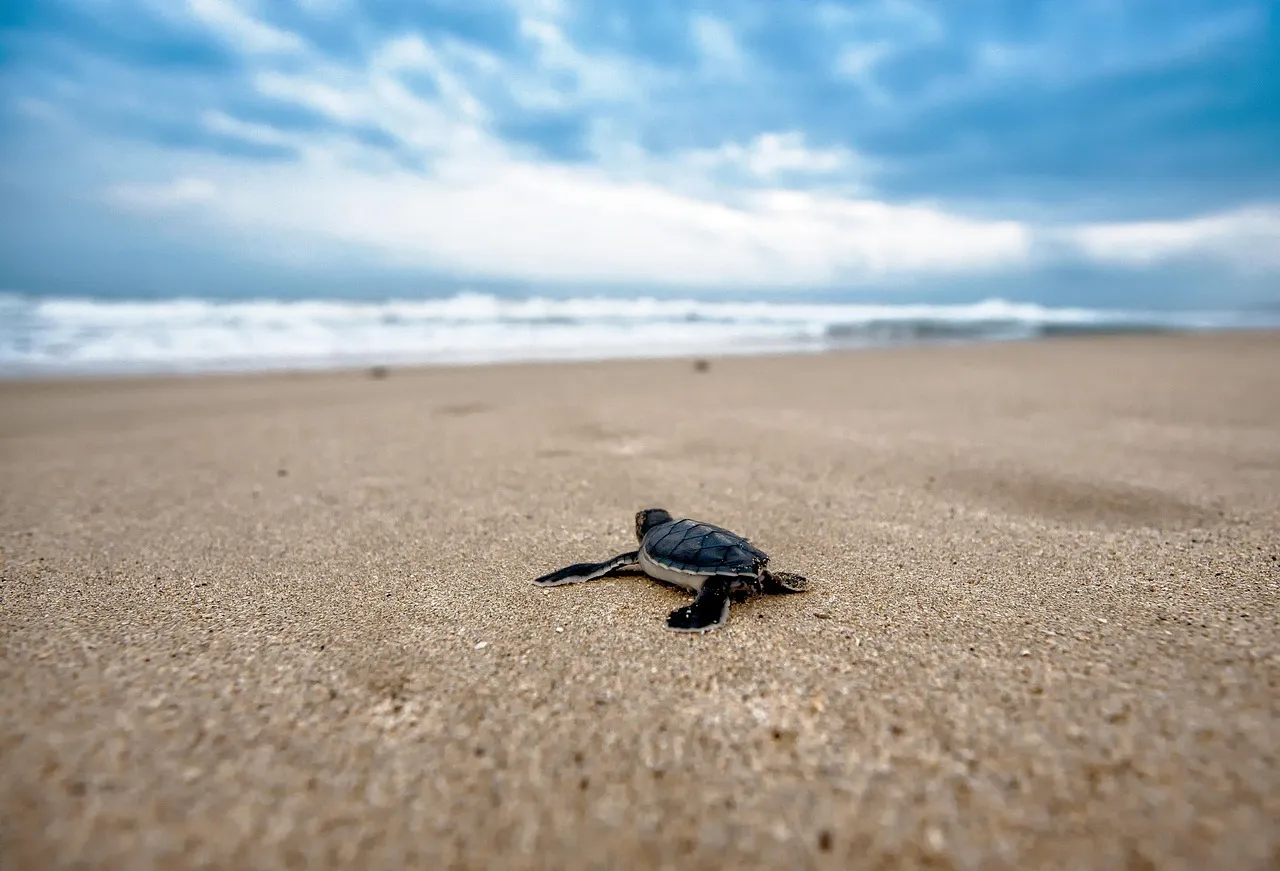
If you see someone disturbing a sea turtle nest, or see an injured, dead, or harassed sea turtle, report it to the FWC’s Wildlife Alert hotline at 888-404-FWCC (3922). Speed matters in these situations. A disoriented hatchling crawling in the wrong direction is burning calories it cannot spare. Lights that can be seen from the beach can cause hatchlings that just emerged from the nest to become disoriented. A disoriented turtle may wander inland or become trapped, unable to locate the ocean, which uses up precious calories, lowering their chances of survival.
If you see hatchlings, call the NOAA hotline so researchers can follow up. You don’t need to intervene physically. If you spot any sea turtle activity, report it to your local sea turtle patrol any time, day or night. Your call will assist in the conservation and protection of nesting females, sea turtle nests, and stranded turtles or hatchlings.
Support Conservation Monitoring Efforts and Volunteers
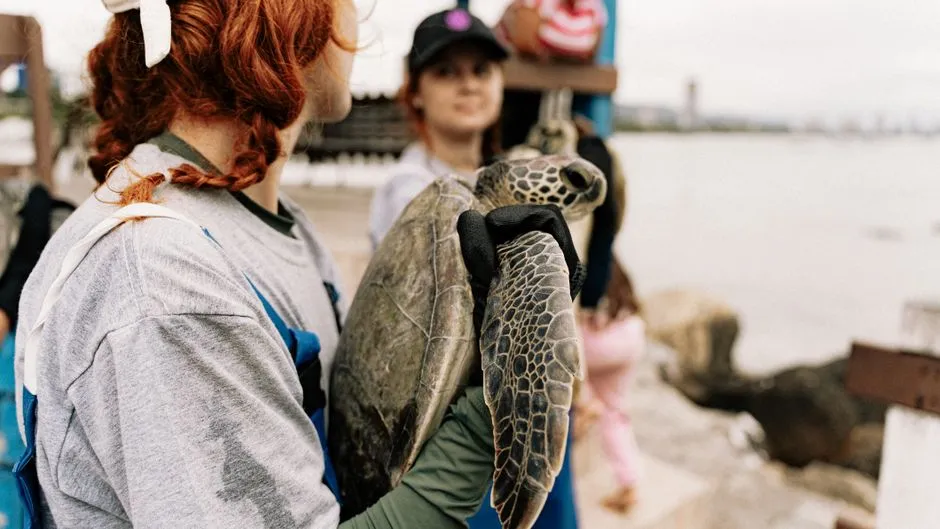
Monitoring teams patrol sea turtle nesting sites for the duration of the season, record nest and hatching data, and protect nests from king tides and other weather disturbances, predation, and human impacts. These teams often rely on community volunteers and depend on public cooperation to be effective. They monitor known nesting sites, conduct evening and nighttime nest watches, and work with state and federal agencies to mark and safeguard nests, helping reduce human disturbance and increase the chances of hatchling survival.
Continued research and education on the need for sea turtle conservation are crucial for influencing policymaking, and public awareness creates political will. Volunteering with a local sea turtle patrol program is one of the most direct contributions a person can make. The success of sea turtles in the North Atlantic is credited to several factors, including national laws and international accords, stranding networks, conservation efforts by nonprofits and local communities, and international collaboration.
Be Thoughtful About the Climate Threats Beyond the Beach
Heavy rains, winds, and storm surges pile on the threats to sea turtles. Nests can drown or wash away, as hundreds did after Hurricane Debby in August 2024, while the erosion of beaches may leave future sea turtles with less area to nest. These storms are beyond any individual’s direct control, but the choices we make collectively about energy use and carbon emissions are not. Because the sex of sea turtles is determined by their incubation temperature, researchers expect increasing heat to induce more female than male hatchlings, which over time creates population imbalances that could undermine even strong nest counts.
In June 2024, tropical storm Alberto caused devastating high tides and flooding, leading to the loss of over 4,000 eggs and reducing one season’s hatch rate to just 37%, a drastic decline from the typical 85%. Recognizing the increasing threats posed by climate change, conservation organizations have committed to rebuilding stronger hatcheries designed to withstand the harsh coastal environment. That adaptive spirit is exactly what this moment calls for.
A Final Thought
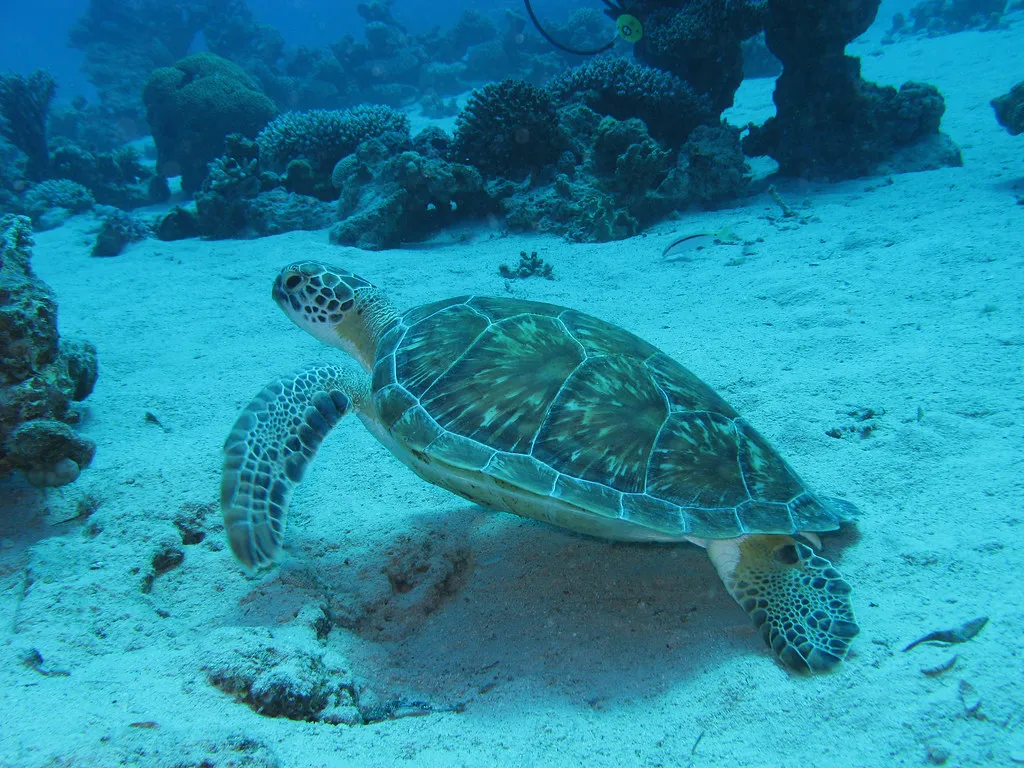
Sea turtles have survived for more than 100 million years. They outlasted the mass extinction that took the dinosaurs. What they haven’t evolved to deal with is a coastline full of artificial light, plastic debris, and unstable storms arriving earlier each season. The things that threaten them most right now aren’t ancient forces of nature. They’re modern, human-made, and largely changeable.
Most of what helps comes down to awareness and a little discipline: turn the lights off, pack out your trash, give them space, and speak up when something looks wrong. A rare bright spot in the global conservation picture is the increasing green sea turtle population around the world, which prompted the IUCN in 2025 to change the green turtle’s global risk assessment from Endangered to Least Concern. That kind of recovery didn’t happen by accident. It happened because people made consistent, informed choices over decades. The next generation of hatchlings is counting on the same.
AI Disclaimer: This article was created with the assistance of AI tools and reviewed by a human editor.