
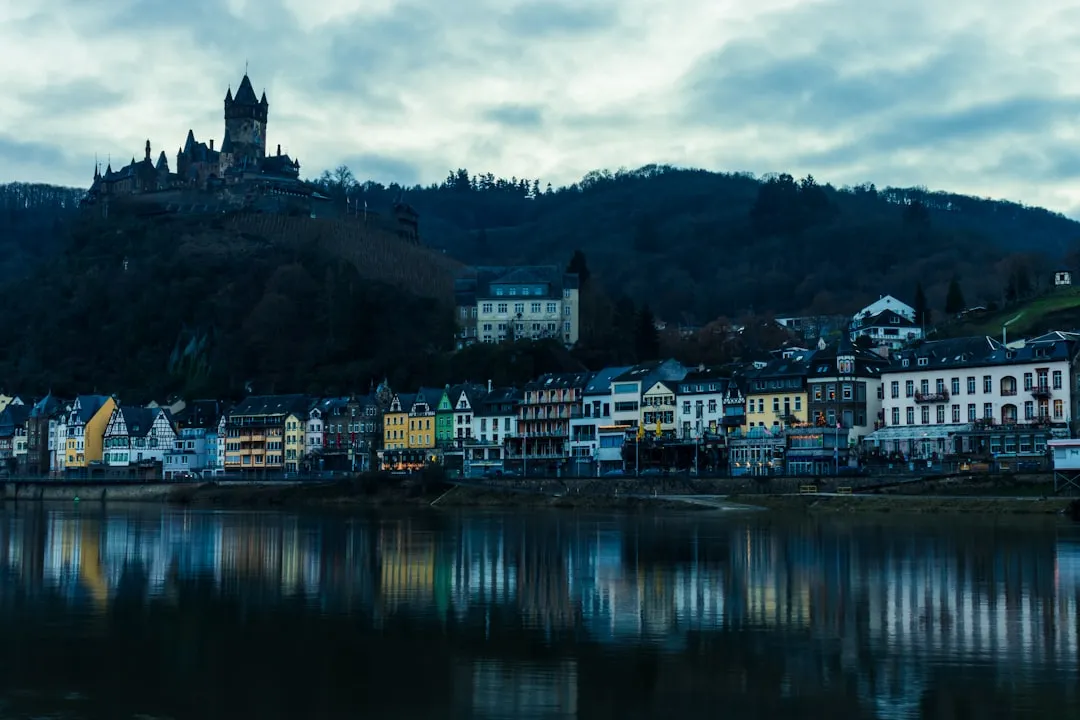

There’s a town in Germany’s Moselle Valley where a thousand-year-old imperial castle rises from a vineyard-covered hill above slate-roofed houses, cobblestone lanes, and the slow curve of a river. Most travellers rush past it on the way to Cologne or Luxembourg. Those who stop tend to stay far longer than they planned.
Cochem, a town of roughly 5,000 people in the Rhineland-Palatinate region, has been quietly drawing a new wave of travellers in recent years. The town is known for its riverside setting, historic old town, and the hilltop Reichsburg Cochem, which overlooks the Moselle valley. It’s the kind of place that doesn’t need a marketing campaign. It simply looks the part.
A Castle That Nearly Disappeared
Cochem Castle traces its roots back to the 11th century, although it is believed that construction may have started around the year 1000. Its strategic location above the Moselle Valley made it a key stronghold for controlling river trade routes, and it is thought to have been founded by the Counts Palatine of the Rhine before later becoming an imperial residence of the Hohenstaufen dynasty.
When the troops of King Louis XIV invaded the Rhine and the Moselle area during the War of Palatinate Succession, Cochem Castle was occupied in 1688. After the town was completely taken by French troops in March 1689, the castle was set on fire, undermined, and blown up on May 19th of 1689.
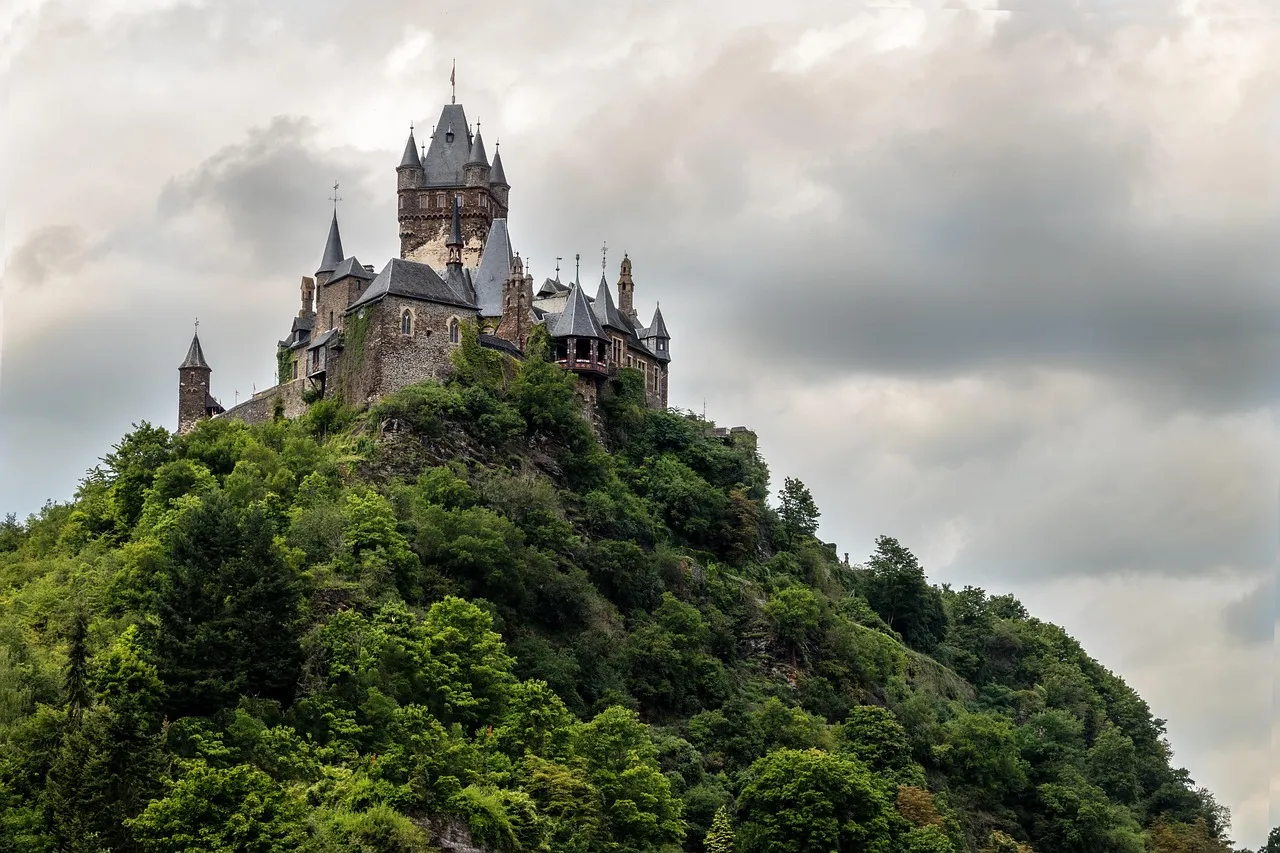
In the 19th century, with the rise of Romanticism and renewed interest in medieval heritage, the fortress attracted the attention of Prussian industrialist Louis Ravené. In 1868, he acquired the castle ruins and began its reconstruction. Between 1868 and 1877, it was restored in a neo-Gothic style, preserving part of the original structure while adding decorative features inspired by the idealized medieval architecture of the time. The result was a blend of history and Romanticism that turned the castle into a private residence and a symbol of the region’s medieval past.
The Largest Castle on the Moselle
Soaring over Cochem on a mighty crag, the Reichsburg is the largest castle on the Moselle. The medieval castle, which was heavily damaged while in the possession of the electoral princes of Trier, was bought and lovingly restored in the neo-Gothic style associated with German castle romanticism in the 19th century by Councillor of Commerce Louis Ravené.
The castle’s interiors preserve Renaissance-style furniture, ornate chandeliers, and medieval tapestries. The chapel features colorful stained-glass windows and restored frescoes.
Guests are delighted by the impressive interiors of rooms such as the Knight’s Hall, the Dining Hall, the Trophy Room, and the Bower. In addition to guided tours in multiple languages, guests can also experience a medieval evening meal on certain evenings. The castle is protected under heritage legislation and listed as a cultural monument of the state of Rhineland-Palatinate.
A Town Built in Layers, Not in a Single Era
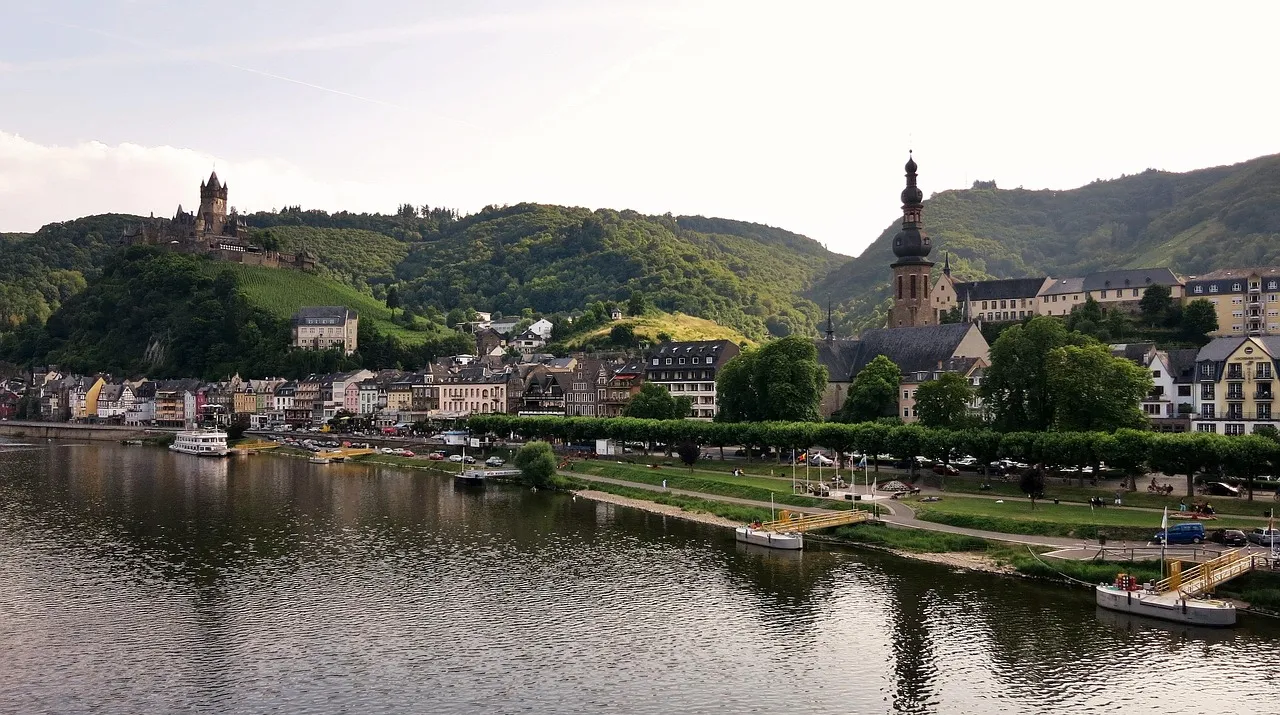
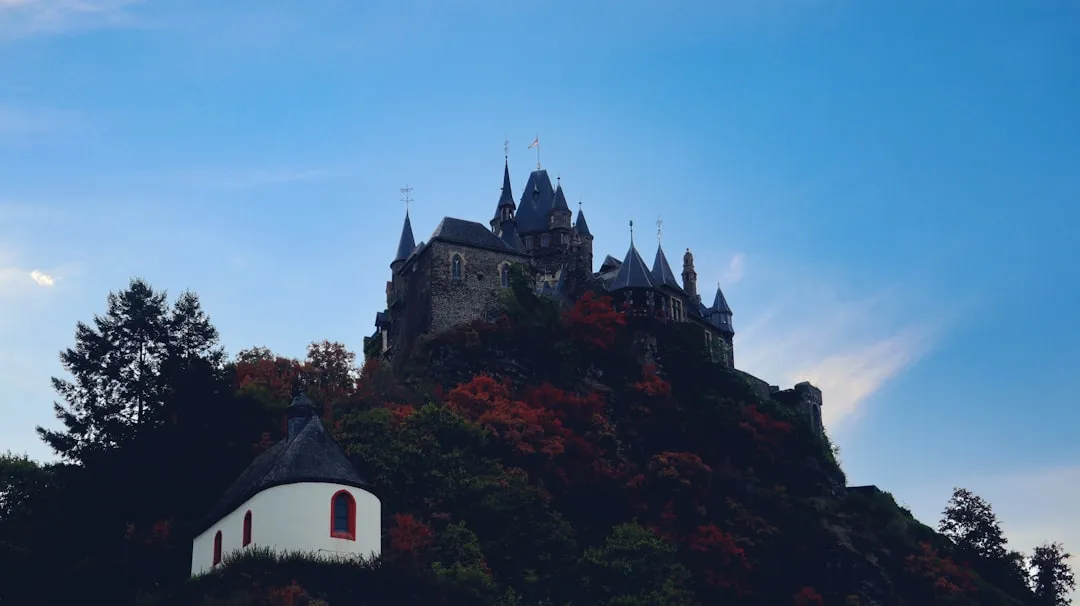
Cradled at the top of a nature-immersed hill, the Reichsburg dominates the view and is a recurring sight for everyone exploring the Moselle Valley. At its feet lies a small, cozy town that flourished in the Middle Ages, struggled in the 17th century, found new life in the 19th, and survived time in the 20th. Cochem is a gem of the Moselle Valley, where culture, history, and vineyards intertwine to create the perfect spot for travellers.
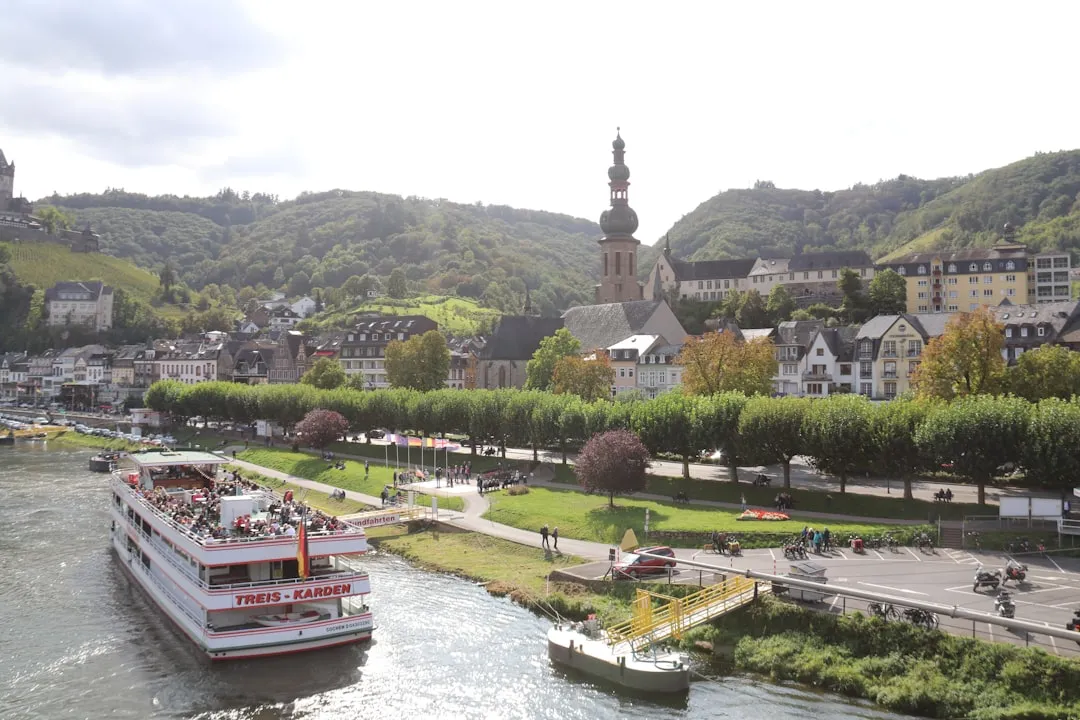
The town’s most distinctive feature is its castle perched high above the river, with remnants dating back to the 11th century. Underneath lies the old walled city with its narrow cobblestone lanes lined by half-timbered houses with painted decorative fronts.
Walking from the riverfront through the old town up toward the castle helps connect the two distinct layers of the town. Narrow streets lead past half-timbered houses, small squares, and the former Capuchin monastery, creating a layered impression of centuries of town life nestled under the protection of the fortress above. From the castle terrace, you can trace the curve of the Moselle and see how the town grew along both banks.
Vineyards, Wine, and a Roman Legacy
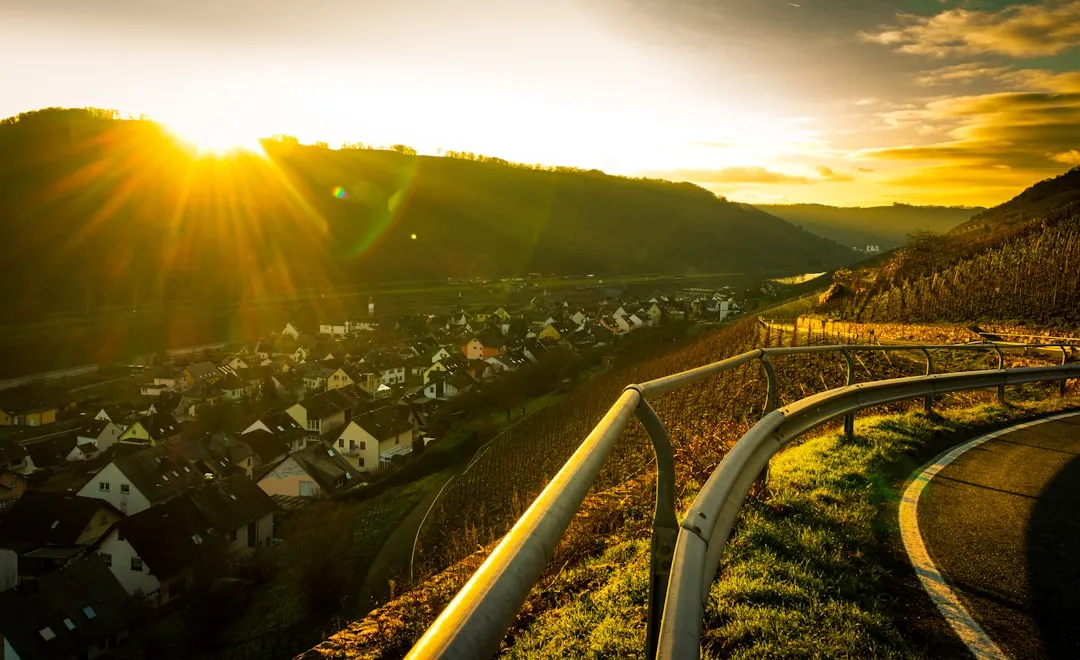
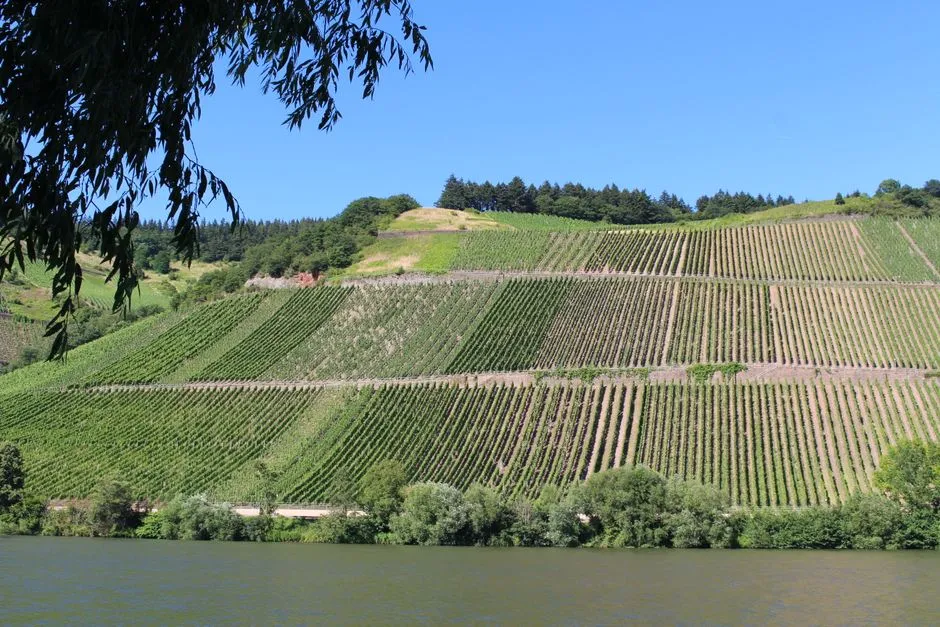
Cochem is at the heart of a prominent wine-growing region known particularly for its Riesling, featuring steep vineyards that characterize the surrounding landscape. The town’s market square, historic town gates, and scenic promenade along the Moselle attract visitors interested in history, architecture, and local wine culture.
This small town of around 5,000 inhabitants has been an important Rhineland wine trading centre since the days the Romans introduced vines to the area. That’s a long time to have perfected the craft.
The steep slopes around the castle are covered by vineyards that have been cultivated for generations, often by small family wineries. The castle itself once stood at the center of a feudal economic system that drew wealth from river tolls, agriculture, and wine production. Today, the Moselle’s wines and river tourism have replaced tolls, but the symbiosis between castle, town, and landscape remains strong.
Living History Through Seasonal Festivals
Every year during the first week of August, medieval performers, artisans, and various other folk welcome guests to a castle festival. The proud and ancient walls of the castle offer a one-of-a-kind backdrop for rustic vendors and spectacular stages where visitors are invited to become part of a lively medieval market.
Various contemporary artisans present their handiwork, while mead, wine, and fine meats from the grill sate the appetite. Medieval performance troupes and troubadours playing antique instruments ensure that guests of all ages are well entertained.
On the second or third weekend of Advent, the Imperial Castle offers its guests the “Cochem Castle Christmas,” a special and memorable way to prepare for the season. The traditional story of Christmas is presented by live costumed actors, accompanied by animals, on a magical journey through the castle’s gardens and alcoves. It’s the kind of evening that lingers in memory long after the journey home.
The Castle That Now Belongs to the Town
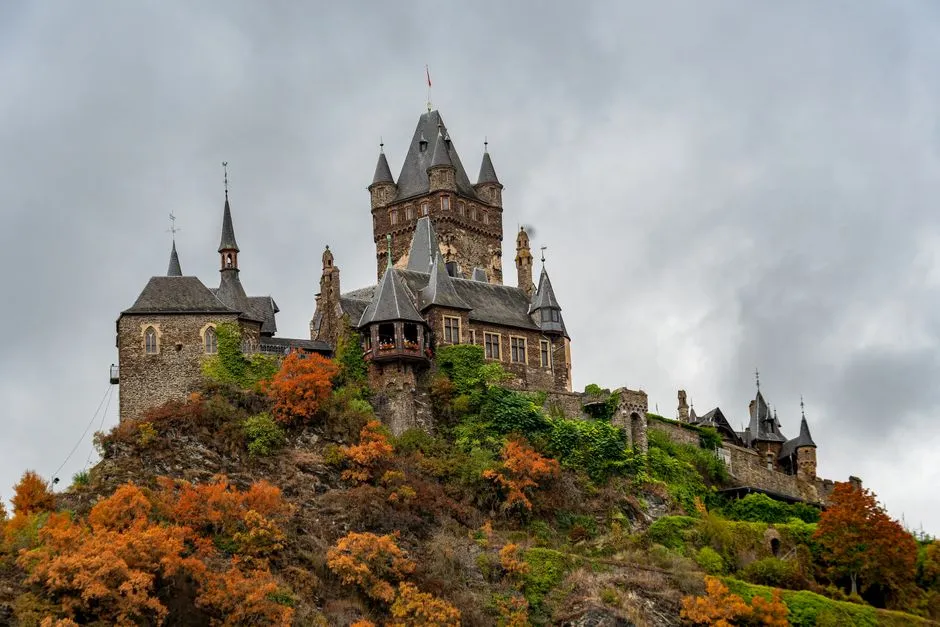
Since the late 20th century, the castle has belonged to the town of Cochem. That change in ownership marked a decisive shift from private retreat to public monument and tourist attraction. Today, Reichsburg Cochem functions primarily as a museum and event venue.
It is one of the very few castles that does not belong to a family. Instead, it belongs to the city council, which makes a real difference, because many different events are offered and visitors are allowed to take pictures and footage inside Cochem Castle.
Reichsburg Cochem is not a pure medieval relic frozen in time. It is a palimpsest of power, destruction, romantic reinvention, and modern tourism, layered onto one dramatic hilltop above a bend in the Moselle. That complexity is part of its charm.
Getting There and Moving Slowly Through the Valley
Cochem is accessible by road and rail, with convenient connections to cities such as Koblenz, Trier, Cologne, and Frankfurt. The train runs directly along the river, offering one of the most scenic approaches of any journey in western Germany.
During high season, river cruises on the Moselle include stops in Cochem. Summer and autumn are ideal to enjoy the mild weather and views of the vineyards.
Spending a full day in Cochem allows you to combine the castle visit with strolls along the river promenade, perhaps a ride on the local chairlift to another viewpoint, and time to sample regional specialties such as Riesling, Federweißer in autumn, or traditional dishes in one of the town’s inns. In that context, the castle visit becomes less a stand-alone attraction and more a central chapter in a broader narrative of the Moselle Valley.
How Lesser-Known Castle Towns Are Drawing Travellers Away from the Crowds
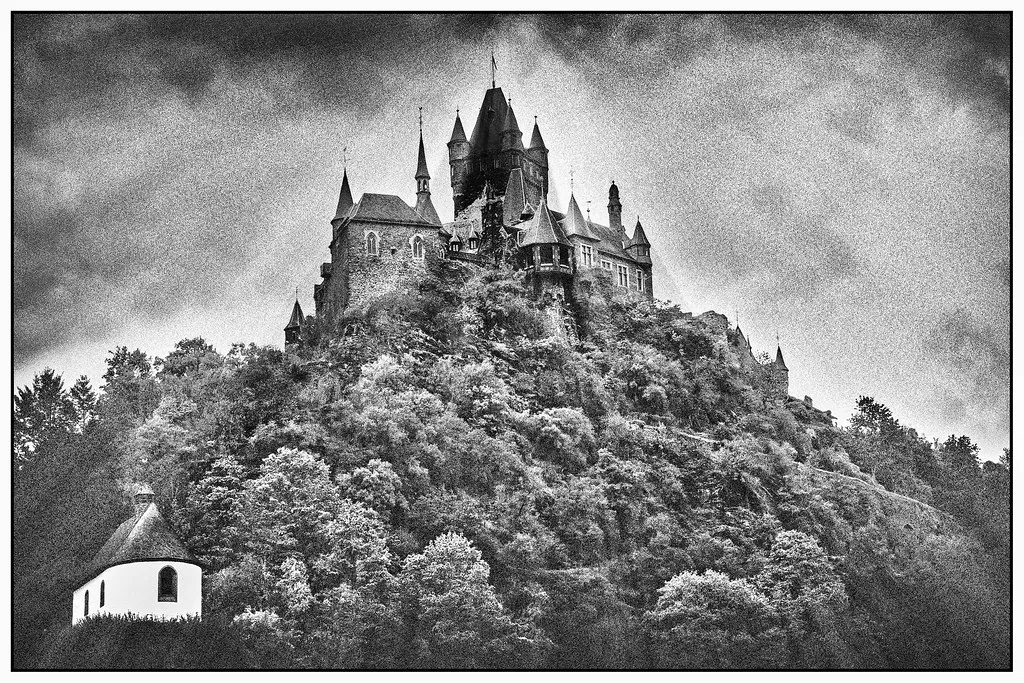
Most travellers rush straight to Europe’s chart-toppers, weaving around tour groups just to snap a blurry photo above someone’s head. Lesser-known castles offer the opposite: peaceful courtyards, empty stairwells, and guides happy to share local legends.
Many forgotten European castles sit at the heart of small villages or remote landscapes where daily life moves at a slow, inviting pace. Cochem fits that description almost perfectly.
Travel writers and independent travellers alike have increasingly spotlighted off-the-radar European destinations as alternatives to overtourism. With their scenic beauty, rich history, and unique atmosphere, these towns provide the perfect escape for travellers seeking to experience Europe in a more personal, unhurried way. Cochem offers exactly that, without sacrificing access or infrastructure.
What Responsible Travel Looks Like in a Town This Size
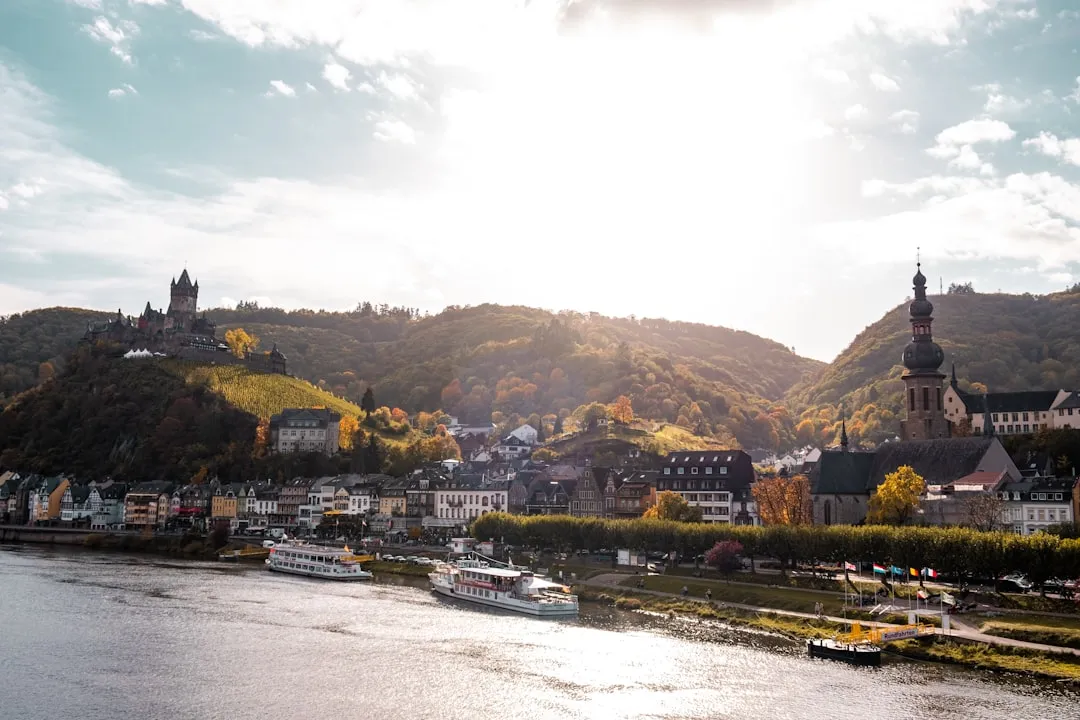
Cochem is situated on the banks of the Moselle River, is the administrative seat of the Cochem-Zell district, and its largest town with around 5,300 inhabitants. That’s a modest population for a destination with genuine international appeal, which means that visitor behavior matters. Staying overnight rather than arriving as a day-tripper, eating at family-owned restaurants, and buying from local wineries all contribute directly to the community.
Staying overnight in villages versus nearby cities dramatically changes the experience. Overnight village stays let you experience the magic after day-trippers leave and allow you to walk deserted cobblestone lanes at dusk.
Today, Cochem survives primarily on tourism, drawing visitors interested in its castle, historic town centre, and wines from the surrounding Moselle valley vineyards. The town’s wellbeing and its atmosphere are connected. Visiting thoughtfully keeps both intact.
Why 2026 Is a Good Year to Discover Cochem
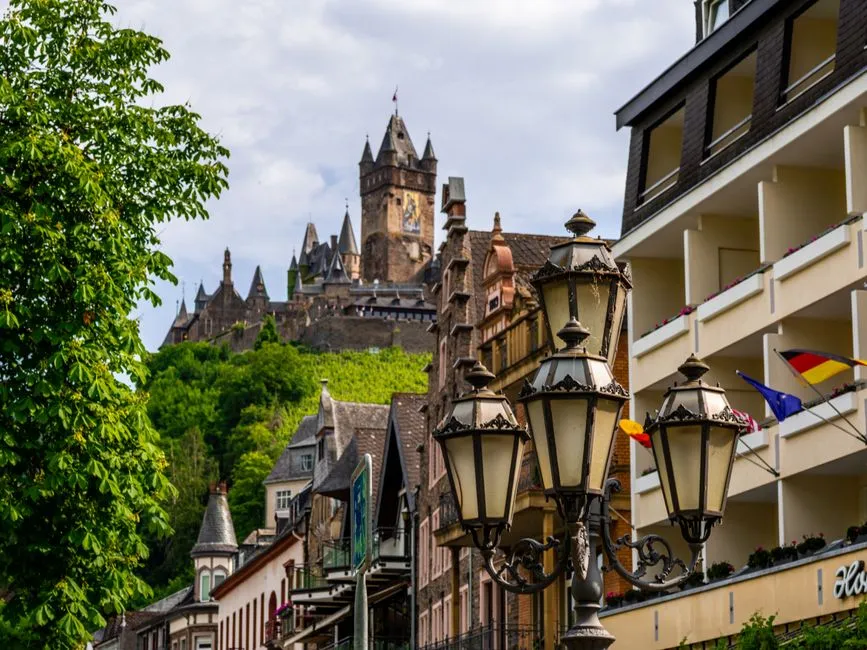
In 2026, the most popular castles run on timed entry, advance reservations, and tight capacity limits. Neuschwanstein, Edinburgh, and Prague Castle have become logistical puzzles. Cochem is still the opposite: it rewards spontaneity and slow exploration.
Across Europe, travellers have grown more deliberate in choosing destinations that balance authenticity with accessibility. Unlike popular tourist countries, certain lesser-known combinations of destination make for a more authentic experience without large crowds or expensive fees. With numerous opportunities for adventure in history, nature, and lively urban settings, these underappreciated gems are waiting in 2026.
Reichsburg Cochem rises above the Moselle River like something out of a storybook, its turrets and battlements framed by steep vineyards and slate-roofed houses far below. For many travellers, this is the iconic image of the Moselle Valley. Yet behind the romantic silhouette lies a complex history that stretches from the era of medieval toll lords to 19th-century industrial wealth and modern tourism. Understanding that story, and knowing what to expect when you visit today, turns a pretty postcard view into a far richer experience.
A Final Thought on Forgotten Places
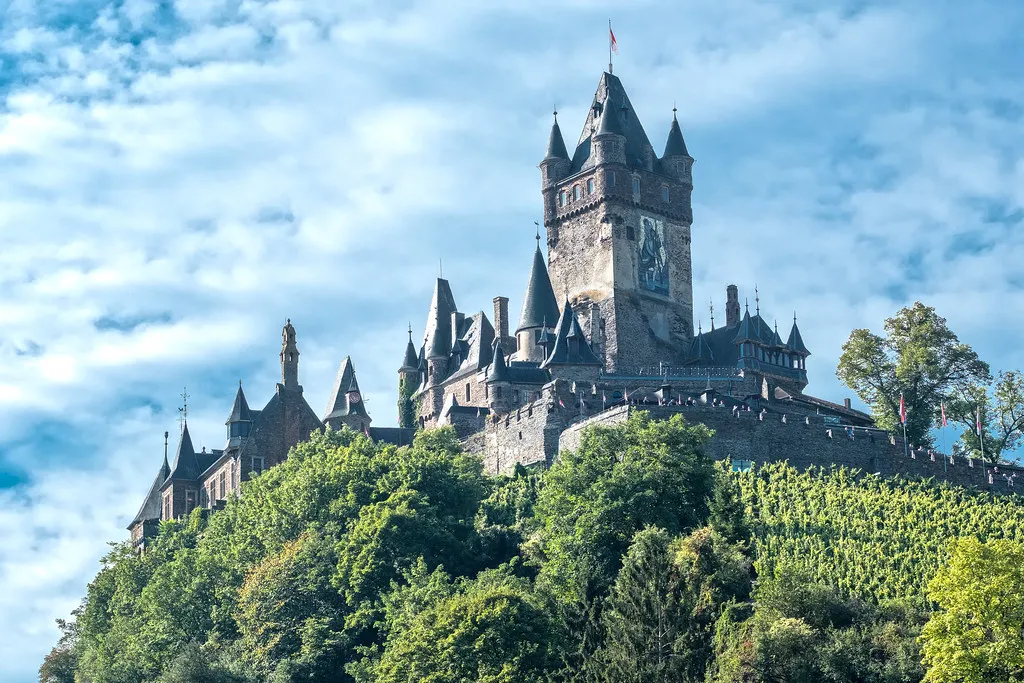
Europe has no shortage of extraordinary places that most travellers never find. Some have been overlooked because they lack a famous name. Others were simply overshadowed by louder neighbors. Exploring lesser-known European castles offers quiet, connection, and true stories you won’t find in guidebooks. Some of Europe’s most captivating experiences come from wandering where few venture.
Cochem is one of those places. A gem of the Moselle Valley, where culture, history, and vineyards intertwine. Typically German half-timbered houses in a well-kept old town, a hilltop castle, the ruins of mighty city walls, a panoramic promenade along the river. All of it gathered into a single valley that most visitors still miss entirely.
The travellers calling it magical aren’t exaggerating. They’re simply paying attention to something that was always there, waiting to be noticed.
AI Disclaimer: This article was created with the assistance of AI tools and reviewed by a human editor.