

Most people pack a suitcase without giving it much thought. Chargers go with the electronics, spare batteries go wherever there’s room, and the whole thing gets zipped shut and handed over at the check in counter. It feels like the most ordinary habit in the world, the kind of small decision nobody would ever think twice about.
Yet that exact habit has quietly become one of the most common reasons travellers get pulled aside, questioned, and delayed at security checkpoints around the world. It has nothing to do with liquids, snacks, or forgotten pocketknives. It has to do with something almost every traveller carries without a second thought.
The Habit That Feels Perfectly Reasonable
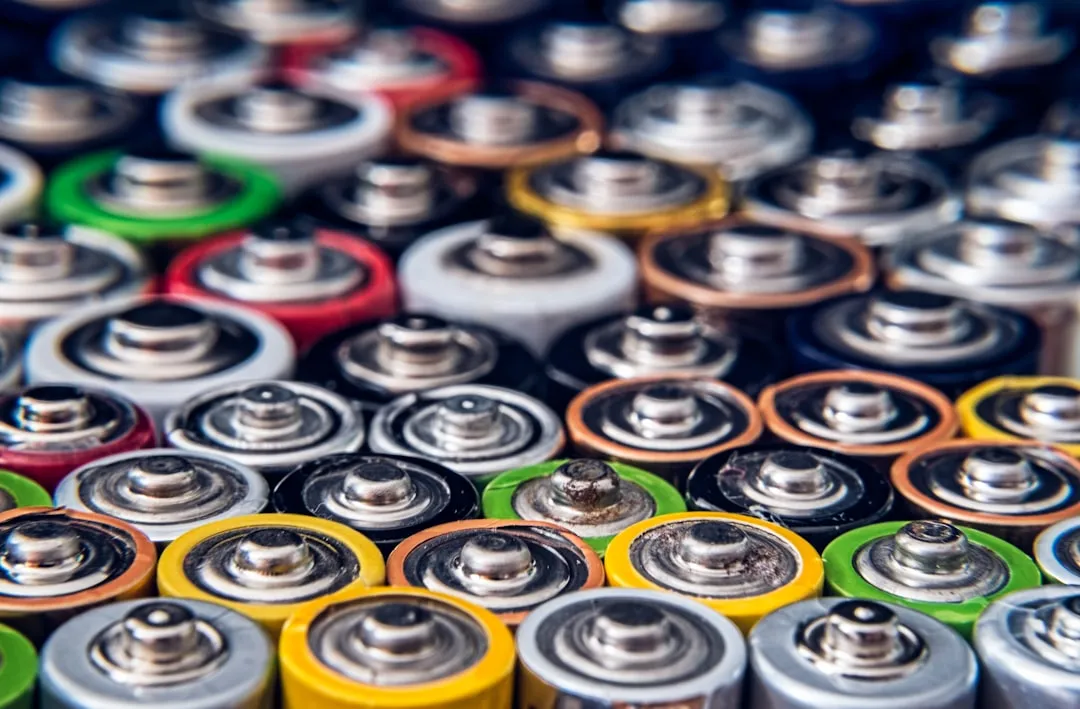
Tossing a portable charger or a spare phone battery into a checked suitcase feels like common sense. These items are small, they are technically electronics, and packing them alongside cables and adapters seems like tidy organization rather than a safety risk. That instinct is exactly what makes this mistake so widespread, because it never registers as a mistake at all. Portable chargers or power banks containing a lithium ion battery must be packed in carry-on bags, and spare lithium batteries, which include both power banks and phone chargers, are prohibited in checked luggage.
A Rule That’s No Longer Just a Suggestion
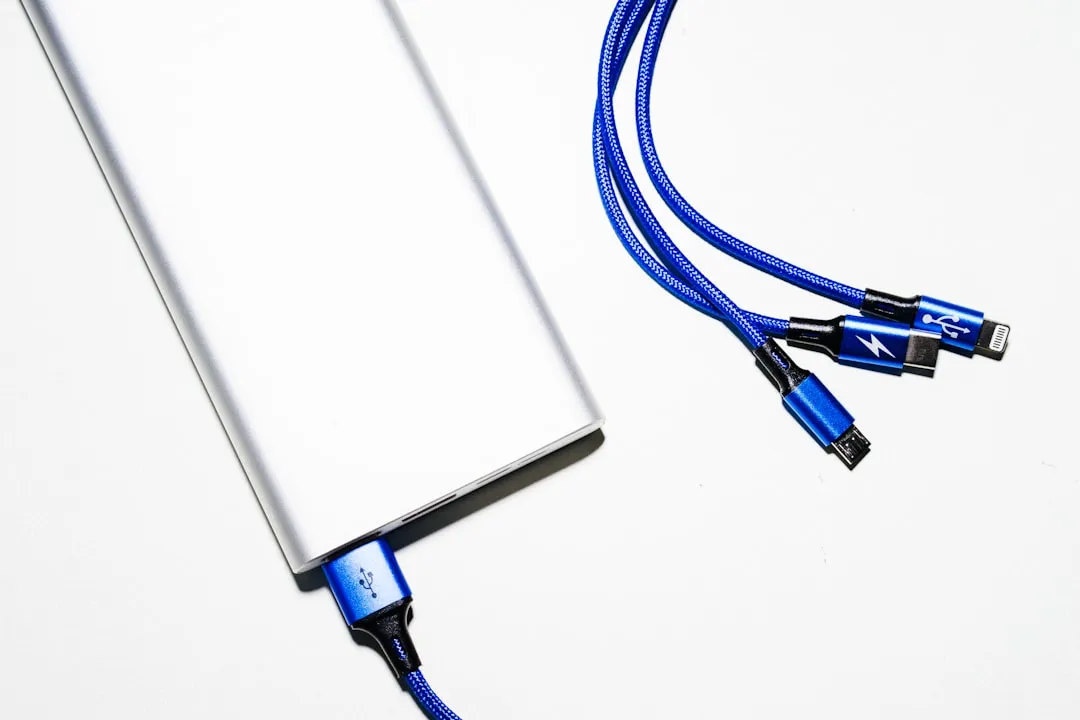
This is not a new idea, but it recently became far harder to overlook. As of March 1, 2025, TSA rules prohibit passengers from packing portable chargers, power banks, and cellphone battery charging cases that contain lithium-ion batteries in checked luggage. The change applies to the spare batteries themselves rather than the devices that use them. Personal electronic devices that contain such batteries, like laptops, tablets, and cellphones, are still permitted in checked bags as long as they are powered off, though the TSA recommends carrying them on board instead.
Why Cargo Holds Are the Wrong Place for a Battery

The reasoning behind the rule comes down to basic chemistry rather than bureaucracy. All lithium ion batteries are capable of overheating and undergoing a process called thermal runaway, which can occur without warning as a result of damage, overheating, water exposure, overcharging, or improper packing. In a cargo hold, nobody is there to notice smoke the moment it starts. Thermal runaway results in extremely high temperatures, smoke, and ultimately a fire that is especially difficult to put out and can reignite even after being seemingly extinguished.
The Numbers Behind the Warning

Regulators do not usually tighten rules without evidence, and the evidence here has been building for years. In 2024 there were 89 verified lithium battery incidents aboard aircraft involving batteries that smoked, ignited, or produced extreme heat, a 16 percent increase from the previous year. Since 2006, the FAA has verified 644 lithium battery incidents in total. Portable chargers are not a minor contributor to that count either. According to FAA data, 39 percent of lithium battery incidents on aircraft reported since 2006 involved portable chargers, with vape pens as the next biggest culprit at 21 percent.
Recent Incidents That Made Regulators Pay Attention
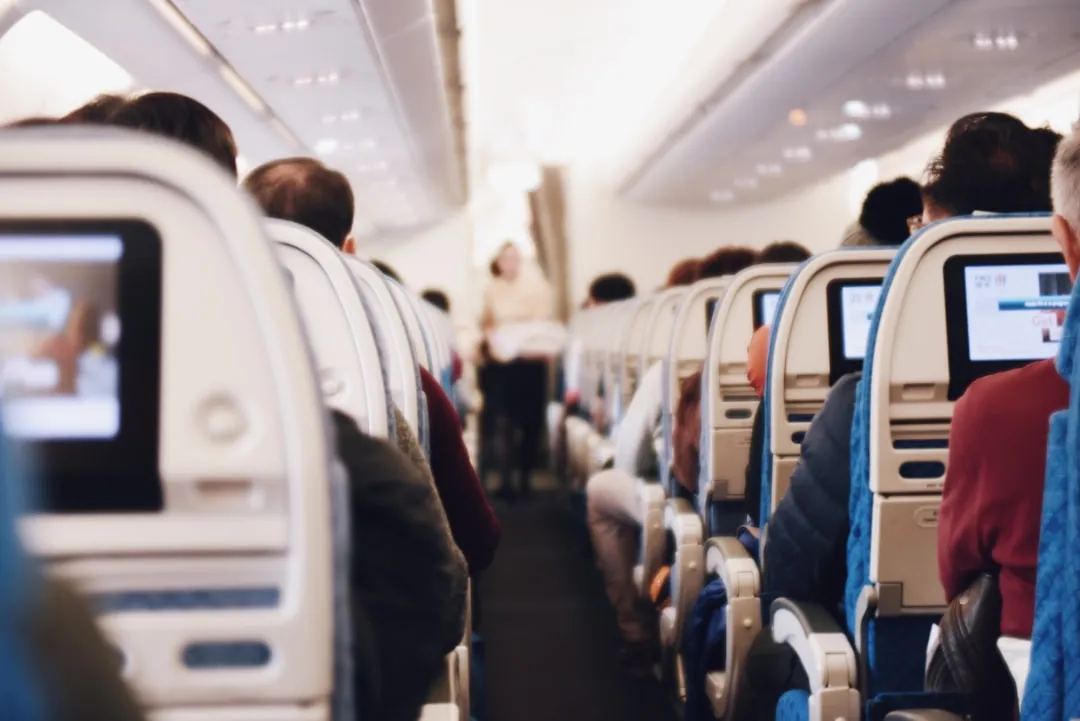
These are not abstract statistics tucked away in a government database. In August 2025, smoke filled the cabin of a KLM Royal Dutch Airlines plane after a portable phone charger caught fire midflight between São Paulo, Brazil and Amsterdam. In July of that year, a personal device with a lithium-ion battery caused a fire on a Delta flight, leading to an emergency landing in Fort Myers. Another case involved a cellphone that overheated during taxi on an American Airlines flight, filling part of the cabin with smoke and injuring a passenger while damaging the aircraft floor. A separate flight from Chicago to Portland had to divert to Casper, Wyoming after a laptop overheated and crew moved it into a bag in a lavatory.
Airlines Are Moving Faster Than the Rulebook
Some carriers decided not to wait for a broader mandate before acting on their own. In May 2025, Southwest Airlines became the first U.S. airline to ban passengers from charging devices with a power bank inside a carry-on bag, citing the risk of a charger’s lithium battery overheating or catching fire. Emirates announced it is banning the use of any kind of power bank onboard its flights. Japanese carriers, including All Nippon Airways and Japan Airlines, no longer allow portable batteries to be stored in overhead bins. Most of the airlines making these changes so far are based in Asia, though pressure on U.S. carriers continues to build.
How the Mistake Plays Out at the Checkpoint

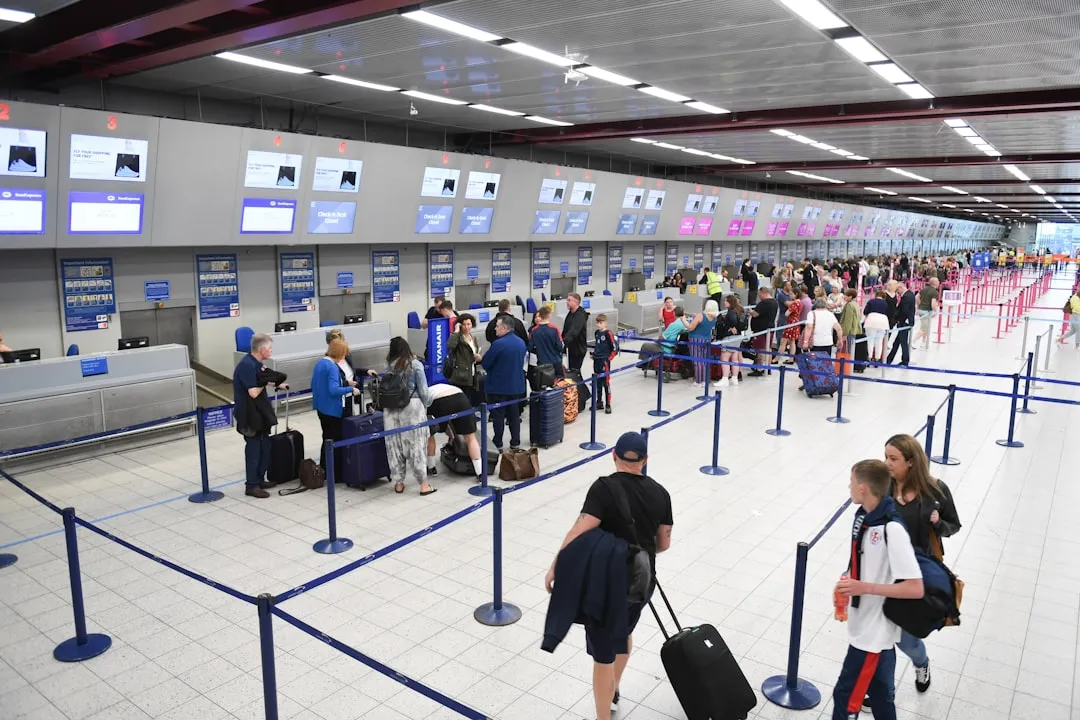
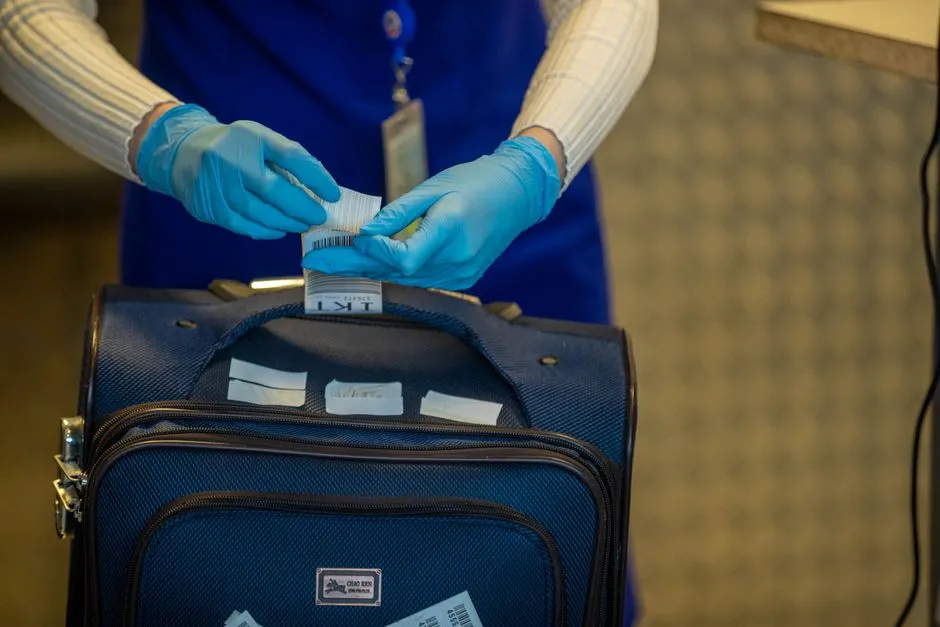
The consequences of this habit rarely surface at home. They surface at the X-ray belt, when a screener spots a battery pack buried in a checked bag or notices it during a carry-on scan flagged for a closer look. What follows is a familiar sequence, the bag gets pulled, a supervisor is called, and the traveller is asked to explain something they never thought needed explaining. It is a slow, frustrating process for one person, and it slows down everyone standing behind them in line as well.
It’s Not Just Power Banks Anymore
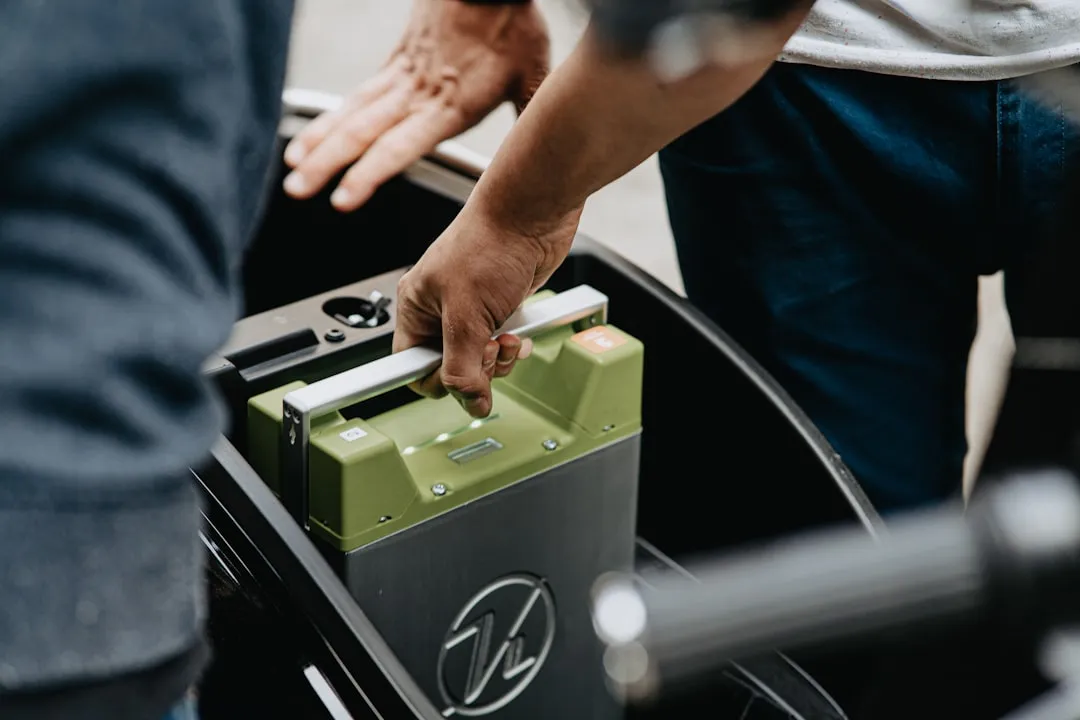
The scope of concern has widened beyond the obvious culprits. Electric toothbrushes, cordless flat irons and curling irons all contain lithium metal or lithium ion batteries, and the FAA issued a safety alert in 2025 after recording at least 50 incidents involving smoke, fire or extreme heat from these batteries on flights. Smart luggage has run into the same problem. Smart luggage became popular for its charging ports and tracking features, but the lithium batteries inside remain a concern, and if the battery cannot be removed, security is likely to flag the bag.
The Awareness Gap Nobody Talks About
Part of why this mistake persists is that so few travellers realize how common their own habits actually are. More than one third of passengers pack rechargeable devices in checked luggage, where they cannot be accessed during flight, according to a 2024 survey from UL Standards and Engagement. Passengers generally have extremely limited awareness of the power source of the devices they bring on planes or the risk those devices can pose. That gap between habit and awareness is exactly what keeps this particular packing mistake showing up at checkpoints worldwide, trip after trip.
The Simple Fix That Solves All of It

None of this requires giving up power banks or convenient chargers, it just requires moving them to the right bag. As long as a power bank stays in the carry-on, remains under the 100 watt hour limit, and follows TSA safety guidelines and airline specific rules, there should be no issues powering devices in the air. Batteries should be protected from damage, with terminals covered from short circuit by leaving them in retail packaging, covering the ends with tape, or using a dedicated battery case or sleeve. It is a small adjustment, made before the bag is ever zipped shut, and it is the difference between breezing through a checkpoint and becoming the reason the whole line grinds to a halt. In an era where airport security already asks travellers to think about liquids, shoes, and laptops, adding one more habit, keeping the batteries where they belong, is a modest price for a much smoother trip.
AI Disclaimer: This article was created with the assistance of AI tools and reviewed by a human editor.