

Somewhere over the Atlantic or the Pacific, on any given day, the seatbelt sign clicks off and a small chorus of buckles pop open almost in unison. It’s a reflex most travelers don’t even think about. Yet after a string of serious turbulence encounters in the past two years, from a fatal incident on a Singapore Airlines flight to emergency diversions on Lufthansa and Air Europa jets, flight attendants have been more vocal than ever about one small habit that keeps landing people in hospital beds instead of at their destinations.
It’s not a dramatic rule. It’s not even something most passengers realize they’re doing wrong. But crews who’ve spent decades in the aisles say it’s the single most fixable cause of the injuries they see.
The Habit Flight Attendants Keep Warning Against
The thing flight attendants want passengers to stop doing is simple: unbuckling the seatbelt the moment the sign turns off, or wearing it so loose it might as well not be there. The core habit is simple and free: keep your seatbelt low across your hips and comfortably snug any time you are in your seat. Crews aren’t asking travelers to sit rigid for an entire flight without ever standing up. They’re asking for the belt to go back on the second someone returns to their seat, sign on or off, because that’s the window where most injuries actually happen.
What The Safety Data Actually Shows
The numbers behind this request are not vague or anecdotal. An FAA review found that more than 90 percent of turbulence injuries were to passengers and crew who were not buckled in. The United States National Transportation Safety Board found that between 2009 and 2018, turbulence-related accidents accounted for more than a third of all airline accidents. Globally, the scale is bigger than most flyers assume. According to the BBC, there are over 5,000 incidents a year over a total of 35 million flights globally.
Why Turbulence Often Strikes Without Warning

Part of why the seatbelt habit matters so much is that pilots can’t always see trouble coming. Clear air turbulence occurs in clear skies near jet streams and is invisible to radar, making it difficult to detect due to invisible atmospheric instability that often occurs in clear skies. That single category is responsible for a disproportionate share of harm. CAT accounts for 65% of all turbulence-related injuries. Because there’s no visual cue and often no radar signature, the sign may not go on until the aircraft is already shaking, which is exactly why crews keep repeating the same request even on flights that feel perfectly calm.
Recent Incidents That Put This Warning Back In The Spotlight
The urgency behind these reminders isn’t theoretical. Flight SQ321 departed from London Heathrow on May 20, 2024, en route to Singapore, and encountered severe turbulence at 37,000 feet over Myanmar, during which several unrestrained passengers, cabin crew, and in-flight service items were violently thrown upward, striking the cabin ceiling, and then fell abruptly to the floor or onto seats. One passenger on that flight suffered a fatal heart attack. A few weeks later, Air Europa Flight LX045, flying from Madrid to Montevideo over the Atlantic on July 1, 2024, made an emergency landing in Natal, Brazil, after six serious injuries and 36 minor injuries occurred, mostly due to passengers not wearing their seatbelts. Similar patterns showed up on other carriers too, including Emirates Flight EK421 from Perth to Dubai, which met near-cloud turbulence over the Maldives, leaving five people seriously injured and 23 with minor injuries.
The Crew Members Who Face The Greatest Risk
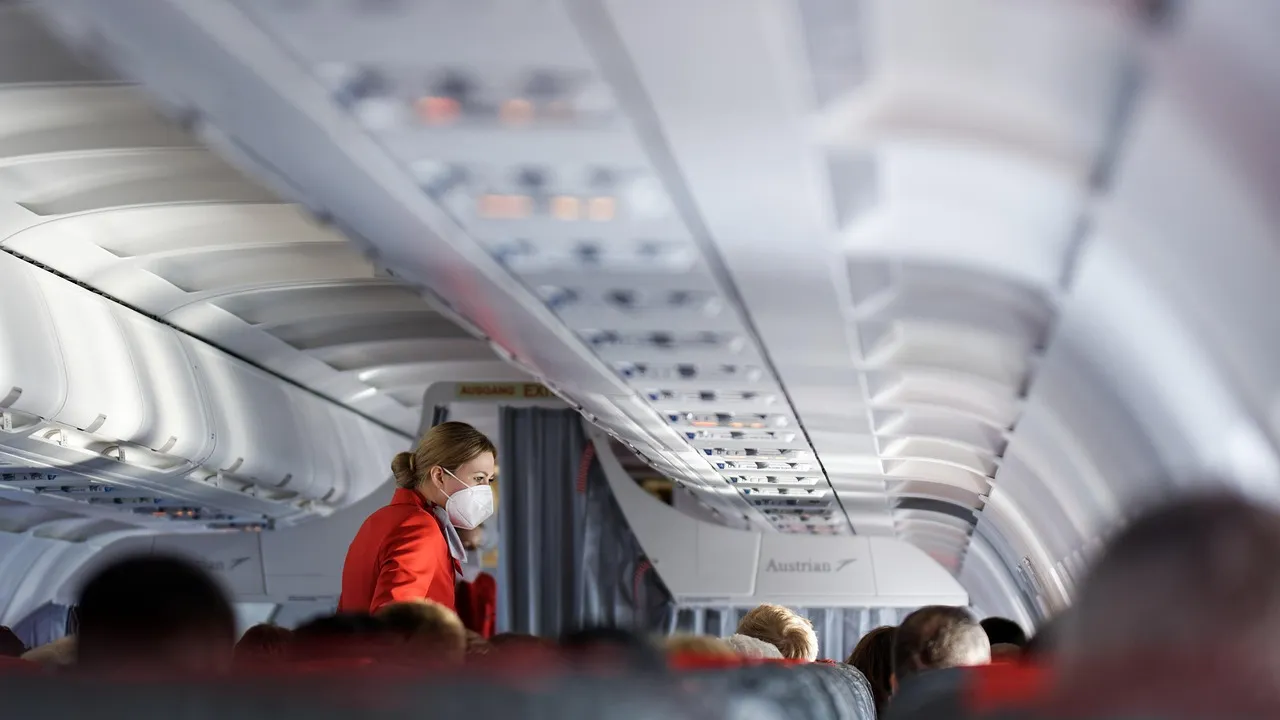
Flight attendants don’t just witness these incidents, they’re often the ones hurt worst. Nearly 80% of severe injuries from turbulence involve cabin crew. That’s largely a function of where they work and when. A study by the Japanese Transport Safety Board in 2015 found that injuries were most prevalent in the aft section of the aircraft, with flight attendants most at risk. Crews who spend service time standing in the aisles or galleys, unbuckled by necessity, simply have less margin for error than a seated passenger who chooses to stay strapped in.
A Warming Atmosphere Is Changing The Turbulence Picture
There’s also a slower, less visible trend feeding into all of this. At a typical point over the North Atlantic, one of the world’s busiest flight routes, the total annual duration of severe turbulence increased by 55 per cent between 1979 and 2020, the scientists found. Researchers tie much of that shift to a warming atmosphere altering jet stream behavior. Moderate turbulence in the area increased by 37 per cent, and light turbulence went up 17 per cent over the same period. It’s not a dramatic year-to-year jump, but it does mean the odds of hitting rough air, expected or not, are quietly trending upward.
How Airlines Are Adjusting Their Own Procedures
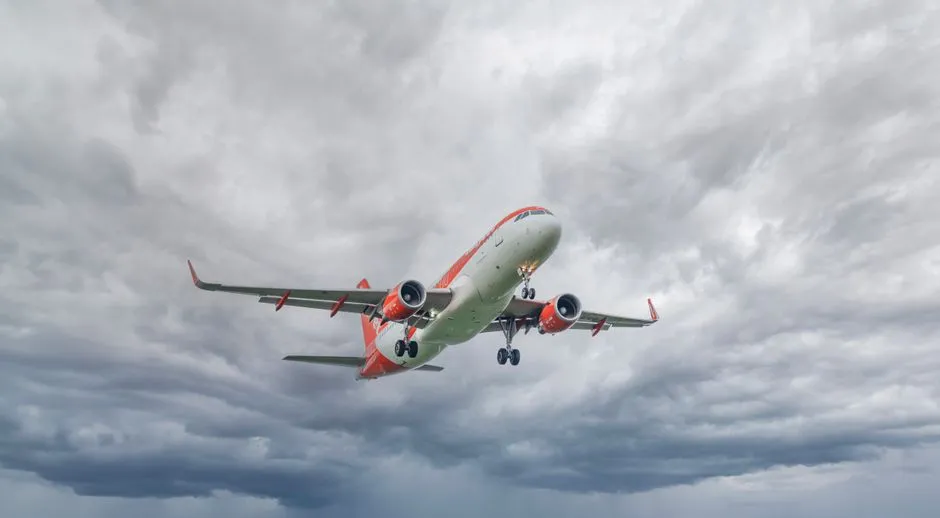
Carriers have started responding with real operational changes rather than just messaging. Southwest Airlines decided to end cabin service at 18,000 feet instead of 10,000 feet, ensuring passengers and crew are seated with seatbelts on earlier, a change that cut turbulence-related injuries by 20%. Korean Air took a more targeted approach to one specific hazard. The airline stopped serving noodles in economy due to passengers risking burns, after reporting that turbulence incidents had doubled since 2019. On the regulatory side, safety researchers have pushed for broader changes too, with the NTSB making 18 new recommendations to the FAA, along with recommendations to the National Weather Service and industry groups, following its detailed review of turbulence-related accidents.
Why So Many Passengers Unbuckle Anyway
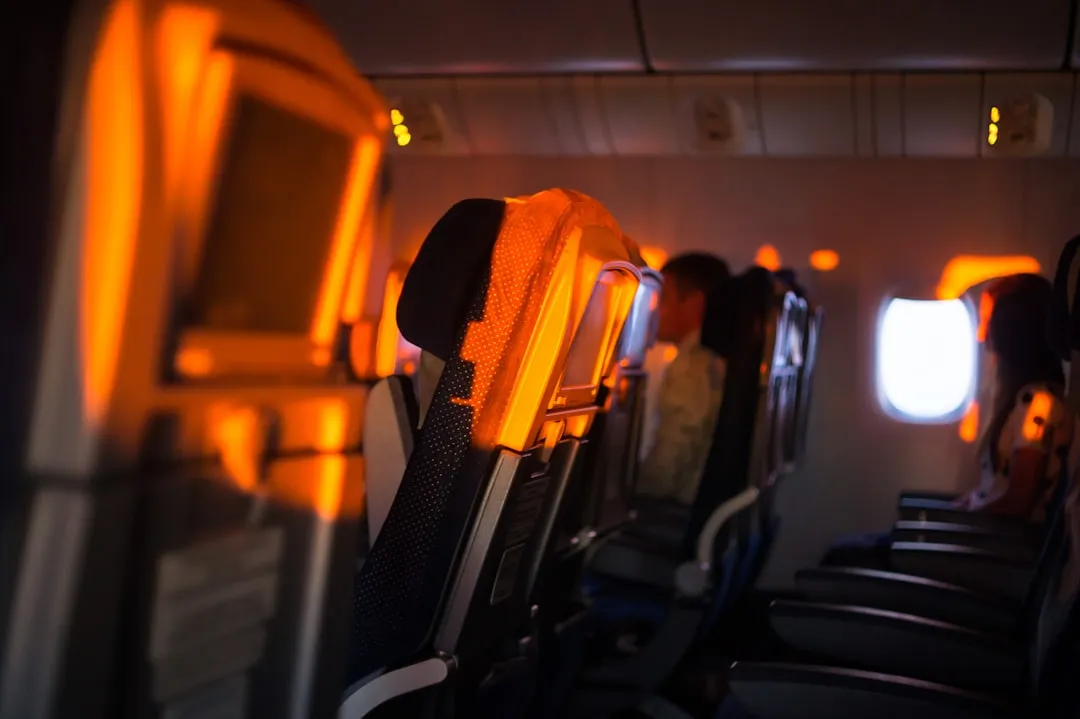
Given how consistent the data is, it’s worth asking why the habit persists. Researchers who’ve studied passenger attitudes point to a mix of misplaced confidence and simple comfort. A 2019 study on safety attitude and risk perception among air passengers found that many travelers underestimate survivability in commercial aviation incidents generally, and pay less attention to preparation as a result, with men showing a more relaxed attitude toward airplane safety specifically. Even among frequent flyers who know better, only 7% of passengers admit to rarely wearing their seat belt when flying, yet that share is enough to cause serious harm during a bout of strong turbulence. Comfort plays a role too. Most people simply don’t feel a meaningful difference in legroom or ease whether the belt is fastened loosely or not at all, which makes it an easy habit to skip.
The Habit Worth Building Instead
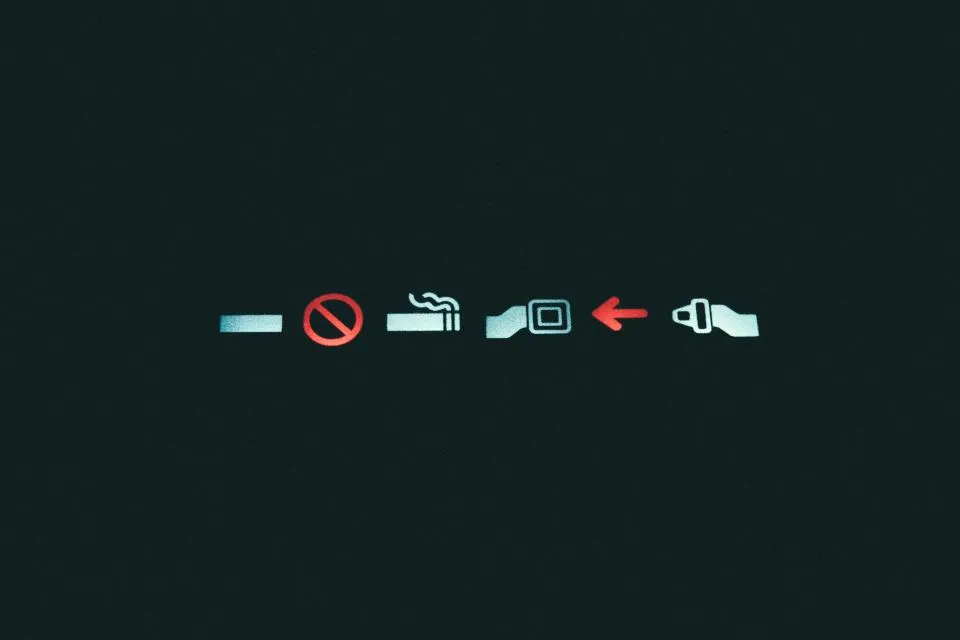
The fix crews recommend costs nothing and takes about two seconds. Passengers can prevent injuries from unexpected turbulence by keeping their seat belt buckled at all times. For families, there’s an added layer of caution worth knowing. The FAA recommends that the safest place for a small child is an approved child restraint system, not a parent’s lap, precisely because a lap cannot hold a child against a sudden jolt. Beyond the belt itself, crews also ask travelers to keep loose items stowed, since a laptop or a heavy bag can become a hazard just as easily as an unbuckled body during a sudden drop.
A Simple Habit With An Outsized Payoff
None of this is meant to make anyone anxious about flying. Overall, U.S. air carriers have a superb safety record that has improved over time and now ranks among the best in the world, with air carrier accidents remaining rare. Modern aircraft are engineered to handle far more stress than turbulence typically produces, and the aircraft itself is almost never the thing at risk. What is at risk, again and again, is the person who decided the belt wasn’t necessary for just a few more minutes. It’s a small, unglamorous habit, buckling back up the second you sit down, but it’s the one flight attendants keep coming back to because it’s the one thing, more than any other, that actually changes how a rough patch of air ends.
AI Disclaimer: This article was created with the assistance of AI tools and reviewed by a human editor.