
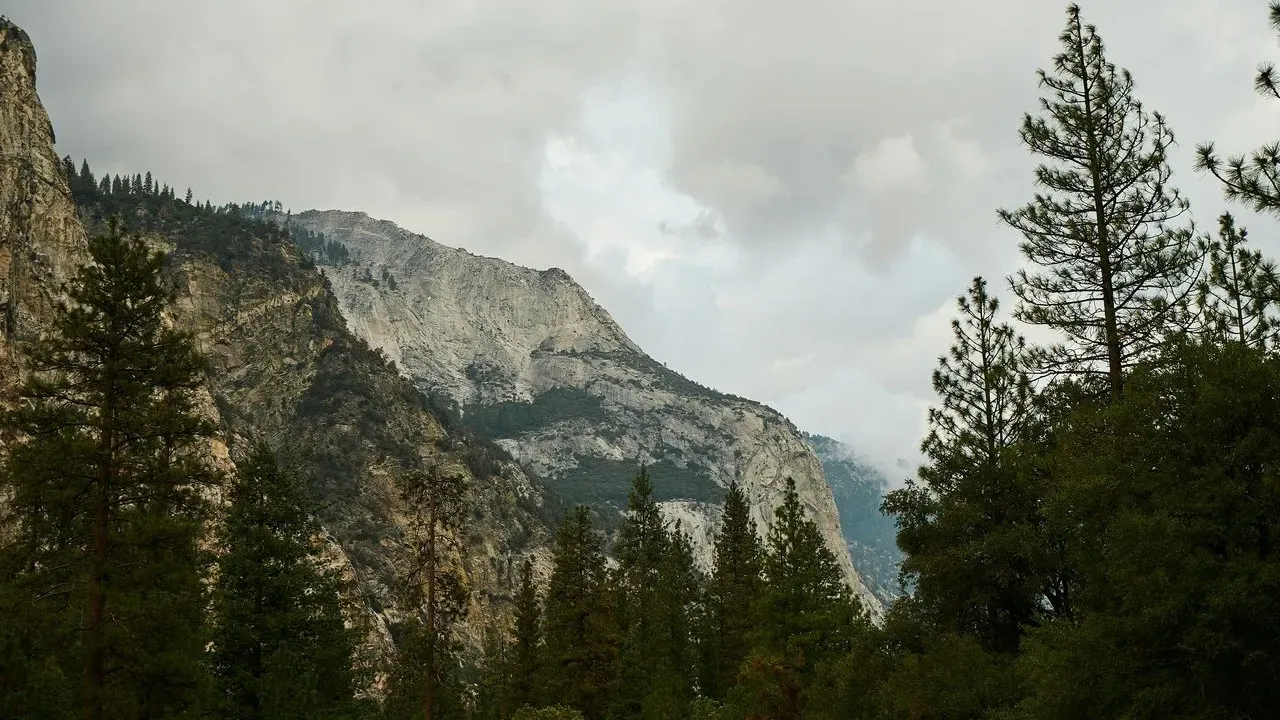

Visalia sits roughly an hour from the entrances to Sequoia and Kings Canyon National Parks, offering a practical starting point for travelers who want to experience giant sequoias and rugged granite landscapes without overnight stays inside the parks. The town’s walkable downtown and range of lodging make it easy to combine full days of exploration with comfortable evenings back in the valley. A mother-daughter trip that used Visalia as its base revealed how the region rewards unhurried pacing and attention to both the parks and the community that supports them.
A Valley Town That Serves as a Thoughtful Gateway
Visalia functions as more than a convenient stopover. Its central location places visitors within easy reach of two distinct national parks while providing access to local restaurants, shops, and services that feel rooted in the agricultural character of the Central Valley. Hotels such as the Comfort Suites place guests within walking distance of Main Street, allowing for evening strolls after long days on the trail.
The Sequoia Shuttle operates from many Visalia hotels directly to the Giant Forest Museum in Sequoia National Park, with round-trip fares around fifteen dollars during the operating season from Memorial Day to Labor Day. Once inside the park, free shuttles connect key sites. This system reduces the need to navigate winding roads in the dark and supports a more relaxed schedule for families or groups traveling with varying energy levels.
Kings Canyon’s Depths and Quiet River Trails
The Kings Canyon Scenic Byway descends dramatically from the General Grant Grove area to the valley floor, revealing sheer walls and expansive views that reward frequent pullouts. The canyon itself measures deeper than the Grand Canyon in places, a fact that becomes vivid when standing at overlooks such as Junction View in the softer light of afternoon.
At the top of the canyon, the General Grant Tree stands as the third-largest sequoia by volume and has served as the nation’s official Christmas Tree since 1926. Nearby, the hollow trunk of the Fallen Monarch offers a tangible connection to trees that fell centuries ago. Lower in the canyon, the trail from Roads End follows the South Fork Kings River for several miles, moving from open, sandy stretches into cool forest where sequoias line the banks and the sound of rushing water provides a steady backdrop.
Extending the walk an additional mile and a half to Zumwalt Meadow allows visitors to arrive on foot rather than competing for parking. The open meadow, framed by rising canyon walls, feels especially rewarding after the quiet forest sections. Short detours to Roaring River Falls add easy, scenic stops on the return drive.
Sequoia’s Towering Trees and Forested Paths
Sequoia National Park protects the largest living tree on Earth by volume, the General Sherman Tree. Standing at its base makes the scale of these ancient giants immediately clear, with protective barriers preserving the root systems that have supported the tree for thousands of years. The Congress Trail and onward path toward Crescent Meadow quickly leave busier areas behind, offering long stretches of quiet forest where smaller trees fill the spaces between the sequoias.
A short detour leads to Tharp’s Log, a one-room shelter built inside the hollow trunk of a fallen sequoia in the 1860s. The site sits beside a meadow with few other visitors, inviting reflection on how early settlers adapted to the landscape. Crescent Meadow itself, described by John Muir as the gem of the Sierra, provides a flat, open contrast to the dense groves, with sequoias framing the grassy expanse.
Moro Rock requires climbing roughly 350 granite steps to reach an elevation of 6,725 feet and panoramic views of the Sierra Nevada. Morning visits help manage crowds, and the shuttle system makes it possible to link multiple sites without retracing steps by car.
Evenings and Mornings That Restore Balance
Returning to Visalia each evening allows time for meals that highlight local flavors. El Tarasco on Main Street serves dishes such as carne en su jugo, a Jalisco-style preparation of beef simmered with beans, bacon, and chorizo, finished with fresh toppings. The restaurant’s multi-room layout, filled with murals and hanging flowers, creates distinct atmospheres across its spaces.
At Elderwood, the rooftop restaurant at the Darling Hotel, diners enjoy views back toward the Sierra Nevada while sampling dishes such as herb-crusted pork or roast chicken. The setting captures the satisfaction of having spent the day among the parks and then watching the same mountain range from a comfortable table as daylight fades.
Morning routines can include breakfast at Component Coffee, where gluten-free options and fresh preparations such as power bowls or acai bowls provide a nourishing start. A visit to Space Yoga for a heated Pilates class offers a different kind of strength after days of hiking, with the small studio’s welcoming atmosphere reflecting the community-oriented character of the town.
Carrying the Experience Forward
The combination of Visalia’s accessibility and the distinct qualities of Sequoia and Kings Canyon creates space for both active exploration and quiet appreciation. Trails that move from exposed canyon walls into shaded river corridors, and from crowded tree bases into nearly empty meadows, reward those who allow time for each transition. The region’s giant sequoias and dramatic topography remain the central draw, yet the thoughtful base in Visalia adds a layer of ease and local connection that makes the overall journey feel complete.
Travelers who plan around shuttle schedules, early starts at popular sites, and unhurried meals in town often find the experience lingers long after the drive home. The parks and their gateway community together offer a model of purposeful travel that balances wonder with practical comfort.
AI Disclaimer: This article was created with the assistance of AI tools and reviewed by a human editor.