
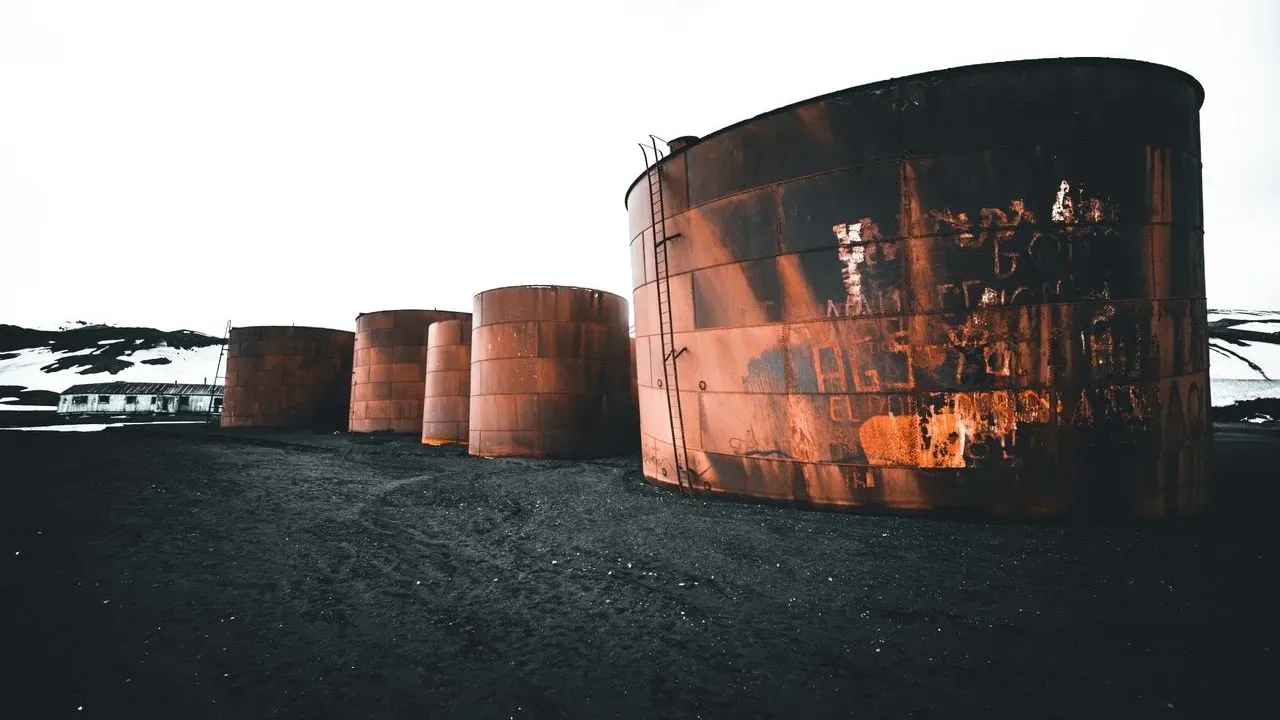

After several days spent navigating the icebergs and glaciers that line the Antarctic Peninsula, expeditions reach Deception Island in the South Shetlands archipelago. The island presents a striking geological contrast: an active volcano whose geothermal heat keeps sections of the landscape free of the thick ice that covers most of the region. This setting allows visitors to observe layers of oxidized iron and black volcanic ash beneath a light dusting of snow.
Navigating the Peninsula’s Frozen Waters
The journey to Deception Island typically follows a route through the Antarctic Peninsula, where icebergs of varying sizes drift in the cold currents. Travelers spend multiple days observing the interplay of sea ice, glaciers, and open water that characterizes this stretch of the Southern Ocean. The approach builds a sense of the scale and isolation of the continent before the island comes into view. The South Shetlands lie just north of the Antarctic Peninsula, forming a chain of islands shaped by both glacial and volcanic processes. Conditions along the route can shift with wind and sea state, requiring careful planning by expedition operators. Those who make the passage gain direct exposure to the environmental dynamics that define polar travel.
Reaching the Island’s Caldera
Deception Island forms a horseshoe-shaped caldera that opens to the sea, creating a natural harbor. The red-tinged rim visible from the water reflects mineral deposits from past eruptions, while geothermal activity continues to influence the surface. Snow covers higher ground, yet warmer ground near the shore remains relatively clear, exposing dark ash and rust-colored soil. Expeditions often anchor inside the caldera, where the protected waters allow for shore landings. The combination of volcanic heat and surrounding ice creates micro-environments that differ markedly from the rest of the South Shetlands. This accessibility within an otherwise ice-bound region makes the island a focal point for those studying Antarctic geology.
Observing Geothermal Features Up Close
On the ground, the effects of ongoing geothermal activity become evident in steam vents and warm ground patches. These features melt overlying snow and ice, revealing stratified layers of volcanic material that record the island’s eruptive history. The contrast between the black ash, iron-rich reds, and white snow provides a vivid illustration of the forces at work beneath the surface. Wildlife such as penguins and seals sometimes frequent the shoreline, taking advantage of the ice-free areas. Visitors follow strict guidelines to minimize disturbance, including maintaining distance from animals and avoiding sensitive ground. Such protocols support the long-term preservation of the island’s unique ecosystem while allowing respectful observation.
Understanding the Island’s Place in Antarctic Travel
Deception Island serves as a tangible example of the geological diversity found within Antarctica’s icy expanse. Its position in the South Shetlands places it within reach of well-managed expedition voyages that also visit the Antarctic Peninsula. The site underscores the value of travel that combines scientific interest with careful environmental stewardship. Operators emphasize low-impact practices, from waste management to wildlife viewing distances, to protect the fragile setting. Travelers who visit gain perspective on both the power of natural processes and the responsibility that comes with access to such remote locations. This measured approach helps ensure the island remains available for future generations to experience.
AI Disclaimer: This article was created with the assistance of AI tools and reviewed by a human editor.