
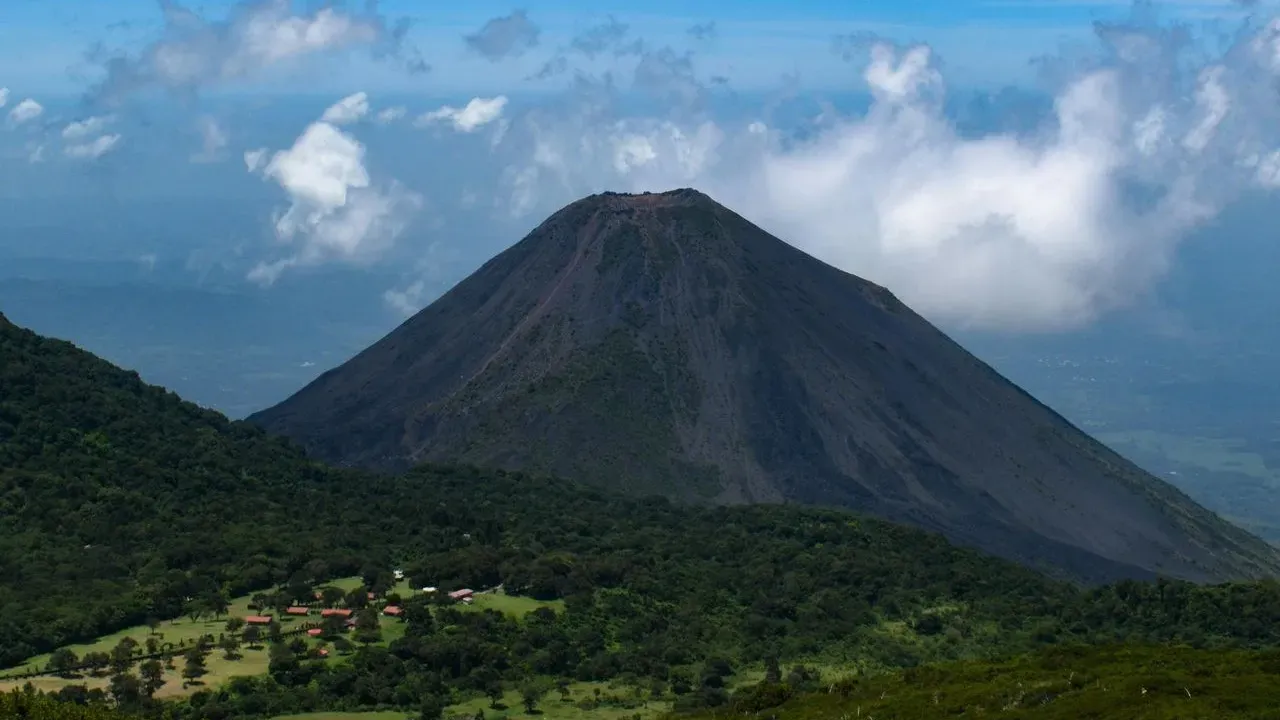

Santa Ana sits in the western highlands of El Salvador, a city shaped by the presence of the country’s tallest volcano and a long tradition of coffee cultivation. Its central district retains rows of colonial-era buildings that speak to centuries of layered history, while surrounding slopes support farms that continue to produce some of the region’s most distinctive beans. Travelers who spend time here find a place where natural drama and everyday cultural rhythms remain closely intertwined.
Climbing Toward the Crater
The Santa Ana Volcano, also known as Ilamatepec, rises more than 2,300 meters above the surrounding landscape. Well-marked trails lead through cloud forest and open slopes, offering changing views of the crater lake and distant peaks on clear days. Guided ascents typically begin early to avoid afternoon clouds, allowing visitors to observe how vegetation zones shift with elevation. Local operators emphasize small group sizes and advance preparation for changing weather. The route passes through areas where volcanic soil supports both native plants and shade-grown coffee, illustrating the direct link between geology and agriculture. Those who reach the rim often pause to take in the contrast between the deep crater and the green valleys below.
Tracing Coffee’s Long Presence
Coffee arrived in the region during the nineteenth century and quickly became central to the local economy. Estates around Santa Ana still maintain traditional methods, with many farms using shade trees that protect both the plants and the surrounding ecosystem. Visitors can join tours that explain the full cycle from harvest to cup, often ending with tastings that highlight the bright acidity typical of highland beans. Several cooperatives in the area focus on sustainable practices, including water conservation and organic fertilization. These efforts support both environmental health and the livelihoods of families who have worked the same land for generations. The connection between volcanic soil and flavor profile becomes clear during these visits, as farmers describe how mineral-rich earth influences the final cup.
Wandering the Historic Center
Santa Ana’s downtown preserves a compact grid of streets lined with neoclassical and baroque facades. The main plaza serves as a gathering point where residents meet daily, surrounded by the cathedral and municipal buildings that date back to the colonial period. Walking tours reveal details such as carved wooden doors and wrought-iron balconies that have survived multiple eras. Artisan workshops and small cafés occupy many of the restored structures, offering a quiet counterpoint to the surrounding volcanic terrain. The architecture reflects the city’s role as a regional hub, where trade routes once carried both agricultural goods and cultural influences. Preservation efforts continue to balance modern use with respect for the original design.
Connecting With Local Rhythms
Beyond the main attractions, Santa Ana offers opportunities to engage with daily life through markets and community events. Fresh produce, handmade goods, and regional dishes appear alongside conversations that reveal ongoing traditions. Many visitors choose to stay in smaller lodgings that support local ownership and reduce environmental impact. Responsible travel here centers on supporting businesses that prioritize fair wages and conservation. The combination of volcanic landscapes, coffee heritage, and preserved streets creates a setting where each element reinforces the others, inviting travelers to move at a measured pace and leave with a deeper appreciation for the place.
AI Disclaimer: This article was created with the assistance of AI tools and reviewed by a human editor.