
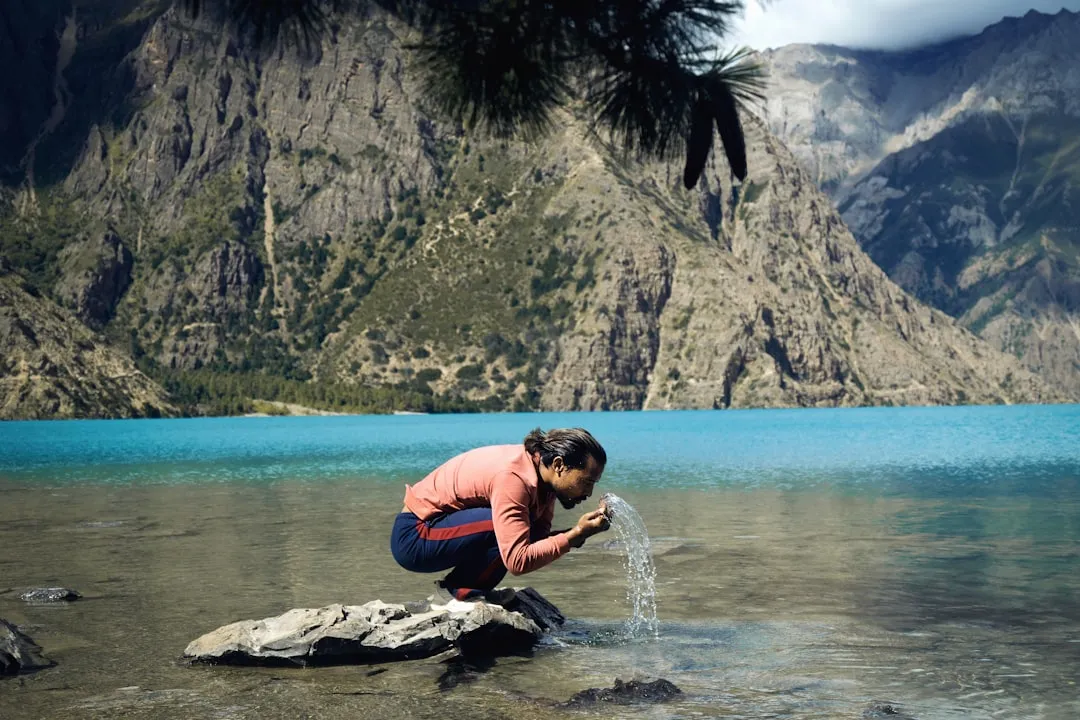
There’s a particular sound backcountry rangers know well: the click of a bite valve toggle, followed by the satisfied gulp of a hiker who hasn’t thought twice about where that water has been sitting. It’s such a small, automatic motion that almost nobody questions it. Yet the people who spend their careers patrolling trails, checking permits, and occasionally treating hikers for stomach trouble tend to have quiet opinions about hydration bladders that rarely make it into gear reviews.
Most of what they’d tell you isn’t about panic. It’s about small habits that either protect you or slowly work against you, one refill at a time.
Assume Every Backcountry Water Source Carries Some Risk
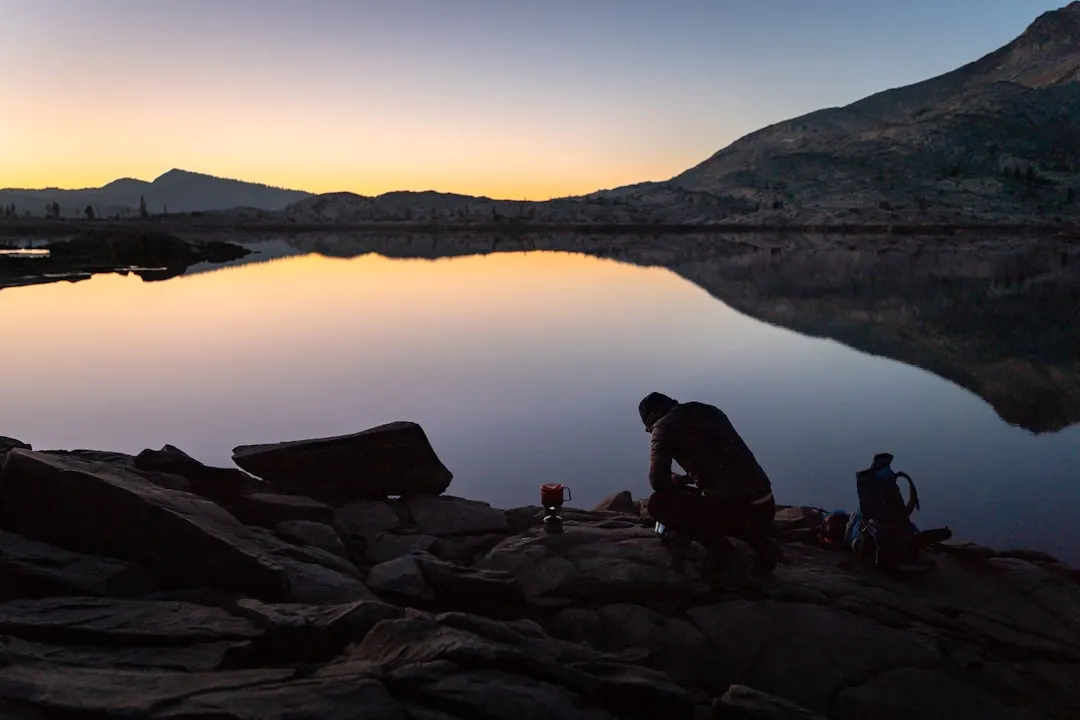
Rangers tend to start from a simple baseline: no natural water source, no matter how clear or remote, should be treated as automatically safe. Brown, silty streams, tea colored rivulets, and even clear, ice cold lakes can all serve up a cocktail of contaminants, though not everything present is necessarily harmful or worth removing. Research on the matter backs this up rather than contradicting it. Fecal coliform bacteria, which signal fecal pollution, show up more often than giardiasis, and risk climbs near trails used by pack animals or cattle.
The Giardia Numbers Are More Nuanced Than the Internet Debate Suggests
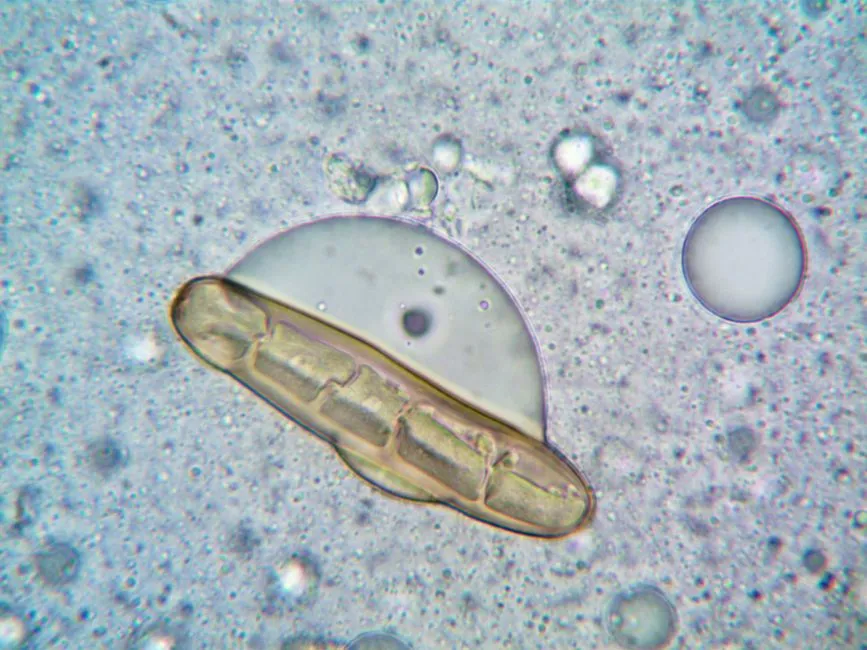
There’s a long running argument online about whether giardia is a real backcountry threat or an exaggerated myth, and the honest answer sits somewhere in the middle. A multi year study of hikers in California’s Desolation Wilderness found that between 5 and 8 percent of tested hikers picked up giardia during a single trip. Meanwhile, groups that follow strict hygiene and treatment protocols do far better. The National Outdoor Leadership School has recorded roughly one illness per 5,000 person field days by sticking to careful hygiene and water treatment habits, which says a lot about how much of this risk is actually within a hiker’s control.
Norovirus, Not Just Parasites, Is the Bigger Recent Concern
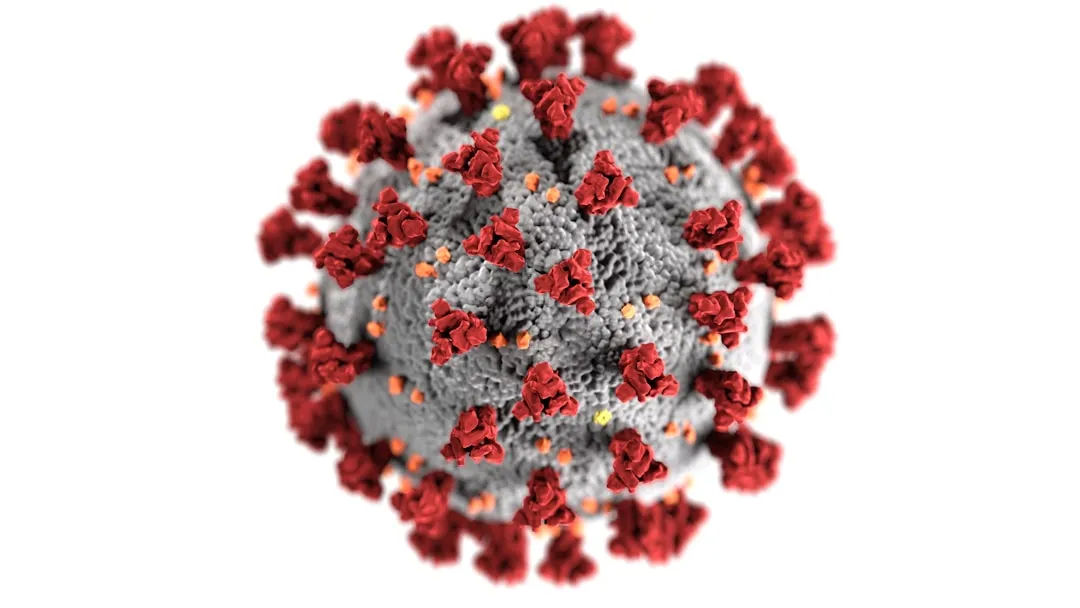
Rangers who’ve dealt with actual outbreaks often point to a threat that gets far less attention than giardia: norovirus. In 2022, health officials tracked a real outbreak in the Grand Canyon backcountry. Between April and June, 191 rafters and 31 backpackers reported symptoms consistent with acute gastroenteritis, and specimens from portable toilets tested positive for norovirus. It’s a useful reminder that hand hygiene and clean drinking systems matter just as much as filtering the creek.
Your Mouth Introduces More Germs Than the Stream Does

Here’s the part most people never consider: a lot of the bacteria growing inside a hydration bladder didn’t come from the wilderness at all. It came from the hiker. The hose is often the most challenging part to clean because of its narrow diameter, and it’s usually the first place bacteria begin to grow. Separate research on reusable bottles found something similar, noting that these containers grow bacteria like Staphylococcus aureus and E. coli quite easily, and norovirus tends to thrive in that same environment.
The Bite Valve Toggle Is the Dirtiest Touchpoint on Your Rig
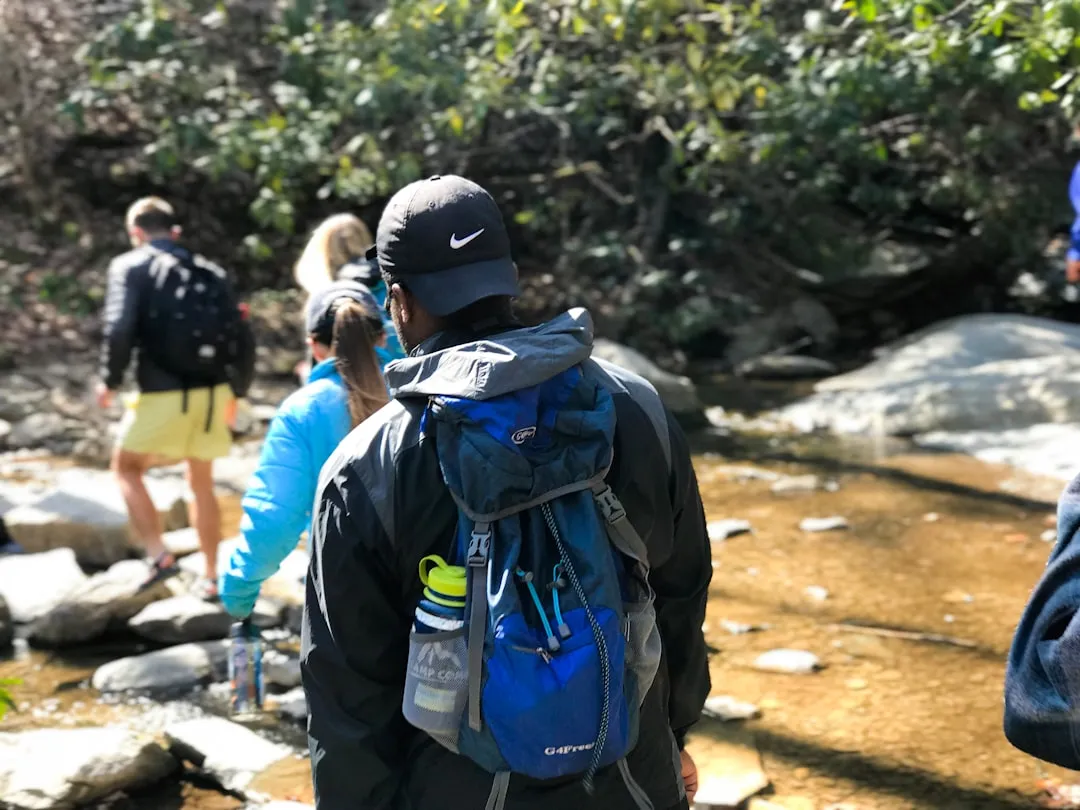
That little toggle switch gets touched, bitten, and breathed on constantly, which makes it one of the hardest parts of the whole system to keep clean. Cleaning the bite valve can be tricky, since it requires a small brush to reach the hard to reach spots where bacteria and residue collect. A broader look at reusable containers found a number worth remembering before your next refill. A study led by Purdue University researchers discovered that over 20 percent of sampled reusable bottles contained coliform bacteria, which is a strong argument for treating that toggle like the high contact surface it actually is.
Dark, Opaque Bladders Hide Problems Clear Ones Reveal
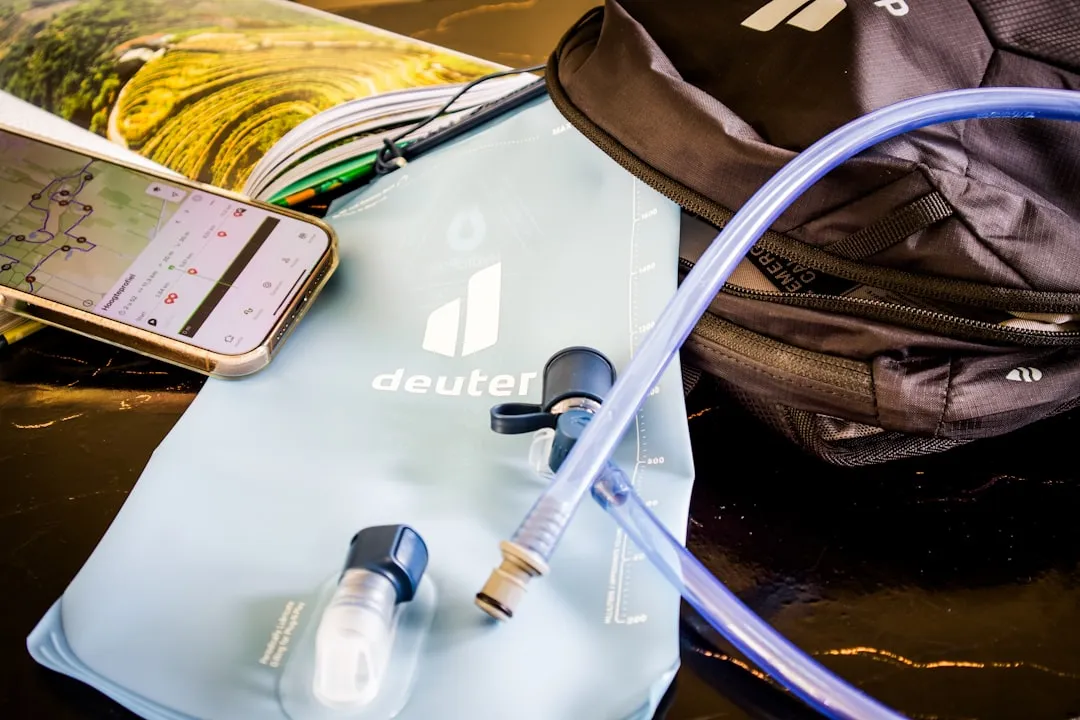
Tactical black reservoirs look great on a pack, but rangers who’ve cut open a few old bladders will tell you they’re not doing anyone any favors. Dark colored hydration bladders may look sleek, but they hide dirt and mold, while a clear or transparent reservoir is always the better choice for maintenance. There’s also a newer concern worth knowing about. Recent attention has turned to micro and nanoplastics leaching into stored liquid, and using an opaque flexible film can help block ultraviolet light that speeds up plastic degradation, so the tradeoff between visibility and UV protection isn’t as simple as it first seems.
Empty and Dry Between Trips, Every Single Time
This is the habit rangers repeat most often, mostly because so few hikers actually do it. Not storing a pack full of water, or even slightly damp, matters because that dampness creates the ideal environment for mold and bacterial growth. It sounds obvious once you hear it, yet even a bladder that only ever holds plain water can become a breeding ground for mold and mildew, since bacteria growing in sitting water can make you sick or at least ruin the taste.
Sizing Changes More Than Comfort, It Changes Your Water Math
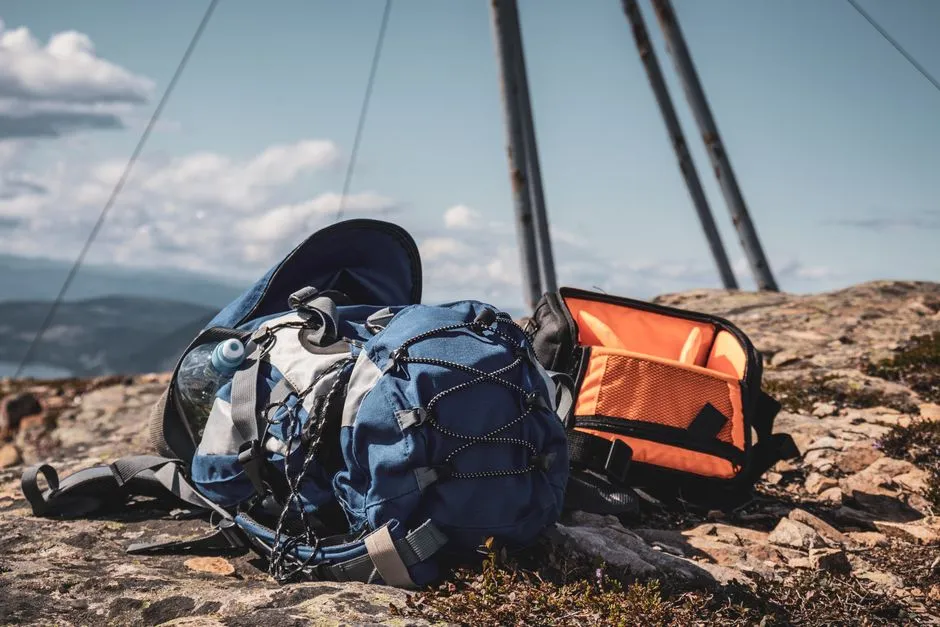
Picking a reservoir size isn’t just about what fits comfortably in your pack. Reservoirs generally range from about 1.5 to 3 liters in capacity, and that difference carries real weight, literally. Three liter reservoirs work especially well in areas where water sources are scarce, though when full they get considerably heavier, with a 3 liter bladder holding roughly 6.5 pounds of water. Rangers in drier terrain often see hikers who either overpack water and suffer under the load, or underpack and run dry between sources, so matching size to the actual route matters more than gear reviews tend to suggest.
Filling Technique at the Source Matters as Much as Treatment
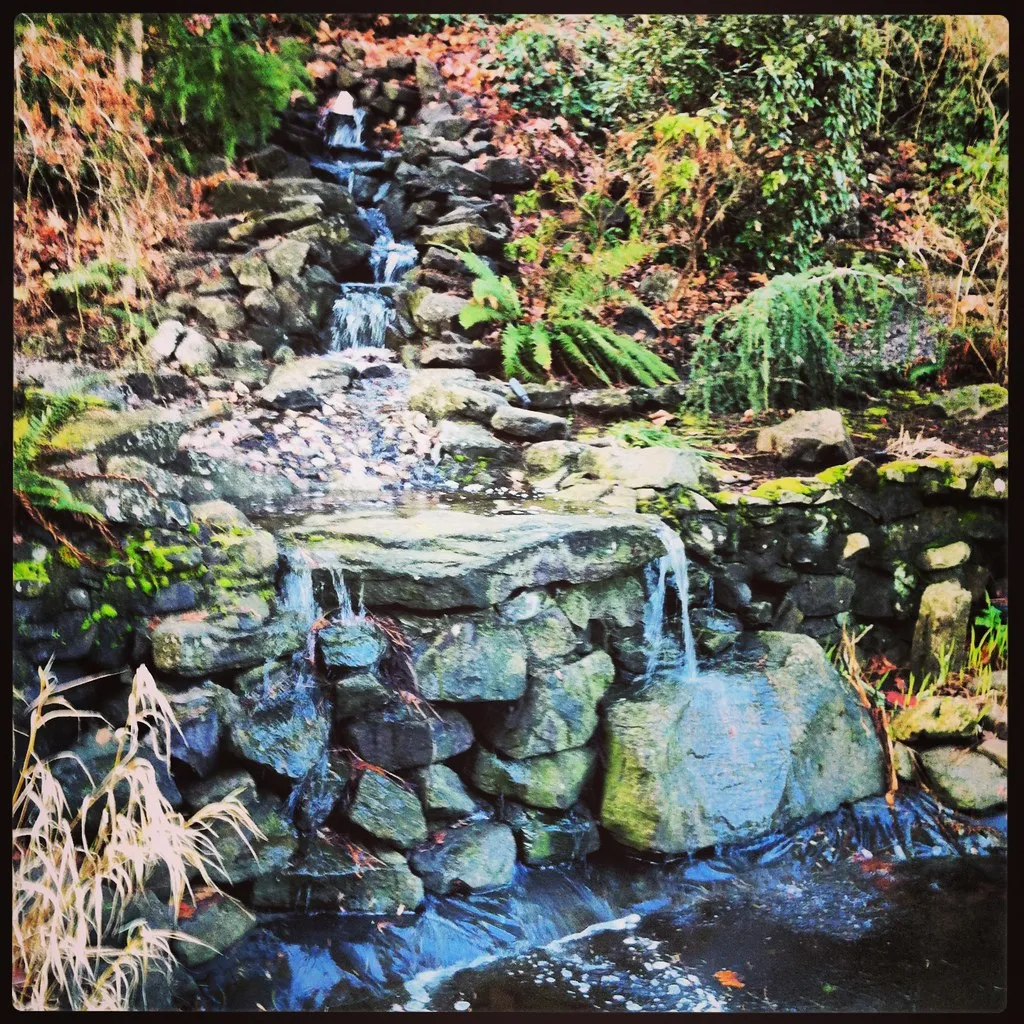
How you actually get water into the bladder at a shallow stream or trickling spring is its own small skill. One reliable trick is creating a pour over by positioning a leaf in a creek or streambed to funnel water into a small container before transferring it. Many hikers also rely on inline filtering rather than treating water before it goes in. This means filling the bladder or bottle with unfiltered water first, then filtering it later by drawing it through a filter as you drink, which works well as long as the filter itself stays clean and functional.
Respecting the Water Source Protects the Next Hiker’s Bladder Too
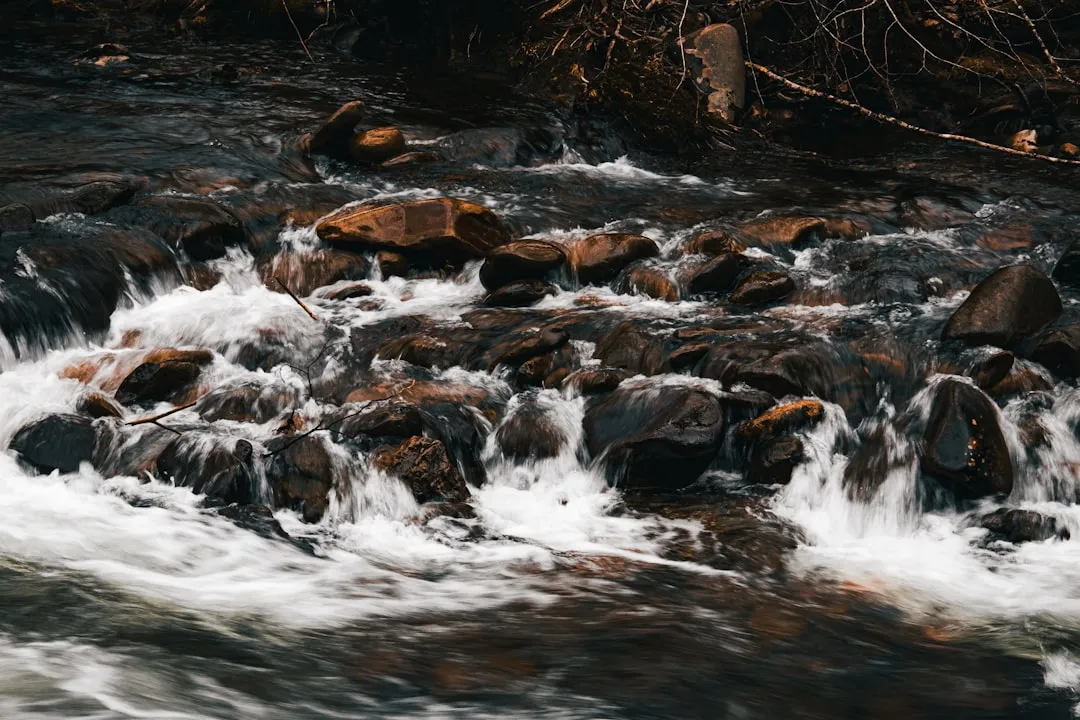
Every ranger has a version of the same reminder, and it’s less about your own bladder and more about the person filling theirs after you. Leave No Trace guidance calls for staying at least 200 feet from the nearest stream or lake when nature calls, precisely so the next hiker isn’t filtering someone else’s waste. It’s a simple courtesy with real consequences, and it’s worth remembering that a quick call to the local ranger station can also inform you of any particular risks specific to that watershed before you ever fill up.
None of this amounts to a reason to fear your own gear or second guess every sip on the trail. It’s really just a short list of habits, drying the bladder fully, keeping the toggle clean, filling thoughtfully, and giving water sources some room, that rangers wish more hikers carried alongside their maps and snacks. The wilderness itself hasn’t changed much. What’s changed is how much we now understand about the small plastic reservoir riding quietly on our backs, and how easily a little attention keeps it working the way it’s supposed to.
AI Disclaimer: This article was created with the assistance of AI tools and reviewed by a human editor.