
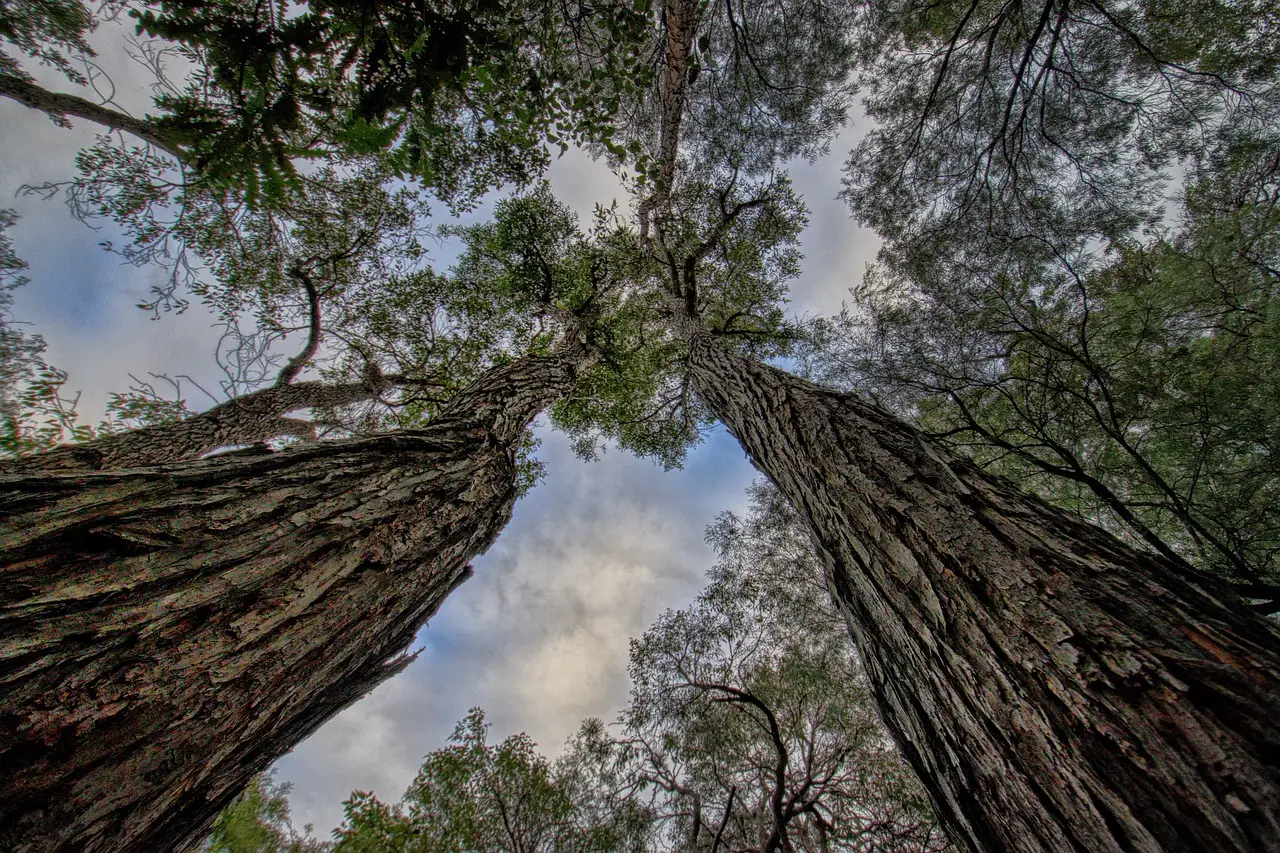
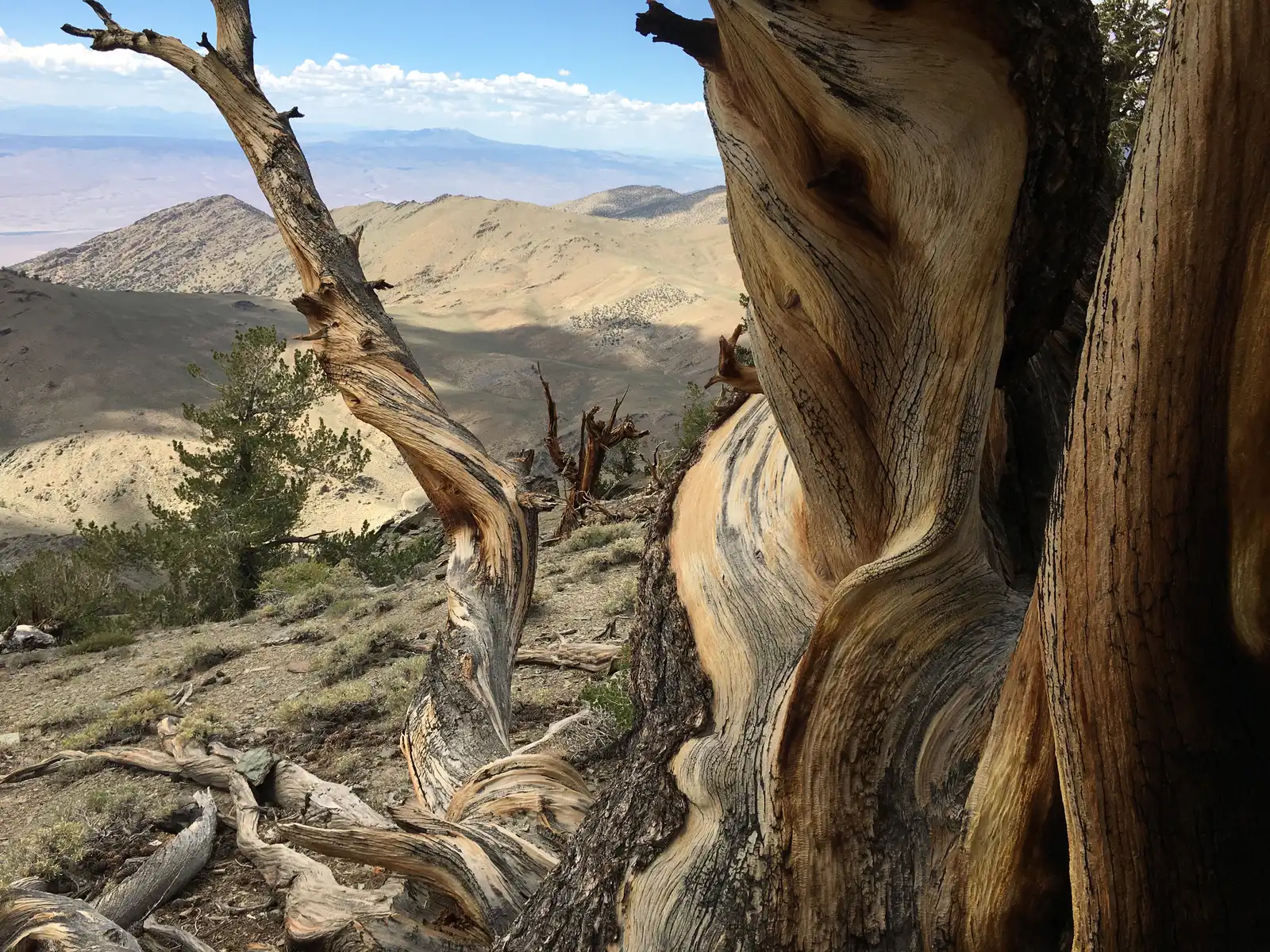
There is a particular kind of quiet that settles over you above ten thousand feet, where the air thins and the trees stop looking like trees at all. In California’s White Mountains, gnarled shapes cling to pale dolomite slopes, looking less like living things and more like driftwood that washed up on a mountaintop by mistake. What you are actually looking at, though, are some of the oldest living organisms ever confirmed on this planet, and walking among them changes how you think about time.
A Landscape Built for Survival, Not Comfort
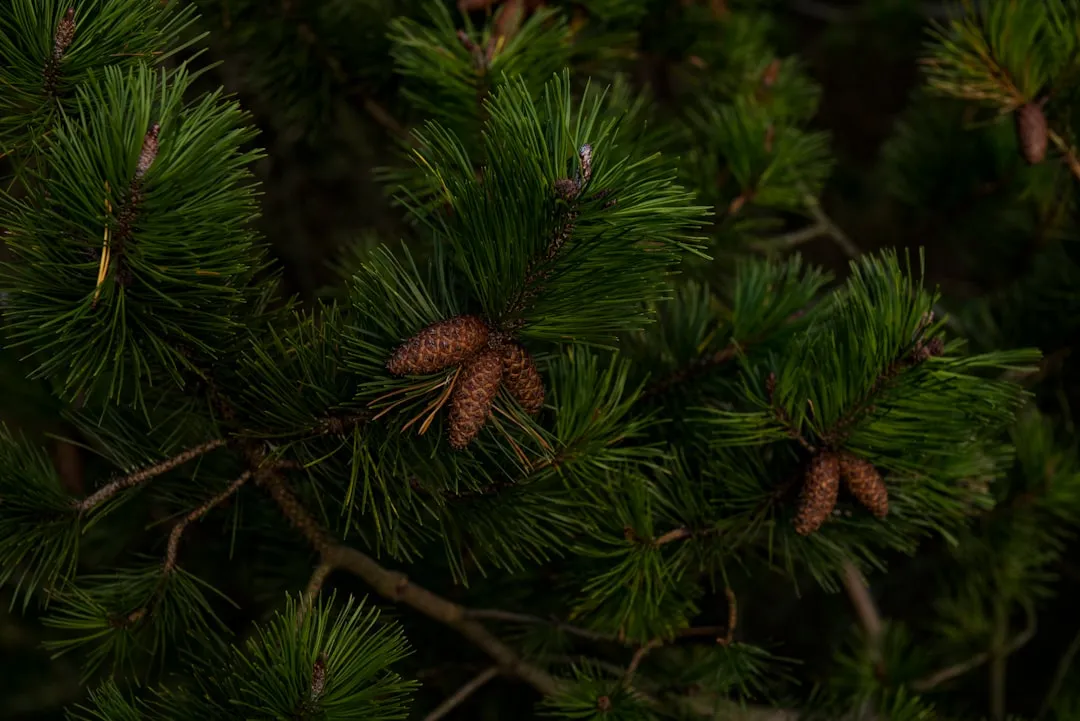
The Ancient Bristlecone Pine Forest sits in a remote pocket of Inyo County, east of the Owens Valley, in a range that forms part of the Great Basin. This protected area sits high in the White Mountains, on the eastern face above the northernmost reach of the Mojave Desert into the Great Basin ecotone. The Great Basin bristlecone pine, Pinus longaeva, favors elevations between 9,800 and 11,000 feet above sea level, in xeric alpine conditions, protected within the Inyo National Forest. It is a place defined by scarcity: thin soil, brutal wind, and barely any rainfall, which turns out to be exactly what these trees need.
Meet Methuselah, the Tree Older Than the Pyramids
The forest’s most famous resident is a tree named Methuselah, and its age is difficult to fully absorb. Methuselah is a 4,857-year-old Great Basin bristlecone pine growing high in the White Mountains of Inyo County, and it is recognized as the non-clonal tree with the greatest confirmed age in the world. Its germination has been traced back to roughly 2833 BCE, older than the Great Pyramid of Giza, older than Stonehenge’s sarsen circle. Somewhere nearby once stood an even older rival named Prometheus, a bristlecone on Nevada’s Wheeler Peak that was at least 4,862 years old and possibly more than 5,000 when it was cut down in 1964 by a graduate student and Forest Service personnel for research purposes. That loss, unintentional as it was, still shapes how carefully the remaining ancient trees are guarded today.
Edmund Schulman and the Science of Tree Rings
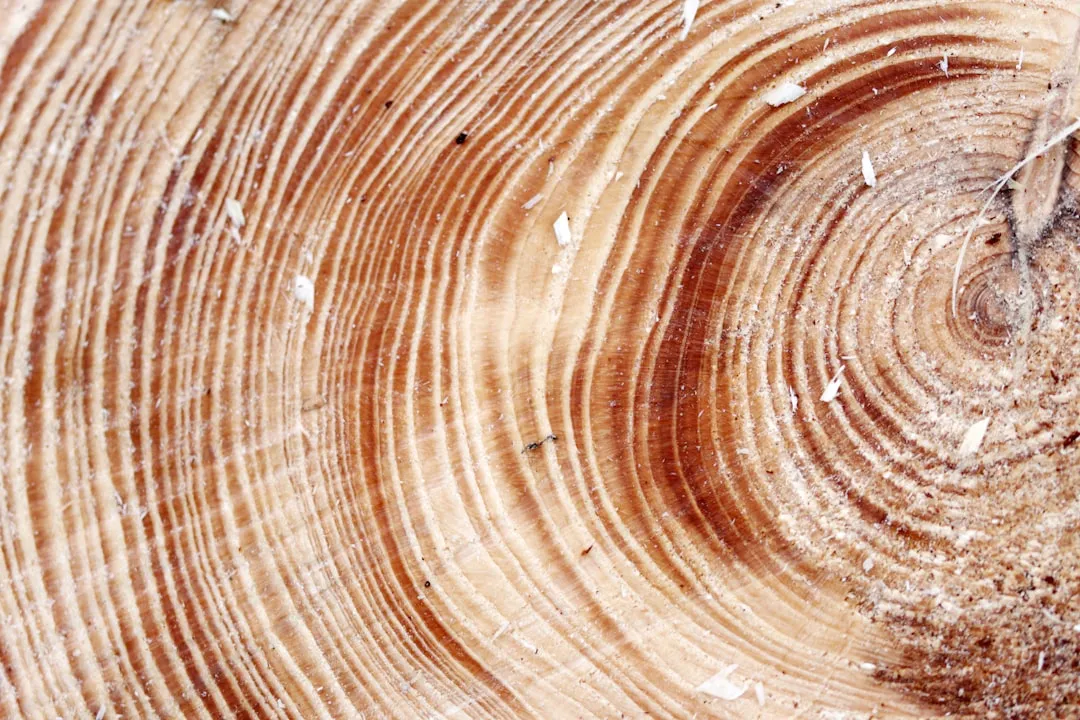
None of this would be known without the work of one dendrochronologist. The tree was cored and dated by Edmund Schulman of the University of Arizona’s Laboratory of Tree-Ring Research. Schulman had come to the White Mountains in the 1950s expecting little, and instead found trees whose growth rings rewrote assumptions about longevity in the natural world. He discovered the trees in 1953, and his findings greatly influenced the study of dendrochronology, with bristlecone chronologies raising questions relating to the widely respected field of radiocarbon dating. The visitor center at the trailhead now carries his name, a modest tribute to a discovery that reset the record books.
Why the Oldest Tree’s Location Remains a Secret
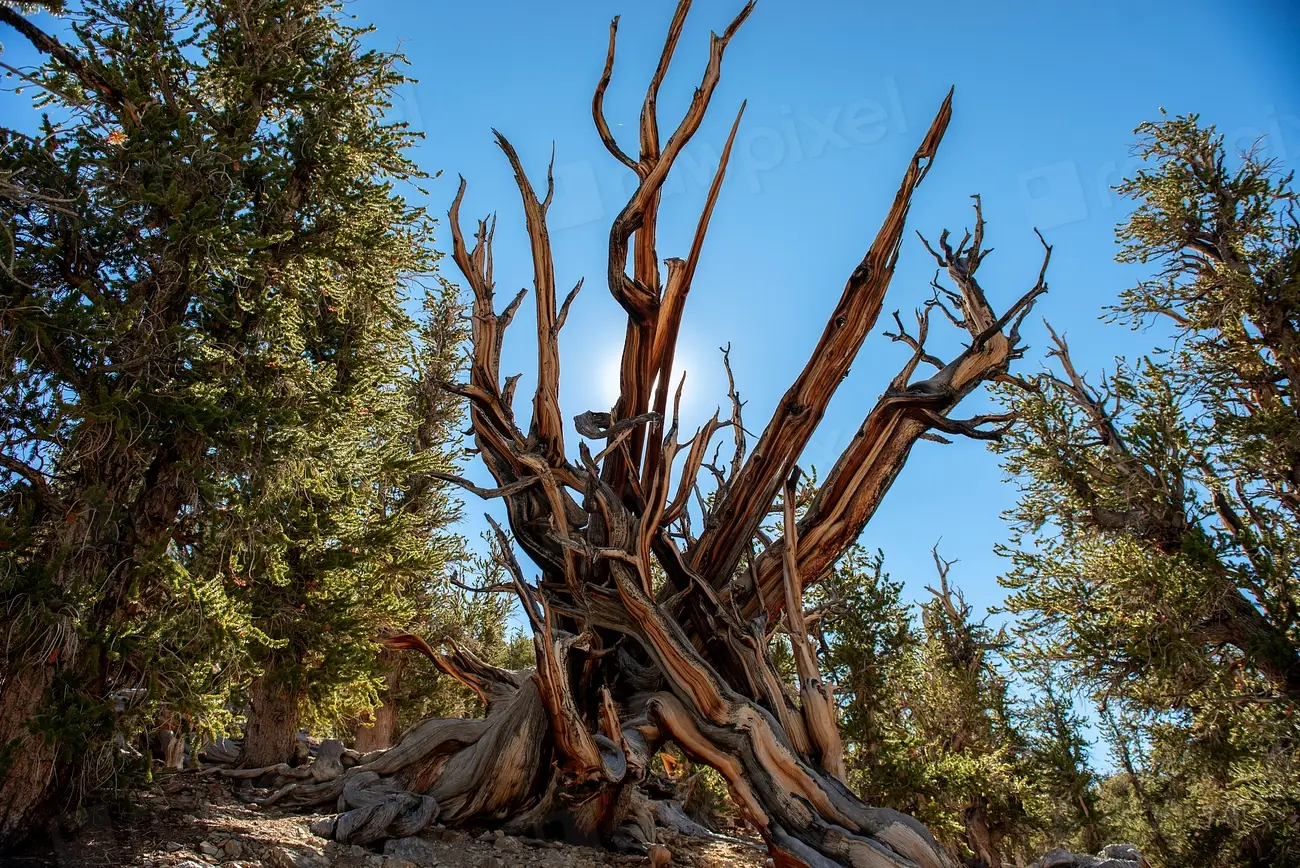
If you walk the main trail expecting a plaque or a fence around Methuselah, you will be disappointed, and that is entirely intentional. Methuselah is not marked in the forest, to ensure added protection from vandals. The reasoning is straightforward: a bristlecone offers no defense against a knife or a saw, and the Forest Service has decided that anonymity is the safest shield available. The United States Forest Service does not disclose its exact location, although the tree’s location is now widely known and available on the internet following a high-profile leak in 2021. Even so, most visitors respect the spirit of the rule and simply walk the loop wondering which twisted trunk might be the one.
Where the Walk Begins: Schulman Grove Visitor Center
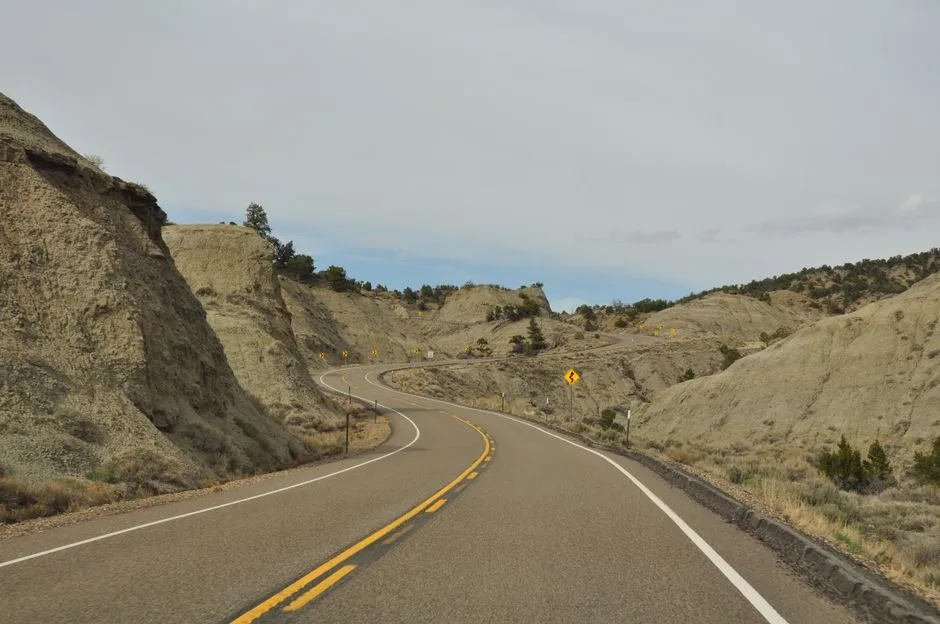
Most visits start at a small building perched right at the edge of the grove. The grove where Methuselah lives is easily accessed by road from State Route 168 along White Mountain Road to the Schulman Grove Visitor Center, which is open annually from about mid-May through October, weather permitting. Inside, exhibits explain dendrochronology in plain terms, and rangers offer trail advice for visitors who have never hiked at this altitude before. The center itself is wheelchair accessible, and many old trees can be seen from the deck and boardwalks without needing to hike at all. It is a gentle introduction before the trail asks more of your legs and your lungs.
Walking the Methuselah Trail
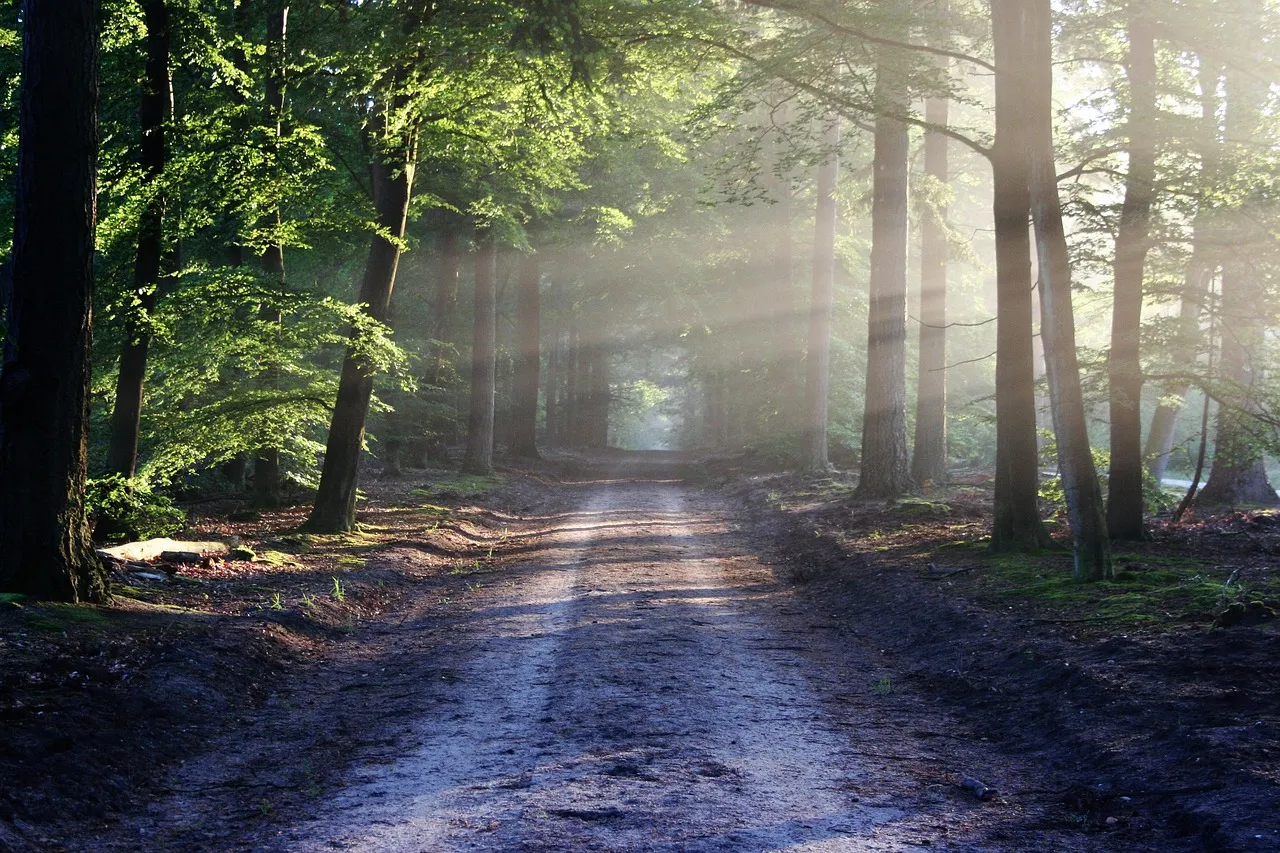
From the visitor center, the main hike loops through the grove that gives the tree its fame. The trail starts from the visitor center at 9,846 feet and makes a 4.5-mile loop that includes the side valley of the Methuselah Grove, a high section looking out eastward over Nevada’s basin-and-range region, and side trails to old mining sites. Along the way, trees that look almost unremarkable at a glance, barely twenty feet tall with corkscrewed trunks and patches of rust colored bark, are routinely two or three thousand years old. Numbered markers correspond to a trail booklet, though the real experience is less about identifying species and more about absorbing the sheer scale of time represented in one small valley. The thin air at this elevation makes even a moderate walk feel more demanding than it looks on paper, so a slower pace is not just advisable, it is necessary.
Patriarch Grove and the Largest Bristlecone Pine
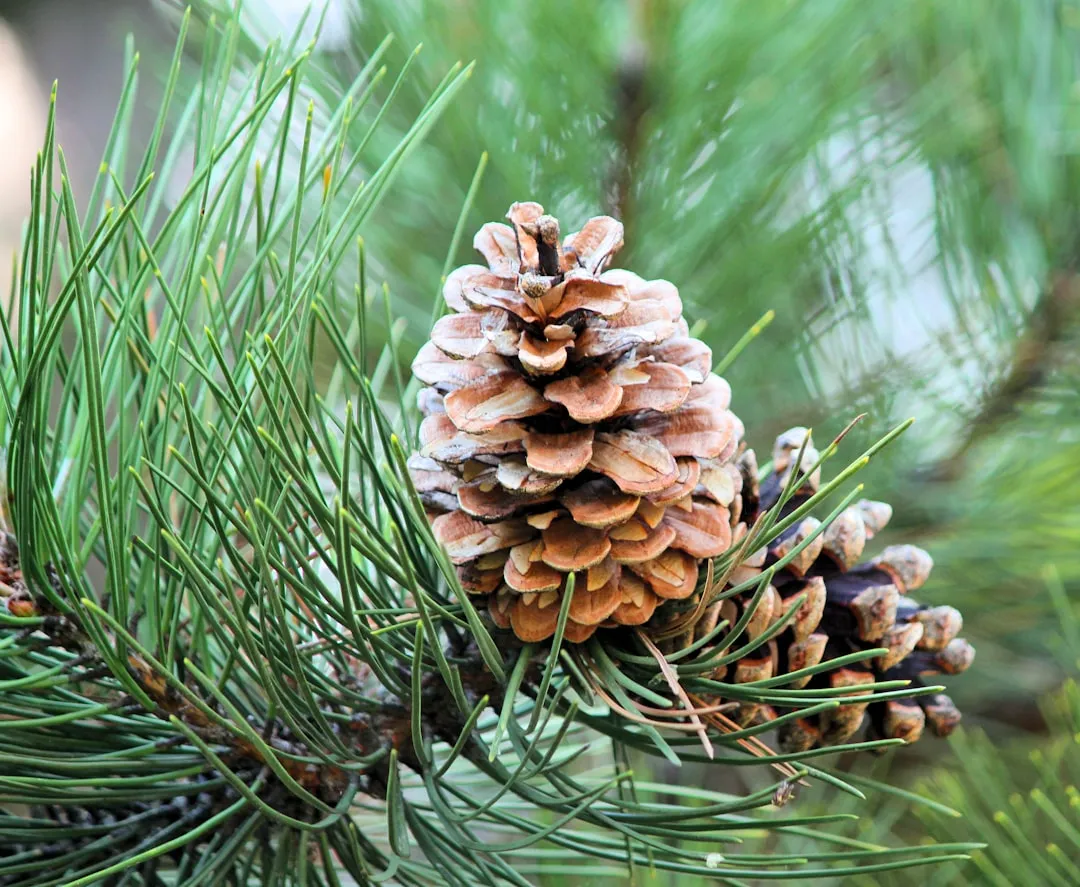
Further up a rougher stretch of road, a second grove offers a different kind of encounter with these trees. Patriarch Grove is home of the world’s largest bristlecone pine, the Patriarch Tree, and a self-guided nature trail. The grove also holds ecological significance beyond its famous tree, since it is the source of Cottonwood Creek, a designated Wild and Scenic River. Reaching it requires a higher clearance vehicle and a bit more patience, but the reward is a landscape so open and wind scoured that it feels closer to tundra than to a typical California forest.
The Biology Behind Extreme Longevity
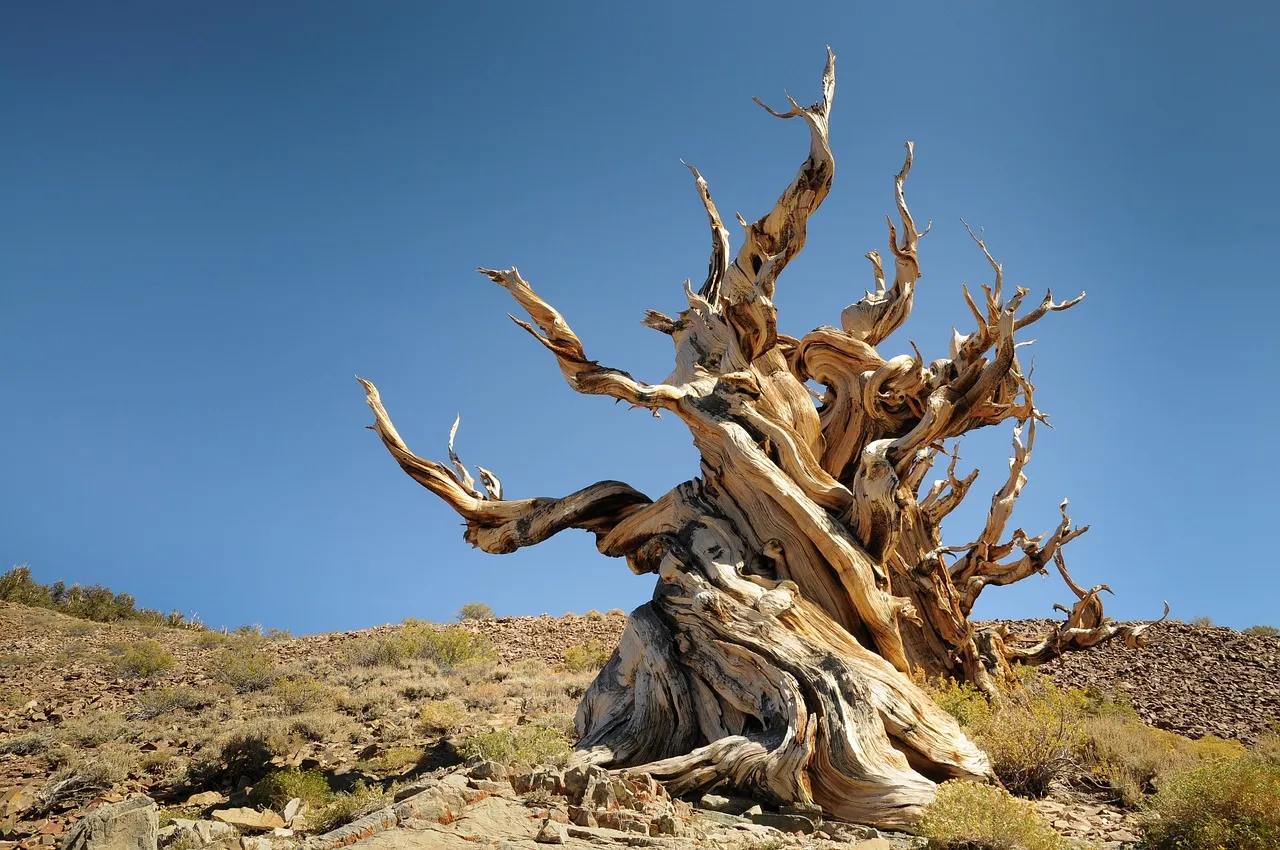
What allows a tree to survive for nearly five millennia comes down to a strange kind of hardship. The tree’s old age is a result of harsh weather and a lack of nutrients, which slow down the decaying process. Counterintuitively, bristlecones growing in richer, wetter soil tend to live shorter lives, since faster growth means softer wood and greater vulnerability to rot, insects, and fire. The trees here grow so slowly that a single ring of wood can represent an entire year of near stasis, and that slow pace appears to be the whole secret. It is a reminder that resilience and comfort are not always the same thing, in trees or otherwise.
New Genome Research Decoding the Secrets of Longevity

Recent science has started to explain that resilience at a molecular level. A study published in the journal G3: Genes, Genomes, Genetics confirmed that the Great Basin bristlecone pine is the oldest individual, non-clonal organism on the planet, with some trees living more than 5,000 years. Researchers, working with a permit from the USDA Forest Service, collected tissue samples from the needles and seeds of a bristlecone pine tree in California’s White Mountains to sequence its genome for the first time. The work was funded by the Vaughn-Jordan Foundation through the Whitebark Pine Ecosystem Foundation, as well as by the National Science Foundation and National Institutes of Health. Early findings point toward genes involved in DNA repair and resistance to cellular damage, offering a possible biological explanation for why these trees seem to age so gracefully compared to almost anything else alive.
Visiting Responsibly: What Today’s Travelers Should Know

Even trees this tough are not indestructible, and recent history is proof of that. Despite the hardiness needed to survive millennia at environmental extremes, bristlecone pines are vulnerable to changing climate conditions, particularly drought, and several populations experienced a rare die-off event in 2022 from a combination of drought stress and bark beetle infestation. That vulnerability makes simple courtesies matter more than they might elsewhere: staying on marked trails, never touching the bark, and packing out everything you bring in. The road up is long and remote, with no gas, food, water, or cell phone service available at the top or along the route, so a full tank, sun protection, and time to acclimate to the altitude are not optional extras but basic preparation. Visiting in late spring through fall, when the road is clear of snow, gives the best chance of experiencing the grove at its most accessible.
Few places on earth let you stand this close to something that predates recorded history and simply watch it keep going. The bristlecones of the White Mountains do not perform for visitors or reveal their oldest members with fanfare. They just endure, quietly, on a windswept slope that has asked almost nothing of them except patience, and that alone feels worth the long drive up.
AI Disclaimer: This article was created with the assistance of AI tools and reviewed by a human editor.