
Every year, thousands of families spend real money planning trips to places that would have cost them nothing, simply because nobody told them about a pass sitting quietly on a government website. It is not hidden exactly, but it is not exactly advertised either, tucked into school newsletters and easy to overlook if your child’s teacher does not mention it. For parents juggling permission slips, sports schedules, and homework, a program with a plain government name can slip right past unnoticed.
A Pass Hiding in Plain Sight
The Every Kid Outdoors program gives one specific group of American kids, and by extension their entire families, a full year of free entry to hundreds of federal lands. The Every Kid Outdoors program allows 4th-graders to see America’s natural wonders and historic sites for free. It sounds narrow at first glance, limited to a single grade level, but the reach turns out to be much wider once you look at how many sites accept it and how many people it covers per pass. Millions of American households have a fourth grader at some point, which means this window of eligibility touches nearly every family in the country eventually.
Who Actually Qualifies

The rule is refreshingly simple compared to most federal benefit programs. The pass is for U.S. fourth-grade (or home-school equivalent) students. That means it is not limited to public school kids. It is available for U.S. 4th-graders, including home-schooled and free-choice learners 10 years of age, with a valid Every Kid Outdoors paper pass. There is no income test, no application review, and no waiting list, which sets it apart from many family assistance programs that require proof of financial need.
More Than Just the Kid Gets In Free

This is the detail that surprises most parents once they actually read the fine print. If a group visits a site that charges entrance fees per person, the pass admits all children under 16 and up to three adults for free, and if the site charges vehicle entrance fees, the pass admits all children under 16 and all adults in up to one passenger vehicle. In practice, that often means an entire family, plus a grandparent or a friend’s child, can walk through the gate together on one child’s pass. Up to three adults age 16 and older and all kids under age 16 get in free, so families are encouraged to bring everyone along.
What the Pass Leaves Out
It is worth being upfront about the limits, because disappointment at the gate is the last thing any family wants after driving hours to a park. The pass does not cover things like parking fees, camping, boats, and special tours. It also has geographic and management gaps. Some sites are managed by private operators, and they may not honor the pass. A quick phone call before a road trip solves most of this, and the program’s own site keeps a running list of participating locations so families are not guessing.
How to Actually Get One
Getting the pass takes closer to fifteen minutes than fifteen days, which is part of why so many families miss it entirely. Families visit the Every Kid Outdoors website, and students complete a short educational activity or quiz about public lands before printing a paper pass that grants free entry to federal lands and waters. That printed voucher then gets swapped for a sturdier version at the entrance station.
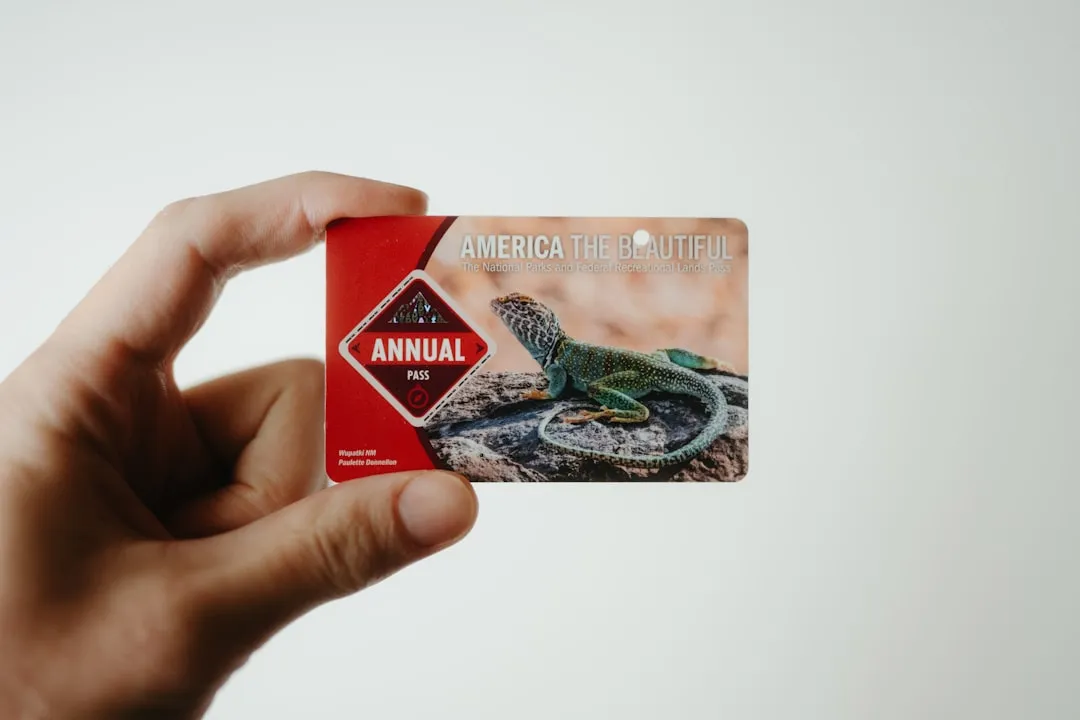
Paper passes can be printed from the Every Kid Outdoors website and exchanged for the Annual 4th Grade Pass at federal recreation sites that charge entrance fees or standard amenity fees. One catch trips people up constantly, so it deserves repeating clearly. Digital versions of the paper pass, such as on smartphones or tablets, are not accepted to exchange for an Annual 4th Grade Pass.
Where the Pass Actually Works
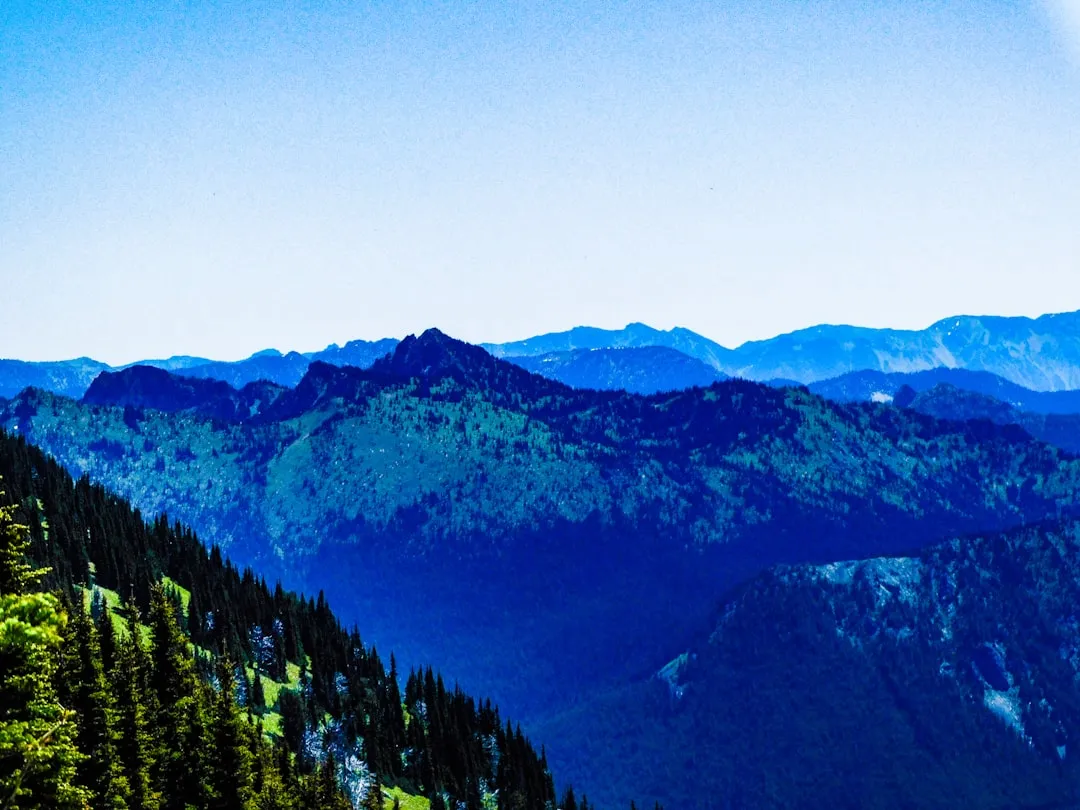
The list of qualifying locations is larger than most people assume, stretching well past the famous national parks into forests, refuges, and waterways most families have never heard of. The pass is valid at over 2,000 public lands and waters, national parks, national forests, and national wildlife refuges. Coverage spans multiple federal agencies rather than just one park system.
As of 2025, participating federal organizations included the Bureau of Land Management, the United States Bureau of Reclamation, the National Oceanic and Atmospheric Administration, the National Park Service, the U.S. Fish and Wildlife Service, the U.S. Forest Service, and the U.S. Army Corps of Engineers. A handful of states have gone further and folded the pass into their own park systems. Some states recognize the Every Kid Outdoors pass and accept it in lieu of fees for their state park systems, including Maryland and New York.
The Timing Window Families Miss

Fourth grade lasts one school year, but the pass is generous with its calendar in a way that rewards planning ahead. It is free, non-transferable, and valid for the duration of the 4th-grade school year through the following summer, running September through August. This means the pass covers the entire academic year plus the summer that follows, giving families a full twelve months rather than just a school-year sliver. A family that misses the fall can still use it for spring break and the following summer, which is often when longer national park trips actually happen anyway.
Comparing It to What Adults Pay
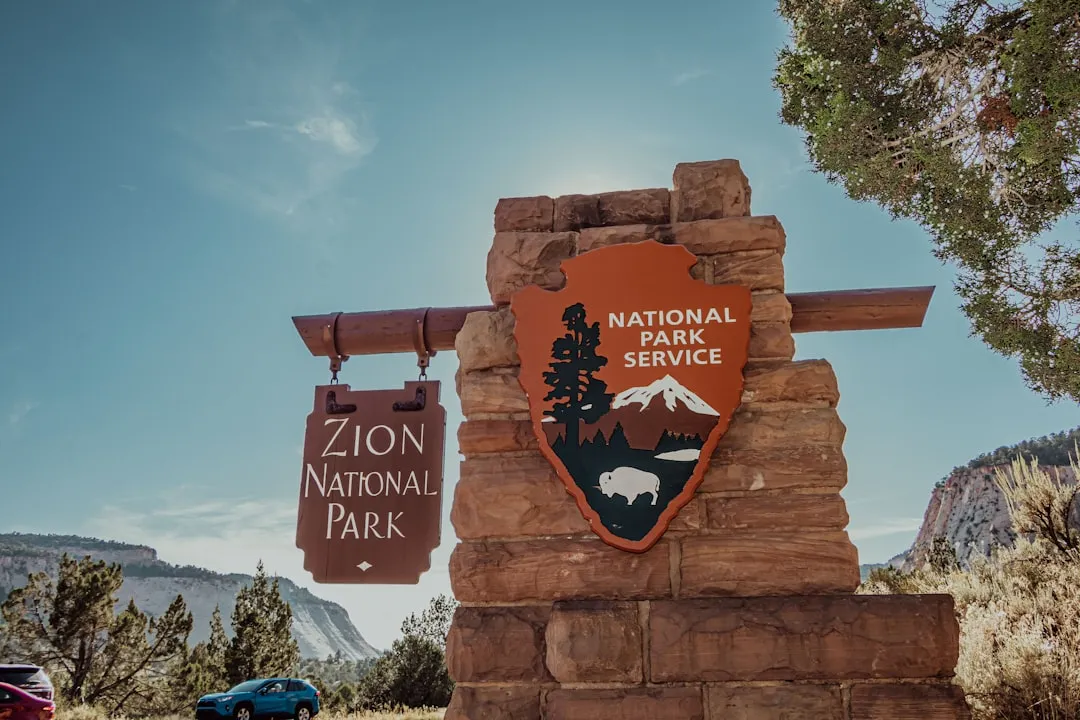
To understand why this pass matters, it helps to look at what everyone else is paying at the gate. Starting January 1, 2026, the Annual America the Beautiful Pass costs 80 dollars for U.S. residents and 250 dollars for nonresidents. Individual park entrance fees add up quickly for a family visiting several parks in one trip, so a free year-long pass covering the child plus up to three adults, or an entire vehicle, represents a meaningful savings for households already stretched thin by summer travel costs. For many families, especially those in urban areas or with limited discretionary income, entrance fees can otherwise deter trips to national parks altogether.
What Changed for Parks in 2026
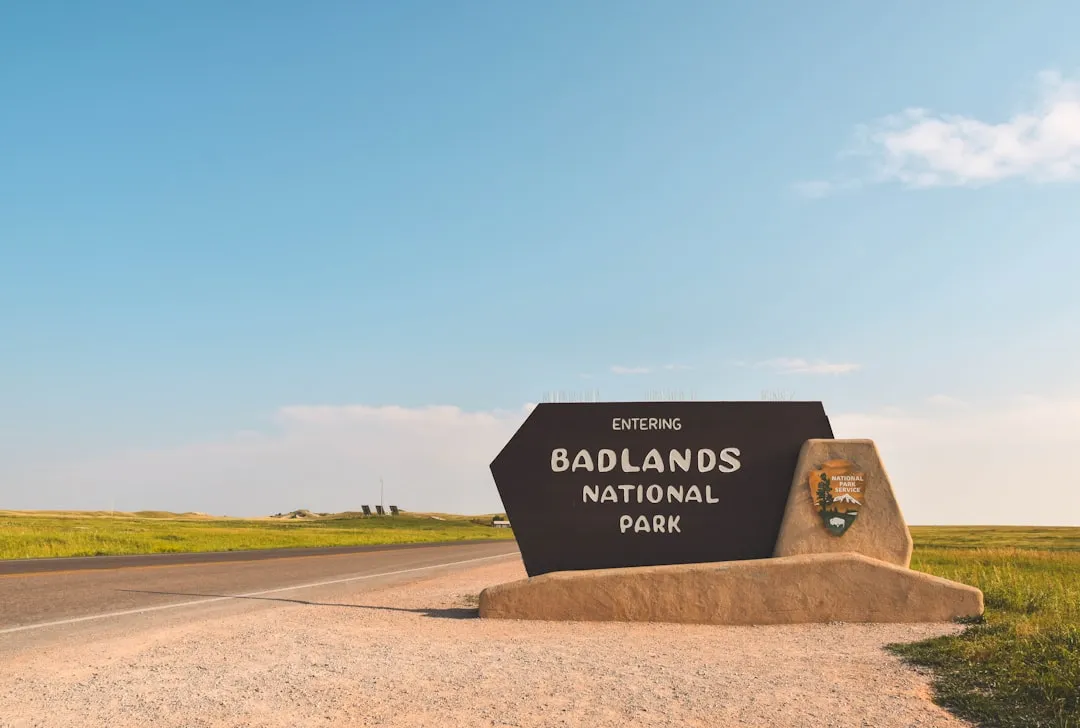
It is worth understanding the broader fee landscape this year, since the rules around national park access have shifted in ways separate from the Every Kid Outdoors pass itself. Beginning January 1, 2026, the Department of the Interior rolled out digital America the Beautiful passes, updated pass artwork, expanded motorcycle access, and a new resident-focused fee structure.
Fee-free days have also changed. Beginning in 2026, free entrance on fee-free days applies to U.S. citizens and residents only, while nonresidents pay the regular entrance fee and any applicable nonresident fees. The Every Kid Outdoors pass itself was not caught up in these pricing shifts, and its legal footing looks stable for years to come. The program was renewed again in the EXPLORE Act when it was signed into law in early 2025, extending the Every Kid Outdoors Act until 2031.
Making the Most of a Short Window
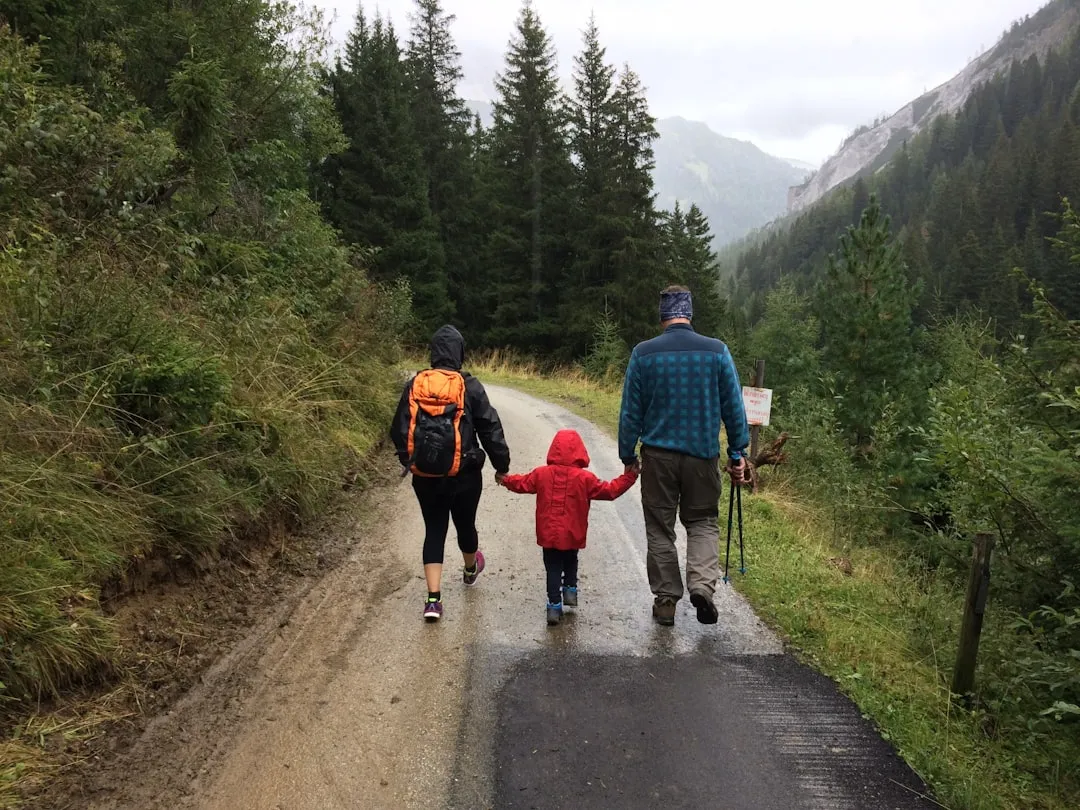
Because the eligibility only lasts one school year, a little intention goes a long way toward using it well. Teachers can request passes for an entire classroom rather than leaving it to individual families to discover on their own. Teachers can get passes for their entire class, since the program offers passes for all students along with educational guides focused on citizen science, environmental stewardship, and lessons on native land. Pairing the pass with a Junior Ranger booklet or a simple family nature journal turns a free entrance ticket into something closer to a year of ongoing exploration, rather than a single one-time visit.
Programs like this rarely announce themselves loudly, and Every Kid Outdoors is easy to miss precisely because it asks so little of the families who use it. A short online activity, a printed voucher, and a fourth grader in the car is genuinely all it takes to unlock a year of public lands for an entire household. For a program built on a birthday-cake-simple rule, its real value lies in how many quiet family memories it makes possible before that one school year quietly runs out.
AI Disclaimer: This article was created with the assistance of AI tools and reviewed by a human editor.