
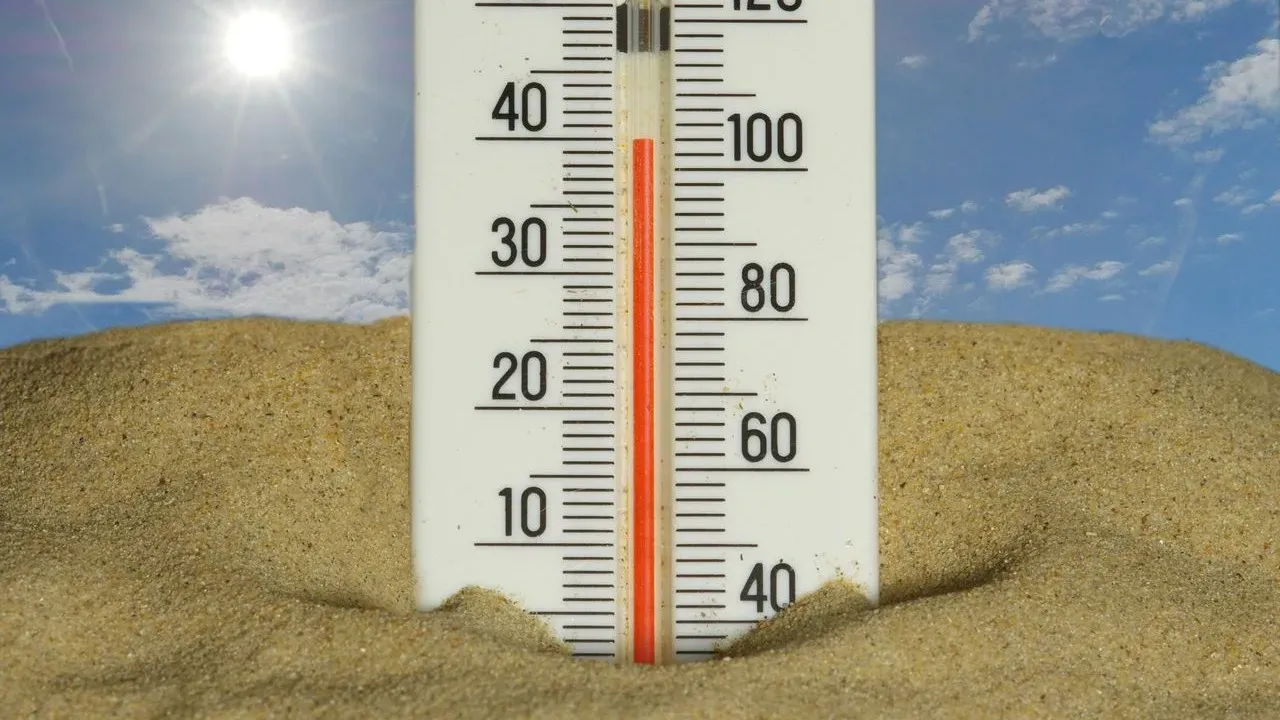

Midwest and East Coast communities are preparing for a holiday weekend shaped by persistent high pressure that has settled over much of the central and eastern United States. The pattern has produced widespread heat advisories and extreme heat warnings, placing nearly half the country under conditions where daytime highs combined with humidity could feel well above 100 degrees. Travelers heading out for family gatherings, fireworks displays, or short getaways are already adjusting routes and schedules in response.
Transportation Adjustments Underway
Rail operators have introduced speed restrictions on several corridors to protect tracks and overhead systems from the sustained heat. Amtrak and NJ Transit services report occasional delays as crews monitor equipment more closely during peak travel hours. Motorists on major highways may encounter similar slowdowns where pavement temperatures rise quickly, prompting state transportation departments to increase patrols and rest-area staffing. Many airports in the affected regions have added extra water stations and shaded waiting areas near terminals. Passengers are encouraged to arrive earlier than usual and carry reusable bottles that can be refilled inside security checkpoints.
Health and Comfort Priorities
Public health guidance emphasizes that overnight temperatures are remaining unusually warm, limiting natural recovery time for those without reliable air conditioning. Older adults, young children, and anyone with respiratory or cardiovascular conditions face elevated risks during prolonged exposure. Cooling centers in cities from Chicago to Boston have extended hours, and local transit agencies are offering free rides to these facilities on the hottest afternoons. Travelers are finding value in flexible itineraries that shift outdoor activities to early morning or evening windows. Hotels and resorts in the region have reported increased requests for rooms with strong climate control and access to indoor pools or lounges.
Air Quality and Outdoor Events
Ground-level ozone formation accelerates under the heat dome, while fireworks displays add fine particles to the mix. The stagnant air can keep those pollutants in place longer, pushing Air Quality Index readings into ranges that affect sensitive groups. Organizers of public celebrations are monitoring conditions closely and preparing contingency plans that include shorter programs or indoor alternatives. Visitors planning to attend parades or waterfront gatherings are checking daily forecasts and considering lightweight, breathable clothing along with wide-brimmed hats. Many communities have also expanded shaded viewing zones and misting stations to support safer participation.
Looking Ahead
Forecasters anticipate the high-pressure system will drift westward after the holiday, gradually easing conditions across the East. In the meantime, the focus remains on measured pacing and respect for local resources. Travelers who build extra time into their plans and prioritize hydration and shade often discover that the weekend still offers meaningful moments of connection, even when the sun feels especially strong.
AI Disclaimer: This article was created with the assistance of AI tools and reviewed by a human editor.